Cos lettuce (also called romaine) grows brilliantly in Australia, but only if you time it right and keep the temperature in check. Sow between March and May for autumn and winter crops, or August through September for spring. Keep daytime temperatures under 25°C, water consistently, and you'll be harvesting crisp, upright heads in about 60 to 75 days. Push into summer heat and it bolts within weeks, the leaves go bitter, and the plant is done. Timing and heat management are everything.
How to Grow Cos Lettuce in Australia: Step by Step

Marcus Holloway
21 Jun 2026
Cos lettuce basics and why it bolts
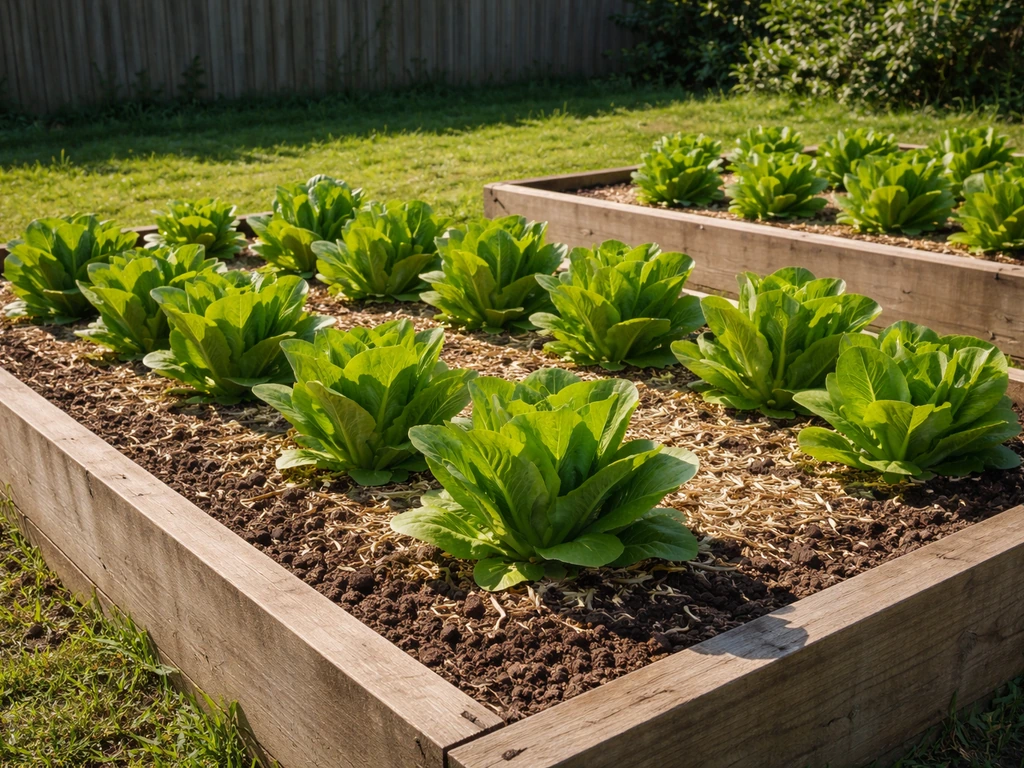
Cos lettuce is a heading-type romaine with long, upright leaves, a crunchy midrib, and a slightly sweeter flavour than many other lettuce types. It takes longer to mature than loose-leaf varieties, which makes it more vulnerable to heat stress along the way. The variety most Australians grow is Parris Island Cos, a reliable open-pollinated type with good heat tolerance relative to other romaines. If you want something even more bolt-resistant, look for Freckles or Winter Density at your local nursery or seed supplier.
Bolting is when the plant shifts from producing leaves to producing a flower stalk and seeds. Once it starts, the leaves become bitter and tough almost immediately, and there's no reversing it. The main trigger is heat: research shows lettuce bolts rapidly once daytime temperatures consistently exceed 30°C, with the ideal growth range sitting at 15 to 20°C. Day length plays a secondary role, but in Australian conditions, summer heat is almost always the primary culprit. Drought stress on top of heat accelerates the problem further, which is why inconsistent watering in warm weather leads to premature bolting even when temperatures haven't peaked.
Best time to sow and harvest in Australia
Australia's diverse climate means there's no single planting window that works nationwide. The broad rule is to sow when daytime temperatures are reliably below 25°C and nighttime temperatures are above 5°C. In most of the country, that points to late summer through autumn for a winter crop, and late winter through early spring for a spring crop. Here's a practical guide by region:
| Region | Autumn/Winter Sow | Spring Sow | Avoid Sowing |
|---|---|---|---|
| Sydney (NSW) | March–May | August–September | December–February |
| Melbourne (VIC) | March–April | August–September | December–February |
| Brisbane (QLD) | April–June | August–September | November–March |
| Perth (WA) | March–May | August–September | December–February |
| Adelaide (SA) | March–May | August–September | December–February |
| Hobart (TAS) | February–April | September–October | January |
| Darwin (NT) | April–June | Not recommended | September–March |
In subtropical Queensland and the Northern Territory, winter is your prime lettuce season. In temperate areas like Melbourne and Tasmania, you get two reliable windows: autumn and spring. Perth gardeners can often stretch the autumn window into June because winters there are mild. As a rule of thumb, a seed-to-harvest window of 60 to 75 days is realistic for cos lettuce, so count backwards from your expected hot spell to decide whether you have enough time. If you're in doubt, start in early autumn rather than late autumn so the plants have time to mature before the coldest nights slow growth significantly.
Starting seeds: direct sow vs seedlings
You have two options: sow directly into your garden bed or container, or start seeds in trays and transplant the seedlings. Both work, but each suits different situations.
Direct sowing

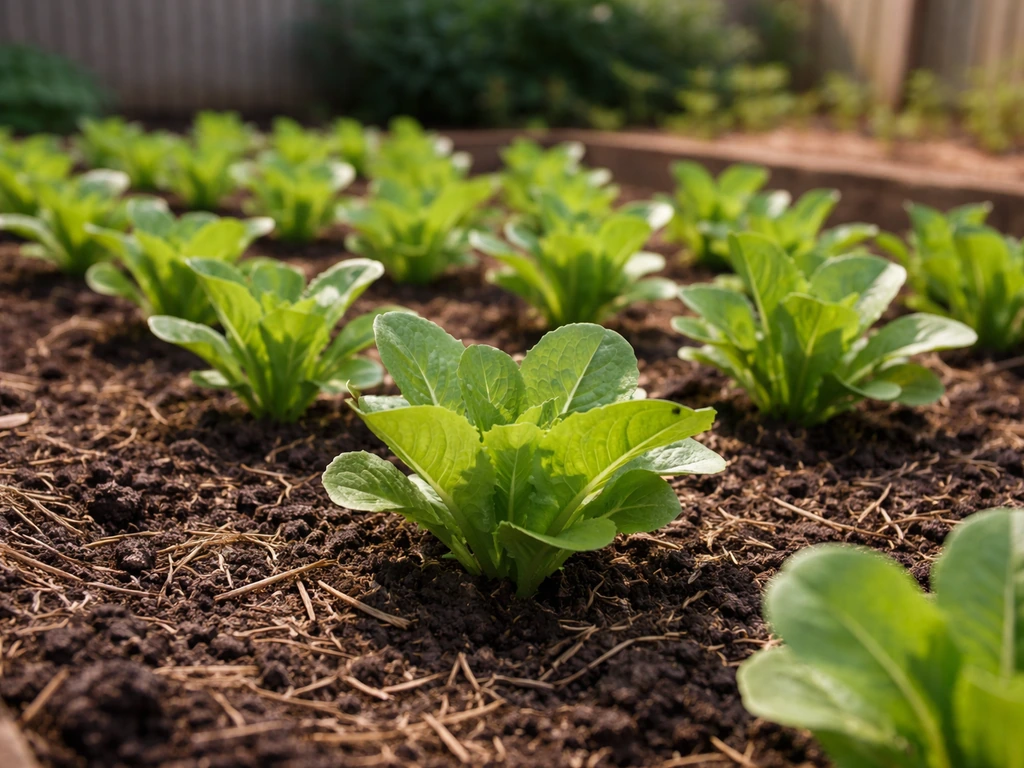
Direct sowing is the simpler approach and works well if your soil temperature is between 13 and 18°C. Scatter seeds thinly in a shallow furrow no deeper than 5 mm, cover very lightly with fine seed-raising mix or sieved compost, and water gently. Lettuce seeds need light to germinate, so don't bury them. Germination takes 7 to 10 days at ideal temperatures. Thin the seedlings once they're about 3 to 4 cm tall, removing the weakest plants to leave the strongest ones at your final spacing (more on that below).
Starting in trays and transplanting
Tray-starting gives you a head start on the season, especially useful in early spring when the soil is still cold or in autumn when you want to protect young seedlings from heat while they establish. Fill a seed tray or small pots with quality seed-raising mix, press seeds lightly onto the surface, and dust with a thin layer of fine mix. Keep the tray in a cool, bright spot (not full afternoon sun) and maintain consistent moisture. Once seedlings have two to three true leaves, they're ready to transplant. Before planting out, harden them off for three to seven days by placing them outside in a sheltered spot for increasing lengths of time each day. This prevents transplant shock, which can itself trigger early bolting.
For a continuous supply, sow a small batch every two weeks through your growing window. This is much more effective than sowing a big batch all at once and watching half of it bolt simultaneously.
Planting setup: spacing, containers, and soil
Spacing in garden beds
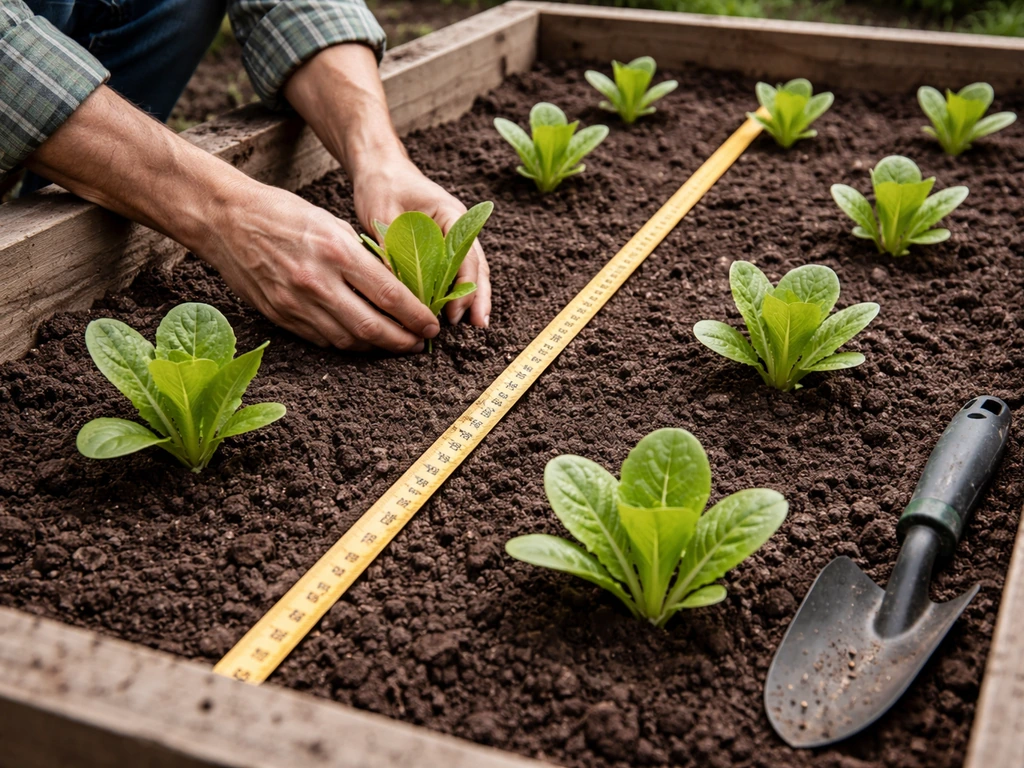
Cos lettuce needs more room than loose-leaf types because it forms an upright head. Space plants 25 to 30 cm apart within a row, with 30 cm between rows. Crowded plants compete for water and nutrients and are more prone to disease, especially in humid conditions. If you're growing in a raised bed, a grid spacing of 25 to 30 cm in all directions works well and makes good use of the space.
Growing in pots and containers
Cos lettuce does well in containers, which is a real advantage in Australia because you can move pots to a shadier spot when summer pushes temperatures up. To get the best results, pair these container tips with good timing so your cos lettuce avoids heat and bolts cos lettuce does well in containers. Use a pot at least 25 to 30 cm deep and wide per plant, or a larger trough where you can space multiple plants at 25 cm intervals. Shallow containers dry out too quickly and overheat in Australian sun, so depth matters. Growing cos lettuce in pots is especially practical for apartment balconies and small courtyard gardens.
Soil and growing media
Cos lettuce wants moisture-retentive but well-drained soil with a pH between 6.0 and 7.0. In garden beds, work in plenty of compost before planting. In containers, use a good-quality potting mix rather than garden soil, which compacts and drains poorly in pots. If you're growing hydroponically, target a pH of 5.8 to 6.2 in your nutrient solution, an EC of around 0.8 to 1.0 mS/cm for seedlings, and 1.2 to 1.6 mS/cm for mature plants. Lettuce is forgiving in hydro setups and grows fast in them, making it a popular beginner hydroponic crop.
Light, watering, and feeding (including heat management)
Light requirements
Cos lettuce grows best in full sun during cooler months and part shade during warmer periods. In autumn and winter, aim for at least six hours of direct sun daily. As temperatures climb into spring, afternoon shade becomes your best tool for extending the season. A 30 to 40 percent shade cloth over your plants can reduce surface temperature significantly and delay bolting by a few weeks. If you're growing on a balcony or indoors, a position with bright morning sun and indirect afternoon light is ideal during warmer months.
Watering
Keep the soil consistently moist but not waterlogged. Lettuce roots are shallow, so they dry out quickly in hot or windy conditions. Water deeply every two to three days in mild weather, and daily (or more) during heatwaves. Uneven watering, where the soil swings from dry to saturated, stresses the plant and accelerates bolting. Mulching around the base of your plants with straw or sugar cane mulch helps hold moisture and keeps soil temperature lower. For containers, check soil moisture daily, as pots dry out faster than ground beds.
Feeding
Cos lettuce is a leafy crop and needs nitrogen to put on good growth. Before planting, incorporate a balanced slow-release fertiliser or a generous amount of compost into your soil. Once plants are actively growing, apply a liquid fertiliser (fish emulsion or a balanced liquid feed) every two to three weeks. Don't overdo nitrogen in the final few weeks before harvest as it can make leaves soft and watery. In containers, plants exhaust nutrients faster, so fortnightly feeding is more important than it is in a well-prepared garden bed.
Managing Australian heat
This is the critical part. When a forecast shows consecutive days over 28 to 30°C coming, take action before the heat hits. Drape a shade cloth over your plants, water deeply the evening before a hot day, and apply extra mulch. If your lettuce is in a pot, physically move it to a cooler, shadier spot. These steps won't save a plant that's already committed to bolting, but they can buy you an extra one to two weeks of harvestable growth. If temperatures are consistently pushing above 30°C, accept that the current crop is near its end and plan your next sowing for when conditions cool.
Ongoing care: thinning, pests, and disease
Thinning
If you direct sowed, thin seedlings once they reach 3 to 5 cm tall. Remove the weaker seedlings at soil level rather than pulling them out, to avoid disturbing the roots of the ones you're keeping. The seedlings you thin out are perfectly edible as baby lettuce, so use them in a salad rather than composting them. Crowded cos plants rarely form proper heads, so don't skip this step.
Common pests in Australian gardens
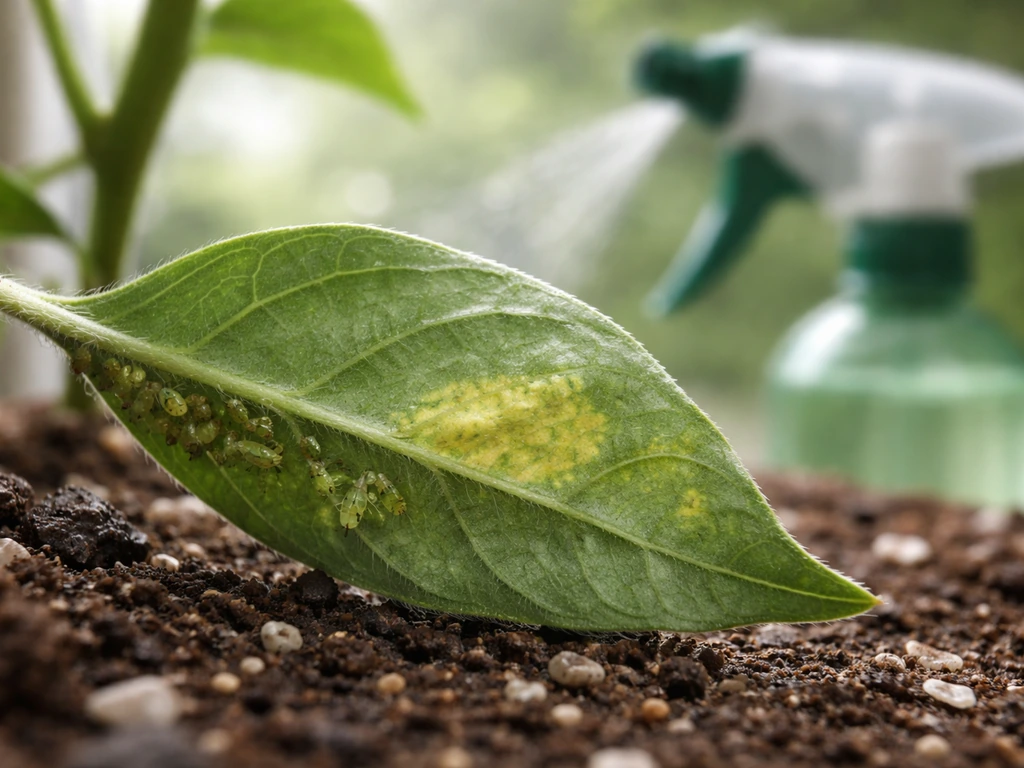
- Aphids: clusters of small insects on the undersides of leaves or near the crown. Blast off with a strong jet of water or apply neem oil spray. Currant lettuce aphid (CLA) is particularly problematic in Queensland.
- Slugs and snails: most active at night and after rain. Use iron-based snail bait around seedlings, or place a ring of crushed eggshell around plants.
- Caterpillars (including cabbage moth): chew holes in leaves. Hand-pick in the evenings or apply a Bacillus thuringiensis (Bt) spray, which is safe for edible plants.
- Whitefly: more common in warm, sheltered spots. Yellow sticky traps and neem oil sprays help manage populations.
Common diseases to watch for
- Downy mildew: yellow patches on upper leaf surfaces with grey-purple fuzz underneath. Caused by poor air circulation and humidity. Improve spacing, avoid overhead watering in the evening, and remove affected leaves promptly.
- Powdery mildew: grey-white powdery coating on leaf surfaces, distinct from downy mildew. Apply a diluted potassium bicarbonate spray or a commercial mildew treatment.
- Botrytis (grey mould): fuzzy grey growth, usually on damaged or dead tissue in humid, poorly ventilated conditions. Remove affected material and improve airflow around plants.
- Tip burn: brown, papery edges on inner leaves, caused by calcium deficiency or poor water uptake in heat. Improve watering consistency and ensure good airflow.
The best general defence against disease is good airflow, consistent watering, and not letting plants sit in waterlogged soil. UC IPM also describes powdery mildew on lettuce as gray-white powdery growth on leaf surfaces and notes how to distinguish it from downy mildew by observing traits of fruiting bodies and spores Powdery Mildew / Lettuce / Pest Management Guidelines / UC IPM. In containers and enclosed balcony spaces, disease pressure can build quickly, so check your plants every few days rather than once a week.
Harvesting and getting repeat growth
When and how to harvest
Cos lettuce is typically ready to harvest 60 to 75 days from transplanting or 70 to 85 days from direct sowing. The head should feel firm when you gently squeeze it and the inner leaves should be tightly packed. Don't wait too long: once the centre leaves start elongating upward into a point, bolting is close. Harvest the whole head by cutting the stem at soil level with a sharp knife or scissors.
Getting more than one harvest
Cos lettuce isn't as naturally cut-and-come-again as loose-leaf types, but you can get continued harvests with the right approach. If you’re growing cos lettuce from cutting, the same outer-leaf harvesting approach helps you keep getting fresh leaves while the plant is still healthy right approach. Rather than harvesting the whole head at once, try removing outer leaves progressively, taking the largest leaves from the outside in. USU Extension notes that blank" rel="noopener noreferrer">careful clipping and choosing the right lettuce variety can enable regrowth for multiple harvests. Leave the inner six to eight leaves and the growing crown intact. This can extend your harvest window by two to four weeks on a healthy plant in cool conditions. Alternatively, cut the whole head but leave a 3 to 4 cm stump above the soil. In cool weather, many plants will regrow a smaller second head from the base. Don't expect regrowth if temperatures are warming up, as heat stress usually prevents a meaningful second crop.
What to do next based on where you are right now
If you haven't sown yet: check today's date and your regional planting window in the table above. If you're in the right window, sow seeds directly or into trays this week. If you need a step-by-step refresher, this guide explains how to grow cos lettuce from seed, including the best sowing depth and timing for your region. If summer heat is still at its peak, prepare your soil or containers now and wait for the first cool break before sowing.
If you've just planted: focus on consistent watering, mulching, and protecting young seedlings from any unexpected heat. Thin to the correct spacing within the first two weeks.
If your plants are actively growing: keep up with feeding every two to three weeks and monitor for aphids, slugs, and mildew. Start harvesting outer leaves as soon as they're large enough, rather than waiting for a perfect head.
If your plant is bolting or has bolted: harvest whatever edible leaves remain immediately, compost or remove the plant, and plan your next sowing for cooler conditions. There's no saving a bolting cos plant, but a fresh sowing at the right time of year will outperform a stressed plant every time.
FAQ
Can I stop bolting on cos lettuce once it starts?
Not reliably. Once a cos lettuce plant starts bolting (the centre begins elongating and the leaves turn bitter), the quality will deteriorate quickly and you cannot “cool it down” to restore a proper head. Your best move is to harvest edible leaves immediately, then re-sow for the next suitable window.
Is it possible to get another harvest from the same cos lettuce plant?
Yes, but do it selectively. Harvesting outer leaves progressively (leaving the inner growing crown and several inner leaves intact) can extend production by a couple of weeks in cool weather. If the plant is already committed to bolting, outer-leaf harvesting will only slow the decline, it will not produce a good head later.
How do I water cos lettuce so it grows well without causing root problems?
Aim for steady moisture, not frequent light watering. Because roots are shallow, water deeply so the top several centimetres stay evenly moist, then let the surface slightly dry before the next watering. In heat, pots may need daily checks, and in humid conditions you still want drainage to prevent waterlogging.
What’s the best way to prevent waterlogging in cos lettuce beds or pots?
Use a growing-mix or compost that drains well, and don’t keep pots sitting in runoff water. In ground beds, avoid overworking heavy clay, and improve drainage with compost and (if needed) a small amount of coarse material. Waterlogged soil speeds up disease and makes plants weaker, which can lead to earlier bolting.
What should I do if my cos lettuce seeds won’t germinate?
If your soil temperature is below about 13°C, seeds often sit and rot or germinate slowly, especially in autumn and winter. A practical workaround is tray-starting indoors or under cover, then transplant when seedlings are established and nights are not too cold for young plants.
How important is thinning, and when should I thin cos lettuce?
Thinning matters, because crowded cos plants form poorer heads and compete for moisture and nutrients. Thin to the final spacing within the first couple of weeks, and remove weaker seedlings at soil level rather than pulling, to protect the roots of the plants you keep.
Why are my cos lettuce heads small or not firming up?
If you’re getting leggy plants with loose or poorly packed centres, it is usually either low light, inconsistent watering, or nitrogen imbalance. Check that the plants receive at least six hours of sun in cooler months, keep moisture even, and avoid heavy late nitrogen that makes leaves soft and watery.
How can I tell if I’m over-fertilising cos lettuce?
Too much nitrogen late in the season can lead to soft, watery leaves and makes plants more prone to pest and disease issues. Keep fertilising regular, but avoid boosting nitrogen right before harvest, switch to lighter feeds if your leaves look overly lush and the head is not tightening.
Can I successfully grow cos lettuce on a balcony in Australia?
Yes, and it’s often the easiest strategy in apartments or small courtyards. Choose pots that are deep and wide enough per plant (around 25 to 30 cm or more), position for bright morning sun, and move pots to afternoon shade during warm stretches to reduce surface heat.
What pests and diseases should I monitor for, and how do I respond quickly?
Watch for the pattern of damage, then act early. Aphids cluster on new growth, slugs tend to leave ragged holes after dusk or at night, and mildew shows up as whitish patches in damp, still air. Improve airflow, remove heavily affected leaves, and water in the morning to reduce overnight leaf wetness.