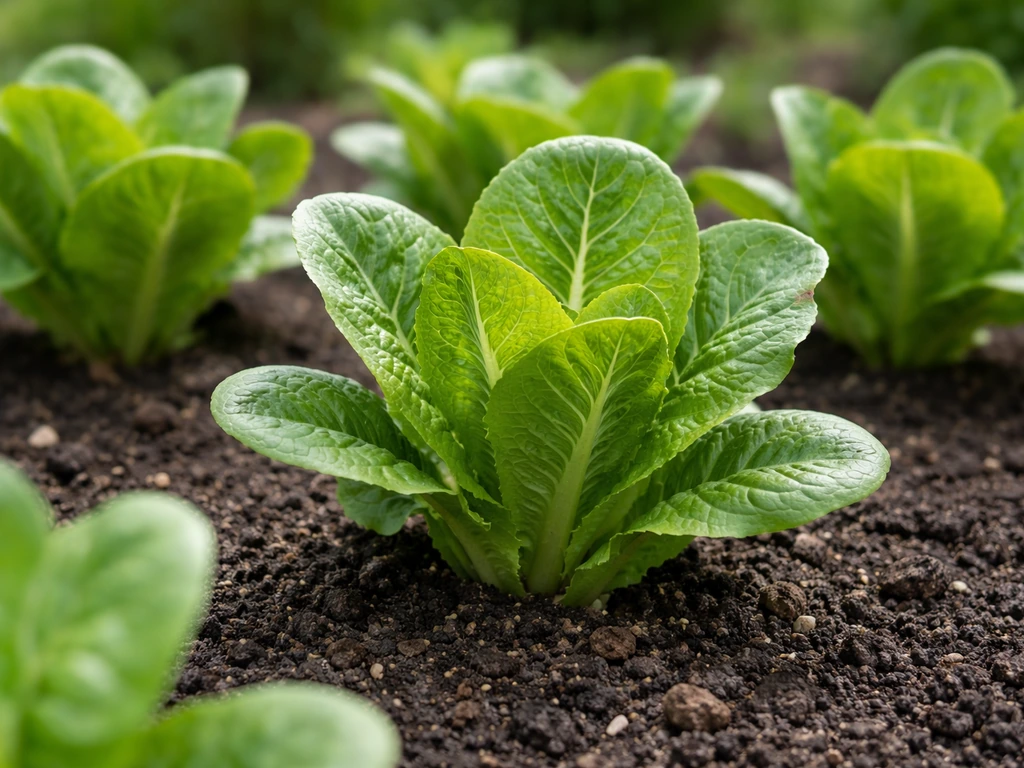
Cos (romaine) lettuce takes 55 to 75 days from seed to a full, harvestable head under typical outdoor conditions. If you're starting from transplants, knock 10 to 15 days off that, you're looking at roughly 50 to 60 days to a mature head. Baby leaves are ready much sooner, sometimes in as little as 28 days from seed. The exact number depends on your variety, your growing method, and the conditions you give it, but those ranges are what you should plan around.
How Long Does Cos Lettuce Take to Grow Use Timelines
Marcus Holloway
30 May 2026
Typical days-to-maturity for cos lettuce
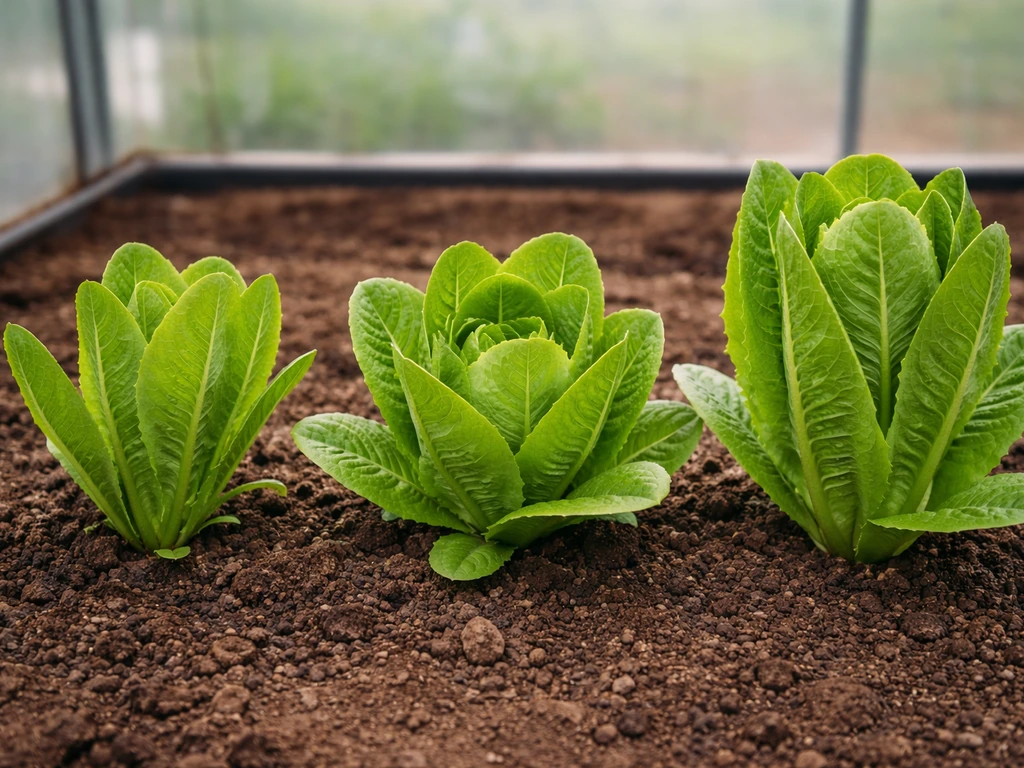
The most commonly grown cos variety is Parris Island Cos, and it's a good benchmark for the whole category. If you're specifically growing Parris Island Cos lettuce, the next step is understanding how to grow parris island cos lettuce from seed. Depending on the source and growing conditions, it matures in 60 to 75 days from seed, with some growers reporting as few as 55 days in ideal conditions. blank" rel="noopener noreferrer">Andrews Seed puts it at 65 to 70 days; Veseys lists 70 to 75 days. The variation isn't just marketing, it reflects real differences in climate, soil, and care.
You'll know a cos head is ready when the leaves have elongated and overlapped to form a fairly tight, upright head roughly 4 inches wide at the base and 6 to 8 inches tall.
University of Maryland Extension notes that romaine (cos) is ready to use when the leaves have elongated and overlapped to form a fairly tight head about 4 inches wide at the base and 6, 8 inches tall cos head is ready when the leaves have elongated and overlapped to form a tight upright head about 4 inches wide at the base and 6–8 inches tall. That's the target.
If you're not sure whether to harvest, squeeze the top of the head gently, it should feel dense, not floppy.
| Starting point | Days to baby leaf harvest | Days to full head |
|---|---|---|
| From seed (ideal conditions) | ~28 days | 55–75 days |
| From seed (typical outdoor) | 30–35 days | 65–75 days |
| From transplant | Not applicable | 50–60 days |
What changes the timeline: temperature, light, and season
Cos lettuce is a cool-season crop, and that's the single most important thing to understand about its timing. If you’re in Australia, focus on cool-season timing, good airflow, and bolting prevention to match your local conditions how to grow cos lettuce australia. It grows fastest when temperatures stay between 60°F and 70°F (15°C to 21°C). Push above 75°F to 80°F (24°C to 27°C) for more than a few days and growth slows down, then bolts (goes to seed early), which effectively ends your harvest window. Drop below 45°F and growth slows to a crawl, though the plants won't die.
Light is the other big lever. Cos lettuce needs 6 to 8 hours of full sun outdoors, but in hot weather, afternoon shade actually helps you grow better lettuce faster by keeping soil temperatures down. Indoors, you need strong, consistent light, at least 12 to 14 hours from a grow light if there's no natural sunlight supplementing it. Without enough light, plants get leggy and slow.
Season matters because it combines temperature and day length. Spring and autumn are the sweet spots. Spring-sown lettuce grows quickly in warming soil and long days, but you have to watch for the summer heat sneaking up. Autumn crops often produce the best-quality heads because cool nights tighten the leaves and delay bolting. Summer growing is possible but requires shade cloth and heat-tolerant varieties. Winter growing outdoors only works in mild climates, though it's very doable indoors or under cover.
From seed to harvest: the key milestones
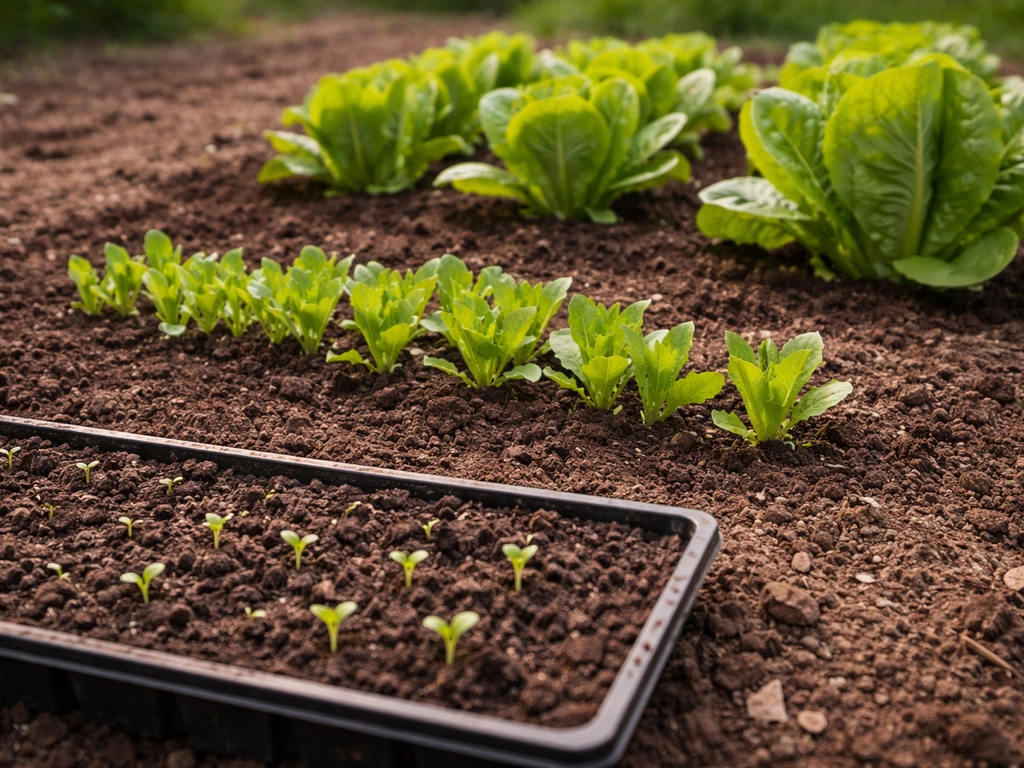
Here's what the growth timeline actually looks like on the ground, so you know what to expect at each stage and when to act.
- Days 1–7: Germination. Cos lettuce seeds germinate in 2 to 7 days at soil temperatures between 60°F and 68°F. Above 75°F, germination drops off sharply. Sow seeds 1/8 inch deep — barely covered. Keep the soil consistently moist but not waterlogged.
- Days 7–21: Seedling stage. Tiny true leaves appear after the initial seed leaves (cotyledons). Plants are fragile here — they need good light to avoid becoming thin and leggy. If starting indoors, this is the stage where inadequate light costs you the most time.
- Days 21–35: Early leaf development. The plant starts pushing out its characteristic elongated leaves. At around day 28, these are harvestable as baby greens if you want early yields. This is also when thinning or transplanting becomes critical.
- Days 35–55: Head formation. Leaves begin to overlap and the central structure of the head develops. Growth is most visible here — this is when consistent watering and nutrients really pay off. Any significant heat stress during this window will trigger bolting.
- Days 55–75: Harvest window. The head reaches 6 to 8 inches tall and feels firm. Harvest promptly once it's mature — heads left too long become bitter and bolt in warm weather. Cut at ground level or pull the whole plant.
How to speed up (or slow down) your cos lettuce
To grow faster
- Start from transplants instead of seed — this cuts 10 to 15 days off the timeline immediately.
- Pre-warm your soil before planting. Soil at 65°F germinates and grows lettuce faster than cold spring soil at 50°F.
- Use a balanced liquid fertilizer (around 10-10-10 or a nitrogen-forward formula) every 2 weeks to keep growth pushing. Nitrogen is the key driver of leafy growth.
- Mulch around plants to stabilize soil temperature and retain moisture — moisture stress causes lettuce to pause growth or bolt.
- In spring, use a cloche or row cover early in the season to trap warmth and get a 2 to 3 week head start.
- Start seeds indoors 4 to 6 weeks before your last frost date, then transplant out when conditions are right.
To slow things down (in a good way)
If you want to extend your harvest window rather than rush it, plant in succession: sow a new batch every 2 to 3 weeks so you're always harvesting something rather than everything at once. In hot weather, use 30% to 50% shade cloth over your plants to cool the canopy by several degrees and delay bolting by a week or more. Keeping soil consistently cool and moist does the same job.
Spacing, containers, and thinning for faster, better results
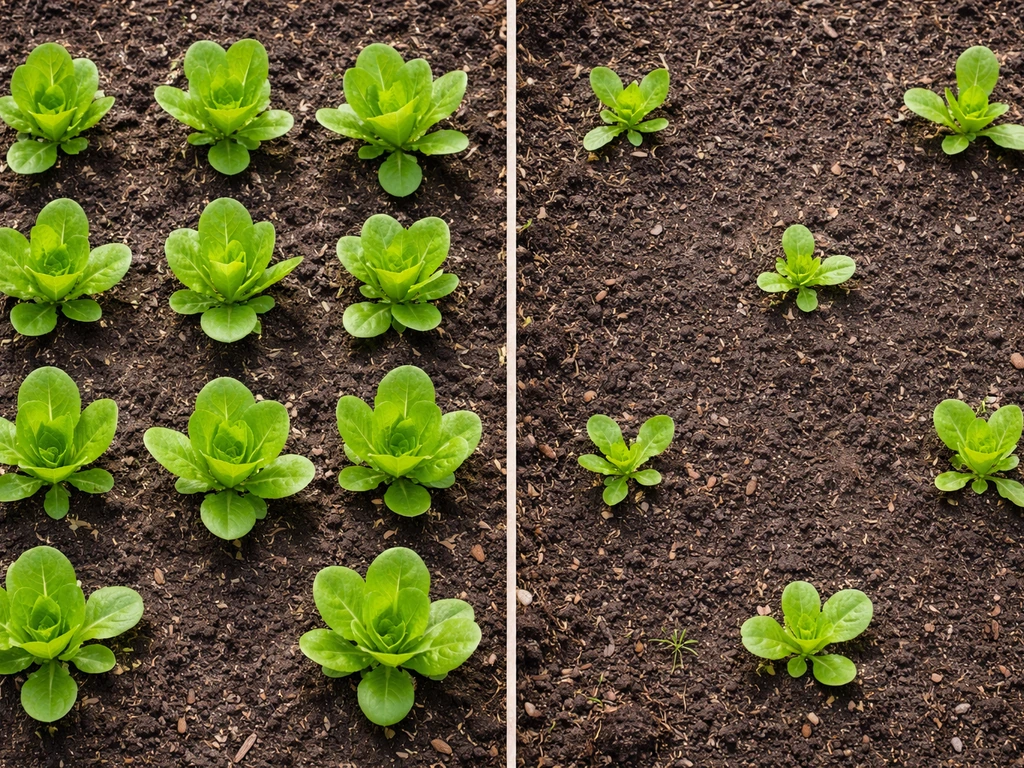
Crowded cos lettuce doesn't grow faster, it grows slower, and the heads are smaller and more prone to disease. For full heads, space plants 12 inches apart in rows 18 inches apart. If you're growing for baby leaves, 6 inches apart is fine. Thin early and ruthlessly; seedlings competing for the same space rob each other of water, nutrients, and light.
In containers or pots, the same rules apply. Use a pot at least 8 inches deep and 12 inches wide for a single full-sized cos plant. Wider containers work better if you're growing multiple plants, just maintain the 12-inch spacing. Well-draining potting mix is non-negotiable; waterlogged roots in containers stall growth fast. If you're growing cos lettuce in pots specifically, the drainage setup matters as much as the spacing. If you want to speed things up with pot-grown cos lettuce, focus on drainage, consistent watering, and avoiding summer heat stress Cos lettuce in pots.
Thinning isn't just about giving plants room, it's a direct speed lever. Thin seedlings when they reach 2 inches tall. Don't pull them out (which disturbs neighbors' roots); snip them at the base with scissors. The thinnings are edible, so nothing is wasted.
Indoor, outdoor, and hydroponic timing: what to expect
Growing method is one of the biggest variables in your timeline, and it's worth being clear about what each setup actually delivers.
| Growing method | Typical days to harvest (full head) | Key timing factors |
|---|---|---|
| Outdoor soil (spring/autumn) | 60–75 days from seed | Temperature and season control everything; spring and autumn are fastest |
| Indoor containers (grow lights) | 50–70 days from seed | Light hours and intensity are the main variables; 14+ hours of strong light speeds growth |
| Hydroponic (indoor) | 30–50 days from seed | Optimal nutrient delivery and light cycles can cut weeks off the timeline |
| From transplant (any method) | Subtract 10–15 days from seed timelines above | Transplants skip early seedling stress |
Hydroponics is genuinely the fastest path if you set it up properly. With a well-dialed nutrient solution (EC around 0.8 to 1.2 mS/cm for lettuce), pH held at 5.5 to 6.5, and 14 to 16 hours of grow light, cos lettuce can be ready in 30 to 50 days. The consistent nutrient access removes the fluctuation that slows soil-grown plants. The tradeoff is the setup cost and the need to monitor your system regularly.
Growing cos lettuce indoors in containers under lights sits in the middle. You're faster than outdoor growing because you control temperature year-round, but without the same nutrient precision as hydroponics, you're still looking at 50 to 70 days for a full head. The most common mistake I see with indoor growing is under-lighting, people use a weak bulb, plants stretch toward the light, and growth stalls. A proper full-spectrum LED at the right distance (typically 12 to 18 inches above the canopy) makes a significant difference.
Outdoor growing in good conditions is reliable and low-maintenance but the most weather-dependent. Spring and autumn crops often mature right at the 60-day mark in moderate climates. Summer crops can take longer due to heat stress, or not make it to full maturity at all if temperatures spike early.
Why your lettuce is taking longer than expected (and how to fix it)
Bolting before it's ready
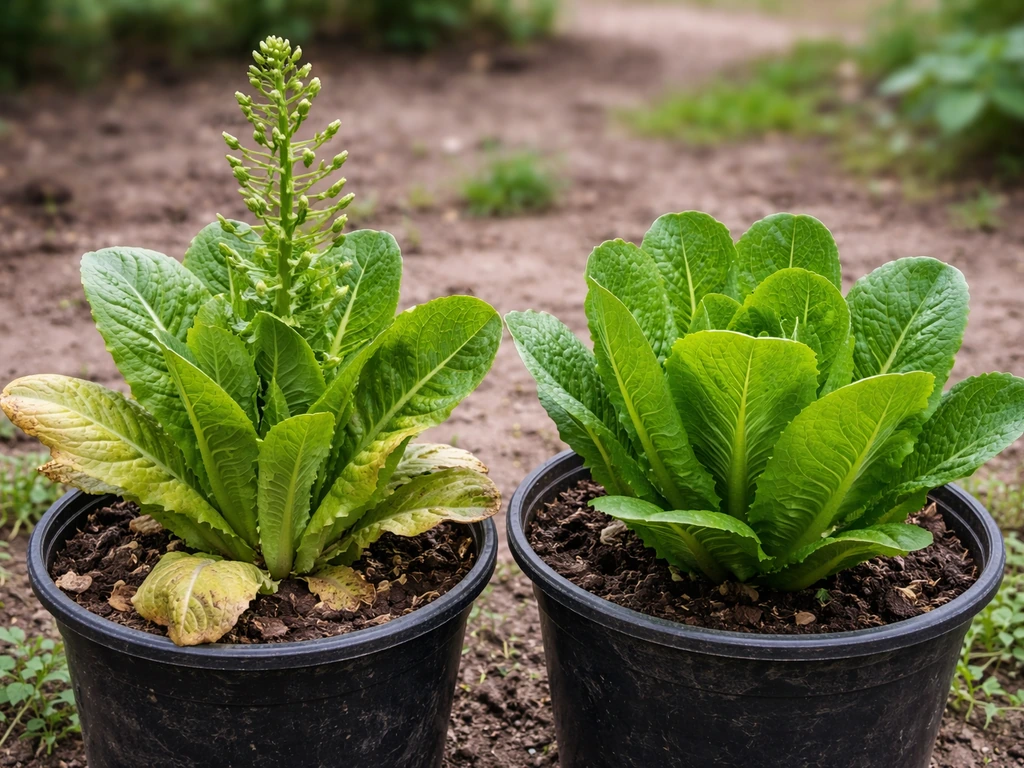
Bolting is the most common timing disaster with cos lettuce. If the plant sends up a tall flower stalk, it's over, the leaves turn bitter immediately. This happens when temperatures consistently exceed 75°F to 80°F, when day length gets very long (late spring and summer), or when the plant is stressed by drought. If you're in a warm climate, choose bolt-resistant varieties, grow in spring or autumn, and use shade cloth once temperatures start climbing. There's no reversing a bolt, but you can harvest baby leaves quickly before the whole plant goes.
Watering problems
Both underwatering and overwatering stall growth, just in different ways. Underwatering triggers stress responses that slow leaf development and accelerate bolting. Overwatering suffocates roots, especially in containers, and leads to slow yellowing and stunted growth. The fix is consistent moisture, lettuce wants the soil to feel like a damp sponge, never bone dry and never waterlogged. Stick your finger an inch into the soil; if it's dry, water. If it's soggy, hold off and check your drainage.
Nutrient deficiencies
Slow growth with pale or yellowing leaves usually points to nitrogen deficiency. This is common in containers where nutrients deplete faster than in ground soil. A nitrogen-rich liquid fertilizer applied every two weeks during the growing season fixes this quickly, you'll often see a visible response within a week. In hydroponic systems, check your EC and pH first; if pH drifts outside 5.5 to 6.5, nutrient uptake blocks even when nutrients are present.
Pest pressure
Aphids, slugs, and caterpillars are the most common culprits that slow lettuce development by damaging leaves and stressing plants. Check the undersides of leaves regularly. For aphids, a strong spray of water knocks them off; neem oil applied in the evening helps if infestations persist. Slugs are worst in damp conditions, beer traps or iron phosphate pellets work well. Catching pest pressure early keeps plants on their growth schedule; a heavily damaged plant takes much longer to recover than a healthy one that's treated promptly.
Poor germination extending your start date
If seeds are taking more than 10 days to germinate or germination is patchy, the most likely cause is soil temperature. Lettuce seeds need soil between 60°F and 68°F to germinate reliably. Above 75°F, germination rates drop sharply. If you're sowing in warm conditions, try chilling the seeds in the refrigerator for a day before planting, it can help break thermal dormancy.
Alternatively, start seeds indoors where you can control temperature, then transplant. If you'd rather skip full seedlings, you can also use cutting-based propagation, which is one way to grow cos lettuce from cutting instead of starting from seed. That's a reliable way to get a consistent start regardless of outdoor conditions, and it effectively shortens your outdoor growing window by several weeks.
If you are blank" rel="noopener noreferrer">starting with seeds, the key steps are to germinate them reliably, then keep the cool-season conditions steady for the best heads grow cos lettuce from seed.
FAQ
Can I harvest cos lettuce earlier than a full head, and still get more growth later?
Yes. Cos lettuce can be harvested earlier for baby leaves even if you still want to stagger full-head harvests. A practical approach is to start snipping outer leaves once the plant reaches hand-sized, then stop only when the center begins elongating, since that is the start of heading and bolting risk increases soon after in warm weather.
How do I know when cos lettuce is ready to harvest, not just growing bigger?
If your goal is a harvestable head, wait until the leaves form a tight, upright bundle and the plant feels dense when you gently squeeze the top. If you harvest while it is still floppy, it usually won’t “pack in” later because the plant is either not mature enough or is beginning to divert energy toward bolting.
Why is my cos lettuce taking longer than the timeline even though I followed the basics?
Temperature swings are often the culprit. If daytime heat pushes above 75°F to 80°F, growth can slow and bolting can start even if nights cool off. For the most reliable schedule, use shade cloth during heat spikes, and time your planting so the crop matures before sustained warm weather.
Should I count “days to maturity” from sowing or from germination?
Start measuring your days from when the seeds actually germinate, not the day you sow them. Germination can add 5 to 10 days depending on soil temperature, so two gardens that sow on the same date can still be out of sync by a week or more.
If my cos lettuce bolts, is it still worth growing it to get a head?
No, it’s not usually a good tradeoff for most home growers. After a bolt, the leaves turn bitter quickly and the plant is effectively done for head harvest. The only workable option is to harvest baby leaves immediately (especially in smaller, still-tender growth) before bitterness becomes severe.
My plants are healthy but the heads are small. What’s the fastest fix?
If plants are smaller than expected, check both spacing and thinning timing. Overcrowding slows growth and increases disease pressure, and delayed thinning means seedlings compete longer than they should. Thin at around 2 inches tall using scissors to avoid disturbing neighbor roots.
How long does indoor cos lettuce take if I use grow lights?
Yes, but the timeline depends on how close you can keep conditions to the lettuce “comfort zone.” If your indoor setup can maintain cool temperatures and strong light, you may be closer to the 50 to 70 day range. The most common reason indoor cos runs long is under-lighting, plants stretch, and heading stalls.
Why does cos lettuce grow slower in pots compared with in-ground beds?
In containers, drainage issues can easily add time because roots stay oxygen-starved. Use a container at least 8 inches deep, keep potting mix well draining, and water only when the top inch is dry to the touch. If excess water pools after watering, growth speed will suffer until drainage improves.
What’s the best way to spread out harvest so I do not lose everything at once?
Yes, but plan it as a succession crop, not a single “wait longer” plan. Sow new seeds every 2 to 3 weeks so you always have plants at different stages. In heat-prone periods, combine succession planting with shade cloth to keep the next batch from hitting bolting conditions.
My cos lettuce looks pale and slow, could it be why it is taking longer? What should I do first?
A simple yardstick is whether the center is tightening rather than stretching. If leaves are getting pale, yellow, or growth is slow despite adequate watering, nitrogen may be low, especially in pots. Apply a nitrogen-rich liquid fertilizer about every two weeks during the growing season, and in hydroponics check pH and EC before adding more nutrients.
What should I do if cos lettuce seeds take too long to germinate?
Often, yes. Lettuce seeds germinate reliably around 60°F to 68°F, and germination slows or becomes patchy in warmer soil. If sowing is warm, chill seeds for a day before planting or start indoors, then transplant once seedlings are established so the growing phase stays within cool-season conditions.
If I use hydroponics, what most often prevents the fastest timeline?
Hydroponics can shorten time, but only when parameters are stable. If you see slower growth in hydroponics than expected, first verify pH stays within about 5.5 to 6.5 and EC stays in the lettuce range you’re targeting, then check light duration, since under-lighting can still delay heading.