Plan on growing about 3 to 5 plants per person per week for a steady salad habit. If you want roughly 1 to 2 pounds of fresh lettuce per person per week (enough for a side salad most nights), you need somewhere between 10 and 15 plants in the ground at any given time per person, staggered so they mature at different times. That's the baseline. From there, the exact number shifts based on the type of lettuce you grow, whether you're cutting baby leaves or harvesting whole heads, and what setup you're working with.
How Much Lettuce to Grow Per Person: Plant Targets
Marcus Holloway
3 Jul 2026
Your quick per-person target to start with
Virginia Cooperative Extension recommends planning for 5 to 10 pounds of lettuce per person per growing season, which lines up well with real-world salad consumption. For most home gardeners eating salads 4 to 5 times a week, the sweet spot is about 1 to 1.5 pounds of fresh lettuce per person per week. If you're growing lettuce as a main meal base rather than a side, bump that to 2 pounds per person per week.
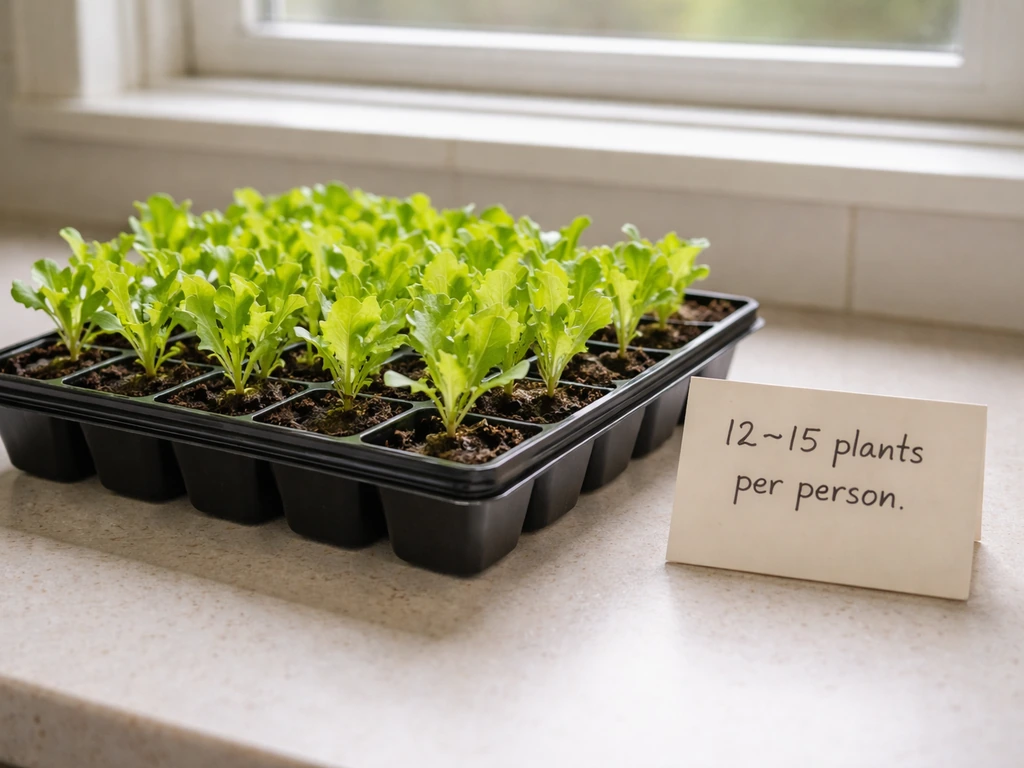
Here's the simple starting rule: grow 12 to 15 plants per person if you're doing cut-and-come-again leaf lettuce, or 5 to 8 heads per person in a given harvest window if you're growing full heads. You'll stagger those plantings so you're not harvesting everything at once (more on that below). Think of this as your baseline before adjusting for losses, which happen to everyone.
Pick your lettuce type and decide how you'll harvest
This matters more than most people realize because the type of lettuce you grow completely changes how much space you need, how long you wait, and how much weight you actually get per plant. Leaf varieties (loose-leaf types like Black Seeded Simpson or Oak Leaf) are ready to cut in as little as 27 days and give you multiple harvests from the same plant. Butterhead and romaine take 42 to 70 days for a full head. Crisphead (iceberg-style) takes the longest at 60 to 120 days and is the most demanding to grow well at home.
| Lettuce Type | Days to First Harvest | Harvest Style | Yield per 10-ft Row | Best For |
|---|---|---|---|---|
| Loose-leaf | 27–45 days | Cut-and-come-again or whole plant | 2–6 lb | Continuous weekly harvests |
| Butterhead | 42–70 days | Whole head or outer leaves | 4–8 lb | Soft heads, good flavor |
| Romaine/Cos | 29–70 days (leaf stage early) | Cut inner leaves or full head | 5–10 lb | Hearty salads, Caesar-style |
| Crisphead (Iceberg) | 60–120 days | Whole head only | 5–10 lb | Experienced growers, cool climates |
For most beginners and people wanting a reliable weekly supply, I strongly recommend starting with loose-leaf varieties. You cut what you need, the plant keeps producing, and you get something edible in under a month. If you want heads, butterhead is the most forgiving option. Save crisphead for when you've got a handle on your growing conditions, because it bolts easily and needs a long, cool window to form a proper head.
Turn servings per week into a harvest weight target
This is the calculation most people skip, and it's why they end up with either a glut or a frustrating shortfall. Here's a simple way to work it out:
- Decide how many times per week you eat salads (call this your 'serving days'). For example: 4 days per week.
- Estimate the fresh weight per serving. A side salad uses about 2 to 3 oz of lettuce; a main-course salad uses 4 to 6 oz. So 4 side salads per person per week = roughly 10 to 12 oz, or about 0.7 lb per week.
- Multiply by the number of people in your household. Two people eating 4 salads/week = about 1.4 lb per week of fresh lettuce needed.
- Add a 30 to 40% buffer for waste, outer leaves you discard, pest damage, and plants that bolt or underperform. So 1.4 lb becomes a target of about 2 lb harvested per week.
- Now convert to plants: a healthy loose-leaf plant yields about 0.25 to 0.5 lb per cutting cycle. To harvest 2 lb per week from cut-and-come-again plants, you need 6 to 10 actively growing plants per week. Since you stagger plantings, you'll want 15 to 20 plants total in rotation.
For full-head varieties, one butterhead or romaine head weighs roughly 0.5 to 1 lb at harvest. For two people eating 4 salads per week, you'd need 2 to 4 heads per week. Since heads take 6 to 10 weeks to mature, you need multiple plantings staged weeks apart to keep that supply coming.
Figure out your space: outdoor beds, containers, and hydroponics
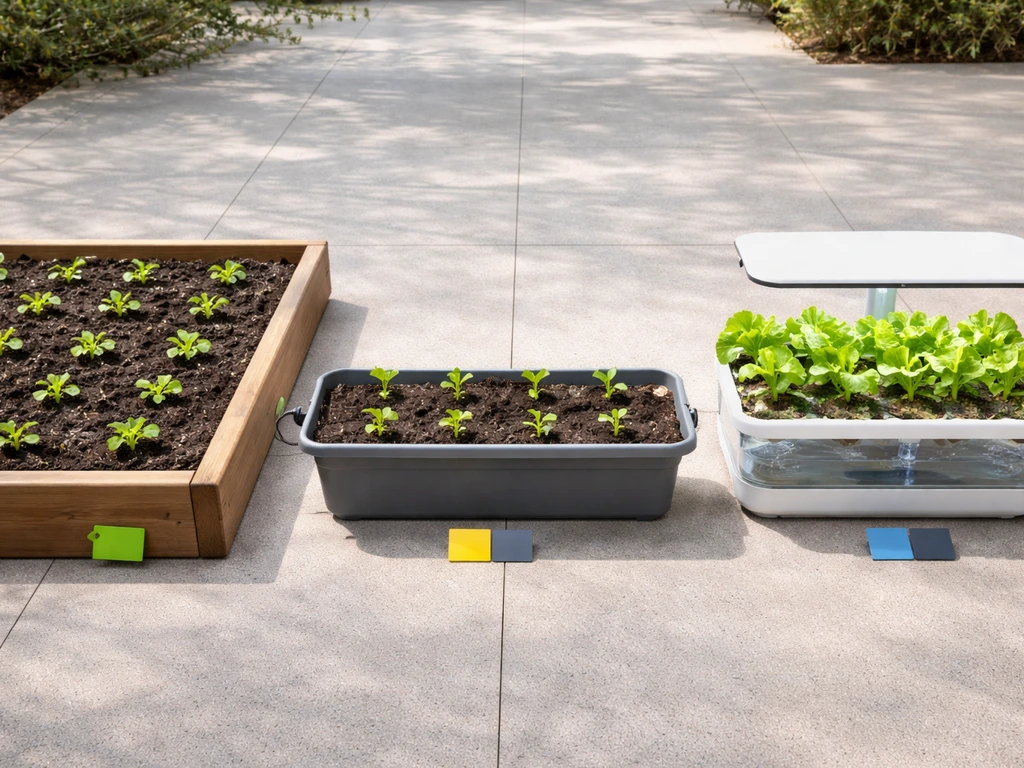
Once you know how many plants you need, converting to space is straightforward. The spacing requirements differ quite a bit by setup and lettuce type, so here's how each one breaks down. Lettuce also has specific nutrient needs, so pairing your spacing plan with proper fertilization helps it grow reliably lettuce nutrient needs.
Outdoor beds and raised beds
Loose-leaf and butterhead varieties need 4 to 10 inches between plants in a row, with 12 to 24 inches between rows. Crisphead needs more room: 12 to 15 inches between plants and 20 to 30 inches between rows. In a standard 4-foot-wide raised bed, you can fit 3 to 4 rows of leaf lettuce, giving you roughly 12 to 16 plants in a 4x4 section. That's enough for one person's weekly supply with some staggering. For a household of two, a 4x8 bed planted in succession covers you well.
A 10-foot row of lettuce yields 4 to 10 pounds total depending on variety. Virginia Cooperative Extension notes that yields are approximate 5, 10 lb per 10-foot row, which is the amount to raise about 5, 10 lb per person blank" rel="noopener noreferrer">about 5–10 lb per 10-foot row. For continuous supply, you don't want one long 10-foot row planted all at once. Instead, plant a 2 to 3 foot section every 10 to 14 days so harvests roll in over weeks rather than all at once.
Containers and pots
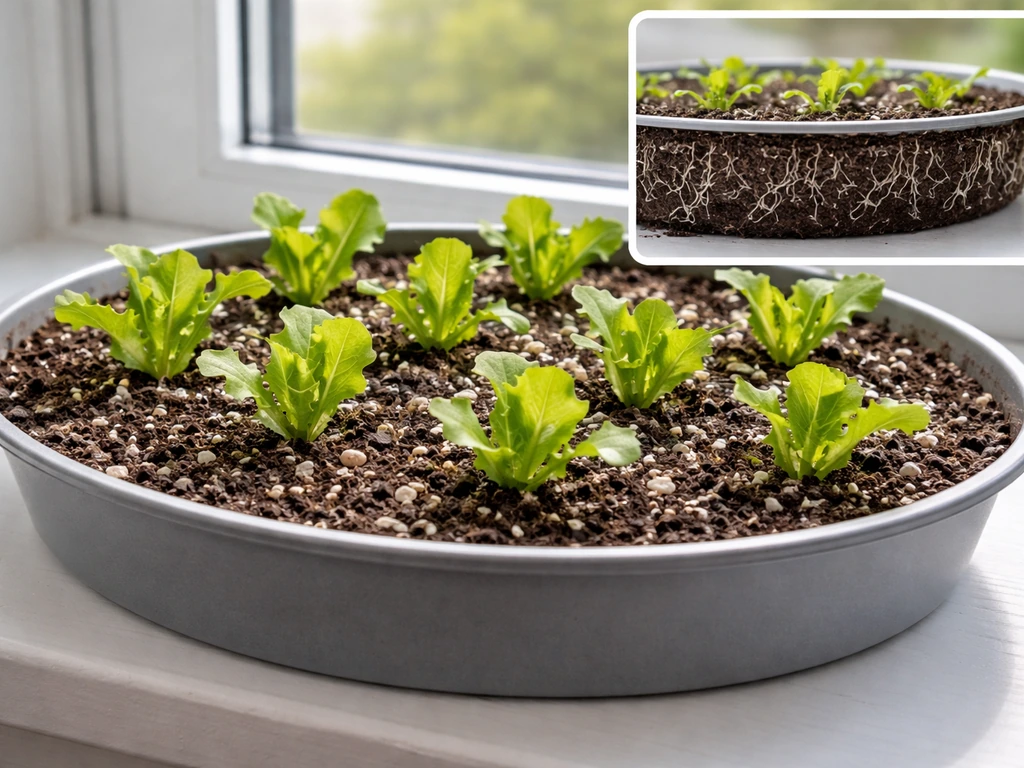
Containers work really well for lettuce as long as they're wide and shallow rather than deep. A 12-inch pot holds 1 to 2 leaf lettuce plants comfortably. A window box or rectangular planter that's 24 inches long and 8 inches wide fits 3 to 4 leaf lettuce plants. For one person's weekly salad supply using cut-and-come-again harvesting, you'd want 3 to 4 containers of that size in rotation. Container-grown lettuce typically yields slightly less per plant than in-ground lettuce due to limited root space and faster soil drying, so factor that into your buffer.
Hydroponic systems
Hydroponics is where lettuce really shines. Plants grow faster, space is used more efficiently, and you can grow year-round indoors. In a nutrient film technique (NFT) or deep water culture (DWC) setup, net cups are typically spaced 6 to 8 inches apart. For one person's weekly supply, 8 to 12 net cups/basket sites running continuously (with staggered transplant dates) is usually enough. Hydroponic loose-leaf lettuce often reaches harvest weight 20 to 30% faster than soil-grown plants, so your rotation can be tighter. The spacing and nutrient needs for hydroponic lettuce are worth planning carefully alongside your overall growing setup.
| Setup | Space per Person (weekly supply) | Plants in Active Rotation | Notes |
|---|---|---|---|
| Outdoor/raised bed | ~4 sq ft (leaf lettuce) | 12–15 plants | Stagger every 10–14 days; 4x4 bed covers one person well |
| Containers | 3–4 planters (12–24 in) | 10–12 plants | Slightly lower yield per plant; keep well watered |
| Hydroponics (NFT/DWC) | 8–12 net cup sites | 8–12 plants | Faster growth; tighter stagger schedule possible |
Stagger your plantings for harvests every single week
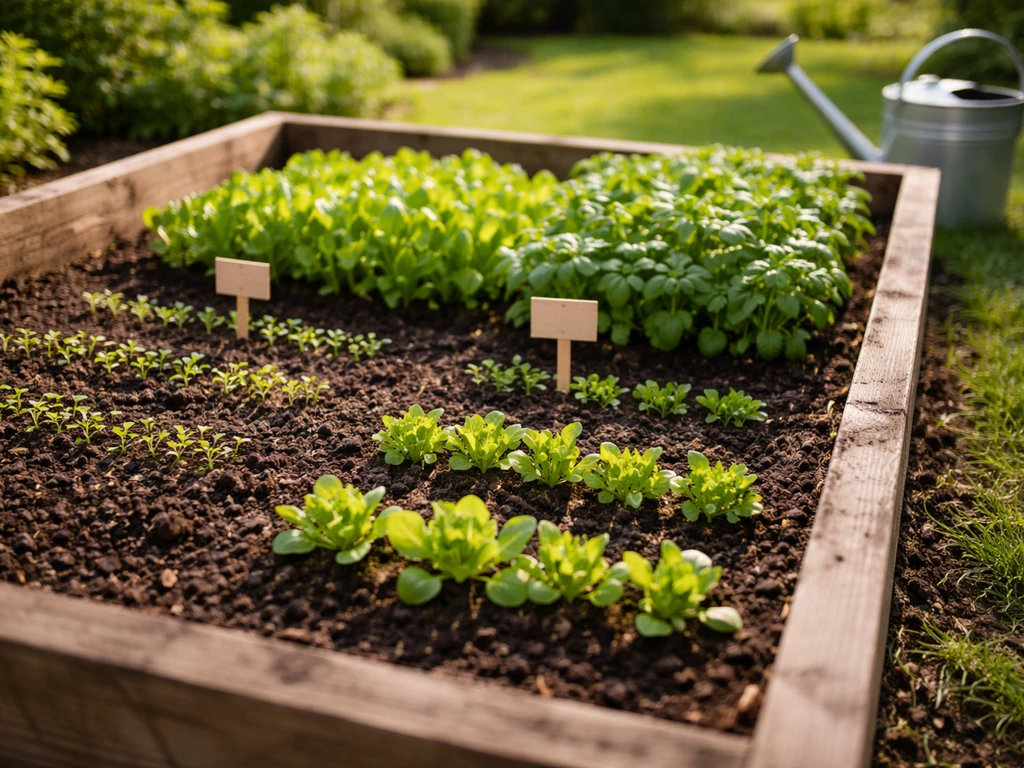
This is the piece most beginners miss. If you plant everything at once, you get a tidal wave of lettuce for two weeks and then nothing. Succession planting, putting in a new small batch every 10 to 14 days, is what actually gives you a steady supply.
Here's how I set it up practically: divide your total target plant count into groups. If you need 15 plants in rotation for one person, plant 5 seeds or transplants every 10 to 14 days. By the time you're harvesting the first batch, the second batch is well established, and you've just put in the third. Keep that cycle going through the growing season.
- Week 1: Plant 4 to 5 leaf lettuce seeds or transplants (Batch A).
- Week 2 to 3: Plant another 4 to 5 plants (Batch B).
- Week 4 to 5: Plant Batch C. Batch A is now ready for its first cut.
- Week 6: Harvest Batch A, cut-and-come-again. Batch B is nearing first harvest.
- Week 8: Batch A may be exhausted or bolting; replace it with a fresh Batch D. Batch B is in full swing.
- Repeat: Keep 3 batches in rotation at all times — one being harvested, one growing actively, one just starting.
For heading types like butterhead or romaine, the same principle applies but your intervals are longer. Plant one batch every 2 to 3 weeks, and since heads take 6 to 10 weeks, you'll want 3 to 4 separate planting dates before your first harvest even comes in. Don't get discouraged by the wait, this setup pays off as a rolling weekly harvest once it's running.
Adjust for real-world losses: season, bolting, and pests
Growing targets on paper always look cleaner than reality. Here are the main things that will reduce your actual yield, and how to account for each one.
Bolting in hot weather
Lettuce is a cool-season crop and bolts (sends up a flower stalk and turns bitter) when temperatures consistently exceed 75 to 80°F. Winter density lettuce has its own spacing and light needs, so plan for tighter rows and consistent moisture when growing in colder weather cool-season crop. In summer, a batch that looked perfect at week 4 can be inedible by week 5. If you're growing in summer heat, plan for about 30 to 50% of your plants to bolt before full harvest and either add more plants to your rotation or focus on the most bolt-resistant varieties (like Jericho romaine or heat-tolerant loose-leaf types). Timing plantings for spring and fall, when temperatures are in the 45 to 65°F sweet spot, dramatically improves your reliable yield.
Pests and slug damage
Slugs, aphids, and caterpillars can wipe out a batch fast. A 15 to 20% loss buffer covers typical pest pressure in most home gardens. If you've had serious slug problems before, push that buffer to 25 to 30% and add row covers or copper tape around containers. For indoor or hydroponic setups, pest losses are minimal, and you can tighten your plant count accordingly.
Slow or uneven growth
Not every plant performs equally. Some will be small, some will be shaded out, some just won't take off. I always plant 10 to 20% more than my target count and thin to the strongest plants. If you're in containers, the spacing is tighter and root competition can slow growth, make sure your plants have enough nutrients and water (lettuce needs consistent moisture and adequate nutrients to reach full weight on schedule). If you want to figure out how much water does lettuce need to grow in your setup, focus on keeping the soil or growing medium evenly moist but not soggy consistent moisture.
Your yield loss adjustment checklist
- Growing in summer heat: add 30–50% more plants or shorten your succession intervals
- Known pest pressure (slugs, aphids): add 20–30% buffer to plant count
- Container growing: expect 10–20% lower yield per plant vs. in-ground; water and feed more consistently
- Beginner first season: add a general 20% buffer — things take longer than expected
- Hydroponic indoor system: reduce buffer to 10–15%; conditions are more controlled
- Using crisphead/iceberg: double your planning window and space; failure rate is higher
Putting it all together: practical targets by household size
Here's how the numbers stack up for common household sizes, assuming 4 to 5 salads per person per week using loose-leaf cut-and-come-again lettuce in an outdoor bed or raised bed setup. These are starting points you can scale from.
| Household Size | Target Harvest (lb/week) | Plants in Active Rotation | Bed Area Needed (approx.) | Stagger Interval |
|---|---|---|---|---|
| 1 person | 1–1.5 lb/week | 12–15 plants | 4x4 ft raised bed | Every 10–14 days |
| 2 people | 2–3 lb/week | 20–25 plants | 4x8 ft raised bed | Every 10–14 days |
| 4 people | 4–6 lb/week | 40–50 plants | Two 4x8 ft beds | Every 7–10 days |
| 1 person (containers) | 1–1.5 lb/week | 12–15 plants | 3–4 large planters | Every 10–14 days |
| 1 person (hydroponic) | 1–1.5 lb/week | 8–12 net cup sites | Small 8–12 site system | Every 7–10 days |
If you're scaling up for heading varieties instead of loose-leaf, multiply your plant count by roughly 1.5 and extend your stagger interval to every 2 to 3 weeks. A butterhead or romaine head takes more time and space than a loose-leaf plant, but one good head can replace two or three cutting sessions from a smaller plant.
Your next steps to get started
If you're just starting out, keep it simple: pick a loose-leaf variety, plant 5 transplants or a short row of seeds right now, then mark your calendar to plant another batch in 10 to 14 days. Repeat three times. By the time you're on your fourth planting, your first batch will be ready to harvest, and you'll have a real sense of how your specific setup performs. Once you have your planting schedule down, make sure you match the light needs, since how much sun does lettuce need to grow can make or break your yield. From there you adjust quantities up or down based on actual yield rather than guesswork.
Pay attention to how much space each plant actually needs in your conditions (it varies by variety and setup), how much sun your growing area gets each day, and how often you need to water to keep the leaves from wilting. These factors directly affect how quickly plants reach harvestable size and how much edible weight you get per plant. Getting those details dialed in is what turns a rough estimate into a reliable weekly harvest. With the right spacing, you can estimate how many lettuce plants you need and how much bed, container, or hydroponic space to dedicate for a steady weekly harvest reliable weekly harvest.
FAQ
Can I get the same weekly lettuce amount from containers as from a raised bed?
Yes, but use a smaller “container per person” target than in-ground. With cut-and-come-again harvests, you can start around 3 to 4 containers per person for weekly supply if conditions are stable. If your containers dry out quickly or you use full-sun hot spots, plan closer to 4 to 5 containers per person and expect more bolting in summer.
How much can I harvest from a lettuce plant without reducing future yield?
For loose-leaf cuttings, harvesting early still helps, but don’t strip more than about one-third of a plant at a time. Repeated heavy harvests can slow regrowth and reduce total weekly weight, so for consistent yield, plan to cut outer leaves regularly and leave the center growing point intact.
What should I change in the plant math if lettuce is a main meal instead of a side?
It depends on what you mean by “per person.” If you want a side salad target, use the weekly pounds guidance. If you want lettuce as the main meal component, increase your weekly weight target and plant about 1.5 to 2 times more plants than your side-salad plan, then spread succession dates so you never rely on one crop batch.
Does the planting schedule change if I start lettuce from seed instead of transplants?
If you’re starting from seed and skipping transplants, your timeline will shift. Expect that seeds will take longer to reach harvestable size, so your first batch may lag by a couple of weeks compared with transplant-based schedules. A practical fix is to count your first harvest date from when transplants would have been set, then adjust later stagger intervals based on actual growth speed.
How do succession intervals differ between loose-leaf and head lettuce?
Use different stagger intervals for different lettuce goals. For cut-and-come-again leaf types, keep batches about every 10 to 14 days. For head lettuce (butterhead/romaine), extend to every 2 to 3 weeks and ensure you have at least 3 to 4 planting dates before your first major harvest window.
What’s the biggest reason my lettuce yield is lower than expected, besides pests?
Yes, but prioritize light and temperature management. Too much sun in warm weather increases bolting risk, while too little light reduces leaf mass and delays harvest. If your area routinely exceeds the bolting range, consider shade cloth, grow in early morning sun, or focus on heat-tolerant varieties to keep your “per person” targets realistic.
How should I adjust when the weather heats up and bolts are likely?
Aim to plant in ranges, not single days. If you expect hot weather to arrive, tighten your succession so the next batch is in the ground before temperatures consistently rise, and start with a slightly higher plant count buffer. This reduces the chance that multiple batches are hit at once by heat.
Should I weigh lettuce right after harvest or after washing and storing when planning yield?
Lettuce “weight” can be misleading because leaves lose moisture after harvest. If you measure yield after rinsing or after storage, your usable weight may be lower than harvest-day weight. To compare fairly, weigh at the same stage each time (for example, right after harvest) and then build your plant numbers around your real, usable losses.
How can I keep pests from ruining the whole staggered crop plan?
Cross-contamination is common when pests hit one batch and then move to the next. To protect the whole season plan, treat the rotation like one system: keep row covers ready, remove damaged plants promptly, and avoid harvesting only one group if the others are under active pest pressure.
If I’m using the right spacing, what water-related issue most often reduces yield?
Water consistency matters more than total volume. If your soil or growing medium swings from dry to wet, you can lose plants to bitterness, stress, or slower regrowth after harvesting. For planning, assume you need a slightly larger buffer during hot spells or in windy spots, then tighten succession only after you see stable regrowth.
What happens if I plant more densely than recommended to try to get extra yield?
You can, but don’t treat “more plants” as automatic extra salads. If plants are overcrowded, you get smaller leaves per plant, more disease pressure, and less predictable harvest timing. A better approach is to increase plant count gradually and confirm your harvest size, then adjust spacing and stagger interval to restore weekly consistency.
I have limited space, what’s the best way to still meet a weekly lettuce target?
Yes. If you’re short on garden space but want the same weekly output, raise your planting density only within lettuce-specific spacing ranges, then compensate with tighter succession (more staggered batches) rather than a single heavy planting. This keeps harvest dates distributed while still respecting plant size and airflow needs.