Red oak leaf lettuce is one of the easiest and most rewarding lettuces you can grow. If you are specifically aiming for giant caesar lettuce, you will want extra attention to spacing, cool temps, and steady moisture so the plants can bulk up. Sow seeds about 1/8 inch deep in moist soil or starter media, keep temperatures between 60 and 70°F for germination, thin seedlings to about 8–10 inches apart, and start harvesting outer leaves in as little as 25–30 days for baby greens or 40–55 days for full-size leaves. The biggest things that trip people up are sowing too late in the season (so heat causes bolting) and not watering consistently. Get those two things right and you'll have beautiful, sweet, burgundy-red leaves for weeks.
How to Grow Red Oak Leaf Lettuce Step-by-Step

Marcus Holloway
20 Jun 2026
What red oak leaf lettuce actually is (and why it's worth growing)
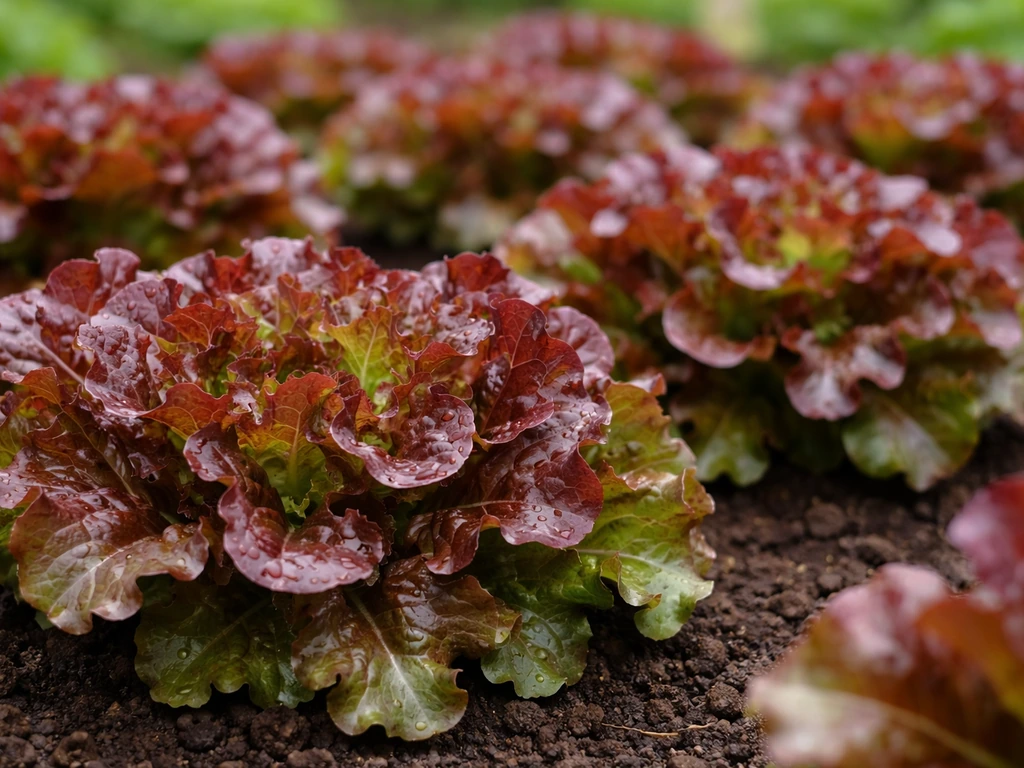
Red oak leaf lettuce is a loose-leaf type named for its deeply lobed leaves that look remarkably like the leaves of a red oak tree. The foliage is typically burgundy-red to reddish-bronze on the outer leaves with a green base closer to the center, and it's genuinely striking in a garden bed or container. Unlike head lettuces, it never forms a tight ball, it stays open and loose, which makes it a cut-and-come-again crop you can harvest repeatedly from the same plant.
The flavor is what surprises most people. It's exceptionally sweet and slightly buttery when grown in cool conditions, nothing like the bland crunch of store-bought iceberg. Varieties like 'Red Dragon' from Sakata have that deep Burgundy-red color on a green base and are specifically bred for indoor and controlled environments. Among loose-leaf types, oak leaf lettuce has a reputation for being more heat tolerant than many other varieties, which gives you a slightly longer harvest window before bolting becomes a problem, though heat will still end the party eventually.
In your garden, this lettuce earns its place as an edging plant, a container star, or a reliable cut-and-come-again crop in a hydroponic system. It matures faster than head lettuces, takes up less space, and keeps producing if you harvest correctly. If you've grown other loose-leaf types like Grand Rapids or gourmet mixes, you'll feel right at home with red oak leaf, the techniques are almost identical.
Picking your seeds, nailing the timing, and choosing where to grow
Seed variety selection
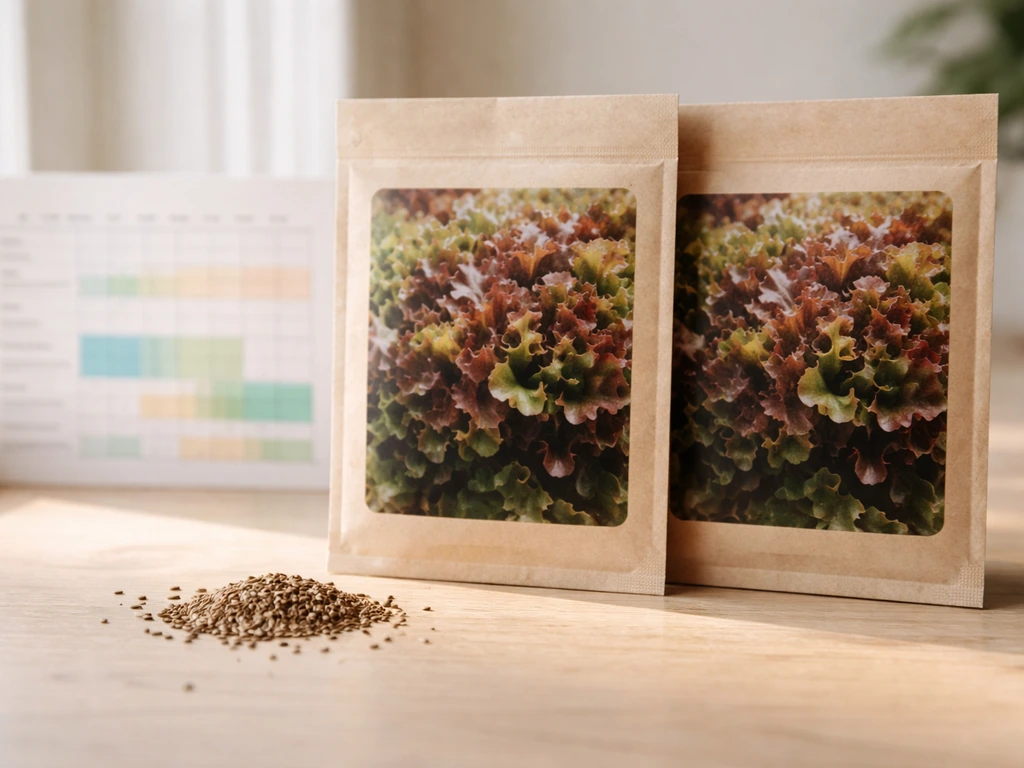
Look for varieties specifically labeled 'Red Oak Leaf,' 'Oakleaf Red,' or named cultivars like 'Red Dragon,' 'Scarlet,' or 'Maira.' If bolting resistance matters most to you (and it usually should), check the seed catalog for bolting notes. Sakata's 'Scarlet' has a maturity window of 50–60 days from transplant with noted slow-bolt characteristics. 'Maira' is faster, coming in at 30–40 days from transplant. For the quickest results at home, varieties that mature in 40–50 days are a great sweet spot, you get full-size leaves without a long wait, and the window before bolting stays manageable.
When to sow
Lettuce is a cool-season crop, full stop. Your best sowing windows are early spring (4–6 weeks before your last frost date) and late summer or early fall (8–10 weeks before your first fall frost). For spring sowings, you want the soil to warm up to at least 40°F but ideally settle in the 60–70°F range, that's when germination is fastest and most reliable. Soil temperatures above 80°F push many lettuce seeds into dormancy, meaning they simply won't sprout until things cool down. If you're in a warm climate right now in June, focus on getting a fall sowing on the calendar rather than fighting summer heat. For continuous supply, start a new small batch every 1–2 weeks so you always have something coming in.
Where to grow: outdoor beds, containers, or hydroponics
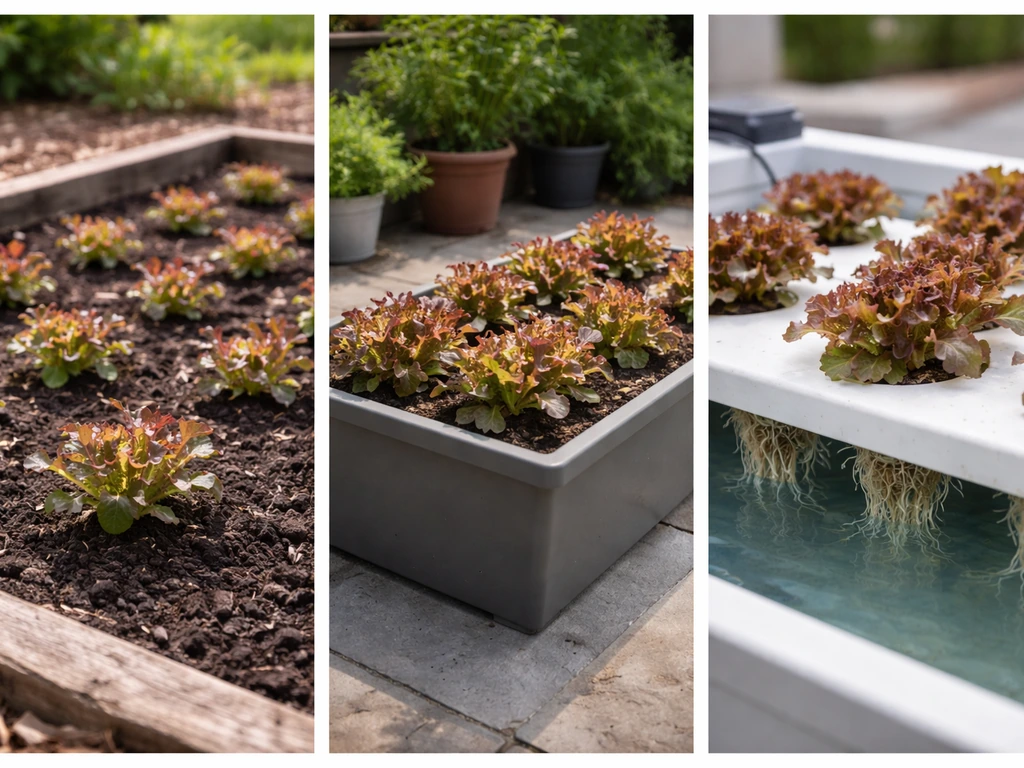
Red oak leaf lettuce is genuinely flexible about where it grows. Here's how to think about each setting:
- Outdoor garden beds: Ideal for spring and fall crops. Amend with compost to improve moisture retention and drainage. Direct sow or transplant seedlings started indoors.
- Containers: A 6–8 inch deep pot or window box works perfectly. Use a quality, well-draining potting mix (not garden soil, which compacts). Containers dry out faster, so you'll water more often.
- Hydroponics: Red oak leaf is one of the best lettuces for hydroponic systems like NFT (Nutrient Film Technique) or raft/DWC setups. It grows quickly and responds beautifully to a dialed-in nutrient solution.
- Indoors under grow lights: Totally doable year-round. You'll need a good light setup and consistent temperature control, but the results can be excellent.
Light, temperature, and the right growing medium
Light requirements
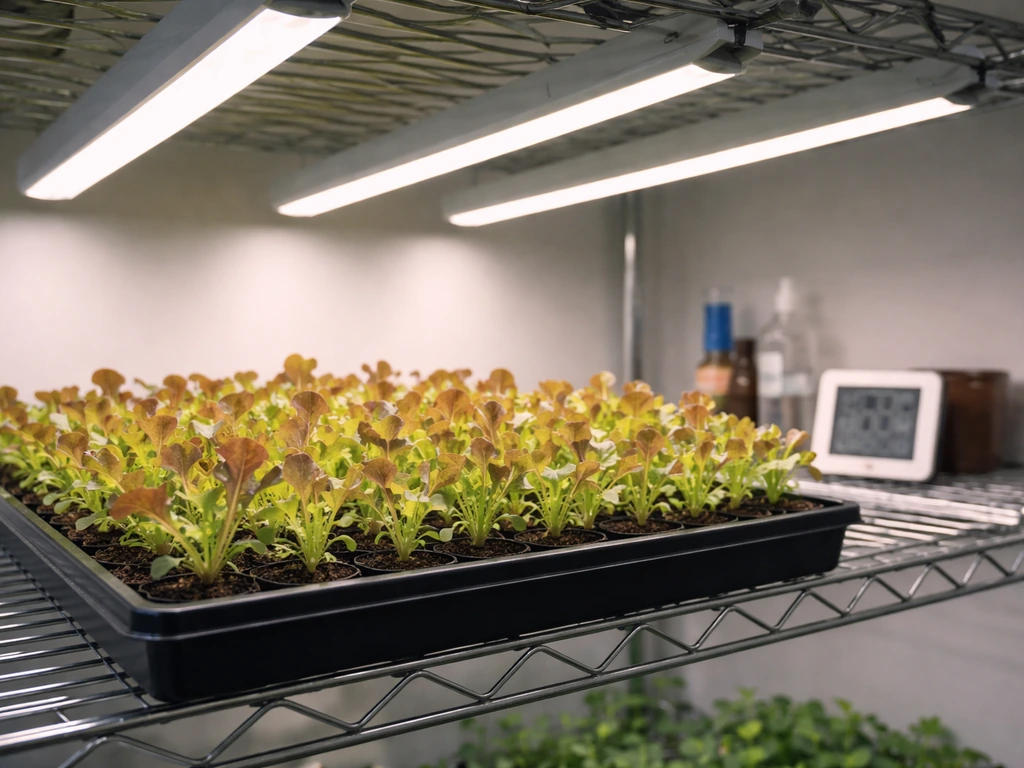
Outdoors, red oak leaf lettuce wants full sun in spring and fall but appreciates afternoon shade when temperatures climb above 70°F. Indoors or in a hydroponic setup, give it 14–16 hours of light per day from your grow lights, followed by a true dark period of 8–10 hours. That photoperiod hits the sweet spot for vegetative leaf growth without triggering premature bolting. Lettuce is more tolerant of lower light than fruiting crops, which is part of why it works well for indoor growing, but skimping on hours will slow growth noticeably.
Temperature targets
Lettuce thrives between 60 and 70°F for germination, and somewhere in that range for growing, too. Once air temperatures regularly exceed 75–80°F during the day, the plant shifts its energy toward flowering. UCSC research notes that temperatures above 60–65°F at night start to accelerate the bolting transition. That's a lower threshold than most people expect. For indoor growing, try to keep daytime temperatures around 65–70°F and nights slightly cooler. In hydroponic systems, cooler nutrient solution temperatures (around 65–68°F) also help prevent early bolting and root problems.
Soil and growing media
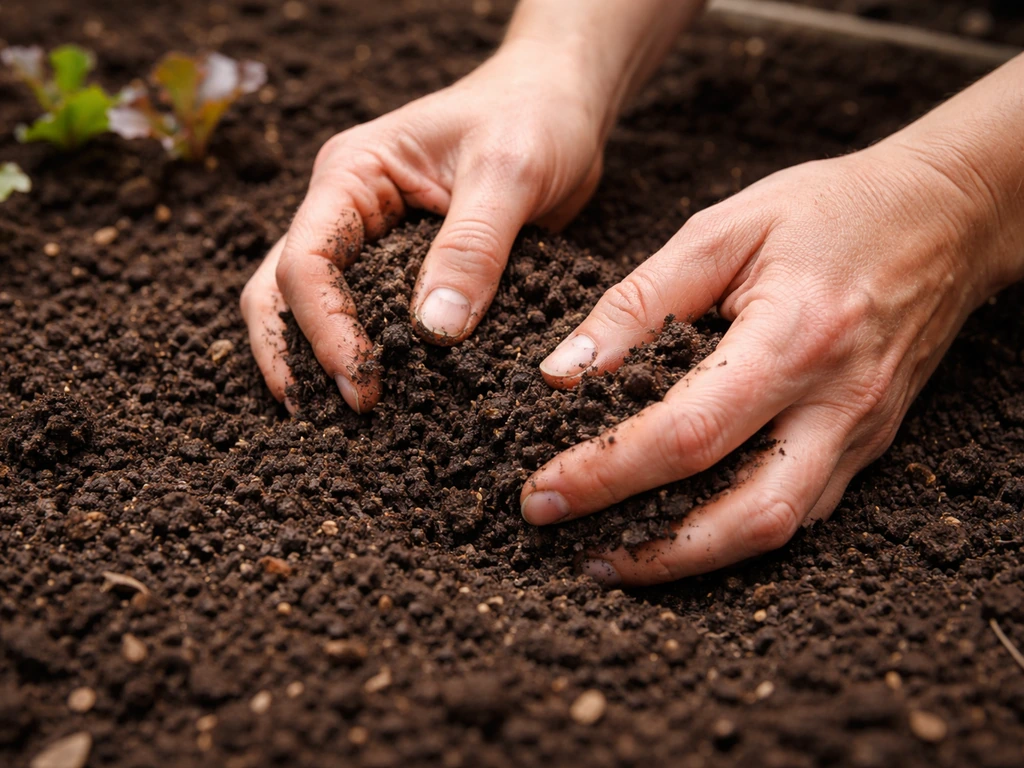
For outdoor beds, you want loose, well-draining soil amended with compost. A slightly acidic to neutral pH of 6.0–7.0 is ideal. For containers, use a quality potting mix, it stays loose and drains well, unlike garden soil that compacts in pots. For hydroponics, rockwool cubes are the standard starting medium. Use 1-inch or 1.5-inch rockwool cubes for germination, pre-soaked and adjusted to the right pH before use. Your nutrient solution for seedlings should sit at an EC of about 1.0–1.2 mS/cm, stepping up to 1.2–1.8 mS/cm for mature plants, with pH held in the 6.0–7.0 range (ideally closer to 6.0–6.5 for best nutrient uptake).
| Growing Setup | Best Medium | pH Target | Key Notes |
|---|---|---|---|
| Outdoor bed | Amended garden soil + compost | 6.0–7.0 | Ensure good drainage; mulch to retain moisture |
| Container | Quality potting mix | 6.0–7.0 | Water more frequently; 6–8 inch minimum depth |
| Hydroponics (NFT/DWC) | Rockwool cubes | 6.0–6.5 | EC 1.2–1.8 for mature plants; 1.0–1.2 for seedlings |
| Indoor under lights | Potting mix or rockwool | 6.0–7.0 | 14–16 hrs light/day; keep temps 65–70°F |
Planting, spacing, thinning, and succession sowing
How to plant
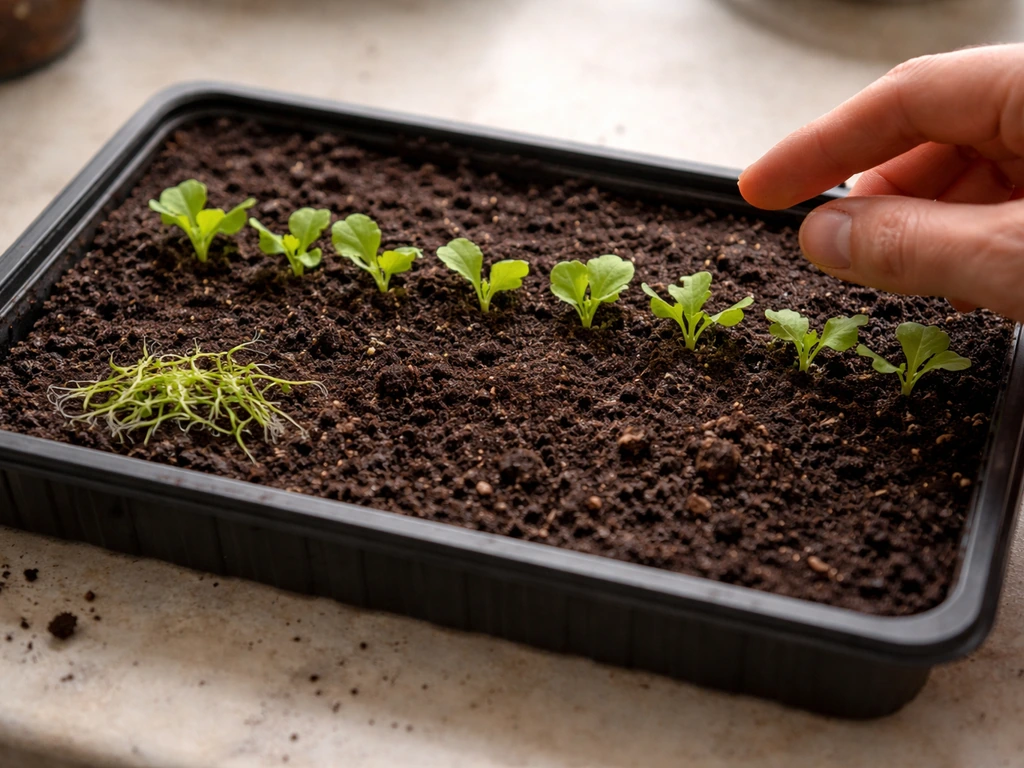
Sow seeds at a depth of about 1/8 inch. If you're learning how to grow kratky lettuce, this shallow sowing depth also works well because you want quick germination in the system 1/8 inch. Press them into the soil surface and cover lightly, they need some light to germinate well, so don't bury them deep. Water gently so you don't wash seeds around. If you're starting in rockwool cubes for hydroponics, place 2–3 seeds per cube at the same shallow depth. Keep the medium consistently moist but not waterlogged. Germination typically happens in 2–10 days when temperatures are in the 60–70°F range. If you're seeing nothing after 10 days, the soil is likely too warm, too dry, or too cold.
Spacing and thinning
Once seedlings emerge and show their first true leaves, thin them to about 8–10 inches apart. I know it feels wasteful to pull out healthy seedlings, but crowded lettuce competes for light and airflow, which invites disease and produces spindly plants. If you've direct sown in a row, thin to one plant every 8–10 inches. In containers, aim for one plant per 8-inch pot, or space them about 8 inches apart in a larger window box or trough. In hydroponic channels or raft systems, a spacing of 8–10 inches center to center works well for full-size heads.
Succession planting for continuous harvest
The smartest thing you can do with any lettuce is stagger your sowings. Start a new small batch every 1–2 weeks during your growing season. By the time you're harvesting your first planting, the second is ready to take over. Red oak leaf lettuce matures in as little as 25 days for baby greens and 40–55 days for full-size leaves, so the cycles move quickly. In a hydroponic system or indoor setup, this staggered approach lets you run a near-continuous harvest year-round.
Watering, feeding, and keeping bolting at bay
Watering routine
Lettuce is about 95% water, and it needs consistent moisture to stay sweet and crisp. Water stress, even brief dry periods, leads to bitterness and accelerates bolting. Lettuce can also develop a bitter taste when grown under high temperatures, according to UMN Extension’s lettuce and endive diagnosis guidance Water stress, even brief dry periods, leads to bitterness. Aim to keep soil evenly moist, not waterlogged. In outdoor beds, this usually means watering every 1–2 days in warm weather, less frequently in cool, cloudy conditions. Containers need more frequent attention since they dry out faster, check daily. A good trick: water in the morning so the foliage dries before evening, which reduces fungal disease risk. Research backs up the idea that frequent watering before harvest improves crispness, it's not just anecdote.
Fertilizing
Lettuce is a light feeder compared to fruiting crops. In a well-amended garden bed, a single application of balanced, slow-release fertilizer at planting is usually enough for the whole season. For containers, use a balanced liquid fertilizer every 2–3 weeks at half strength. Don't go heavy on nitrogen, too much causes rapid, soft growth that's prone to tipburn (brown leaf edges) and pest pressure. In hydroponics, your nutrient solution does the work: hold EC at 1.2–1.8 mS/cm and pH at 6.0–6.5, and adjust weekly based on plant uptake and reservoir readings.
Preventing bolting
Bolting, when the plant sends up a flower stalk, is triggered by heat, long days, and water stress. Once it starts, the leaves turn intensely bitter almost immediately and the plant is done as a food crop. Your best defenses are: choosing slow-bolt varieties, growing in the right season, providing afternoon shade when temperatures rise, watering consistently, and harvesting regularly. Harvesting outer leaves actually helps delay bolting slightly by keeping the plant focused on vegetative growth rather than reproduction. If you notice the center of the plant is rising and elongating into a point, that's the early signal, harvest everything you can right away before bitterness sets in fully.
Pests, diseases, troubleshooting, and when to harvest
Common pests
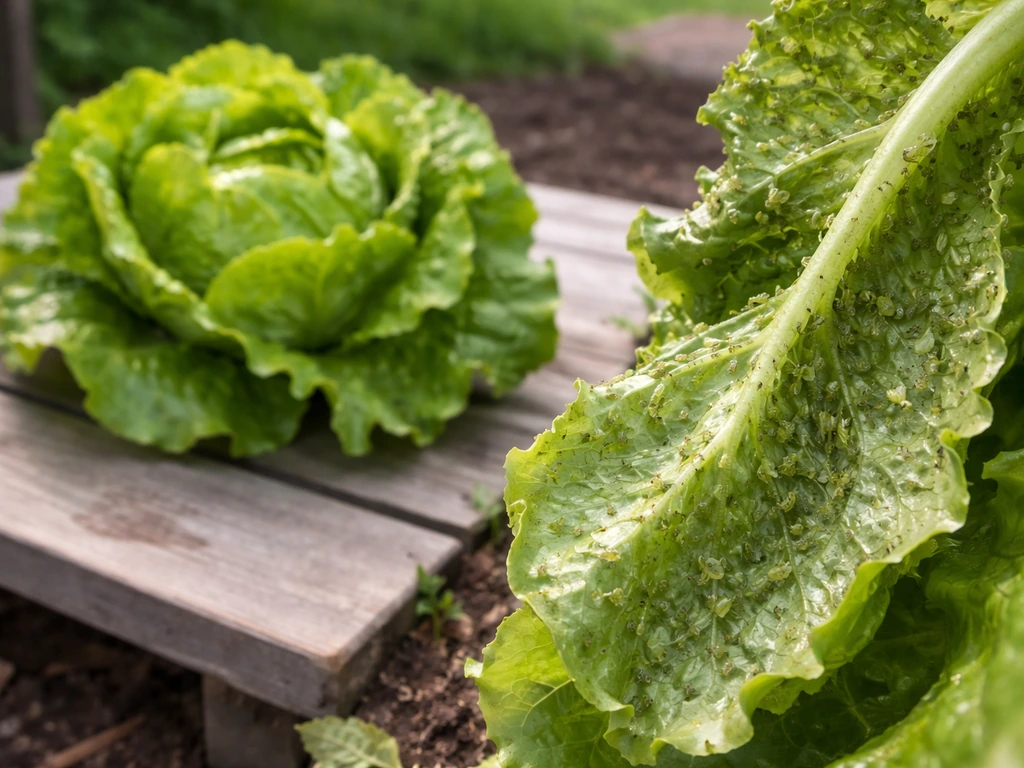
Aphids are the most frequent visitor to lettuce. They cluster on the undersides of leaves and in the curled parts of the foliage, and you'll often notice sticky honeydew residue or sooty mold before you spot the insects themselves. Knock them off with a strong jet of water or use an insecticidal soap spray. Cabbage loopers (caterpillars) also feed on lettuce leaves, leaving ragged holes. Hand-pick them or apply Bt (Bacillus thuringiensis) spray if the infestation is significant. Slugs are a problem in cool, moist conditions, use iron phosphate bait around plants or set beer traps.
Common diseases
Downy mildew (Bremia lactucae) is the disease you'll hear about most with lettuce. It shows up as yellow patches on the upper leaf surface with a fuzzy white or gray coating on the underside. It spreads in cool, humid, damp conditions, exactly the environment lettuce loves. Prevention is better than cure: space plants adequately for airflow, avoid wetting foliage when watering, and look for mildew-resistant varieties. Gray mold (Botrytis) can also appear in cool, wet conditions, causing a fuzzy gray rot. Remove affected leaves immediately and improve airflow.
Troubleshooting common problems
| Problem | Likely Cause | What to Do |
|---|---|---|
| Seeds not germinating | Soil too warm (above 80°F) or too dry | Move to a cooler spot; keep medium consistently moist; wait for temperatures to drop |
| Slow, leggy growth indoors | Insufficient light | Increase grow light hours to 14–16 hrs/day; move lights closer |
| Bitter leaves | Heat, water stress, or bolting onset | Harvest immediately; water more consistently; grow in cooler conditions |
| Wilting despite watering | Root rot from waterlogged soil, or heat stress | Improve drainage; reduce watering frequency; provide shade |
| Tipburn (brown leaf edges) | Calcium deficiency, water stress, or excess nitrogen | Water more consistently; reduce nitrogen; improve airflow |
| Bolting (flower stalk rising) | Heat or long daylength | Harvest at once; choose slow-bolt varieties next time; grow in cooler season |
| Yellow patches on leaves | Downy mildew (Bremia lactucae) | Remove affected leaves; improve spacing and airflow; avoid overhead watering |
When and how to harvest
Baby leaves are ready in as little as 25–30 days from seeding, and full-size outer leaves are typically ready at 40–55 days, though some varieties can take up to 63–90 days depending on conditions and seed source. Gardeners’ Path reports that for the ‘Oscarde’ variety, baby leaves are ready in about 30 days and full-size heads in about 55 days, and it regrows after leaf removal as a cut-and-come-again lettuce blank" rel="noopener noreferrer">‘Oscarde’ baby leaves can be ready in about 30 days and full-size heads in about 55 days. The best way to harvest red oak leaf lettuce is the cut-and-come-again method: use clean scissors or a knife to remove the outer leaves first, leaving the growing center intact. Take no more than one-third of the plant at a time. The center will keep producing fresh leaves, extending your harvest by several weeks from a single plant. Harvest in the morning after the plant has been well-watered, the leaves will be at their crispest and most flavorful. Avoid harvesting in the heat of the day when the plant is stressed.
If you want a full harvest all at once, cut the entire plant about 1 inch above the soil. Many gardeners do this toward the end of the season or when bolting seems imminent. The stump will sometimes re-sprout a secondary flush of smaller leaves, though it's never quite as productive as the initial growth. At that point, pull the plant and get your next succession sowing in the ground. That cycle, sow, grow, harvest, repeat, is really the whole game with red oak leaf lettuce, and once you get the rhythm down, it's one of the most satisfying crops you can grow.
If you enjoy experimenting with different lettuce types, it's worth knowing that the same core techniques here, cool temperatures, consistent moisture, cut-and-come-again harvesting, apply equally well to other loose-leaf varieties. If you want gourmet results, focus on the same fundamentals of timing, light, and consistent moisture discussed above. Growing something like Kratky-method lettuce or Giant Caesar adds useful variety to your harvests without requiring a completely different skill set. Red oak leaf is a great anchor crop while you branch out.
FAQ
How do I water red oak leaf lettuce if I keep overwatering it?
Aim for evenly moist conditions, but ensure excess water can drain (especially in containers). Lettuce that stays soggy is more prone to root stress and rot, even though it likes frequent watering. If you use a saucer under pots, empty it after watering so the roots are not sitting in runoff.
Can I start harvesting red oak leaf lettuce earlier and still get repeat growth?
Yes. Start picking as soon as the outer leaves are large enough to eat, rather than waiting for a “full” plant. Use the one-third rule each harvest, and leave the center intact. With this approach, smaller early harvests can actually reduce bolting pressure by keeping the plant in vegetative mode.
What should I do if my lettuce starts bolting (even slightly)?
If the center is stiff, elongating, or forming a pointed growth tip, begin harvesting all mature outer leaves immediately and give afternoon shade if temps are rising. Bolting is also strongly tied to heat and water stress, so check daily for dry spells and keep soil consistently moist until harvest is complete.
Will red oak leaf lettuce survive light frost, and how do I protect it?
Cold weather is usually less risky than heat, but growth slows. If frost threatens, cover plants with a row cover or cloche to buffer temperature swings. Avoid fertilizing right before a cold snap, since soft new growth can be more susceptible to damage.
How should I fertilize red oak leaf lettuce in containers compared with in-ground beds?
Container lettuce often needs a different feeding rhythm because nutrients wash out faster and the root zone warms. Use half-strength balanced liquid every 2 to 3 weeks, then adjust based on leaf color and growth rate. If leaves look pale, increase slightly, but don’t push nitrogen too hard because tipburn can show up quickly.
Why is my hydroponic red oak leaf lettuce bolting early even though my EC and pH are correct?
For hydroponics, temperature control matters as much as EC and pH. If your nutrient solution runs warm, bolting can accelerate even with correct feed strength. Keep the reservoir cool, and if roots look brown or slimy, reduce oxygen stress (check aeration and cleanliness) before raising nutrients.
My seeds didn’t sprout after 10 days. What are the most likely problems?
Common causes include soil or media that’s too warm, too dry, or planted too deep. Re-check that seeds are covered lightly (about 1/8 inch) and that germination temperatures stay in the 60 to 70°F range. Also look for crusted soil that prevents seedlings from emerging, and gently break the surface crust if it forms.
How can I tell when red oak leaf lettuce is getting too bitter to eat?
Don’t wait too long. Lettuce leaves become tough and can taste increasingly bitter as heat and dry conditions increase. For best flavor, harvest in the morning, and if days are hot, plan shorter growth cycles with more frequent succession sowings.
Should I mulch red oak leaf lettuce, and where should the mulch be placed?
Yes. Mulch helps conserve moisture and stabilize soil temperatures, which supports sweetness and reduces bolting. Use a light layer (such as shredded leaves or straw) and keep it off the plant crown so airflow stays good and leaf diseases have fewer opportunities.
How much light does red oak leaf lettuce really need if my garden is partly shaded?
If you’re growing in shade part of the day, aim for at least 4 to 6 hours of good light and more in cooler seasons. Too little light leads to slower growth and less vibrant leaf color, and overwatering combined with low light can raise disease risk.
What happens if I don’t thin red oak leaf lettuce to the recommended spacing?
Spacing mainly controls airflow and prevents disease, but it also affects leaf size. If you want bigger outer leaves, don’t thin aggressively or overcrowd, use the recommended 8 to 10 inch spacing, and harvest regularly so the center stays productive. In crowded plantings, you’ll usually get smaller, more disease-prone growth.
How do I schedule succession sowing during changing weather (spring to summer to fall)?
Start a new batch based on growing days plus your current weather, not just the calendar. In hot stretches, shift to shorter cycles and consider shade strategies, since lettuce can race to bolting. In cool weather, you can extend the interval slightly, but keep succession going every 1 to 2 weeks for steady supply.
How do I quickly diagnose whether my lettuce problem is pests or disease?
Look for sooty mold or sticky residue (often from aphids) and fuzzy growth under damp conditions (common with downy mildew). For pests, inspect undersides and the curled leaf centers. For mildew, prioritize airflow, avoid wetting foliage, and remove affected leaves early to prevent spread.