Grand Rapids lettuce is one of the easiest, most rewarding lettuces you can grow at home. It's a loose-leaf variety that matures in about 45–50 days from seed, tolerates light frosts, and produces big, ruffled, bright-green leaves that you can harvest repeatedly over weeks. Start seeds indoors 4–6 weeks before your last frost date, or direct sow outdoors as soon as soil can be worked in spring (or in late summer for a fall crop). Keep temperatures between 60–70°F, give it consistent moisture, and you'll have fresh leaves faster than almost any other garden vegetable. To grow red oak leaf lettuce specifically, use the same cool-season timing, light, and consistent moisture habits, and you will get repeat harvests from seed.
How to Grow Grand Rapids Lettuce From Seed: A Step-By-Step Guide
Marcus Holloway
1 Jun 2026
What Grand Rapids lettuce is and why it's worth growing
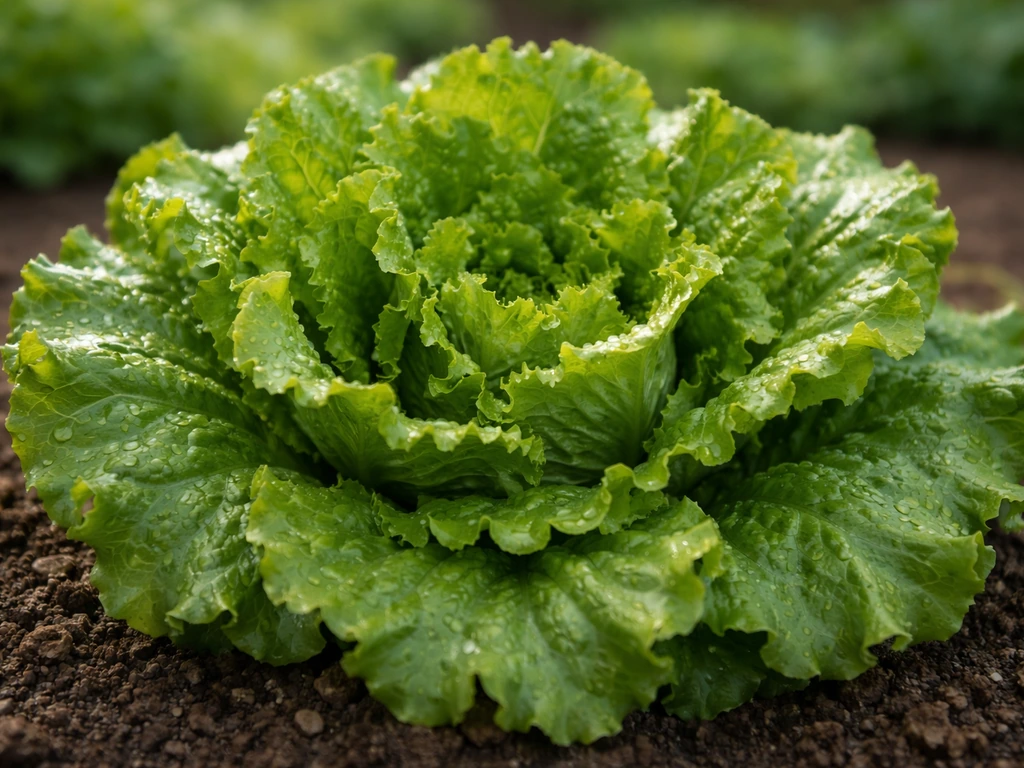
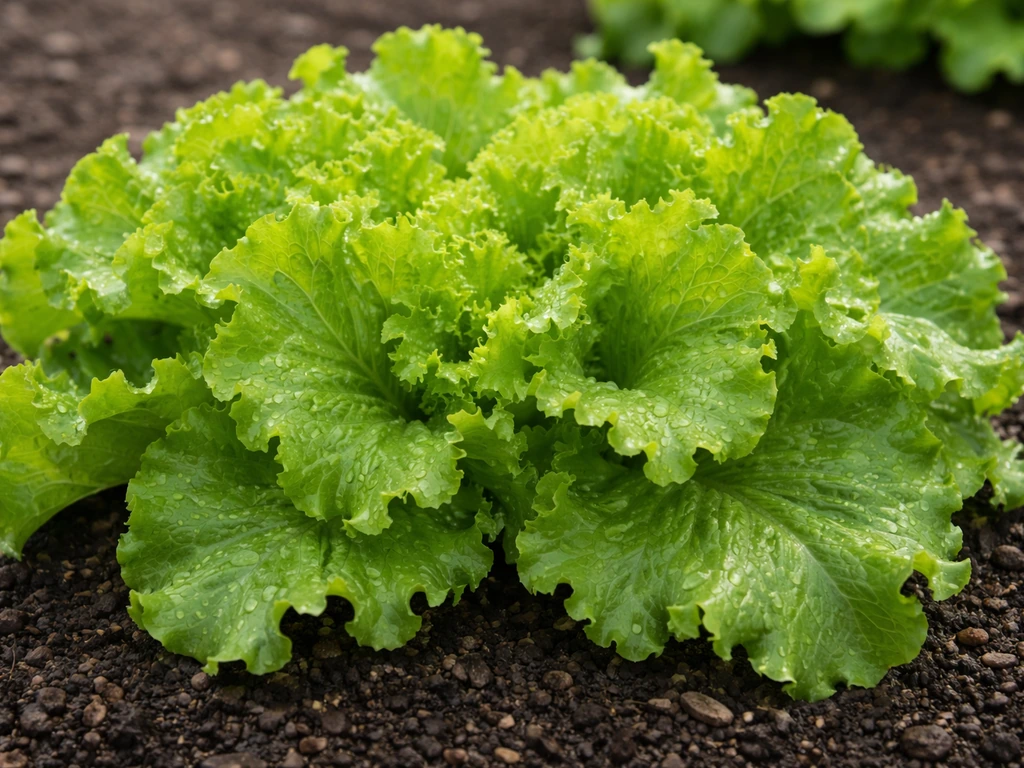
Grand Rapids is a classic open-leaf lettuce variety that's been around since the 1890s and still earns its place in home gardens today. The leaves are large, heavily crinkled, and mild-flavored with a tender texture that holds up well even after washing. It's a cut-and-come-again type, meaning you harvest outer leaves while the plant keeps producing from the center, which is a huge advantage if you want a steady supply of greens rather than one big harvest.
Like all lettuce, Grand Rapids is a cool-season crop. It thrives in spring and fall when average daily temperatures sit around 60–70°F. Once temperatures climb into the mid-70s and beyond, the plant starts to bolt (send up a flower stalk), and the leaves turn bitter. If you're growing in summer heat, you need shade cloth or you need to time your crop to finish before the heat sets in. This is the single most important thing to understand before you plant.
When to start seeds and how to time your sowing
Timing is everything with Grand Rapids lettuce. The goal is to get the plant growing, maturing, and producing leaves during the coolest part of your season. Here's how I think about it depending on your setup and location.
Starting indoors
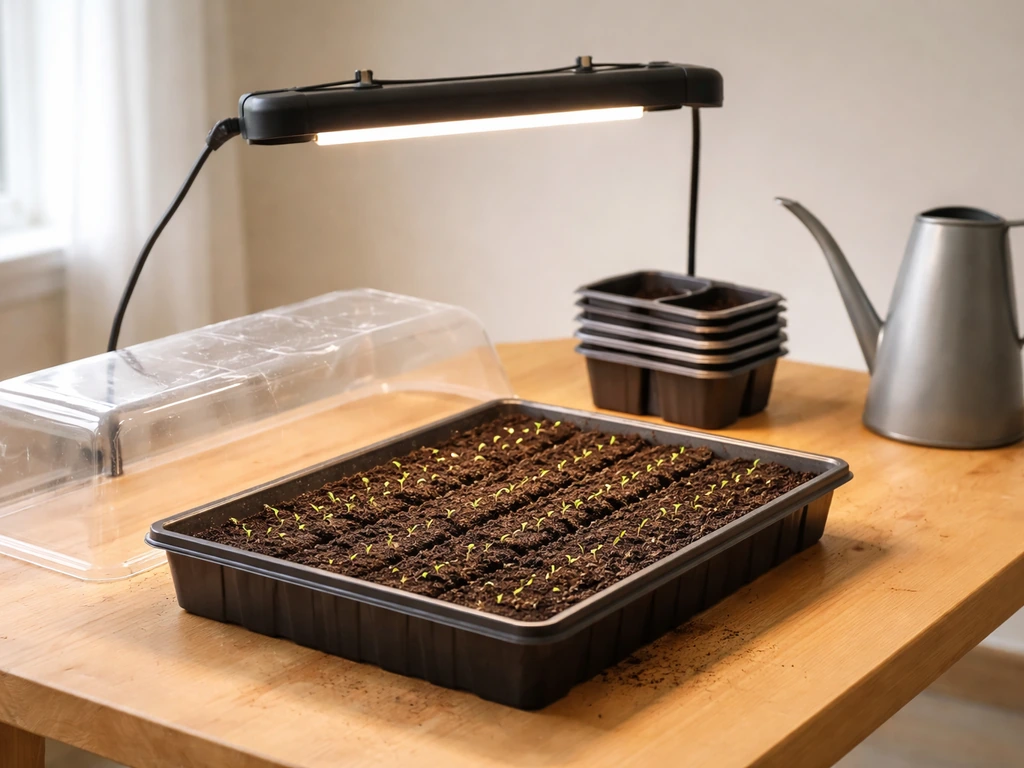
Start seeds indoors 4–6 weeks before your last expected frost date. Lettuce seeds germinate best at soil temperatures between 60–68°F and will typically sprout within 7–10 days. They can germinate at temperatures as low as 40°F, just more slowly. One key thing: lettuce seeds need light to germinate, so press them onto the surface of your seed-starting mix rather than burying them deep. A very light covering of about 1/8 inch of fine mix is fine, but don't go deeper than that.
Direct sowing outdoors
You can direct sow Grand Rapids as soon as your soil is workable in spring, even if light frosts are still possible. Lettuce seedlings tolerate temperatures down to about 28–32°F once hardened off, and the seeds themselves can germinate in quite cool soil. For a fall crop, count back 50–60 days from your first expected fall frost and sow at that point. In most of the US, that means late July to early September depending on your zone.
Year-round indoor growing
If you're growing indoors under grow lights, timing is less about the calendar and more about controlling temperature and light. Grand Rapids does beautifully in containers on a windowsill or under a grow light, and you can run multiple successions year-round as long as you keep temperatures cool. Indoor growers should watch out for heat buildup near grow lights or in warm apartments, since even indoor lettuce will bolt if temperatures push consistently above 75°F.
Soil, containers, and spacing setup
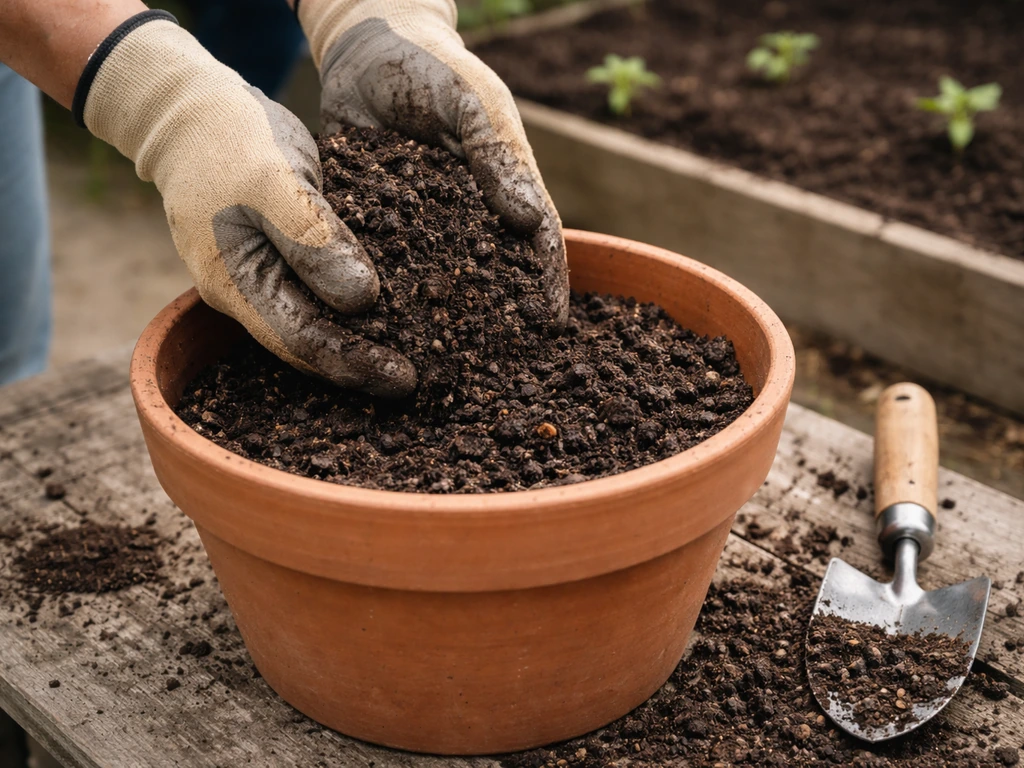
Grand Rapids is not fussy about soil, but it does need good drainage and consistent moisture. In outdoor beds, work in compost to improve both drainage and water retention. Aim for a loose, well-draining mix with a pH of 6.0–7.0. Lettuce has a shallow root system, so you don't need deep beds, but the soil should be light enough that seedling roots don't struggle to establish.
Container growing
Grand Rapids is excellent in containers, window boxes, and even shallow trays. Use a pot that's at least 6 inches deep, though 8–10 inches is better for larger plants. Fill with a quality potting mix, not garden soil, which compacts in containers and drains poorly. A 12-inch wide pot can comfortably support 2–3 Grand Rapids plants at the spacing described below. Containers dry out faster than beds, so plan to check moisture more frequently.
Spacing
For full-sized loose-leaf plants, space Grand Rapids lettuce 8–10 inches apart in rows 12–18 inches apart. If you're growing for baby leaves and plan to cut the whole plant young, you can sow more densely at 4–6 inches apart or even broadcast sow in a wide row. Overcrowding reduces airflow, which encourages fungal disease, so err toward more space rather than less once plants are established.
Light, temperature, watering, and feeding
Light
Grand Rapids needs at least 6 hours of direct sun outdoors, though in hot climates or during warmer months, afternoon shade dramatically extends the harvest window by keeping soil and leaf temperatures down. Indoors, place plants in the brightest south- or west-facing window you have, or use a full-spectrum LED grow light positioned 4–6 inches above the seedlings for 14–16 hours per day. Leggy, stretched seedlings usually mean not enough light.
Temperature
The ideal growing range is 60–70°F average daily temperature. Grand Rapids can handle light frosts once hardened off and will grow (slowly) down to about 35°F. The real enemy is sustained heat above 75–80°F, especially when combined with long daylight hours. This combination activates the molecular pathways that trigger bolting, and once a plant starts sending up a flower stalk, you can't reverse it. Multi-omics work on high-temperature-induced bolting in lettuce links these flowering changes to photoperiod-associated pathways such as CO/phytochrome signaling activating heat-responsive gene expression blank" rel="noopener noreferrer">molecular pathways that trigger bolting. If hot weather hits, provide shade and increase watering, but accept that the plant's days are numbered. Mississippi State University Extension also notes that blank" rel="noopener noreferrer">lettuce does not grow well in hot weather without plenty of moisture, and that heat-stressed plants can become tough, bitter, and go to seed.
Watering
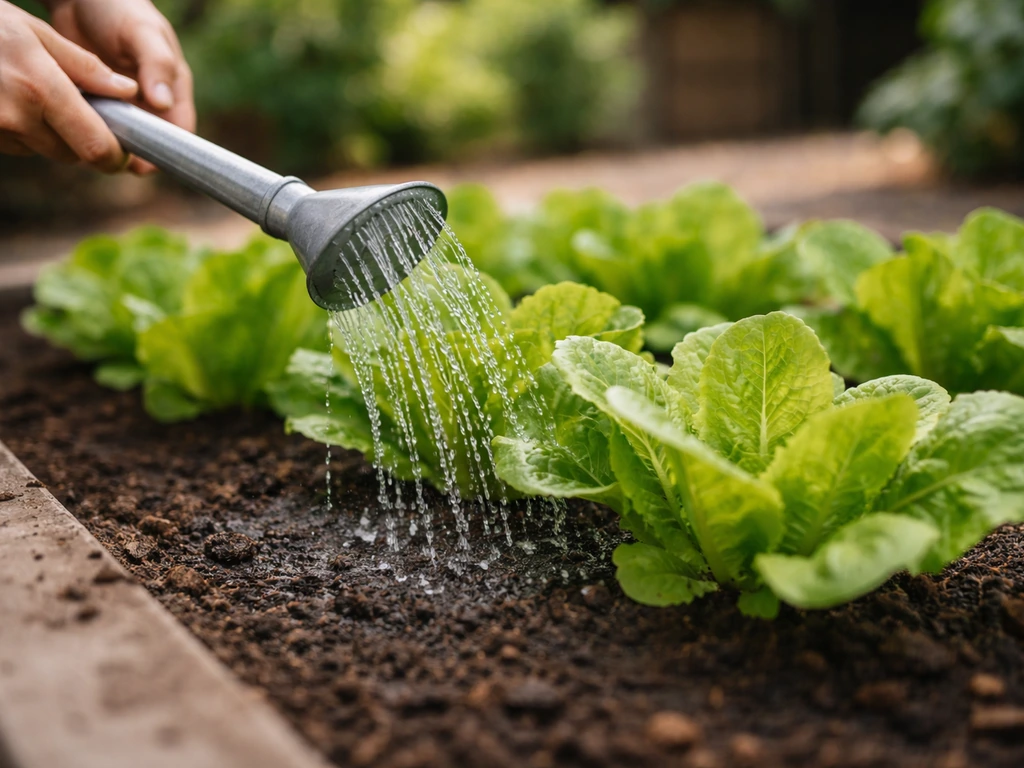
Lettuce is mostly water, so consistent moisture is non-negotiable. Water deeply enough that the top 4–6 inches of soil stay evenly moist but not waterlogged. In hot or dry conditions, daily watering may be necessary. Inconsistent watering (dry spells followed by soaking) stresses plants and accelerates bolting. Morning watering is best because it lets leaves dry before evening, reducing fungal risk. Wilting in the afternoon on a warm day is normal; if plants are still wilted in the morning, they need water immediately.
Feeding
Lettuce is a light feeder, but it does appreciate nitrogen to support those big, leafy ruffles. If you amended your soil with compost before planting, you may not need to fertilize at all for a spring crop. For container-grown plants or those showing pale, slow growth, apply a balanced liquid fertilizer (something like 5-5-5 or 10-10-10) diluted to half strength every 2–3 weeks. Avoid heavy nitrogen feeds, which can cause overly soft, disease-prone leaves. Skip feeding entirely once you notice any signs of bolting.
Transplanting, direct sowing, and thinning
Hardening off and transplanting
If you started seeds indoors, harden off seedlings over 7–10 days before transplanting outside. Start by putting them outdoors in a sheltered, shaded spot for an hour or two, then gradually increase outdoor exposure over the week. On transplant day, set seedlings out in the late afternoon or on a cloudy day to reduce transplant stress. Water in well and keep the soil consistently moist for the first week. Transplant shock in lettuce is usually minor, but it does set plants back a few days.
Direct sowing and thinning
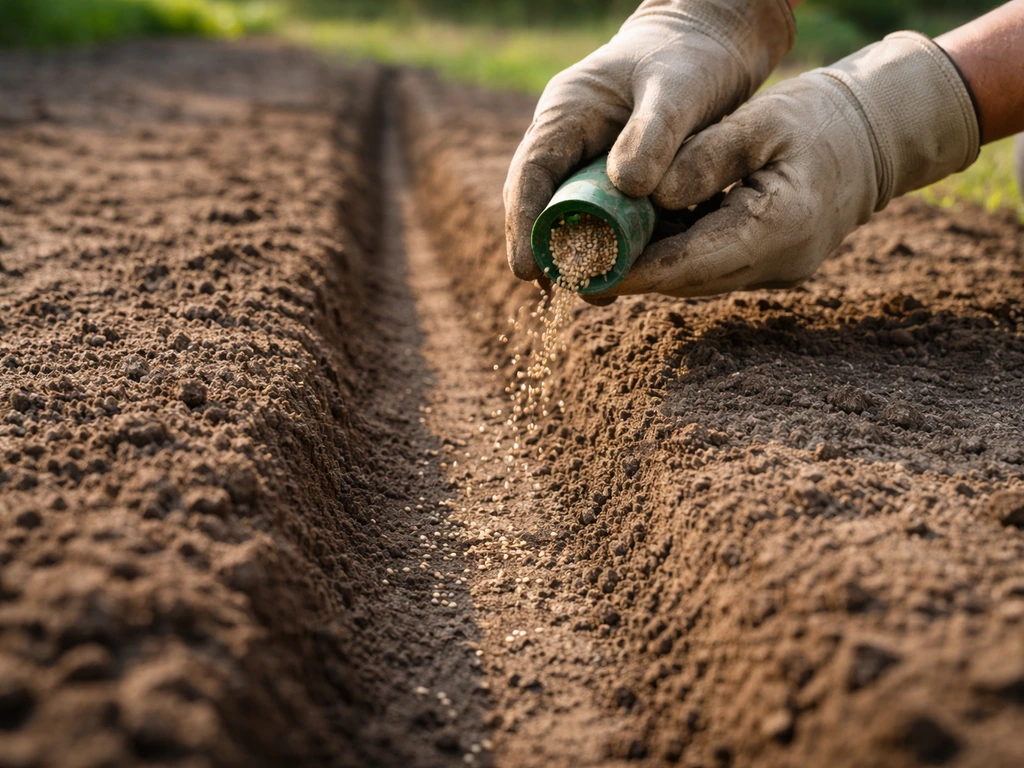
For direct sowing, sow seeds thinly in shallow furrows about 1/8 inch deep and 12 inches apart. Cover lightly, tamp gently, and keep the surface moist until germination (usually 7–14 days outdoors depending on soil temperature). Once seedlings reach about 2 inches tall, thin them to your target spacing. I know it feels wasteful to pull up healthy seedlings, but thinning is essential. Crowded lettuce gets leggy, bolts faster, and is much more prone to disease. If you can't bring yourself to pull them, use scissors to snip at soil level rather than disturbing the roots of neighboring plants.
- Sow seeds 1/8 inch deep in rows or wide bands, pressing lightly into moist soil.
- Keep the seedbed evenly moist until sprouts emerge (7–14 days).
- When seedlings hit 1–2 inches tall, thin to one plant every 4 inches for baby-leaf growing or 8–10 inches for full plants.
- Eat the thinnings. They make excellent microgreens and salad greens.
Dealing with pests, disease, and the most common problems
Bolting
Bolting is the number one issue with Grand Rapids lettuce, and it's driven by heat, long days, and plant age working together. Once daytime temperatures push above 75–80°F consistently and daylight runs past 14 hours, most lettuce varieties will bolt regardless of what you do. Prevention is the only real strategy: time your crop correctly, use shade cloth (30–40% shade works well) during warmer stretches, and harvest leaves regularly to keep the plant in a vegetative state as long as possible. If you spot a central stalk forming, harvest the whole plant immediately before the leaves get fully bitter.
Aphids
Aphids are the most common lettuce pest. They cluster on the undersides of leaves and at stem joints, sucking sap and causing distorted, curling growth. If you catch them early, a strong blast of water from a hose knocks most of them off. For heavier infestations, spray with insecticidal soap or neem oil, making sure to get the undersides of leaves. Check every few days because aphids reproduce fast. Indoors, check new plants before bringing them inside since aphids spread easily.
Slugs and snails
Slugs and snails love lettuce and do most of their damage at night. If you're finding ragged holes in leaves with no visible insects, slugs are almost certainly the culprit. Diatomaceous earth sprinkled around the base of plants helps, as do iron phosphate slug baits (which are safe around pets and wildlife). Removing hiding spots like boards, thick mulch right at the base of plants, and debris near the garden bed also reduces slug populations.
Tipburn and calcium deficiency
Tipburn shows up as brown, papery edges on inner leaves and is caused by calcium deficiency due to poor water movement in the plant, often triggered by inconsistent watering or low humidity. It's not a soil nutrient problem so much as a watering and airflow issue. Keep moisture consistent, improve airflow around plants, and avoid letting soil dry out completely between waterings. There's no fix once tipburn appears on a leaf, but better conditions stop it from spreading.
Downy mildew and other fungal issues
Downy mildew appears as yellow patches on the tops of leaves with grayish mold on the undersides. It thrives in cool, wet, low-airflow conditions. Space plants properly, water at the base rather than overhead when possible, and remove affected leaves immediately. In severe cases, a copper-based fungicide can help. Rotating where you grow lettuce each season reduces buildup of soil-borne pathogens.
| Problem | Symptom | Fix |
|---|---|---|
| Bolting | Central stalk forms, leaves taste bitter | Shade cloth, cool timing, harvest immediately when stalk appears |
| Aphids | Sticky residue, curled/distorted leaves, clusters of insects | Blast with water, insecticidal soap, neem oil |
| Slugs | Ragged holes in leaves overnight | Diatomaceous earth, iron phosphate bait, remove debris |
| Tipburn | Brown papery leaf edges | Consistent watering, improve airflow |
| Downy mildew | Yellow patches on top of leaves, gray mold underneath | Remove affected leaves, improve spacing/airflow, copper fungicide |
Harvesting, succession planting, and keeping lettuce fresh
How and when to harvest
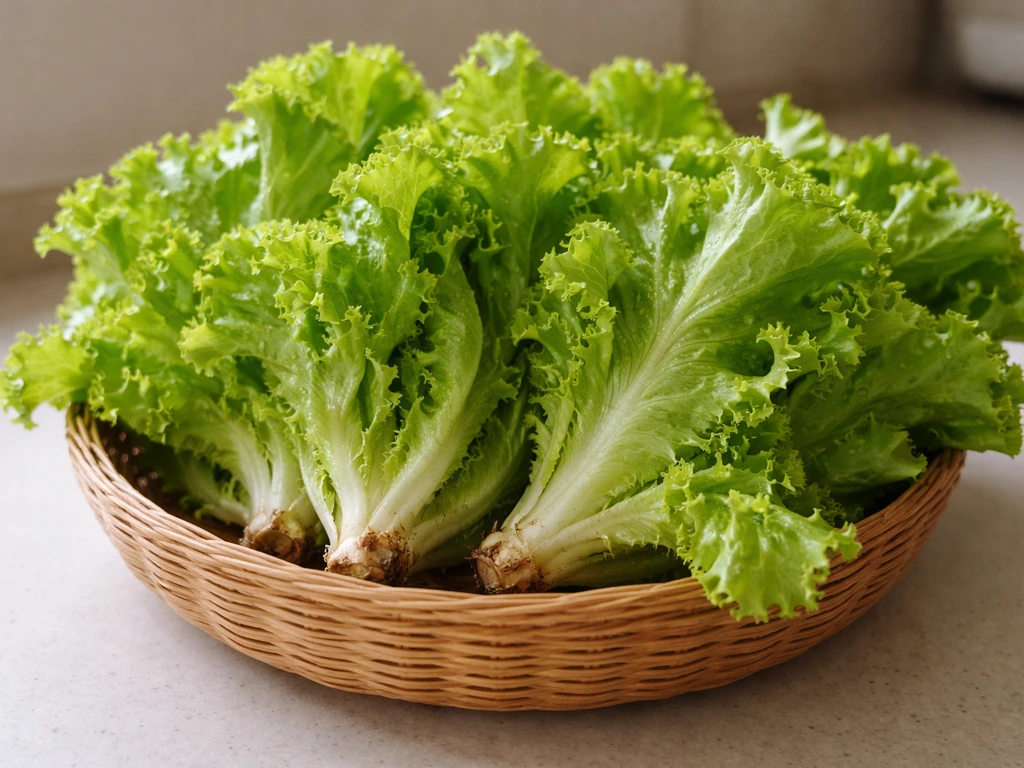
Grand Rapids is ready to harvest at two stages. For baby leaves, start cutting when plants are 3–4 inches tall, about 3 weeks after germination. For full-sized leaves, wait until outer leaves are 4–6 inches long, usually 45–50 days from seeding. Always harvest in the morning when leaves are most hydrated and crisp. For cut-and-come-again harvesting, use clean scissors to cut outer leaves about 1 inch above the soil, leaving the center growing point intact. The plant will regrow and you can usually get 3–4 cuts from a single planting before it starts to decline or bolt.
If you prefer to harvest the whole plant at once, cut at soil level with a sharp knife. This is a good approach if you're seeing early signs of bolting and want to get the most out of the plant before the flavor goes.
Succession planting for a continuous harvest
One planting of Grand Rapids will only produce for a few weeks before heat or age triggers bolting. The way to have lettuce all season (or all year indoors) is succession planting: sow a new small batch of seeds every 2–3 weeks. By the time you're harvesting from your first sowing, the next one is already 2–3 weeks along. Three or four small plantings staggered this way give you far more lettuce than one large planting, and you're never stuck with a glut you can't eat.
Storing your harvest
Freshly harvested Grand Rapids stays crisp in the refrigerator for 5–7 days if stored properly. If you want to keep harvests coming, apply the same timing and care for miner's lettuce, which also prefers cool temperatures and consistent moisture how to grow miner's lettuce. Rinse leaves in cool water, spin them dry in a salad spinner, then wrap loosely in a dry paper towel inside an open plastic bag or airtight container. The paper towel absorbs excess moisture that would cause rot. Don't wash lettuce you plan to store for more than a day or two; instead, rinse right before use. Properly stored, Grand Rapids keeps well and holds its flavor without the bitterness that heat-stressed lettuce develops.
If you enjoy growing loose-leaf varieties like Grand Rapids, it's worth exploring other types in a similar style. If you want to push lettuce size even further, see how to grow giant caesar lettuce for additional tips on maximizing head growth. Red oak leaf lettuce offers a similar cut-and-come-again habit with deeper color and a slightly nuttier flavor, while gourmet lettuce mixes let you grow several complementary varieties at once in the same container or bed. For passive, low-maintenance indoor growing, the Kratky method (passive hydroponics with no pump required) works extremely well for Grand Rapids and other loose-leaf types.
FAQ
Can I grow how to grow grand rapids lettuce in partial shade, or do I need full sun?
You can, but expect a shorter harvest window. Aim for at least 6 hours of direct sun, then add afternoon shade in warmer periods to delay bolting. If your light is consistently below that, use more frequent succession sowing to keep production coming.
What’s the best way to prevent bolting when temperatures are already warm?
Start harvesting earlier and more aggressively, especially outer leaves. Use shade cloth (30 to 40%) during the hottest part of the day and keep watering steady, then cut any forming flower stalks by harvesting the whole plant immediately to avoid losing the crop to bitterness.
How do I know whether my lettuce problem is heat stress, underwatering, or nutrient deficiency?
Heat stress shows up as rapid bolting and increasingly bitter leaves, even if the plants look green. Underwatering typically causes afternoon wilting and slower growth. Nutrient issues usually look like pale, weak growth across the plant, especially in containers, and respond to light balanced feeding.
Should I thin seedlings by pulling them, or is snipping better?
Thinning is essential. Pulling disturbs nearby roots, but snipping is a good alternative if you cannot separate seedlings carefully. Snip at soil level so you do not leave gaps that encourage uneven growth and airflow problems.
How often should I water Grand Rapids lettuce, especially in containers?
Check daily in containers during warm or windy weather. Water deeply so the top 4 to 6 inches stay evenly moist, and avoid cycles of drying out followed by heavy soaking. A helpful test is pressing a finger into the soil 1 to 2 inches deep, if it feels dry, water.
Is it okay to overhead water, or should I water at the base only?
Watering at the base is safer for disease control because damp leaves increase downy mildew risk. If you must overhead water, do it earlier in the day so foliage dries quickly, and avoid keeping leaves wet overnight.
What causes tipburn in Grand Rapids lettuce, and how can I stop it from spreading?
Tipburn comes from calcium uptake problems linked to uneven moisture and poor plant airflow, not from a simple lack of calcium in the soil. Once you see affected edges, there is no way to “heal” that leaf, so correct watering consistency and spacing immediately to limit new damage.
How can I keep aphids from coming back after I spray them?
Plan on follow-up checks every few days, because aphids reproduce quickly. Remove heavily infested leaves, rinse undersides with water first when possible, and if needed spot-spray insecticidal soap or neem oil, targeting leaf undersides and stem joints.
Are slugs avoidable without chemicals?
Yes, reduce their nighttime habitat and exposure. Use iron phosphate baits if needed, but also remove hiding spots like boards, keep thick mulch away from the base of plants, and consider barriers or diatomaceous earth around the crown area.
How do I harvest cut-and-come-again lettuce without damaging the growing point?
Use clean scissors and cut outer leaves about 1 inch above the soil while leaving the center growing point intact. Harvest in the morning for crisp leaves, and remove only what you need so the plant can keep producing new outer growth.
Can I keep Grand Rapids lettuce producing for months outdoors?
Usually no, because sustained heat and plant age trigger bolting after a few weeks. The practical approach is succession planting every 2 to 3 weeks, aiming each batch to mature during cool weather, and swapping to a shorter baby-leaf schedule in warming periods.
What’s the best fridge storage method to prevent sliminess or bitterness?
Rinse quickly in cool water only if needed, spin dry well, then wrap loosely with a dry paper towel inside an open bag or airtight container. Keep lettuce chilled promptly, and avoid storing long after washing repeatedly, because extra moisture shortens crispness.