Giant Caesar lettuce, specifically the variety called Giant Caesar Romaine, takes about 70 days to maturity and can reach 8 to 12 inches tall when grown in ideal conditions. If you are trying to grow Grand Rapids lettuce, you can use many of the same cool-weather timing and watering principles to help it form crisp heads grow in ideal conditions. To actually hit that size, you need cool temperatures (60 to 70°F average daily), consistent moisture, generous spacing, and enough time before hot weather arrives. Get those four things right and you will have heads that dwarf anything from the grocery store. Miss them and you will end up with small, bitter, bolted plants no matter how good your soil is.
How to Grow Giant Caesar Lettuce: Full Guide
Marcus Holloway
22 May 2026
What 'giant Caesar lettuce' actually means (size targets and realistic expectations)
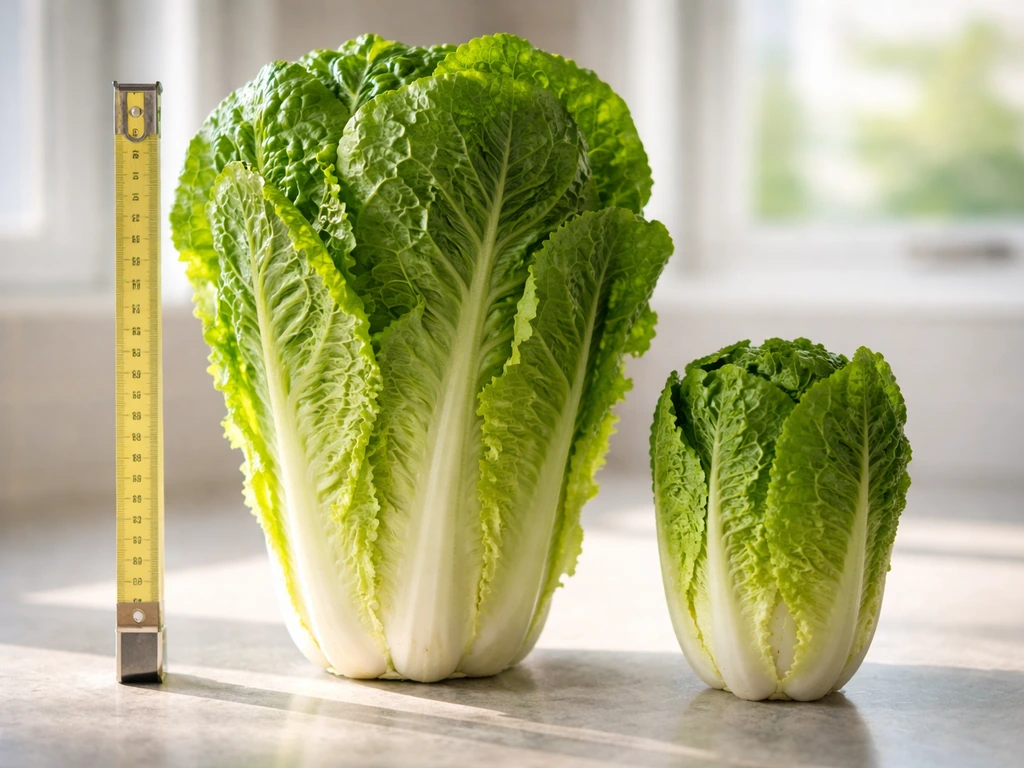
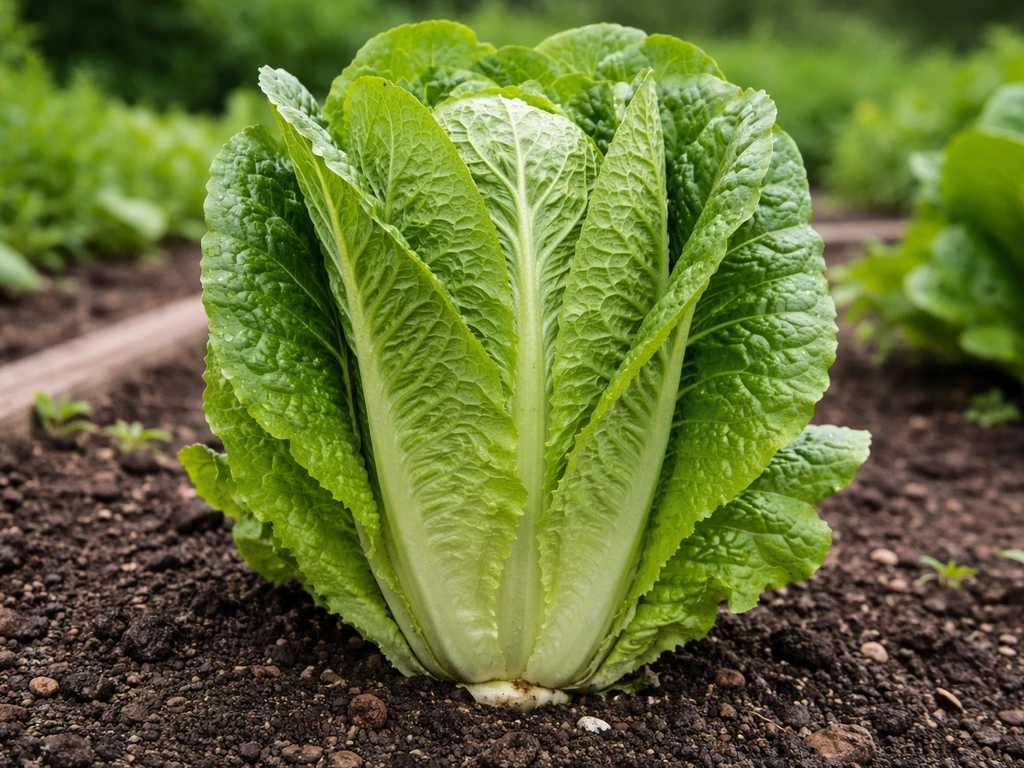
The variety you want is Giant Caesar Romaine. blank" rel="noopener noreferrer">University of Delaware extension data puts it at 70 days to maturity with heads reaching 8 to 12 inches tall. For comparison, a standard romaine is considered quality-ready when it forms a head about 4 inches wide at the base and 6 to 8 inches tall, so Giant Caesar is aiming noticeably higher. The 'giant' label is real, but it requires you to hit that 70-day window inside a cool-weather window. If temperatures spike before day 70, the plant bolts, stops building the head, and the leaves turn bitter. The goal is simple: keep it cool and fed from seed to harvest, and time it so day 70 lands before your summer heat arrives.
One honest expectation to set: outdoor gardeners dealing with variable springs may land in the 8 to 9 inch range more often than 12 inches. That is still excellent and far larger than a standard romaine. Indoor and hydroponic growers who can hold temperature steady tend to hit the upper end more reliably because they control the environment. Either way, 'giant' is achievable by a beginner who plans the timing carefully.
Best setup for bigger heads: outdoor beds, containers, indoors, and hydroponics
Each growing method can produce large heads, but they have different strengths and failure points. Here is a direct comparison so you can pick what fits your situation.
| Method | Max head potential | Biggest advantage | Biggest risk | Best for |
|---|---|---|---|---|
| Outdoor raised bed / garden | Highest (8-12 inches) | Unrestricted root run, natural light | Uncontrollable heat or frost | Gardeners with a reliable cool spring or fall |
| Container (12-16 inch pot) | Good (7-10 inches) | Mobile, can move to shade or indoors | Dries out fast, needs frequent watering | Apartment gardeners, patios, small spaces |
| Indoor grow lights | Very good (8-11 inches) | Full season and temperature control | Light intensity must be high enough | Year-round growers, beginners who want predictability |
| Hydroponics (Kratky or NFT) | Excellent (up to 12 inches) | Fastest growth, no soil-borne disease | Setup cost, nutrient balance learning curve | Growers wanting the largest heads consistently |
Outdoor beds
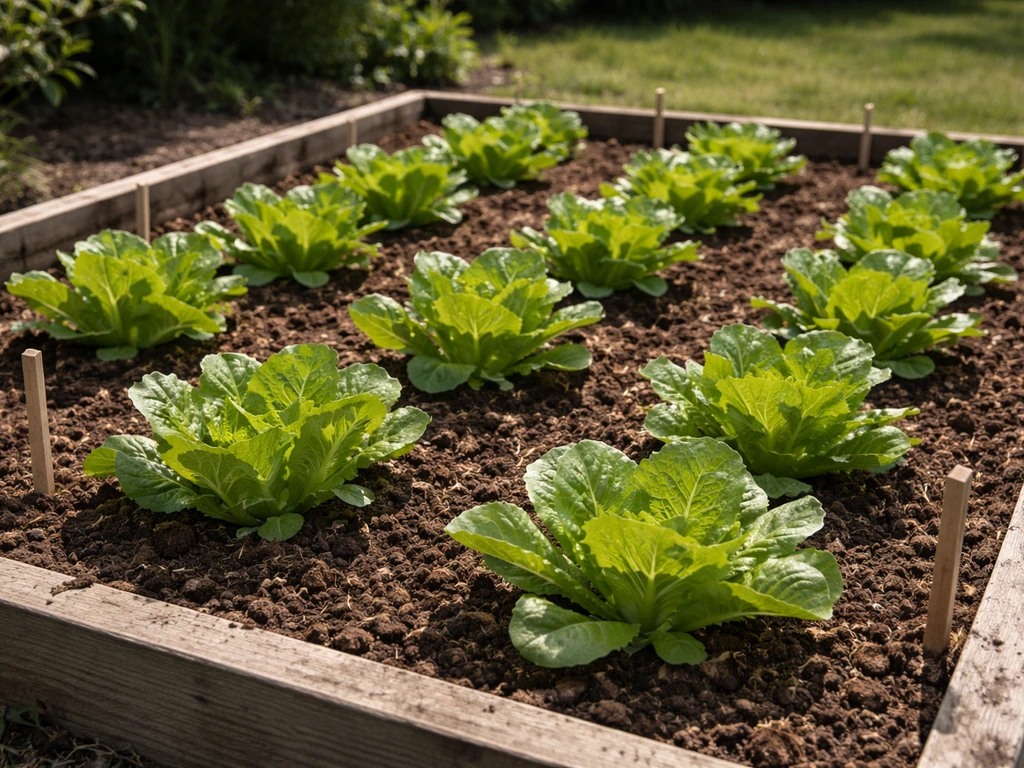
Outdoor beds give the roots the most room and natural sunlight does the heavy lifting on photosynthesis. Use loose, well-draining soil amended with compost (about 3 to 4 inches worked in to a depth of 8 to 10 inches). Giant Caesar's deep root system appreciates the depth. The trade-off is that you are at the mercy of weather, so timing your planting date is everything (more on that below).
Containers
Use a container that is at least 12 inches deep and 14 to 16 inches wide per plant. Smaller pots restrict the root zone and you will see it in the head size. Fill with a quality potting mix (not garden soil, which compacts) and mix in a slow-release vegetable fertilizer at planting. The movability of containers is a genuine advantage: if a heat wave hits, you can drag the pot into shade or bring it indoors for a few days.
Indoor growing
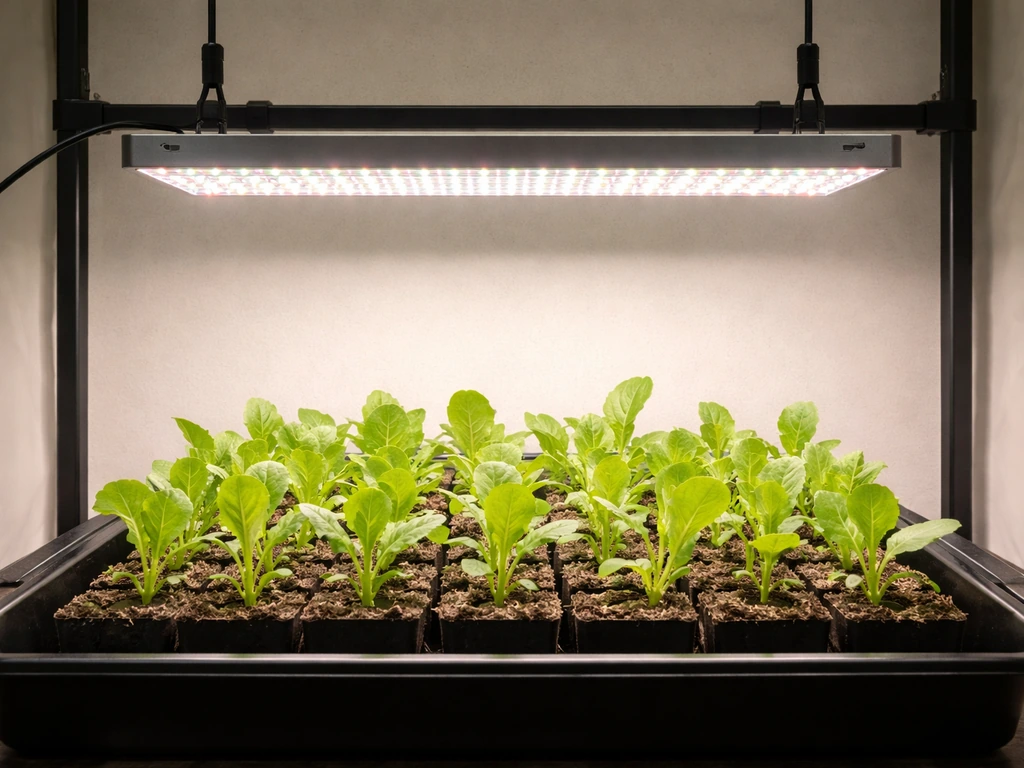
Indoor growing under grow lights is the most forgiving method for hitting the full 70-day window at the right temperature. You need a full-spectrum LED or T5 fluorescent light positioned 6 to 12 inches above the tops of the plants, running 14 to 16 hours per day. Keep the room between 60 and 68°F. One common mistake I see is under-lighting: if your light is too dim or too far away, plants go leggy reaching for it and never build a solid head. More light intensity, not just more hours, is what drives head formation.
Hydroponics
Hydroponic systems, whether a simple Kratky passive setup or a recirculating nutrient film technique (NFT) system, consistently produce the largest lettuce heads because nutrients are delivered directly to the roots with no soil resistance. If you are learning how to grow kratky lettuce, this is one of the reasons the passive Kratky approach works so well for larger heads Kratky passive setup. Giant Caesar does very well in deep water culture or Kratky containers. Target an EC (electrical conductivity) of 1.2 to 1.8 mS/cm and a pH of 5.8 to 6.2. Water temperature matters too: keep the reservoir between 65 and 72°F to prevent root rot and encourage fast uptake. If you are already familiar with growing lettuce hydroponically, Giant Caesar is simply a longer-season variety that rewards the same techniques.
Starting Giant Caesar lettuce: seeds, transplants, timing, and spacing
Seeds vs. transplants
Seeds are the better starting point for Giant Caesar if you want full control over timing and head size. Sow seeds 1/8 inch deep in seed-starting mix, keep them at 65 to 70°F, and they germinate in 5 to 10 days. Start them indoors 4 to 6 weeks before your last frost date (for spring) or 10 to 12 weeks before your first fall frost (to allow the full 70-day window in cool weather). If you buy transplants from a nursery, check that they are not already root-bound or showing any sign of bolting (a central stalk forming). Stressed transplants rarely recover enough to form large heads.
Timing your planting window
This is the single most important decision you will make. Giant Caesar needs 70 days at 60 to 70°F average temperatures. Work backward from your local heat arrival date. If your area hits consistent daytime highs above 80°F by late June, your transplant-out date should be no later than mid-April (giving 70 days to mid-June with a buffer). For fall crops, transplant out in late August or early September so the heads form during September and October. Fall crops often produce the largest heads because temperatures cool as the plant matures rather than warm up.
Spacing for maximum head size
Do not crowd Giant Caesar. Space plants 14 to 18 inches apart in all directions. I know that feels like a lot of space, especially in a small bed, but crowded romaine heads compete for light and nutrients and you end up with multiple small, loose heads instead of one large tight one. If you sow seeds direct, thin aggressively to the final 14 to 18 inch spacing once seedlings reach 2 to 3 inches tall. Thinning is hard to do emotionally but critical for size. The thinnings are edible, so nothing is wasted.
Light, temperature, watering, and fertilizing for maximum growth
Light
Outdoors, Giant Caesar wants 6 to 8 hours of direct sun daily during cool weather. In mid-spring or fall when the sun is lower, full sun is your friend. In late spring as days get longer and hotter, light afternoon shade (1 to 2 hours) can actually extend your growing window by keeping leaf temperature down. Indoors, run full-spectrum LEDs at 14 to 16 hours per day with a light intensity of at least 2,000 to 4,000 lux at leaf level. If your seedlings are stretching tall and thin instead of growing sturdy compact leaves, the light is too dim or too far away.
Temperature
Illinois Extension is clear on this: lettuce thrives at an average daily temperature of 60 to 70°F and quality declines sharply as temperatures rise. For Giant Caesar specifically, try to keep daytime highs below 75°F and nighttime temps above 40°F. Light frost (down to about 28°F) is tolerated by established plants, but a sustained freeze will damage heads. Heat is a far bigger threat than cold for this variety. Once consistent daytime temps exceed 80°F, bolting is likely within days, not weeks. GardenROI notes that some lettuce varieties can delay bolting for days, not weeks, which supports the idea that once temperatures cross a critical threshold, bolting can accelerate quickly bolting likely within days, not weeks once daytime temps exceed 80°F.
Watering
Lettuce is about 95 percent water, so consistent, even moisture is non-negotiable for large heads. Aim for 1 to 1.5 inches of water per week in outdoor beds, and check container plants daily since they dry out faster. The rule I use: stick your finger an inch into the soil. If it is dry at 1 inch, water thoroughly until it drains from the bottom. Never let lettuce wilt between waterings. Wilting stresses the plant, concentrates the bitter compounds in the leaves, and can slow head formation permanently. Drip irrigation or soaker hoses at the base (keeping foliage dry) reduce disease pressure significantly.
Fertilizing
Giant Caesar is a heavy feeder relative to smaller lettuce varieties because it is building more leaf mass over a longer period. Start with compost-amended soil or a balanced slow-release granular fertilizer (10-10-10 or similar) at planting. Then side-dress with a nitrogen-focused liquid fertilizer (fish emulsion or a balanced liquid at half strength) every two to three weeks during active growth. Nitrogen drives leaf size and dark green color. If leaves look pale yellow-green and growth has stalled, that is a nitrogen deficiency and a liquid nitrogen feed usually shows visible improvement within a week. Do not over-fertilize with phosphorus or potassium at the expense of nitrogen for leafy crops.
Preventing bolting and bitterness: season control and smart harvesting
Bolting (the plant sending up a central flower stalk) is triggered by rising temperatures and lengthening days. Once bolting starts, the head stops developing and leaves become progressively more bitter. University of Maryland Extension notes that lettuce quality declines as temperatures rise and day length increases, and Illinois Extension confirms that high temperatures slow growth and worsen flavor. There is no reversing a bolted plant, so prevention is everything.
Your main prevention tools are timing (already covered above), variety selection (Giant Caesar is a standard romaine, not specifically marketed as a slow-bolt variety, so timing is especially critical), and physical shading. A 30 to 40 percent shade cloth over your bed starting in late spring can drop leaf surface temperature by 5 to 10 degrees and buy you an extra week or two of quality harvest time. That extra time can be the difference between a 9-inch head and a 12-inch one.
For harvesting strategy: you can begin harvesting outer leaves as soon as the plant is 6 inches tall, which is called cut-and-come-again harvesting. For maximum head size, resist that temptation and let the plant form a full head. Harvest the whole head just before or at the point where the inner leaves are tight and upright (around day 65 to 70). Do not wait for the center to start loosening or elongating: that is the early sign of bolting and your last window before bitterness takes over. Harvest in the morning when leaves are crisp and hydrated.
Pest and disease problems (and what to actually do about them)
Common pests
- Aphids: clusters of tiny green or black insects on the undersides of leaves. Knock them off with a strong spray of water, or apply insecticidal soap spray. Check under leaves every few days since colonies build fast.
- Slugs and snails: irregular holes in outer leaves, usually overnight damage. Place iron phosphate bait around the base of plants or use a copper barrier around containers. Remove mulch right against the stem where they hide.
- Cabbage loopers and caterpillars: large irregular holes in leaves, sometimes down to the midrib. Hand-pick at dusk when they are active, or apply Bt (Bacillus thuringiensis) spray, which is safe for edible crops.
- Lettuce root aphids: wilting despite adequate water is the main sign. These live on roots and are harder to treat. Drench with insecticidal soap solution or remove and replace the plant if the infestation is heavy.
Common diseases
- Downy mildew: pale yellow patches on upper leaf surfaces with gray fuzz beneath. Caused by wet foliage and poor air circulation. Water at the base, not overhead. Increase spacing. Remove affected leaves immediately.
- Bottom rot (Rhizoctonia): brown, slimy base where the head meets the soil. Often a drainage problem. Improve soil drainage and avoid overwatering. Pull affected plants and do not compost them.
- Tip burn: brown, papery edges on inner leaves. Not a disease but a calcium delivery issue caused by inconsistent watering or fast growth outpacing uptake. Keep watering even and consistent. In hydroponics, ensure calcium levels in the nutrient solution are adequate.
Common growth problems that block large heads
| Problem | Likely cause | Fix |
|---|---|---|
| Leggy, stretched seedlings | Not enough light intensity indoors | Move light closer (6-8 inches above) or increase hours to 16/day |
| Small, loose head at harvest | Crowded spacing or bolting started early | Thin to 14-18 inches; harvest earlier next time |
| Pale yellow-green leaves | Nitrogen deficiency | Apply liquid nitrogen fertilizer at half strength; repeat in 10 days |
| Bitter leaves before bolting | Heat stress or inconsistent watering | Add shade cloth; water more consistently; harvest sooner |
| Wilting despite moist soil | Root aphids or root rot | Check roots; treat with insecticidal soap drench or improve drainage |
| Brown leaf tips (tip burn) | Uneven watering or calcium issue | Water consistently; in hydroponics, check calcium levels in solution |
Your weekly grow plan and next-step checklist
Simple week-by-week timeline (from seed to harvest)
- Week 1: Sow seeds 1/8 inch deep indoors at 65-70°F. Keep moist. Germination in 5-10 days.
- Week 2-3: Seedlings emerge. Provide 14-16 hours of light (or move to a sunny south-facing window). Thin seedling trays to one per cell.
- Week 3-4: Begin hardening off outdoor transplants (set outside for 1-2 hours daily, increasing each day over 7-10 days).
- Week 4-6: Transplant outdoors or into final containers at 14-18 inch spacing. Water in well. Apply slow-release fertilizer if not already in soil.
- Week 5-7: Monitor moisture daily. Begin bi-weekly liquid nitrogen feeds. Check under leaves for aphids or caterpillars.
- Week 7-9: Heads begin forming visibly. Continue consistent watering. If temperatures are rising, install shade cloth.
- Week 10 (around day 65-70): Assess head tightness. Harvest entire head when inner leaves are upright and tight. Do not wait for any central elongation.
Next-step checklist: fix what is not working right now
- Plants are bolting or bitter: harvest immediately (even if undersized), add shade cloth for any remaining plants, and plan your next planting as a fall crop instead.
- Heads are small and loose: check spacing first. If plants are closer than 12 inches, thin or transplant. Then check nitrogen: apply liquid feed this week.
- Seedlings are leggy indoors: move grow light to within 6-8 inches of the tops today. If using a window, move to a brighter south-facing spot or add a supplemental light.
- Leaves have holes or pests visible: identify the pest (aphids, caterpillars, or slugs) and treat within 24-48 hours before the population builds.
- Watering feels inconsistent: set a phone reminder to check soil moisture every morning. Install a drip timer if watering is frequently missed.
- Growing hydroponically and growth has stalled: test pH first (target 5.8-6.2), then check EC (target 1.2-1.8). Adjust whichever is off before adding more nutrients.
- Planning your next crop: consider timing a fall planting now (late July to early August start indoors) to hit the cool September-October window for your biggest heads yet.
Giant Caesar Romaine rewards patience and planning more than most lettuce varieties. The 70-day timeline is longer than a standard loose-leaf or even a typical romaine, but the payoff is a head that is genuinely impressive and deeply flavorful when grown in cool, consistent conditions. Get the timing right, give each plant its space, keep the nitrogen coming, and protect the crop from heat. For more detailed guidance on how to grow red oak leaf lettuce, focus on cool temperatures and steady moisture as you plan your planting window protect the crop from heat. To put all of this into practice, follow a clear how to grow gourmet lettuce workflow for your beds, containers, or hydroponics. Do those four things and you will have heads that make every Caesar salad from here on feel like an upgrade.
FAQ
Can I grow giant Caesar lettuce in hot weather by using shade cloth?
Yes, but for Giant Caesar the trade-off is timing. In many climates you cannot extend the season enough to recover from heat once day length and temperatures push past the 80°F range. Shade cloth helps by lowering leaf temperature, but if your forecast shows sustained hot highs arriving before your 70th day, switch to a fall transplant plan or grow indoors/hydroponics where temperature is controllable.
How do I know the exact moment to harvest for maximum size and minimum bitterness?
If the center feels firm and leaves are still tight upright, you can harvest a little early, but avoid waiting until the center starts elongating. The best window is right as inner leaves are tight (around day 65 to 70), harvesting before any sign of early bolting. If you harvest too late, the head will be smaller and the leaves will taste more bitter even if they still look “headed.”
My Giant Caesar heads are small, what should I check first?
A lot of people “fix” small heads by watering more or adding more fertilizer, which can backfire. For giant romaine, the most common cause of small heads is planting too late, so the plant runs into heat before it completes its 70-day head-building period. Second most common is crowding (under- spacing) or under-lighting indoors. Use your calendar first, then spacing and light intensity, then fine-tune water and nitrogen.
What’s the best watering approach to prevent bitterness without causing root problems?
For outdoor beds, water irregularly leads to bitter leaves and slowed head formation, so the goal is steady moisture, not constant saturation. Use drip or soaker hoses so water reaches the base while foliage stays drier. Containers dry faster, so expect to water more frequently and always re-check soil moisture (the finger test at about 1 inch).
In hydroponics, how do I know if my nutrient level is too high or too low?
Nutrient targets differ by system, but a quick guardrail for hydroponics is to avoid guessing. Keep pH in the 5.8 to 6.2 range and EC around 1.2 to 1.8 mS/cm as stated, then make one change at a time. If tips burn or leaves darken excessively, you may be running too strong; if growth stalls and leaves pale, you may need more nitrogen or improved uptake.
What are common seed-starting mistakes that reduce final head size?
Sowing too deep or starting in soil that stays wet can delay germination and weaken the plants before the long 70-day timeline begins. Keep seed depth very shallow (about 1/8 inch) and keep the germination zone around 65 to 70°F. Also avoid letting seedlings dry out once they emerge, because early stress can reduce eventual head size even if mature conditions improve.
Can I use cut-and-come-again harvesting and still get giant heads?
Yes, and it’s usually a quality problem, not just a size problem. If you harvest only outer leaves too aggressively early (cut-and-come-again), the plant keeps redirecting energy to regrowth rather than building a single large head. For maximum “giant” size, let it complete the full head (stop frequent outer-leaf harvesting once you are close to full head formation).
What should I look for when buying Giant Caesar transplants so I don’t end up with bolting plants?
Transplants that are already root-bound or starting to form a central stalk often cannot “catch up” within the remaining cool days. Look for plants with healthy leaves and no signs of a central stalk, then handle carefully during transplanting so you do not break roots or bury the crown too deep. After transplanting, keep moisture consistent for the first week to reduce shock.
My indoor lettuce is tall and thin, what should I adjust first?
If plants get leggy indoors, the first fix is light intensity and distance, not more fertilizer. Ensure your light is positioned close enough (6 to 12 inches is typical for the setups described) and that you run long enough hours (14 to 16). If stretching continues even with correct height, your fixture may be underpowered, so increase intensity or add supplemental lights before thinning or moving plants.
How can I tell whether the problem is nitrogen deficiency versus poor timing or crowding?
If your leaf color is pale yellow-green and growth seems slow during active head building, that often points to nitrogen shortage rather than a watering issue. Follow the routine of compost or slow-release at planting, then side-dress or liquid feed every two to three weeks with a nitrogen-forward option. If leaves are lush but heads still do not size up, re-check temperature timing and spacing first, because nitrogen alone cannot overcome heat stress.