Miner's lettuce (Claytonia perfoliata) is one of the easiest cool-season greens you can grow, but it has a few quirks that trip people up. Sow it in fall or very early spring, keep it cool and consistently moist, give it partial shade rather than full sun, and you can be harvesting tender leaves in as little as 42 days. Let it get hot, dry, or root-bound, and it bolts almost overnight. Once you understand that it behaves more like a cold-weather wildflower than a typical head lettuce, everything else clicks into place.
How to Grow Miner’s Lettuce: Step-by-Step Guide

Marcus Holloway
15 May 2026
What miner's lettuce actually is (and why it grows differently)
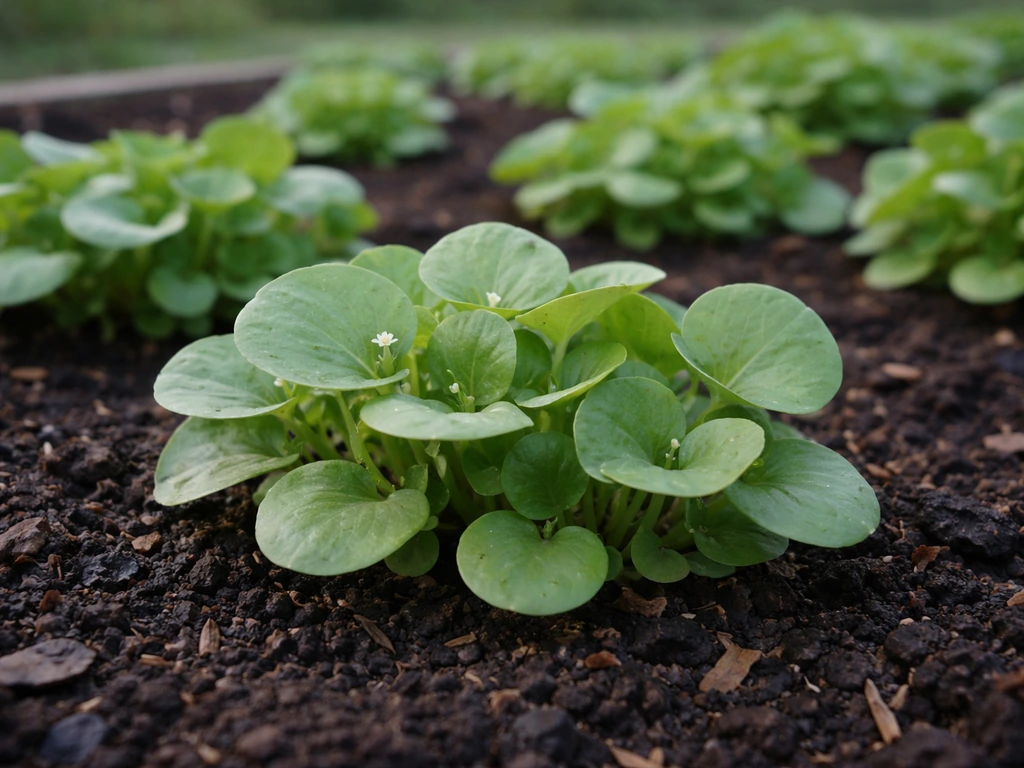
Miner's lettuce is not a true lettuce at all. It belongs to the genus Claytonia (sometimes listed in older books as Montia), not Lactuca, which is the genus that covers romaine, butterhead, and all the familiar lettuce types. This matters because its growing preferences are noticeably different. Miner's lettuce is classified botanically as a winter annual broadleaf plant, meaning it evolved to germinate in cold and wet conditions, grow through the cool season, flower in spring, and then die back completely when summer heat arrives. That lifecycle is baked into its DNA.
The edible part is the entire plant: the succulent round leaves, stems, and even the small white flowers once they appear. It's named after California Gold Rush miners who ate it to prevent scurvy, which tells you something about how nutritious and abundant it can be in the right conditions. The cotyledons (seedling leaves) are narrow and slightly succulent, broadening as the plant matures into the distinctive disc-shaped leaves surrounding the flower stem. There are a few subspecies, including ssp. perfoliata, ssp. intermontana, and ssp. mexicana, but for home growing purposes you'll almost always be working with the straight species from a seed packet.
The practical takeaway is this: don't treat it like lettuce. It's more cold-tolerant, more shade-tolerant, more sensitive to heat, and it self-sows aggressively once established. Grow it in the cool season, give it some protection from direct midday sun, and it will practically grow itself.
Where to grow it: location, season, and temperature
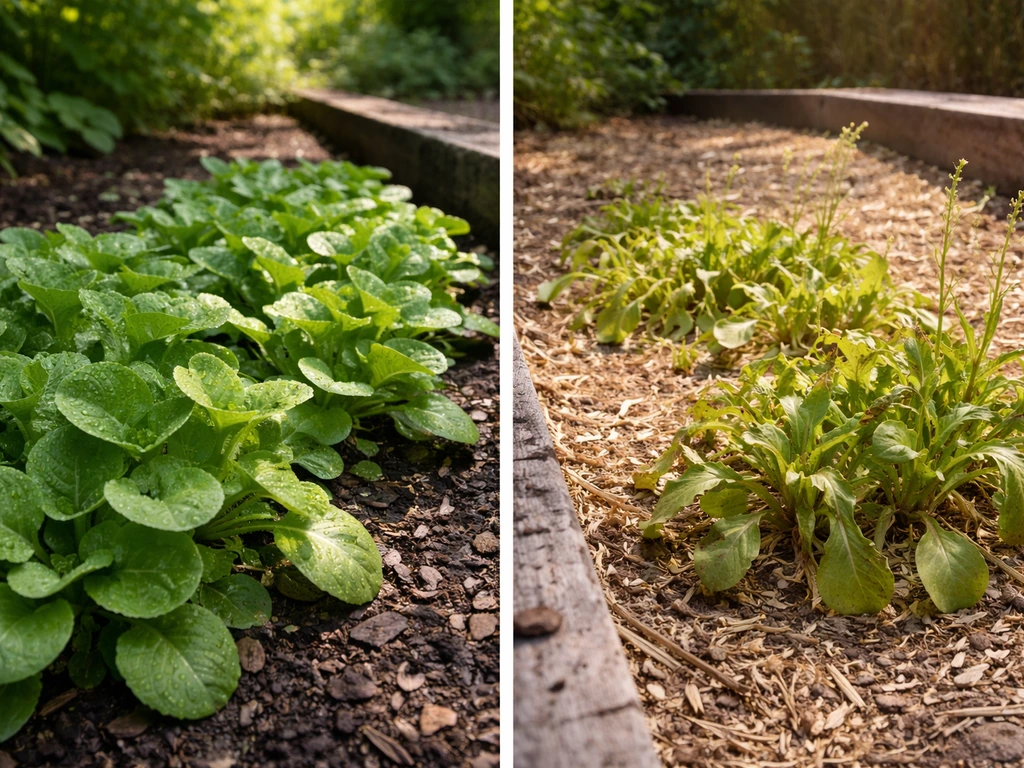
Miner's lettuce thrives in cool, damp conditions and dries up and goes to seed the moment hot spring weather arrives. That's the core constraint that shapes every decision about where and when to plant it. In most climates, you're working with two windows: a fall sowing (typically August through October depending on your zone) that produces through winter, and a very early spring sowing that produces before summer heat shuts it down. Salish Harvest notes that miner’s lettuce is harvested throughout spring and summer, which helps frame the typical harvest window. In mild-winter areas like the Pacific Northwest or coastal California, it can grow outdoors all winter with minimal protection.
The good news is that miner's lettuce will tolerate light to moderate frosts with minimal cover, making it one of the more forgiving cold-season crops. You don't need a greenhouse to overwinter it in zones 6 and above. A simple layer of row cover fabric (like Reemay or Grow Guard 20) is usually enough to push it through a light freeze while also deterring birds that like to scratch at newly sown seeds.
Unlike most lettuce varieties that demand a sunny spot, miner's lettuce is genuinely shade tolerant. In the wild it grows under forest canopies, which means that shaded corner of your garden where other greens struggle is actually a good home for it. In fact, partial shade in spring actively slows bolting, giving you a longer harvest window. Full sun is workable in winter, but in spring it accelerates the plant's rush to flower and finish.
| Setting | Best season | Key consideration |
|---|---|---|
| Outdoor garden bed | Fall or early spring | Partial shade in spring extends harvest; full sun fine in winter |
| Containers on a patio | Fall or early spring | Pots dry out faster; water frequently; move to shade as temps rise |
| Indoor windowsill | Any time of year | Needs a cool room (below 65°F ideally); south or east window minimum |
| Indoor under grow lights | Any time of year | Keep temperatures cool; lights help compensate for low winter light |
Light, soil, and setup: beds, pots, and spacing
Light requirements
Outdoors, aim for partial shade to full sun in fall and winter, transitioning to partial shade (4 to 6 hours of direct sun) in late winter and spring. If you're growing indoors under grow lights, the same principle applies as it does for any hydroponic lettuce setup: insufficient light intensity leads to elongated, leggy stems and poor leaf quality. Run your lights 14 to 16 hours a day and keep them close enough to the canopy to provide meaningful intensity. Miner's lettuce isn't as demanding as some greens, but weak light still produces weak plants.
Soil and amendments
Miner's lettuce is not particularly fussy about soil fertility, but it does need good drainage with consistent moisture retention. A loamy, moderately rich soil with plenty of organic matter hits the sweet spot. Work in a couple of inches of compost before planting, which improves both moisture retention and nutrient availability. Avoid heavy clay that stays waterlogged, and avoid pure sandy soil that dries out too fast. The target pH is around 6.0 to 7.0, which is the same range you'd aim for with most leafy greens.
Container and bed setup
In a garden bed, direct sow in rows spaced 8 to 12 inches apart, with seeds about half an inch apart within the row. Thin plants to about 4 to 6 inches apart once they're established. In containers, use a pot at least 6 inches deep with drainage holes, filled with a quality potting mix amended with compost. A wide, shallow tray or window box works well for succession plantings. One thing to keep in mind: miner's lettuce spreads and self-sows readily in open beds, which is either a feature or a problem depending on how tidy you like your garden. If you're planting in a contained bed, that's less of an issue.
Planting and germination: seeds, timing, and depth

Miner's lettuce is grown from seed, and there are a couple of things that catch beginners off guard. First, it's classified as a light and cold germinator, meaning the seeds actually benefit from cold temperatures to break dormancy. The University of Washington's propagation protocol recommends two months of cold-moist stratification for reliable germination. In practice, if you're doing a fall outdoor sowing, the soil is already cold enough that stratification happens naturally. For a very early spring sowing, starting seeds outdoors or in a cold frame while nights are still cold achieves the same thing. If you're trying to start seeds indoors in a warm house in mid-winter without cold exposure first, you'll likely see poor germination.
Sow seeds at a depth of about a quarter inch (0 to half a centimeter works, essentially surface to shallow). Germination typically takes 4 to 14 days when conditions are right. Temperatures above 80°F significantly reduce germination, so if your soil is warm, wait. For succession harvests, sow new rows every 2 to 3 weeks through the cool season to keep a continuous supply coming.
After sowing, cover the bed with a light layer of row cover fabric. This does double duty: it retains moisture to keep the seedbed from drying out between waterings, and it deters birds that will scratch seeds right out of the soil. Remove or prop up the cover as seedlings emerge and start to push against it.
- Choose a sowing window when soil temperature is below 65°F (fall or early spring is ideal)
- Prepare the bed or container with compost-amended, well-draining soil
- Sow seeds about half an inch apart in rows 8 to 12 inches apart, at a depth of roughly a quarter inch
- Water gently and cover with row cover fabric to retain moisture and deter birds
- Expect germination in 4 to 14 days; thin to 4 to 6 inches apart once seedlings are established
- Sow a new row every 2 to 3 weeks for a continuous harvest
Watering and feeding: keeping it tender and preventing bolting
Consistent moisture is the most important factor in keeping miner's lettuce tender and productive. It evolved in cool, damp environments, and when the soil dries out the plant interprets that as a signal that the season is ending and it should hurry up and flower. Water regularly enough that the top inch of soil never fully dries between waterings. In containers, this might mean watering every day in dry spring weather. In ground beds with good organic matter, every two to three days is usually enough in cool weather.
On feeding: miner's lettuce is a light feeder compared to heavier crops. To grow giant Caesar lettuce, you’ll need to focus on consistent moisture, cool temperatures, and enough light to prevent stress during head formation. The compost you incorporated at planting provides most of what it needs through a typical cool-season run. If plants look pale or growth seems sluggish, a single application of a balanced liquid fertilizer (something like a 5-5-5 or 10-10-10 diluted to half strength) every three to four weeks is plenty. Avoid heavy nitrogen feeding, which can make leaves soft and more attractive to pests without meaningfully improving quality.
The two fastest routes to bolting are heat and drought, and they often come together in spring. Mulching the soil surface helps retain moisture and buffers soil temperature as the weather warms. Moving containers to a shadier spot in late spring buys you additional weeks before bolting kicks in. Territorial Seed also recommends removing the inner (central) leaves to slow bolting, which makes sense because those central leaves are the ones closest to the developing flower stalk.
Growth timeline and harvesting
From seed to first harvest, expect about 42 days under good cool-season conditions. That's a solid benchmark for planning, though the USFS has documented germination-to-flowering timelines ranging from 33 to 90 days in wild populations depending on temperature and moisture, so real-world results vary. The cooler and more consistently moist your growing conditions, the slower and steadier the growth and the longer your harvest window stays open.
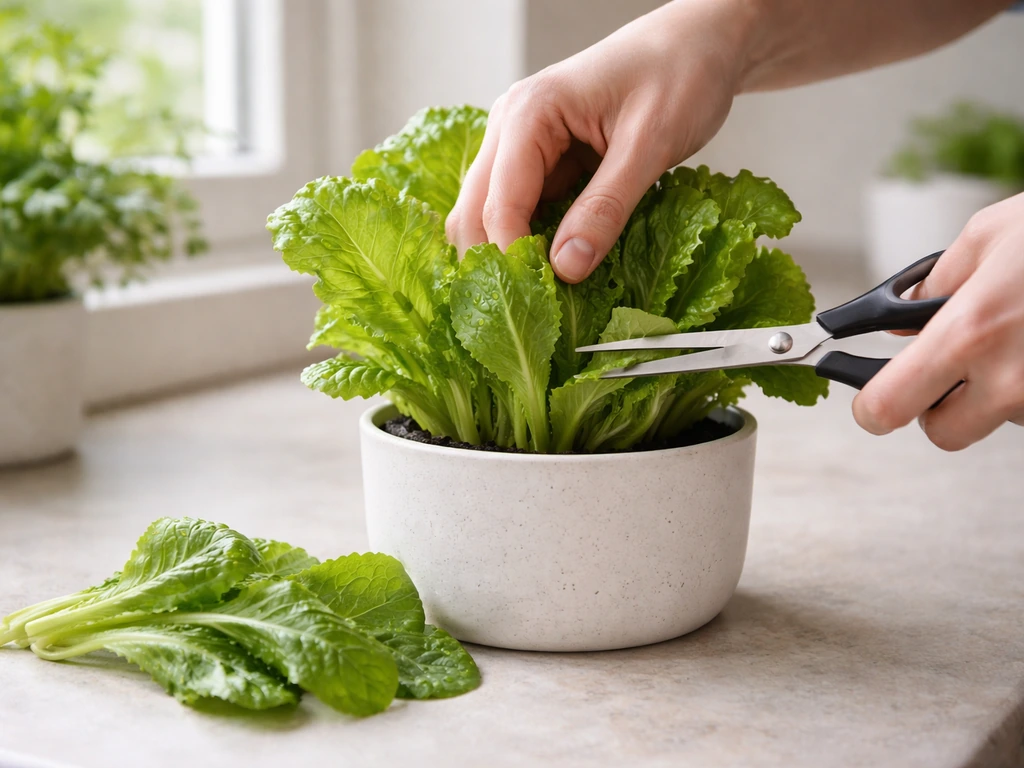
Miner's lettuce is a genuine cut-and-come-again plant. You can harvest individual leaves or cut the plant back to about an inch above the soil and it will continue producing new growth. For the longest harvest, pick outer leaves and stems, leaving the center of the plant intact. Once the small white flowers appear in the center of the characteristic disc-shaped leaves, flavor starts to decline and bolting is imminent, but the flowers and young stems are still edible if you want to stretch the season a bit further.
If you want the plant to self-sow for next year, leave a few plants to flower and set seed. Miner's lettuce is prolific at this, and in the right garden you'll find it naturalizing on its own, providing volunteer seedlings each cool season without any effort from you. For apartment and container growers, collect seed before it drops and sow it intentionally in the fall.
Troubleshooting common problems
Leggy, stretched stems
If your plants have long, weak stems reaching upward rather than producing broad, compact leaves, insufficient light is almost always the cause. Indoors, move plants closer to a bright window or lower your grow light closer to the canopy. Outdoors, this is less common but can happen in very dense shade. There's no way to fix already-leggy stems, but moving the plant to better light will improve new growth going forward.
Bitter taste or early bolting
Bitterness and bolting are both heat responses. If your plants are turning bitter and rushing to flower, the season has shifted too warm for them. Check your daytime highs: once you're consistently above 65 to 70°F, miner's lettuce starts to shut down. Try moving containers into shade, increase watering frequency, and harvest everything you can while it's still palatable. If it's already bolting, let it go to seed for next year and plan your next sowing for fall.
Slow or failed germination
If seeds aren't germinating after two weeks, the soil is likely either too warm, too dry, or the seeds didn't get the cold exposure they need. Check soil temperature first. Seeds sown into soil above 65°F will struggle. If you're starting indoors in a heated home, try putting the seeded tray in your fridge for a week before moving it to a cool windowsill. Also make sure the seed surface stays consistently moist but not waterlogged during germination.
Aphids, slugs, and other pests
The most common pests you'll encounter on miner's lettuce are aphids, leafminers, and slugs or snails, the same cast of characters that goes after any leafy green. Aphids cluster on the undersides of leaves and at growing tips; blast them off with water or use an insecticidal soap spray. Slugs and snails are most active in the cool, damp conditions that miner's lettuce loves, so they can be a persistent issue. Hand-pick at night, use copper tape around containers, or lay iron phosphate bait pellets. Leafminer damage shows up as pale, serpentine trails inside leaves; remove and discard affected leaves and the damage is mainly cosmetic.
Poor leaf quality or pale color
Pale, yellowing leaves usually signal a nitrogen deficiency, especially in containers where nutrients get depleted faster than in ground beds. A half-strength liquid balanced fertilizer applied every three to four weeks should bring color back within a week or two. If the soil is waterlogged and roots are sitting in standing water, that can also cause yellowing by starving roots of oxygen. Make sure drainage is adequate.
Growing miner's lettuce indoors and in apartments
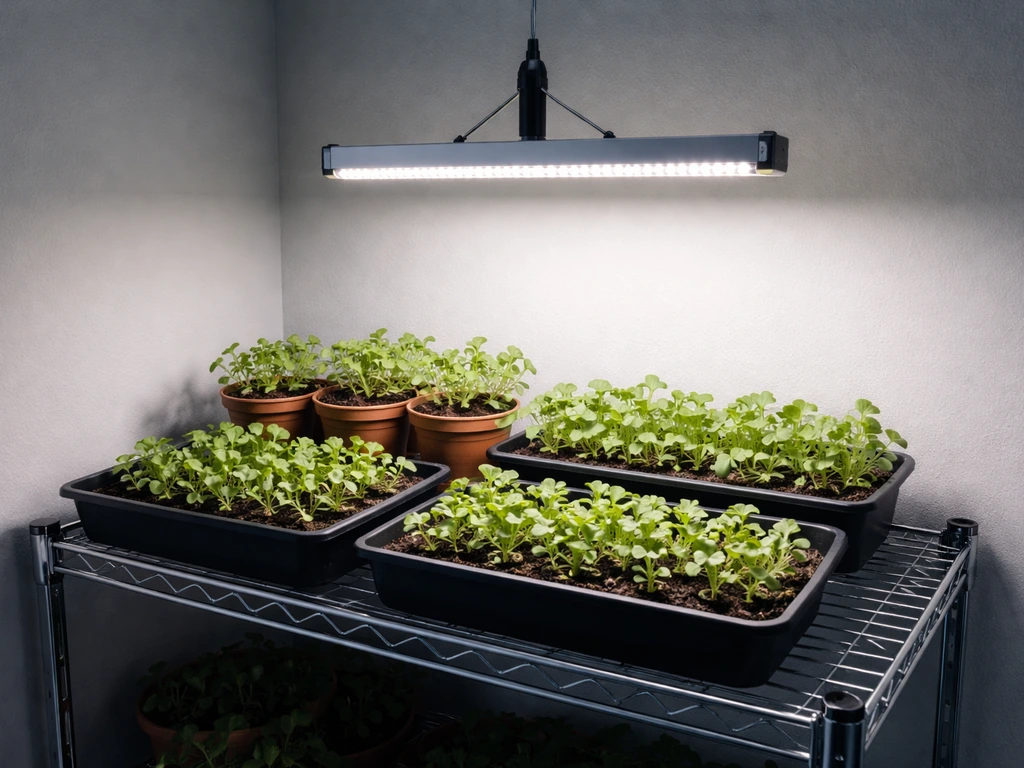
Miner's lettuce is genuinely one of the better choices for apartment growing because its shade tolerance means it can perform in window light that would leave other greens struggling. A north-facing window in winter is marginal but possible; an east or west window is comfortable; a south window is excellent. The biggest indoor challenge is temperature: if your apartment stays above 68 to 70°F year-round, miner's lettuce will be perpetually on the edge of bolting. Try to keep your growing area as cool as possible, especially at night. A windowsill in a less-heated room or near a drafty window (not so drafty that it freezes) works well.
For grow-light setups, run a full-spectrum LED at 14 to 16 hours a day, positioned close enough to provide strong light intensity without causing heat stress. Keep the room temperature cool. Research on hydroponic lettuce more broadly shows that low light intensity leads to slow growth and poor-quality, elongated plants, so don't skimp on light duration if your fixture isn't very powerful. Miner's lettuce can be grown in a basic deep-water culture or kratky-style setup using standard lettuce nutrient solution at moderate EC levels (around 1. If you want to try a kratky approach, focus on keeping the reservoir and room cool while using a standard lettuce nutrient solution to support steady leaf growth kratky-style setup. 2 to 1.8 mS/cm is a reasonable starting point for leafy greens, though miner's lettuce-specific hydroponic specs aren't well documented yet). The cool-temperature requirement still applies in a hydroponic setup, so manage your reservoir and room temperature accordingly.
Container size matters less than you might think. A 6-inch deep pot or window box will support a small patch comfortably. Sow seeds as you would outdoors, thin to prevent overcrowding, and harvest continuously. Self-sowing obviously doesn't happen in a container, so save seed intentionally or buy fresh seed each season.
Your next steps: a quick action checklist
Whether you're troubleshooting a current planting or starting from scratch today, here's how to move forward:
- Check the season and temperature: if it's already warm (consistently above 65°F), wait until fall to sow outdoors; consider indoor growing in a cool room now
- Pick your spot: partial shade is better than full sun once spring arrives; shaded beds or north/east-facing windows for indoor growing
- Prep soil or containers with compost-amended, well-draining mix; aim for pH 6.0 to 7.0
- Sow seeds at a quarter-inch depth, half an inch apart in rows 8 to 12 inches apart; cover with row cover fabric to retain moisture and deter birds
- Keep soil consistently moist but never waterlogged; in containers, check moisture daily
- Expect germination in 4 to 14 days if soil is cool (below 65°F); if germination is slow, check soil temperature first
- Feed lightly every 3 to 4 weeks with half-strength balanced liquid fertilizer if growth seems sluggish or leaves look pale
- Begin harvesting outer leaves at around 42 days; cut and come again for continued production
- Watch for aphids, slugs, and leafminers; address quickly with physical removal or soap spray
- As temperatures warm in spring, move containers to shade and increase watering to delay bolting
- Let a few plants flower and set seed at the end of the season for free plants next year
Miner's lettuce rewards patience and cool conditions more than any special technique. Get the timing and temperature right and you'll have more tender greens than you know what to do with. If you're interested in other greens that thrive in similar cool-season setups, exploring options like red oak leaf lettuce or gourmet lettuce varieties is a natural next step for expanding your cool-weather garden. If you’re specifically gardening around Grand Rapids, you’ll want to time your sowings and protect the plants through local cold snaps to match its cool-season needs cool-season setups. If you also want to know how to grow gourmet lettuce, focus on cool temperatures, consistent moisture, and enough light to keep leaves tender gourmet lettuce varieties.
FAQ
Can I grow miner’s lettuce in summer if I keep it watered and in shade?
It can survive brief heat, but it will still tend to bolt quickly once daytime highs stay warm. Shade and extra watering can buy a little time, but for reliable harvests plan for fall or very early spring sowings, or use shade cloth plus active cooling like a fan in a container setup.
Why do my seedlings look fine at first but then stall or thin out?
The most common cause is heat at germination time or during early growth. If soil or room temperatures creep above about 65 to 70°F for an extended period, growth slows and plants can become weak and sparse. Check soil temperature, water frequency, and avoid indoor starts without cold exposure.
Do miner’s lettuce seeds need to be soaked or stratified if I sow outdoors in fall?
Usually no, because fall soil temperatures naturally provide the cold-moist period that improves germination. Do stratification only if you are starting much later in the season, using stored seed that’s older, or sowing indoors in a warm environment.
What’s the right way to water miner’s lettuce without making it bolt or rot?
Aim for consistently moist soil, not standing water. If the top inch dries out between waterings, plants interpret it as season-ending stress and bolt. If the bed stays soggy or containers sit in runoff trays, roots can lose oxygen and leaves can yellow, so water to maintain moisture but ensure drainage.
How do I prevent birds from pulling up seeds even with row cover?
Use row cover immediately after sowing and secure it at the edges so birds cannot lift the fabric. For the first week, consider heavier-weight garden fleece and keep the cover in contact with the soil surface where seeds are located, then prop it once seedlings emerge.
Can miner’s lettuce be grown in full shade with no direct sun?
It can tolerate shade, but total darkness usually still leads to weak, elongated growth. If you have no direct sun at all, increase the time it receives indirect daylight or move it to a brighter window. Outdoors, target partial shade, and in spring provide a bit more light only if the plants are staying cool.
Why is my miner’s lettuce bitter, and how can I fix it?
Bitterness usually shows the plant has shifted into heat stress and bolting mode. Fix it by harvesting immediately at the first sign of bitterness, moving containers to deeper shade, and increasing watering frequency during warm afternoons. If it has already bolted, let it finish only if you want seed, then restart in fall.
Is thinning necessary, or can I harvest crowded plants?
Thinning improves leaf size and reduces stress, which helps you avoid faster bolting. If you skip thinning, plants compete for moisture and coolness, and inner plants often become smaller and less tender. Thin to about 4 to 6 inches once you have a stable stand.
Should I fertilize miner’s lettuce beyond compost?
Most of the time compost is enough for a cool-season run. Fertilize only if plants look pale or growth is clearly slow, using a light, balanced liquid feeding at half strength every few weeks. Avoid pushing nitrogen, since overly lush growth can attract pests and may taste softer.
How do I harvest so the plant keeps producing longer?
For repeated cut-and-come-again harvests, take outer leaves and stems first and leave the center growth intact. Cutting too close to the center or harvesting all leaves at once reduces regrowth and can trigger earlier flowering, especially as spring temperatures rise.
Will miner’s lettuce replant itself, and how do I control volunteers?
Yes, it self-sows readily in open beds. If you want control, remove plants before seed drops, or grow it in a contained bed or large container. If you do want next year’s crop, collect seed before it disperses and sow intentionally in fall.
What’s the best way to stop slugs without damaging the plants?
Use slug control that targets the cool, damp conditions the plant prefers. Hand-pick at night, improve dryness around the plant base when possible, and for containers try copper tape or iron phosphate bait pellets. Avoid harsh chemicals, since miner’s lettuce is frequently harvested as tender leaves.
My leaves are yellowing in containers, is it always nitrogen deficiency?
Not always. Yellowing can also come from poor drainage or roots sitting in waterlogged soil, which starves roots of oxygen. First confirm drainage and container setup, then if drainage is fine, apply a light balanced feed at half strength to see if color returns within 1 to 2 weeks.