You can grow gourmet lettuce at home in about 35 to 75 days depending on variety and growing method, whether you're working with an outdoor raised bed, a container on a balcony, a windowsill setup, or a simple hydroponic system. Miner's lettuce is another cool-season green that you can grow using similar timing and moisture-focused practices how to grow miner's lettuce. The keys that actually make the difference: pick bolt-resistant varieties suited to your conditions, keep temperatures between 55 and 65°F as much as possible, give seeds consistent moisture until they germinate, and harvest regularly so plants stay productive. Get those fundamentals right and you'll have fresh gourmet greens on a near-continuous basis.
How to Grow Gourmet Lettuce: Step by Step Guide
Marcus Holloway
27 May 2026
Choosing gourmet lettuce varieties
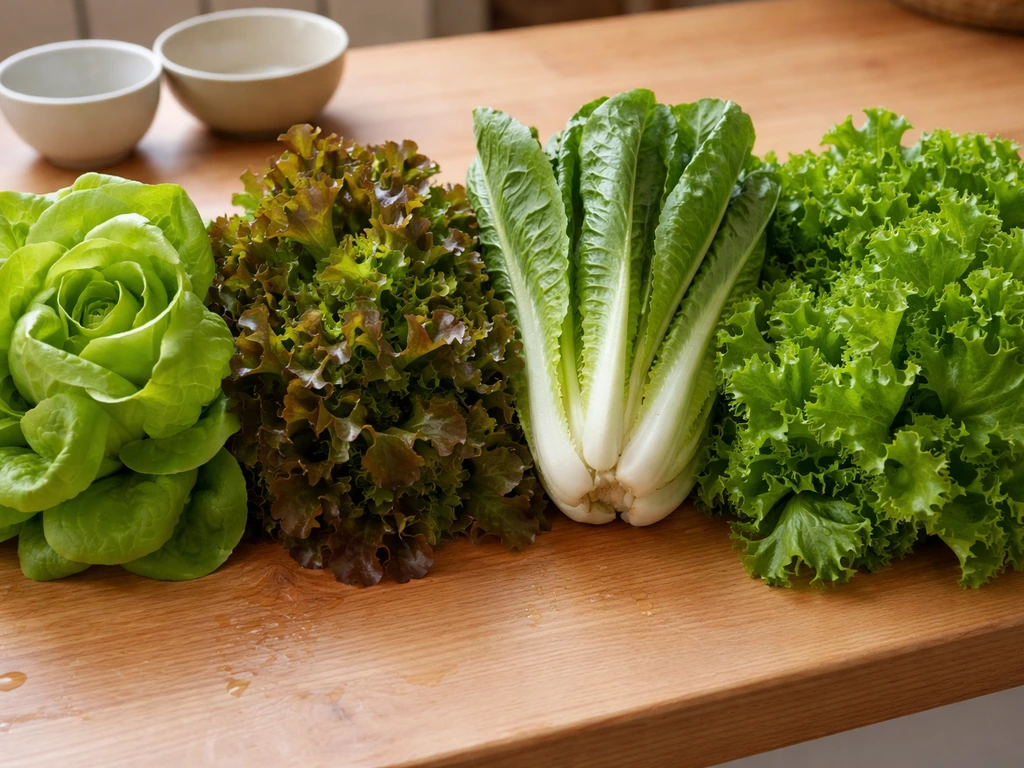
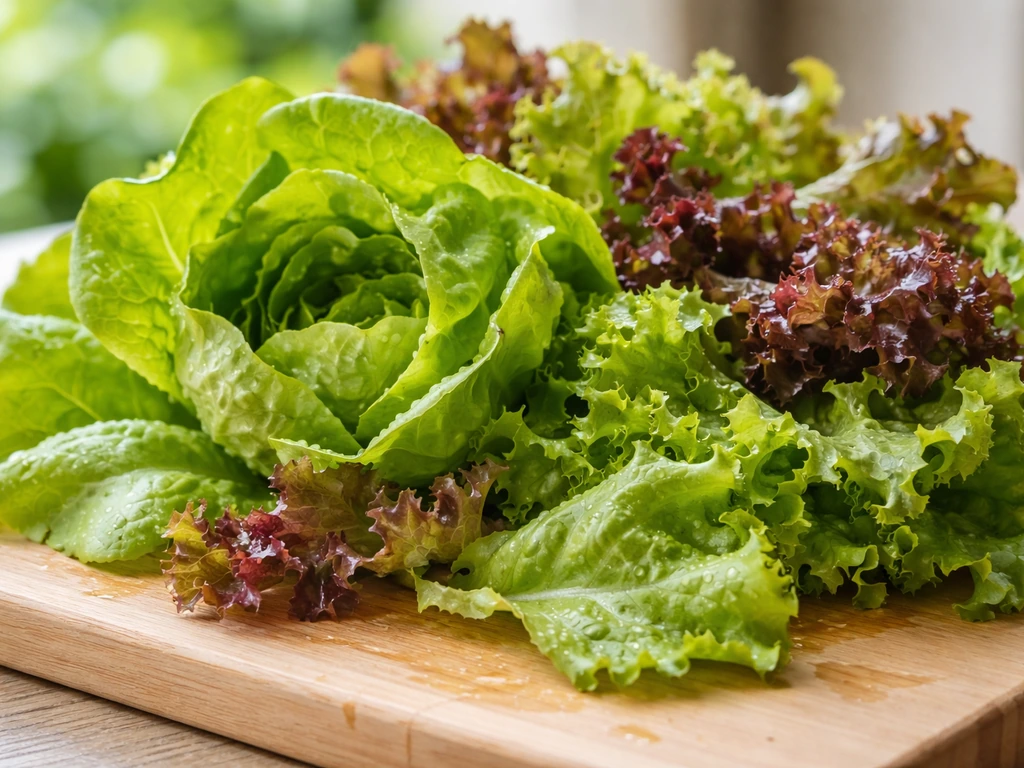
The word 'gourmet' really just means varieties beyond standard iceberg: butterheads, loose-leaf types, oakleaf styles, romaines, and specialty blends. What matters most when choosing is bolt resistance and days to maturity, because those two factors determine whether your plants give you weeks of good eating or sprint to seed the moment it warms up.
Buttercrunch is the gold-standard starting point. It's a butterhead type that takes 50 to 75 days to full maturity and is specifically more heat tolerant and bolt resistant than most other butterhead varieties. If you're a beginner and want one reliable choice, start there. Galisse is another excellent butterhead, hitting maturity in around 60 days and proven to be very bolt resistant, which makes it a smart pick for anyone growing in warmer climates or pushing into shoulder seasons. For faster harvests, loose-leaf types can be ready in as little as 35 to 40 days from seed, which is ideal for succession planting (more on that later).
For hydroponic systems, loose-leaf and butterhead types work especially well because they have shallower root systems and adapt quickly to soilless media. If you're interested in exploring other specialty varieties, red oakleaf and grand rapids types are worth trying once you have a harvest or two under your belt. If you are wondering how to grow Grand Rapids lettuce specifically, choose a bolt-resistant seed, start it early in cool weather, and keep temperatures in the lettuce comfort range. Giant Caesar is a great choice if you want larger, romaine-style heads with real substance.
- Buttercrunch (butterhead): 50–75 days, heat tolerant, bolt resistant, beginner-friendly
- Galisse (butterhead): 60 days, very bolt resistant, excellent for warm-season extension
- Loose-leaf types: 35–40 days, fastest harvest, ideal for cut-and-come-again and succession planting
- Red oakleaf: ornamental and flavorful, best in cool conditions
- Romaine/Giant Caesar types: larger heads, longer days to maturity, great for salads with more structure
One honest note: no variety is fully 'heat proof.' Slow-bolting and heat-resistant varieties extend your window, they don't eliminate the problem. When temperatures consistently push above 75 to 80°F, even the best bolt-resistant types will eventually give up. Plan your timing accordingly.
Where to grow: outdoor beds, containers, indoors, and hydroponics
Lettuce is one of the most flexible vegetables you can grow. It genuinely works in all four environments, but each one has a slightly different set of rules.
Outdoor garden beds
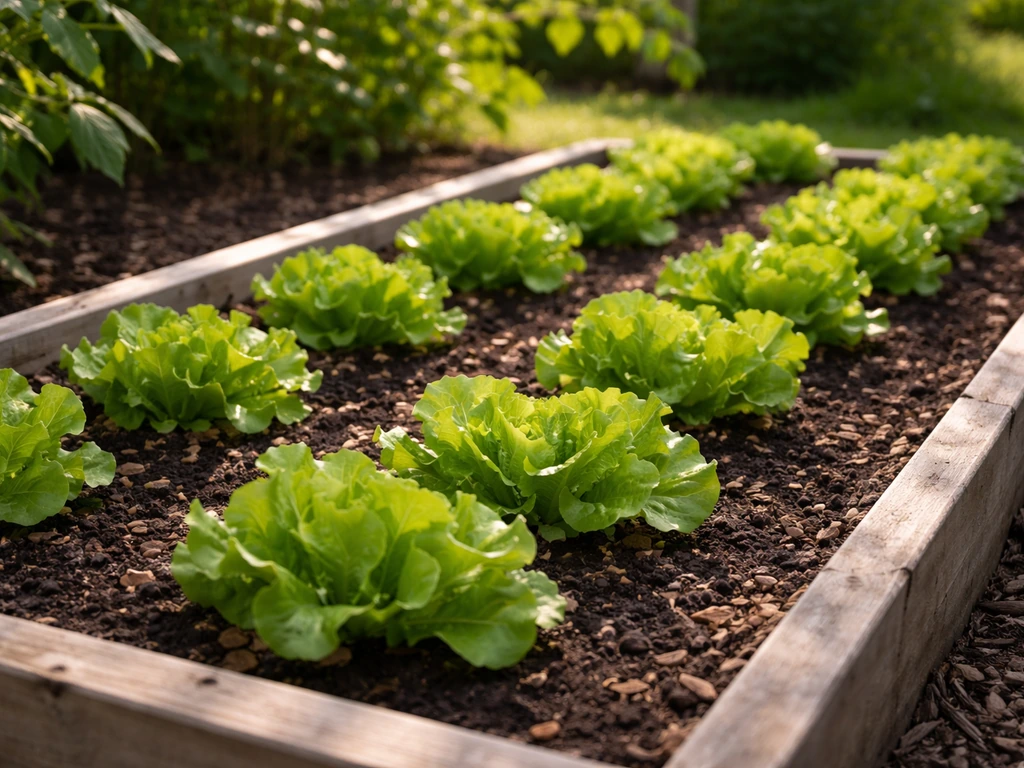
This is the most forgiving setup for most people. Lettuce can tolerate light shade, which actually works in your favor during warmer months since partial shade from taller plants or shade cloth slows bolting. Raised beds with good drainage are ideal. You get the most flexibility with timing, and you can plant larger quantities for succession planting without much additional cost.
Containers and patio growing
Containers work really well for lettuce, especially on balconies or patios where you don't have ground space. The key requirement is drainage: make sure your container has small holes near the bottom so water can escape, otherwise roots sit in soggy soil and rot. Use packaged potting soil or a composted container mix from a garden center rather than digging up garden soil, which compacts badly in pots. Shallow containers (6 to 8 inches deep) are fine for most lettuce varieties. Planting into a container is essentially the same as planting in the ground: same seed depth, same spacing, same timing.
Indoor growing (grow lights or windowsill)
Indoor growing gives you year-round control, which is its biggest advantage. A south-facing windowsill can work if you're getting 4 to 6 hours of direct light daily, but a basic LED grow light is far more reliable and keeps leaf production consistent. The temperature control indoors also means you can grow through summer without bolting risk. Use the same container and potting mix setup as patio growing. The main challenge indoors is keeping air circulating so you don't run into fungal issues.
Hydroponic systems
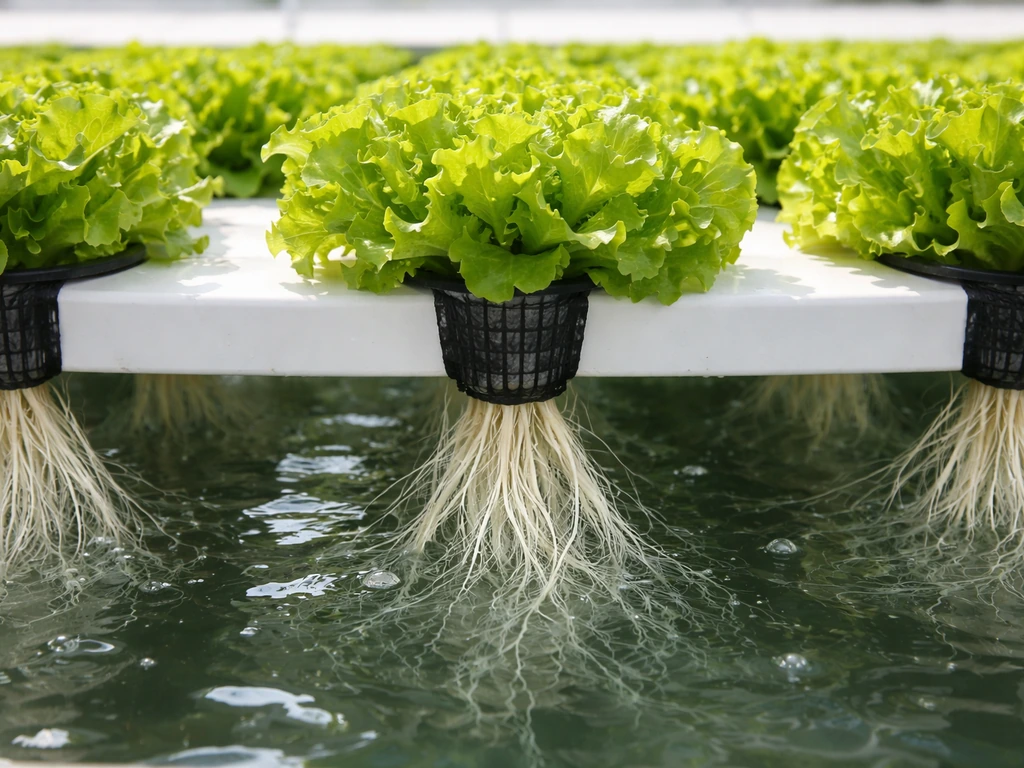
Lettuce is one of the best vegetables for hydroponics, full stop. It grows faster, produces cleaner leaves, and thrives in nutrient film technique (NFT), deep water culture (DWC), and Kratky setups. You skip soil entirely and feed the plant directly through the water. The tradeoff is that you need to monitor pH and EC (electrical conductivity) regularly, and you need to make sure dissolved oxygen levels stay adequate. If you're curious about a completely passive hydroponic approach, the Kratky method is a great entry point before investing in a pump-based system.
Soil and growing medium setup
For outdoor beds and containers, aim for a soil pH between 6.0 and 6.8. That range keeps nutrients available and avoids the bitterness and poor growth that comes from soil that's too acidic or too alkaline. Lettuce also does not tolerate salty soils, so avoid fertilizer overdosing or using compost that isn't fully broken down. Well-drained soil is non-negotiable: sitting in waterlogged ground stresses the plant and invites disease.
If you're amending an outdoor bed before planting, work in no more than 1 inch of well-composted organic matter per 100 square feet. That's enough to improve texture and add nutrients without pushing EC too high. For containers, skip the garden soil altogether and use a quality potting mix. If you're transplanting a pot-bound seedling, loosen the roots gently before planting so they can spread into the new medium.
Sow seeds 1/4 to 1/2 inch deep. Lettuce seed is tiny and doesn't need much soil over it to germinate, but it does need consistent surface moisture until sprouts appear. If seeds dry out after you've sown them, germination rates drop sharply.
Hydroponic media
For hydroponic setups, common growing media include rockwool cubes, clay pebbles (hydroton), and perlite. These provide physical support for roots without holding nutrient solution in a way that suffocates the plant. Start seeds in rockwool or a seedling plug, then transfer to your system once you have a small root tail visible. Target a solution pH of 6.0 to 7.0, with an EC between 1.2 and 1.8 mS/cm. Dissolved oxygen should stay at or above 5 mg/L, which means good aeration is essential if you're running a DWC system.
Light, temperature, and watering to prevent bolting
These three factors are where most home gardeners either succeed or struggle. Get them right and your plants will stay productive for weeks. Get them wrong and you'll be dealing with bitter, seedy plants before you get a single decent salad.
Light
Lettuce needs about 6 hours of light daily for strong growth, but it can tolerate less than most vegetables. In summer, afternoon shade actually helps prevent bolting, so if you can position plants where they get morning sun and shade from about 1 PM onward, do it. Indoors, place grow lights 6 to 12 inches above the plant canopy and run them for 12 to 14 hours per day. Lettuce doesn't need intense light, so a modest LED setup works well.
Temperature
The optimum growing temperature for lettuce is 55 to 65°F. It can handle light frost and germinates best when soil temperature is in that same 55 to 65°F range. Once air temperatures push consistently above 75°F, especially at night, bolting becomes likely regardless of variety. If you're growing in peak summer, shade your plants during the hottest part of the day and stick to your most bolt-resistant varieties. Moving containers to a cooler spot (like indoors or under a covered patio) during heat waves can buy you another week or two of good production.
Watering
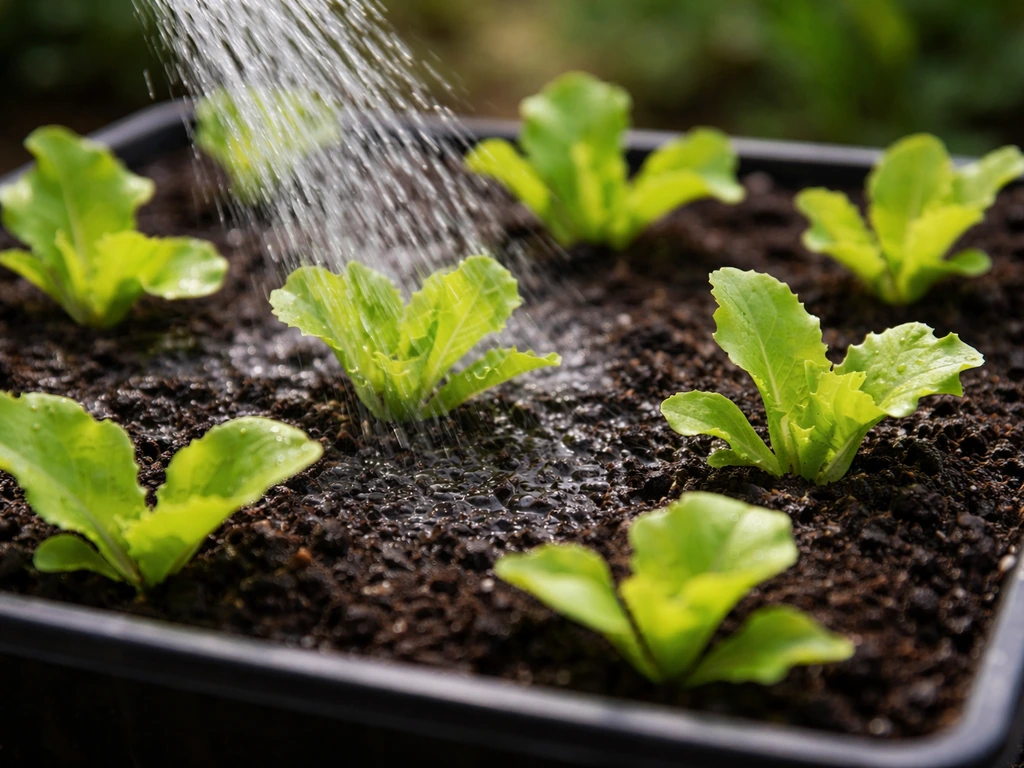
During germination and the seedling stage, water gently every day or two to keep the surface consistently moist. Once plants are established, water deeply and then let the top inch of soil dry out before watering again. Aim for roughly 1 inch of water per week in outdoor beds, adjusting up in heat and down in cool, overcast weather. For crisper leaves at harvest, increase watering frequency in the few days before you pick. Water stress and heat stress together are the main drivers of bitterness and early bolting, so consistent moisture is one of your best prevention tools.
Feeding and nutrient management
Soil and container feeding
Lettuce is a light to moderate feeder and mostly needs nitrogen to produce good leafy growth. If you've amended your bed with compost before planting, that often carries the plants through to first harvest without any additional feeding. For a more targeted approach, apply about 1/4 cup of a 21-0-0 nitrogen fertilizer per 10 feet of row, either at thinning time or about 4 weeks after transplanting. Don't overdo it. Lettuce doesn't tolerate high soil salinity, and excess fertilizer can stress plants as much as not feeding at all.
For organic growers, a balanced liquid seaweed or fish emulsion fertilizer applied every 2 to 3 weeks at half the recommended rate keeps plants healthy without salt buildup. The main thing is consistency: a little nutrition regularly beats a heavy feed all at once.
Hydroponic nutrient management
In hydroponics, you're managing the plant's entire diet through the nutrient solution. Use a complete lettuce-formulated hydroponic nutrient blend and target these parameters consistently:
| Parameter | Target Range | Notes |
|---|---|---|
| pH | 6.0 – 7.0 | Check daily; drift outside this range locks out nutrients |
| EC (Electrical Conductivity) | 1.2 – 1.8 mS/cm | Stay on the lower end for seedlings |
| Dissolved Oxygen | ≥ 5 mg/L | Critical in DWC; use an air stone or pump |
Check pH every day or two, especially in warmer conditions where it can drift quickly. Top off the reservoir with plain pH-adjusted water between nutrient changes, and do a full reservoir swap every 1 to 2 weeks for a clean nutrient supply. Lettuce is one of the easiest crops to grow hydroponically once you establish a monitoring routine.
Spacing, succession planting, and when to harvest
Spacing
For outdoor rows, sow seeds 1/2 inch apart, then thin to 4 to 6 inches between plants for loose-leaf types. If you're growing heading types like Buttercrunch, space them 8 to 12 inches apart to allow the rosette to develop fully. Row spacing in a traditional garden is typically 18 to 30 inches, but in raised beds or square-foot setups you can bring that in significantly. Final spacing depends on when and how you're harvesting: if you're cutting baby leaves early, you can grow plants more densely and never thin at all.
When to start harvesting
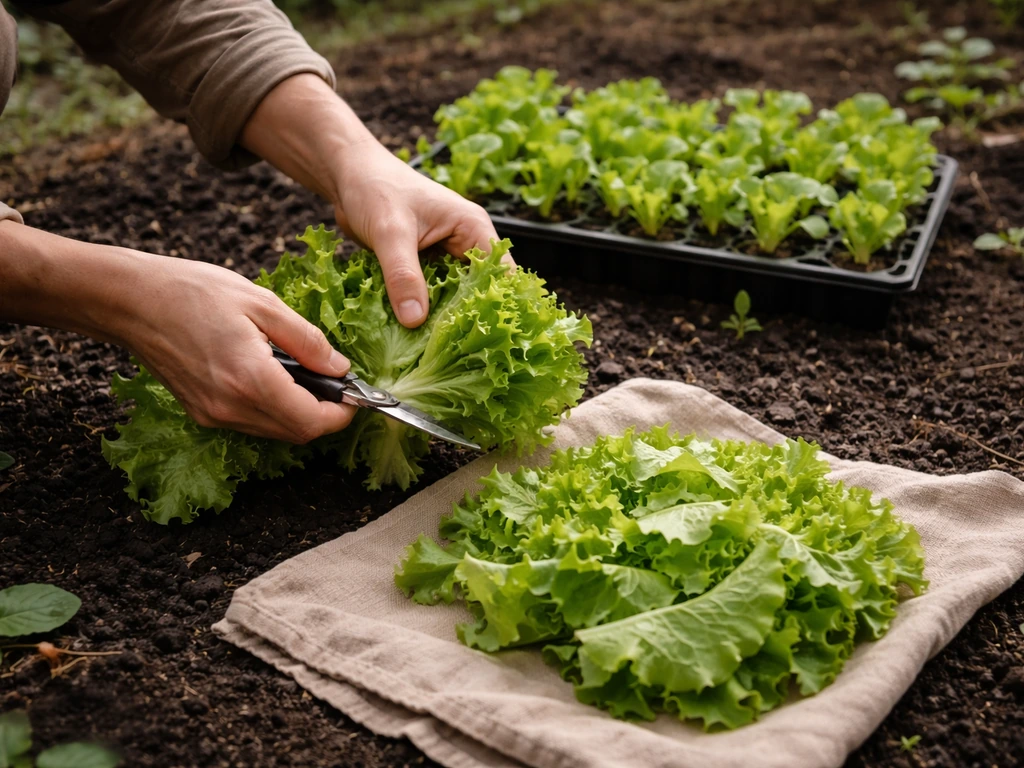
Leaf lettuce is ready to harvest as soon as plants are 5 to 6 inches tall. You don't have to wait for full maturity. For cut-and-come-again harvesting, take the outer leaves first with scissors or by snapping them off at the base, leaving the center growing point intact. The plant will keep producing new leaves from the center for several more weeks. Full-head lettuce like Buttercrunch can be harvested at maturity (50 to 75 days) by cutting the whole head at soil level, or you can take outer leaves earlier and let the head develop slowly.
Succession planting for continuous harvests
The simplest way to always have fresh lettuce is to plant a new small batch every 3 to 4 weeks. With loose-leaf types ready in 35 to 40 days, a three-week stagger means you're picking from one batch while the next one is almost ready. Start your succession plantings indoors or under cover so you're always working with transplants that are a couple of weeks ahead, rather than waiting for direct-sown seeds to catch up. This approach keeps your kitchen supplied without ever having a glut or a gap.
Troubleshooting pests, diseases, and bitter or bolting lettuce
Bolting
Bolting means the plant sends up a central flowering stalk and stops producing new leaves. Once it bolts, the leaves turn intensely bitter and are essentially inedible. The main triggers are heat, long days, and water stress. If you see a plant starting to bolt (the center elongates and looks like it's reaching upward), harvest the entire plant immediately and refrigerate the leaves for a day or two, which can reduce bitterness somewhat. After harvest, refrigeration can help decrease bitterness by a day or two, which can work as a quick correction after stress or bolting begins refrigerate the leaves for a day or two. Then figure out what triggered it: was it a heat wave, inconsistent watering, or simply the end of the plant's natural life cycle? Adjust for the next round.
Bitter leaves without bolting
Bitterness can develop before full bolting kicks in, usually from heat or water stress. If your lettuce tastes more bitter than expected but hasn't bolted yet, increase watering immediately and add shade during peak afternoon heat. Harvest in the morning when leaves are coolest and most hydrated. After picking, refrigerate for a day or two before eating, which noticeably reduces bitterness. Picking outer leaves regularly also helps because it keeps the plant in active growth mode rather than shifting toward seed production. GardenZeus recommends harvesting looseleaf lettuce by picking outer leaves “as needed,” which supports cut-and-come-again harvesting for extended production Picking outer leaves regularly.
Aphids
Aphids are the most common insect pest on lettuce. They cluster on the undersides of leaves and in the folds of heads, sucking sap and causing distorted, sticky growth. Check plants regularly by flipping a few leaves. If you spot them early, a strong spray of water dislodges most of them. For heavier infestations, insecticidal soap spray applied directly to the colony works well and is safe for edible crops. Rinse leaves thoroughly before eating.
Slugs and snails
Slugs and snails are especially drawn to lettuce and do their damage at night, leaving ragged holes in leaves and a slime trail behind. Reduce habitat by removing boards, debris, and dense mulch near the planting area. Hand-picking at night with a flashlight is surprisingly effective if populations are manageable. For larger infestations, metaldehyde-based baits can be used around vegetable gardens, but follow label directions carefully. Diatomaceous earth sprinkled around the base of plants creates a barrier that deters slugs without chemicals.
Fuzzy growth, leaf spots, and other disease signs
Fuzzy gray or white growth on leaves is usually downy mildew or botrytis (gray mold), both of which thrive in cool, damp, low-airflow conditions. Indoors, this is a real risk if you're growing in a closed space without a small fan running. Outdoors, it tends to appear in wet springs. Remove affected leaves immediately, improve air circulation, and avoid overhead watering in the evening. Water at the base of plants in the morning so leaves stay dry overnight. If disease is widespread, remove and discard the whole plant rather than risk spreading spores.
Poor germination is another common frustration. It's almost always caused by seeds being sown too deep, soil drying out after sowing, or soil temperature being too cold (below 50°F) or too hot (above 75°F). Lettuce seeds can go dormant in heat, so if you're summer sowing, pre-chill seeds in the refrigerator for a day or two before planting and start them in the coolest part of your growing space. That one trick alone saves a lot of failed sowings.
FAQ
What’s the best way to handle lettuce when a heat wave hits suddenly?
If nights stay above about 70°F, move containers to the coolest available spot (basement window, shaded covered patio, or near a fan) and raise shade coverage so plants get morning sun but afternoon protection. You can also switch to leaf lettuce for faster harvest, since you can cut outer leaves before bolting fully takes over.
Should I start lettuce from seed or buy seedlings for gourmet varieties?
Either works, but for bolt-prone conditions, seedlings can reduce “lost time” by getting plants established before the hottest stretch. If you transplant, keep roots intact when possible, and transplant in the evening or on a cloudy day to avoid shock.
How do I know when to harvest loose-leaf lettuce for the best flavor and texture?
Harvest when leaves are large enough to eat, usually around 5 to 6 inches tall, but avoid waiting for very mature, thick leaves in warm weather. For maximum crispness, pick in the morning and keep leaves cool right away, since hydration drops quickly once temperatures rise.
Can I regrow lettuce after cutting a head like Buttercrunch?
Usually only outer-leaf type regrowth reliably, because many heading types are cut once at maturity. If you do cut early and leave a portion of the center growing point, it may produce a short second flush, but expect smaller leaves and higher bolting risk if heat returns.
How do I prevent lettuce from going bitter without overcorrecting watering?
Aim for consistent moisture rather than a heavy soak followed by dry-out. If bitterness appears early, increase watering frequency for a few days and add afternoon shade, then return to your normal schedule. Avoid late, nitrogen-heavy feeding during the final week before harvest, since stress plus excess growth can worsen bitterness.
What container size and pot depth work best for gourmet lettuce?
A shallow container about 6 to 8 inches deep works for most loose-leaf and butterhead types. If you want bigger heads, choose a larger footprint and deeper container (closer to 8 to 10 inches) so the roots can spread, which also helps moisture stay steadier.
Is it safe to use compost in containers for gourmet lettuce?
It can be, but only if it is fully finished and screened, otherwise it can compact, hold excess salts, or stay too wet. Use a quality potting mix rather than garden compost alone, and consider flushing the container once in a while with plain water to reduce salt buildup.
How often should I feed lettuce in soil, and what’s the easiest mistake to avoid?
If your bed is amended with compost, you often do not need fertilizer until around the first harvest window. The most common mistake is over-fertilizing with nitrogen, which can increase salt stress and make plants more sensitive to heat, leading to bolting or bitterness.
When growing hydroponically, how can I tell if pH or EC is drifting without constant testing?
You can’t reliably, lettuce is that sensitive. Still, you can watch for early symptoms: yellowing that spreads can signal EC too high or nutrient imbalance, while stunted growth can reflect pH out of range or low dissolved oxygen. Daily pH checks and periodic reservoir swaps are the easiest way to prevent silent drift.
What’s the right dissolved oxygen level for deep-water culture, and how do I maintain it?
Keep it at or above about 5 mg/L, which usually means aeration is non-negotiable. If plants start looking sluggish, check aeration and avoid letting the water warm up, since warmer water holds less oxygen and can quickly worsen stress.
How can I reduce downy mildew and botrytis when humidity is high?
Increase airflow and stop overhead watering, water at the base in the morning, and remove infected leaves immediately. If growing indoors, use a small fan running continuously at low speed so leaves dry faster after watering, because prolonged leaf wetness is what drives these fungi.
What should I do if my lettuce seeds germinate poorly even though I watered consistently?
Check sowing depth and temperature first. Lettuce seed needs shallow coverage (about 1/4 to 1/2 inch), and germination usually fails when soil is below about 50°F or above about 75°F. If summer-sowing, pre-chill seeds for a day or two and start them in the coolest part of your growing area.
How do I handle bolting when it starts early but I still want to harvest something?
If you see the center elongating, harvest immediately, then refrigerate leaves for a day or two to take the edge off bitterness. In parallel, note the trigger (heat spike, uneven watering, or long-day sunlight) so your next planting uses earlier timing or more shade and more bolt-resistant varieties.
What’s the best spacing strategy for cut-and-come-again harvesting?
You can plant more densely if your plan is frequent leaf cutting, because you are not waiting for full heads. The main rule is to keep the canopy from becoming overcrowded, since tight spacing reduces airflow and increases fungal risk, especially in humid weather.