Lamb's lettuce (Valerianella locusta, also called mâche or corn salad) is one of the easiest cool-season greens you can grow, but it only performs well in cool temperatures. Sow seeds directly into moist soil or compost at about 1 cm (half an inch) deep, blank" rel="noopener noreferrer">keep soil temperatures between 41°F and 68°F (5°C–20°C), thin seedlings to roughly 2–5 inches apart, and you'll be harvesting tender little rosettes in about 50–70 days. Miss the temperature window and you'll get bolting and tough leaves instead of the mild, nutty salad green you're after.
How to Grow Lamb’s Lettuce: Step-by-Step Guide
Marcus Holloway
27 May 2026
What lamb's lettuce is and when to grow it
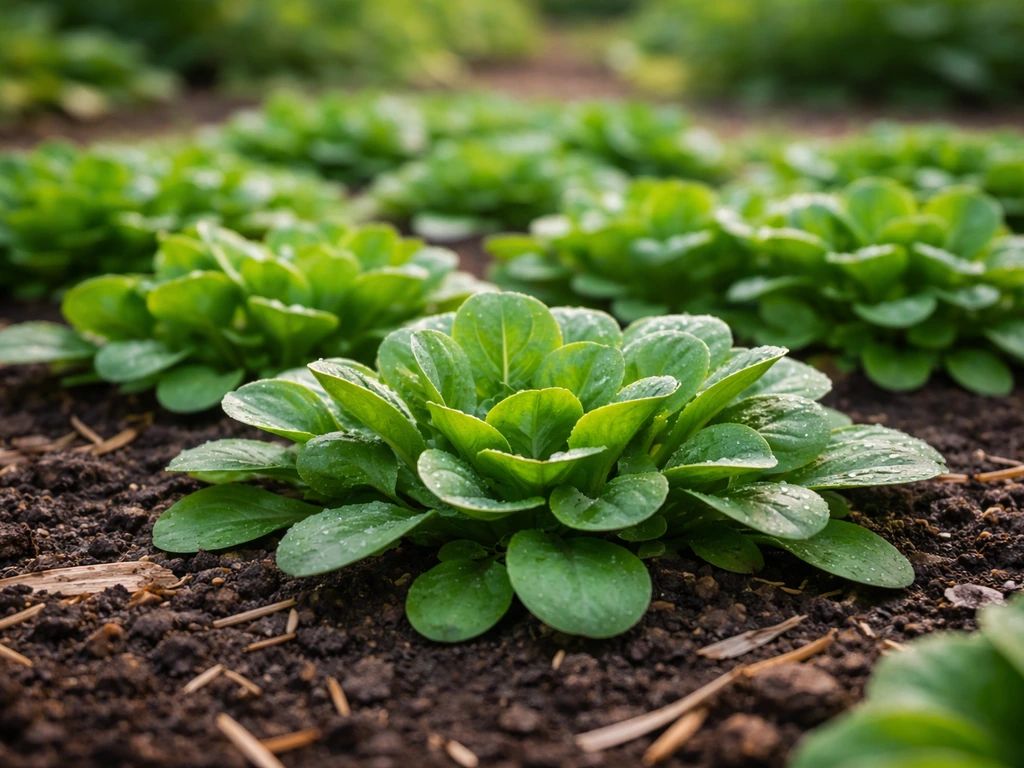
Lamb's lettuce is a small cool-season annual grown for its spoon-shaped leaves, which form neat little rosettes close to the ground. The flavor is mild and slightly nutty, which makes it a great base for salads or a topping for other dishes. It's not a true lettuce botanically, but it grows in similar conditions and fits perfectly alongside other lettuce varieties in a cool-weather garden.
Timing is everything with this plant. High summer temperatures reduce leaf quality, cause the plants to bolt (flower and go to seed early), and make the leaves tough and bitter. The ideal growing windows are early spring (before temperatures climb above 68°F) and autumn, with autumn being the better choice if you want the longest, most reliable harvest. In mild climates you can also grow it through winter with a little protection.
If you're comparing this to faster-growing lettuce varieties, lamb's lettuce takes a bit longer, around 50–70 days to full rosette, so factor that into your planting calendar. Fruition Seeds lists Days to Harvest: 50 for Valerianella locusta (mâche/lamb’s lettuce) around 50–70 days to full rosette.
In Dreamlight Valley, planning your planting based on this timing can help you harvest lettuce when it is ready for use 50–70 days.
Choosing your growing setup
Lamb's lettuce is genuinely flexible about where it grows. You can direct sow it into an outdoor bed, fill a container on a balcony, or grow it indoors with the right light setup. Each approach works, but each has its own considerations.
Outdoor beds and raised beds
This is the most straightforward option. Lamb's lettuce doesn't need rich soil, tolerates partial shade (which actually helps in spring when afternoons warm up), and can handle light frosts. A raised bed is ideal because you get better drainage control and can work in compost easily. Direct sowing works well here, and you can scatter seeds across a patch rather than sowing in strict rows.
Containers and pots
Because lamb's lettuce forms shallow rosettes and has a compact root system, it does well in containers at least 6 inches deep. A wide, shallow pot lets you sow a small patch and harvest from it over several weeks. Containers also give you the advantage of moving the plant into shade on unseasonably warm days, which buys you extra time before bolting kicks in.
Indoor and hydroponic growing
Lamb's lettuce can be grown hydroponically, and research on floating systems confirms it responds well to nutrient solution management. In aquaponics, the same kind of hydroponic-style setup can work well, but the growth time depends on your water temperature and nutrient balance hydroponically. For a faster, more consistent cycle, some growers use hydroponic setups and monitor EC and pH so their lettuce reaches harvest in a predictable timeframe how long does lettuce take to grow in hydroponics.
If you go this route, keep the electrical conductivity (EC) and pH of your nutrient solution in check. A pH around 6. 0–6. 5 and an EC in the moderate range for leafy greens are the targets, and you'll need to monitor pH regularly since nitrate absorption by the roots can shift it upward over time.
Indoors without hydroponics, a container on a sunny windowsill or under a grow light works fine, but the temperature requirement still applies. If your indoor space runs warm, growth will be disappointing.
Soil prep, seed starting, and what to expect from germination
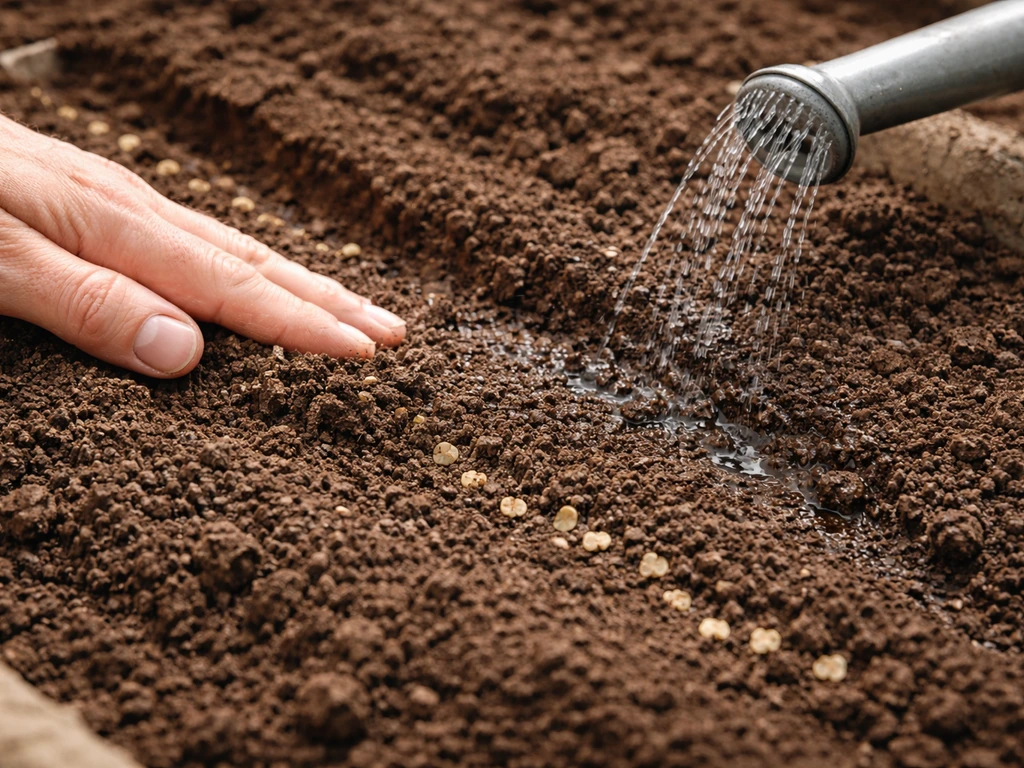
Lamb's lettuce doesn't need heavily amended or fertilized soil to germinate, but it does need consistent moisture and good drainage. Before sowing, work in some compost to improve water retention and loosen the surface. Firm the soil lightly so it's not fluffy and air-pocketed, then water it so the surface is evenly moist but not waterlogged.
Sow seeds at about 1 cm (half an inch) deep, then cover with a thin layer of compost or fine soil. Don't bury them too deep or they'll struggle to push through. The BBC Gardeners' World method of sowing onto moist compost and covering lightly is exactly right. After sowing, keep the surface consistently moist until germination happens.
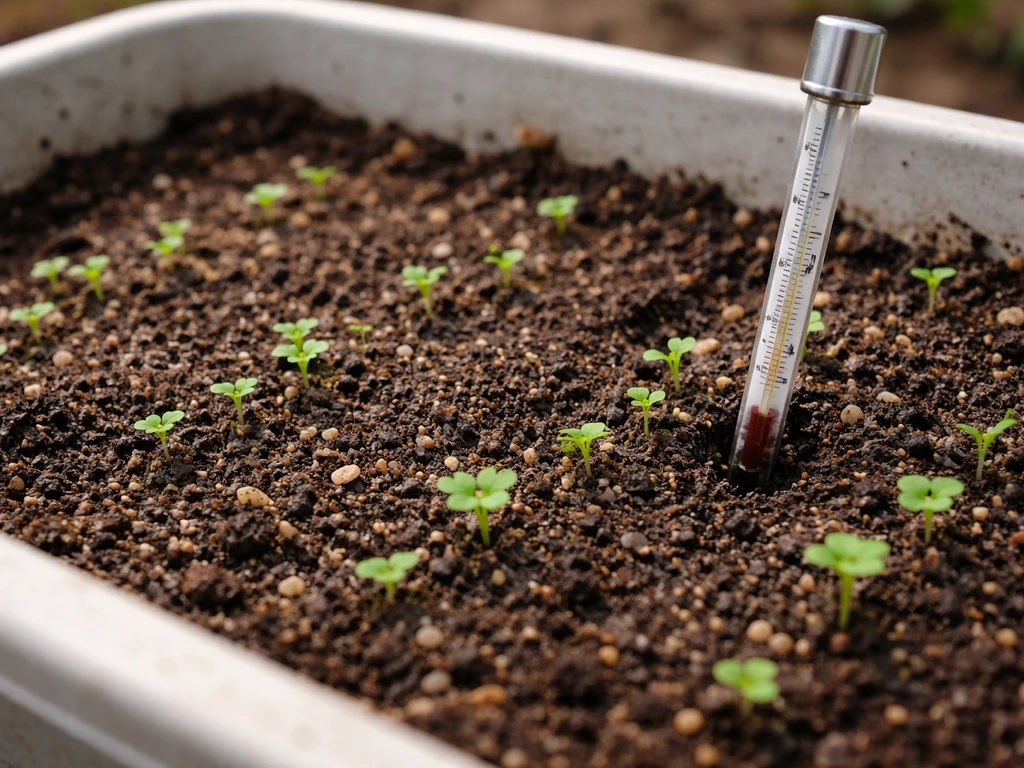
Germination takes 7–21 days, and I want to be honest: it can be uneven, especially if your soil temperatures aren't consistent. Research confirms lamb's lettuce germinates much better at 5°C–20°C (41°F–68°F) than above 20°C, so if you're sowing in warm conditions and seeing patchy emergence, temperature is almost certainly the culprit. Expect around 75% germination under good conditions, so sow a little more thickly than you think you need and thin back later.
Once seedlings are up, you can apply a light nitrogen fertilizer (a ratio like 21-0-0 works well) at a rate of about a quarter cup per 10-foot row, either at thinning time or about four weeks after transplanting. This pushes rapid, tender leaf growth without encouraging the plant to bolt.
Light, temperature, and watering
Lamb's lettuce prefers full sun in spring and autumn but actually benefits from partial shade in warmer spells. If you're growing it during a stretch of warm days, a spot that gets morning sun and afternoon shade will extend your harvest significantly. Indoors, place containers in the brightest window you have or run a grow light for 12–14 hours a day.
Temperature is the most critical factor in this plant's success. Keep it in the 41°F–68°F soil temperature range for best germination and growth. Once air temperatures consistently push above 70°F, quality drops fast and flowering is likely. This is why autumn sowings often outperform spring sowings in many regions: the days are getting shorter and cooler rather than longer and warmer, giving you more time in the ideal window.
For watering, aim for consistently moist soil without waterlogging. Lamb's lettuce doesn't like to dry out, especially during germination, but sitting in wet soil invites fungal problems. Water at the base of the plants rather than overhead when you can, and check the top inch of soil daily. In containers, check more frequently since they dry out faster than beds. In autumn and winter, watering needs drop considerably, so adjust based on what you actually feel in the soil rather than a fixed schedule.
Planting depth, spacing, and thinning
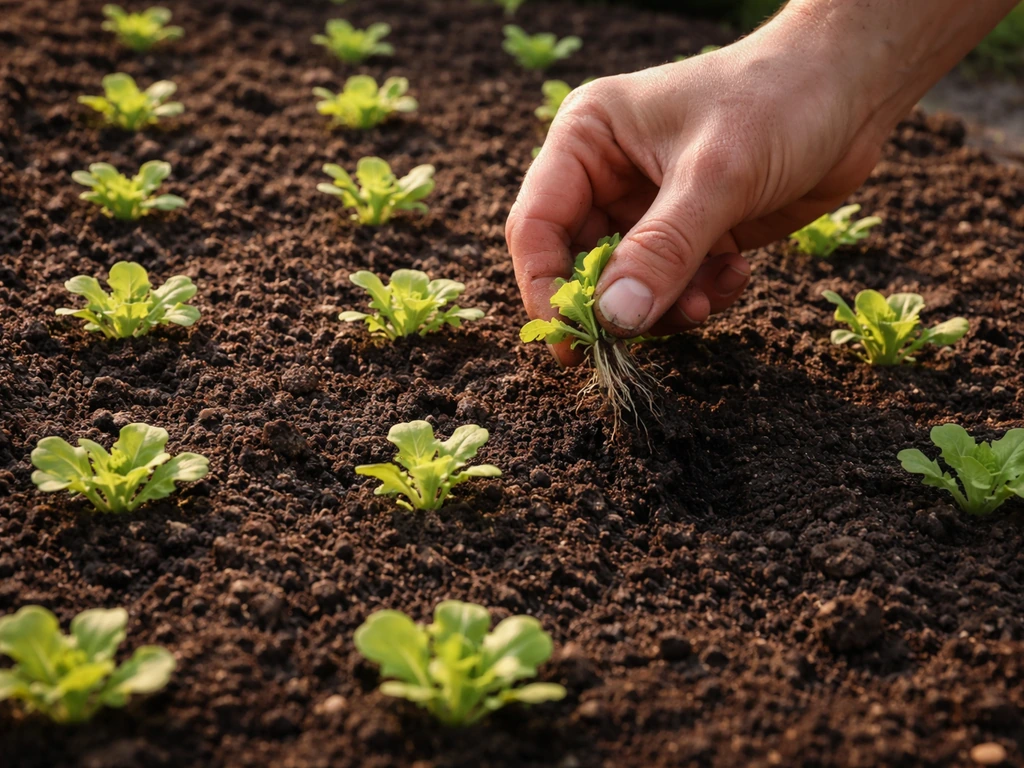
Sow seeds about 1 cm (half an inch) deep. If you're direct sowing a patch, scatter seeds thinly across the surface, rake them in lightly, and water gently. For row sowing, aim to drop seeds every inch or two and then thin them out once they're established.
Thinning is one step that beginners often skip, and it makes a real difference. Once seedlings are a couple of inches tall, thin them to about 2–5 inches (5–12 cm) apart. This gives each plant enough room to form a proper rosette without competing for light or air circulation. Crowded plants produce smaller, weaker leaves and are more prone to fungal issues. The thinnings are perfectly edible, so just drop them straight into a salad bowl.
If you want a steady supply rather than one big harvest, sow a fresh batch every two to three weeks. This succession approach keeps tender young plants coming through the season rather than ending up with everything ready at once.
Harvesting at the right time
Most lamb's lettuce varieties reach harvestable size in 50–70 days from seed, though you can start picking individual outer leaves earlier, around 45–50 days, once the rosettes are developing. Full rosettes are typically ready when they're about 2–3 inches tall and the leaves are well formed and deep green.
For whole-plant harvests, use sharp scissors or a knife and cut just above the soil line. A clean cut reduces damage and, in a dense planting, makes the job much faster. Harvest on a frost-free day for the cleanest result. If you're picking from a container, you can harvest a few rosettes at a time and leave others to continue growing.
Don't let the plants sit too long once they're ready. Once lamb's lettuce starts to flower (a central stem shooting upward), the leaves toughen quickly and the mild flavor turns bitter. Harvesting promptly, or doing a full cut of the bed before warm weather sets in, is better than trying to delay once you see that flowering stem.
Troubleshooting the most common problems
Slow or patchy germination
If seeds aren't sprouting after two weeks, soil temperature is the most likely cause. Check that your soil is actually in the 41°F–68°F range. Soil that's too warm (above 68°F) dramatically reduces germination. Dry soil is the other common culprit, so make sure the surface isn't drying out between waterings during the germination window. If germination is just uneven rather than completely absent, that's normal for this crop. Wait it out another week and fill gaps with fresh seed if needed.
Bolting and tough leaves
If plants are sending up a central flower stem and leaves are getting tough, heat is the cause. There's no fixing a bolted plant, but you can slow the process by moving containers into shade or covering outdoor beds with shade cloth. Harvest everything usable immediately before quality drops further. For future sowings, time more carefully around your local temperatures and shift to autumn sowing if spring is giving you short cool windows.
Downy mildew and fungal problems
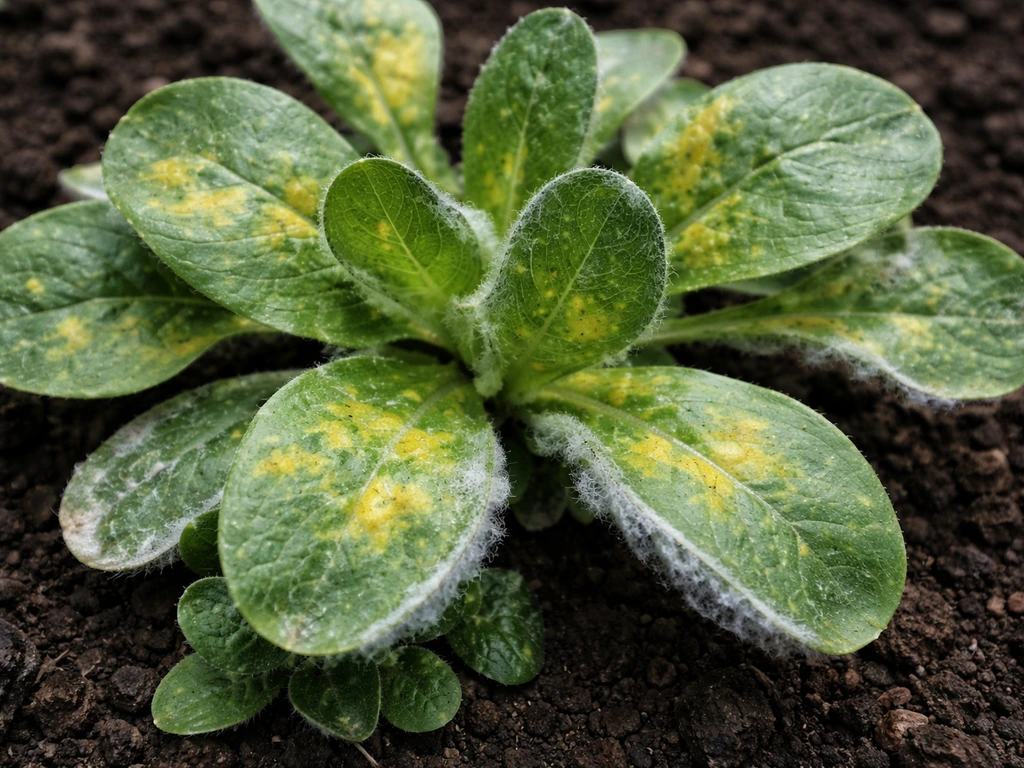
Downy mildew shows up as light green to yellow angular spots on the upper leaf surface, with a grey or off-white fuzzy coating on the underside. It thrives in cool, damp conditions with poor airflow, which is exactly the environment lamb's lettuce enjoys, so it's worth actively managing. There are no chemical controls available to home gardeners for downy mildew, so your tools are cultural: improve spacing (which is why thinning matters so much), avoid overhead watering, remove infected leaves immediately, and don't leave crop debris on the soil. If you've had problems before, look for disease-resistant varieties in future seasons.
Slugs and aphids
Slugs are attracted to the low-growing, moisture-loving rosettes. Use copper tape around containers, hand-pick at night, or apply iron phosphate pellets around the bed. Aphids cluster on young growth, especially in spring. A strong blast of water knocks most of them off, or use an insecticidal soap spray if the infestation is heavy. Check the undersides of leaves when you're watering, since that's where both problems tend to hide.
Poor leaf texture or small rosettes
If your plants are alive but producing small, weak rosettes, overcrowding is usually the reason. Go back and thin more aggressively, aiming for at least 4–5 inches between plants. Also check that the nitrogen fertilizer application hasn't been skipped: that light feed at thinning time genuinely pushes faster, fuller growth. If you're growing indoors, insufficient light is another common cause of weak plants, so extend your grow light duration or move to a brighter position.
| Problem | Most likely cause | What to do |
|---|---|---|
| No germination after 14+ days | Soil too warm or too dry | Check soil temp (target 41–68°F), keep surface moist |
| Patchy germination | Uneven moisture or variable soil temp | Water consistently, wait another week, re-sow gaps |
| Bolting / flower stem appears | Temperatures above 68–70°F | Harvest immediately, move to shade, sow again in cooler period |
| Tough or bitter leaves | Heat stress or plants past prime | Harvest younger, time future sowings for cooler weather |
| Yellow spots / mildew on leaves | Downy mildew (poor airflow, wet leaves) | Improve spacing, avoid overhead watering, remove affected leaves |
| Small weak rosettes | Overcrowding or low light or no fertilizer | Thin to 4–5 inches, apply nitrogen feed, increase light |
| Slug damage on leaves | Slugs attracted to moist, low-growing plants | Copper tape, hand-pick at night, iron phosphate pellets |
Lamb's lettuce rewards you for working with its preferences rather than against them. Get the timing right, keep the soil moist and cool, thin properly, and harvest before heat sets in. If this is your first season growing it, I'd genuinely recommend an autumn sowing over a spring one. The cooling days give you a much longer window to enjoy the harvest before conditions push the plants into decline.
FAQ
Can I harvest lamb's lettuce more than once from the same plants?
Yes. For a continuous harvest, pick outer leaves or harvest a few rosettes selectively, then let the rest regrow. If you harvest whole plants, do it in staggered patches so you are not forced to eat or process everything at once before the weather warms.
How do I manage bolting if I start seeds indoors?
It is safer to start seeds in the same temperature range you plan to grow in. If you start in warm indoor conditions, seedlings may come up unevenly and later bolt early when moved outdoors. If you must start indoors, keep the growing area cool and use a fan for gentle airflow to reduce fungus.
What should I do if my soil temperature is above the ideal range when I want to sow?
Lamb's lettuce seed can go into slightly warmer soil than perfect conditions, but if your soil is consistently above about 68°F, germination drops and quality declines. If your location spikes in spring, use containers so you can move them into morning sun and afternoon shade, or switch to autumn sowing where temperatures stay within range longer.
How deep should lamb's lettuce seed be, and what happens if I plant too deep?
Not as deep as you might think. Seedlings struggle if buried too far, because their energy has to reach the surface before they exhaust reserves. Aim for about 1 cm depth, then cover lightly, firm gently, and keep the top layer moist until you see sprouting.
Can I use compost-heavy soil or fertilizer to speed up growth?
Use compost, not heavy manure or rich feeding. Excess nitrogen can create lush, soft growth that is more attractive to pests and can worsen disease in damp conditions. A light nitrogen boost at thinning time, followed by normal care, is usually plenty.
What spacing and container size work best for lamb's lettuce?
Yes, but plan spacing as you would for beds. Even in containers, overcrowding reduces airflow and makes fungal issues more likely, plus rosettes stay small. A wider container with at least 6 inches of depth is the better choice than a narrow pot.
Can I transplant lamb's lettuce instead of direct sowing?
A simple transplant is risky because lamb's lettuce is happiest when it is direct sown and allowed to form its rosette without root disturbance. If you do transplant, handle seedlings gently, keep them evenly moist, and shade them briefly for 2 to 3 days, because stress can lead to weak rosettes or delayed growth.
My lamb's lettuce leaves look pale and small, what is the most likely cause?
Mild, pale leaves usually point to too little light, while small, weak rosettes often mean overcrowding or insufficient nitrogen at the thinning stage. If leaves look thin and plants bolt early, heat is the main suspect. If you tell me your setup (container vs bed, light, and recent temperatures), I can help narrow it down.
How can I prevent downy mildew when I keep growing lamb's lettuce in the same area?
Yes. If downy mildew shows up, remove affected leaves immediately and keep watering at the base. Also increase spacing on future sowings and avoid overhead watering, since wet leaf surfaces make the spread faster. For repeat problems, choose varieties marketed as disease resistant for the next season.
How can I tell if my damage is from slugs or something else, and how do I control it?
If you find holes or chewed edges, slugs are a common culprit for low rosettes. Copper tape helps in containers, hand-picking at night works well, and iron phosphate pellets can reduce damage. Also check leaf undersides during watering, since eggs and small pests often hide there.
Should I remove crop debris after harvesting lamb's lettuce?
Crop residue can harbor issues. After harvest, clear spent leaves and avoid leaving damp debris in the bed. Don’t compost diseased foliage on-site if you have had recurring mildew problems. For the next crop, rotate to a different spot when possible.
What succession sowing schedule works best in a short cool season?
A practical method is to sow the next batch right when the current rosettes begin to size up, so your peak harvests overlap. If your climate warms quickly, shorten the gap between sowings and prioritize autumn schedules. If you share your first and last frost dates (or typical summer start date), you can build a simple sowing calendar.