Little Gem lettuce is one of the easiest and most rewarding crops you can grow at home. You sow a few seeds, wait roughly 50 to 55 days, and you get small, crisp, sweet heads that punch well above their weight in salads. If you have seen it sold as 'gem lettuce' or 'mini romaine,' it's the same plant. Here's exactly how to grow it from seed to harvest.
How to Grow Little Gem Lettuce From Seed: Guide
Marcus Holloway
24 Mar 2026
What Little Gem lettuce actually is
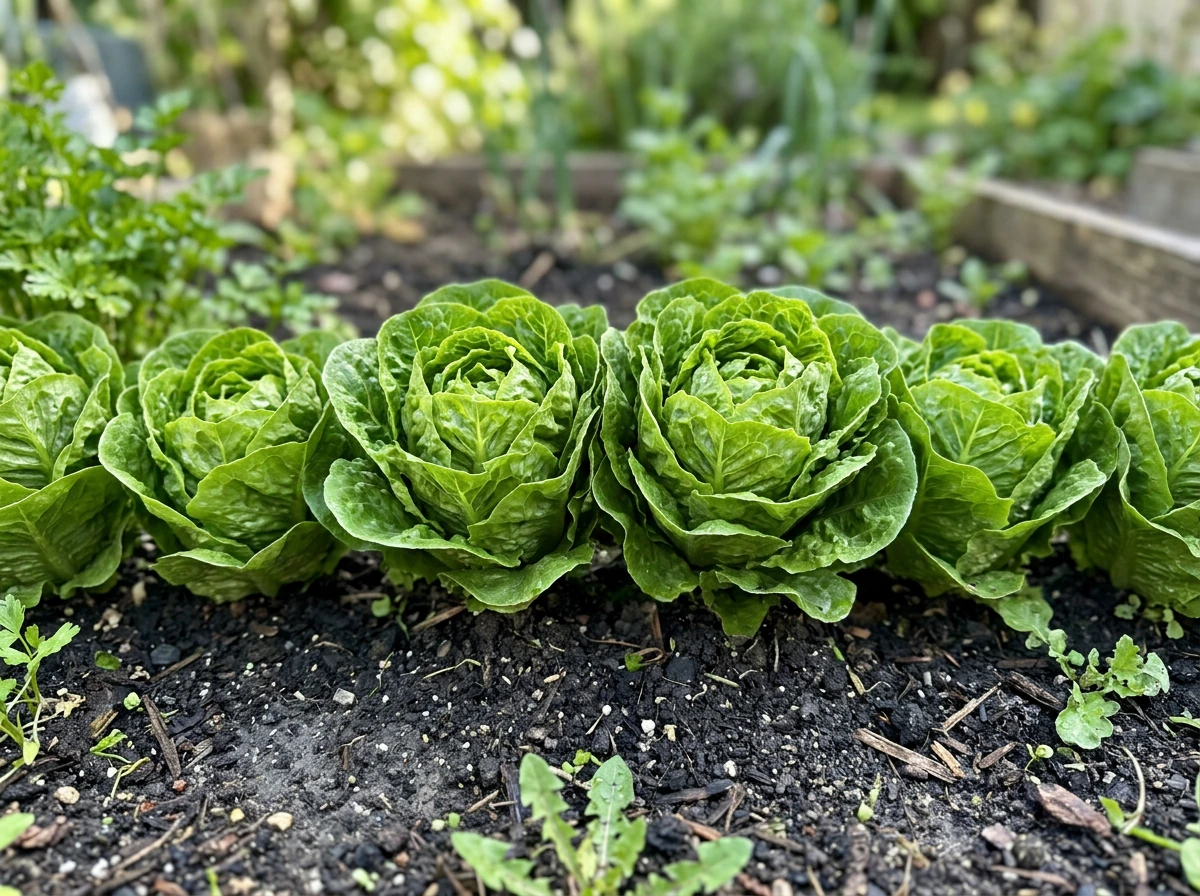
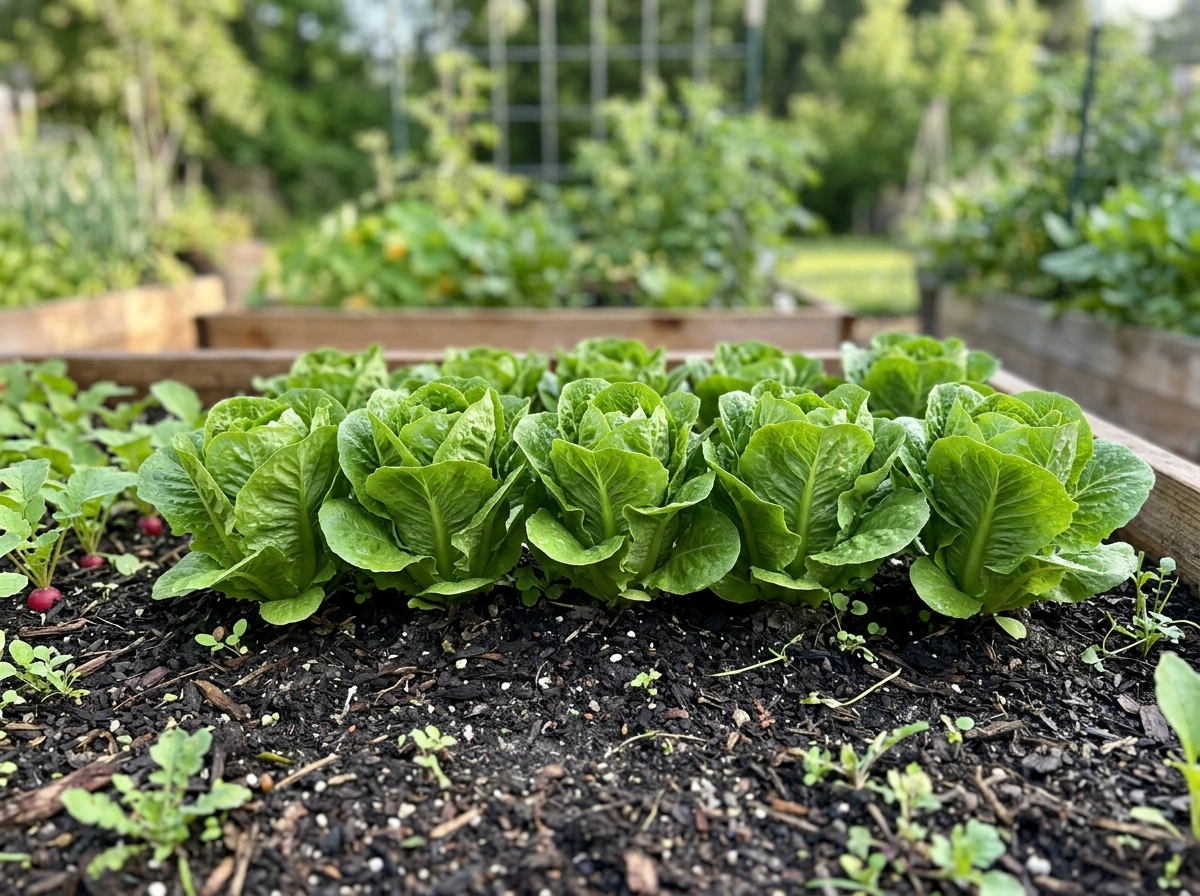
Little Gem is a compact, heirloom Cos-type lettuce, sometimes called a mini romaine. It's generally described as a natural cross between romaine and butterhead, which explains why the heads are small and tight but the leaves have that satisfying romaine crunch with a buttery sweetness underneath. The heads stay small (around 5 to 6 inches tall at maturity), which makes them perfect for containers, small raised beds, or tight rows in the ground. When you search 'gem lettuce,' you're looking for this same variety, so the guidance here covers both searches.
Starting from seed: timing, depth, and what to expect
Little Gem matures in roughly 50 to 55 days from sowing under good conditions, though some sources put it closer to 60 days in cooler or less-than-ideal setups. For most home-growing lettuce, you can expect a similar seed-to-harvest timeline, but it varies by variety and growing conditions how long does lettuce take to grow. You can also harvest baby leaves as early as 20 days in if you're impatient, but the full compact heads take the full run. Plan your sowing date backward from that window. how long does lettuce take to grow dreamlight valley
For spring growing, sow outdoors 2 to 4 weeks before your average last frost date, as long as soil temperature is at least 40°F. The sweet spot for germination is 60 to 65°F. West Coast Seeds also lists an optimal soil temperature for Little Gem lettuce germination of about 50, 72°F, and it notes lettuce seeds don’t sprout easily above around 72°F (in summer) sweet spot for germination is 60 to 65°F. One critical note: if soil temperature climbs above 86°F, germination is actively inhibited, so avoid sowing into hot, baking soil in mid-summer without shade or soil cooling. For a fall crop, sow in late summer so the heads form during cooling autumn temperatures. You can sow monthly from roughly February through October in most temperate climates, making it a great succession crop.
Sow seeds at a depth of about 1/4 inch (around 3 to 6 mm). Some listings say as shallow as 3 mm is fine. Either way, keep it shallow. Lettuce seeds need light to germinate well, and burying them too deep is one of the most common reasons germination is patchy. Firm the soil gently over the seeds after sowing to ensure good contact. Expect sprouts in 7 to 10 days under optimal conditions, or up to 14 days if your soil is on the cooler end of the range.
If you are direct-sowing outdoors, a light row cover over the bed helps retain moisture, prevent soil crusting, and protect early seedlings from fluctuating temperatures. It's a small effort that noticeably improves germination rates.
Starting indoors first
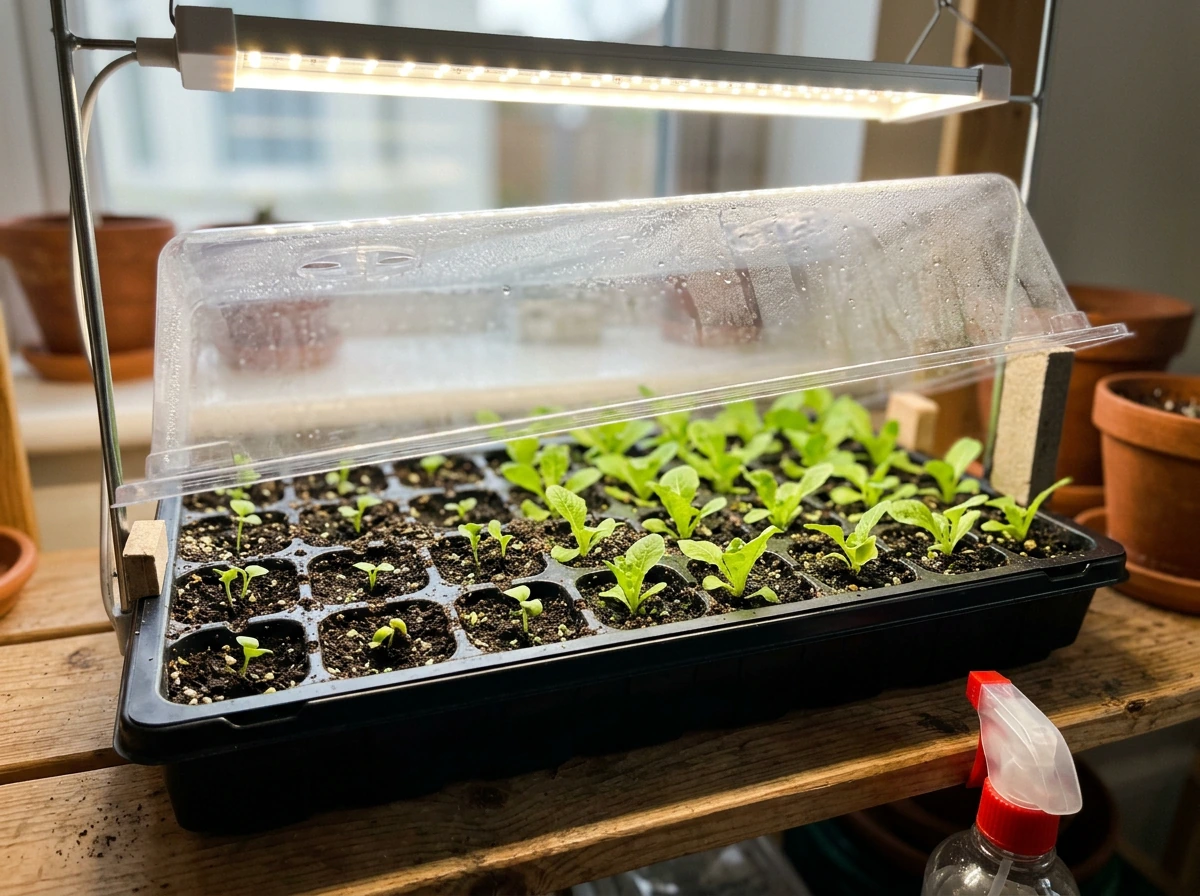
You can absolutely start Little Gem indoors in seed trays 3 to 4 weeks before you plan to move them outside. Sow at the same depth and keep the trays somewhere with good light and temperatures in the 60 to 65°F range. Once seedlings have developed a couple of true leaves (not just the initial seed leaves), they're ready for the next stage. Before moving them outside, harden them off over 2 to 3 days by reducing water slightly and letting them sit in outdoor conditions for increasing stretches each day. This prevents transplant shock.
Thinning, transplanting, and spacing
If you direct-sowed in a row or broadcast-sowed in a bed, thin seedlings once they're an inch or two tall. For full heads, Little Gem needs about 8 inches (20 cm) of space between plants. If you're growing romaine-style or in rows, some guides suggest thinning to 12 inches to give each plant room to fill out properly. Don't skip thinning. Crowded plants compete for light, water, and nutrients, and you end up with spindly, poorly formed heads.
If you're transplanting from indoor starts, plant at the same spacing (8 to 12 inches apart) and firm the soil around each transplant to remove air pockets. Water thoroughly right after planting. Avoid planting deeper than the seedlings were growing in their trays.
Soil, containers, and site prep
Little Gem is shallow-rooted and adaptable. You can grow it in the ground, in raised beds, or in containers, and it genuinely does well in all three if you get the basics right.
In the ground or raised beds
Lettuce wants well-draining, fertile, loamy soil. If your soil is heavy clay, work in compost or aged manure to improve drainage and aeration. If it's sandy, the same amendment helps with moisture retention. Either way, compost is your best friend here. Aim for a soil pH of 6.0 to 6.5 for ideal nutrient availability, though Little Gem tolerates a range up to 7.0 without major issues. If you're not sure about your pH, a cheap soil test kit from a garden center is worth it. Press the prepared soil firmly before sowing or transplanting so there are no air gaps under the roots.
Growing in containers
Containers work really well for Little Gem. Use a good-quality, well-draining potting mix rather than garden soil, which compacts in pots and drains poorly. A pot that's at least 8 to 10 inches deep is fine for this shallow-rooted variety. Make sure the container has drainage holes. One of the biggest mistakes container growers make is using a pot with poor drainage, which leads to root rot and sluggish growth. Fill the pot to within an inch of the rim, sow or transplant, and water in thoroughly.
| Growing Setup | Best For | Key Requirement |
|---|---|---|
| In-ground bed | Multiple rows, larger harvest | Amend heavy/sandy soil with compost; check pH |
| Raised bed | Better drainage control, earlier warming | Fill with loamy mix rich in compost |
| Container/pot | Balconies, patios, small spaces | Quality potting mix, drainage holes, 8–10 inch depth |
Watering, feeding, light, and temperature
Watering
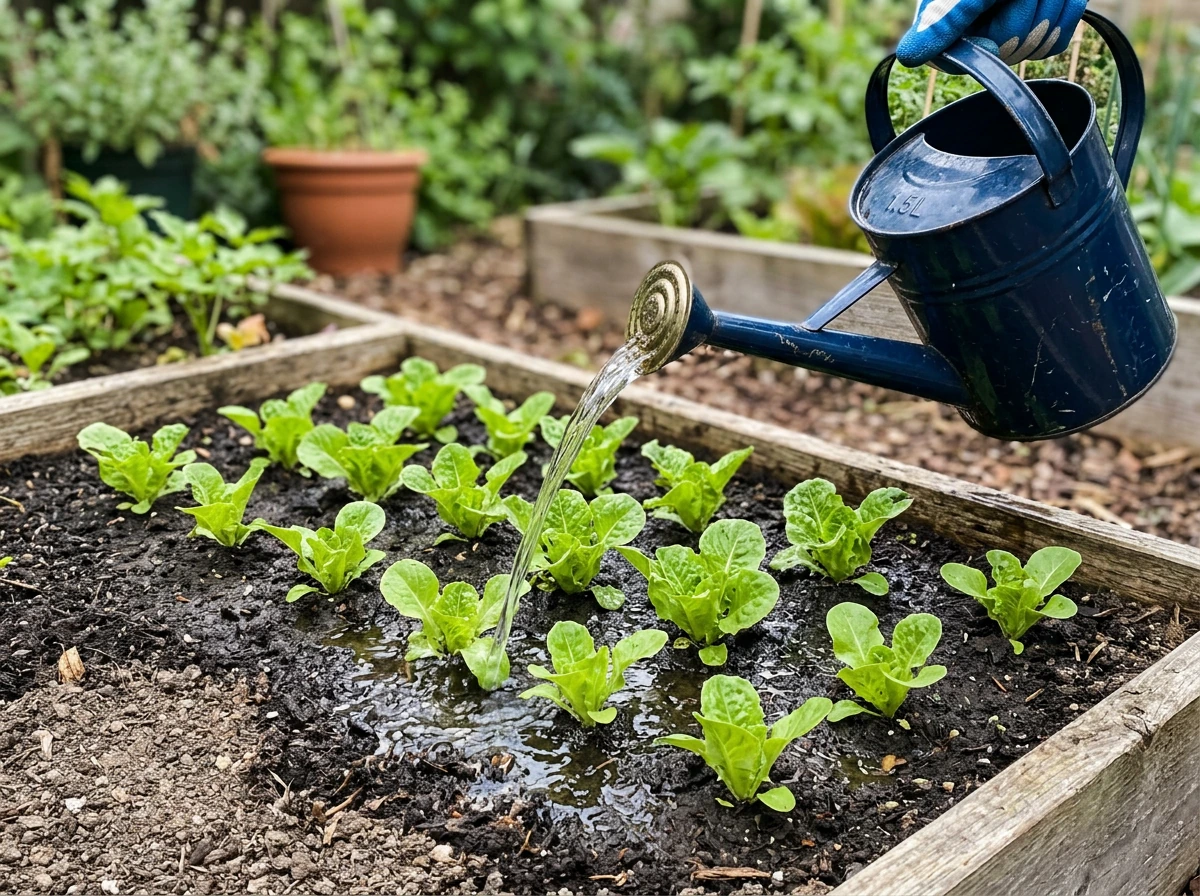
Lettuce needs consistent moisture. Uneven watering leads to stress, and stressed lettuce gets bitter and is more prone to bolting. Keep the soil evenly moist but not waterlogged. Drip irrigation or watering at the base of the plant is preferable to overhead watering, because wet leaves increase the risk of downy mildew and botrytis rot. If you're watering by hand, water early in the morning so any splash on leaves dries before nightfall.
Feeding
Lettuce is a moderate feeder. If you've already worked compost into the soil at planting, you may not need to add much. For a more structured approach, you can apply nitrogen at roughly 0.5 to 1 lb per 100 feet of row, translating your fertilizer's N-P-K percentage into the actual amount to apply. Keep fertilizer away from the stems, since direct contact can cause burning. For container plants, a light liquid feed every two to three weeks works well.
Light and temperature
Little Gem is a cool-season crop. It grows best in full sun during spring and fall, but if you're growing through the warmer end of the season, partial afternoon shade is genuinely helpful. Once daytime highs consistently hit 80°F, lettuce starts to struggle and bolt risk increases sharply. Warm nights compound the problem, so if you're heading into summer and temperatures aren't dropping properly overnight, your lettuce quality will drop fast. This is a plant that rewards being grown in its preferred season rather than fighting the heat.
Dealing with bolting, pests, and the usual problems
Bolting
Bolting (when the plant sends up a flower stalk) is triggered primarily by heat and long days. Once a Little Gem has bolted, the leaves turn bitter and the head falls apart. The best prevention is timing: grow it in cool weather. If warm spells hit mid-season, shade cloth can slow the process down and buy you extra time. Keep watering consistently, because water stress accelerates bolting. If you notice the center of a head starting to elongate, harvest it immediately. It's better to eat it slightly early than lose it to bolting.
Aphids
Aphids are the most common pest on lettuce. They cluster on new growth and the undersides of leaves, and a heavy infestation can stunt growth quickly. Catch them early and knock them off with a strong jet of water. For persistent infestations, insecticidal soap or horticultural oil spray is effective and safe to use on edibles. Avoid spraying in direct sun or when temperatures are above 90°F.
Slugs
Slugs love lettuce and are most active in cool, wet conditions. You'll see ragged holes in leaves, often with slime trails nearby. Reduce slug habitat by clearing debris around the bed, and consider iron phosphate bait if the problem is persistent. Slug pressure drops off naturally when temperatures rise above 80°F, so this is mainly a spring and fall issue.
Downy mildew and rot
Downy mildew shows up as yellow patches on the upper leaf surface and a grey-purple fuzz underneath. It thrives in cool, wet, humid conditions with poor air circulation. The main cultural fix is avoiding overhead irrigation, spacing plants adequately, and removing any infected leaves promptly. Botrytis (grey mould) follows a similar pattern and is managed the same way. Both problems are much more common when leaves stay wet overnight, which is another reason to water at the base and early in the day.
Tipburn
Tipburn, where the leaf edges turn brown and papery, is usually a symptom of inconsistent watering or water stress that limits calcium uptake in the developing inner leaves. Keeping moisture levels even throughout the growing period is the most reliable fix.
When and how to harvest Little Gem
If you’re learning how to grow lamb's lettuce, you can start harvesting baby leaves as early as 3 to 5 weeks after sowing if you want greens fast. For full compact heads, wait the full 50 to 60 days. A mature Little Gem head should feel firm when you press it gently and will have tightly folded inner leaves. Don't wait too long: overmaturity leads to bitterness and tougher leaves, especially as temperatures rise.
To harvest a full head, cut the whole plant off at the base with a sharp knife. To extend your harvest from individual plants, you can instead cut the outer leaves about an inch above the base, leaving the growing center intact. The plant will regrow and give you multiple additional cuttings. This cut-and-come-again approach works well with Little Gem given its romaine heritage, and you can realistically get 3 to 5 cuttings per plant before the quality drops.
After cutting, store heads or leaves in perforated plastic bags in the refrigerator. They'll keep well for up to two weeks, though freshly cut Little Gem eaten the same day is noticeably crispier and sweeter than anything that's been sitting around.
Once you've finished a bed or container, pull the spent plants and refresh the compost. Little Gem's short maturity window means you can sow a succession crop almost immediately in spring and fall conditions, which is one of the best things about growing it. If you're curious about how timing compares across different lettuce varieties or growing methods like hydroponics or aquaponics, those topics are covered in related guides on this site.
FAQ
Why did my Little Gem lettuce germinate unevenly or not at all?
If your seeds are slow to sprout, check soil temperature first (aim for 60 to 65°F) and confirm the seeds weren’t covered too deeply. Lettuce needs light for good germination, so even small over-burial can cause patchiness. Also verify the soil stays evenly moist, not soggy, for the first week.
Can I harvest Little Gem as baby lettuce and still get full heads later?
Yes, you can harvest baby leaves early, but if you want full compact heads, avoid cutting too aggressively. A light harvest of outer leaves is fine, but repeatedly stripping the center slows head formation and can trigger earlier bolting in warm spells.
How do I know when and how much to thin Little Gem?
When seedlings are 1 to 2 inches tall, thin to about 8 inches apart for full heads (in rows) or around that spacing if you’re thinning a broadcast bed. If you thin earlier, leave fewer gaps, because heads will only stay small and tight if they have enough airflow and room to expand.
My Little Gem tastes bitter, what should I adjust first?
Little Gem should be kept consistently moist. If you notice bitterness or the head edges turning brown (tipburn), increase watering consistency rather than adding more fertilizer. Sudden dry spells followed by heavy watering is a common trigger for both bitterness and poor head quality.
How can I prevent Little Gem lettuce from bolting in hot weather?
Bolt timing is mostly about heat and day length. If warm weather is unavoidable, use partial afternoon shade, consider shade cloth during heat spikes, and water at the base to keep stress low. The fastest win is to sow in shorter cool-weather windows instead of trying to carry it through sustained hot days.
What changes when growing Little Gem lettuce in containers?
Lettuce in containers benefits from more frequent checks, because pots dry out faster and stress encourages bolting. Keep the mix evenly moist, water early in the morning, and consider a slightly deeper container (8 to 10 inches or more) to buffer temperature swings.
How do I troubleshoot root rot or waterlogged soil in pots?
Use well-draining potting mix, not garden soil, and make sure the pot has drainage holes. Root rot often shows up as stunted growth and persistent wilting even though the soil looks wet. If you suspect it, reduce watering frequency and confirm the container drains freely.
How often should I fertilize Little Gem, and how much is too much?
A simple rule is, if the plant is growing but the leaves look pale or growth is slow, feed lightly. Too much nitrogen can make lettuce lush but less resilient. For containers, use a light liquid feed every 2 to 3 weeks, and keep fertilizer away from the stem area to avoid burn.
What causes downy mildew on Little Gem and how do I stop it?
A downy mildew-friendly environment is usually wet leaves and poor airflow. Improve spacing, water at the base, and remove any badly affected leaves promptly. If leaves stay wet overnight, prioritize changing the watering method before you try to treat, because treatment won’t fix the root cause by itself.
What’s the safest and most effective way to handle aphids on Little Gem?
For aphids, knocking them off with a strong jet works best early, when infestations are small. If they come back, insecticidal soap or horticultural oil can help, but avoid spraying in very hot sun and always follow label directions for edible crops.
How do I control slugs on lettuce without constantly losing plants?
For slugs, look for damage plus slime trails, especially after cool wet nights. Reduce hiding spots by clearing debris, and if needed use iron phosphate bait. Don’t rely on watering alone to solve slug issues, because slug activity is strongly temperature and moisture driven.
Why are my Little Gem heads loose or not compact?
If the inner leaves aren’t forming well, it’s often spacing, inconsistent moisture, or timing into heat. Confirm you thinned to about 8 inches for full heads, keep moisture even, and harvest when the head feels firm. Waiting too long, especially as temperatures rise, makes heads loosen and taste worse.
How many times can I cut outer leaves from one Little Gem plant?
Yes, a cut-and-come-again method can work, but stop when quality starts declining. Aim for the first harvest of outer leaves, leaving the growing center intact, and expect about 3 to 5 cuttings before inner growth becomes slower and leaves get less crisp.
What’s the correct way to transplant Little Gem started indoors?
If you transplant outdoors, harden off seedlings for 2 to 3 days, reduce water slightly before planting, and plant at the same depth as they were in the tray. Firm the soil around each transplant and water right after. Planting too deep or skipping hardening off are common causes of stalling.
How should I store harvested Little Gem so it stays crisp?
For storage, cool quickly and keep lettuce in perforated plastic bags in the refrigerator. Plan on using it sooner for best crunch, typically the same day or within a few days, even though it can last up to about two weeks under good conditions.