In a well-established aquaponics system, you can expect to harvest baby lettuce leaves in about 25–30 days from seed and full heads in 45–60 days from seed (or roughly 30–40 days after transplanting seedlings). If you want specifics, follow a step-by-step guide on how to grow lamb's lettuce in your aquaponics setup. That is noticeably faster than soil gardening, and it is real if your system is cycled, your water temperature is in the right range, and your fish are feeding consistently. If any of those conditions are off, add another 1–3 weeks to your estimate.
How Long to Grow Lettuce in Aquaponics: Timeline
Marcus Holloway
27 May 2026
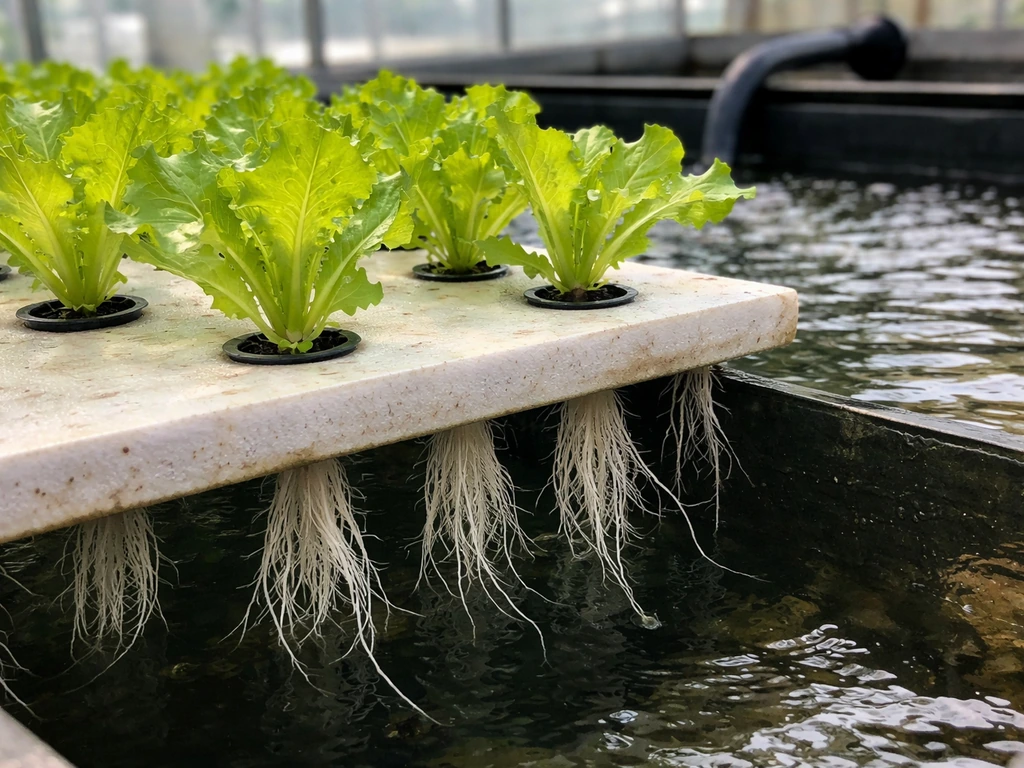
What a realistic aquaponics lettuce timeline looks like
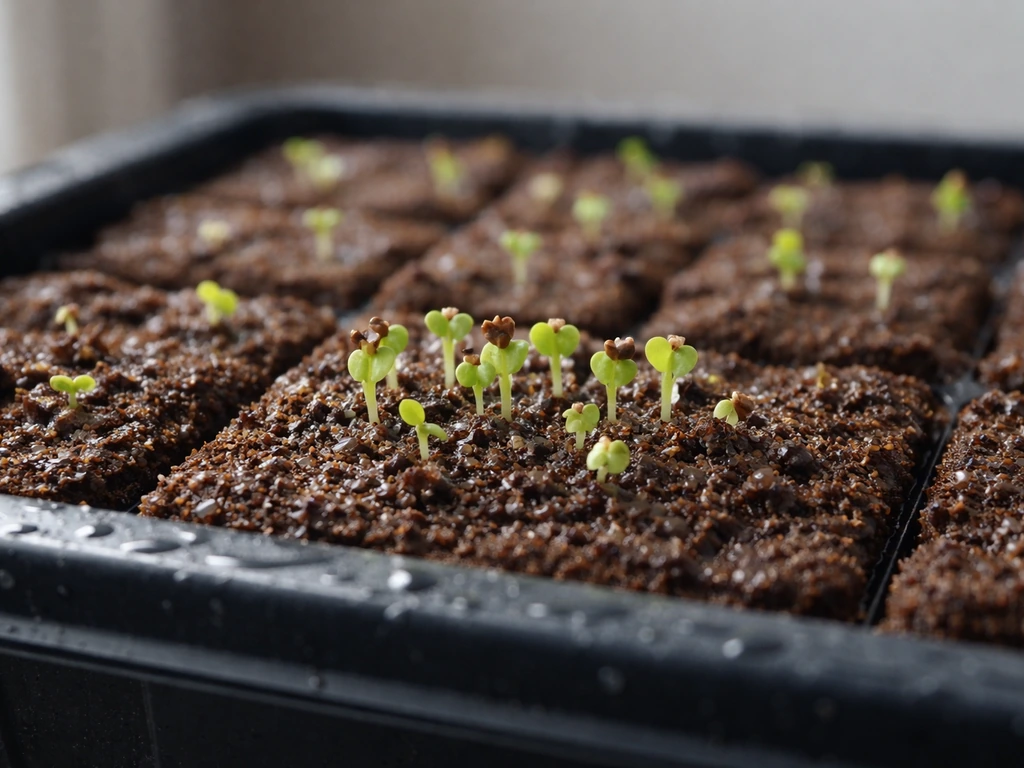
Lettuce germination takes anywhere from 2 to 15 days depending on seed freshness, moisture, and temperature. Once seeds sprout, you will typically move seedlings into the aquaponics system after 10–14 days, when they have a couple of true leaves. From transplant into the system, most leaf lettuce varieties hit harvest size in 30–40 days. That puts your seed-to-harvest window at roughly 45–60 days total for a full head. Baby greens cut earlier obviously come in faster, often at just 25–30 days from seeding.
| Stage | Typical Timeframe |
|---|---|
| Germination (seed to sprout) | 2–15 days |
| Seedling stage before transplant | 10–14 days |
| Transplant to baby leaf harvest | 15–25 days |
| Transplant to full head harvest | 30–40 days |
| Seed to full head (total) | 45–60 days |
These numbers assume a stable, cycled system. If you are still cycling your tank or your fish load is light (meaning lower nitrate output), growth will be slower. Think of these as your target timeline under good conditions, not a guarantee on day one.
Variety differences: leaf, romaine, and butterhead
Not all lettuce types grow at the same pace, and picking the right variety for your timeline matters a lot in aquaponics.
Leaf lettuce (the fastest option)
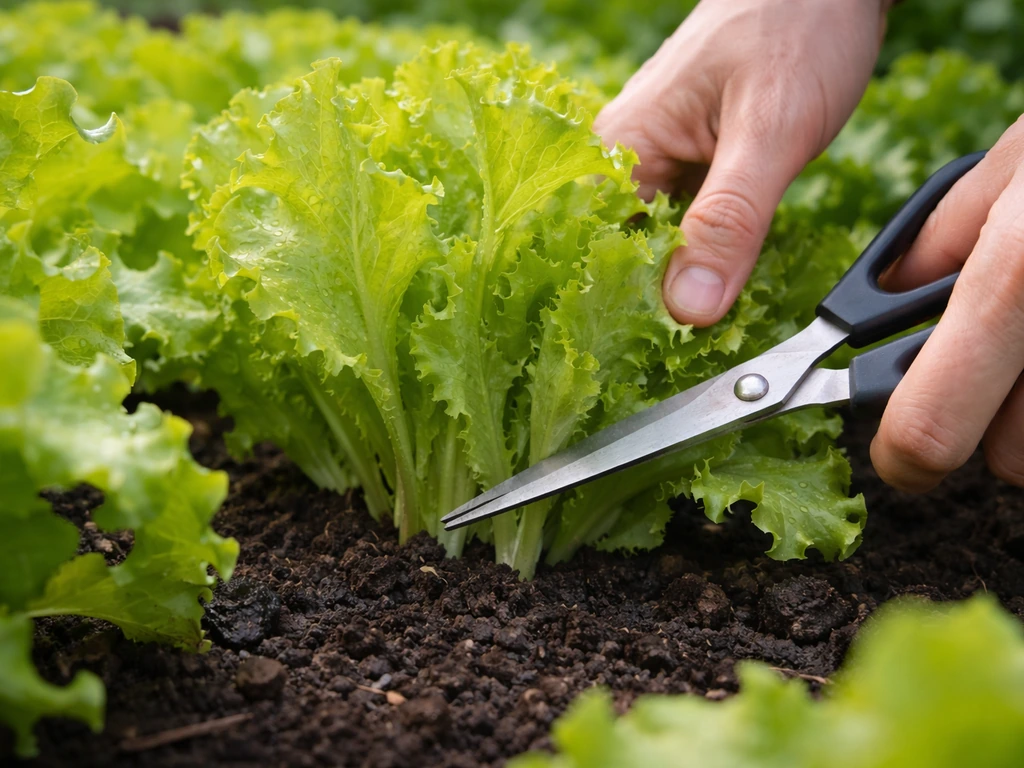
Loose-leaf varieties like Red Sails, Black Seeded Simpson, or Oak Leaf are your best bet for quick harvests. They do not need to form a dense head, so you can start cutting outer leaves around 25–30 days from seed, or about 3–4 weeks after transplanting. If you want fast, continuous greens from your aquaponics setup, start with these.
Butterhead and bibb-style lettuce (medium pace)
Butterhead types like Boston or Bibb are slightly slower, typically reaching full head size at around 50–60 days from seed. They form a loose, soft head rather than a tight one, which makes them a good middle-ground option. They are also more forgiving in aquaponics because they tolerate slightly variable nutrient levels better than crisphead types.
Romaine (the slowest, but worth it)
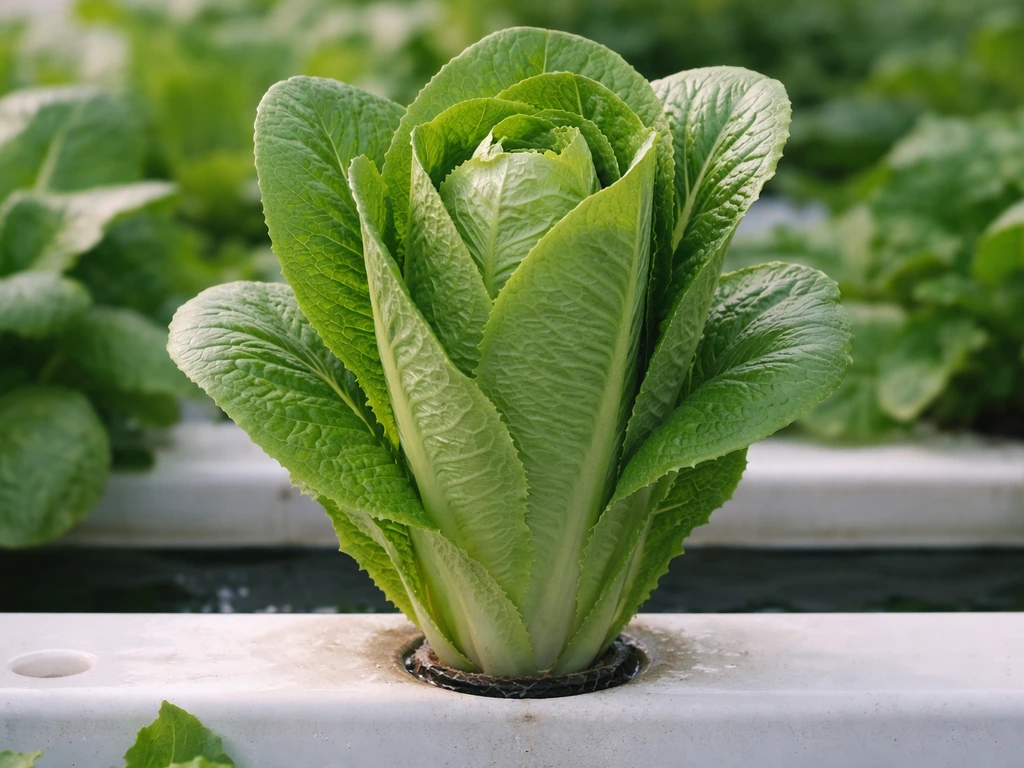
Romaine takes the longest, with days to maturity often reaching 75–85 days from seed in traditional growing conditions. In a dialed-in aquaponics system with consistent nutrients and good lighting, you can shave that down somewhat, but plan on 60–75 days total if you want a proper romaine head. The upside is that romaine holds well after maturity for a week or two without bolting as quickly as leaf types.
| Variety Type | Days Seed to Harvest | Best Use Case |
|---|---|---|
| Leaf lettuce | 25–45 days | Quick harvests, cut-and-come-again |
| Butterhead / Bibb | 50–60 days | Soft heads, beginner-friendly |
| Romaine | 60–75+ days | Full heads, longer growing commitment |
If you are new to aquaponics, start with loose-leaf varieties. You will get a harvest fast, build confidence, and learn your system's behavior before committing to a longer-cycle crop like romaine.
What speeds up or slows down your lettuce in aquaponics
Water temperature
Lettuce grows best between 15–22 °C (59–72 °F). A practical compromise for most aquaponics systems (especially those running tilapia) is around 22–23 °C. During the day, lettuce handles up to 28 °C without much trouble, but nights should drop to 18–20 °C if possible. Above 24–25 °C consistently, lettuce growth quality drops and bolting risk goes up. Below 15 °C and growth slows noticeably. Lettuce is also frost-sensitive, so if you are running an outdoor aquaponics setup, protect it below 0 °C.
Light duration and intensity
For indoor aquaponics with grow lights, aim for a PPFD (light intensity) of around 200–250 µmol/m²/s over a 14–16 hour photoperiod. Research on hydroponic and aquaponic lettuce shows that what matters most is your daily light integral (DLI), not just the hours alone. In hydroponics, the growth rhythm is similar, but your setup may let you dial in temperature and nutrients even more precisely hydroponic lettuce.
You can hit the same DLI running 16 hours at 250 µmol/m²/s or 12 hours at a higher intensity. Either approach works. If your light is too weak or your day is too short (common in winter locations without supplemental lighting), expect your harvest timeline to stretch by a week or more. Outdoors, make sure your system gets at least 6 hours of direct sun or 10–12 hours of good indirect light daily.
pH and nutrient availability
The sweet spot for an aquaponics system growing lettuce is a pH of around 6.8–7.2. Fish and nitrifying bacteria technically prefer higher pH (7.5–8.0), but at those levels several nutrients become less available to plants. A pH around 7.0 is a workable compromise that keeps the fish healthy, maintains bacterial nitrification, and keeps iron and manganese accessible to your lettuce. Check pH every 1–2 days when starting out. Drifts above 7.5 are a common reason lettuce turns yellow and growth stalls.
Dissolved oxygen (DO)
Dissolved oxygen needs to stay above 4 mg/L for both fish health and efficient nitrification. Below that threshold, nitrifying bacteria slow down, ammonia builds up, and your lettuce roots suffer. In practice, aim for 5–8 mg/L. Good aeration, proper water flow (especially in NFT or DWC systems), and avoiding overstocking fish all help keep DO in range. Aquaponics spacing guidelines note that higher planting density is possible than soil gardening, but the spacing must account for your system type and water circulation so nutrients and flow reach the plants higher density than soil gardening. If you see your fish gulping at the surface, your DO is likely too low and plant growth will slow too.
System cycling and nitrogen availability
This is the big one that catches beginners. Nitrifying bacteria convert fish waste: ammonia becomes nitrite, then nitrite becomes nitrate. Lettuce feeds on nitrate. If your system is not fully cycled (ammonia below 1 ppm, nitrite at 0–1 ppm, nitrate building steadily), your lettuce will grow slowly even if everything else looks right. A new system can take 4–6 weeks to cycle properly. Do not add lettuce to an uncycled system and wonder why it looks pale and stunted.
How to plan harvests: baby greens, full heads, and batch scheduling
The best way to get continuous lettuce from an aquaponics system is to stagger your plantings. Start a new batch of seeds every 2 weeks, and once your system is running you will have something to harvest almost every week. A 4-bed or 4-channel rotation works well: by the time your fourth batch is in, your first batch is ready to harvest and you replant that space immediately.
For baby greens, start cutting outer leaves at 3–4 weeks from transplant (or around day 25–30 from seed). Take no more than a third of the plant at once and let it regrow. You can usually get 2–3 cuts from a single plant before it bolts or gets too stemmy. For full heads, be ready to harvest before they bolt. Once a lettuce plant starts sending up a flower stalk, the leaves turn bitter fast. High temperatures (above 27 °C / 80 °F consistently) and long photoperiods accelerate bolting, so keep an eye on both in summer.
Step-by-step care to actually hit your timeline
- Start seeds in a separate seedling tray or rockwool cubes moistened with plain pH-adjusted water (target pH 5.5–6.0 for germination). Keep them warm (20–25 °C) and moist. Germination takes 2–15 days depending on conditions.
- At 10–14 days, once seedlings have 2 true leaves, transplant them into your aquaponics system. Roots should be white and healthy, not brown or slimy.
- Space plants 18–25 cm apart (about 20–25 plants per square meter). Aquaponics systems can support tighter spacing than soil beds because nutrient delivery is more even, but crowding still reduces airflow and causes tipburn.
- Make sure your system is fully cycled before transplanting. Ammonia should be under 1 ppm, nitrite under 1 ppm, and nitrate should be detectable (typically 20–80 ppm for healthy lettuce growth). If it is not cycled, wait.
- Maintain water temperature at 18–23 °C, pH at 6.8–7.2, and dissolved oxygen above 4 mg/L (ideally 5–8 mg/L). Check these parameters every 1–2 days in the first few weeks.
- Provide 14–16 hours of light indoors at 200–250 µmol/m²/s PPFD, or ensure at least 6–8 hours of direct sun outdoors. Adjust if growth looks slow or pale.
- In a healthy aquaponics system with an adequate fish load, lettuce typically does not need supplemental nutrients. The fish waste provides nitrogen; if you notice iron deficiency (yellowing between leaf veins) consistently, a small chelated iron supplement at low dose is usually the fix.
- Harvest outer leaves starting at 3–4 weeks post-transplant for baby greens, or the full head at 30–40 days post-transplant for mature lettuce.
When things go wrong: troubleshooting slow growth and common problems
Slow or stunted growth
If your lettuce is barely growing a week or two after transplanting, the most likely cause is an under-cycled or under-loaded system. Check your ammonia and nitrite first. If ammonia is above 1 ppm or nitrite is above 1 ppm, your bacteria are still catching up and your plants are essentially growing in poor conditions. The fix is patience and feeding your fish consistently (which drives ammonia and then nitrate production). The second most common cause is temperature outside the 15–23 °C range, especially if you are running the system cold in a garage or basement.
Yellowing leaves (nutrient deficiency symptoms)
Pale or yellow leaves in aquaponics are most often a pH problem rather than an actual lack of nutrients. At pH above 7.5, iron becomes nearly unavailable even if it is physically present in the water. Before adding any supplements, bring your pH down to 6.8–7.0 using a small amount of pH-down solution (phosphoric acid works well) and wait a few days. If new growth comes in greener, that was the issue. If the yellowing is between the veins on newer leaves specifically, that is classic iron deficiency and chelated iron at a small dose (follow product guidance) usually resolves it within a week.
Tipburn (brown leaf edges)
Tipburn is common in fast-growing aquaponic lettuce, especially in DWC systems. It is almost never about low calcium in the water. It is almost always about inadequate calcium movement into rapidly expanding inner leaves caused by low transpiration or poor airflow. The fix is simple: add a small fan to create gentle airflow across the plant canopy. That alone usually stops new tipburn from forming. Reducing light intensity slightly can also help if plants are growing extremely fast.
Bolting (plant going to seed too early)
If your lettuce bolts before you get a chance to harvest, heat is almost always the culprit. Lettuce exposed to temperatures consistently above 27 °C will stretch, go bitter, and throw up a flower stalk fast. In aquaponics systems that double as fish tanks, the water temperature tends to hold heat well, which can push air temps near the plant canopy higher than you think. Shade cloth outdoors and air conditioning or a cool basement location indoors are your main options. Harvest earlier (do not wait for a perfect full head) if you know heat is coming. After harvest, an overmature or bolted plant turns bitter and tough quickly, so do not delay once the head is ready.
Roots look brown or slimy
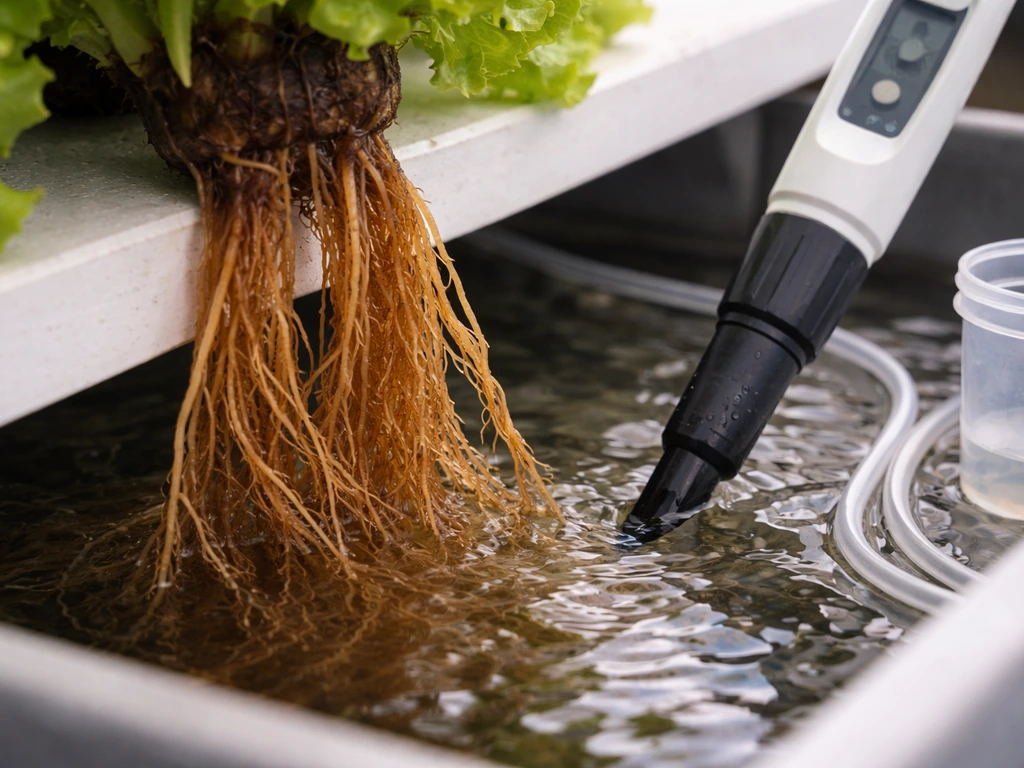
Brown, slimy roots in a DWC or NFT setup typically mean low dissolved oxygen. Check your DO first (aim above 5 mg/L), add an air stone or increase aeration, and check your water flow rate. In NFT systems, a 2026 study confirmed that water flow rate directly affects DO, temperature, and suspended solids in the channel. If the flow rate is too low, roots sit in stagnant, low-oxygen water. A slight increase in flow can make a meaningful difference.
Your practical next steps: what to measure, monitor, and adjust
Here is a simple monitoring checklist you can run through every few days to stay on track toward your harvest date.
- Water temperature: 18–23 °C. Check daily with a simple aquarium thermometer.
- pH: 6.8–7.2. Test every 1–2 days with a liquid test kit or digital pH meter (more reliable than strips).
- Ammonia: under 1 ppm. Test twice a week until your system is well established.
- Nitrite: 0–1 ppm. Same frequency as ammonia.
- Nitrate: 20–80 ppm is a healthy range for lettuce production. Low nitrate means your fish load is too light or feeding is inconsistent.
- Dissolved oxygen: above 4 mg/L minimum, ideally 5–8 mg/L. A basic DO meter is worth having.
- Light hours: 14–16 hours indoors, or confirm adequate natural light outdoors. A simple timer on your grow lights removes guesswork.
- Plant spacing: 18–25 cm between plants. Check that crowding is not reducing airflow.
- Harvest readiness: check inner leaves for bitter taste or any sign of a forming central stalk (bolting indicator). Harvest promptly once full size is reached.
To work backward from your target harvest date: if you want baby greens in 4 weeks, sow seeds today and transplant in 10–14 days. If you are wondering how long does lettuce take to grow from seed, the key is planning for germination and then the days from transplant to harvest.
If you are wondering how long does lettuce take to grow in aquaponics, the schedule above will help you estimate your exact harvest window from seed to transplant to cutting. If you want full heads in 6–7 weeks, follow the same schedule and plan to harvest 30–40 days after transplanting.
If you are also planning a Dreamlight Valley garden, the growth timeline can feel different, so it helps to know how long lettuce takes to grow in that game full heads in 6–7 weeks. Stagger a new batch every 2 weeks from there for continuous supply. If your system is still cycling, add 4–6 weeks to those estimates and focus on getting the water chemistry stable before worrying about harvest timing.
Aquaponics lettuce is genuinely faster and more productive than soil once the system is dialed in. The key is treating the fish tank and the plant bed as one connected system, not two separate things. When the water is healthy, the lettuce takes care of itself. Keep your parameters in range, stagger your plantings, and you will have more fresh lettuce than you know what to do with within a couple of months of getting started. You can apply the same aquaponics lettuce approach to little gem lettuce by matching its variety needs and timing your harvest around its maturity window how to grow little gem lettuce.
FAQ
How long to grow lettuce in aquaponics if my seeds are older or from a saved batch?
Plan for the high end of germination (up to about 15 days). Then add the usual 10 to 14 days to reach transplant size, so your seed-to-harvest total often stretches toward the slower end of the chart, especially for crisphead types that demand more stable conditions.
Can I speed up aquaponic lettuce growth by transplanting sooner than 10–14 days?
Usually no. Transplanting before seedlings have a couple of true leaves tends to slow establishment and increases tipburn and transplant shock. A practical compromise is to transplant when roots are healthy and the first true leaves are fully formed, even if it takes an extra few days.
Why are my baby greens ready, but full heads never form?
Loose-leaf varieties are designed for repeated leaf cuts and may never make a dense head. For head-forming types, check light and temperature first, then make sure you are harvesting before bolting (once a flower stalk starts, leaf quality collapses quickly).
What should I do if lettuce reaches “harvest size” but the leaves taste bitter?
Bitter lettuce is most commonly heat and overmaturity. Harvest earlier rather than waiting for a perfect full head, and keep nighttime temperatures closer to the lower end of the target range to slow bolting.
How long does it take to grow lettuce in aquaponics during system cycling, and is there anything I can plant safely?
During cycling, expect several extra weeks because nitrate availability is low. If you want to plant anyway, consider using loose-leaf types and cut outer leaves, but do not expect strong growth until ammonia, nitrite, and nitrate trends indicate nitrification is working.
If my lettuce growth is slow, how can I quickly tell whether it is water chemistry or temperature?
Run two checks on the same day: measure pH and ammonia/nitrite. If pH is above about 7.5 or ammonia/nitrite are elevated, nutrition uptake is impaired or bacteria are not keeping up. If chemistry looks fine, verify water temperature and, for indoor grows, confirm canopy air temperature and airflow are not letting plants run warm at the leaf level.
Do I need to add nutrients or supplements to hit the lettuce timeline?
Often you do not, as long as the system is cycled and nitrate is present. When supplements are used, they should be targeted, for example chelated iron for iron-deficiency yellowing in new growth, rather than blanket additions that can unbalance pH and availability.
How long can I keep harvesting from the same aquaponic lettuce plants?
For baby greens, you can typically get multiple cuttings before quality drops, but once the plant shows stem stretching or approaches bolting, keep harvesting conservative and expect a shorter remaining window. If you want a consistent supply, stagger new seeds every couple of weeks instead of trying to “milk” one crop too long.
What changes if I grow romaine instead of leaf lettuce in aquaponics?
Romaine generally takes longer to reach a proper head, and it also benefits from consistent conditions that prevent stress. If your setup is borderline on light or temperature swings, plan closer to the longer end of the romaine timeline and be ready to harvest slightly earlier to avoid bitterness.
How long to grow lettuce in aquaponics outdoors if nights are cold?
Cold nights slow growth and can add several weeks to maturity. Use insulation or simple protection for below-freezing events, and remember lettuce is frost-sensitive. If you cannot control night lows, expect harvest timing to drift toward the slow side and plan staggered plantings accordingly.