Lettuce takes about 7–14 days to germinate from seed, and then another 30–70 days to reach harvest depending on the type you're growing and your conditions, so if you’re asking "how long does lettuce take to grow," you’re typically looking at 45–60 days from seed to your first cut leaves. From seed to your first cut leaves, you're typically looking at 45–60 days. For a full head, budget 60–120 days. Those are the honest numbers, and everything below explains what pushes you toward the fast or slow end of those ranges. how long does lettuce take to grow dreamlight valley. how to grow lamb's lettuce
How Long Does Lettuce Take to Grow From Seed? Days to Harvest
Marcus Holloway
24 Mar 2026
From seed to sprout: what to expect in the first two weeks
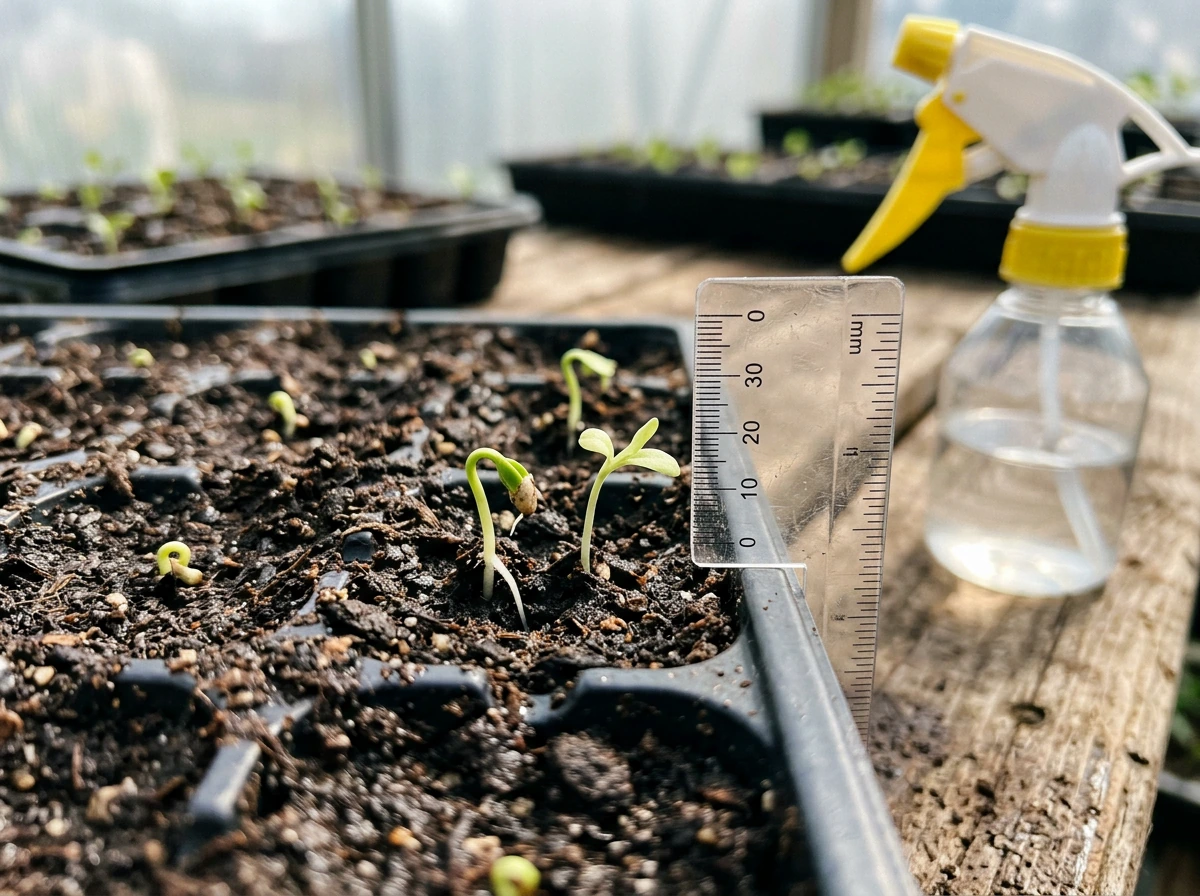
Under good conditions, lettuce seeds germinate in 7–10 days. Iowa State Extension puts the range at 7–14 days at 60–70°F, and Utah State says most seeds emerge in about 7–10 days when soil temperatures sit around 55–65°F. Those two ranges overlap neatly, so a realistic expectation is: plant your seeds, and see the first tiny sprouts sometime between day 7 and day 10. If nothing has happened by day 14, something is off (more on that below).
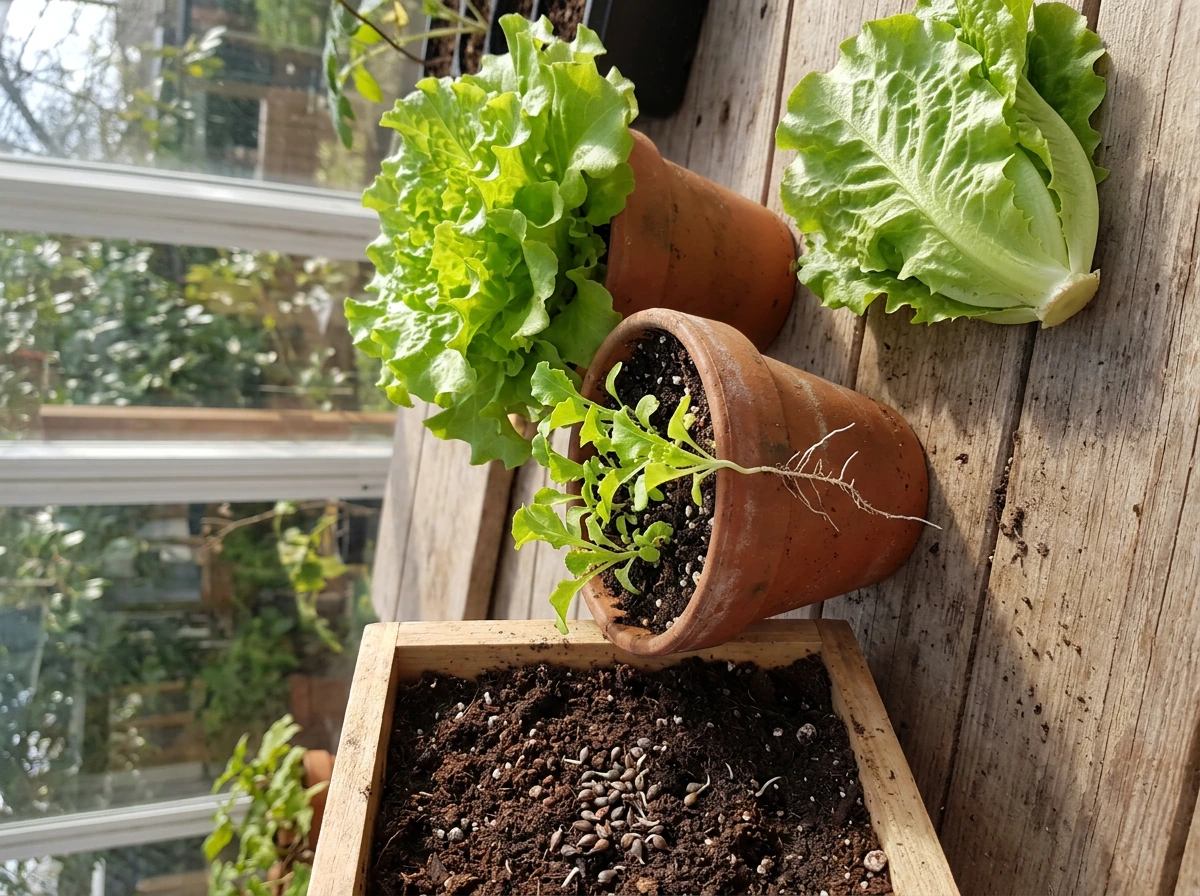
One thing worth knowing: lettuce is a light-dependent germinator. Don't bury the seeds. Penn State Extension recommends covering them with just 1/8 to 1/4 inch of soil, and University of Maryland Extension notes that leaving seeds uncovered or barely covered is often the right call. Press them lightly into moist soil and let them do their thing. Deep planting is one of the most common reasons people never see sprouts.
From seed to harvest: leaf lettuce vs head lettuce
The type of lettuce you're growing has the biggest impact on your harvest date. Leaf lettuce is the fastest, head lettuce is the slowest, and everything else falls somewhere in between.
| Type | Days to Harvest (from seed) | Notes |
|---|---|---|
| Leaf lettuce | 48–58 days | Fastest; can cut-and-come-again from ~30 days for baby leaves |
| Butterhead | 42–70 days | Mild and quick; good for spring and fall |
| Romaine | 50–70 days | Upright heads; tolerates heat slightly better |
| Iceberg / crisphead | 60–120 days | Slowest; needs consistent cool temperatures |
For baby or cut leaves, you can start harvesting much earlier, around 30 days after germination, by snipping the outer leaves and letting the plant keep growing. Penn State's growing guide specifically describes this cut-and-come-again approach for leaf lettuce. If you want a full-sized head you're committed to the longer end of the timeline, and the conditions need to stay favorable the whole time.
One important note about those 'days to maturity' numbers on seed packets: Penn State Extension points out that commercial DTM figures typically start counting from the date you transplant seedlings outdoors, not from the day you sow seeds. If you started seeds indoors and then moved them outside at around 3–4 weeks old, add those indoor weeks to whatever the packet says.
How temperature and season shift your timeline
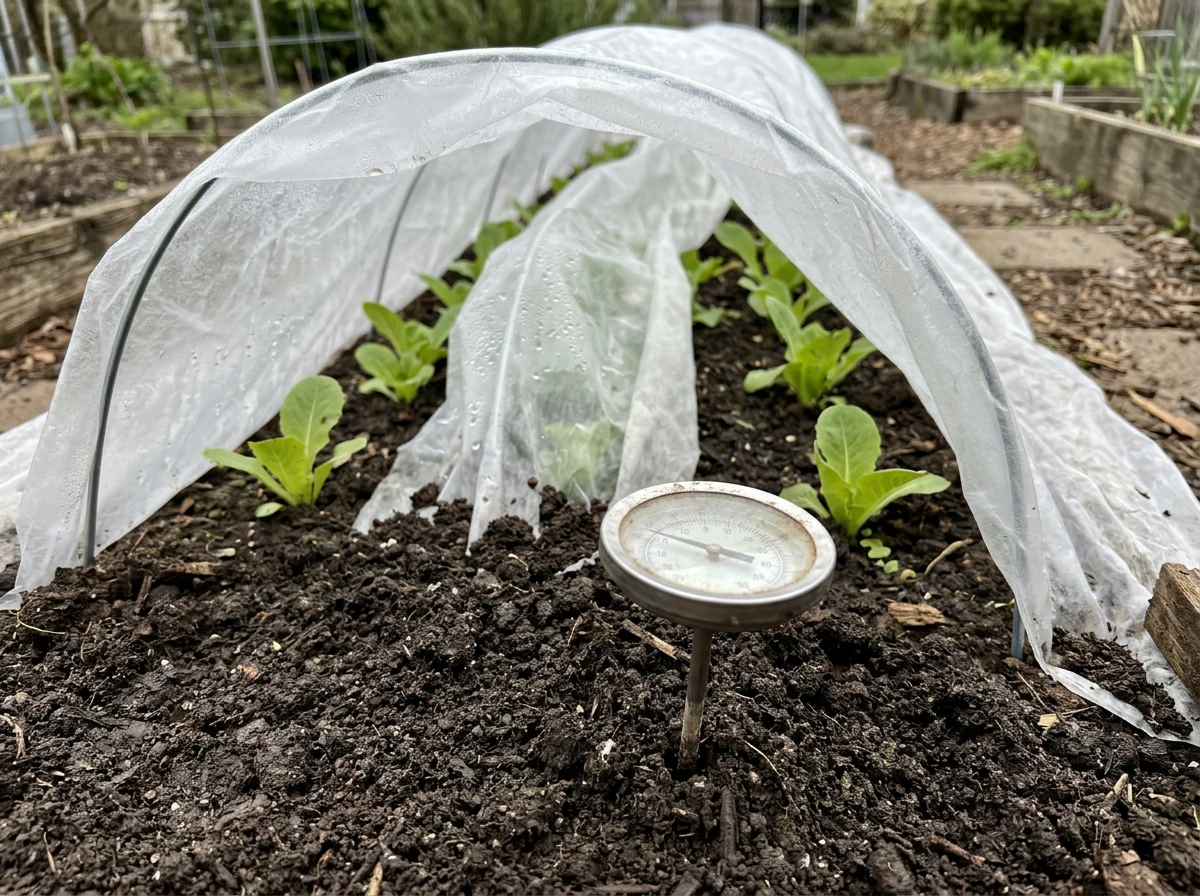
Temperature is the single biggest variable in how fast lettuce grows. Wisconsin Horticulture Extension gives the sweet spot as 65–70°F during the day and 45–55°F at night. In those conditions, lettuce moves through its growth stages efficiently. Push significantly outside those bounds in either direction and things slow down or fall apart.
On the cold side: soil temperatures below 50°F will stall or completely prevent germination. Oregon State's germination chart lists 32°F as the absolute low, but University of Maryland Extension is blunt about the fact that cold soil is a primary cause of germination failure. If you're direct sowing in early spring and the soil hasn't warmed yet, your seeds will just sit there. Germination may be delayed by two to three weeks compared to seeds started in warm soil.
On the hot side: soil temperatures above 85°F suppress germination, and sustained high air temperatures trigger bolting, where the plant rushes to flower and seed instead of producing leaves. Once lettuce bolts, the leaves turn bitter and the harvest window closes fast. The RHS notes that bolting can be triggered by extended heat or long summer days, and Fine Gardening points out that day length and temperature interact, so a warm spring with short days can sometimes be forgiving, while a hot summer day with long daylight hours is a problem. For practical planning, if you're sowing in mid-summer and you live somewhere that regularly exceeds 80°F, expect slower growth and a compressed harvest window, or plan to grow bolt-resistant varieties with shade cloth.
Spring and fall are the ideal seasons for outdoor lettuce in most of North America. Summer sowings are possible but harder to manage. Winter sowings are really an indoor or protected growing situation unless you're in a mild climate.
Indoor vs outdoor growing: the real differences
Indoor-grown lettuce under controlled temperatures and consistent light can move faster and more predictably than outdoor lettuce. Greenhouse Management reports that bibb lettuce grown indoors in winter takes about 14–21 days to reach transplant size, then another 35–42 days to harvest, putting the seed-to-harvest total at roughly 49–63 days. That aligns with the leaf and butterhead ranges in the table above, and it happens in winter when outdoor growing would be impossible.
Hydroponic growing pushes things faster still. Hydromakers' growing guide puts hydroponic harvest at 30–45 days after germination for head-size lettuce, and some optimized setups can get leaf lettuce ready in about 30 days from seed. Hydroponic growing pushes things faster still. Hydromakers' growing guide puts hydroponic harvest at 30–45 days after germination for head-size lettuce, and some optimized setups can get leaf lettuce ready in about 30 days from seed. If you're curious about hydroponic-specific timelines, those are worth exploring separately since the setup and management are quite different from soil growing.
For most people starting seeds indoors in trays, the practical workflow is: sow seeds indoors 3–4 weeks before your last frost date, keep them at 60–70°F, transplant outdoors when seedlings have 4–6 true leaves (UC IPM recommends this size for transplants), then count another 30–60 days to harvest depending on the type. Total seed-to-harvest time including the indoor phase: roughly 55–80 days for leaf lettuce, 70–100 days for head types.
Outdoor direct sowing is simpler but more weather-dependent. Sow directly in the garden in spring once soil temperatures are consistently above 50°F. WSU Extension recommends sowing at about 1/4 inch deep. Thin to 6 inches apart for leaf lettuce or 12 inches for head lettuce once seedlings are established, per UC IPM guidance. After sowing, follow lamb's lettuce specifics for depth and spacing, since it behaves like other leafy salad greens but can be harvested young for a tender texture. The thinning step matters: overcrowded lettuce develops slowly and is more prone to disease.
How to track progress as your lettuce grows
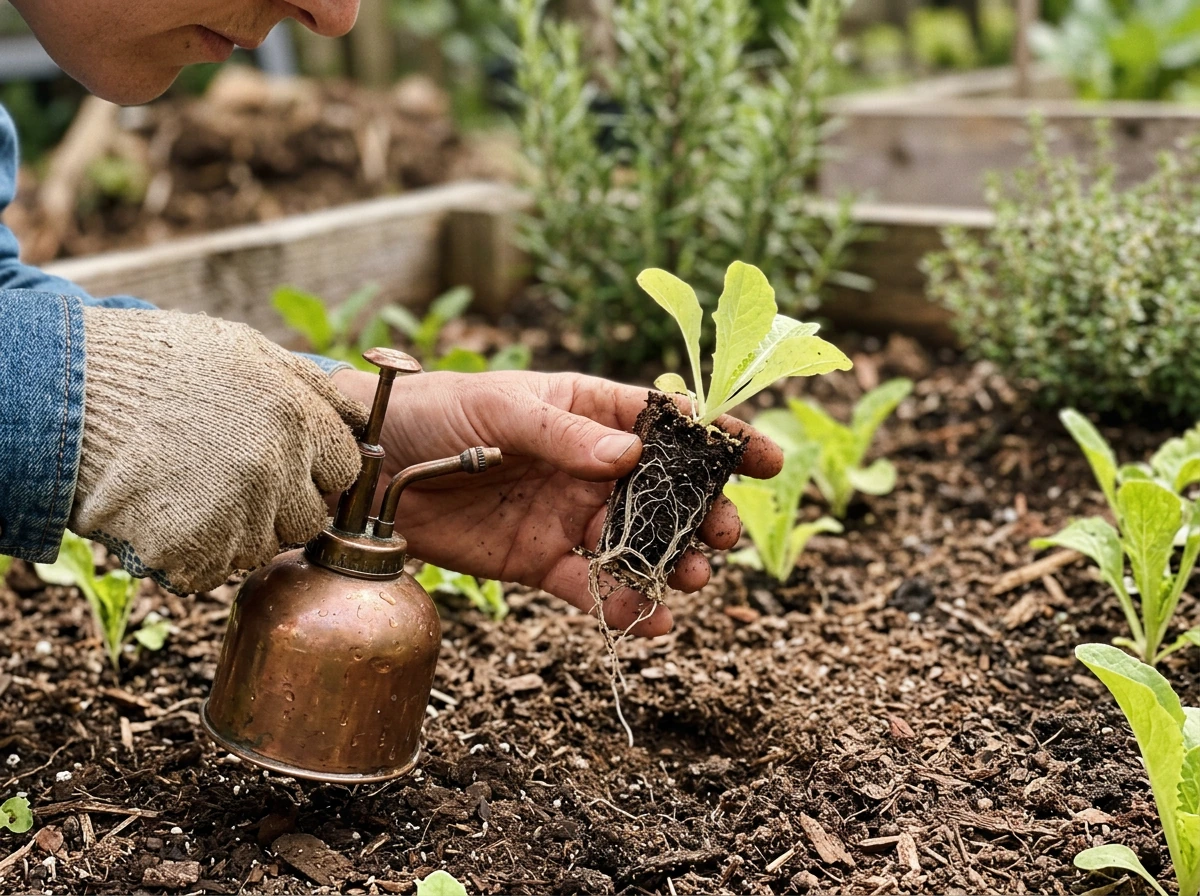
At germination, you're looking for a tiny white root emerging from the seed coat, followed by a small arched sprout pushing up through the soil. Most seeds will emerge with two small oval seed leaves (cotyledons) before the first true lettuce-shaped leaves appear. Those first true leaves show up around day 14–21 after sowing and signal that the seedling is established and growing for real.
From there, check the plant weekly. Leaf lettuce should show noticeably larger, fuller leaves each week in good conditions. If a week passes and the plant looks exactly the same, that's a flag. Head lettuce will start to cup or form a rosette shape by week 4–5, with the head tightening as it approaches maturity. You can gently squeeze a butterhead or crisphead after week 6 to feel whether the core is firming up. A firm, dense head means it's close. A loose, airy center means it needs more time.
For leaf lettuce, you don't need to wait for any specific visual cue. Harvest when outer leaves are large enough to use, typically 3–4 inches long for baby greens or 6 inches and up for full-size leaves. Always cut from the outside in and leave the center growing point intact.
If your lettuce is growing slowly (or not at all)
Slow or failed germination has a short list of causes, and most of them are fixable.
- Soil too cold: lettuce won't germinate below 50°F. Check your soil temperature with a thermometer and wait, or bring trays indoors.
- Soil too hot: temperatures above 85°F inhibit germination. Shade the bed or wait for a cooler stretch.
- Seeds buried too deep: deeper than 1/4 inch is often enough to prevent emergence. Re-sow shallowly.
- Soil dried out: lettuce seeds need consistent moisture from the moment they're sown until they sprout. Even one day of dry soil after a seed starts to imbibe water can kill the germination process.
- Old seeds: a 2022 study on 22 lettuce varieties found germination rates above 90% for one-year-old seeds at 15–20°C, but older seeds or improperly stored seeds drop off significantly. If your seeds are more than 2–3 years old, do a germination test before committing to a full bed.
- Lack of light: don't cover seeds with opaque plastic or place them in a dark location during germination.
If seedlings have sprouted but are growing painfully slowly, the most common culprits are temperatures outside the 60–75°F growth range, insufficient light (indoors especially), or nutrient-poor soil. Lettuce is a light feeder, but it does need nitrogen for leaf development. A diluted balanced liquid fertilizer at the seedling stage can help if you're growing in a low-nutrient seed-starting mix.
If established plants suddenly bolt or start to look tall and leggy with bitter leaves, heat or long days have probably triggered the bolting response. At that point there's no reversing it, but you can harvest everything usable immediately before the leaves get more bitter. Plan your next sowing for a cooler window.
Planning your next sowing around your harvest date
Once you know roughly how many days your chosen lettuce type needs, counting backward from your target harvest date is straightforward. Here's a practical way to do it.
- Pick your harvest goal date (a dinner party, the start of a season, whenever you want salad ready).
- Look up the days to maturity for your specific variety on the seed packet. Remember that number counts from transplant, not from seed, for most commercial figures.
- Add 21–28 days if you're starting seeds indoors before transplanting outdoors.
- Add 7–14 days for germination at the beginning.
- Count backward from your harvest date by that total number. That's your sowing date.
- If the sowing date falls in a period when soil temperatures will be too cold or too hot, adjust: start earlier indoors, use row cover to warm the soil, or shift the harvest target to a more forgiving season.
As a concrete example: you want fresh leaf lettuce by late May. Leaf lettuce takes about 48–58 days to harvest from transplant, plus 21 days indoors, plus 10 days for germination. That's roughly 79–89 days total from seed. Counting back 80 days from late May puts your seed-sowing date in early March, which is exactly where it should be for a spring crop in most temperate zones. Today is March 24, 2026, so if you haven't sown yet, you're a few weeks behind for a late May harvest, but you can still get a very usable crop by early to mid-June by sowing now and prioritizing a fast leaf variety.
For continuous harvests through the season, succession sow every 2–3 weeks. Because lettuce has a relatively short window between maturity and bolting, staggered sowings ensure you always have plants at peak harvest rather than a glut all at once followed by a long gap. It's the most practical upgrade you can make to how you grow lettuce, and it requires nothing more than a calendar and a second packet of seeds.
FAQ
Why do my lettuce seed packet timelines not match what I see in my garden?
It depends on whether you count from sowing or transplanting, and that can easily shift the total by 3 to 4 weeks. Seed packets often quote days to maturity starting at outdoor transplant size, while your seed-sowing day includes the germination period plus any indoor phase. If you started indoors for 3 to 4 weeks and the packet says “DTM 60 days,” add the indoor weeks and germination days to get a truer seed-to-harvest estimate.
What should I do if my lettuce seeds sprout but growth is still painfully slow?
If you get sprouts but they never look “real,” check for two bottlenecks: cold soil and low light. Germination stalls are mostly temperature related, while slow, weak growth after sprouting is often an insufficient-light issue indoors (leggy seedlings) or poor nitrogen in a nutrient-poor mix. Aim for consistent warmth and give seedlings bright light or you will lose weeks.
Can I harvest lettuce more than once, and does it depend on the type?
Lettuce can be pinched or pruned for leaf harvest, but heading varieties are more sensitive. For leaf lettuce, you can cut outer leaves and leave the center growing point intact, and that supports repeat harvests. For head lettuce, avoid heavy cutting early, because the plant may never form a dense head and can shift into a looser rosette instead.
How late into summer can I sow lettuce and still get a harvest?
Yes, but only if you control the timing, otherwise heat can cause bolting and shrink the harvest window. Sow earlier in cool weather or use shade during peak afternoon sun, and plan for earlier or more frequent harvesting once temperatures rise. In very warm climates, consider bolt-resistant types or growing under shade cloth to keep leaf quality usable.
What are the most common reasons lettuce seeds never sprout?
Don’t chase perfect germination depth, instead avoid deep planting. Use a very shallow cover (about 1/4 inch or less), press seeds lightly into moist soil, and keep the surface from drying out. Deeply buried seeds commonly rot or sit too long before the sprout can reach the surface.
When should I harvest leaf lettuce versus head lettuce if I want the fastest results?
Yes, but the recommendation changes with the production goal. If you want faster leaf greens, harvest outer leaves once they are big enough to use (you can start around 30 days after germination), then keep cutting from the outside. If you want heads, wait until the plant has firmed up, which usually means longer time and more stable conditions, especially temperature.
How does thinning affect how long lettuce takes to grow?
Overcrowding can delay maturity and increase disease pressure, so thinning is not optional. Leaf lettuce is typically thinned to wider spacing than crowded seedlings, and head lettuce needs even more room. If you see plants staying small and taking too long to fill, thinning sooner often improves growth rate and reduces issues.
How can I plan a lettuce planting date to hit a specific harvest day?
You can often prevent disappointment by using “counting back” with a buffer. If your target is tight, use the faster end of expected timelines and add a weather margin for temperature swings. Also confirm whether your packet DTM is from transplanting, then add germination and indoor time so your planned sowing date is realistic.
What should I do if my lettuce bolts suddenly?
If lettuce bolts, you cannot reliably reverse that process, so the practical next step is immediate harvesting of usable leaves and then adjusting the next sowing window. For the current crop, pick what is least bitter (often younger outer leaves) before the plant becomes fully flower-ready. For future cycles, sow in a cooler stretch and consider bolt-resistant varieties or protective shade.
When should I expect the first true lettuce leaves to appear after sowing?
The earliest “true leaves” show up roughly around the two-to-three week mark after sowing, but germination progress is your first checkpoint. If you never see cotyledons by about day 14, assume a problem and correct the main variable (soil temperature, depth, or moisture) rather than waiting indefinitely.