You can grow lettuce in just about anything that holds growing media, drains well, and gets enough light. Ground beds, raised beds, pots, window boxes, seed trays, vertical planters, countertop hydroponic systems, and even repurposed containers all work. The real question is which setup fits your space, your season, and how much effort you want to put in. Once you match the container and media to the conditions you actually have, lettuce is one of the easiest crops to keep going all year.
What Can I Grow Lettuce In? Best Containers Indoors and Out
Marcus Holloway
24 Jun 2026
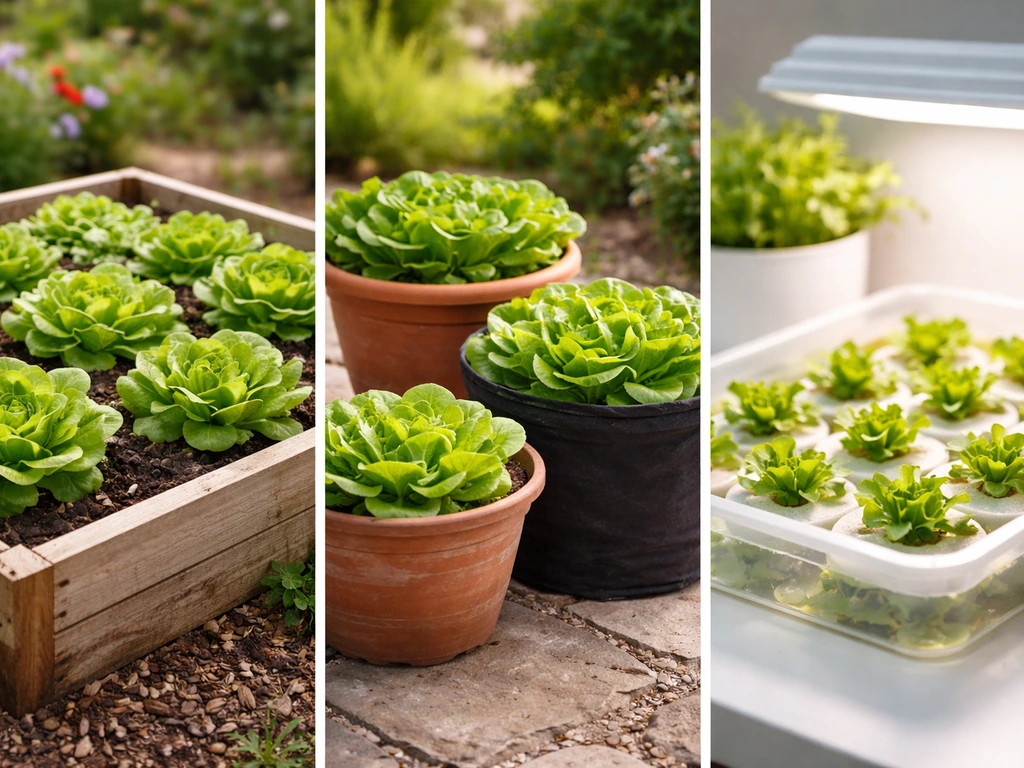
Best growing containers and setups for lettuce
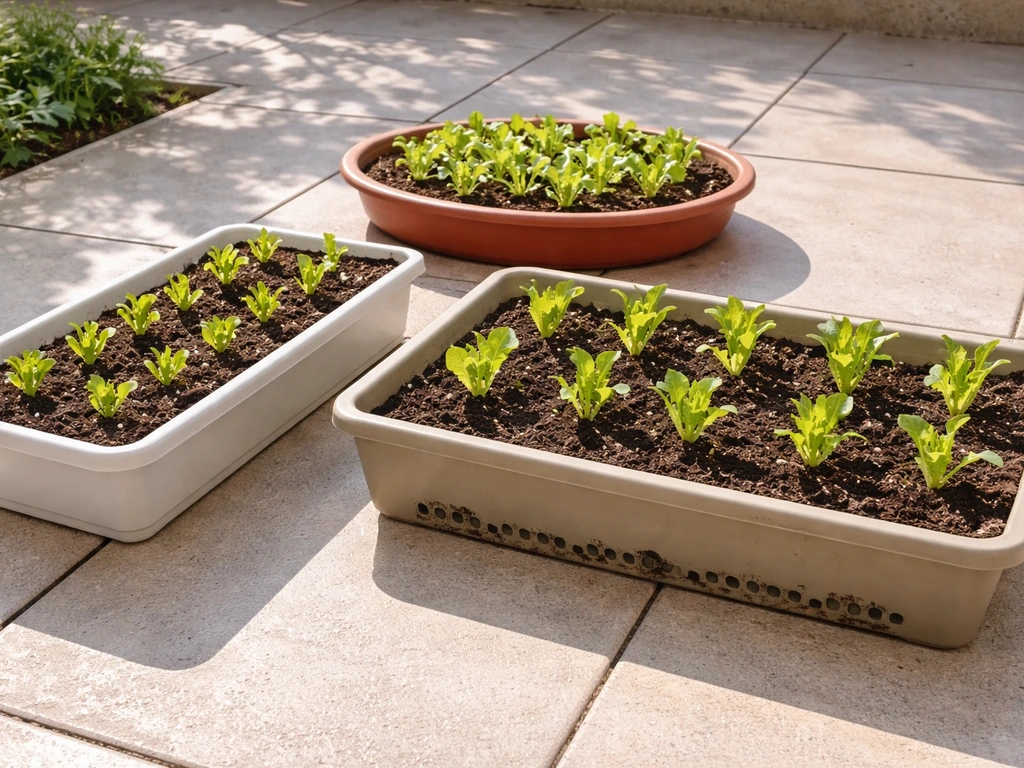
Lettuce has a shallow root system, which works in your favor. You do not need deep beds or giant pots. What you do need is width for leaf spread and drainage so roots never sit in standing water.
Ground beds
A traditional in-ground bed is still one of the best options if you have the yard space. Lettuce roots only go about 6 to 8 inches deep, so you just need to loosen the top 8 to 10 inches of soil, work in compost, and you are ready. In-ground beds hold moisture longer than containers, which is a real advantage during warm stretches. The downside is that drainage depends entirely on your native soil. If your soil is clay-heavy and water pools after rain, build up a low mounded row or switch to a raised bed instead.
Raised beds
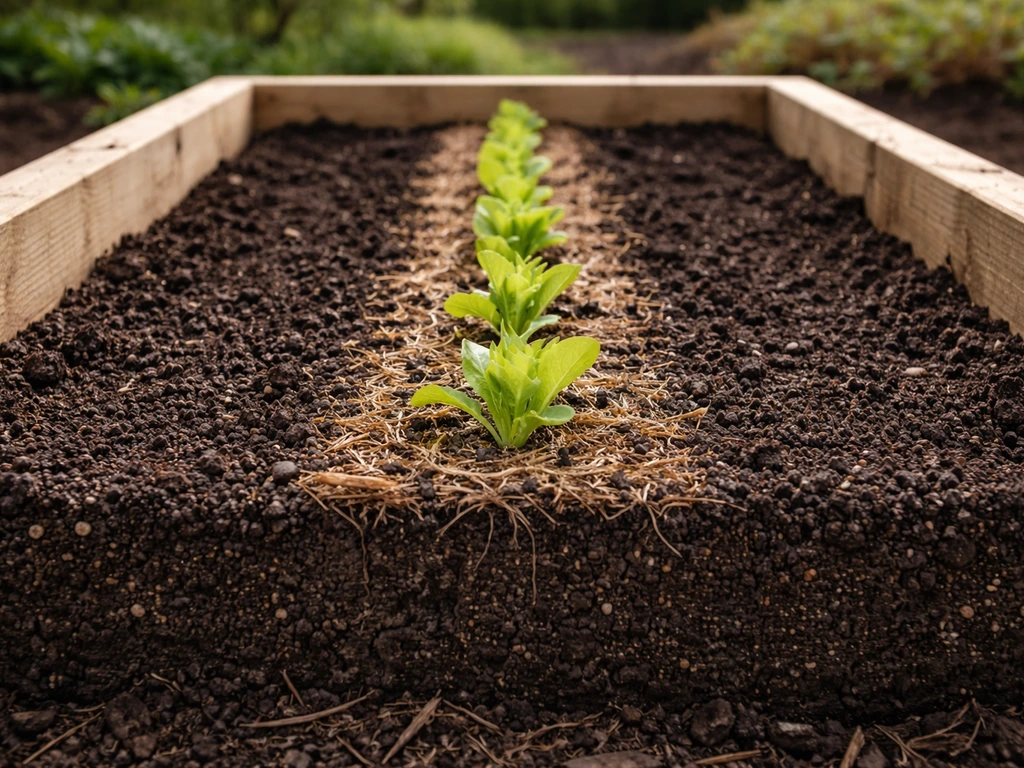
Raised beds are my personal favorite for lettuce. You control the soil mix, drainage is almost always good, and the soil warms up faster in spring. A bed that is 6 to 8 inches deep is plenty for leaf lettuce and most cutting varieties. If you want to grow romaine or butterhead to full heads, go to 10 to 12 inches of depth to give the roots a little more room. Width matters more than depth for yield. A 3-foot-wide bed lets you plant in bands and reach all of it from the side without stepping in.
Pots, containers, and window boxes
Window boxes work great for cut-and-come-again leaf lettuce. A standard 24-inch box holds four to six plants comfortably and sits on a railing or ledge without taking up floor space. Whatever container you use, it must have drainage holes in the base. No exceptions.
If a container came without holes, drill them. Some growers also add a half-inch layer of coarse gravel at the very bottom of the pot before adding media. This simple step helps water move out instead of pooling at the root zone.
Grow bags, fabric pots, and repurposed containers
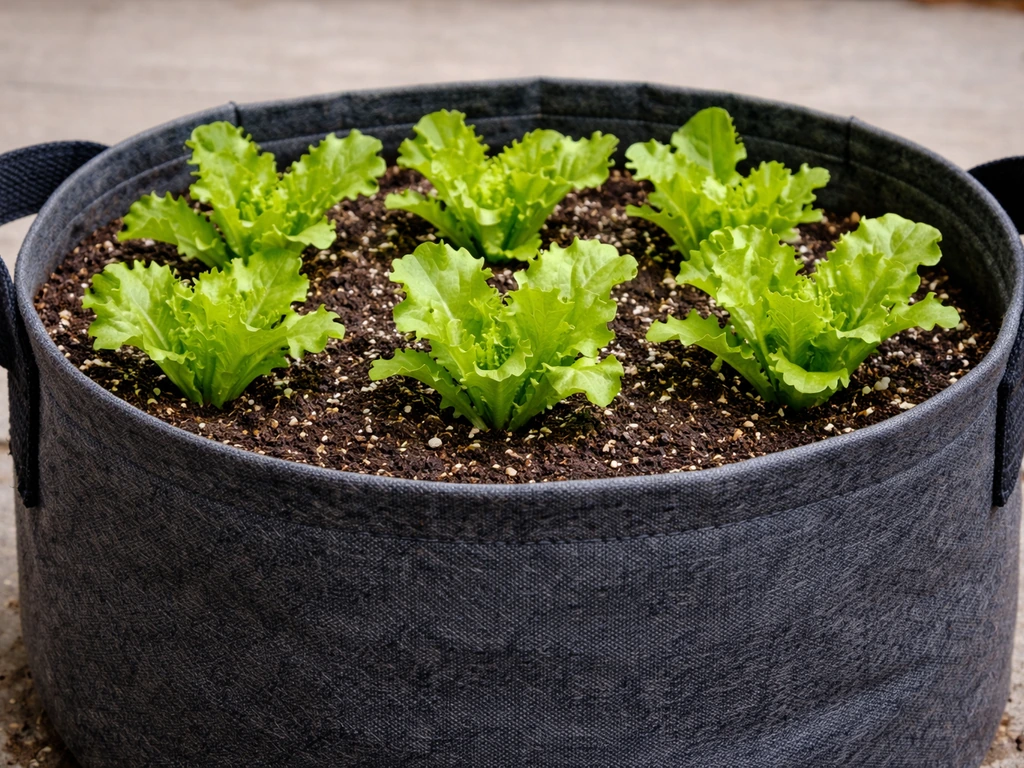
Fabric grow bags are excellent for lettuce because air-pruning keeps roots healthy and they almost never stay waterlogged. A 5-gallon fabric bag works for two to three leaf lettuce plants. Repurposed colanders, wooden crates with a liner, or even deep salad bowls with a hole punched in the bottom all work fine. Lettuce is forgiving about the material of the container. The only things that really matter are adequate width, enough depth for roots, and drainage at the bottom.
Growing lettuce indoors: windowsills, grow lights, and balcony setups
Indoor lettuce is absolutely doable. The limiting factor is almost always light. Lettuce needs 12 to 16 hours of light per day to grow fast enough to be worth the effort indoors. Most windowsills do not deliver that, especially if you are more than a few feet from a south-facing window or you are growing in winter. If your window gets strong direct light for at least 4 to 6 hours and bright indirect light the rest of the day, loose-leaf varieties can survive there, but they will be slower and leggier than under lights.
Using grow lights
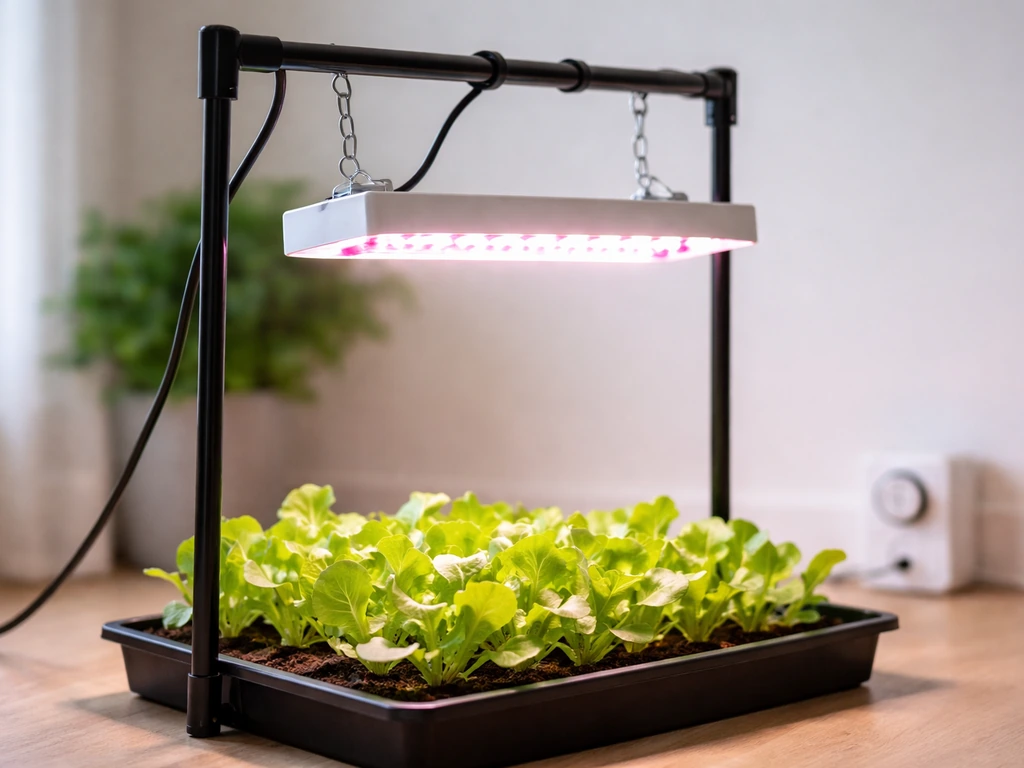
A basic full-spectrum LED grow light changes everything for indoor lettuce. Position the light 4 to 6 inches above the tops of the plants and run it on a timer for 14 to 16 hours per day. Lettuce does not need high-intensity lights. A modest LED panel rated around 20 to 40 watts can handle a standard 12-by-24-inch grow tray. I use a simple outlet timer set to come on at 6 AM and go off at 10 PM. That setup produces harvest-ready leaf lettuce in about 30 to 40 days from seed, year round.
Balcony and patio containers
A balcony that gets 4 to 6 hours of direct sun is a genuinely good spot for lettuce, especially in spring and fall. Use lightweight containers to keep the load manageable, and pay close attention to watering since containers on a balcony dry out faster than in-ground beds. If the balcony gets harsh afternoon sun and temperatures regularly climb above 75°F (24°C), position containers where they get morning sun and afternoon shade. Heat is letuce's biggest enemy, and a little shade cloth or a well-timed afternoon shadow can extend your harvest by weeks.
Hydroponic and countertop systems
Lettuce is arguably the ideal hydroponic crop. If you are using an Aerogarden-style countertop system, you can also experiment with growing tomatoes alongside lettuce using separate containers and a shared light cycle Hydroponic and countertop systems. It grows fast, has modest nutrient needs, and thrives in the constant moisture that hydroponics provides. If you have ever thought about trying a hydroponic system, lettuce is the right plant to start with.
Deep water culture (DWC) and raft systems
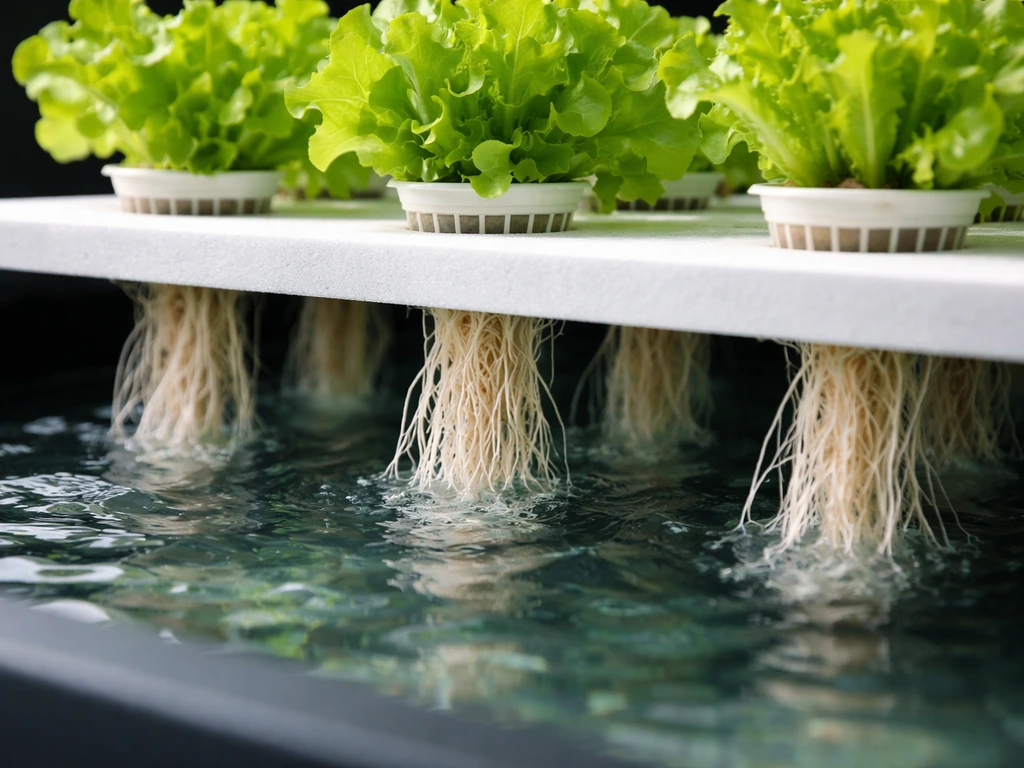
Deep water culture (DWC) is the simplest hydroponic setup for lettuce. Plants sit in net pots suspended in a reservoir of nutrient solution, with their roots hanging directly into the water. A small aquarium air pump and airstone keep the water oxygenated. That is basically the whole system. You can build a DIY version with a plastic storage tote, net cups, an air pump, and a bag of hydroponic nutrients for under $50, or buy a ready-made countertop raft unit. Lettuce in DWC grows noticeably faster than in soil. From transplant to first harvest is often 25 to 35 days.
NFT-style and all-in-one countertop units
Nutrient film technique (NFT) systems run a thin stream of nutrient solution continuously over the roots. These are common in commercial lettuce production and in popular countertop units like the AeroGarden or similar grow pods. These plug-and-play units include built-in grow lights, a water reservoir, and a pump. They are a great entry point for beginners because you do not have to manage nutrients from scratch.
If you want to run lettuce and tomatoes in the same unit, keep in mind that they have different light and nutrient needs, which can create competition. Dedicated lettuce systems keep things simpler and more productive. Vertical growing approaches also tie into the hydroponic world well, and there are vertical systems designed specifically for lettuce if wall or rack space is what you have available.
Soil, potting mix, and soilless media: what to actually use
The media you grow in affects how fast lettuce establishes, how often you water, and how much feeding it needs. Getting this right matters more than most beginners expect.
| Media type | Best use | Drainage | Nutrient supply | Notes |
|---|---|---|---|---|
| Native garden soil | In-ground beds only | Varies | Good if amended with compost | Never use in pots; compacts and suffocates roots |
| Quality potting mix | Containers, raised beds, pots | Good | Moderate (add fertilizer) | Best all-around choice for containers |
| Seed-starting mix | Seed trays and germination only | Excellent | Very low | Too light for established plants; upgrade after germination |
| Peat or coco coir blend | Containers, indoor setups | Excellent | Low (feed regularly) | Lightweight, retains moisture without waterlogging |
| Hydroponic media (perlite, rockwool, clay pebbles) | Hydroponic systems only | Excellent | None (nutrient solution does the work) | Used to anchor roots, not feed them |
For containers and raised beds, a high-quality potting mix is the right choice. Do not use straight native soil in any container. It compacts quickly, reduces drainage, and stunts roots. A potting mix blended with perlite at roughly 3 parts mix to 1 part perlite gives you the drainage and aeration lettuce roots need. If you are starting seeds before transplanting, a seed-starting mix in trays works well for germination, but those seedlings should be moved to proper potting mix once they have their first true leaves. Growing lettuce in seed trays is a popular method for getting a head start before transplanting to any of the setups above.
Light and temperature: what lettuce actually needs
Lettuce is a cool-season crop that prefers temperatures between 45°F and 75°F (7°C to 24°C). That is its sweet spot. Once temperatures consistently hit 80°F (27°C) or above, lettuce bolts. Bolting means it shifts into seed production, the leaves turn bitter, and the harvest window closes fast. The ideal outdoor growing seasons in most climates are early spring and fall. In summer, you can still grow lettuce in containers by moving them to a shadier spot or using 30 to 50 percent shade cloth over beds.
For sunlight, lettuce needs a minimum of 4 hours of direct sun outdoors to grow well, though 6 hours is better for faster, fuller growth. Loose-leaf types tolerate partial shade better than romaine or butterhead. Indoors, as noted earlier, 14 to 16 hours under a grow light compensates for the lower light intensity. If your plants are stretching toward the light source and stems are long and weak (a condition called etiolation), the light is either too far away or not running long enough.
Watering, drainage, and feeding for fast, reliable leaves
Lettuce is mostly water. It needs consistent moisture to produce tender, mild leaves. Letting the soil dry out too far makes leaves tough and bitter. But constantly waterlogged roots are just as bad. The target is evenly moist, never saturated.
How and when to water
For containers, check the top quarter inch of potting mix. When that layer feels dry to the touch, water thoroughly until it runs freely from the drainage holes.
In warm weather or indoors under lights, this might mean watering daily. In cool spring weather, every 2 to 3 days may be enough. The frequency matters less than the method: water fully, let it drain completely, and do not let the pot sit in a tray of standing water. In raised beds and ground beds, water when the top inch of soil feels dry, usually every 2 to 3 days in mild weather.
Soaker hoses or drip irrigation keep water at the root zone and off the leaves, which reduces disease pressure.
Fertilizing
Lettuce is a light feeder compared to fruiting vegetables, but it does benefit from steady nitrogen. Nitrogen drives leaf growth, which is exactly what you want. For containers, I use a balanced liquid fertilizer (something like a 5-5-5 or 10-10-10) diluted to half strength, applied every 2 weeks. If you are using a potting mix that already has slow-release fertilizer worked in, you may not need to supplement for the first 4 to 6 weeks.
For raised beds, side-dress with a light application of compost or granular balanced fertilizer when plants are about 4 weeks old. In hydroponic systems, follow the nutrient solution manufacturer's guidance. Lettuce typically does well at a nutrient solution EC of about 1. 2 to 2.
0 mS/cm and a pH of 6. 0 to 7. 0 for soil and soilless media, or 5. 5 to 6.
5 for hydroponic setups.
Planting method, spacing, and timing by lettuce type
How you plant and space lettuce depends on whether you want cut-and-come-again harvests (which favors dense planting and leaf lettuce varieties) or full-sized heads (which needs more space and time). Both strategies work. You just need to match the approach to the variety and the container you are using.
Seeding vs transplanting
Lettuce seeds are tiny and germinate best at soil temperatures between 40°F and 65°F (4°C to 18°C). You can direct sow into beds or containers by scattering seeds thinly across the surface, pressing them in gently, and keeping the surface moist until germination happens in 5 to 10 days. Alternatively, start seeds in trays indoors 3 to 4 weeks before your target transplant date, then move seedlings to their final container or bed when they have 2 to 3 true leaves. Transplanting is particularly useful for getting a head start in early spring before outdoor temperatures are reliable.
Spacing by type
| Lettuce type | Final spacing (row/bed) | Container density | Days to harvest |
|---|---|---|---|
| Loose-leaf (baby cut mix) | 2 to 4 inches apart | Dense scatter sow, thin to 2 inches | 25 to 35 days (cut leaves) |
| Loose-leaf (full plant) | 6 to 8 inches apart | 3 to 4 plants per 12-inch pot | 40 to 50 days |
| Butterhead / Boston | 8 to 10 inches apart | 1 to 2 plants per 12-inch pot | 55 to 75 days |
| Romaine / Cos | 8 to 12 inches apart | 1 plant per 8-inch pot (minimum) | 60 to 80 days |
| Crisphead (Iceberg) | 12 to 14 inches apart | Not ideal for small containers | 70 to 90 days |
Succession planting for continuous harvests
The best way to never run out of lettuce is succession planting. Start a new batch of seeds or transplants every 3 to 4 weeks. This staggers the harvest so you are always pulling fresh leaves from one group while the next batch is growing in. In a raised bed, you can do this in bands or sections. In containers, keep a second pot at an earlier stage. Once outdoor temperatures push above 75°F reliably in early summer, shift succession planting indoors under lights or to a shaded patio location, then resume outdoor succession in late summer for a fall harvest.
Troubleshooting the most common problems
Even in a good setup, things go wrong sometimes. Here are the issues I see most often and how to fix them quickly.
- Leggy, weak seedlings indoors: The light source is too far away or not on long enough. Move the grow light to within 4 to 6 inches of the plant tops and extend the photoperiod to 14 to 16 hours.
- Bitter leaves: Usually caused by heat stress or the plant starting to bolt. Harvest immediately and move the container to a cooler, shadier spot. For next time, choose bolt-resistant varieties like 'Black Seeded Simpson' or 'Jericho' romaine.
- Yellowing lower leaves: Often a nitrogen deficiency, especially in containers after 4 to 6 weeks. Apply a diluted liquid fertilizer and it usually resolves within a week.
- Wilting despite moist soil: Check for root rot caused by poor drainage or overwatering. If the roots are brown and mushy, the container likely needs more drainage holes or you need to reduce watering frequency.
- Slow germination or no germination: Soil temperature is probably too high. Lettuce seed germination drops sharply above 75°F (24°C). Move the tray or pot somewhere cooler, or pre-chill the seeds in a damp paper towel in the refrigerator for 24 hours before sowing.
- Slug or aphid damage outdoors: Slugs leave irregular holes and slime trails. Remove by hand at night or use diatomaceous earth around the container base. Aphids cluster on new growth. Knock them off with a strong water spray or apply insecticidal soap.
- Lettuce bolting before you can harvest: This almost always comes down to heat or daylength. Grow during the cool season, use shade cloth when temps spike, and plant bolt-resistant varieties. Cut-and-come-again leaf varieties bought you more harvest time than heading types in warm conditions.
The most important thing to take away is that lettuce is genuinely adaptable. It will grow in a window box on a fifth-floor apartment balcony, in a half-barrel in the backyard, in a countertop hydroponic pod, or in a traditional raised bed. If you have limited floor space, you can also grow lettuce in a vertical garden by using stacked planters or a vertical hydroponic rack a countertop hydroponic pod.
What matters is matching the setup to the light and temperature you actually have, using the right media with real drainage, and keeping moisture consistent. Get those three things right and you will be harvesting fresh leaves in 30 to 45 days, with more on the way every few weeks after that.
FAQ
Can I grow lettuce in a container without potting soil, like plain dirt or compost only?
In containers, avoid straight native soil because it compacts and drains poorly. If you want to use compost, blend it with a real potting mix (and perlite) so roots get both aeration and steady moisture. If you only have compost, expect more frequent watering and a higher chance of bitter, stressed leaves.
What’s the smallest container size that still works for lettuce?
For leaf lettuce, aim for at least about 12 inches of width and 6 inches deep. Anything much smaller tends to dry out fast and makes watering inconsistent. For romaine or butterhead, smaller than roughly 16 inches wide and 12 inches deep usually leads to crowding and heads that never fully form.
Do I need drainage holes in every type of lettuce container?
Yes. If a container lacks holes, lettuce roots will sit in excess water and you can get rot or stunted growth. A practical shortcut is to set the “decorative” container inside a self-draining planter or cachepot, using holes only in the inner growing container.
How much sun do I need if I am growing lettuce on a patio or balcony?
Outdoors, plan on at least 4 hours of direct sun, 6 hours is better. If you get hotter afternoon sun or frequent temps above 75°F (24°C), orient for morning sun and afternoon shade, since heat drives bolting and bitter leaves.
Is it better to use shade cloth or just move containers around during summer?
Use the option that keeps temps consistently cooler and leaves from overheating. Shade cloth (often 30 to 50 percent) helps when you cannot rearrange daily, but moving containers is more precise if afternoon heat spikes. Either way, prioritize preventing sustained heat because lettuce bolts quickly once it crosses its comfort zone.
What light should I use indoors if I do not have strong direct window light?
Use a grow light because windows often cannot deliver enough hours or intensity, especially in winter. A good starting routine is 14 to 16 hours per day, with the light about 4 to 6 inches above the plants, then adjust upward or downward if leaves stretch (leggy growth) or if tips darken.
My lettuce is getting tall and floppy, what does that mean and how do I fix it?
That’s usually etiolation, meaning the plant is stretching toward light. Fix it by moving the light closer, increasing daily light duration, and checking that the timer actually runs long enough (not just a couple of hours). Also rotate pots if only one side faces the strongest light.
How do I prevent lettuce from turning bitter, even if I water?
Bitter leaves usually come from stress, most often heat and irregular moisture. Keep the top layer consistently moist, water thoroughly until it drains, and do not let the pot sit in runoff. If it’s warm, add afternoon shade or move to a cooler spot before bitterness appears.
How do I know when to water lettuce in containers versus raised beds?
For containers, check the top quarter inch of potting mix and water when it feels dry to the touch. For raised beds, check about the top inch of soil. The key is the “water fully, then drain completely” rule, so roots never stay in saturated media.
Should I feed lettuce, or will it grow without fertilizer?
Lettuce grows even with minimal feeding, but it performs better with steady nitrogen. For containers, half-strength balanced liquid fertilizer every 2 weeks is a simple schedule. If your mix already has slow-release fertilizer, you can often wait about 4 to 6 weeks before adding liquid feeding.
Can I grow lettuce in the same hydroponic unit as tomatoes?
You can sometimes grow them together, but their needs differ, especially light intensity and nutrient targets. If yields matter, use separate systems or at least separate compartments with a shared light schedule only if you can still meet lettuce light hours and keep tomato nutrient strength from overheating lettuce.
Is deep water culture (DWC) lettuce the easiest hydroponic option for beginners?
For many people, yes, because it is straightforward and forgiving. The one non-negotiable is aeration, using an air pump and airstone to keep water oxygenated. If you get slow growth or pale leaves, first check airflow and then confirm pH and nutrient strength.
Can I start seeds directly in the container, or should I transplant?
Both work. Direct sowing is simple for cut-and-come-again leaf lettuce, but transplanting gives you earlier results and more control, especially in spring when outdoor temps swing. If transplanting, move seedlings when they have 2 to 3 true leaves, and avoid disturbing roots beyond necessary handling.
How do I keep lettuce harvest going continuously without taking up more space?
Use succession planting every 3 to 4 weeks. In small spaces, keep a second pot behind on purpose, or seed in a slightly different section of a raised bed so older plants are harvested while the next batch catches up.