You can grow lettuce vertically in almost any space, a sunny balcony, a spare corner indoors, or a wall outside, and get a continuous harvest of crisp leaves faster than most people expect. Leaf lettuce is ready in about 40 days from seed, and with the right setup you can cut and come back for weeks. The key is matching your system (pocket planter, tower, NFT channel, or stacked pots) to your light situation, picking fast-maturing varieties, and staying on top of moisture so roots never dry out or sit in standing water.
How to Grow Lettuce Vertically: Step-by-Step Guide
Marcus Holloway
26 Jun 2026
Pick the right vertical setup for your space
Before you buy anything, figure out where you're growing: outdoors in full sun, on a shaded balcony, indoors near a window, or fully indoors under lights. That single decision drives everything else, the system, the varieties, and how much supplemental lighting you'll need.
Outdoor vertical setups
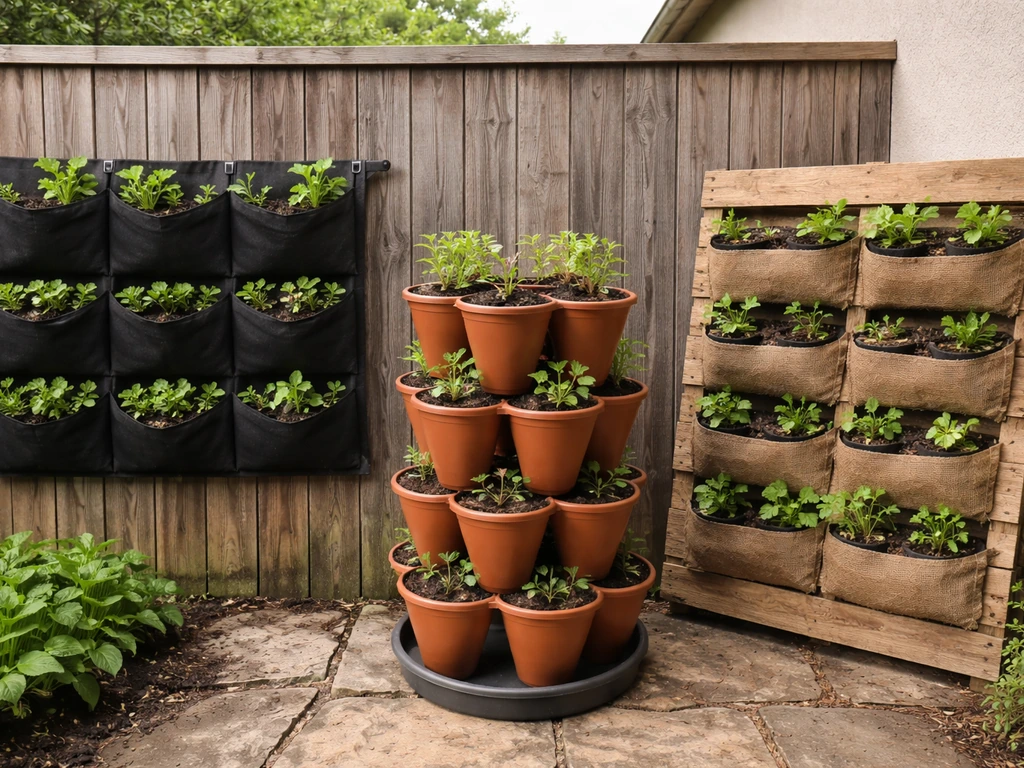
Outdoors, the easiest and cheapest options are felt pocket planters hung on a fence or wall, stacked terracotta or plastic ring planters, or a simple wooden pallet frame stuffed with landscape fabric and potting mix. These all work well in spring and fall when temperatures stay between 45°F and 70°F, the sweet spot for lettuce. A trellis with netting and tucked pockets works too, though you're limited to varieties that don't get heavy. If you have a south or east-facing fence, that's your target wall.
Indoor and balcony setups
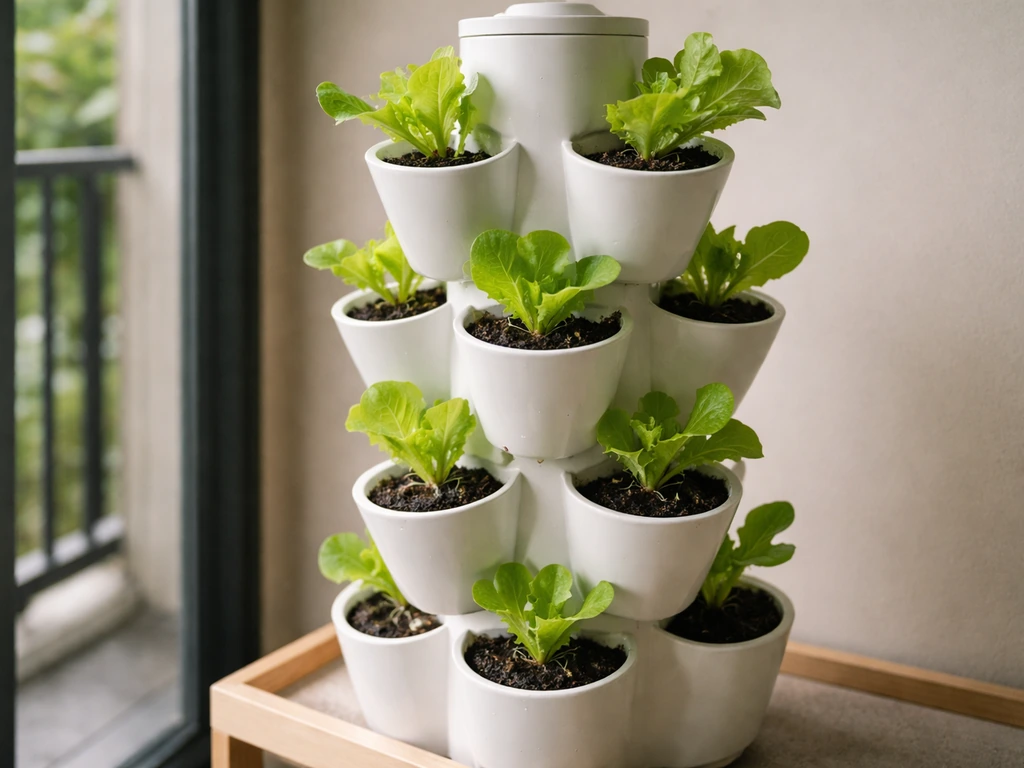
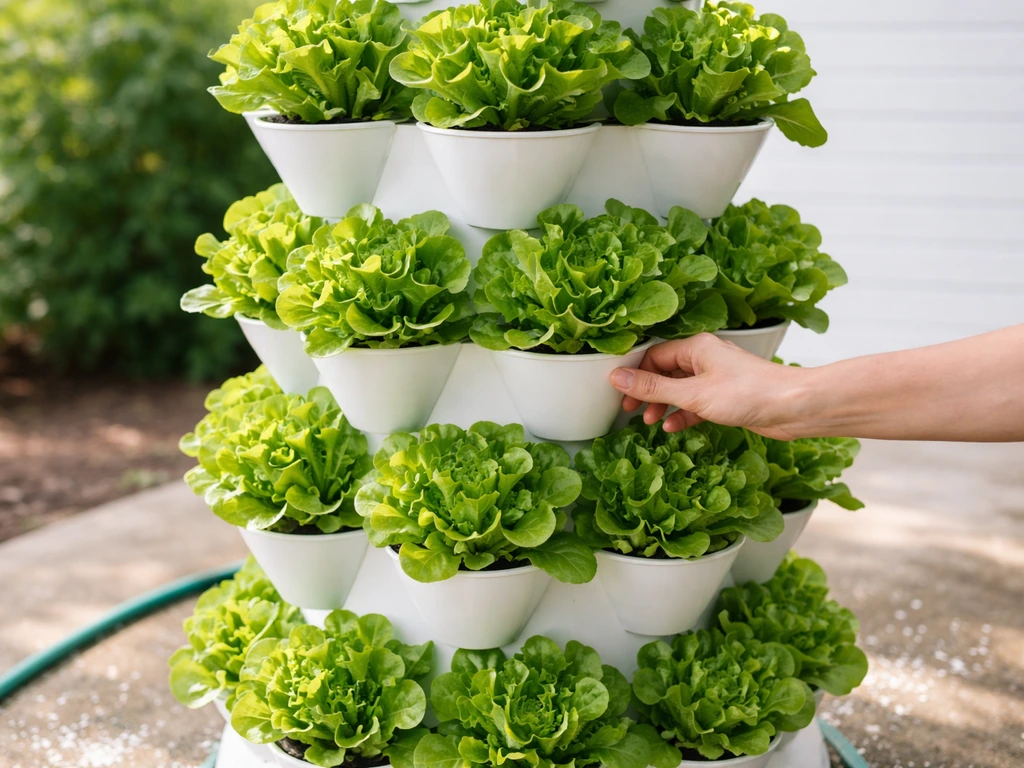
Indoors or on a shaded balcony, vertical tower planters (the kind with staggered pockets or cup slots around a central column) are compact and easy to manage. You can get a lot of lettuce out of a 5-foot tower that takes up less than a square foot of floor space. Near a bright south-facing window you might scrape by without grow lights in summer, but for consistent production indoors you'll want supplemental lighting. More on that in the lighting section.
Hydroponic vs. soil-based vertical systems
Hydroponic vertical systems, particularly NFT (Nutrient Film Technique) and tower-style aeroponics, grow lettuce significantly faster than soil and let you pack more plants into less space. NFT uses a slightly sloped channel where roots sit in a thin, continuous film of nutrient solution that flows back to a reservoir. Tower aeroponics mists roots through a central chamber. Both are excellent for lettuce, which is one of the easiest crops to grow hydroponically.
If you’re wondering whether you can grow lettuce and tomatoes together in an AeroGarden, the answer depends on matching light, spacing, and watering needs for both plants grow hydroponically. The tradeoff is setup cost and a steeper learning curve around monitoring pH and electrical conductivity. Soil-based pocket planters and stacked containers are simpler, more forgiving, and cheaper to start, a smart choice if this is your first attempt at vertical growing.
| System | Best For | Cost to Start | Complexity | Speed to Harvest |
|---|---|---|---|---|
| Felt pocket planter | Outdoor walls, fences | Low ($15–40) | Easy | Standard (40–60 days) |
| Stacked pot/tower planter | Balcony, patio, indoors | Low–Medium ($20–60) | Easy | Standard (40–60 days) |
| Vertical tower (soil) | Indoors or outdoors | Medium ($40–100) | Easy–Moderate | Standard (40–60 days) |
| NFT hydroponic channel | Indoors, grow room | Medium–High ($80–200+) | Moderate | Fast (30–45 days) |
| Tower aeroponics | Indoors, small spaces | High ($100–300+) | Moderate–High | Fastest (25–40 days) |
My honest recommendation for beginners: start with a vertical tower planter or felt pocket planter and potting mix. Get a few harvests under your belt, then upgrade to a hydroponic system once you've got the basics down. Lettuce in a vertical garden is very doable either way, you just want a functioning setup before adding nutrient monitoring into the mix. Lettuce in a vertical garden is very doable either way, and the right setup makes the difference.
Choose lettuce varieties built for vertical growing
Not all lettuce is equal in a vertical system. You want varieties that stay compact, mature quickly, and hold up in warm or low-light conditions without bolting immediately. Leaf lettuce is your best friend here, it's the fastest, most forgiving, and most productive type for any vertical setup.
- Loose-leaf lettuce (Black Seeded Simpson, Red Sails, Oakleaf, Salad Bowl): Ready in 40–45 days, cut-and-come-again, tolerates some heat stress better than heading types. Ideal for pocket planters and towers.
- Romaine/Cos (Little Gem, Parris Island Cos): Slightly upright growth habit actually works well in vertical pockets; takes 50–60 days but produces satisfying, crunchy heads. Little Gem is especially good for tight spacing.
- Butterhead (Tom Thumb, Buttercrunch): Compact heads, mild flavor, 55–65 days. Tom Thumb is small enough (3–4 inches) that it fits comfortably in a single tower pocket without crowding neighbors.
- Batavian/Summer Crisp (Nevada, Muir): More bolt-resistant than typical leaf lettuce, which matters if your vertical setup gets warm afternoons or is near a heat-reflecting wall.
- Avoid: Crisphead/iceberg types. They need too much space, take 70–90 days, and are a poor return on investment in a vertical system.
If you're growing indoors under lights or in a hydroponic system, lean toward loose-leaf varieties and Little Gem romaine. They're fast, light-efficient, and keep producing after you cut them. For outdoor vertical setups in spring or fall, any leaf or butterhead variety will work well. In summer, pick heat-tolerant varieties like Nevada or Muir and plan to harvest early in the day before leaves wilt.
Spacing, container size, and how to plant densely without crowding
Vertical growing tempts people to cram in as many plants as possible, and you can plant fairly densely, but there's a real lower limit. Too tight and you get weak, spindly plants competing for light and nutrients, which speeds up bolting and disease.
Spacing guidelines by variety
For loose-leaf lettuce, aim for 4–6 inches between plants when planted in pockets or holes along a tower. If you're direct-sowing into a trough or elongated pocket, thin to 4 inches apart once seedlings are 2 inches tall. Romaine and butterhead types need a bit more room, 6–8 inches per plant is the practical minimum in a vertical system. Little Gem can get away with 5–6 inches. In a standard vertical pocket planter with 4–5 inch pockets, plan on one plant per pocket for anything other than loose-leaf, where you might fit two small seedlings.
Container size and depth
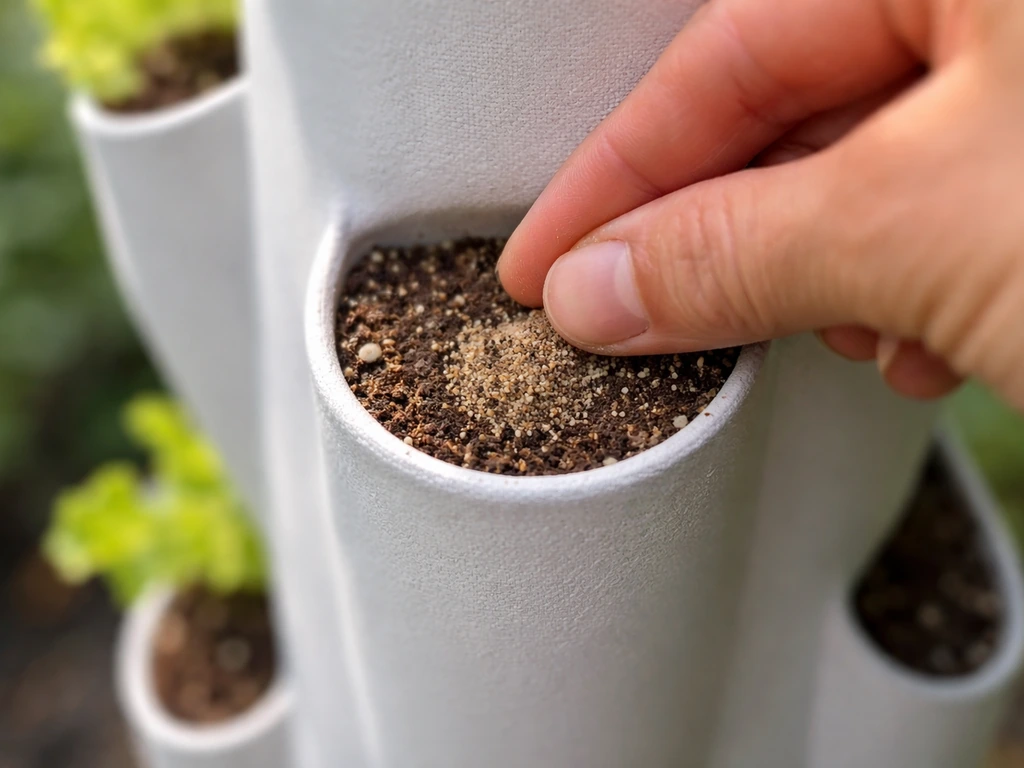
Lettuce has a shallow root system, most roots stay in the top 6–8 inches of growing medium. That makes it genuinely suited to vertical growing. Each pocket or container slot should hold at least 1–2 quarts of growing medium (roughly 4–6 inches deep and 4–6 inches wide). Deeper is always better for moisture retention, but lettuce won't suffer in a shallow pocket the way tomatoes or peppers would. If you're building a DIY PVC pipe or gutter system, use 4-inch diameter pipes minimum; 6-inch is more comfortable.
Sowing depth and planting method
Sow seeds 1/4 to 1/2 inch deep. Lettuce needs light to germinate well, so don't bury seeds too deep, a thin covering of vermiculite or potting mix is enough. You can direct-sow into your vertical system or start seeds in a tray first and transplant 2–3 week old seedlings. Transplanting is easier for pocket planters because you can place seedlings exactly where you want them without thinning later. For hydroponic NFT or tower systems, start seeds in rockwool cubes or small net cups, then transfer the whole cube once roots emerge.
Light, temperature, and airflow, the three things that make or break vertical lettuce
Natural light outdoors
Outdoors, lettuce needs at least 4–6 hours of direct sun daily, though it tolerates partial shade better than most vegetables. A vertical setup on an east-facing wall gets morning sun and afternoon shade, which actually works well, it reduces afternoon heat stress, which delays bolting. If your setup faces south or west and gets hot afternoon sun, expect lettuce to bolt faster in warm months, especially once daytime temps push past 70°F consistently.
Grow lights for indoor vertical setups
Indoors, run grow lights for 12–16 hours per day. For lettuce, 14 hours is a solid target that supports good leaf production without pushing plants into bolting from extended photoperiod stress. Keep lights off for at least 8 hours, lettuce does need a dark period. In terms of light intensity, you're targeting a PPFD (photosynthetic photon flux density) of around 150–300 µmol/m²/s at the leaf surface, which translates to a daily light integral (DLI) of about 12–16 mol/m²/day. A quality LED grow panel 12–18 inches above your plants should hit that range. Raise the light as plants grow to prevent leaf burn, you'll notice yellowing or bleaching on the closest leaves if the light is too close.
Temperature targets
Lettuce grows best between 45°F and 70°F. Above 70°F, growth slows and bolting risk increases. Above 85°F for more than a few consecutive days, lettuce will almost certainly send up a seed stalk, and once it does, the leaves turn bitter and the harvest is over. This is critical to understand in vertical setups because pockets and towers can trap heat, especially dark-colored ones facing south. In summer, consider moving the setup to a shadier spot, switching to heat-tolerant varieties, or growing indoors under air conditioning where you can control temperature precisely.
Airflow matters more than you think
Vertical setups with densely packed pockets have limited airflow between plants, which raises canopy humidity and creates favorable conditions for gray mold (botrytis) and powdery mildew. Gray mold thrives when humidity exceeds 80–93% and temperatures are in the 55–75°F range. If you're growing indoors, a small oscillating fan pointed at (not directly blasting) your vertical setup is genuinely worth it, better air movement reduces canopy humidity and keeps stems strong. Outdoors, natural breeze usually handles this, but avoid placing your setup in a dead-air corner.
Watering and drainage, keeping roots moist without rotting them
This is the area where most beginners run into trouble with vertical lettuce. The pockets and slots in vertical systems can either dry out extremely fast (felt planters in summer heat) or trap standing water at the bottom (sealed containers with poor drainage). Both kill lettuce, just in different ways.
Soil-based vertical systems
For felt pocket planters and tower planters filled with potting mix, you'll likely need to water daily in warm weather, sometimes twice if it's hot and windy. Push your finger an inch into the growing medium; if it's dry, water. If it's still damp, wait. The goal is consistently moist, never waterlogged. Make sure every pocket or slot has a drainage hole so excess water doesn't pool. Drip irrigation systems (a small timer-controlled drip line running to each pocket or to the top of a tower) take the guesswork out of watering and dramatically improve consistency, which is the single biggest driver of tip health and crispness.
Hydroponic vertical systems
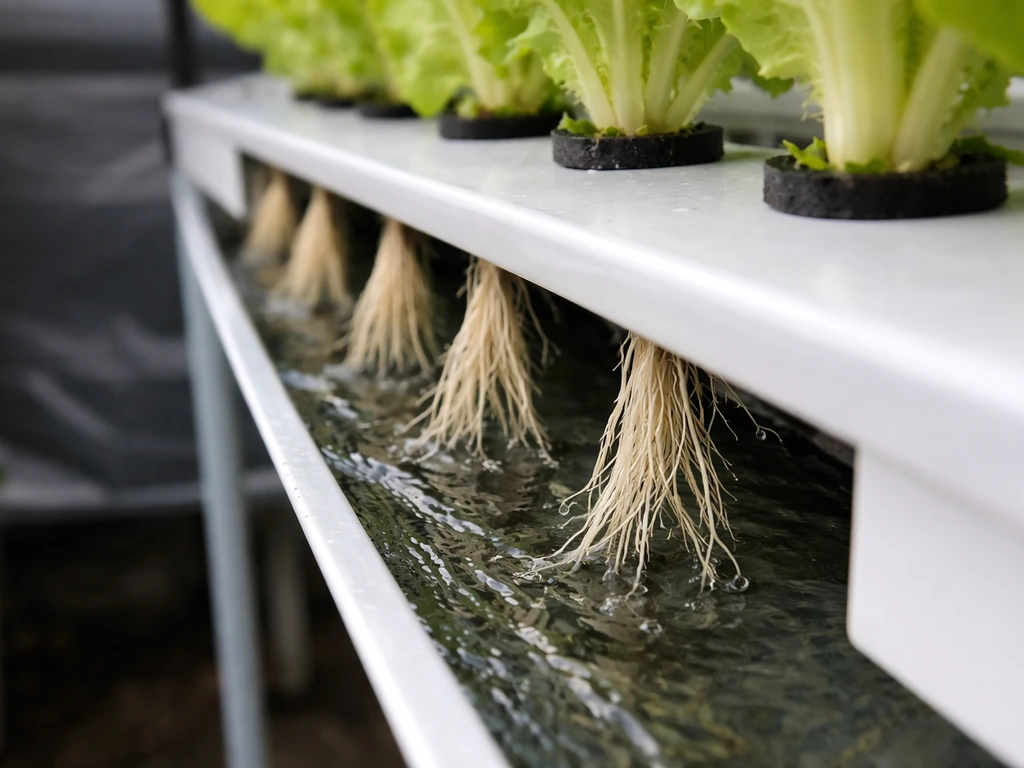
In NFT systems, the nutrient solution should flow continuously so roots are always touching a thin film of solution. The channel should be slightly sloped (about 1:30 to 1:40 gradient) so excess solution drains back to the reservoir rather than pooling. Root rot is the main hydroponic risk and it's almost always caused by two things: solution temperature above 70°F (warm water holds less dissolved oxygen, starving roots) and pump failure that lets roots sit in stagnant water.
Keep your reservoir water temperature at or below 68°F and make sure your pump runs continuously. If roots look brown and slimy rather than white and firm, that's the first warning sign. Add an air stone to the reservoir for extra dissolved oxygen, especially in warm conditions.
For tower-style hydroponic systems, the same oxygen and temperature rules apply. Many towers run the pump on a cycle timer (15 minutes on, 15 minutes off), just make sure roots don't dry out between cycles in a hot room.
Growing media, soil mixes, and nutrients
What to fill soil-based systems with
Use a lightweight, well-draining potting mix, not garden soil, which compacts in containers and restricts drainage. A mix of 60% potting mix, 20% perlite, and 20% coco coir is excellent for vertical systems: it holds moisture without getting soggy and stays light enough not to weigh down your planter. Avoid mixes with large bark chunks or heavy compost, which can block drainage holes in small pockets. Pre-moisten the mix before filling pockets so it settles evenly.
Fertilizing soil-based vertical lettuce
If you start with a potting mix that includes a slow-release fertilizer (most quality mixes do), you won't need to add nutrients for the first 3–4 weeks. After that, apply a balanced liquid fertilizer (10-10-10 or a dedicated lettuce/greens formula) every 1–2 weeks at half the recommended dose. Lettuce is a light feeder, overfeeding, especially with nitrogen, can cause tip burn and rapid bolting. Less is more.
Hydroponic growing media and nutrient solution
For hydroponic vertical systems, grow lettuce in rockwool, hydroton (expanded clay pebbles), or perlite in net cups. These provide root support and oxygen without competing for nutrients. Your nutrient solution should target an electrical conductivity (EC) of 1.5–2.0 mS/cm for mature lettuce, with seedlings running slightly lower (1.0–1.5 mS/cm) to avoid burning tender roots. Keep pH between 5.5 and 6.5, lettuce absorbs nutrients most efficiently in this range. Check pH and EC every 2–3 days using an inexpensive digital meter; both shift over time as plants consume water and nutrients. Top off with plain pH-adjusted water when levels drop, and do a full reservoir change every 7–14 days to prevent salt buildup and pH drift.
Timing, succession planting, and how to harvest
How long vertical lettuce takes
Loose-leaf varieties are ready to start cutting in about 40 days from seed in soil, or 30–35 days in a well-running hydroponic system. Romaine and butterhead take 50–65 days. Head lettuce (which you shouldn't be growing vertically anyway) takes 70–90 days. If you're transplanting 2–3 week old seedlings instead of direct-sowing, knock 2–3 weeks off those numbers from the point of transplant.
Succession planting for continuous harvest
The best thing about vertical lettuce is that you can stagger your plantings and keep harvesting for months. Start a new batch of seeds every 2–3 weeks. In a tower with 20 pockets, for example, you might plant pockets 1–10 on week one and pockets 11–20 two weeks later. By the time the first group starts to decline or bolt, the second group is hitting its stride. If you're direct-sowing, thin and sow in rotation. In a hydroponic NFT channel, swap out individual net cups as you harvest whole plants, this way the channel is always producing.
How to harvest without killing the plant
For loose-leaf varieties, use the cut-and-come-again method: harvest outer leaves first, cutting them cleanly at the base with scissors or a sharp knife, and leave the inner growing point untouched. The plant will keep producing new leaves for 4–6 more weeks this way. When you notice leaves becoming smaller, tougher, or more bitter, and the center starts to elongate, that's the bolting signal. Pull the whole plant at that point and replace it with a fresh seedling. For romaine and butterhead, harvest the whole head by cutting at the base once it feels firm, or harvest outer leaves the same way you would with loose-leaf.
Troubleshooting common vertical lettuce problems
Bolting and bitterness
If plants send up a tall central stem and leaves turn bitter, they're bolting, almost always due to heat (above 70–85°F) or very long light exposure. If you're outdoors, move the setup to a shadier spot or switch to heat-tolerant varieties. Indoors, reduce temperatures or shorten your light cycle slightly. Once a plant bolts there's no reversing it, harvest what you can and start fresh. The fix is prevention: keep temperatures cool and harvest early and often.
Tip burn (brown leaf edges)
Brown, papery edges on inner leaves, especially in fast-growing conditions, is tipburn, caused by inconsistent watering creating a transient calcium deficiency in rapidly expanding tissue. It's not usually a soil calcium problem; it's a moisture delivery problem. The fix is more consistent watering, especially as plants approach harvest size. In hydroponic systems, tipburn can also happen when solution flow is interrupted or when root mats get thick enough to impede flow in NFT channels, check that your channels aren't clogged.
Yellowing leaves
Yellowing of older, outer leaves usually means nitrogen deficiency, especially in soil-based systems that have been running for 4+ weeks without feeding. Apply a dilute liquid fertilizer and you'll see improvement within a week. In hydroponic systems, yellowing combined with slow growth often means pH is out of range (above 6.5 or below 5.5) and nutrients aren't being absorbed even if they're present in the solution. Check and correct pH first before adding more nutrients.
Wilting despite adequate water
If your lettuce is wilting but the growing medium feels moist, suspect root problems, either root rot from waterlogged pockets or (in hydroponics) root rot from warm water or oxygen-starved roots. Pull a plant and check the roots: healthy roots are white to cream-colored and firm; rotting roots are brown, slimy, and smell bad. In soil systems, improve drainage immediately and let the medium dry slightly between waterings. In hydroponic systems, lower the solution temperature, increase aeration, and consider adding beneficial bacteria (like Hydroguard) to outcompete the pathogens.
Gray mold (botrytis)
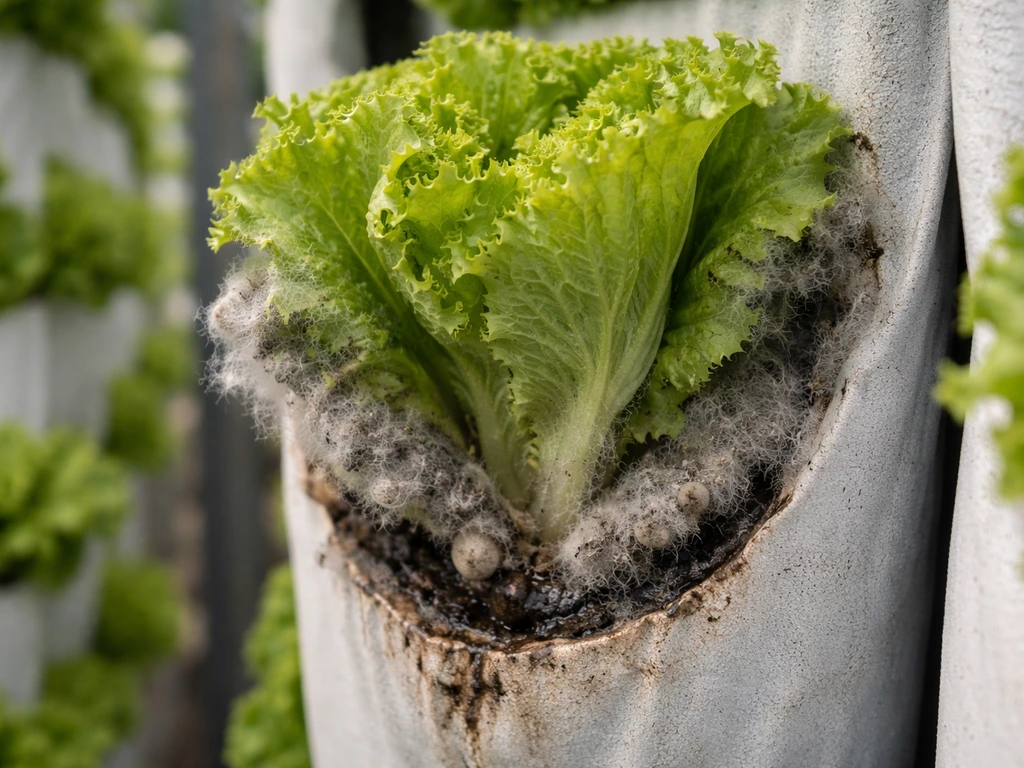
Gray, fuzzy growth on leaves or at the base of plants is botrytis. It thrives in cool, humid, stagnant conditions, exactly the microclimate that dense vertical pockets can create. Remove affected leaves or whole plants immediately, improve airflow (add a fan indoors, space plants slightly more), and reduce overhead watering. If you're misting plants, stop. Water at the base or use drip irrigation instead.
Pests: aphids, leaf miners, and slugs
Aphids cluster on the undersides of leaves and multiply fast in vertical setups where you might not check every pocket daily. Check plants every few days and knock aphids off with a strong stream of water or treat with insecticidal soap. Leaf miners leave winding pale trails inside leaves, remove affected leaves and look for tiny eggs on the undersides to prevent the next generation. Slugs are mainly an outdoor, soil-based problem: they love cool, damp felt planters. Set beer traps near the base of your setup or apply diatomaceous earth around the planter. Moving your vertical setup off the ground (hanging it on a fence rather than sitting it on soil) eliminates most slug access.
Leggy, weak seedlings
If seedlings are stretching toward the light and flopping over, they're not getting enough light intensity. Move them closer to the light source (indoors) or to a sunnier spot (outdoors). Raise light intensity before raising hours, more hours of dim light doesn't fix the problem that strong, close light would. Outdoors, rotate the planter periodically so all pockets get even light exposure, since the back row always gets shaded in a vertical setup.
FAQ
What’s the best lettuce to start with if I’m trying vertical growing for the first time?
Start with leaf lettuce or Little Gem because they tolerate tighter spacing and shorter harvest windows better than romaine or butterhead. If you’re outside and temperatures swing, choose one heat-tolerant variety plus one fast, mild variety so you still get a harvest when conditions change.
Do I need grow lights if my vertical lettuce is indoors near a window?
Maybe, but “near a bright window” is not the same as having enough intensity. If seedlings stretch, that’s your cue the light is too weak. If you can’t measure PPFD, use the simple test: when leaves are pale or growth slows for more than a week, add lights rather than increasing hours only.
How close together can I plant lettuce in vertical pockets without causing problems?
Use the minimum spacing that matches your lettuce type, but also leave a little extra room when airflow is limited. If leaves stay wet longer after watering or you see mildew spread quickly, widen spacing or reduce plant count, because dense canopies trap humidity even when you follow spacing numbers.
Why does my lettuce look fine but the tips turn brown even when I water regularly?
Tipburn is usually inconsistent calcium uptake caused by fluctuating moisture, not a missing fertilizer. In vertical systems, rapid dry-down in felt pockets is common, so switch to a timed drip schedule or water in smaller, more frequent cycles, then keep harvest timing early rather than letting plants “sit” at full size.
My felt pocket planter dries out too fast, what can I do besides watering more?
Improve water retention and reduce evaporation. Pre-moisten the mix thoroughly before loading, keep pockets shaded from direct hot afternoon sun, and consider a reflective barrier behind the planter. Also check that every pocket has a drainage hole, because better drainage supports more consistent watering cycles.
Can I grow lettuce vertically year-round outdoors?
Often only partially. In many climates you can run spring, fall, and mild-season summer stints, but summer heat spikes will trigger bolting. A practical approach is to plan multiple short rotations (each 4 to 6 weeks) and use shade cloth or move the setup to an east-facing wall for heat-buffering.
What temperature measurement should I use, the air temperature or the root-zone temperature?
Root-zone temperature matters most, especially in hydroponics and dark-colored towers that trap heat. If your room air is below 70°F but reservoir or nutrient lines warm up, you can still get root stress. Use a cheap thermometer in the reservoir or on the channel return to confirm.
In NFT towers, how do I prevent roots from clogging the channel?
Keep net cups and support media from shedding fine particles into the channel. Use properly rinsed or structured media, avoid overfeeding, and inspect the channel for slime or debris during routine pH/EC checks. If the flow slows even slightly, clean promptly because thick root mats reduce oxygen and increase root-rot risk.
How often should I harvest lettuce from a vertical system?
For loose-leaf, use cut-and-come-again every few days to a weekly rhythm so new leaves keep forming before the plant reaches bolting size. For romaine or butterhead, harvest when heads feel firm, then replant quickly. If you wait until plants start tasting bitter, that’s usually past the most productive window.
Do I need to fertilize lettuce if my potting mix already has fertilizer?
Usually not immediately. If the mix includes slow-release fertilizer, you can often wait about 3 to 4 weeks before starting liquid feeding. After that, use half-strength and increase only if growth stays consistently slow, because overfeeding, especially nitrogen, can speed bolting.
What’s the most common reason vertical lettuce wilts even when the soil feels moist?
It’s often root oxygen problems rather than surface dryness. In soil-based setups, waterlogged pockets can limit oxygen, and in hydroponics warm or interrupted flow reduces oxygen delivery. Pull one representative plant and inspect roots, healthy roots should look firm and light, while rot looks brown, slimy, and smells off.
How do I stop powdery mildew or botrytis in dense vertical planters?
Increase airflow first, then remove humid conditions. Add an oscillating fan pointed at the setup (not blasting plants), thin plants slightly if you’re overpacked, and avoid overhead wetting. For outbreaks, remove affected leaves early because dense pockets spread spores faster than in open beds.
What pests are most likely in vertical lettuce and what’s the fastest first response?
Aphids are common because undersides can be missed between checks, leaf miners can leave internal trails, and slugs are more likely outdoors with damp pockets. For fastest control, inspect undersides every few days, rinse aphids off with a strong water jet, and remove mined leaves immediately so you break the next generation cycle.
Why are my seedlings flopping over or stretching, and should I add more hours or stronger light?
Stretching usually means insufficient light intensity, not simply too few hours. Increase intensity first by moving lights closer or placing the tower where it gets stronger direct sun, then fine-tune the schedule. If you only extend the photoperiod, you may still get weak stems because intensity never improves.