Yes, you can absolutely grow lettuce in a vertical garden, and it's actually one of the best crops to try in a stacked or pocket-style system. Lettuce has shallow roots, grows fast, and doesn't need a lot of depth to thrive, which makes it a natural fit for tower planters, pocket panels, wall-mounted systems, and tiered containers. For example, Almanac.com notes that blank" rel="noopener noreferrer">shallow, wide containers work well and gives minimums like at least 12 inches wide by 6 inches deep for leaf lettuce, and 16 inches wide by 12 inches deep for heading varieties. That said, vertical setups do create a few specific challenges around watering, airflow, and heat that you need to manage intentionally. Get those right and you'll be cutting fresh greens in as little as four to six weeks.
Can You Grow Lettuce in a Vertical Garden? How-To
Is lettuce a good fit for vertical growing?
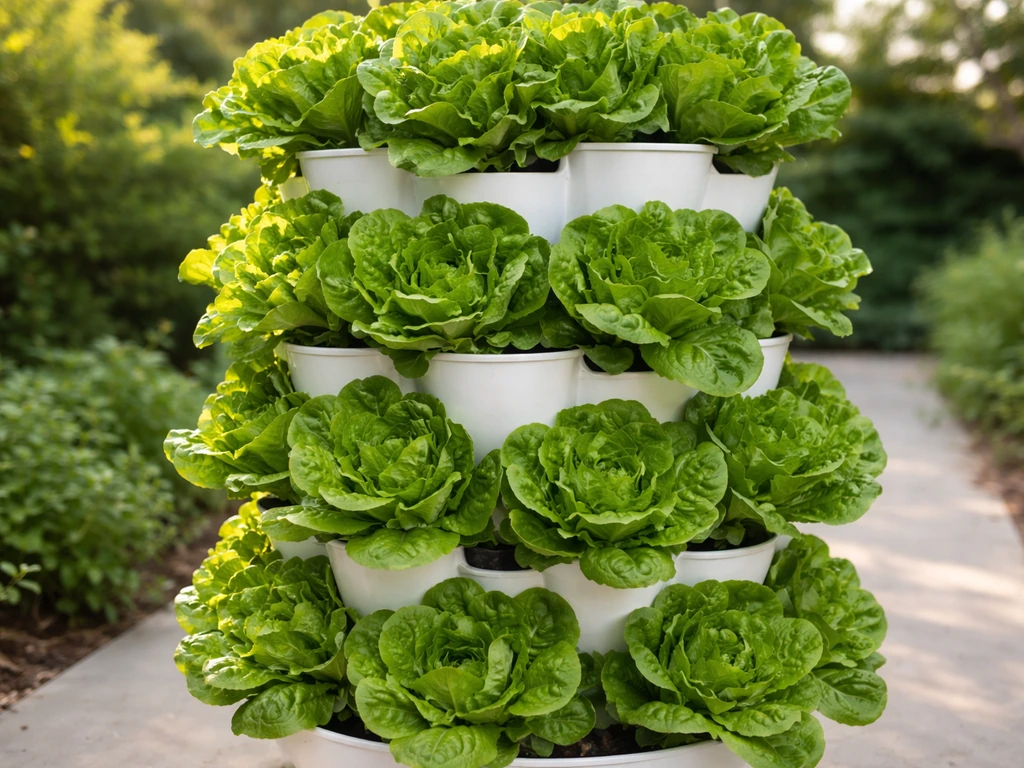
Lettuce is genuinely well-suited to vertical gardening for a few practical reasons. It's a cool-season crop that doesn't grow tall or sprawling, so it won't tip or shade out lower tiers the way tomatoes or cucumbers would. Its root system sits mostly in the top 6 to 12 inches of growing media, which works perfectly in the shallow pockets common to vertical planters. And because you can harvest leaf lettuce by cutting outer leaves rather than pulling the whole plant, you can keep harvesting from the same pocket for weeks before needing to replant.
Not all lettuce types perform equally well, though. Loose-leaf varieties are the clear winner for vertical systems. They mature faster, tolerate shallower pockets, and are much more forgiving if growing conditions aren't perfect. Butterhead varieties (like Buttercrunch or Boston) also work well because they stay compact. Romaine takes longer, around 50 to 70 days to maturity, but it does fine in pockets that are at least 8 to 10 inches deep. Crisphead or iceberg-style lettuce is the hardest to grow vertically because it needs more room, more consistent moisture, and a longer season to form a proper head. I'd skip it until you've gotten a few successful rounds of leaf lettuce under your belt.
| Lettuce Type | Days to Harvest | Pocket Depth Needed | Vertical Suitability |
|---|---|---|---|
| Loose-leaf (e.g., Black Seeded Simpson, Red Sails) | 30–45 days | 6 inches minimum | Excellent |
| Butterhead (e.g., Buttercrunch, Boston) | 45–60 days | 8 inches | Very good |
| Romaine (e.g., Little Gem, Parris Island) | 50–70 days | 8–10 inches | Good |
| Crisphead / Iceberg | 70–90 days | 12 inches | Not recommended for beginners |
Picking the right vertical planter system
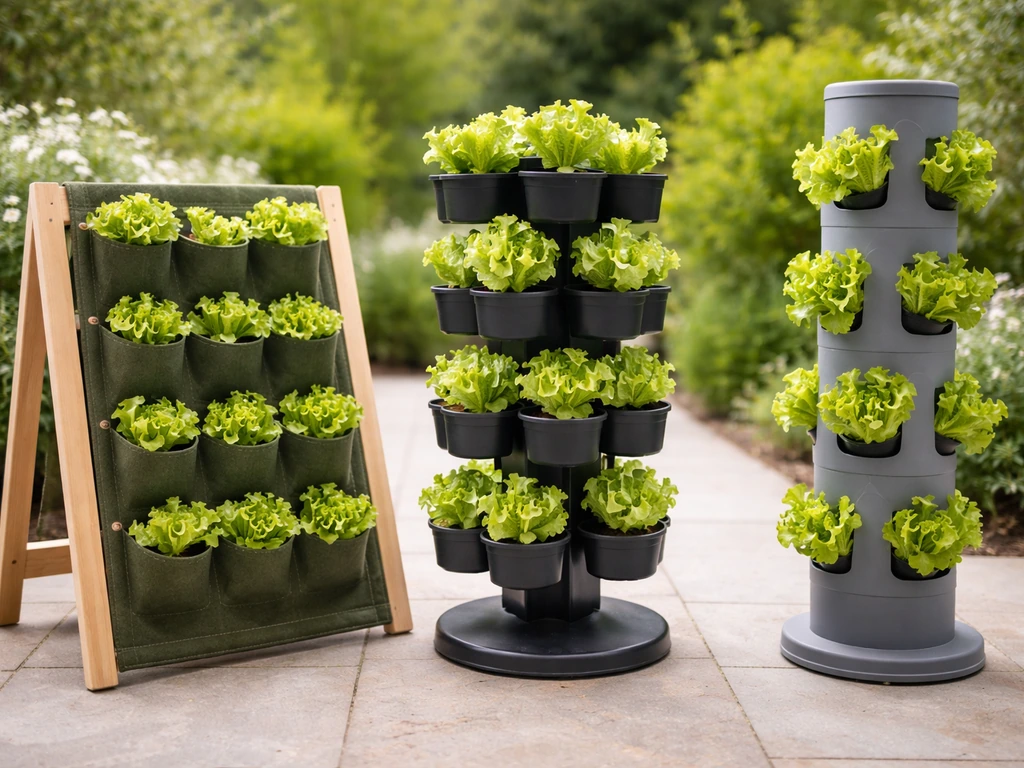
There are several vertical garden formats that work well for lettuce, and choosing the right one makes a real difference in how easy the whole thing is to manage. The main options are pocket planters (fabric or plastic panels with individual growing pockets), tower-style systems (stacked containers or purpose-built towers like the Tower Garden), wall-mounted horizontal containers, and tiered shelf systems with individual pots. Each has trade-offs.
- Fabric pocket panels: Lightweight, good airflow, and relatively inexpensive. The downside is that they dry out quickly, especially in summer sun. Best for balconies or shaded walls.
- Tower planters (stacked or purpose-built): Work well for lettuce and are easy to water from the top down. Tower Garden-style systems can hold 8 to 10 heads of lettuce at a time. Hydroponic towers add a nutrient reservoir and recirculating pump, which takes out most of the guesswork around feeding.
- Wall-mounted horizontal containers: Great for aesthetics and work fine for lettuce as long as each container is at least 6 inches deep. Harder to water evenly across all tiers.
- Tiered shelf systems with individual pots: The easiest to manage because each pot is independent. You can move, rotate, or replace individual plants without disturbing the rest. This is the setup I'd recommend if you're starting out.
Whatever system you choose, make sure you can actually reach the top tiers comfortably for watering and harvesting. Systems taller than about 5 feet start becoming awkward unless you have a step stool nearby. Also check that the structure has adequate drainage at every level, not just the bottom. Pooling water in upper pockets causes root rot faster than almost anything else in a vertical setup.
Light, temperature, and airflow: the non-negotiables
Lettuce needs at least 6 hours of direct or bright indirect light per day. In a vertical system, this creates an uneven light situation: pockets facing the sun get more than enough while pockets in shadow may be underlit. Position your vertical garden so the face with the most pockets points toward your primary light source. If you're indoors or on a north-facing balcony, grow lights (full-spectrum LED, about 16 hours per day) can fill the gap effectively.
Temperature matters more for lettuce than most people expect. The sweet spot is 60 to 70°F. Once temperatures push above 80°F consistently, lettuce starts to bolt (go to seed), and the leaves turn bitter fast. This is one area where vertical systems actually have an advantage: you can move a freestanding tower or tiered shelf into a shadier, cooler spot during a heat wave. If your setup is fixed to a wall, attach shade cloth during the hottest weeks of summer to delay bolting. Oregon State University Extension specifically recommends shade as a bolting-delay strategy, and in my experience, even 30% shade cloth buys you another two to three weeks of harvestable leaves during warm weather.
Airflow is the overlooked factor in vertical lettuce growing. Stacked containers reduce air movement between plants, and that stagnant air encourages grey mold and bottom rot, especially in humid climates. Make sure there's some gap between pockets or containers so air can circulate. Avoid pressing plants so tightly together that leaves from different pockets overlap constantly.
Getting soil, water, and drainage right in vertical planters
What to fill your pockets with
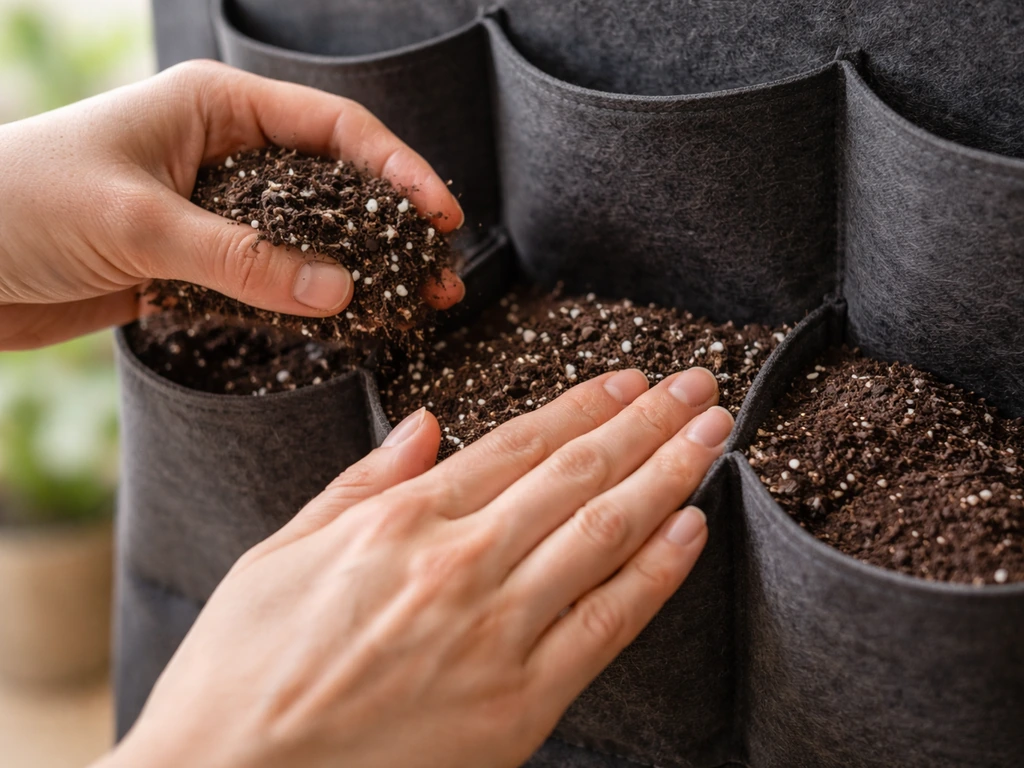
Don't use garden soil in vertical planters. It's too heavy, compacts quickly in confined spaces, and drains poorly. Use a good-quality potting mix, ideally one formulated for containers. For pocket-style systems, I like a mix that's about two-thirds high-quality potting mix and one-third perlite or coarse vermiculite. This keeps things light, improves drainage, and prevents the compaction that chokes lettuce roots. If you're using a hydroponic tower, the growing medium is usually net cups with a substrate like rockwool, hydroton (clay pebbles), or coco coir, and nutrients come from a liquid solution in the reservoir rather than the media itself.
Watering frequency in vertical systems
This is the biggest day-to-day challenge with vertical lettuce. Shallow pockets, especially fabric ones, dry out significantly faster than deeper containers. Washington State University Extension notes that shallow containers (8 to 10 inches deep) dry out faster than deeper ones, and in my experience, a fabric pocket in summer sun can go from moist to bone dry in a single warm afternoon. Plan on checking moisture daily. In hot weather, you may need to water twice a day. A general rule is that vegetables need about an inch of water per week, but in a vertical system exposed to wind or sun, double that estimate and adjust based on what you see.
Drip irrigation or a slow-drip top-water system makes managing a vertical planter much more realistic at scale. If you're using a tower-style system, set a timer for irrigation cycles but monitor closely, especially in the first two weeks. Reddit communities for hydroponic tower users regularly report that their timer cycles aren't long enough to keep lettuce adequately watered in warm conditions, which causes root stress and wilting that's easy to mistake for overwatering.
Drainage and feeding
Every pocket or container needs a drainage hole. Water pooling at the base of a pocket is the fastest route to root rot and bottom rot in lettuce. If your vertical planter doesn't have drainage, add it before you plant. For feeding, lettuce is a light feeder but does benefit from a balanced liquid fertilizer (something like a 5-5-5 or 10-10-10 ratio) every two to three weeks once plants are established. Don't overfeed: high nitrogen can push soft, sappy growth that's more prone to aphid attacks.
Spacing, planting depth, and arranging lettuce on tiers
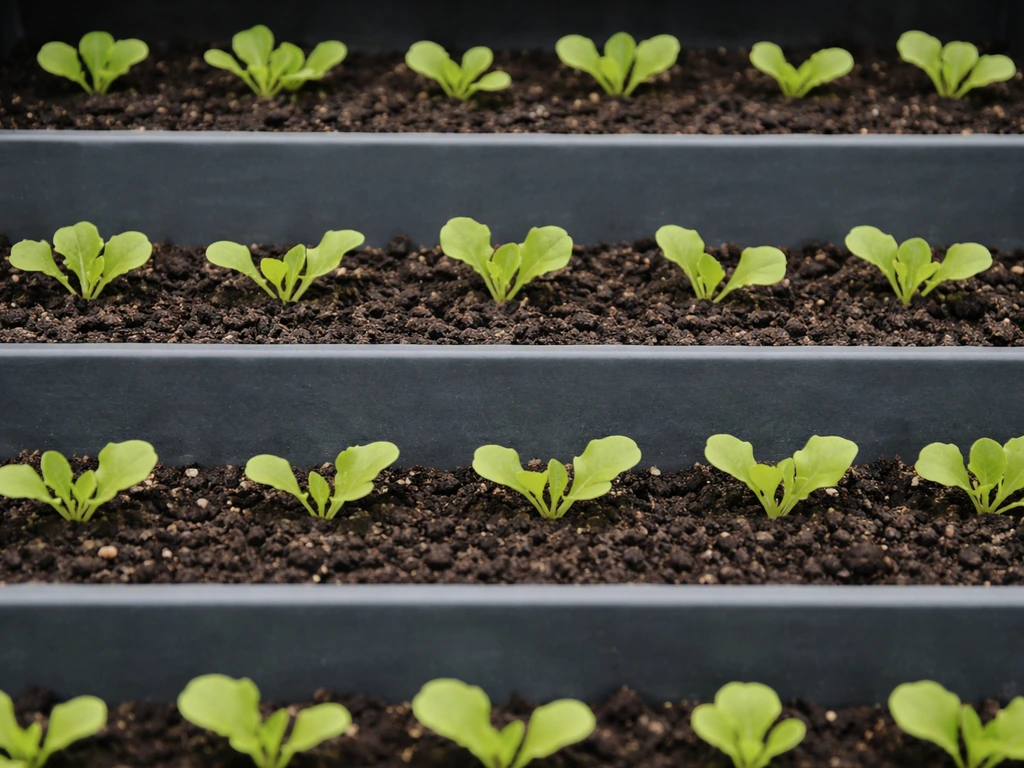
In a traditional bed, leaf lettuce is typically spaced 10 to 12 inches apart, and head lettuce needs 8 to 12 inches between plants in a row. In a vertical system, you're working within whatever pocket size you have, so spacing is partly predetermined by the design of the planter. The key rule is one plant per pocket for most systems. If your pockets are larger (6 inches or wider), you can push two small leaf lettuce plants per pocket, but watch for crowding.
For planting depth, lettuce seeds are tiny and need to be near the surface. Sow them at a depth of about twice the seed's thickness, which in practice means pressing them just barely below the surface, about one-eighth of an inch. If you want a head start, you can start lettuce in seed trays first and then transplant the seedlings into your vertical pockets once they are established. Cover lightly with fine potting mix or vermiculite and keep the surface consistently moist until germination, which usually takes 7 to 14 days. If you're using a tower system with net cups, Tower Garden's guidance recommends placing 6 to 12 lettuce seeds per hole, then thinning to the two or three strongest seedlings once they've germinated.
On a tiered or tower system, put your slower-growing or larger varieties (romaine, butterhead) in the middle tiers where light is most consistent, and place fast-growing loose-leaf types in the top or outer pockets where conditions tend to be more variable. Rotate the entire structure by 90 degrees every few days if possible so all sides get even light exposure. This prevents one side from becoming leggy and pale while the sun-facing side races ahead.
When to plant, when to harvest, and how to keep greens coming
Planting timeline
Lettuce is a cool-season crop, so the best outdoor planting windows are early spring (4 to 6 weeks before your last frost date) and fall (6 to 8 weeks before your first frost). In a vertical system indoors or on a protected balcony, you can extend this significantly, but you're still fighting the same fundamental rule: once it gets hot, lettuce wants to bolt. For summer growing, aim to have plants in the ground by early spring so they're mature and being harvested before peak heat arrives. If you're starting from seed today in late June, an indoor or shaded balcony setup with grow lights or deep afternoon shade is your best bet for summer success.
Harvesting
For loose-leaf lettuce, start harvesting outer leaves once plants are 4 to 6 inches tall. Cut or pinch the outermost leaves and leave the center intact so the plant keeps producing. This cut-and-come-again approach is perfect for vertical systems because it keeps each pocket productive for four to six weeks before the plant runs out of energy or bolts. For butterhead and romaine, you can either harvest the whole head when it's mature or take outer leaves progressively. Harvest before hot, dry weather sets in since both flavor and texture deteriorate quickly once temperatures climb.
Succession planting to keep greens coming
The best way to maintain a steady supply of lettuce from a vertical system is succession planting: stagger your planting so that not all pockets are at the same growth stage at once. Every two to three weeks, replace pockets that have finished producing with fresh seedlings or new seeds. This keeps the system continuously producing rather than giving you a feast followed by a long gap. In a 20-pocket vertical panel, I like to run four rotation groups of five pockets each, offset by about two weeks. When one group bolts or finishes, those pockets get refreshed while the others are mid-harvest.
Fixing the most common problems in vertical lettuce systems
Bolting
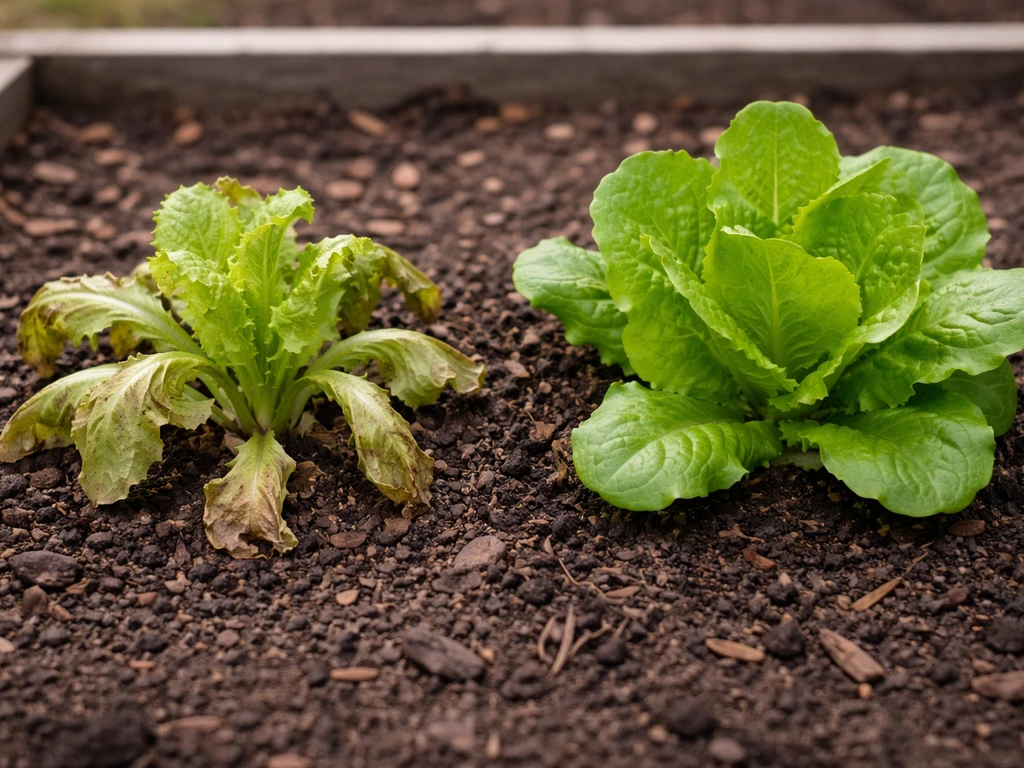
If your lettuce is sending up a tall center stalk and leaves are turning bitter, it's bolting. This is almost always triggered by high temperatures above 80°F, long daylight hours, or both. Once bolting starts, you can't reverse it, but you can harvest whatever usable leaves remain immediately before bitterness takes over. Going forward, shade the system during peak afternoon heat, choose bolt-resistant varieties (look for 'slow-bolt' in the variety name), and time plantings to avoid midsummer heat.
Plants drying out constantly
If you're watering daily and plants still wilt by afternoon, the pockets are too small or the growing medium is draining too fast. Add more water-retentive material like coco coir or fine vermiculite to your mix, and consider self-watering inserts if your pocket system supports them. Fabric pocket panels specifically are notorious for fast drying, and a thin plastic liner inside the pocket can slow moisture loss without blocking drainage entirely.
Tipburn (brown leaf edges)
Brown, papery edges on inner leaves are tipburn, a physiological disorder linked to inconsistent watering and low calcium uptake in rapidly expanding tissues. It's not a pest or disease, but it does mean leaves are unpleasant to eat. According to UC IPM, tipburn is caused by water stress preventing adequate calcium movement to fast-growing leaf tissue. The fix is more consistent watering, better airflow, and avoiding large swings between wet and dry. Calcium sprays are largely ineffective for interior leaves, so prevention is the only real strategy.
Pests
Aphids are the most common pest on vertical lettuce. They love the soft, nitrogen-rich growth and tend to cluster on the undersides of leaves and in tight spaces between stacked pockets. Check weekly and knock aphids off with a strong stream of water, or apply insecticidal soap if numbers are building. Slugs can also be a problem at lower tiers on ground-level vertical systems. Raising the base of the planter off the ground by even a few inches makes a big difference.
Uneven growth across tiers
Upper tiers often get more light and dry out faster, while lower tiers may be too shaded and stay too wet. If you notice consistent differences in growth rate between levels, rotate the structure regularly, adjust watering for individual tiers rather than watering everything equally, and consider putting more light-tolerant varieties at the top. This uneven growth is normal in any tiered system and is more about management than a setup flaw.
Your quick-start checklist for vertical lettuce
If you want to get started today, here's what to prioritize so you're not second-guessing yourself: If you want to try pairing with tomatoes in an Aerogarden, make sure you match light and watering needs so neither crop gets stressed.
- Choose a planter system: tiered pots are easiest for beginners; tower planters or pocket panels if you want more plants in less floor space.
- Pick the right lettuce variety: start with a loose-leaf type like Black Seeded Simpson, Salad Bowl, or Red Sails. They're fast, forgiving, and perfect for vertical pockets.
- Use a lightweight potting mix with added perlite (roughly 2: 1 ratio). Don't use garden soil.
- Make sure every pocket or container has drainage. Non-negotiable.
- Position the system where it gets at least 6 hours of light, or set up full-spectrum LED grow lights on a 16-hour timer for indoor setups.
- Water daily (sometimes twice daily in warm weather) and check moisture levels each morning.
- Sow seeds just below the surface, about one-eighth inch deep. Thin to one or two plants per pocket once seedlings are established.
- Start harvesting outer leaves when plants reach 4 to 6 inches. Don't wait for full heads.
- Begin a second batch of seeds 2 to 3 weeks after your first planting so you always have a new round coming in.
Lettuce is genuinely one of the most rewarding crops to grow vertically because the turnaround is fast and the results are immediately useful. You'll know within four to six weeks whether your setup is working. If something goes wrong, it's almost always heat, inconsistent water, or poor drainage, and all three are fixable. Start simple, get one round of loose-leaf lettuce to harvest, and you'll have enough hands-on knowledge to expand your system with confidence.
FAQ
Can you grow lettuce in a vertical garden during summer heat?
Yes, but only if the system keeps the root zone from overheating and drying out. Use shade or move the tower to a cooler spot, check moisture at least once mid-day, and plan on shorter watering cycles with more frequency rather than longer infrequent soaks. In many climates, consistent bolting risk means summer lettuce is best grown under partial afternoon shade or with a cool-microclimate setup.
My lettuce wilts by afternoon in my vertical setup, is it overwatering or underwatering?
Don’t judge wilting by the top leaves alone. If the pockets feel light for their size or the surface dries quickly, the issue is usually under-watering, not overwatering. Lift one pocket and check moisture through the media, then adjust irrigation based on how long it takes the pocket to return to evenly damp.
What lettuce types are most reliable for vertical gardens, especially for beginners?
Start with loose-leaf types like leaf or butterhead, and seed toward the top third if your system is indoors or on a north-facing balcony. If you must grow romaine, give it deeper pockets and more stable light, since it takes longer to mature and is less forgiving when conditions swing.
How many lettuce plants should I put in each vertical pocket or container?
For most vertical pocket systems, one plant per pocket is the safer default because airflow is limited. If your pockets are large (about 6 inches wide), two small plants can work, but you should thin early to prevent overlapping leaves, which can increase rot and tipburn risk.
What potting mix works best for lettuce in vertical planters, and what should I avoid?
Use a potting mix that stays airy in shallow spaces, and avoid anything that compacts when it dries and re-wets. A common approach is combining potting mix with a water-holding but still loose component like coco coir, plus perlite or fine vermiculite for structure, then ensure each pocket has a functioning drainage hole.
How do I prevent upper tiers from drying out faster than lower tiers?
If you have a fixed wall system, aim for tier-specific control. Add shade cloth during peak sun, rotate the panel when possible, and consider splitting irrigation zones if your design allows so upper tiers can get different watering from lower ones.
How can I tell if drainage in my vertical garden is actually working at each level?
Install a simple runoff check: place a tray under a sample tier, water until it fully drains, then confirm you see steady outflow from that level. If water pools at the base of pockets, add or clear drainage and consider raising the entire planter slightly, because pooling accelerates bottom rot.
Can I start lettuce seeds in trays and then transplant them into vertical pockets?
Yes, start seeds in trays for reliability, then transplant when seedlings have established roots and 2 to 3 true leaves. Keep the transplanting fast to reduce stress, water thoroughly after setting them into pockets, and expect a short pause in growth before they resume.
When should I harvest lettuce from a vertical garden, and how do I keep the plants producing longer?
Use cut-and-come-again harvest for the outer leaves, but don’t repeatedly harvest the same side if your light is uneven. Rotate the structure regularly, and stop harvesting during the hottest weeks if the plant is pushing a bitter profile, then refresh with new seedlings once conditions cool.
What should I do if my lettuce gets tipburn in a vertical garden?
If tipburn shows up (brown, papery edges on inner leaves), the fix is stabilization: water more consistently, reduce wet-dry swings, and improve airflow by spacing or thinning plants. Calcium sprays usually won’t correct inner-leaf tipburn, so focus on irrigation consistency and root uptake.
How do I manage aphids on vertical lettuce without damaging the plants?
It helps to preempt aphids where you can’t easily reach, start weekly checks on undersides of leaves, and knock them off early with a strong water spray. For tighter stacked systems, treat as soon as you see clusters, because they multiply quickly in the sheltered spaces between pockets.
How do I dial in drip irrigation timing for lettuce in a vertical garden?
A good rule is to expect irrigation to change with weather, sun angle, and pocket depth. Set a baseline timer, then verify moisture daily for the first week by checking several representative pockets, especially the top and the sun-facing side, adjusting cycle length and frequency until the media stays evenly damp.
If my lettuce bolts, is there anything I can do besides pulling it?
You generally can’t reverse bolting, but you can salvage by harvesting usable leaves immediately and improving shade and watering for the remaining foliage. Going forward, choose slow-bolt varieties, start plants earlier or later in the season, and use afternoon shade to reduce the days when temperatures exceed the lettuce bolting threshold.