You can grow lettuce with very few bug problems if you focus on prevention first: use row cover or fine mesh netting from day one, keep spacing open for airflow, time your planting to avoid peak pest pressure, and stay on top of garden hygiene. If pests still show up, knock them back fast with a strong water spray, hand-picking, or targeted organic sprays like insecticidal soap. The key is catching problems early, because lettuce grows fast and damage that looks minor on Monday can ruin an entire head by Friday.
How to Grow Lettuce Without Bugs: Prevention and Fixes

Marcus Holloway
13 Jun 2026
The most common lettuce bugs and how to spot them
Before you can fix a bug problem, you need to know what you're dealing with. These are the pests you're most likely to encounter on lettuce, depending on your setup and region.
Aphids
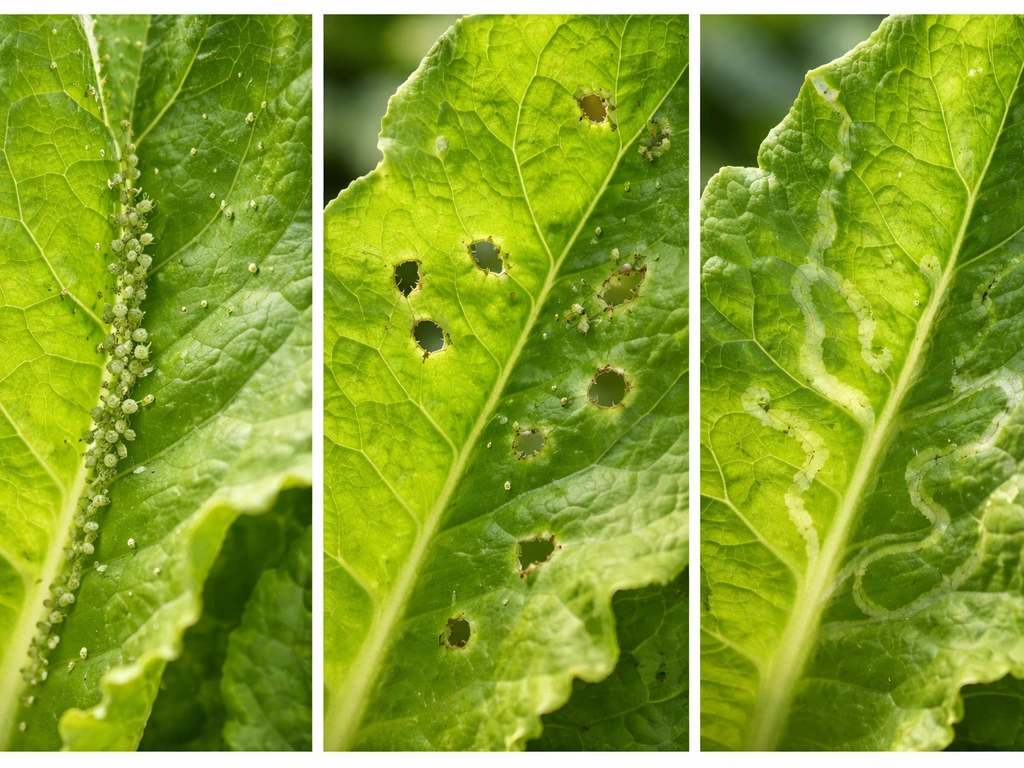
Aphids are tiny, soft-bodied insects, usually pale green or yellow, that cluster on the undersides of leaves and along stems. They suck plant sap and reproduce fast. The first sign is often curling or puckering leaves, or a sticky residue called honeydew that leads to a black sooty mold coating the leaf surface. Check the undersides of leaves regularly, because aphids hide there and populations can explode before you notice them on top.
Flea beetles
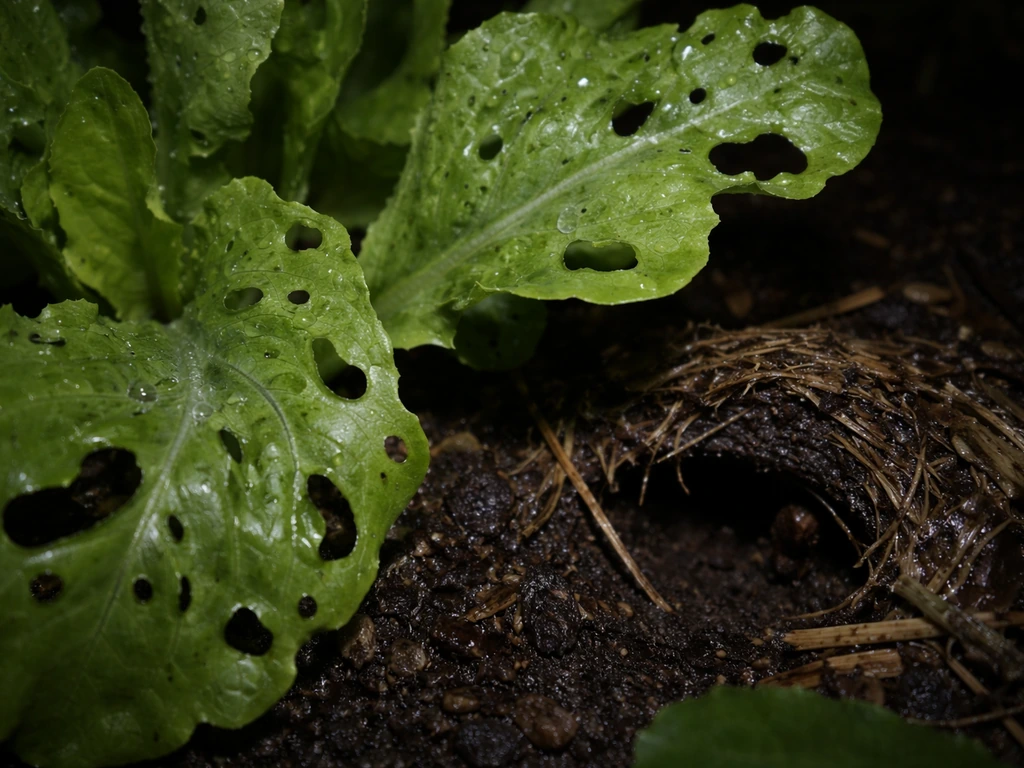
Flea beetles leave a very distinctive calling card: small, round, shot-hole-style holes punched through the leaf. The beetles themselves are tiny and jump away like fleas when disturbed, which is where they get their name. They're most active in early spring, which means young transplants and seedlings are especially vulnerable right after you put them in the ground.
Slugs and snails
Slugs and snails feed at night and in damp conditions, chewing irregular, ragged holes through leaves, often right down to the midrib on young plants. The tell-tale sign is the silvery slime trail they leave behind. You might never see them during the day because they hide under mulch, boards, or soil clumps. Check for them with a flashlight in the evening if you're seeing damage but no insects.
Cutworms
Cutworms are caterpillar larvae that curl up in the soil and sever young plants right at the soil line overnight. You walk out in the morning and find a healthy seedling just lying flat, cut clean through. They tend to do their damage earlier in the season and are more of a threat to transplants than established plants. Check for them by digging around the base of a cut plant, since they hide in the top inch or two of soil.
Leafminers
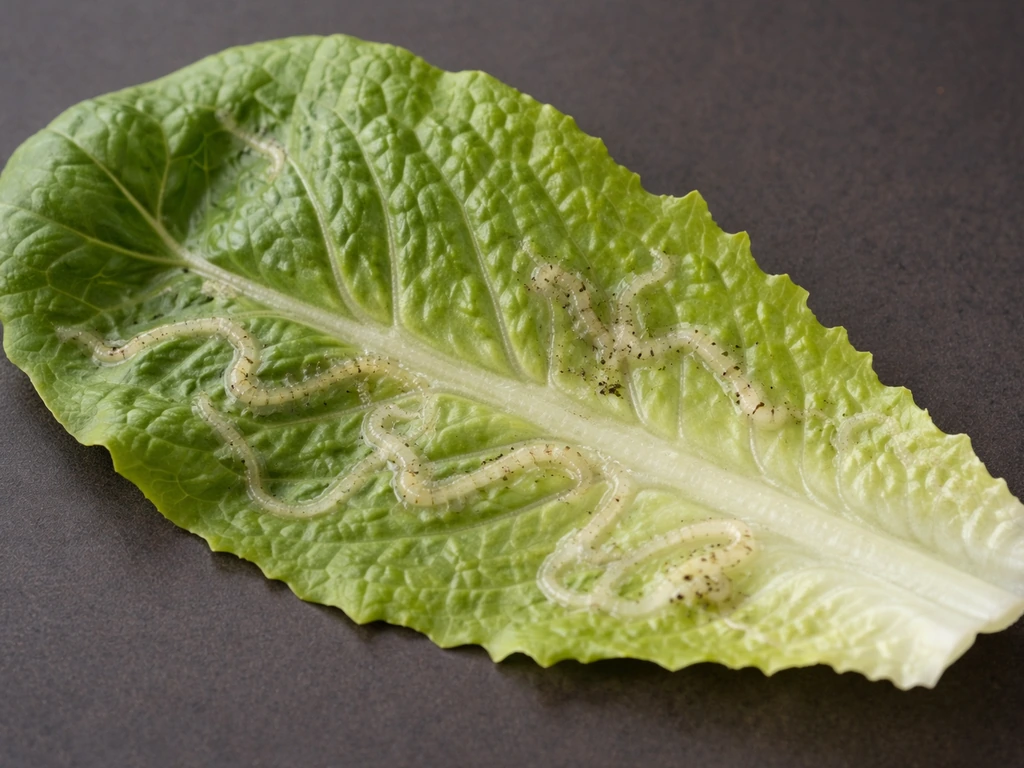
Leafminers are fly larvae that tunnel inside the leaf tissue, leaving winding, whitish or tan squiggly trails called serpentine mines. The damage is inside the leaf, so sprays don't reach the larvae once they're in there. Even leaves that look mostly okay can have larvae finishing their cycle and ready to pupate. This is a pest you really need to prevent rather than cure, because by the time you see the mines, the damage is already done.
Whiteflies and spider mites
Whiteflies are more of a concern in warmer climates, greenhouses, and indoor setups than in cool-season outdoor beds. They're tiny white insects that swarm up in a cloud when you disturb the plant. They spread by hitchhiking on infested transplants from garden centers, so this is one pest you can often avoid entirely by inspecting plants before you bring them home or inside. Spider mites are most common in hot, dry indoor or greenhouse conditions and show up as fine stippling on leaves with tiny webbing on the undersides.
A prevention plan built around your growing conditions
Prevention is genuinely easier than control with lettuce, and it all comes down to four things: timing, spacing, environment, and sanitation. Get these right and you'll sidestep most pest problems before they start.
Timing your planting around pest pressure
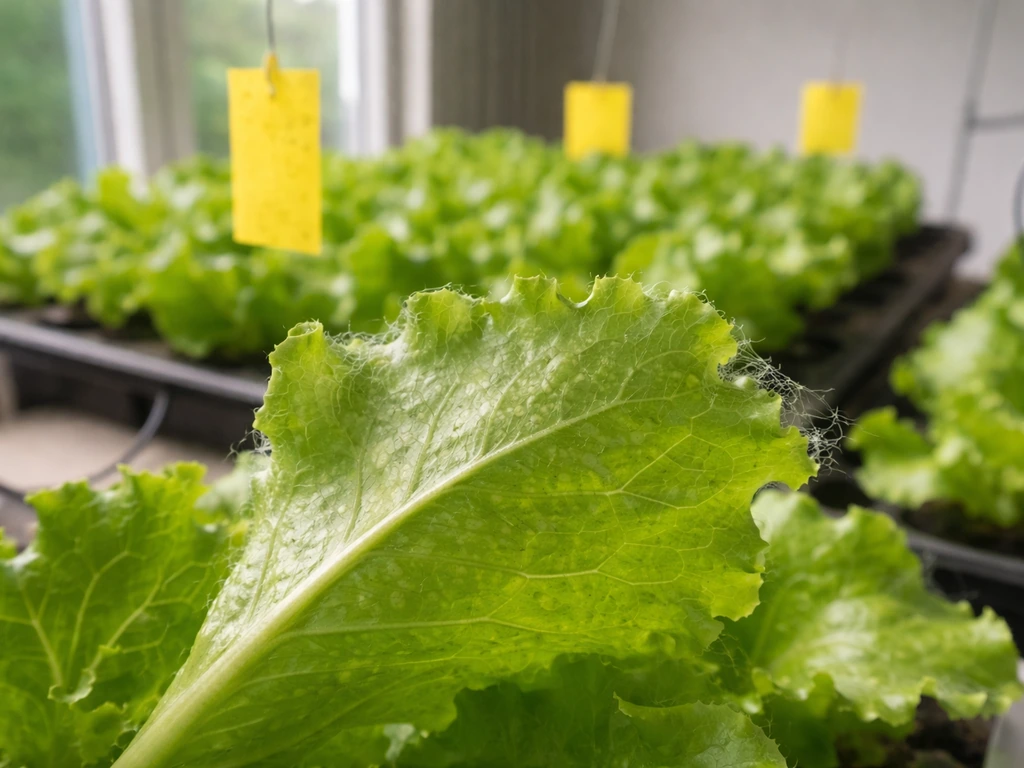
Lettuce is a cool-season crop, and most of its worst pests, like flea beetles, are most active in spring when temperatures are climbing. If you plant early enough (before flea beetles become active) or shift to a fall planting after their populations crash, you can skip that window entirely. In June 2026, depending on your zone, a fall planting is actually your best bet right now for avoiding flea beetle pressure. Aim to have plants in the ground in late summer so they mature in cool fall weather.
Spacing for airflow
Dense, crowded lettuce is a pest magnet. Poor airflow creates the humidity that slugs and certain fungal issues love, and packed plants make it easy for soft-bodied insects like aphids to spread from one plant to the next. Giving lettuce enough room (generally 8 to 12 inches between plants for heading types, 6 inches for loose-leaf) lets air move through, makes it easier to spot problems early, and keeps the environment less hospitable to pests overall.
Soil health and watering habits
Healthy plants in well-amended soil tolerate minor pest pressure much better than stressed ones. Work compost into beds before planting. Water in the morning rather than the evening so foliage and soil surfaces dry out by nightfall, which is one of the easiest ways to reduce slug activity. Avoid overhead watering if you can, especially as plants mature, and don't let puddles or standing water sit near the bed.
Sanitation basics
Clean up dead leaves, spent plants, and debris promptly. Slugs, cutworms, and aphids all love to shelter in plant debris and weedy areas adjacent to your lettuce. After you harvest or remove a plant, clear out the root and any surrounding mulch. If you grow lettuce in containers (which many people do on balconies or patios, given the small-space appeal), wash pots between plantings to break pest cycles. Rotate where you plant lettuce in the ground each season so soil-dwelling pests don't build up in one spot.
Physical barriers that stop bugs before they start
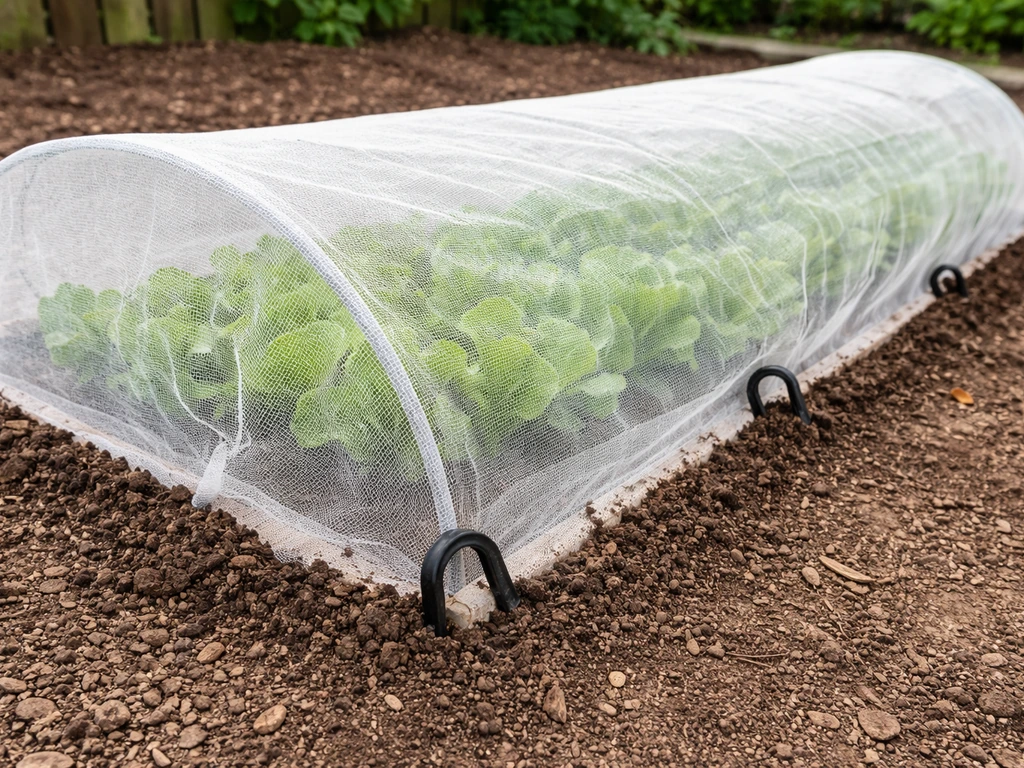
If I had to pick one tool for growing lettuce without bugs, it would be row cover. A lightweight floating row cover (also called insect netting or garden fabric) placed directly over the bed or supported on hoops creates a physical barrier that prevents most flying and crawling insects from reaching your plants. Use it from the day you transplant or seed, and keep the edges sealed with soil, rocks, or pins. This alone can eliminate flea beetle, leafminer, and caterpillar damage almost entirely.
One important note on row cover: when you lift it to water, weed, or harvest, flea beetles can get underneath. Be intentional about when you open the cover and reseal it quickly. For outdoor beds and container setups on a balcony or patio, a fine mesh netting draped over a simple frame works just as well and is easier to reuse season after season.
For cutworms specifically, a simple physical collar around each transplant works well. Cut the bottom off a paper cup, plastic bottle, or piece of cardboard tubing and press it about an inch into the soil around the stem. This prevents the cutworm from reaching the plant's base. It's low-tech and it works.
For slugs and snails, copper tape around the rim of containers creates a mild deterrent. Removing their hiding spots, like boards, thick mulch layers, and leaf piles near the bed, matters just as much as any barrier.
Organic and mechanical controls to use when bugs show up anyway
Even with good prevention, something will find your lettuce at some point. Here's how to handle the most common scenarios without reaching for harsh chemicals that could damage soft lettuce leaves or contaminate your harvest.
For aphids
Start with a strong blast of water from a hose or spray bottle. Knocking aphids off the plant this way is surprisingly effective and costs nothing. Do it a few days in a row and you'll often break the infestation. If that's not enough, move to insecticidal soap spray.
Commercial insecticidal soap is the better choice over homemade soap mixtures, which can burn lettuce leaves. Spray thoroughly, making sure to cover the undersides of leaves where aphids cluster. Apply in the early morning or evening to avoid leaf scorch. Repeat every 3 to 5 days for two to three applications.
Natural predators like ladybugs and parasitic wasps will also show up if you give them a chance, so avoid broad-spectrum sprays that kill beneficials.
For slugs and snails
Hand-picking at night with a flashlight is the most direct method and works well for small gardens and containers. Drop them in soapy water. If the population is large or you'd rather not do that, iron phosphate bait is the safest option for food gardens because it breaks down into iron and phosphate in the soil. Sprinkle it around the base of plants. Slugs stop feeding within a few days of eating it and die within about a week. Avoid metaldehyde-based baits in food gardens, especially if pets or wildlife are nearby. Remember that bait alone won't be enough if you haven't also removed the shelter, moisture, and food sources that are letting slugs thrive.
For flea beetles
Row cover is your best tool. For plants already affected, diatomaceous earth dusted around the base of plants and on the soil surface can deter them. Flea beetle damage on established plants is often cosmetic and the plants can usually grow through it. Young seedlings are much more vulnerable, so focus your protection efforts in the first two to three weeks after germination or transplanting.
For leafminers
Remove and dispose of mined leaves immediately. Don't compost them, because larvae can still complete their life cycle. Row cover before planting is your main prevention tool. Once larvae are inside the leaf, no spray will reach them. If pressure is high, rotating to a different bed location next season helps break the cycle.
For whiteflies and spider mites
Both respond to insecticidal soap and horticultural oil sprays, applied thoroughly to all leaf surfaces including undersides. For whiteflies, yellow sticky traps also help reduce adult populations and serve as a great early-warning monitoring tool. The most important step with whiteflies is inspecting any transplant you bring in from a nursery or greenhouse before it goes in your growing space. One infested plant can spread whiteflies to everything nearby, which is especially problematic in enclosed indoor or hydroponic setups.
Troubleshooting by setup: outdoor beds, containers, indoors, and hydroponics
Pest pressure and your best options for dealing with it change significantly depending on where you're growing. Here's a practical breakdown.
| Growing Setup | Highest-Risk Pests | Best Prevention | Best Control When Pests Appear |
|---|---|---|---|
| Outdoor garden beds | Flea beetles, slugs, cutworms, aphids, leafminers | Row cover from day one, morning watering, debris removal, crop rotation | Water blast for aphids, iron phosphate bait for slugs, cutworm collars, remove mined leaves |
| Containers on balcony or patio | Aphids, whiteflies, slugs (less common), flea beetles | Inspect transplants, copper tape on pots, row cover or fine mesh | Insecticidal soap, hand-pick pests, move container out of problem microclimate |
| Indoor grow lights | Aphids, whiteflies, fungus gnats, spider mites, thrips | Inspect all incoming plants, keep grow area clean, control humidity | Isolate infested plants immediately, insecticidal soap or horticultural oil, sticky traps |
| Hydroponic systems | Aphids, whiteflies, thrips, mites (all soft-bodied) | Strict sanitation of equipment and grow area, inspect all transplants | Isolate immediately, remove heavily infested plants, insecticidal soap with careful rinsing |
Outdoor beds
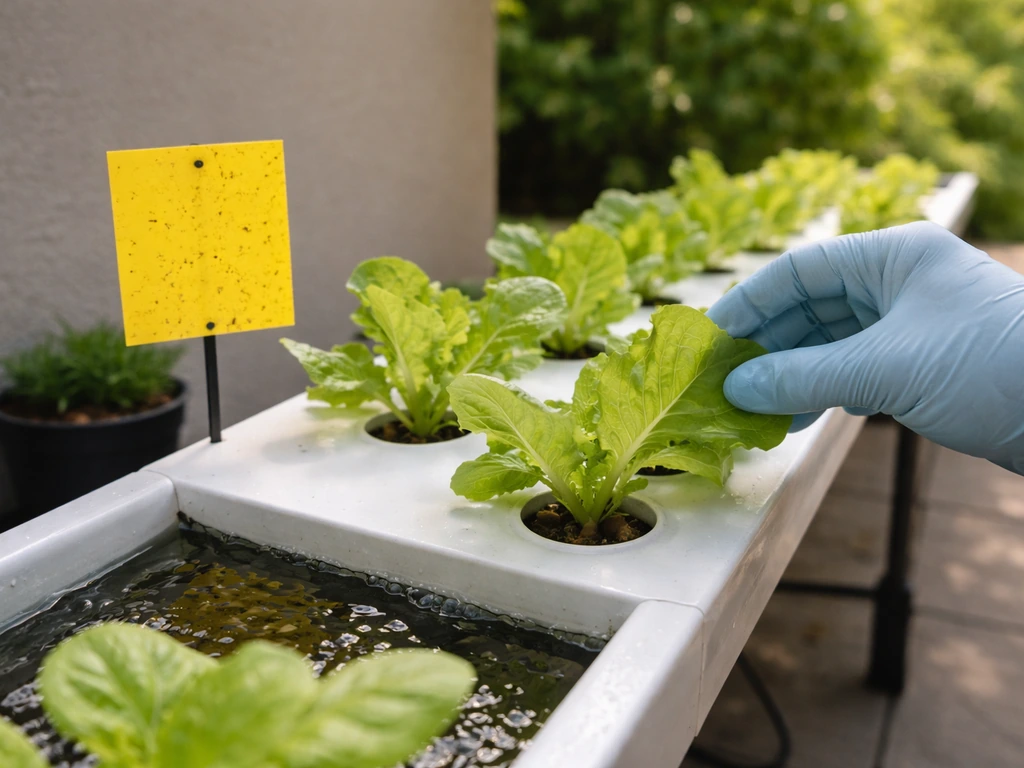
Outdoor lettuce has the widest range of potential pests but also benefits from natural predators. Encourage beneficials by avoiding broad-spectrum pesticides. Row cover is your workhorse here. Time plantings for cool seasons to avoid the worst flea beetle and aphid pressure. Keep the bed edge clean and don't let weeds pile up along the perimeter where pests overwinter.
Containers on a balcony or patio
Container-grown lettuce, which is one of the most practical ways to grow in a small space, actually tends to have fewer soil-dwelling pest issues than in-ground beds. Aphids and whiteflies are your main concerns. Because you're working with a small, contained space, hand control and soap sprays are very practical.
If you’re growing in a window box, the same container principles apply: watch for aphids and whiteflies and use quick hand control or targeted soap sprays can you grow lettuce in a window box. If you want a balcony-ready setup, plan for containers, consistent watering, and the right timing so lettuce stays vigorous and less attractive to pests grow lettuce on a balcony. If a container is plagued with pests, you can move it.
Keep containers off the ground if slugs are a problem in your area.
Indoor growing under lights
Indoor lettuce is mostly protected from outdoor pests, but the enclosed environment creates different risks. Whiteflies, aphids, thrips, and spider mites can all thrive indoors where there are no natural predators and no rain to knock pests off plants. The number one rule indoors is sanitation: keep the grow area clean, remove dead leaves promptly, and never bring in a plant from outside or a nursery without inspecting it carefully first. If you find pests on one plant, isolate it immediately before it spreads to others. Sticky yellow traps near your grow lights help you catch problems early.
Hydroponic setups
Hydroponics removes soil-dwelling pests from the equation entirely, which is a genuine advantage. But soft-bodied insects like aphids, thrips, mites, and whiteflies can still find their way in through open windows, ventilation, or infested transplants. Sanitation is the primary management tool in any hydroponic system: clean your reservoir, net cups, and growing channels between cycles. If pests appear, act immediately because there are no beneficial insects to slow them down and the enclosed system lets populations build faster.
Your weekly monitoring routine (and what not to do)
The best thing you can do for bug-free lettuce is spend five minutes looking at your plants once or twice a week. Most pest infestations are easy to control when caught early and nearly impossible to recover from once they've gone unchecked for two or three weeks.
What to check each week
- Flip several leaves and look at the undersides for aphids, whitefly eggs, or mite stippling
- Look for shot holes or ragged edges that signal flea beetles or slugs
- Check for serpentine trails inside leaf tissue that indicate leafminer activity
- Scan the soil surface near stem bases for cutworm activity if any seedlings look cut or wilted
- Check sticky traps (if you're using them indoors or in a greenhouse) and replace them when they're covered
- Look for slime trails in the early morning or use a flashlight check the evening before if you're seeing slug damage
When to act
Act on the first sign of any pest, not the second or third. Aphid colonies can double in days. Slug damage that starts as one or two holes can strip a plant completely within a week in wet conditions. The threshold for action on lettuce is low because it's a fast-growing, leafy crop where damage directly affects what you eat. If you see even a handful of aphids, start water-blasting immediately. Don't wait and see.
What to avoid
- Don't use broad-spectrum insecticides on or near lettuce. They kill beneficial predators that would otherwise help keep pest populations in check, and chemical residues on edible leaves are a real concern.
- Don't apply insecticidal soap or horticultural oil in the heat of the day or in direct bright sun, which can cause leaf burn on lettuce.
- Don't rely on a single control method if an infestation is already established. Combine mechanical removal, soap sprays, and environmental changes for faster results.
- Don't skip the underside of leaves when spraying. Most soft-bodied insects live and feed there, and a spray that only hits the top of the leaf does almost nothing.
- Don't compost leaves with active leafminer larvae or aphid colonies. Bag and dispose of them to avoid spreading the problem.
- Don't assume the problem is gone after one treatment. Follow up two to three days later and keep monitoring weekly.
Your prevention checklist to start clean
- Choose your planting timing to avoid peak flea beetle season (early spring or fall planting)
- Amend soil or potting mix with compost before planting
- Space plants properly for airflow (6 to 12 inches depending on variety)
- Install row cover or fine mesh netting on day one, with edges sealed
- Place cutworm collars around individual transplants if cutworms have been a problem before
- Water in the morning and avoid evening overhead watering to reduce slug conditions
- Remove debris and spent plants from in and around the bed promptly
- Inspect any purchased transplants before introducing them to your growing space
- Set up at least one yellow sticky trap if growing indoors or in a greenhouse
- Mark your calendar for weekly five-minute pest checks from the day you plant
FAQ
Can I keep row cover on the entire season, or do I need to remove it often?
Yes. Row cover works well, but if the cover touches plants, you can trap heat and reduce airflow. Use hoops or tall stakes so the fabric stays a few inches above the lettuce, then keep the edges sealed so pests cannot crawl underneath while you’re away.
What’s the biggest mistake people make when using row cover (and how do I avoid it)?
If you do not seal edges after lifting the cover, flea beetles will slip in and new feeding punctures can appear within days. Water and reseal quickly, and if possible, lift only one side like a tent flap so the rest stays closed.
At what stage of growth should I worry most about flea beetles?
For flea beetle damage on seedlings, the timing matters more than intensity. Protect plants for the first 2 to 3 weeks after germination or transplanting, then reassess, because established lettuce often tolerates some cosmetic holes better than young transplants.
How can I prevent cutworms before I lose seedlings overnight?
Use row cover or netting as the primary barrier, but for cutworms add collars immediately at transplant time (not after you already lost plants). Check the collars after a week, because soil settling or mulch shifts can expose the stem base.
If leafminers show up, is there anything I can do besides removing leaves?
You can reduce leafminer losses by removing the first mined leaves as soon as you spot serpentine trails, and discarding them instead of composting. Also keep row cover on to prevent flies from laying eggs, since sprays generally cannot reach larvae inside the leaf.
When should I spray for aphids, and how do I make insecticidal soap work better?
For aphids, insecticidal soap works best when applied thoroughly to leaf undersides and repeated on a schedule. Also, blast and treat early in the day’s cooler part of the morning or evening to reduce the risk of leaf scorch and improve contact.
What’s the best time and method to control slugs if I want to avoid bait?
Hand-picking is effective when infestations are small, but it is easiest to do right after the sun goes down because slugs and snails are more active then. If you find them only one night, keep checking for several evenings until damage and slime trails stop.
Does diatomaceous earth actually control slugs and aphids, or is it too unreliable?
Diatomaceous earth can deter some soft-bodied pests, but it only works well when dry and actually present where the pest crawls. Apply lightly to dry soil and reapply after watering or rain, and pair it with shelter removal because DE alone often fails if slugs have hiding spots nearby.
How much should I rotate lettuce beds to break pest cycles?
Don’t automatically rotate only once. If you have repeated flea beetle or cutworm problems, rotate to a different bed location each season and avoid planting close relatives in the same spot for at least a year so soil and pest pressure do not build up.
What should I do if pests appear indoors, especially in a small grow area?
Yes. Indoor and hydroponic setups often see faster spread because there are fewer natural checks. If you find pests on one plant, isolate it immediately, remove dead leaves, and place sticky yellow traps near lights so you can detect new arrivals early before they multiply.
How can I avoid bringing bugs into my garden when buying nursery plants?
Absolutely. Check transplants at the supplier before planting, look specifically at leaf undersides for aphids, and avoid bringing in plants that have sticky residue, sooty mold, or visible whitefly activity. A quick rinse or wipe can dislodge some insects, but better screening prevents a full infestation.
How do I tell whether my pest treatment is actually working (and when to change tactics)?
A sign that control efforts are working is consistent reduction, not instant perfection. For aphids treated with water or soap, aim for fewer clustered insects and less leaf curling within a few days, then repeat the treatment before populations rebound.
Where should I put slug bait so it works, and why might bait seem ineffective?
If you are using baits, place them where pests travel, not where you want them to stay. For iron phosphate, apply around the base of plants and keep the area clean of hiding spots, otherwise slugs may feed elsewhere and you may see bait “failure” even though it is still toxic to them.