You can grow crisp, harvestable lettuce in as little as 30–35 days for baby leaf or 40–45 days for loose-leaf varieties, using nothing more than a 6-inch-deep container, a sunny window or grow light, and a bag of potting mix. Leaf lettuce is the variety to start with: it's faster, more shade tolerant, more cold hardy, and far more forgiving in containers than head lettuce or romaine.
How to Grow Lettuce in a Small Space: Simple Setup Guide
Marcus Holloway
1 Jul 2026
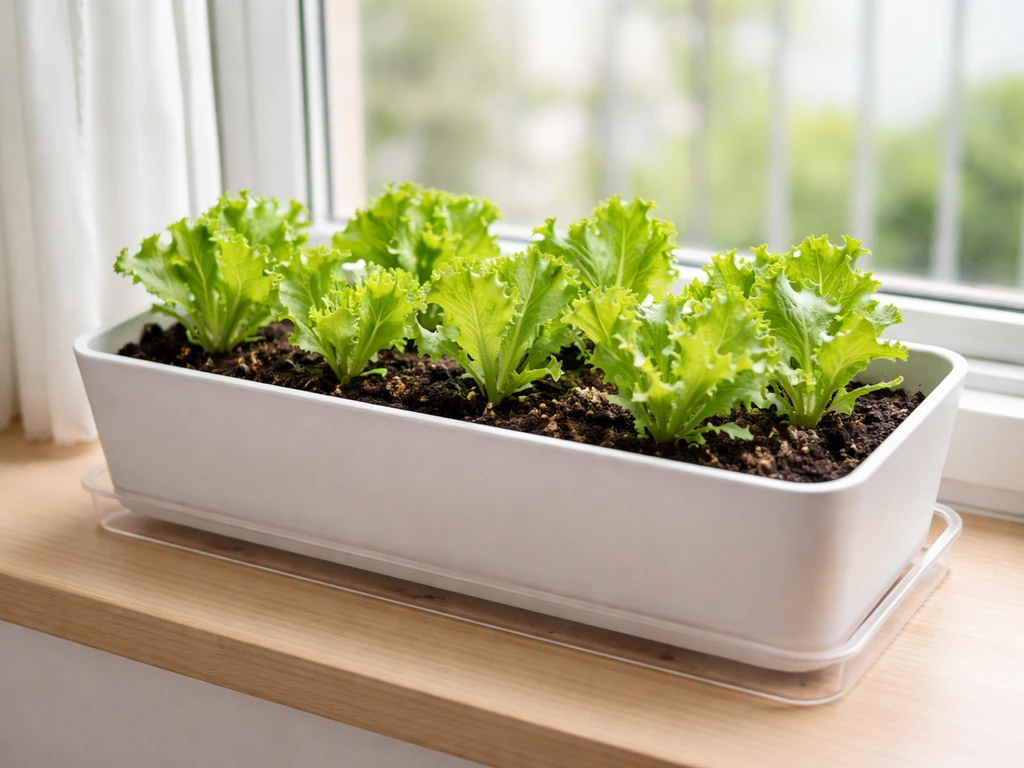
Whether you're working with a windowsill, a balcony railing planter, or a small patch of floor space with a grow light, the basic setup is the same, the right container, decent drainage, consistent moisture, and a heat-tolerant variety. For more specific tips on setting up containers and keeping plants cool, see our guide on how to grow lettuce on balcony. Here's exactly how to do it.
Best lettuce varieties for small spaces
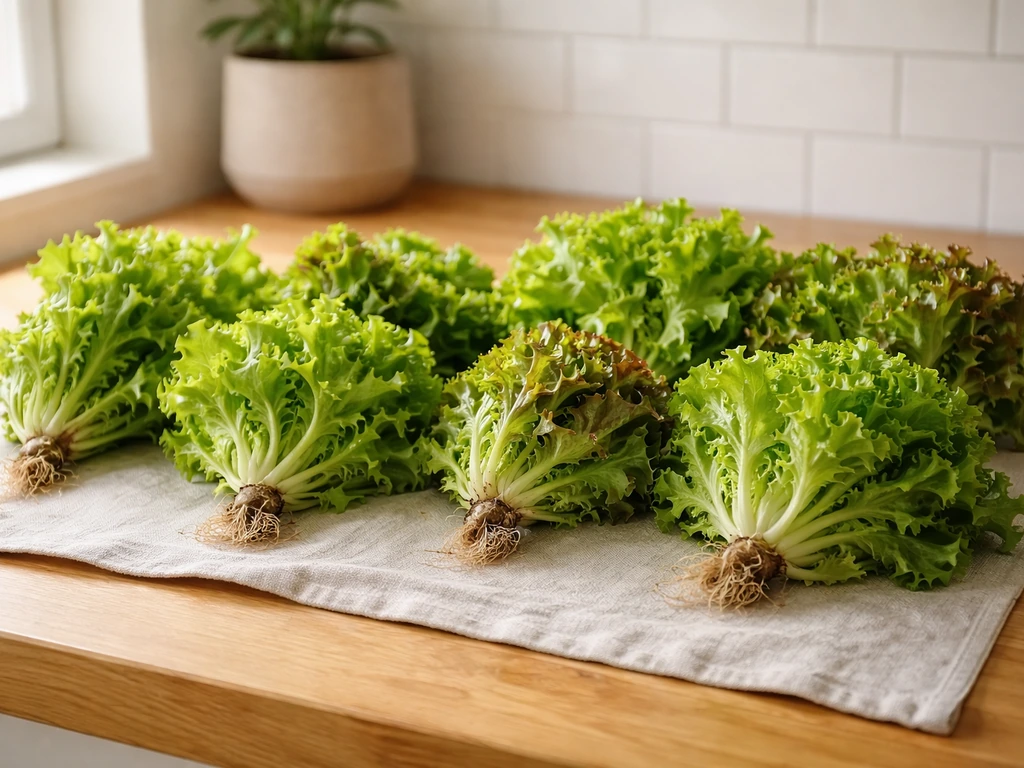
Not all lettuce behaves the same in a tight space or a warm apartment. Leaf lettuce is the clear winner for small-space growing: it matures in 40–45 days (or 30–35 days if you harvest baby leaves), takes up minimal room, tolerates partial shade better than other types, and bounces back from a cut-and-come-again harvest. Butterhead varieties like 'Buttercrunch' are a close second, compact, sweet, and relatively heat tolerant. Romaine and crisphead types need more space (10–14 inches between plants) and more consistent cool temperatures, so they're harder to manage indoors or in a small balcony planter.
For heat tolerance specifically, oak-leaf types are a smart pick, they're among the slowest to bolt when temperatures climb. Tropicana is worth seeking out if you're growing in summer; it has some of the best bolt resistance among loose-leaf types and produces crisp, green leaves. If you're in a hot climate or growing under lights that generate warmth, prioritize any variety labeled 'slow-bolt' or 'heat-tolerant.' For a windowsill or indoor grow-light setup, varieties bred for baby leaf production give you the fastest return and work beautifully in shallow containers.
| Type | Days to Harvest | Spacing Needed | Best For | Heat Tolerance |
|---|---|---|---|---|
| Loose-leaf (baby) | 30–35 days | 2–4 inches | Windowsills, small containers | Moderate–High |
| Loose-leaf (full) | 40–45 days | 4–8 inches | Window boxes, balcony planters | Moderate–High |
| Oak-leaf | 45–55 days | 4–8 inches | Summer/warm indoor growing | High |
| Butterhead | 55–65 days | 6–8 inches | Medium containers, patio planters | Moderate |
| Romaine | 70–80 days | 10–14 inches | Larger outdoor containers | Low |
Space, containers, and setup, soil vs. hydroponics
Container sizing and drainage
Lettuce roots are shallow, so you don't need a deep container, 6 inches of soil depth is enough for leaf varieties, and 8 inches works for butterhead. What matters more than depth is width: a standard 12-inch window box holds 3–4 leaf lettuce plants spaced 4 inches apart, and a 12-inch round pot fits about 4–5 plants using the same spacing. For a balcony railing planter or window box setup, that's a meaningful amount of lettuce from a very small footprint.
Drainage is non-negotiable. Use a container with holes at the bottom, if yours doesn't have them, drill a few about half an inch from the base. Fill with a lightweight potting mix designed to drain well (not garden soil, which compacts in containers and holds too much moisture). Before planting, pre-moisten the potting mix by mixing water into it so it's evenly damp throughout. Soggy, poorly draining media is one of the fastest ways to kill container lettuce through root disease and slow growth.
Soil vs. hydroponics
Soil-based containers are the easiest starting point and require the least equipment. For most apartment gardeners, a window box or 10–12 inch pot with good potting mix is all you need. Hydroponics, though, is genuinely excellent for lettuce in small spaces, it's actually one of the best crops for beginner hydroponic setups.
A simple Kratky (passive) system or a small DWC (deep water culture) tub takes up minimal space, grows lettuce faster than soil, and eliminates the mess of potting mix. If you go hydroponic, keep the nutrient solution pH between 5. 5 and 6. 5, and target an electrical conductivity (EC) around 1.
3. Both metrics are easy to measure with inexpensive handheld meters. The main risk in hydroponic lettuce is neglecting pH or EC drift, which causes nutrient deficiencies that look like slow growth, pale leaves, or tip burn.
| Setup | Cost to Start | Space Required | Skill Level | Speed to Harvest |
|---|---|---|---|---|
| Window box (soil) | Low | Very small | Beginner | 40–45 days |
| Indoor pot + grow light (soil) | Low–Medium | Counter/shelf | Beginner | 40–45 days |
| Kratky hydroponic (passive) | Low–Medium | Counter/shelf | Beginner–Intermediate | 30–40 days |
| DWC hydroponic system | Medium | Counter/shelf | Intermediate | 28–38 days |
My recommendation: if you've never grown lettuce before, start with a window box or pot and potting mix. Once you've run one or two successful cycles and understand how lettuce grows, a Kratky hydroponic setup is a genuinely fun upgrade that produces faster results in even less floor space.
Light and temperature, indoors and outdoors
How much light lettuce actually needs
Outdoors, lettuce needs about 3–4 hours of direct sun per day and does fine with dappled light the rest of the time. This makes it one of the most apartment-friendly crops because a north-facing balcony or a spot that gets afternoon shade is actually ideal, especially in summer. If you're growing on a balcony or patio, give it morning sun and shade it during the hottest part of the day (roughly noon to 3 pm) when temperatures push above 75°F.
To learn how to grow lettuce on patio successfully, also focus on container choice, morning sun, and consistent moisture so it doesn’t bolt early balcony or patio. Heat above 75°F combined with long daylight hours is the main trigger for bolting and bitter flavor.
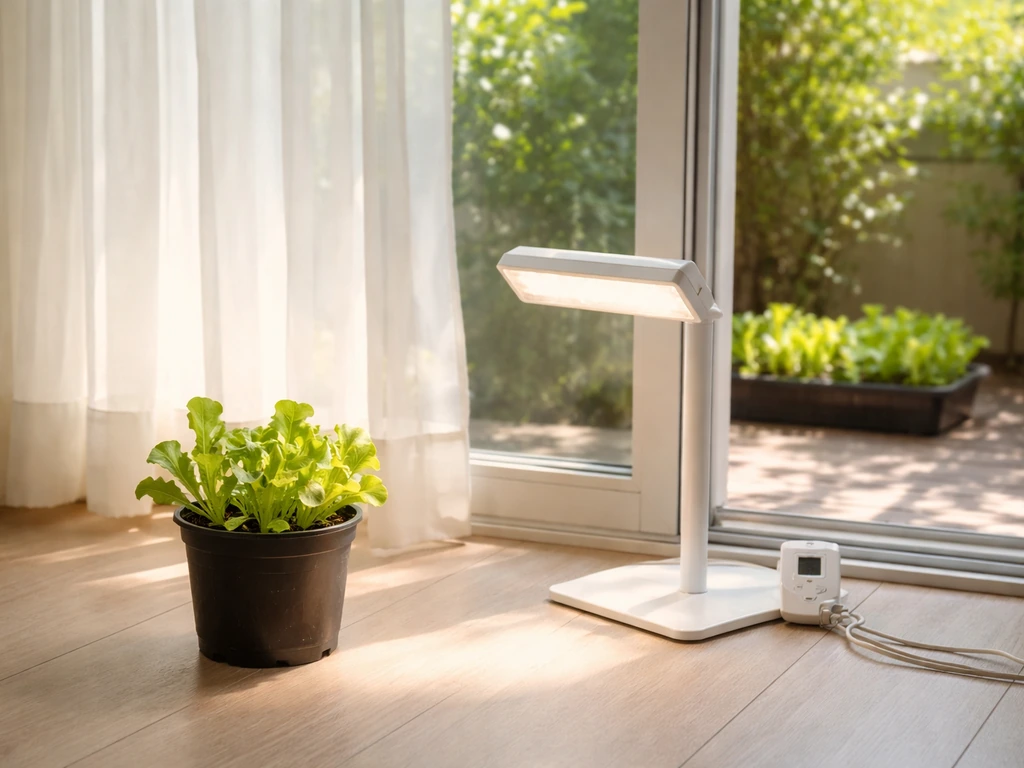
Indoors, a south- or west-facing windowsill works if it gets 4–6 hours of direct light. If your window is dim or north-facing, a grow light is a much more reliable option. For grow lights, target a PPFD (photosynthetic photon flux density) of 150–250 µmol/m²/s and run the light for 14–16 hours per day. Below 100 PPFD, lettuce gets leggy and pale. One important nuance: photoperiods longer than 13–14 hours, especially combined with warmth, can actually accelerate bolting. So if your lettuce is under a grow light and your space runs warm, cap the light cycle at 14 hours and keep temperatures below 70°F at night if you can.
Temperature targets
Lettuce grows best when temperatures stay below 75°F. Nights in the 55–65°F range are ideal. If your indoor space regularly hits 75–80°F during the day, focus on the most heat-tolerant varieties (oak-leaf, Tropicana, any 'slow-bolt' label), keep light cycles to 14 hours, and water consistently so the soil never dries out, dry soil on a warm day is a fast-track to bolting. On a balcony or patio, shade cloth over your planters during a heat wave can buy you another few weeks before the crop bolts. Growing lettuce on a balcony comes with specific wind and heat considerations worth exploring further if that's your setup.
Planting method, spacing, and starting from seed
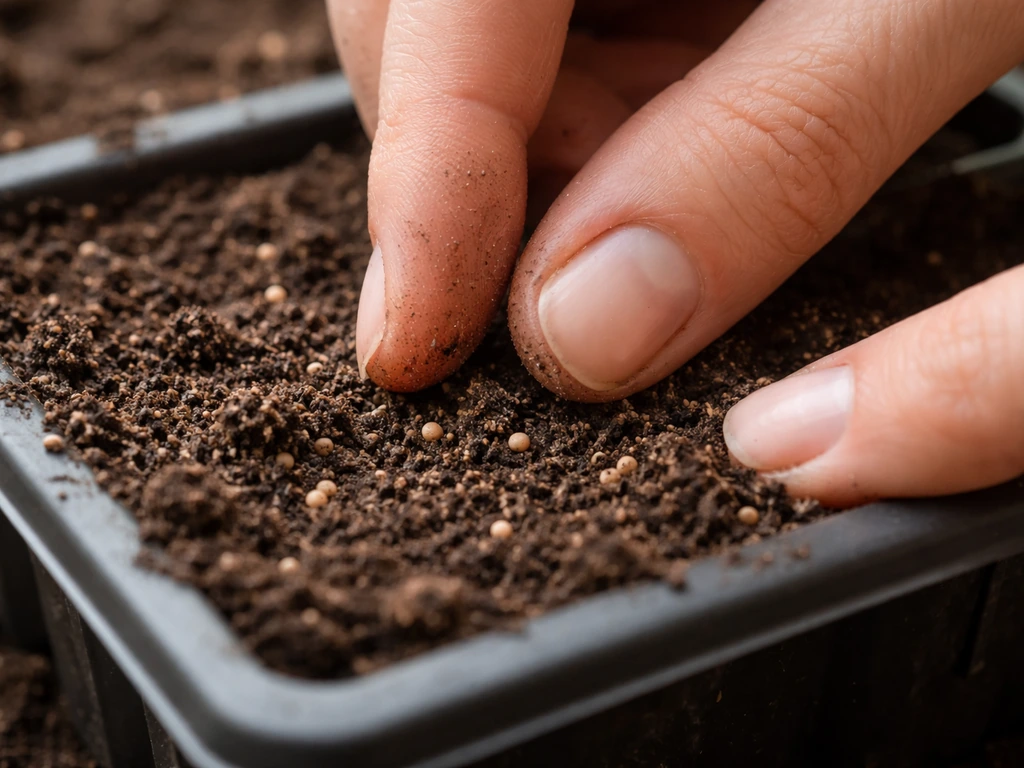
Lettuce seed is tiny, so the biggest mistake beginners make is planting it too deep. Press seeds into the surface of moist potting mix and cover with no more than 1/8 inch of soil, or simply press them gently into the surface and mist. Under good conditions (around 65–70°F soil temperature), lettuce germinates in 7–10 days. Keep the seed bed consistently moist but not waterlogged for the first two weeks, daily light misting works well for containers.
Spacing depends on what you're growing and how you plan to harvest. For cut-and-come-again baby leaf production, you can sow seeds in bands or short rows just 2 inches apart and thin to 2–3 inches once seedlings emerge. For full loose-leaf plants you want to harvest over time, space 4–6 inches apart. Butterhead needs 6–8 inches. If you're transplanting seedlings you started indoors to a balcony planter, harden them off first: set them outside in a sheltered spot for 4–5 days before leaving them fully exposed, so they adjust to wind and changing temperatures.
If you want to skip the seed-starting step, buying transplants from a garden center and potting them directly into your container is a completely legitimate shortcut. You'll lose a couple weeks off the calendar and won't have to babysit germination.
Watering, nutrients, and airflow for crisp leaves
Lettuce is mostly water, so consistent moisture is directly tied to leaf quality. The target: moist but never waterlogged. In a container, check moisture by sticking a finger an inch into the soil, the top inch may feel slightly dry between waterings, but the soil below should still feel somewhat moist. In hot or dry conditions, containers may need watering daily. Aim for the equivalent of 1–2 inches of water per week overall, delivered in frequent, light applications rather than occasional deep floods.
Water in the morning so leaves dry before evening. Wet foliage overnight creates the perfect conditions for downy mildew, a fungal disease that spreads quickly in humid indoor or enclosed balcony environments. Leaves that stay wet past mid-morning are significantly more prone to infection than leaves that dry by 8 am.
Bayer notes that downy mildew infection is linked to how long leaves stay wet, and it provides an example where leaves dried by about 8 am have no infections dry by 8 am.
Overhead watering is fine, but time it right. If you're in a really humid indoor space, consider bottom watering (setting the pot in a shallow tray of water for 20–30 minutes) to keep the foliage dry entirely.
For container soil, a balanced liquid fertilizer at half-strength every 2–3 weeks is sufficient. Lettuce isn't a heavy feeder, but it benefits from nitrogen to keep leaves lush and green. If leaves are pale or growth has stalled, a diluted liquid feed usually fixes it within a week. For hydroponic setups, maintain EC around 1.3 and pH 5.5–6.5 as mentioned earlier, check both weekly and adjust as needed. Tip burn (brown leaf edges) in hydroponics usually signals calcium deficiency or poor solution circulation, not light or water issues.
Airflow matters more than most beginners realize, especially indoors. Stagnant air encourages mildew and creates humid microclimates around foliage. A small fan set to low, running a few hours a day, makes a real difference in indoor setups. On a balcony, natural air movement usually takes care of this, just don't crowd plants so tightly that there's no air moving between them.
Succession planting and how to harvest correctly
Cut-and-come-again harvesting
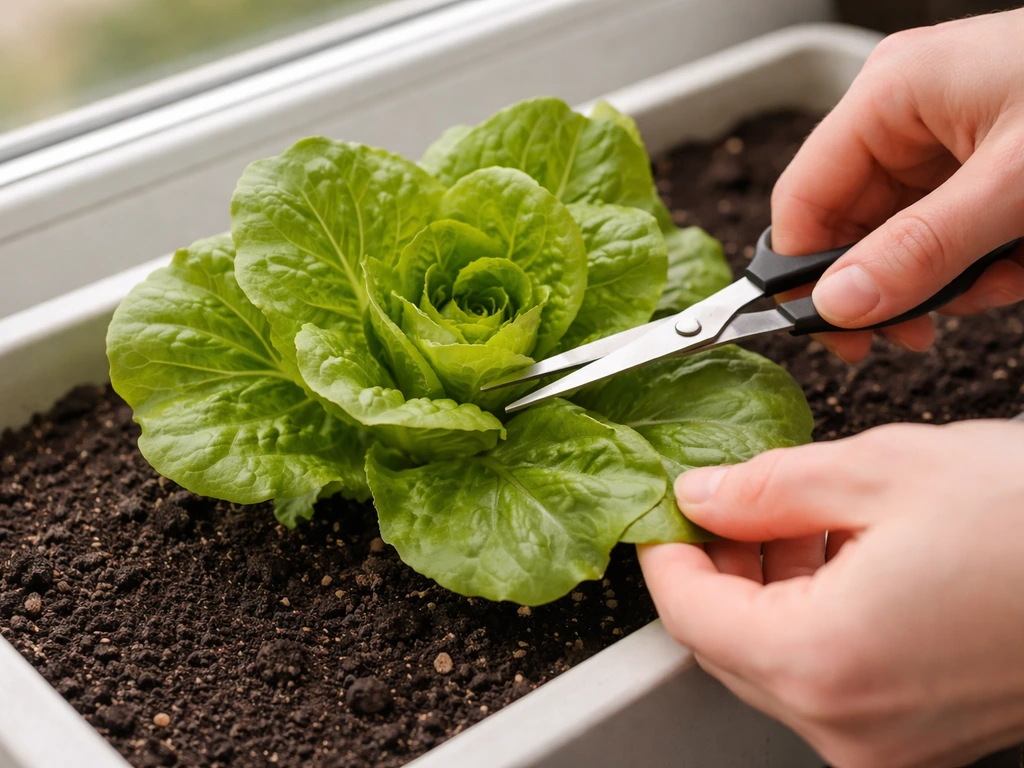
Cut-and-come-again is the best harvesting method for small spaces because it turns one planting into multiple harvests over several weeks. When your outer leaves reach 4–6 inches tall, use scissors to cut them about an inch above the soil or crown, never cut into the growing crown itself or the plant won't regrow. Leave the inner, younger leaves to continue growing. The plant will regenerate and you can harvest again in another 1–2 weeks. Most loose-leaf varieties will give you 3–5 rounds of harvesting before the plant either bolts or declines in quality.
One practical tip: water well in the 2–3 days before you plan to harvest. Lettuce that's been well-hydrated right before cutting is noticeably crisper and better tasting than leaves harvested from a slightly stressed plant. Harvest in the morning when leaves are coolest and most turgid, then store immediately in the refrigerator in a damp cloth or sealed container.
Succession planting in a small space
In a small space, succession planting is how you keep a continuous supply going rather than getting one big glut and then nothing. The strategy is simple: every 2–3 weeks, sow a new small batch of seeds in a separate container or a separate section of your planter. By the time your first planting is finishing its harvests, the second batch is ready to start cutting. With two or three small containers rotating on this schedule, you can have fresh lettuce available almost continuously.
In summer, succession planting works best in cooler microclimates (morning light only, shade in the afternoon) or indoors with temperature control. In a hot apartment without air conditioning, lettuce may only reliably produce for 4–6 weeks before conditions push it to bolt, so plan accordingly and switch to truly heat-tolerant varieties or move the operation to a cooler room.
Troubleshooting common problems
Bolting
Bolting, when the plant sends up a flower stalk and leaves turn bitter, is triggered by temperatures above 75–80°F, long days, and dry soil. If you see a tall center stalk forming, the plant is done producing quality leaves. Pull it and replace it. Prevention is the only real cure: grow heat-tolerant varieties, keep temperatures below 75°F, shade during the hottest part of the day, water consistently, and keep your indoor light cycle to 14 hours maximum. Once bolting starts, it doesn't reverse.
Bitter leaves
Bitterness is almost always stress-related, heat stress, drought stress, or the early stages of bolting. If leaves suddenly taste bitter and the weather is hot, increase watering frequency and add shade. If you're indoors and temperatures are fine, check that you haven't let the soil dry out between waterings. Harvesting consistently and not letting the plant get too mature also helps, older outer leaves are naturally more bitter than younger inner leaves.
Pests
The most common pests on container and indoor lettuce are aphids, fungus gnats, and occasionally caterpillars or leafhoppers on outdoor balcony setups. If you want a deeper plan for keeping pests down, see how to grow lettuce without bugs and build those same defenses into your routine. Aphids cluster on the undersides of leaves and cause curling and yellowing, knock them off with a strong spray of water or use insecticidal soap.
Fungus gnats are a sign the soil is staying too wet between waterings; let the top inch dry out more between waterings and they'll typically decline. For outdoor balcony pests like caterpillars or leafhoppers, handpick when you see them and use row cover or fine mesh if infestations are consistent. Indoor infestations can also be monitored with yellow sticky traps, which catch flying insects early before populations explode.
Slow growth and pale leaves
Slow growth is usually a light or nutrient issue. If leaves are pale green or yellowish and growth has stalled, try adding a diluted liquid nitrogen fertilizer. If the plant is pale and leggy with long, stretched stems, it needs more light, move it closer to your grow light or to a brighter window. In hydroponic setups, slow growth with pale leaves often means your EC has drifted too low or your pH has drifted outside the 5.5–6.5 range. Check both with a meter and correct before assuming something more complicated is wrong.
Downy mildew and root rot
Downy mildew shows up as yellow patches on the tops of leaves with a white or gray fuzzy growth on the undersides. It spreads when leaves stay wet, humidity is high, and airflow is poor. Fix your watering timing (morning only), improve airflow with a small fan, and space plants far enough apart that air can move between them. If root rot develops (dark, mushy roots, wilting despite moist soil), the soil has been staying too wet for too long. Remove affected plants, let the container dry out more between waterings, and check that drainage holes are fully open and unblocked.
Your first harvest plan, what to buy and do this week
Here's a simple, concrete starting plan you can execute today regardless of whether you have outdoor space or not.
- Buy or gather: one 12-inch window box or two 10-inch round pots, a bag of lightweight potting mix, and a packet of loose-leaf or oak-leaf lettuce seeds (look for 'slow-bolt' or 'heat-tolerant' on the label). If you have a dim apartment, add a basic LED grow light.
- Prep your container: ensure it has drainage holes, fill with pre-moistened potting mix to about 1 inch below the rim.
- Sow seeds: scatter seeds thinly across the surface, press lightly, and cover with no more than 1/8 inch of mix. Mist well. Keep in a warm spot (around 65–70°F) and mist daily until germination in 7–10 days.
- Once seedlings are 2 inches tall: thin to 4-inch spacing for loose-leaf varieties. Move to your sunniest windowsill or position your grow light 6–12 inches above the seedlings at 14–16 hours per day.
- Water consistently: check soil daily, water when the top inch feels dry. Feed with half-strength liquid fertilizer at week 3.
- Start a second container 2–3 weeks after the first to keep your succession going.
- Harvest baby leaves starting at day 30–35 or wait until day 40–45 for fuller leaves. Cut outer leaves with scissors, leaving the crown intact. Water well the day before harvesting for best crispness.
- Replace any plants that bolt or taste bitter immediately — don't wait. Pull them, refresh the soil with a bit of new potting mix, and resow.
The whole system fits on a kitchen counter, a windowsill, or a single shelf on a balcony railing. Once you've run this cycle once, you'll know exactly how your specific space performs, whether you need more light, a fan, better drainage, or a different variety. That first cycle is the most valuable learning you'll do. Start simple, pay attention, and iterate. Fresh lettuce in 5–6 weeks is genuinely achievable.
FAQ
What size container should I use if I want maximum lettuce from a small footprint?
For leaf lettuce, prioritize width over depth. A 10 to 12 inch pot or window box can hold roughly 3 to 5 plants if you space them about 4 inches apart, as long as you use draining potting mix and keep moisture consistent. If you only have a shallow tray, choose a wider one rather than forcing depth, since lettuce roots are mostly shallow.
Can I reuse potting mix after harvesting lettuce?
You can, but refresh is the key. After a cycle, top-dress with fresh potting mix and add a little balanced liquid fertilizer (half-strength) because nutrients and structure degrade. If you saw mildew, gnats, or root issues, start over with new mix to avoid carrying pests or soggy conditions forward.
How do I prevent bolting if my apartment is consistently warm?
Use a heat-focused strategy: choose slow-bolt or oak-leaf type varieties, keep your light cycle at about 14 hours if you are using grow lights, and water in frequent light applications so the root zone never dries out. Also, shift the setup to the coolest microclimate you have (morning sun with afternoon shade, or the coolest room in the evening) because heat plus long daylight is the fastest bolting trigger.
Why are my lettuce leaves bitter even when the plants look healthy?
Bitterness usually comes from stress, most often drought stress or early bolting. Check whether the soil is fully moist below the surface, not just the top inch, then increase shade during the hottest part of the day and harvest more consistently (outer leaves at peak size). If you see a tightening center or a developing stalk, removing the plant and replanting is the only reliable fix.
What’s the best way to water when I get mildew or fuzzy growth on leaves?
Water early in the morning and aim to avoid wet foliage overnight. If you keep the environment humid or your balcony is enclosed, bottom watering for 20 to 30 minutes helps keep leaves dry while still hydrating the roots. Also improve airflow with a low fan and avoid crowding, since stagnant air accelerates downy mildew.
How can I tell if my watering is too much versus too little?
Too much moisture often shows up as slow growth with mushy or dark roots, and fungus gnats may appear. Too little moisture shows up as wilting between waterings, leaf edges drying, and faster bolting on warm days. A practical check is finger depth: the top inch can be slightly dry, but the soil below should feel consistently moist.
Should I thin seedlings, and when?
Yes, thinning improves airflow and leaf development. Thin when seedlings are established enough to handle (once you have a noticeable size), then keep the spacing targets: about 2 to 3 inches for baby leaf cut-and-come-again, 4 to 6 inches for loose-leaf, and 6 to 8 inches for butterhead. Skip thinning only if you plan to harvest baby leaves quickly and deliberately.
Is it better to start from seed or buy transplants for small-space lettuce?
Both are valid. Seed is cheaper and gives you more flexibility with spacing and timing, but you must manage tiny-seed germination for 7 to 10 days. Transplants save time (you can lose a couple of weeks) and reduce germination risk, but you still need to match the container spacing and keep temps stable during the first week after transplanting.
Can I grow lettuce in a window that gets morning light but not afternoon light?
Often yes, especially for small-space setups. Morning light reduces heat stress and can delay bolting compared with afternoon sun. If the window is dim overall, supplement with a grow light, and remember that insufficient light usually causes leggy, pale growth, which you can correct by moving closer or increasing light intensity.
What’s the safest harvesting height so my lettuce keeps regrowing?
For cut-and-come-again, cut outer leaves when they are about 4 to 6 inches tall, and make the cut about an inch above the soil or crown. The key rule is not to cut into the growing crown, because that prevents regrowth and ends the multi-harvest cycle.
How do I troubleshoot pale lettuce in hydroponics beyond just adding nutrients?
First confirm both pH and EC are in range, pH about 5.5 to 6.5 and EC around 1.3. If leaves are pale and slow despite “more fertilizer,” the likely issue is drift, not lack of feeding. Check also whether solution circulation is working, since tip burn can indicate calcium or flow-related problems rather than light or watering.
Will a small fan really help my indoor lettuce?
Yes, it helps more than many people expect. Even a low fan running a few hours a day improves airflow across leaves, reducing humid microclimates that favor mildew and helping plants stay sturdier. The added benefit is that it mimics outdoor conditions enough to reduce stress that can slow growth.