Yes, you can absolutely grow lettuce in grow bags, and honestly they work really well for it. Lettuce has a shallow root system, matures quickly, and tolerates the slightly warmer, faster-drying conditions that fabric bags create. A 5-to-10 gallon grow bag gives you enough room for a productive planting of leaf lettuce or butterhead, and the air pruning that fabric bags naturally cause encourages a dense fibrous root zone that stays right where the moisture is. Whether you're on a balcony, a patio, or just want to skip digging up the yard, grow bags are a genuinely practical option for fresh lettuce. If you also want to know how to grow lettuce in a pot, keep the same principles in mind: use a large enough container, good potting mix, and consistent moisture grow bags are a genuinely practical option for fresh lettuce.
Can You Grow Lettuce in Grow Bags? Step by Step Guide
Why grow bags actually suit lettuce well
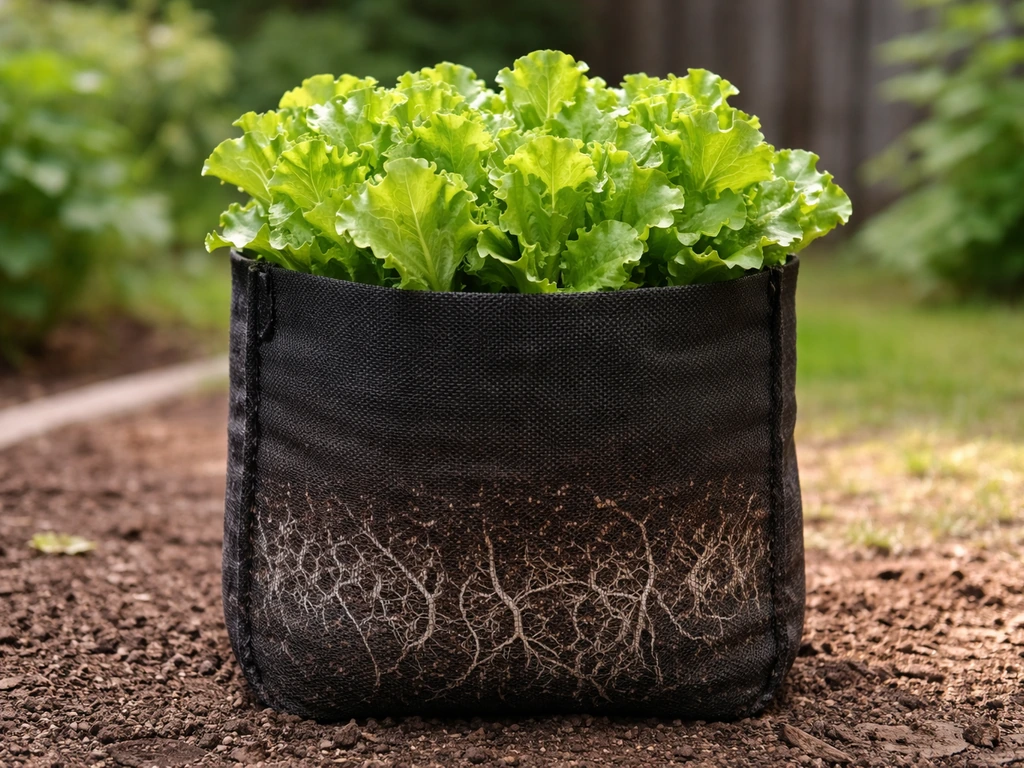
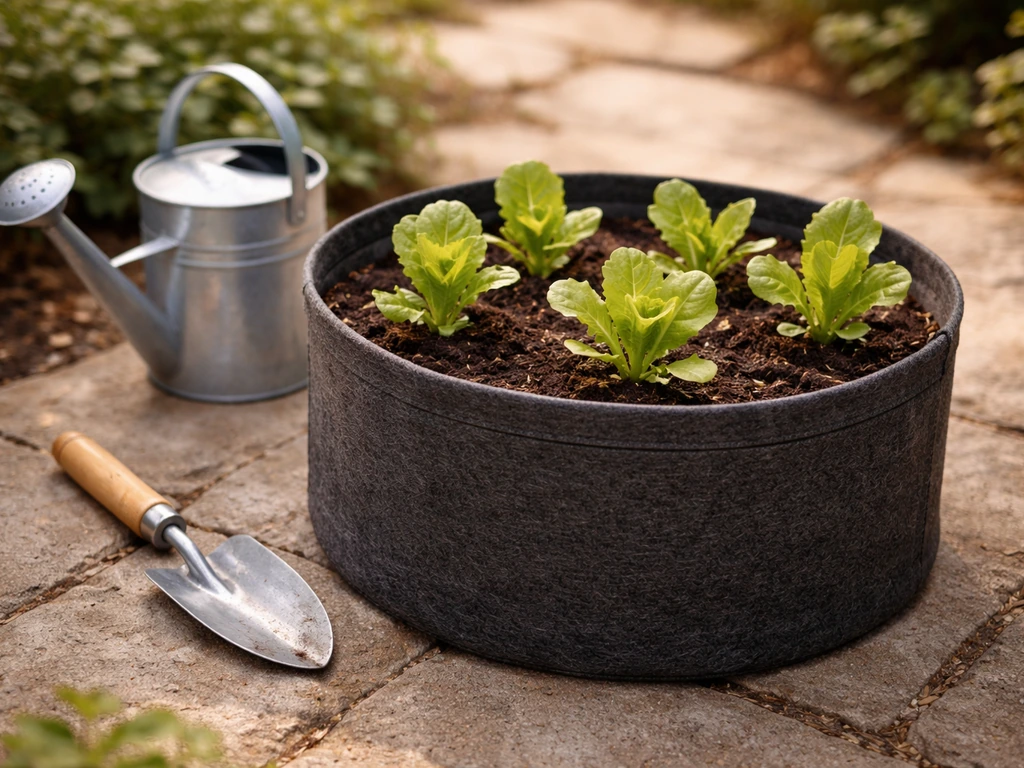
Fabric grow bags drain well, which lettuce appreciates since it hates sitting in waterlogged soil. The air pruning effect, where roots that reach the bag wall are naturally stopped and branch back inward, keeps the root zone dense and healthy inside the potting mix rather than circling the container. The main trade-off is that fabric bags dry out faster than plastic pots or garden beds, so you'll be watering more often. That's manageable once you know to expect it. Container media also warms up faster than in-ground soil, which is great in early spring but can work against you in summer. The good news is that a grow bag is easy to move, so you can shift it to a shadier spot when temperatures climb.
Grow bags sit in a useful middle ground compared to other container options. A standard pot works fine for a plant or two, and a 5-gallon bucket can produce a solid single crop, but a wide, shallow grow bag gives you more surface area per dollar, which translates to more plants and a longer cut-and-come-again run before you need to replant. Yes, a 5 gallon bucket can work too, especially if you keep up with watering and choose the right lettuce types 5-gallon bucket.
Picking the right lettuce varieties
Not every lettuce variety performs equally well in a container, and variety choice matters most in summer when bolting risk spikes. Here's how the main types stack up for grow-bag growing.
| Type | Spacing Needed | Days to Maturity | Bolt Resistance | Best For Grow Bags? |
|---|---|---|---|---|
| Leaf/Looseleaf | 3–4 inches apart | 40–55 days (baby sooner) | Varies by cultivar; look for bolt-resistant labels | Yes, best overall choice |
| Butterhead/Bibb | 6–8 inches apart | 46–55 days | Slow bolting; reliable in heat | Yes, great for small bags |
| Romaine/Cos | 6–8 inches apart | 60–80 days | Moderate | Yes, but needs a deeper bag |
| Crisphead/Iceberg | 10–12 inches apart | 70–80 days | Low | Not ideal, space-inefficient |
For most grow-bag setups, loose-leaf and butterhead varieties are the clear winners. Loose-leaf types like Grand Rapids or Oak Leaf are fast, space-efficient, and some cultivars carry excellent bolt resistance. Butterhead types like Buttercrunch or Boston are compact, slow to bolt, and hit maturity around 46 to 55 days. If you're growing in summer or a warm climate, prioritize anything specifically labeled bolt-resistant. Avoid crisphead types like iceberg in containers: they need too much space, take too long, and demand more consistent conditions than a grow bag realistically provides.
Setting up your grow bag the right way
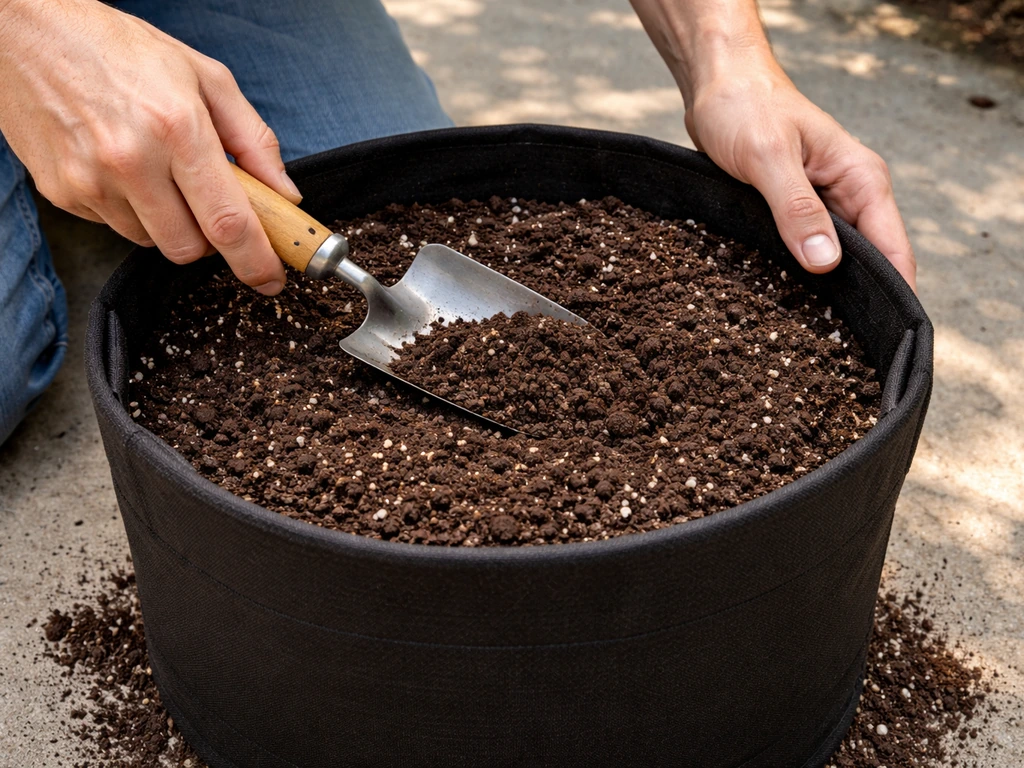
Choosing the right size
For leaf lettuce, a 5-gallon bag works well if you're growing a small cluster of plants, but a 7-to-10 gallon bag gives you more real estate for a cut-and-come-again row. Butterhead and romaine do best with at least a 7-gallon bag so roots have room to establish. Avoid anything under 2 gallons for lettuce: the soil volume is too small to hold consistent moisture and temperatures swing too wildly. Think of it this way, more soil means more of a buffer against heat and dry spells.
What to fill it with
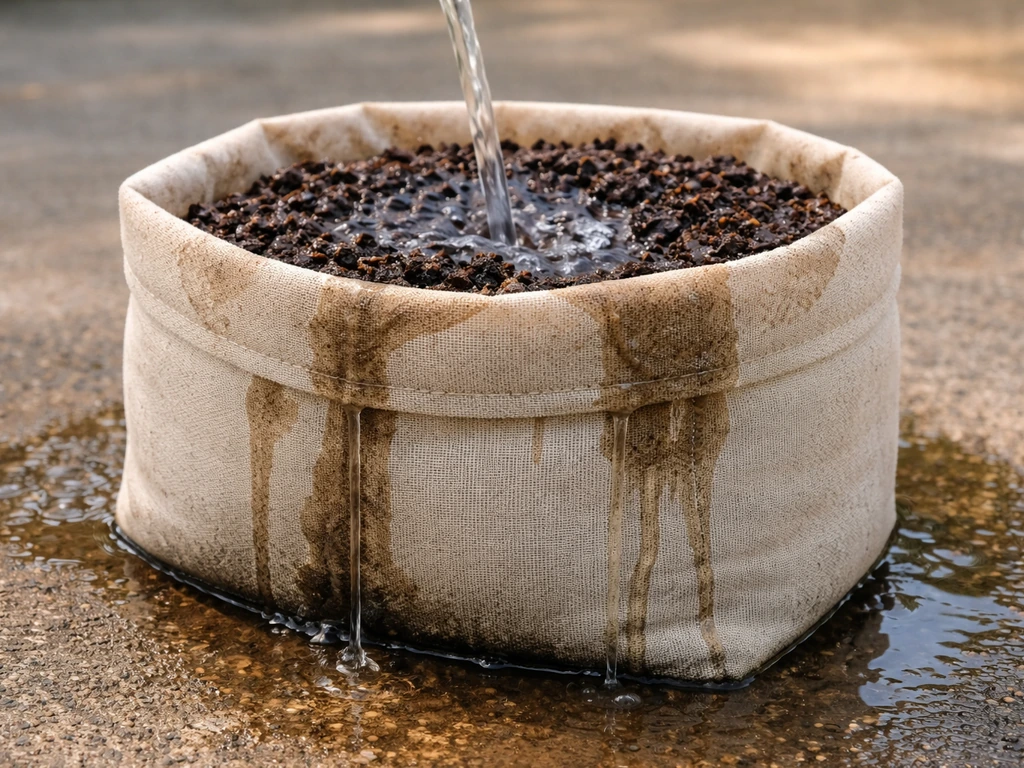
Use a quality potting mix, not garden soil. Garden soil compacts in containers, drains poorly, and can bring in pests or disease. A light, well-draining potting mix, ideally one with perlite or coir mixed in, keeps roots aerated and lets water move through without pooling. You can blend in a handful of compost to boost nutrients, but don't go overboard. If you’re wondering whether you can grow lettuce in compost, the main idea is to mix compost in moderation into a well-draining potting mix rather than using it as the only growing medium blend in a handful of compost. Fill the bag to about an inch below the rim so water doesn't run straight off the edges.
Drainage and placement
Fabric bags drain naturally through the sides and bottom, so you don't need to add drainage holes. If you're placing them on a deck or surface where drainage matters, set the bags on a saucer or tray, but empty that tray regularly to avoid waterlogged roots and nutrient loss. For placement, lettuce needs at least 4 to 6 hours of sunlight per day, and it can actually perform well in indirect or partial sun during hot summer months. A spot that gets morning sun and afternoon shade is ideal from late spring onward. In spring and fall, as much direct sun as possible is fine. The portability of grow bags is a real advantage here: you can move them as the season shifts.
Planting: seeds vs. seedlings, spacing, and timing
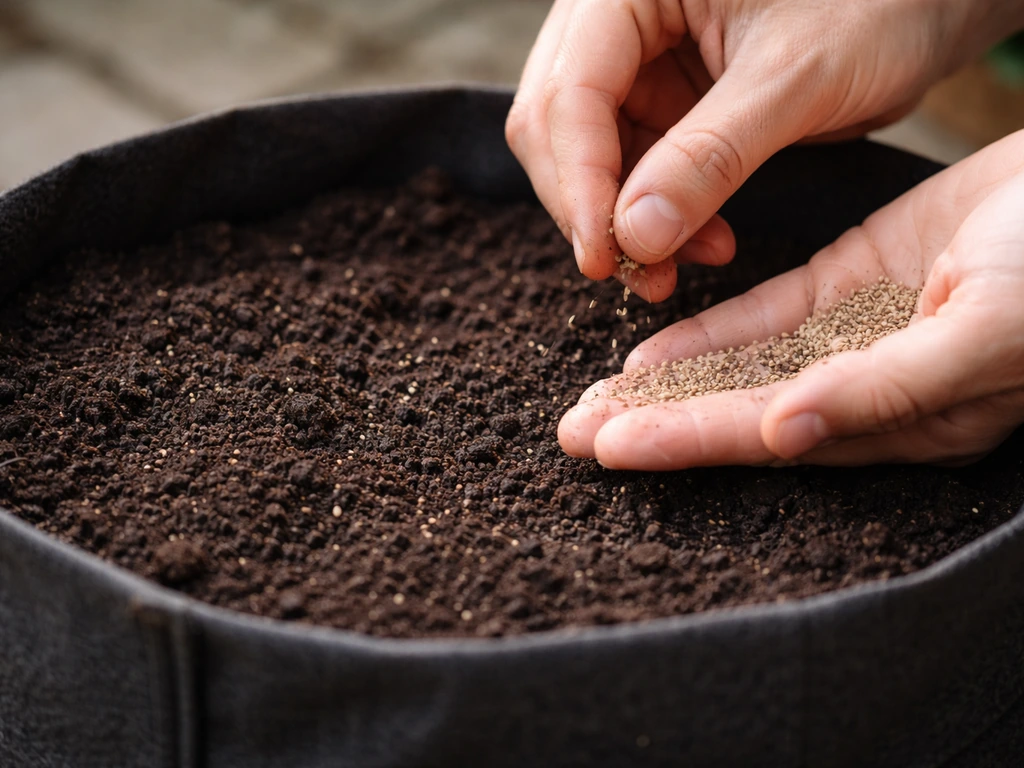
Seeds vs. transplants
Both work, and I've had good results either way. Seeds are cheaper and let you plant more densely for a cut-and-come-again approach. Sprinkle them lightly and evenly across the surface of the bag, then barely cover them with a thin layer of mix (about 1/8 inch deep). Germination typically takes 7 to 14 days with consistent moisture. Transplants give you a 3-to-4 week head start and are a better move if you're getting late into a season and want a faster harvest. If you're starting in early spring or early fall, seeds are perfectly fine.
Spacing
For loose-leaf lettuce, thin seedlings to about 3 to 4 inches apart once they have their first true leaves. Butterhead and romaine need more room: aim for 6 to 8 inches between plants. In a 10-gallon bag, you can fit a nice row of leaf lettuce across the width or three to four butterhead plants comfortably. Don't skip thinning. Crowded plants compete for light and moisture, and you'll end up with spindly, disappointing results.
Timing your planting
Lettuce is a cool-season crop. The sweet spots are early spring (4 to 6 weeks before your last frost) and late summer into fall (plant 50 to 75 days before your first expected fall frost, choosing early-maturing varieties for fall). Avoid planting in the peak of summer unless you're in a cool climate or have a reliably shaded spot. Temperatures consistently above 75°F trigger bolting and turn your crisp lettuce bitter in a hurry. UMN Extension also warns that multiple days of high temperatures above 75°F can cause lettuce plants to flower, so timing container planting around heat helps reduce bolting Temperatures consistently above 75°F trigger bolting. One of the easiest strategies is to start a new bag every 3 to 4 weeks in spring and again in fall for a continuous supply of fresh greens.
Light, temperature, watering, and feeding
Light
Lettuce is more forgiving on light than most vegetables. Aim for at least 4 to 6 hours of direct sunlight, though in summer, indirect or partial sun actually extends your harvest window by slowing the bolt. Most fruiting vegetables need full sun, but lettuce can genuinely thrive in partial shade, making it a solid choice for balconies or spots that don't get all-day sun.
Temperature
Lettuce prefers temperatures between 45°F and 75°F. It can tolerate a light frost and actually benefits from cool nights. Once temperatures consistently push above 75°F for several days in a row, bolting becomes likely regardless of what else you do. If a heat wave hits, move the bag to shade, add a light shade cloth, or harvest what you have before quality drops. Lettuce grown in containers is easier to protect from temperature extremes than an in-ground bed precisely because you can move it.
Watering
This is the biggest ongoing task with grow bags. Fabric bags dry out noticeably faster than plastic pots, especially in warm or windy conditions. Check the moisture level every day in summer, every other day in spring and fall. The goal is consistently moist soil, not soggy and not bone dry. In-ground lettuce typically needs about 1 to 2 inches of water per week, but in a grow bag you may need to water every one to two days during warm spells. Water deeply when you do, so the moisture reaches the full root zone. Consistent moisture in the days before harvest also gives you crisper, better-textured leaves.
Feeding
If you started with a good potting mix that includes compost or slow-release fertilizer, you may not need to add much for the first few weeks. After thinning or about 4 weeks after transplanting, a light dose of a balanced nitrogen fertilizer will push rapid leafy growth. For reference, in-ground lettuce guidance often calls for about 1/4 cup of a nitrogen-heavy fertilizer per 10 feet of row as a side-dressing. In a grow bag, use a diluted liquid fertilizer at half strength every two to three weeks rather than a heavy single application. Avoid overfeeding with nitrogen late in a hot spell, as it can push lush soft growth that's more vulnerable to stress.
Keeping it going: common problems and how to fix them
Bolting
Bolting (when lettuce sends up a flower stalk and turns bitter) is the most common frustration in container growing. It's triggered by multiple days above 75°F or by lengthening daylight combined with heat. If your lettuce is starting to stretch and look tall and loose rather than compact and leafy, that's the beginning of bolting. At that point, harvest everything you can use immediately. To prevent it in the first place: choose bolt-resistant varieties, time your planting for cool seasons, move bags to afternoon shade in warm weather, and water consistently because heat stress from dry soil accelerates bolting.
Limp or slow growth
If your plants look limp or aren't sizing up, the most likely culprits are underwatering, insufficient light, or a too-small container. Check moisture daily. Make sure the bag is getting at least 4 hours of direct light (or move it). If the problem persists after addressing those, try a light feeding. Plants growing slowly in an undersized bag (under 2 to 3 gallons) are essentially root-bound and won't produce much no matter what you do: repot into something bigger.
Pests
Aphids, slugs, and caterpillars are the main pests to watch for. Check the undersides of leaves regularly. Aphids can be knocked off with a strong spray of water. Slugs hide under the bag at night and are best managed by lifting the bag and removing them, or using a physical barrier. If you're growing on a balcony or indoors (where grow bags also work really well), pest pressure is usually much lower than in an outdoor bed. If you are wondering can you grow lettuce inside, you can use the same grow-bag principles with a bright window or grow light.
Downy mildew and disease
Downy mildew shows up as yellow patches on the tops of leaves with grayish fuzz underneath. It thrives in cool, humid, crowded conditions. Prevention is mostly cultural: space plants properly, don't water at night, remove infected leaves immediately, and clean up any dead plant material from the bag. If it spreads significantly, remove and dispose of the whole plant, don't compost it. Starting with disease-resistant seed varieties is the easiest long-term fix.
Poor germination
Lettuce seed germinates best between 40°F and 75°F. If the soil is too warm (above 80°F), germination drops off sharply. If you're sowing in summer and seeds aren't sprouting, the bag surface may be too hot. Try pre-sprouting seeds on a damp paper towel inside where it's cooler, then transplant the sprouted seeds to the bag. Also make sure you're barely covering the seeds, as lettuce needs light to germinate well.
Harvesting and getting repeat yields
When and how to harvest
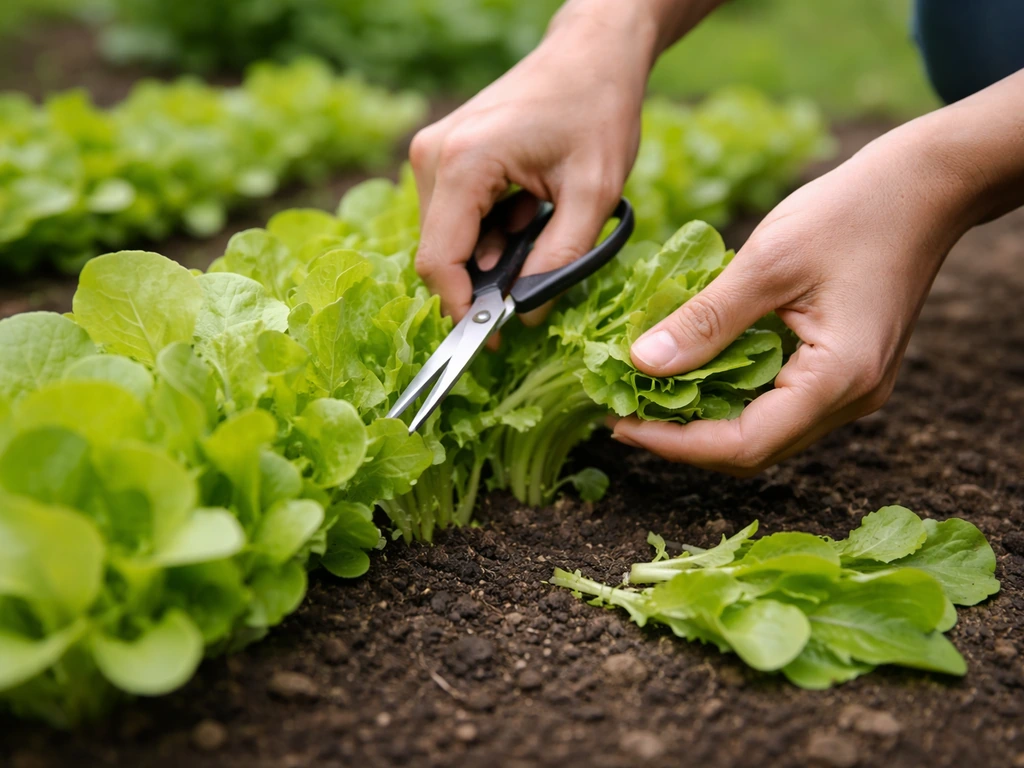
For loose-leaf varieties, you can start harvesting baby leaves as early as 25 to 30 days after sowing, or wait for full-size leaves at 40 to 55 days. The cut-and-come-again method is the best approach for grow bags: cut outer leaves about 1 inch above the crown, leaving the inner growing point and youngest leaves intact. The plant will regrow from the center for another round. With consistent watering and occasional feeding, you can harvest from the same plants every few days.
For butterhead types, you can harvest the whole head when it forms a loose, dense rosette, or pull outer leaves progressively. Romaine is best harvested by cutting the whole head at the base once it reaches full size, though outer leaves can be taken earlier.
Keeping the harvest going
Once a plant bolts or regrowth slows significantly, it's time to pull it and replant. Rather than waiting for that moment, the better strategy is to start a new bag every 3 to 4 weeks so you always have a plant at peak production while another is getting established. This succession planting approach is exactly how you get a continuous supply rather than a single glut and then a gap.
Storing what you pick
Harvest in the morning when leaves are cool and at their crispest. Don't wash the leaves before storing, as moisture speeds up deterioration. Place them in a mesh or plastic bag in the crisper drawer of your fridge and they'll stay fresh for several days. For the best texture, water your plants well in the two or three days before a planned harvest, which helps the leaves stay firm and crisp after cutting.
Your quick-start checklist
- Choose a 5-to-10 gallon fabric grow bag depending on how many plants you want
- Fill with a quality potting mix, not garden soil, topped an inch below the rim
- Pick a bolt-resistant loose-leaf or butterhead variety suited to your current season
- Sow seeds lightly across the surface, cover with 1/8 inch of mix, or transplant seedlings at proper spacing (3–4 inches for leaf types, 6–8 inches for butterhead or romaine)
- Place in a spot with at least 4–6 hours of light; shift to partial shade once temperatures regularly exceed 70°F
- Check moisture daily in warm weather and water deeply when the top inch is dry
- Feed lightly with a diluted balanced fertilizer every 2–3 weeks after the first month
- Harvest outer leaves with the cut-and-come-again method starting at the baby-leaf stage
- Start a new bag every 3–4 weeks for continuous harvests across the season
FAQ
Can I grow lettuce in grow bags if I travel or forget to water sometimes?
Yes, but only if the bag is large enough and the watering plan is realistic. A typical 5 to 10 gallon grow bag can handle a small cluster of leaf lettuce, but you still need to water deeply and often because the fabric dries quickly. If you are prone to missing days, consider setting the grow bag on a self-watering base (a container that holds a reservoir) and using a moisture-retentive potting mix, not garden soil, to reduce stress.
Why are my lettuce seeds not sprouting evenly in a grow bag?
Lettuce seeds can germinate unevenly in grow bags when the surface dries faster than the inside. After sowing, keep the top layer consistently moist, then once seedlings emerge, water at the soil level rather than misting the foliage. If you see a gap in sprouting, check whether the bag surface is heating up in sun (above about 80°F can slow germination) and move the bag to morning sun only while seeds establish.
Do fabric grow bags need drainage holes, and what should I do if I’m on a deck or patio?
If your grow bag is on a balcony or deck, you can use the same setup without adding drainage holes, but you should control runoff. Put the bag on a tray or saucer, then dump the collected water regularly. Leaving water to sit underneath can cause nutrient loss and can keep the root zone too wet, increasing the risk of problems like fungal leaf spots and stunted growth.
Is it okay to use compost in the grow bag instead of potting mix?
Mixing compost into potting mix is fine, but avoid using compost as the only medium. Compost-heavy mixes often hold water inconsistently in containers and can compact over time, which lettuce dislikes. A practical rule is to start with a quality, lightweight potting mix and add compost only as a small amendment, then top up nutrients later with a light, periodic nitrogen feed.
How many romaine or butterhead plants can I fit in one grow bag?
Romaine generally benefits from more space in a bag than leaf lettuce, because it is slower to bulk up. If you are using a 7 to 10 gallon bag, you can often do two to three romaine plants depending on the variety and how you harvest, but overcrowding leads to thin leaves and higher bolting risk during heat. When in doubt, err on fewer plants and thin promptly as soon as seedlings have true leaves.
My lettuce looks limp in the heat, do I fertilize or water first?
Lettuce grown in fabric bags can dry and heat up fast, even if the air temperature is mild. After a hot spell, if plants look limp, check moisture before assuming they need more fertilizer. Also, avoid feeding when the soil is too dry, because stressed plants absorb nutrients poorly. Instead, water deeply to re-saturate the root zone, then resume light feeding only after plants perk up.
When should I start harvesting lettuce in a grow bag to keep it producing?
Aim to harvest outer leaves before the center tightens too much or before you see tall, stretchy growth. In grow bags, a good cut-and-come-again approach is to take outer leaves consistently but leave the growing point intact, then harvest again in a few days. If you wait until plants fully bolt, quality drops quickly, so watch for early signs like stretching and reduced leaf firmness.
What should I do if my lettuce starts bolting in a grow bag?
If bolting starts, you can sometimes salvage the remaining plants by moving the bag to afternoon shade, keeping the soil steadily moist, and harvesting everything edible immediately. However, once a plant has sent up significant flower stalk growth, regrowth slows and quality usually declines. The most reliable fix is to remove that plant and start a fresh batch for succession planting while others are still at peak.
My lettuce is not growing well, what are the most likely causes besides lack of fertilizer?
Common reasons include (1) the bag is too small, (2) not enough direct light, or (3) inconsistent moisture. Lettuce in containers is also sensitive to temperature swings, so a very small volume (under about 2 gallons) can make growth stall no matter what you do. Before adding fertilizer, verify you have at least roughly 4 to 6 hours of light, then correct watering frequency and consider upsizing the bag if it is undersized.