Yes, you can absolutely grow lettuce in a pot, and honestly it's one of the best vegetables to start with if you're working with limited space. Lettuce has shallow roots, grows fast, and doesn't need a huge container to produce a real harvest. Whether you're on an apartment balcony, a sunny windowsill, or a backyard patio, a pot of lettuce can go from seed to table in as little as 30 to 45 days. The short answer is: grab a pot, fill it with good potting mix, sow some leaf lettuce seeds, give them light and consistent moisture, and you'll be cutting leaves in about a month.
Can You Grow Lettuce in a Pot? How to Grow Leaf Lettuce at Home
Marcus Holloway
20 Apr 2026
Lettuce actually thrives in containers
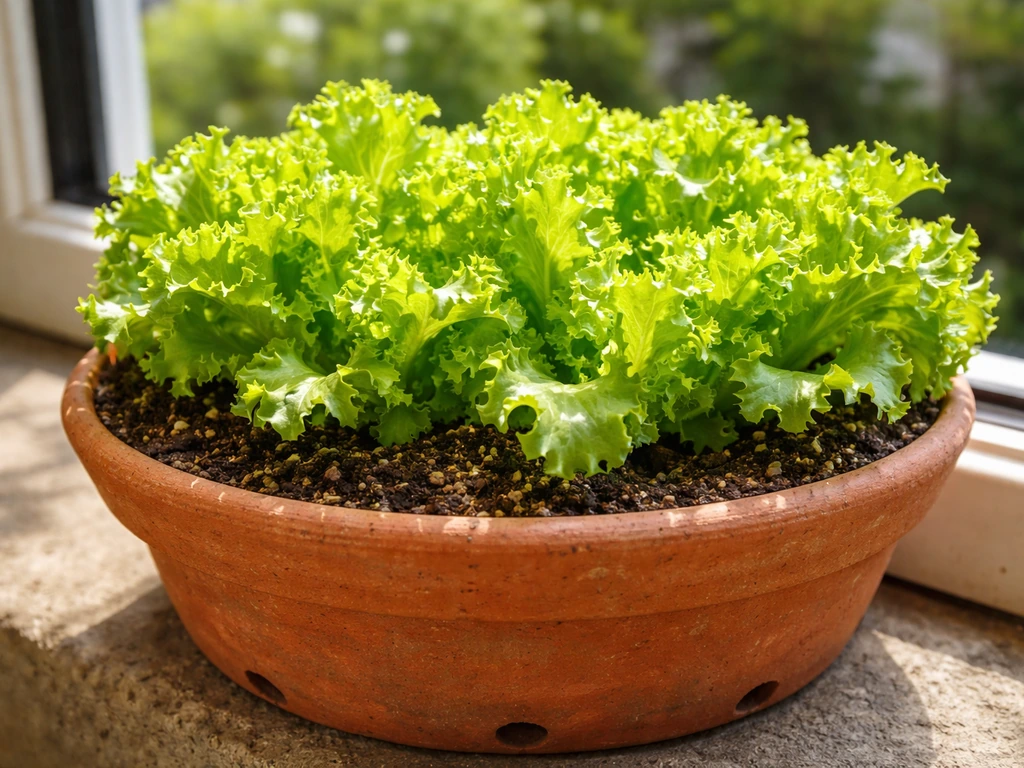
Lettuce is not just a plant that tolerates containers, it genuinely does well in them. Its root system stays shallow (drawing moisture from the top foot of soil or less), which means a relatively small pot gives it everything it needs. Container growing also gives you control that in-ground gardening doesn't: you can move the pot to chase cooler temperatures, drag it inside when a heat wave hits, or set it up near a window for winter harvests. That flexibility matters because lettuce is a cool-season crop that bolts (goes to seed and turns bitter) when it gets too hot or when days get too long. A pot lets you manage those conditions far more easily than a garden bed.
Pick the right type of lettuce for your pot
Not all lettuce types are equally well-suited to containers. Leaf lettuce is the clear winner here, and it's the type I'd recommend to anyone starting out. It doesn't form a tight head, so it matures faster, tolerates closer spacing, and is perfect for the cut-and-come-again harvest method where you snip outer leaves and the plant keeps producing. Butterhead types like Buttercrunch or Dark Green Boston also work well in pots and are among the most heat-tolerant options, giving you a longer production window before bolting. Romaine generally handles heat better than head lettuce and is a solid mid-size option for containers. Iceberg and other tight-heading varieties are the most demanding: they need more space, more consistent cool temperatures, and more time, making them a poor fit for most container setups.
| Lettuce Type | Container Suitability | Heat Tolerance | Time to Harvest | Best For |
|---|---|---|---|---|
| Leaf (Salad Bowl, Oak Leaf, Ruby) | Excellent | Good | 30–45 days | Beginners, small pots, cut-and-come-again |
| Butterhead (Buttercrunch, Boston) | Excellent | Very good | 45–60 days | Slightly larger pots, longer harvests |
| Romaine | Good | Good | 60–80 days | Deeper pots, balcony growers |
| Iceberg / Crisphead | Poor | Low | 80–100 days | Not recommended for containers |
My go-to recommendation for pot growing is a loose-leaf variety like Salad Bowl or Oak Leaf. They're forgiving, prolific, and give you a harvest fast enough to stay motivated.
Pot size, soil, and spacing: getting the basics right
How big does the pot need to be?
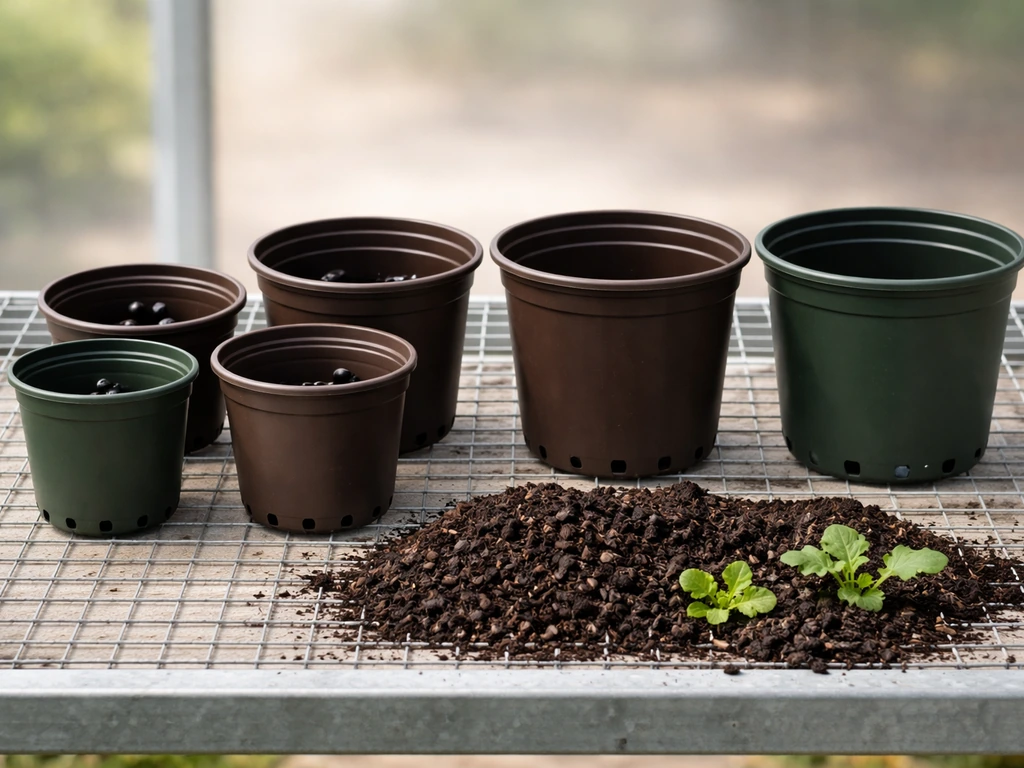
For leaf lettuce, you don't need much. A 1-gallon pot can support 1 to 2 leaf lettuce plants comfortably. If you want a small salad garden, a 6- to 8-inch pot works well for a single plant, and a 12-inch pot or window box gives you room for 3 to 4 plants with proper spacing. For butterhead or romaine types, aim for at least a 2-gallon container per plant, with spacing of about 9 to 12 inches between plants if you're going wider. Head lettuce that you want to fully mature needs plants thinned to about 10 inches apart, so plan your pot size around that. The pot must have drainage holes, full stop. If water can't escape, roots suffocate and the plant dies.
What soil (or potting mix) to use
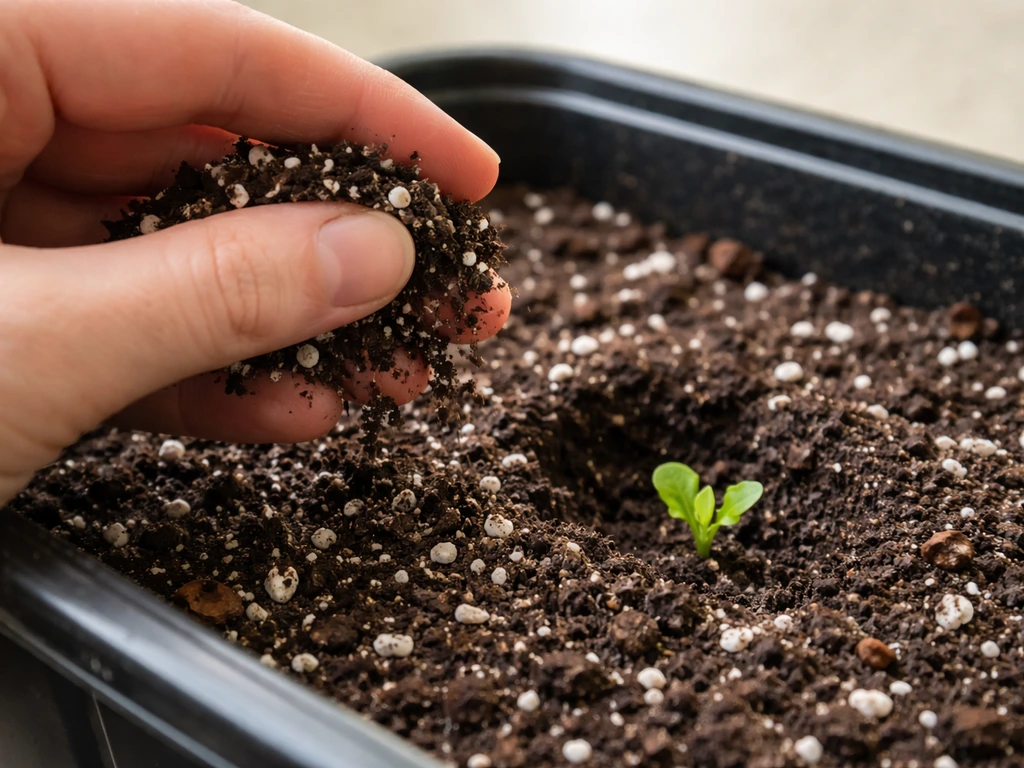
Use a quality, lightweight potting mix, not garden soil. Garden soil compacts in containers, drains poorly, and will kill your lettuce faster than almost anything else. Garden soil compacts in containers, drains poorly, and will kill your lettuce faster than almost anything else, so if you're wondering about nutrients, see whether you can grow lettuce in compost as a related option can you grow lettuce in compost. A good potting mix stays loose, drains well, and still holds enough moisture to keep lettuce roots happy between waterings. Look for mixes with perlite or vermiculite in the blend. One important thing to skip: don't add a layer of gravel, rocks, or pot shards to the bottom of your container thinking it will help drainage. Illinois Extension explains that adding gravel, rocks, or other bottom drainage material does not improve drainage and can worsen waterlogging and root rot risk blank" rel="noopener noreferrer">a layer of gravel, rocks, or pot shards to the bottom of your container. Research consistently shows this actually creates a perched water table and can make waterlogging worse, not better. If drainage is a concern, elevate the pot on pot feet or a small stand so the holes aren't blocked.
Spacing inside the pot
Overcrowding is one of the most common mistakes in container lettuce. If you're direct sowing seeds, sprinkle them thinly and thin seedlings once they're an inch or two tall. For leaf lettuce, thin to about 6 inches apart. For butterhead or romaine, give each plant 9 to 12 inches. Crowded plants compete for light and nutrients, produce smaller leaves, and are more prone to disease. Thinning feels wasteful but it genuinely matters. If you're transplanting seedlings from a nursery tray and the roots are tightly bound, loosen them gently before planting so they can spread into the new mix.
Light, temperature, and watering: indoors vs. outdoors
Outdoor containers
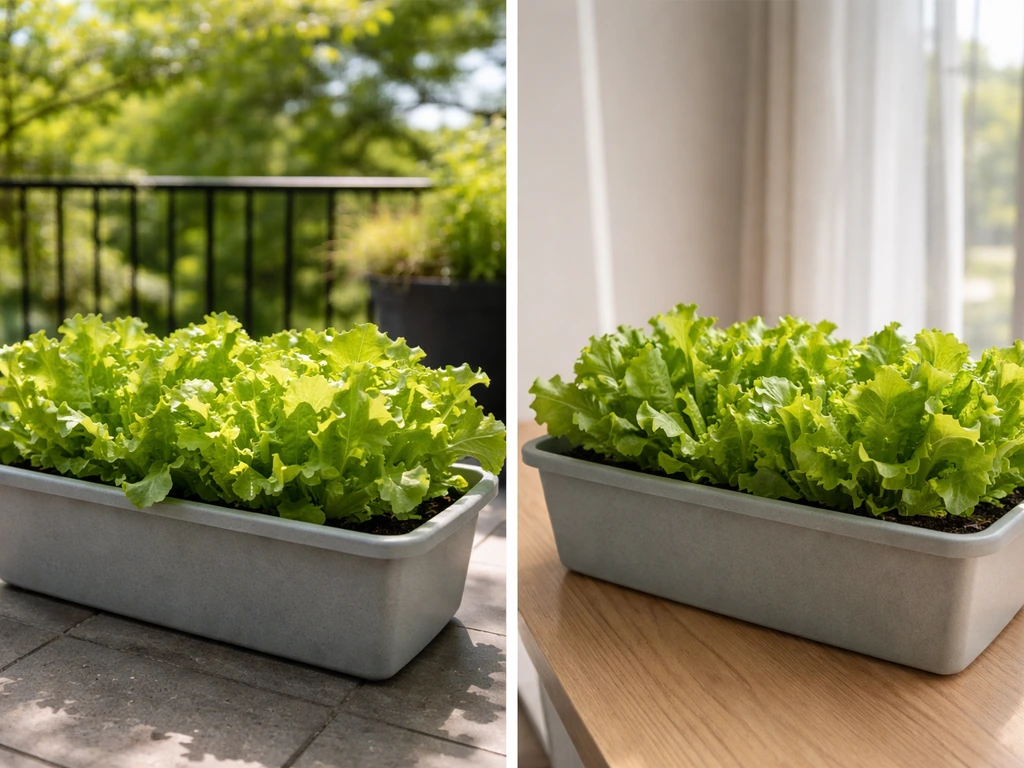
Outside, lettuce wants a spot with full sun to partial shade, ideally 6 hours of sunlight per day in cool weather. In spring and fall, morning sun with some afternoon shade is ideal. In the heat of summer, afternoon shade actually helps lettuce survive longer without bolting. Temperature is critical: lettuce grows best between 45°F and 65°F (7°C to 18°C). Once daytime temperatures regularly hit 80°F (27°C) or higher, bolting becomes a real risk. The big advantage of pots outdoors is mobility: when temperatures spike, move the pot to a shadier, cooler spot. If you're growing in a region with hot summers, a 50 to 70% shade cloth can buy extra time before the plant bolts.
Indoor containers
Growing lettuce indoors is very doable, but light is the limiting factor. A bright south- or west-facing window can work in spring and summer, but in winter, natural window light is rarely intense enough on its own. Lettuce grown in low light gets leggy fast, meaning stems stretch toward the light source and leaves stay pale and thin. If you're growing indoors year-round, a grow light makes a real difference. Research on indoor lettuce confirms that light intensity (measured as PPFD) directly drives yield and plant health. A basic LED grow light positioned 6 to 12 inches above the plants for 14 to 16 hours per day will give you far better results than a dim window in January. Indoors, temperature is usually easier to manage: most homes stay in the 65°F to 72°F range, which lettuce handles well. Just keep the pot away from heating vents, which dry out soil and can stress plants.
Watering
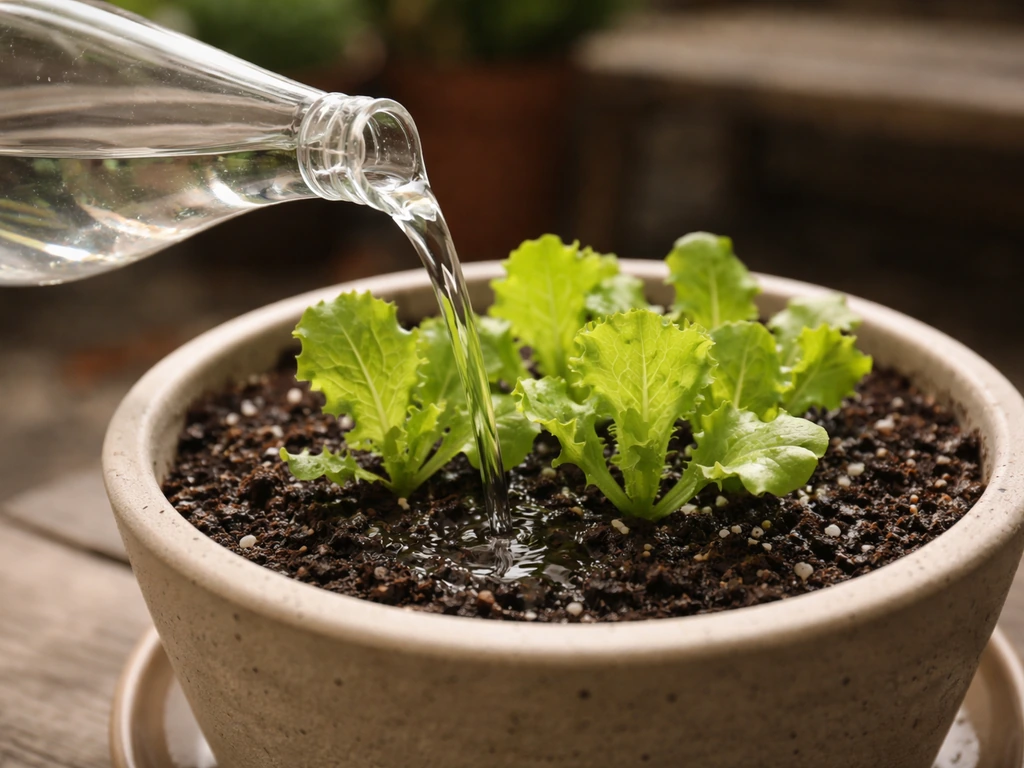
Consistent moisture is the goal. The Alabama Cooperative Extension puts it well: keep the soil consistently moist but not saturated. In practice, this means watering thoroughly every time (until water drains from the holes at the bottom), then letting the top inch or two of soil dry slightly before watering again. Check moisture by pressing a finger an inch into the soil: if it feels dry, water. If it still feels damp, wait. Outdoor pots in warm weather may need watering daily. Indoor pots in a stable environment might go 2 to 3 days between waterings. The key is to never let the pot sit in standing water in a saucer, as that breeds root rot.
How to grow leaf lettuce in a pot, step by step
- Choose your container: A pot at least 6 inches deep and 8 inches wide, with drainage holes. For multiple plants, a 12-inch pot or a window box works great.
- Fill with potting mix: Use a lightweight, well-draining potting mix. Fill to about 1 inch below the rim so water doesn't overflow when you irrigate.
- Sow seeds or plant transplants: For seeds, scatter them thinly across the surface and press them lightly into the mix. Cover with about 1/4 inch of potting mix. For transplants, space them 6 inches apart for leaf types and loosen any pot-bound roots before planting.
- Water gently: After sowing, water with a gentle spray or mist so seeds don't wash away. Keep the surface consistently moist until germination, which usually takes 7 to 14 days.
- Position for light: Outdoors, place in a spot with at least 6 hours of sun. Indoors, place in your brightest window or under a grow light for 14 to 16 hours per day.
- Thin seedlings: Once seedlings reach 1 to 2 inches tall, thin them to 6 inches apart for leaf varieties. Snip extras at soil level rather than pulling them out, which disturbs neighboring roots.
- Water consistently: Check moisture daily. Water thoroughly until it drains from the bottom, then let the top inch dry before watering again.
- Feed lightly if needed: Lettuce is a light feeder, but in a container it will eventually exhaust the nutrients in the mix. A diluted liquid fertilizer (balanced or nitrogen-focused) every 2 to 3 weeks keeps growth healthy.
- Harvest: Begin harvesting outer leaves once plants are 4 to 6 inches tall, about 30 to 45 days from seeding for most leaf varieties. Cut leaves 1 inch above the soil. The plant will keep growing new leaves from the center.
Harvesting, keeping it going, and fixing common problems
How and when to harvest
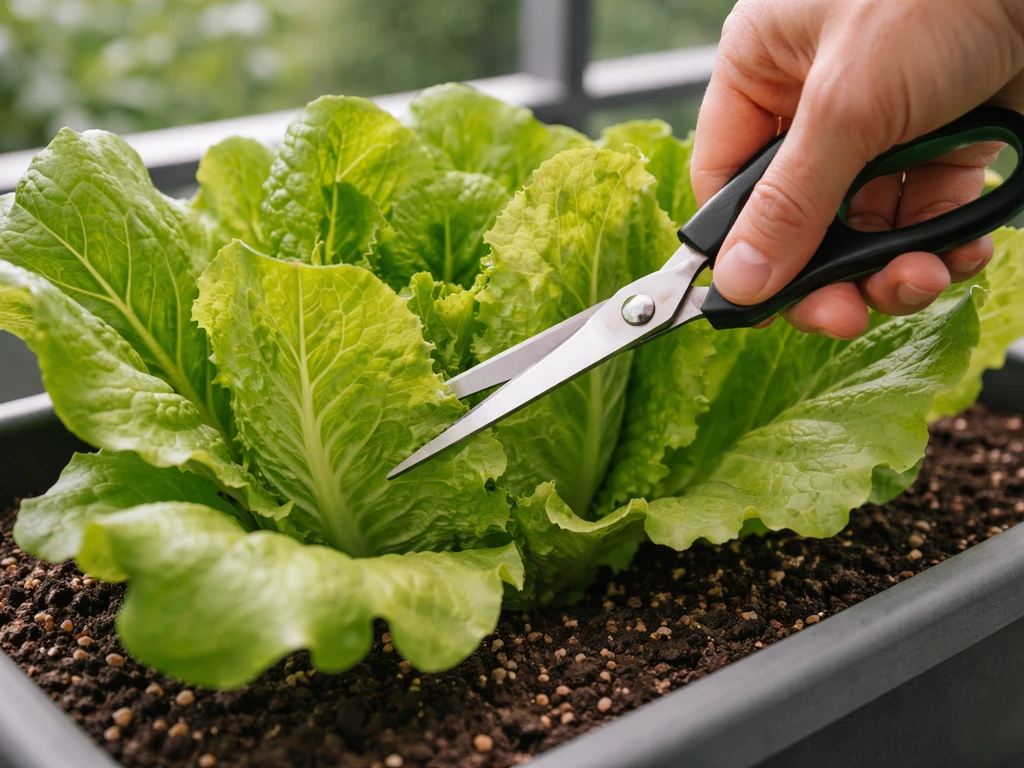
The cut-and-come-again method is the most efficient way to harvest container lettuce. Once outer leaves are 4 to 6 inches long, cut them off about an inch above the soil, leaving the growing center (the crown) intact. The plant sends out new leaves within a week or two, and you can repeat this process 3 to 4 times before the plant gets tired or bolts. Harvest in the morning when leaves are crisp and hydrated. If you want a full harvest all at once, cut the entire plant off at soil level. You can get a second flush from some leaf types even after a full cut.
Bolting: why it happens and how to delay it
Bolting is when lettuce sends up a flower stalk and shifts energy away from leaf production. Leaves become bitter and tough almost immediately. It's triggered by heat and long days (more than 14 hours of daylight). Oregon State University Extension explains that bolting in lettuce is triggered by hot temperatures and by large temperature swings bolting is triggered by heat. For outdoor containers, plant in early spring or late summer/fall to avoid the peak heat window, and harvest frequently before the plant has a chance to bolt. If you see the center of the plant starting to elongate upward and leaves getting smaller, harvest everything immediately because bolting won't reverse. Moving the pot to shade in hot weather helps delay bolting. Indoors, controlling day length with a grow light timer (keeping it at 14 hours or less) reduces bolting risk in summer months.
Leggy, pale growth: a light problem
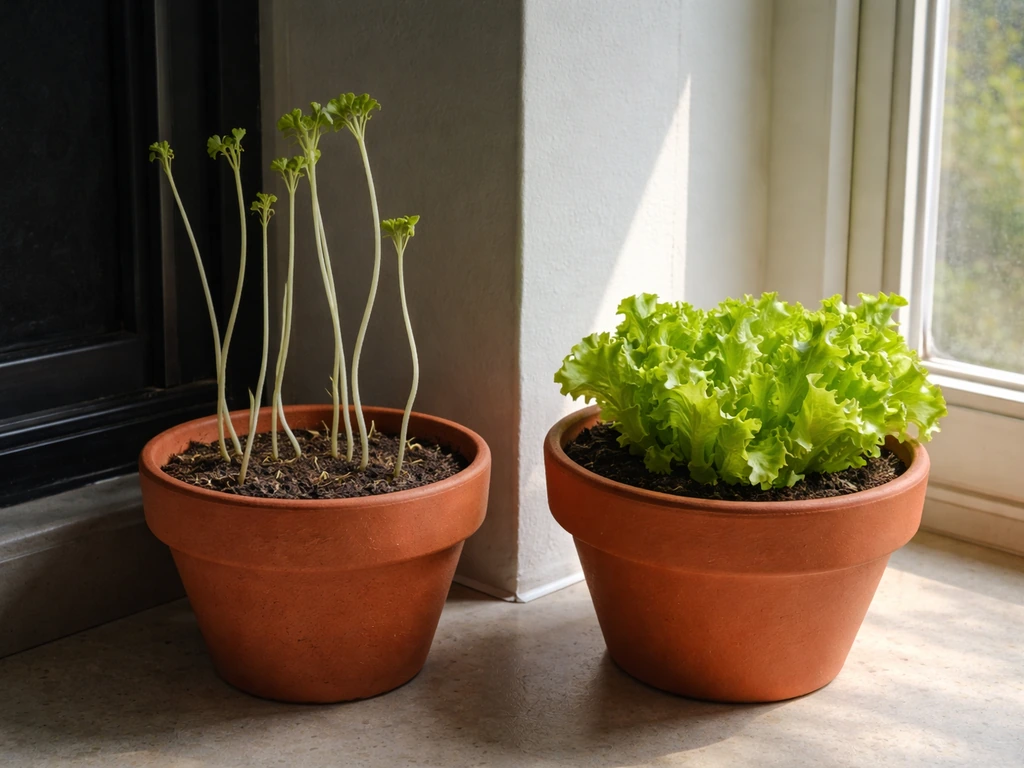
If your lettuce is stretching toward the light, producing thin pale stems, or growing slowly, it's not getting enough light. This is the most common indoor container problem. The fix is to move the pot closer to the light source or add a grow light. Seedlings are especially vulnerable in the first two to three weeks. Outdoors, leggy growth usually means the pot is in too much shade. Move it somewhere with more direct sun.
Overwatering and underwatering
Overwatered lettuce looks wilted and yellow, with soggy soil. The fix is to let the pot drain fully and check that nothing is blocking the drainage holes. If the soil smells musty or the roots look brown and slimy, the plant may have root rot. At that point, the best move is often to start fresh. Underwatered lettuce wilts and has dry, brittle leaves. Water thoroughly, and if the soil has pulled away from the sides of the pot (which happens with very dry peat-based mixes), set the whole pot in a tray of water for 20 minutes to rehydrate the mix from the bottom up.
Pests to watch for
- Aphids: Tiny soft-bodied insects clustered on new growth. Knock them off with a strong spray of water or treat with insecticidal soap.
- Slugs and snails: More common in outdoor containers, especially in damp conditions. Elevating the pot helps. A ring of diatomaceous earth around the pot is a low-effort deterrent.
- Fungus gnats: Common in indoor containers with overwatered soil. Let the top inch of soil dry out between waterings. Sticky yellow traps catch adults.
- Tip burn: Not a pest but a calcium deficiency symptom (brown leaf edges), often caused by inconsistent watering or poor air circulation indoors. Water more consistently and improve airflow.
What to try next
Once you've got a pot of leaf lettuce going, the logical next step is experimenting with more space and more volume. A 5-gallon bucket gives you room for several plants and retains moisture better during warm spells. Yes, you can grow lettuce in a 5 gallon bucket, and it works well for giving plants enough room and steady moisture can you grow lettuce in a 5 gallon bucket. Grow bags are another popular option, especially for balconies, as they drain well and prevent overwatering almost automatically. If you want to try a simpler setup, you can also learn more about can you grow lettuce in grow bags. If you're fully indoors and want to go deeper on year-round production, exploring indoor lettuce setups (including grow lights and hydroponic approaches) opens up a lot of options. For now though, one pot, a bag of potting mix, and a packet of leaf lettuce seeds is genuinely all you need to get started today.
FAQ
Can you grow lettuce in a pot during winter?
Yes, but pick leaf lettuce or butterhead types and plan for slower growth. In winter you can still harvest, yet the days are often too short for steady production, so you may need a grow light and slightly more frequent checks on soil moisture since indoor air can be dry.
How often should I water potted lettuce in hot weather?
You can, as long as the container drains and you manage moisture. In hot weather, a 5 to 10 minute morning watering followed by midday top-ups is often better than one heavy watering, because leaf lettuce dislikes alternating very wet and very dry soil.
Is it okay to let potted lettuce sit in a saucer of water?
Avoid it if the pot is going to sit in water. If you use a saucer, empty it after watering, or elevate the pot so excess water flows out. Standing water increases root rot risk even when the top of the soil looks fine.
Do potted lettuce plants need fertilizer?
Not really. Lettuce grown in containers relies on the potting mix for most of its nutrition, but a light feeding can help if you see pale color or slow growth. Use a gentle vegetable fertilizer at a reduced rate (about half the label amount) once plants are established, then stop if the leaves get soft or bitter.
What’s the best time to thin lettuce seedlings in a pot?
Start seeds thinner than you think and thin as early as 2 weeks. If you wait too long to thin, plants form smaller leaves and stay crowded even if you later pull extras, because the competition already happened.
What should I do if my lettuce starts to bolt?
Watch the crown. If the center starts elongating upward or the leaves get much smaller and more bitter, harvest immediately and do a full cut if needed. Moving to shade can slow things down, but bolting usually will not reverse once it’s actively underway.
Will a lettuce pot on a windowsill work without a grow light?
Yes, but control the environment. A window can work in spring and summer, yet winter light often leads to leggy growth. Rotate the pot every few days so both sides grow evenly, and keep the window away from drafts that can chill leaves at night.
My potting mix dries out too fast, what can I do?
Use potting mix to avoid compaction issues, and make sure it’s not water-repellent. If it repels water or drains too fast, blend in a small amount of fine compost or choose a moisture-retentive potting mix. Also skip gravel layers, since they can worsen waterlogging.
Can I harvest lettuce multiple times from the same plant, and how do I avoid killing it?
Don’t harvest the very center tightly. For cut-and-come-again, remove outer leaves leaving about 1 inch above the soil and keep the crown intact, otherwise the plant may stop producing new growth.
How full should the pot be, can I crowd lettuce for more harvest?
In general, aim for spacing that matches the type, and avoid “stuffing” the pot to maximize yield. Crowding increases disease and reduces leaf size, so it’s better to slightly underplant than to overfill the container.