Yes, you can absolutely grow lettuce in a 5-gallon bucket, and it works really well. A standard 5-gallon bucket gives you roughly 11–12 inches of depth and about 11 inches of diameter, which is more than enough root space for looseleaf varieties and butterhead types. You can fit 2 to 3 lettuce plants comfortably, or use the whole bucket for one large romaine head. The key things that determine success are proper drainage, a light potting mix, not overcrowding the plants, and keeping the bucket somewhere cool enough to prevent bolting. Get those four things right and you'll be harvesting fresh leaves in as little as 30–45 days.
Can You Grow Lettuce in a 5 Gallon Bucket? How-To
Marcus Holloway
14 May 2026
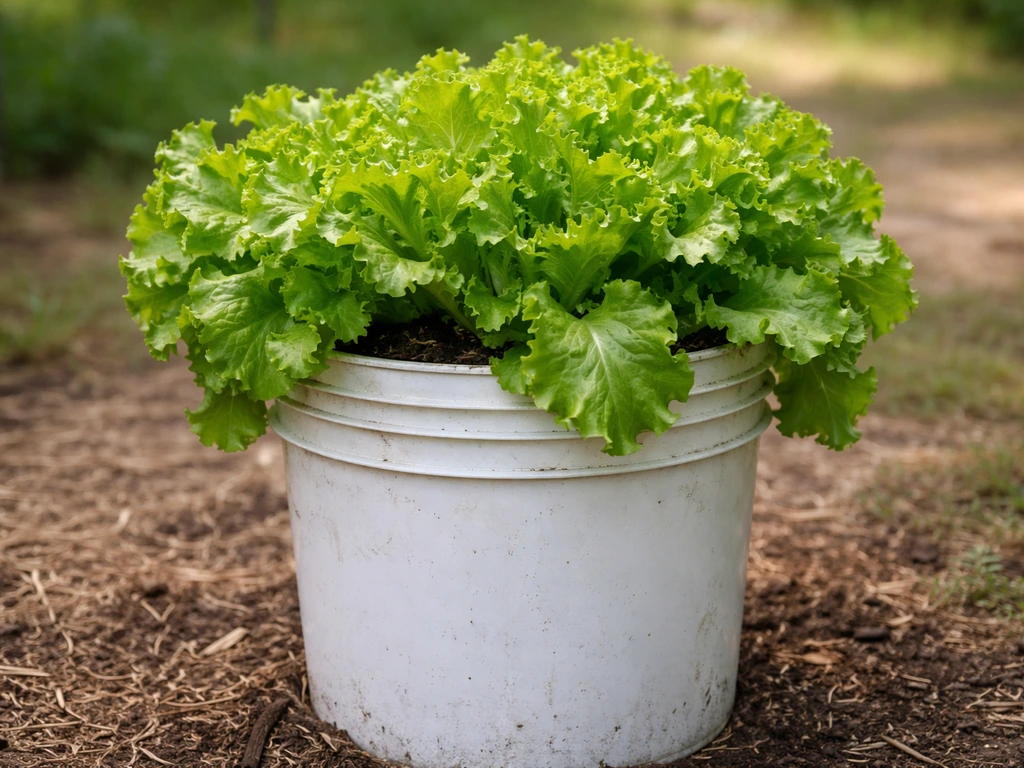
Yes, lettuce in a 5-gallon bucket, what works best
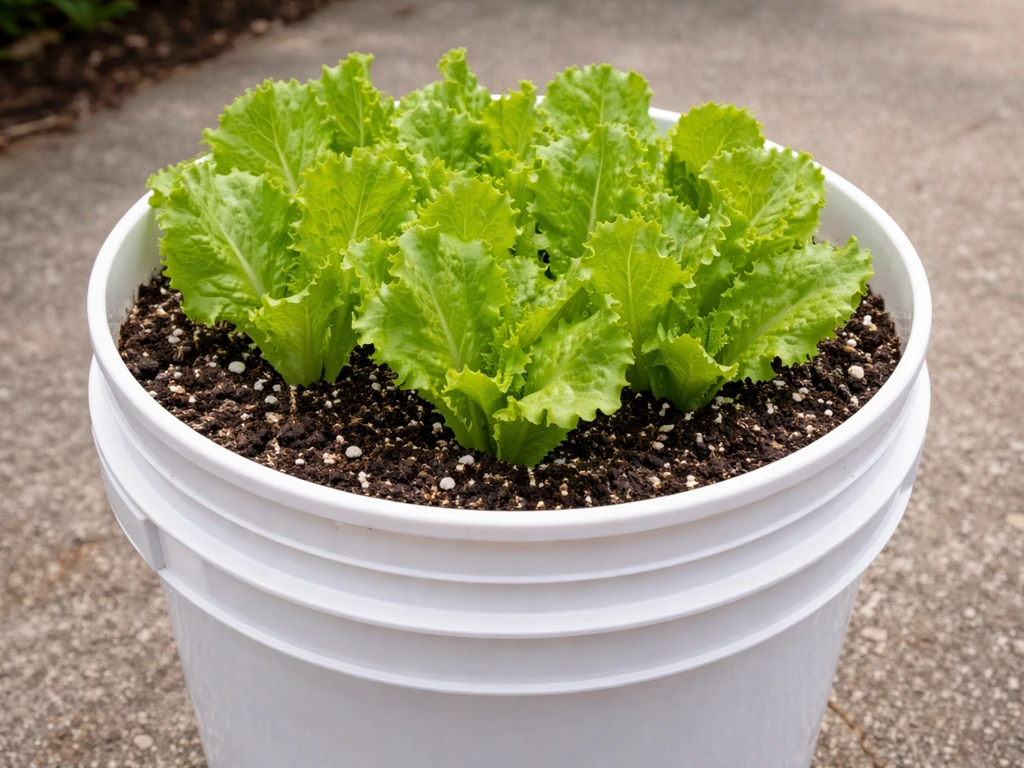
Lettuce is one of the best vegetables for bucket growing. It has a shallow root system, it doesn't need a lot of space per plant compared to something like tomatoes, and it thrives in the controlled environment a container creates. A 5-gallon bucket is genuinely the sweet spot for single-plant or small-cluster growing because it holds enough moisture to prevent the rapid drying-out that smaller pots suffer from, while still being light enough to move around as temperatures shift.
The most important thing to understand upfront is that a 5-gallon bucket isn't a raised bed. Overcrowding is the single most common mistake. Harvest to Table puts the number at 2 to 3 plants maximum for a 5-gallon container, and that's about right. Try to squeeze in more and you'll get weak, spindly plants competing for nutrients and moisture. One well-spaced butterhead or two looseleaf plants will always outperform five cramped ones.
If you're looking at other container options, growing lettuce in pots or grow bags follows most of the same rules as bucket growing. But a bucket has one specific advantage: the rigid sides mean it holds its shape and moisture more consistently than a fabric grow bag, which can dry out faster. That said, grow bags offer better airflow to roots, so both approaches work, it really comes down to what you have available fabric grow bag. That said, grow bags offer better airflow to roots, so both approaches work, it really comes down to what you have available.
Bucket setup: drainage, material, and the ideal growing medium
Before you add any soil, there are two non-negotiables: the bucket must be food-grade, and it must have drainage holes. If you're buying a new bucket, look for one labeled food-safe (usually marked with a HDPE symbol or the number 2 in a triangle). This matters because non-food-grade plastics can leach chemicals into the soil and into your lettuce. If you're repurposing a bucket, make sure it never held chemicals, paint, or anything toxic.
For drainage, drill 4 to 6 holes in the bottom of the bucket, each about 1/2 inch (12 mm) in diameter. This range gives water a clear exit path without letting the growing medium fall out. Fewer holes increase waterlogging risk, which is one of the fastest ways to kill lettuce roots. Don't bother with a saucer under the bucket unless you're growing indoors, and if you do use one indoors, empty it after watering so the roots aren't sitting in standing water.
For the growing medium, skip regular garden soil entirely. It compacts in containers and cuts off the air movement roots need. Instead, use a quality potting mix, the lighter and more porous the better. Lettuce grows best at a soil pH between 6.
0 and 6. 5, so if you're mixing your own medium or amending a base mix, check pH and adjust if needed. A blend of potting mix with about 20 to 30 percent perlite or coarse vermiculite is ideal: it retains enough moisture for lettuce's shallow roots while draining freely. If you want to use compost, make sure you balance it with potting mix so it stays light, drains well, and doesn't compact as it breaks down.
If you want to add a slow-release fertilizer like Osmocote directly into the mix at planting time, that's a solid option and will reduce how often you need to feed later.
- Food-grade 5-gallon bucket (HDPE, labeled food-safe)
- Drill with a 1/2-inch bit for drainage holes
- Quality potting mix (not garden soil)
- Perlite or coarse vermiculite (about 20–30% of total volume)
- Slow-release fertilizer like Osmocote (optional, mix in at planting)
- pH meter or test strips (target 6.0–6.5)
Planting lettuce: depth, spacing, and which varieties to choose
How deep to plant
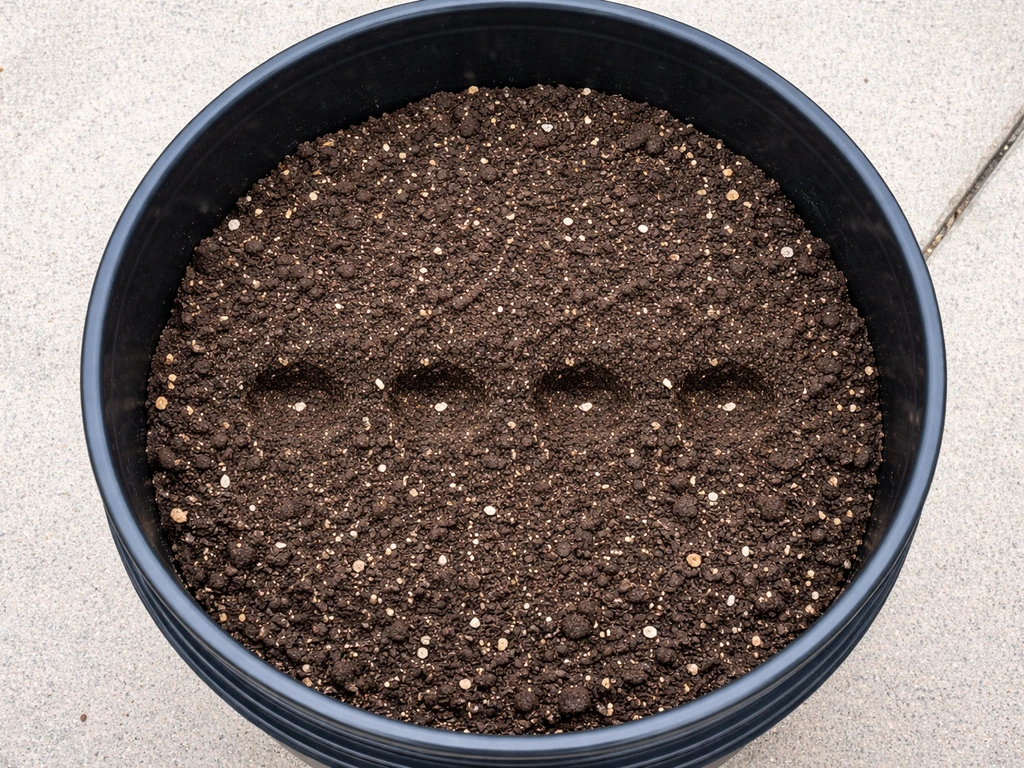
Lettuce seeds are tiny and need to be planted very shallow. The standard recommendation across multiple extension services is blank" rel="noopener noreferrer">about 1/4 inch deep, and some sources say as shallow as 1/8 inch for containers. The key is that the seeds need light to germinate properly, so burying them blank" rel="noopener noreferrer">more than 1/4 inch will slow or prevent germination. Sprinkle seeds on the surface of moist mix, press them in lightly, and cover with just a thin dusting of potting mix. Keep the surface consistently moist until germination, which typically happens within 7 to 14 days in cool conditions.
Spacing for a 5-gallon bucket
Spacing depends entirely on what you're growing and how you want to harvest. For looseleaf varieties harvested as baby greens, you can plant seeds 2 to 3 inches apart across the surface of the bucket. For full-sized looseleaf plants, aim for 6 to 8 inches between plants. For butterhead or romaine heads that you want to grow to full size, give each plant 10 to 12 inches of space, which realistically means one plant per bucket or at most two if your bucket is wide enough. Growing one large head per bucket sounds inefficient, but you'll get far better yield and quality than trying to grow three cramped ones.
Best lettuce varieties for buckets
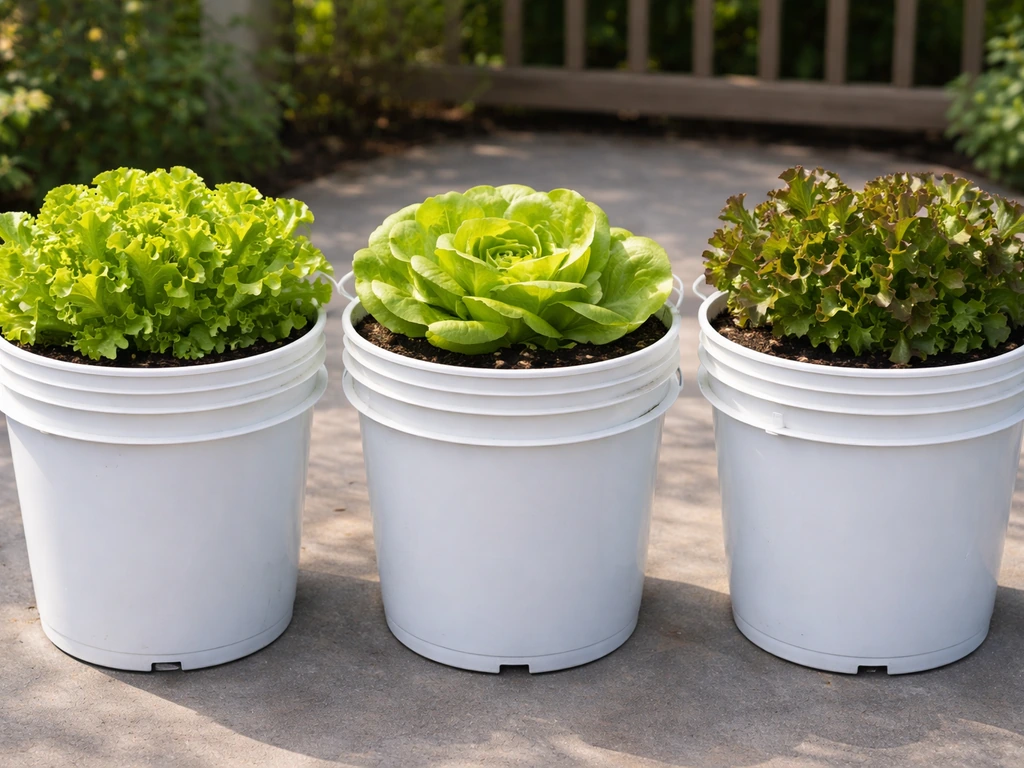
Not all lettuce varieties suit bucket growing equally well. Looseleaf types are the most forgiving and productive for containers because you can harvest continuously rather than waiting for a full head. Butterhead varieties like Buttercrunch (around 65 days to maturity) are compact and do well with slightly more root space. Romaine or cos types are taller and take longer, roughly 70 to 75 days, and while they work in a bucket, they need more patience. If you want the fastest results, looseleaf varieties like Red Salad Bowl (around 50 days) are hard to beat.
| Variety Type | Example Cultivar | Days to Maturity | Plants per 5-Gallon Bucket | Best Harvest Style |
|---|---|---|---|---|
| Looseleaf | Red Salad Bowl | ~50 days | 2–3 | Cut-and-come-again |
| Butterhead | Buttercrunch | ~65 days | 1–2 | Outer leaves or full head |
| Romaine/Cos | Paris Island Cos | ~70–75 days | 1 | Full head |
| Baby leaf mix | Mixed looseleaf | ~25–30 days | Dense sowing | Snip at 3–4 inches tall |
Light and temperature: where to place it outdoors or indoors
Lettuce needs about 6 hours of sunlight per day, but it's one of the few vegetables that actually benefits from partial shade in warm weather. Full sun in summer pushes lettuce to bolt (go to seed) fast, which turns leaves bitter and ends the harvest. Outdoors, the ideal placement is morning sun with afternoon shade, east-facing spots are often perfect. In hot climates or during summer months, placing the bucket where it gets shade from taller plants or a structure during the hottest part of the day can extend your harvest window significantly.
Temperature matters as much as light. Lettuce germinates in soil as cool as 35°F but performs best between 60°F and 70°F. It can handle a light frost and can be transplanted outdoors about two weeks before your average last frost date in spring. Once daytime temperatures consistently push above 80°F, bolting becomes a real risk. This is where bucket growing has a major advantage over in-ground beds: you can move the bucket to a cooler spot, bring it indoors, or shift it into shade as the season heats up.
Indoors, lettuce needs a bright south or west-facing window, or a grow light providing at least 12 to 14 hours of light per day. If you're growing lettuce inside year-round, a simple LED grow light placed 6 to 12 inches above the plants works well. Indoor growing eliminates most temperature stress and pest pressure, making it a strong option especially in summer or winter when outdoor conditions are extreme.
Watering and feeding schedule for container lettuce
How often to water
Container lettuce dries out much faster than in-ground lettuce, and because the root system is confined, it can't go searching for moisture the way a field plant can. The rule of thumb is to aim for about 1 inch of water per week, but in a bucket sitting in the sun during warm weather, you may need to water every day.
Check the top inch of the mix: if it feels dry, water thoroughly until it drains freely from the bottom holes. Never let the mix dry out completely, but equally, don't let it stay waterlogged. Soggy roots and wilted lettuce from underwatering look surprisingly similar, so if you're not sure, stick your finger an inch into the mix before reaching for the watering can.
Feeding your bucket lettuce
If you mixed a slow-release fertilizer into your potting medium at planting, you can hold off on additional feeding for the first 4 to 6 weeks. If you didn't, start a light liquid fertilizer routine about 2 weeks after planting. Lettuce is a leafy crop so it needs a moderate amount of nitrogen to produce lush, green leaves, but don't overdo it. Too much nitrogen causes excessive leafy growth that looks impressive but can reduce quality and make plants more susceptible to stress. A balanced liquid fertilizer (something like a 10-10-10 or a dedicated vegetable fertilizer) applied every two weeks at half the recommended dose is plenty for bucket-grown lettuce. Ease off feeding as plants approach harvest.
Timeline: from seed to harvest (and cut-and-come-again)
Here's a realistic timeline for bucket-grown lettuce starting from seed. Germination takes 7 to 14 days in cool conditions. Thinning to final spacing happens around days 14 to 21 once seedlings are established. Baby leaf harvests (snipping small leaves at 3 to 4 inches tall) can start as early as 25 to 30 days. Full looseleaf harvest begins around 45 to 55 days. Butterhead reaches maturity around 55 to 65 days, and romaine takes 70 to 75 days to full head.
For looseleaf and butterhead types, cut-and-come-again harvesting dramatically extends your production from a single bucket. Harvest outer leaves first, leaving the central growing crown intact. New leaves will emerge from the crown within about 7 to 10 days, giving you repeated harvests from the same plants over 4 to 8 weeks before the plant eventually bolts or exhausts itself. When harvesting romaine, the head is ready when leaves overlap into a fairly tight structure roughly 4 inches wide at the base and 6 to 8 inches tall. Bibb lettuce is ready when the leaves cup inward forming a loose head.
Head-type lettuces (full romaine, crisphead) give you one harvest per plant since you cut the whole head. That's fine if you're staggering plantings every two to three weeks so you always have something coming along. With a 5-gallon bucket this is easy to manage: start a second bucket a few weeks after the first and rotate them through.
Troubleshooting common issues like bolting, pests, and slow growth
Bolting (going to seed too fast)
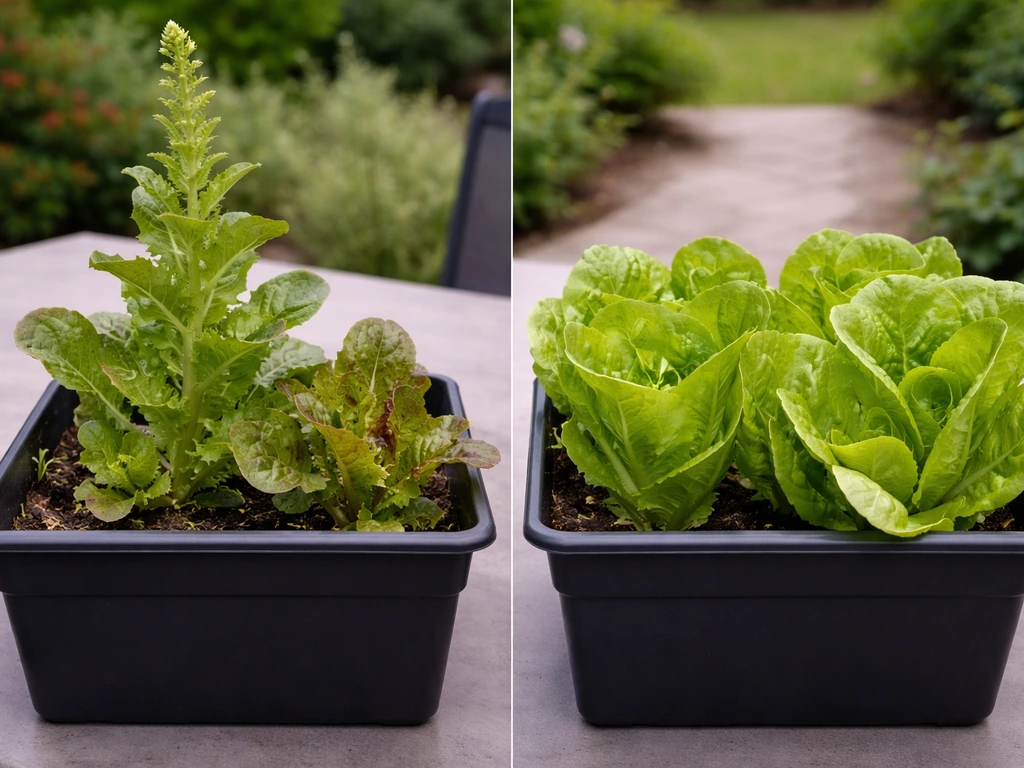
Bolting is the most frustrating thing that happens to container lettuce. It's triggered by heat and long days, and once the plant sends up a seed stalk, the leaves turn bitter and the plant is essentially done. If you see your lettuce starting to stretch upward and the leaves are getting smaller and more pointed, it's about to bolt. Harvest everything you can right now rather than waiting. To prevent it in the first place: move the bucket into shade during afternoon heat, water consistently (water stress accelerates bolting), and choose bolt-resistant varieties. In summer, growing lettuce indoors is often easier than fighting the heat outdoors.
Wilting
Wilting almost always means one of two things: the mix is too dry, or roots are waterlogged and rotting. Check drainage first, if water isn't flowing freely out of the holes, the mix may be compacted or the holes may be blocked. If the mix is saturated but the plant is wilting, you likely have root rot starting and need to ease off watering immediately and improve drainage. If the mix is bone dry, water thoroughly and the plant will usually recover within a few hours.
Pests
The most common pests on bucket lettuce are aphids, slugs, and the occasional caterpillar. Aphids cluster on the undersides of leaves and can be knocked off with a strong stream of water or treated with insecticidal soap. Slugs are mostly a nighttime problem, check after dark and remove them by hand, or use a ring of diatomaceous earth around the base of the bucket. Caterpillars from cabbage loopers or other moths are easy to spot and remove by hand. Because a bucket is a contained, portable system, pest management is much easier than in a garden bed. Move the bucket if you notice a persistent pest pressure from a specific location.
Slow or uneven growth
If your lettuce is growing slowly or unevenly, the first things to check are light levels and temperature. Lettuce in too little light grows leggy and pale. If you're indoors, move the bucket closer to a window or add a grow light. If one side of the bucket gets more light, rotate it a quarter turn every few days for even growth. Cold snaps below 35°F can stall growth temporarily, bring the bucket inside if a frost is coming. Nutrient deficiency is another cause: yellowing older (lower) leaves usually signals nitrogen deficiency, which is a sign to start or increase feeding.
Poor germination
If seeds aren't sprouting after two weeks, the mix was probably too dry, too hot, or the seeds were planted too deep. Lettuce seeds need consistent moisture at the surface to germinate and they need cool soil, germination slows dramatically above 75°F soil temperature. If you're planting in summer, try pre-chilling seeds in a damp paper towel in the refrigerator for 24 hours before sowing. Sow fresh seeds, keep the surface moist, and place the bucket somewhere with cool temperatures. Don't cover the seeds with more than 1/4 inch of mix.
Growing lettuce in a 5-gallon bucket is one of the most rewarding small-space gardening projects you can do, especially if you're an apartment dweller or someone with limited outdoor space. The setup cost is minimal, the turnaround time is fast, and once you understand the basics, drainage, cool temperatures, consistent moisture, and smart spacing, you'll have fresh salad greens on your terms all season long.
FAQ
Can I use multiple lettuce varieties in the same 5-gallon bucket?
You can, but only if they have the same spacing needs and you are willing to harvest selectively. For example, mixing two looseleaf types can work if you keep to the 2-to-3 plant maximum. Avoid pairing a head-forming type with a looseleaf type, because the head will be removed later and will crowd the looseleaf as it fills in.
What should I do if my bucket lettuce keeps bolting even though I’m keeping it in partial shade?
First check watering consistency. Heat plus water stress is a common bolting trigger, so aim for steady moisture in the top inch of the mix. Next, switch to a faster-maturing, bolt-resistant looseleaf variety, and consider moving the bucket indoors or to a cooler spot when daytime temperatures reliably exceed about 80°F.
Is it better to grow from seed or buy seedlings for a 5-gallon bucket?
Both work. Seed lets you choose the exact variety and schedule, but seedlings can reduce your risk of bad germination, especially if the weather is already warm. If you start indoors or have stable cool conditions, seed is efficient. If you need results quickly before heat arrives, transplanting stronger seedlings is often more reliable.
Do I need to thin lettuce seedlings, and when is the right time?
Yes. If seedlings are too close together, they compete for light and nutrients and will become weak. Thin once seedlings are established, typically around days 14 to 21, and end with the final spacing for your target type (baby greens, full looseleaf, or head types).
How do I know if my bucket lettuce has a nutrient problem versus a watering problem?
Look at the pattern. Wilting with a mix that feels wet or smells sour often points to root issues from overwatering or blocked drainage. Yellowing mainly on older lower leaves usually suggests nitrogen deficiency, which means you should adjust feeding. If leaves look pale overall and growth is slow, re-check light before increasing fertilizer.
Can I grow lettuce in a 5-gallon bucket year-round outdoors?
In mild climates, yes, but you need seasonal adjustments. In warm months, use afternoon shade and consider bringing the bucket into a bright indoor window during heat spikes. In cold weather, a simple row cover or moving the bucket into a sheltered spot can keep production going, because lettuce tolerates light frost better than many vegetables.
Should I add a saucer or tray under the bucket?
Usually no for outdoor growing. A saucer can trap runoff and keep the mix too wet around the roots. If you must use a tray indoors to protect floors, empty it after watering so water cannot sit under the bucket.
How often should I harvest looseleaf lettuce, and will it hurt the plant if I keep taking leaves?
You can harvest repeatedly, cutting outer leaves and leaving the center crown intact. New growth typically comes back within about a week to 10 days. Stop harvesting or reduce intensity as temperatures rise, because constant harvesting during heat stress can contribute to earlier bolting.
What’s the safest way to prevent pests like aphids or slugs without damaging the plants?
Start with mechanical steps. For aphids, a strong spray of water knocks them off. For slugs, check after dark and remove by hand. If you use diatomaceous earth, apply around the base area and reapply after rain or heavy watering, since it loses effectiveness when wet.
Can I reuse the potting mix from one season to the next?
You can, but plan for fertility and drainage. Composting the old mix or blending it with fresh potting mix helps restore structure and nutrients, and it reduces compaction over time. If the mix stayed waterlogged or you suspect disease, replace it instead of reusing.