Sweet lettuce comes down to two things: picking varieties that are naturally mild and managing the conditions that turn any lettuce bitter. Heat, drought, inconsistent watering, and bolting are the main culprits behind bitter leaves, and they are all preventable. Varieties like Buttercrunch, oak-leaf types, and blank" rel="noopener noreferrer">Sweet Crisp romaine give you a head start on sweetness, but even the best variety will turn harsh if it gets stressed by high temperatures or dries out between waterings. Get those two sides right and you will have tender, mild leaves from a container on your balcony, a raised bed outside, or a hydroponic setup on your kitchen counter. If you want the short, practical roadmap, start by picking a slow-bolting variety and then dial in light, temperature, and steady watering how to grow round lettuce.
How to Grow Sweet Lettuce at Home in Any Setup
Choose the right sweet lettuce variety
Some lettuce varieties are simply bred to be sweeter, more tender, and slower to bolt than others. That last trait matters a lot because bolting (sending up a flower stalk) triggers extreme bitterness almost overnight. Choosing a slow-bolt variety buys you extra time and a bigger harvest window, especially in warmer weather.
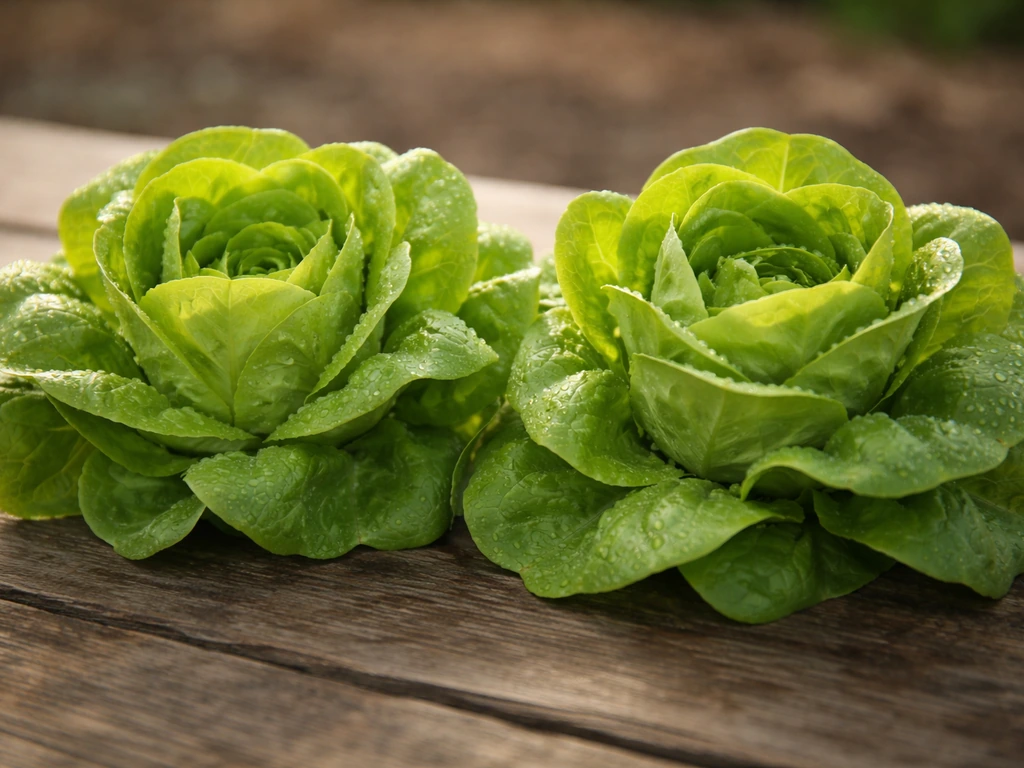
Buttercrunch is one of the most consistently recommended varieties for sweet flavor. St. Clare Seeds describes it as crisp, tender, sweet, and slow to bolt, and Siskiyou Seeds notes it remains sweet through the heat of early summer, which is saying something for lettuce. It forms a loose, buttery head and is forgiving for beginners. If you only grow one variety, start here.
Oak-leaf types (both green and red) are another excellent choice. University of Maryland Extension recommends them specifically as heat-resistant, slow-bolting varieties for extending your growing season. The deeply lobed leaves stay tender longer than many other types, and they work beautifully for cut-and-come-again harvesting.
For a romaine-style sweet lettuce, look for Salanova Sweet Crisp, which Johnny's Selected Seeds describes as having a sweet, romaine-like flavor with a satisfying crunch. It is a Salanova-type cultivar, meaning it produces multiple small leaves from a single rosette, which also makes harvesting easy and continuous. If you enjoy sweeter, less bitter greens and want variety, growing different lettuce types side by side is a great approach worth exploring.
A quick note on what genetics can and cannot do: even a slow-bolt, sweet variety will taste bitter if it gets heat-stressed, drought-stressed, or left in the ground too long. Variety selection gives you a runway. Your job as the grower is to use that runway well.
| Variety | Type | Sweetness/Flavor | Bolt Resistance | Best For |
|---|---|---|---|---|
| Buttercrunch | Butterhead | Crisp, tender, sweet | High, slow to bolt | Beginners, containers, beds |
| Oak-leaf (green or red) | Loose-leaf | Mild, sweet, tender | High, heat-resistant | Cut-and-come-again, summer extension |
| Salanova Sweet Crisp | Romaine-type (Salanova) | Sweet, romaine-like, crisp | Moderate-high | Continuous harvest, indoor/hydro |
| Lollo types | Loose-leaf | Mild, slightly nutty | Moderate | Containers, salad mixes |
| Salanova (general) | Butterhead/Batavian hybrid | Buttery, mild | Moderate | Indoor, hydroponic, containers |
Best growing setup for sweet lettuce
Lettuce is one of the most adaptable crops you can grow. It works in outdoor beds, containers on a patio, and fully indoor setups including hydroponics. Each environment has a slightly different set of priorities, but the core rules around temperature, light, and water stay consistent.
Outdoor beds
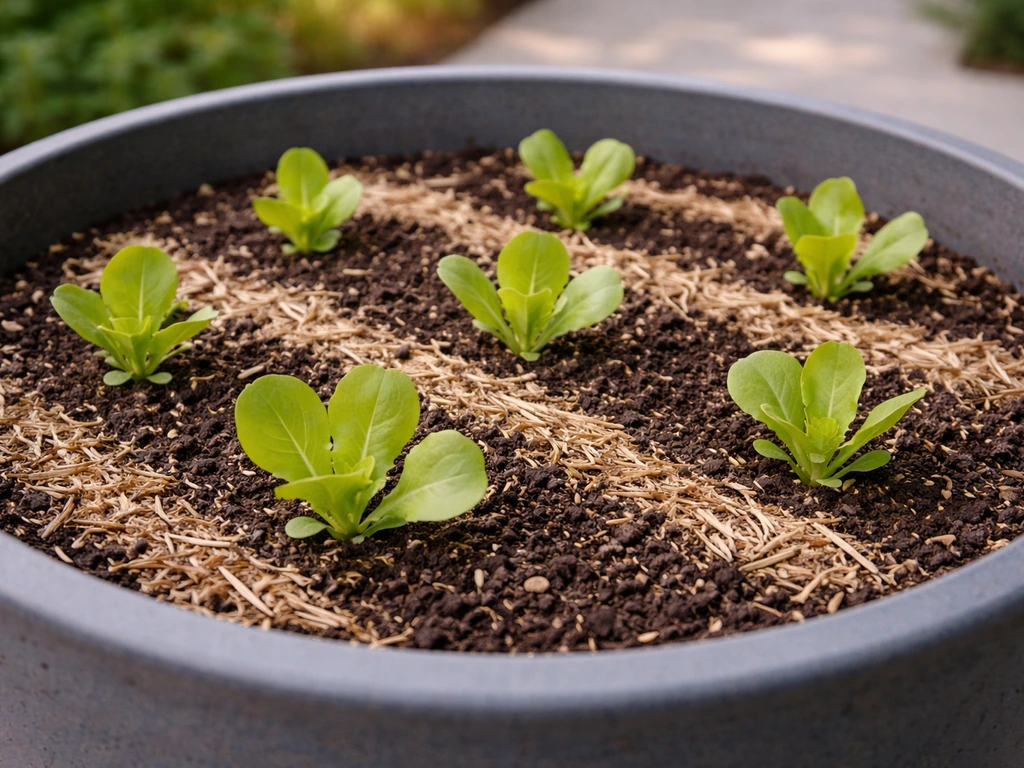
An outdoor bed gives you the most space and lets you do larger plantings and easier succession sowing. The main challenge is temperature management. Lettuce is a cool-season crop that starts struggling when daytime temperatures push above 75°F for multiple days in a row, which is when bolting and bitterness risk really climbs. For spring, start seeds or transplants as soon as the soil is workable and target harvesting before midsummer heat arrives. For fall, count back from your first frost date and start seeds in late summer so the plants mature in cooler conditions. Afternoon shade from a taller plant or shade cloth (30 to 50 percent) can add a couple of extra weeks to your harvest window during warm spells.
Containers
Containers are excellent for lettuce and give you one big advantage: mobility. If a heat wave rolls in, you can move your pots to a shadier, cooler spot. Oregon State University Extension notes that leaf lettuces in containers can be ready for harvest in as little as 45 days, and even sooner if you take baby leaves. Use a container at least 6 to 8 inches deep with good drainage holes, and choose a lighter-colored pot to reflect heat and keep the root zone cooler. Darker pots absorb heat and can cook the roots on hot afternoons. A window box can easily support a continuous rotation of lettuce plantings throughout the cooler months.
Indoor and hydroponic setups
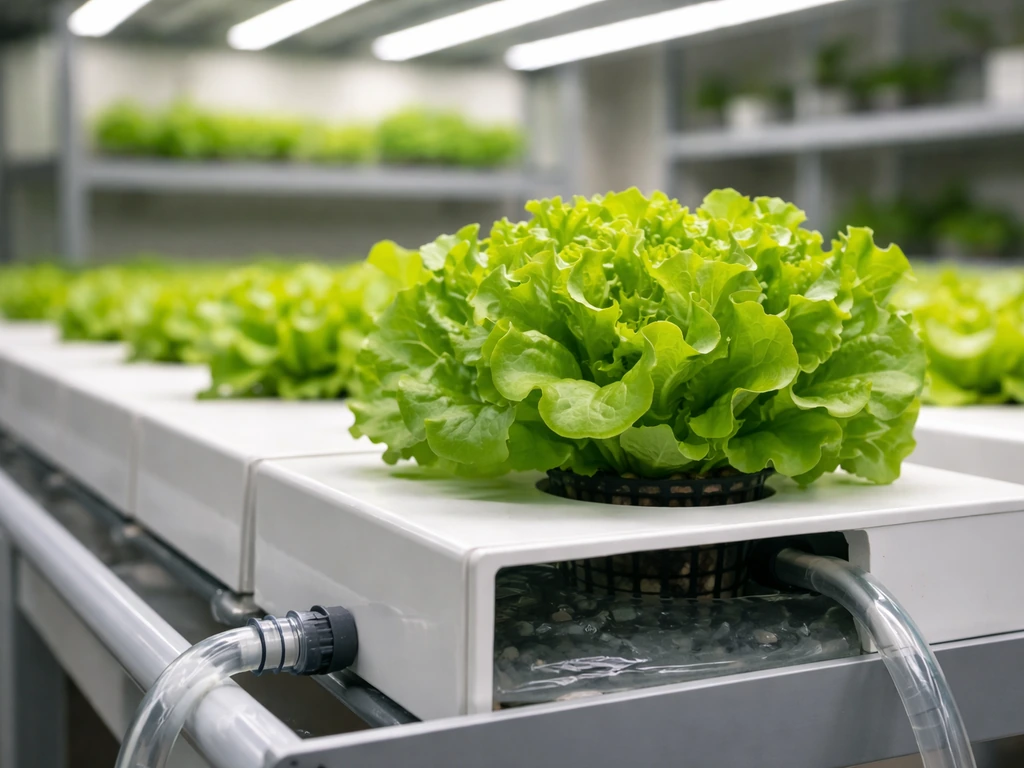
Indoor growing gives you year-round control and is arguably the most reliable way to consistently produce sweet lettuce because you dictate temperature, light, and water. Lettuce is one of the easiest crops to grow hydroponically, and systems like nutrient film technique (NFT) or deep water culture (DWC) are popular for home growers. Urban Harvest Lab recommends an electrical conductivity (EC) range of 0.8 to 1.2 mS/cm and a pH of 5.5 to 6.0 for hydroponic lettuce. Keep the nutrient solution nitrogen target around 75 to 100 ppm as noted by Purdue Extension's hydroponic lettuce production guidance. One specific indoor issue to watch for is tip burn, a browning of leaf margins caused by calcium delivery problems made worse by high temperatures, poor airflow, and high humidity around the canopy. A small fan running near your plants almost always solves or prevents this.
Soil, substrate, planting, and spacing
Lettuce has shallow roots and prefers loose, moisture-retentive soil with good drainage. Outdoors or in containers, a mix of good quality potting soil or garden loam amended with compost works well. The compost adds nutrients and helps the soil hold water evenly without becoming waterlogged. Avoid heavy clay on its own because it compacts, drains poorly, and can contribute to root rot and uneven moisture. A slightly acidic to neutral pH of 6.0 to 7.0 is ideal.
For germination, Utah State University Extension reports lettuce germinates best at around 55 to 65°F and will typically emerge within 7 to 10 days under favorable conditions. One thing many beginners miss: lettuce seeds need light to germinate. Press them gently onto the soil surface or barely cover them with about 1/8 inch of fine soil or vermiculite. Do not bury them deep or germination rates drop significantly. Keep the surface consistently moist but not soaking wet until seedlings emerge.
For direct seeding outdoors, sow seeds thinly in rows spaced about 12 to 18 inches apart. Thin head types like Buttercrunch to about 10 to 12 inches between plants once seedlings reach an inch or two tall. Loose-leaf varieties can be thinned to 6 to 8 inches if you want full-sized plants, or left a little denser if you plan to harvest as baby greens. If you are starting indoors for transplanting, harden seedlings off before moving them outside: reduce watering slightly and drop the temperature for two to three days, as recommended by University of Minnesota Extension, to reduce transplant shock.
For hydroponic setups, rockwool cubes or net pots filled with hydroton (clay pebbles) are the standard germination media. Soak rockwool in pH-adjusted water (around 5.5 to 6.0) before seeding. Place two to three seeds per cube, then thin to one seedling once they sprout. Space net pots 6 to 8 inches apart in a system to give each plant room and adequate airflow.
Light, temperature, and airflow to prevent bitterness and bolting
Lettuce bolts (sends up a flower stalk and turns bitter) when it experiences prolonged heat above 75°F, long daylight hours, or even extended cold snaps, according to UC IPM. You can also prevent bitterness by avoiding heat stress, keeping moisture consistent, and harvesting promptly before your plants bolt. Of these, heat is the one most home growers deal with. University of Minnesota Extension notes that multiple days above 75°F can trigger flowering, and once that process starts, the bitterness compounds rapidly and you cannot reverse it.
For outdoor growing, morning sun and afternoon shade is the sweet spot during spring and early summer. Full sun is fine in early spring when temperatures are genuinely cool. As temperatures climb, find ways to create shade, whether that is a shade cloth, positioning near a taller crop, or simply timing your plantings so they mature before the heat arrives. Start seeds 6 to 8 weeks before your last frost date for a spring crop. For fall, start seeds about 6 to 8 weeks before your first expected frost so the crop matures in cooler fall weather.
Indoors, lettuce grows well under LED grow lights at around 14 to 16 hours of light per day for vegetative growth. Cornell's CEA Lettuce Handbook supports a controlled photoperiod approach for indoor lettuce production. Keep temperatures in the 60 to 70°F range, dropping a few degrees at night if possible. That slight temperature drop mimics natural conditions and can actually improve flavor and leaf texture.
Airflow is often overlooked but it matters, especially indoors and in hydroponic setups. Good air movement reduces canopy humidity, which helps calcium reach inner leaves and prevents tip burn. It also reduces the risk of fungal diseases. A small oscillating fan running at low speed near your plants is enough. Outdoors, avoid planting lettuce in dead-air corners with no breeze.
Watering and feeding for tender, sweet leaves
Inconsistent moisture is one of the fastest routes to bitter lettuce. University of Minnesota Extension notes that heat and water stress both contribute to bitterness, and that lettuce becomes extremely bitter after flowering. The goal is to keep the soil evenly moist at all times, not wet, not drying out between waterings. Oregon State University Extension also cautions that too much water can induce bolting and bitterness, so you are looking for that steady middle ground.
A practical rule from UMN Extension: when you water, about 1 inch of water will wet sandy soil to around 10 inches deep and heavy clay soil to around 6 inches deep. Aim to keep the soil consistently moist in the top 4 to 6 inches where lettuce roots live. Check by poking a finger into the soil: the top inch may feel slightly dry but the soil below should still have moisture. Water deeply and less frequently rather than a little every day, which tends to keep moisture at the surface and encourages shallow roots.
For nutrients, lettuce is a moderate feeder. A balanced, low-nitrogen liquid fertilizer every two weeks works well for container and outdoor growing. Avoid overfeeding with nitrogen: excess nitrogen pushes fast, leggy growth that can actually reduce sweetness and make leaves more prone to bitterness. For hydroponic setups, maintain nitrogen around 75 to 100 ppm and keep EC between 0.8 and 1.2 mS/cm. If EC creeps too high, it can stress the plant and contribute to bitterness or stalled growth, so check your solution weekly and top off with plain pH-adjusted water between full nutrient changes.
Mulching around outdoor or container plants with straw or shredded leaves helps retain soil moisture, moderates root-zone temperature, and reduces the frequency of watering. This is one of the easiest things you can do to keep your lettuce happy during warmer spells.
Care through growth: thinning, succession planting, and managing stress
Thinning is something beginners often skip, but it really does matter. Overcrowded lettuce plants compete for water, nutrients, and airflow, all of which increase stress and push them toward bolting faster. Thin head-forming types like Buttercrunch to 10 to 12 inches apart. Do not pull seedlings out and disturb the roots of neighbors; instead, snip unwanted seedlings at soil level with scissors. Eat the thinnings as microgreens. Nothing is wasted.
For heading varieties, UMN Extension recommends tying or tucking outer leaves around the heart about a month after transplanting (or six weeks after direct seeding) using soft string or a rubber band. This blanches the inner leaves, keeping them tender, pale, and sweeter. It is a traditional technique that makes a real difference in flavor and texture.
Succession planting is the key to a continuous supply of sweet lettuce rather than one big harvest followed by nothing. Sow a new small batch every two to three weeks from early spring through early summer, then again from late summer into fall. Each batch takes about 45 to 60 days from sowing to a full harvest, so staggering your sowings means you always have something at the perfect harvest stage. Indoors or in a hydroponic system, you can run successions year-round without worrying about seasons at all.
During hot weather, keep a close eye on your plants. The first sign of stress is often leaf edges starting to look slightly frilled or upturned. If you see the central stem start to elongate quickly, that is the early sign of bolting. Harvest immediately when you spot that, because once the bolt is underway the leaves are already beginning their bitterness journey.
Troubleshooting common problems
Bolting and sudden bitterness
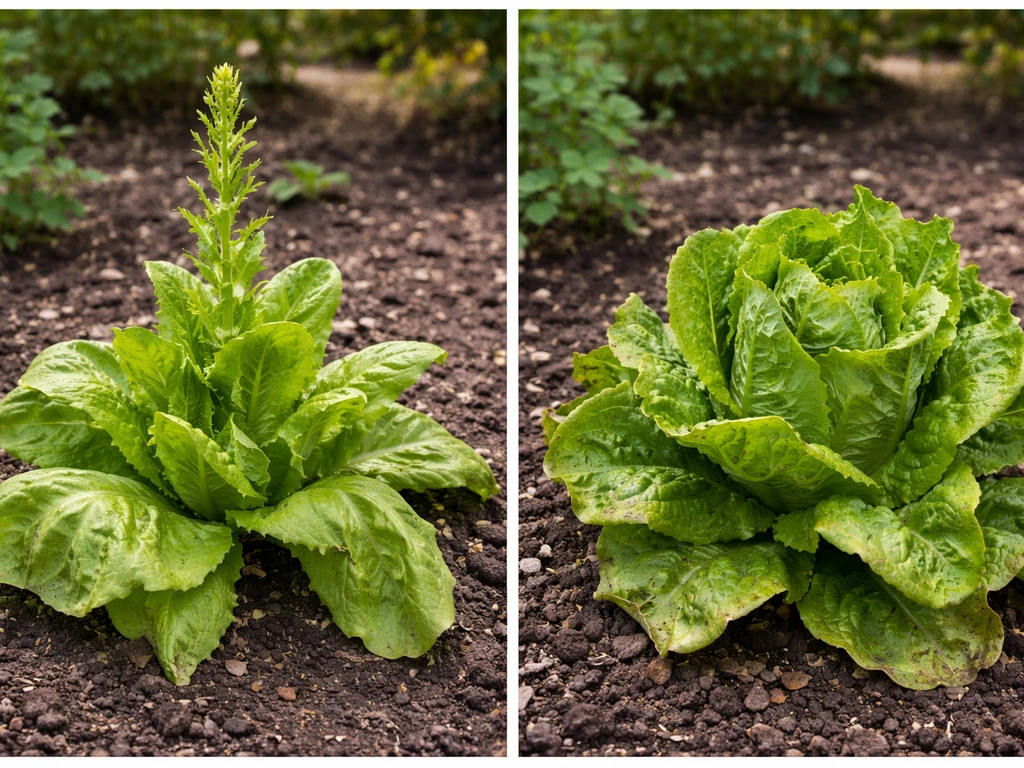
If your lettuce bolts unexpectedly, the most likely cause is a heat spike, long days, or a combination of both. Purdue Extension notes that hot temperatures and dry soil together dramatically speed up bolt timing. If it happens, harvest everything immediately and do not replant until temperatures cool. For your next planting, switch to slower-bolting varieties like Buttercrunch or oak-leaf types, add shade cloth during warm periods, and time your sowings for cooler seasons.
Bitter leaves without obvious bolting
Bitterness without a visible bolt usually traces back to heat stress, inconsistent watering, or simply leaving the plants too long. According to Utah State University Extension, delayed harvest and overmaturity cause bitterness and toughness. Gardenish also flags heat, drought, and age as the main bitterness drivers. If your leaves taste bitter but the plants are not yet bolting, harvest immediately and address the root cause before your next planting.
Poor germination
If seeds are not sprouting within 10 to 14 days, first check soil temperature. Soil above about 75°F significantly reduces germination rates, and very cold soil below 40°F will also cause failure. A soil thermometer is worth having. Also check that seeds are not buried too deep: lettuce needs near-surface sowing at about 1/8 inch deep. Old seed stock is another common culprit; lettuce seed viability drops after two to three years.
Leggy, stretched seedlings
Leggy seedlings reaching upward with a thin stem almost always means insufficient light. Outdoors this is usually a shade or timing issue. Indoors, move grow lights to within 4 to 6 inches of the seedling tops for LED panels, or follow the manufacturer's recommended distance. Leggy seedlings are still usable; just pot them up slightly deeper so the stem is partially buried, which stabilizes them while roots develop.
Tip burn (brown leaf margins)
Tip burn is browning along the margins of inner young leaves and is a calcium transport issue rather than a soil deficiency. As Purdue and peer-reviewed research confirm, it is driven by high temperatures, poor airflow, and high canopy humidity that reduce transpiration in inner leaves. A peer-reviewed PMC study also links poor air circulation and high humidity with tip-burn risk, and reports that blank" rel="noopener noreferrer">improving airflow can lower leaf-zone humidity and help calcium reach the inner leaves. Bayer notes that tipburn risk increases when outer leaves transpire faster due to conditions such as high temperatures, low relative humidity, and high wind speeds blank" rel="noopener noreferrer">high temperatures, poor airflow, and high canopy humidity. The fix is better air circulation (add or increase fan speed), lower temperatures if possible, and avoiding high-EC nutrient solutions in hydroponic setups. If you are growing indoors, check that your EC is not above 1.2 mS/cm.
Pests and diseases
Aphids, slugs, and caterpillars are the most common pests on lettuce. Aphids cluster on the undersides of leaves; knock them off with a strong jet of water or use insecticidal soap. Slugs are a nighttime problem, best managed with physical barriers, beer traps, or diatomaceous earth around the base of plants. Downy mildew, a fungal disease, shows as yellowish spots on upper leaf surfaces with grey-white growth beneath, and is favored by cool, humid, low-airflow conditions. UC IPM recommends an integrated approach: choose resistant varieties when available, avoid overhead watering late in the day, and improve airflow to reduce canopy humidity.
Nutrient and watering problems
Yellowing of lower leaves usually signals nitrogen deficiency, especially in containers where nutrients flush out with repeated watering. A balanced liquid feed fixes this quickly. Conversely, dark green, fast-growing but floppy leaves can signal excess nitrogen: cut back on feeding frequency. For hydroponic growers, a weekly EC and pH check catches most nutrient problems before they affect flavor. If plants look pale and stunted despite correct EC, check pH first as pH outside the 5.5 to 6.5 range locks out multiple nutrients.
Harvesting and storing for maximum sweetness
Timing your harvest well is probably the single most underrated factor in sweet lettuce. Lettuce that sits too long in the ground gets tougher and more bitter even without bolting, as USU Extension confirms. Harvest in the morning when leaves are fully hydrated and temperatures are cool for the best flavor and shelf life.
For cut-and-come-again harvesting on loose-leaf and oak-leaf types, cut outer leaves when they reach 3 to 6 inches long, leaving the inner growing point intact. The plant will keep producing new leaves for several more weeks. This approach works brilliantly for variety types like Salanova, oak-leaf, and lollo types. For heading varieties like Buttercrunch, harvest the whole head when it feels firm and the leaves are full but before any central stem elongation appears. UMD Extension gives a useful guide for romaine types: harvest when leaves overlap to form a fairly tight head about 4 inches wide at the base and 6 to 8 inches tall.
For full-head harvesting, cut the plant at the base just above the soil line with a clean knife. For hydroponic systems, lift the entire net pot. Rinse leaves gently in cold water immediately after harvest to remove any soil, insects, or hydroponic solution residue, then spin or pat dry.
For storage, USU Extension recommends keeping lettuce at 32 to 35°F with 98 to 100 percent relative humidity for up to two weeks. In a home refrigerator, wrap loosely washed and dried leaves in a paper towel, place in a zip-lock bag with a little air left in it, and store in the crisper drawer. The paper towel absorbs excess moisture and prevents slime. Eat within 5 to 7 days for peak sweetness; the flavor really does decline with every passing day, especially if leaves were warm at harvest.
Once you have harvested your first batch, the very next step is getting your next sowing started. That is the rhythm that gives you a continuous supply: harvest one batch, immediately sow the next. With two or three staggered plantings running at once, you will almost never run out of fresh, sweet lettuce.
FAQ
Can I grow sweet lettuce in winter, and how do I protect it from cold snaps?
Yes, but avoid under-cover. Lettuce tolerates light frost, yet repeated freeze-thaw cycles can damage tender leaves and delay regrowth. Use low tunnels or row cover to smooth out temperature swings, and remove the cover during mild, sunny parts of the day to prevent overheating and moisture buildup.
My lettuce tastes bitter but it never bolted. What should I check first?
Most of the time, bitterness that shows up before bolting comes from uneven soil moisture or heat stress. Check the top 4 to 6 inches for dryness, then water deeply to wet that zone, and add mulch to stabilize root-zone temperature. If leaves are already being damaged by heat, harvest immediately since sweetness will not return.
How do I avoid growing lettuce that is bitter even though my plants look healthy?
If you want more sweetness, stop fertilizing with a high-nitrogen feed. Use a balanced, low-nitrogen fertilizer and keep the schedule consistent (for many setups, every two weeks outdoors or in containers). In hydroponics, recheck EC and pH weekly, because going too strong can stress plants and shift flavor.
Why aren’t my sweet lettuce seeds sprouting, even though I’m watering regularly?
Start by choosing the right sowing depth. Lettuce needs near-surface light for germination, about 1/8 inch or less, and covering deeper is a common reason for failure. Also confirm soil temperature is in the 55 to 65°F range, and keep the surface consistently moist until you see seedlings.
What’s the biggest mistake people make when growing sweet lettuce in containers?
For container lettuce, make sure drainage is fast and the pot is deep enough to hold steady moisture, ideally 6 to 8 inches or more. Use a lighter-colored pot in warm weather, and consider moving the container to afternoon shade. These steps prevent root-zone overheating, which is a frequent trigger for bitterness and tip burn.
How can I prevent tip burn in sweet lettuce?
Tip burn is usually not fixed by adding calcium to the soil. It is driven by poor calcium delivery caused by canopy conditions like high humidity, limited airflow, and heat. Add an oscillating fan, reduce humidity if indoors, and for hydroponics confirm EC is not above about 1.2 mS/cm.
What should I do if I notice bolting starting earlier than expected?
If you see the center stem elongate quickly, treat that as an early bolting sign and harvest right away. Once bolting starts, bitterness develops rapidly. For the next round, plan extra shade during warm spells and switch to slow-bolting varieties so you get a longer harvest window.
When is the best time of day to harvest sweet lettuce for the best flavor?
Best results come from harvesting when leaves are fully hydrated and temperatures are cool, typically in the morning. Warm, late-afternoon harvests make lettuce taste flatter and spoil faster. After harvesting, rinse gently and dry well, then store promptly in a crisper drawer at cold temperatures with high humidity.
Can I keep harvesting the same lettuce plant, and how do I avoid ruining it?
If you grow cut-and-come-again types, do not remove the growing point. Cut only the outer leaves when they reach a usable size, leaving the center intact so it can keep producing. If you cut too close to the center or harvest too aggressively, the plant will run out of energy and the next flush will be smaller.
Lettuce got stressed during a heat wave. Should I replant right away or wait?
After a heat wave, do not immediately replant in the same location if temperatures are still high. Wait for cooler conditions, then start with slow-bolting varieties and a timed succession plan. Harvest remaining plants promptly, because overmature foliage often becomes tough and persistently bitter.