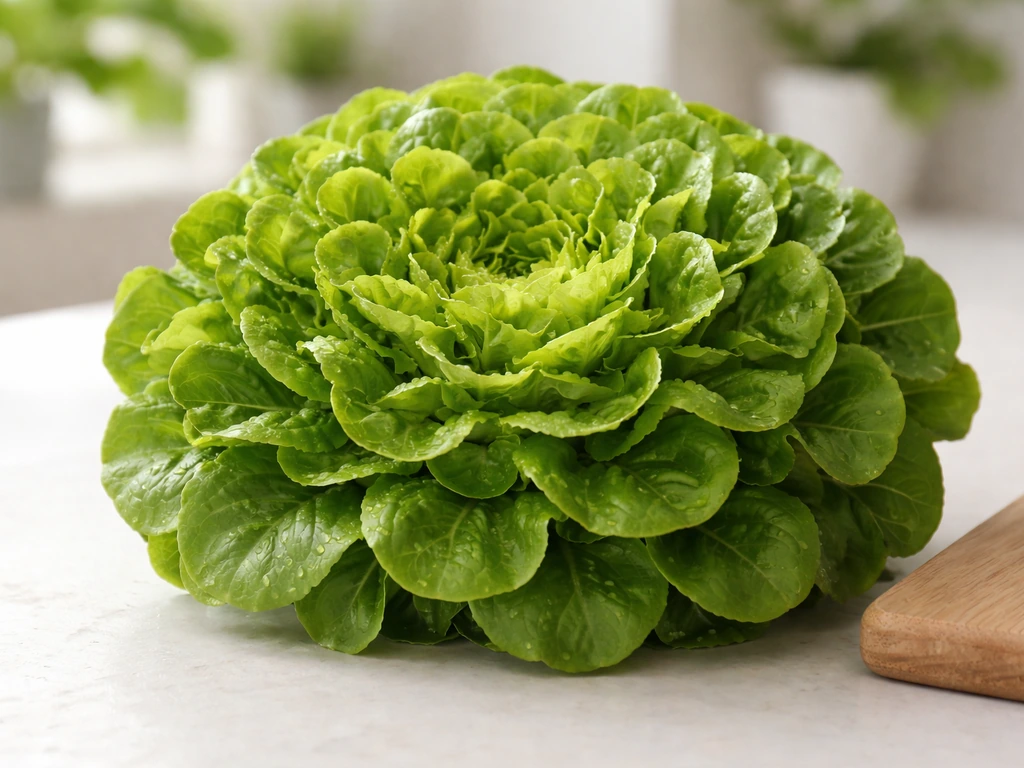
Salanova lettuce grows like a standard loose-leaf or butterhead, but you harvest the whole small head in one cut and it falls apart into perfect bite-sized leaves ready to eat. From seed to harvest it takes about 45 to 60 days depending on your setup, and because the heads stay compact (usually 6 to 8 inches across), it works just as well in a 10-inch container or a hydroponic channel as it does in a garden bed. Here is exactly how to grow it well from day one. If you want the best results, follow a step-by-step plan for how to grow sweet lettuce from planting through harvest Here is exactly how to grow it well from day one..
How to Grow Salanova Lettuce: Full Guide for Success
Marcus Holloway
4 Jul 2026
What Salanova actually is and why it's worth growing
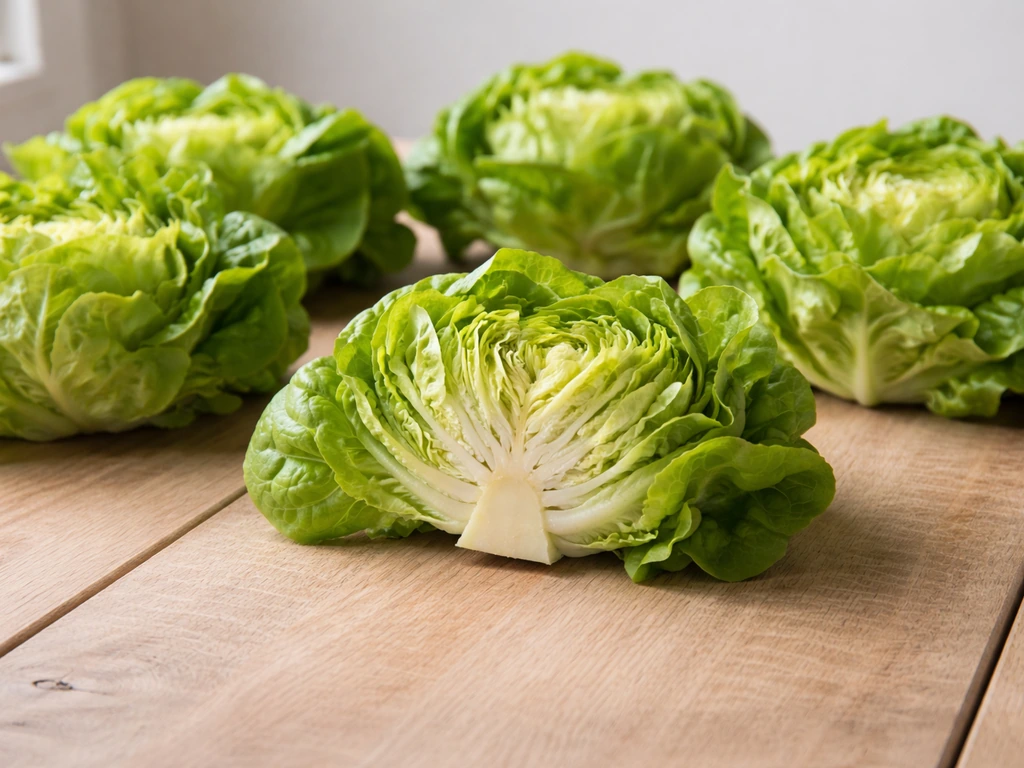
Salanova is a lettuce type developed by Dutch seed company Rijk Zwaan and sold under the 'one cut, ready! ' concept. You slice through the base once and the whole head separates into small, uniform leaves that go straight to the bowl with no further chopping or sorting. It's also marketed as Eazyleaf and Multileaf, and you'll see both names on seed listings.
Salanova is positioned for the baby-leaf market, and the varieties can be produced as small, bite-sized multi-leaf heads that separate into small leaves Eazyleaf and Multileaf.
The heads are dense and compact, the flavor is full rather than watery, and the leaves hold up longer in the fridge than a lot of loose-leaf types. That storage advantage matters when you grow more than you can eat in a day.
Varieties break into a few leaf types: butterhead/butter types (soft, rounded leaves), oakleaf types (lobed, slightly firmer), and some frilly or batavian-style cuts. Within those you'll find green and red versions. For hydroponics, Johnny's offers a specific 'Hydroponic Green Oakleaf' Salanova that's been selected for controlled-environment performance. Johnny’s seed listings for Salanova® Hydroponic Green Oakleaf include Days to Maturity information, presented in the context of direct seeding and transplant timing Days to Maturity information for Salanova® Hydroponic Green Oakleaf. If you're growing in soil or containers, any of the butter or oakleaf types will do well. Pick a color you like, because growing performance is similar across the range.
Compared to something like lollo rosso or a standard round lettuce head, Salanova is faster to process at harvest and stays more consistently sized because every plant is selected for that compact multi-leaf structure. If you've struggled with loose-leaf varieties producing uneven or straggly plants, the uniform head structure of Salanova is a real improvement.
Outdoor beds, containers, or hydroponics: what changes between them
Salanova is genuinely flexible, but each setup has a few specific adjustments worth knowing upfront.
Outdoor garden beds
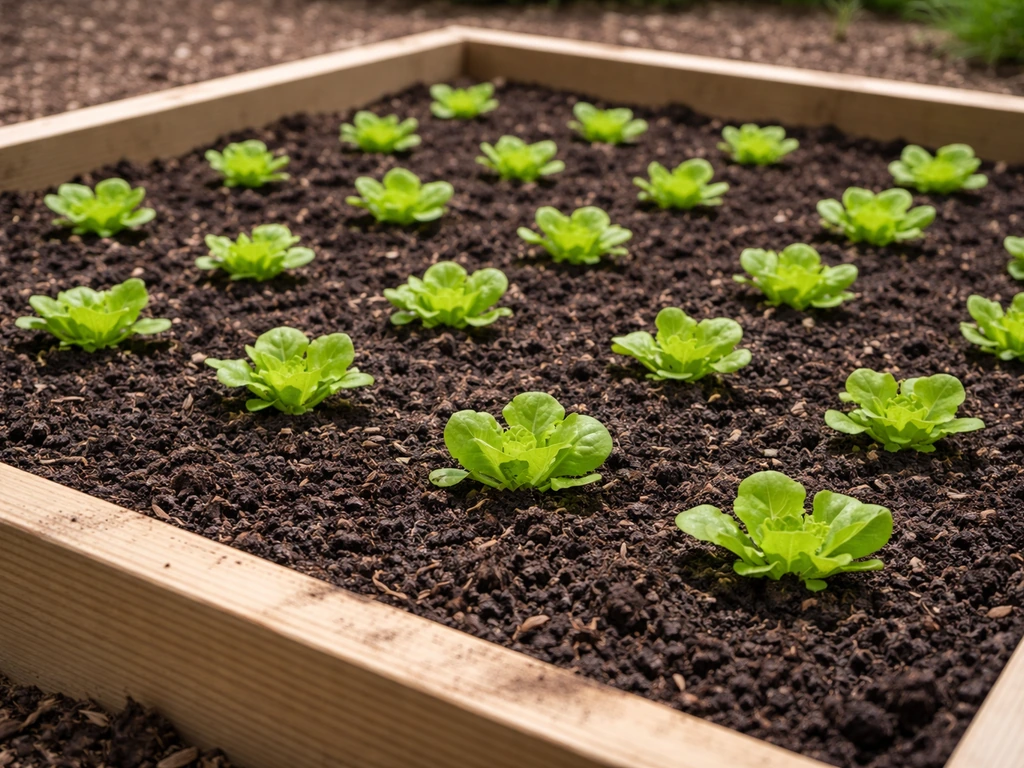
This is the most forgiving setup. Prep a bed with loose, well-draining soil, direct seed or transplant, water consistently, and you're mostly managing weather. The main risks outdoors are heat (causes bolting) and slugs. You have the most control over spacing here, which affects head size directly.
Containers and pots
Salanova is one of the best lettuce types for containers because of its compact size. If you want to grow round lettuce that forms compact heads in containers, Salanova is a great place to start best lettuce types for containers. A pot needs to be at least 8 inches deep and 8 to 10 inches wide per plant. Wider containers let you grow two or three plants together.
The key differences from a garden bed are that containers dry out faster (so you water more often) and the nutrient supply is limited to whatever you start with in the potting mix, so a light liquid feed every two weeks helps once the plant is established. Containers also let you move plants indoors or into shade when a heat wave hits, which is a real advantage for keeping Salanova from bolting.
Hydroponic systems
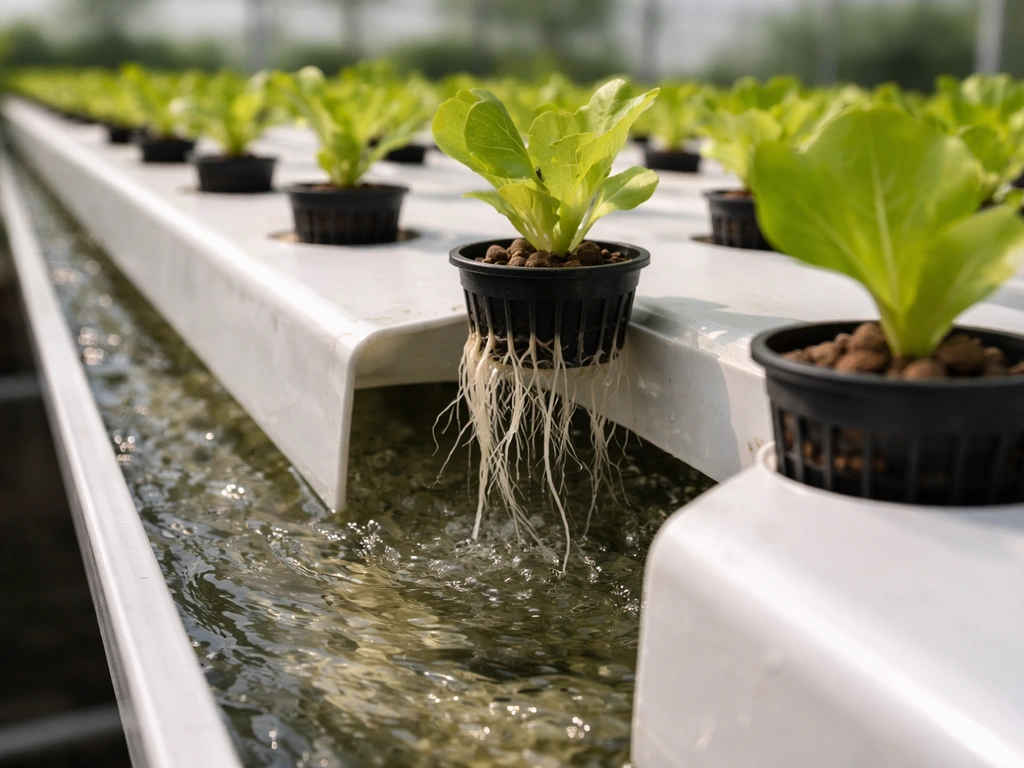
Salanova thrives in hydroponics, particularly in nutrient film technique (NFT) channels and deep water culture (DWC) setups. NFT runs a thin, continuous stream of nutrient solution over bare roots in a channel, which keeps oxygen levels high and growth fast. The main differences from soil growing are that you're controlling pH and electrical conductivity (EC) of the solution instead of amending soil, and temperature management (both air and water) becomes more critical. Expect faster growth indoors under lights compared to outdoor soil if conditions are dialed in.
Light, temperature, and when to plant through the season
Lettuce is a cool-season crop, and Salanova is no exception. The sweet spot for growth is between 60°F and 70°F (15 to 21°C). Below 45°F growth slows significantly and cold-stressed transplants become more susceptible to bolting later. Above 75°F consistently, plants start pushing toward flowering rather than making leaves, which is where bitterness and a ruined harvest come from.
For outdoor timing, that means planting in early spring (4 to 6 weeks before your last frost date) or in late summer/early fall (8 to 10 weeks before first frost) for a fall harvest. If you're in USDA Zone 6 or warmer, right now in early July is too hot for outdoor growing unless you have significant shade cloth (30 to 50% shade) and can keep soil cool with mulch and consistent watering. A better move this month is to start seeds indoors under lights and plan a late-August transplant for a fall crop.
For light, Salanova needs at least 6 hours of direct sun outdoors, though in hot weather partial afternoon shade actively improves quality. Indoors or under grow lights, aim for 14 to 16 hours of light per day at moderate intensity. Full-spectrum LEDs positioned 12 to 18 inches above the canopy work well. Insufficient light is one of the most common reasons for slow Salanova growth in hydroponic setups, and it shows up as leggy plants and loose, thin leaves rather than the tight, dense heads you're after.
Soil, media, planting depth, and spacing
Soil for outdoor beds and containers
Salanova does best in loose, fertile, well-draining soil with a pH between 6.0 and 7.0. If you're working with garden soil, amend with compost at about a 1:3 ratio (one part compost to three parts soil) before planting. For containers, use a quality potting mix rather than straight garden soil, which tends to compact and drain poorly in pots. Avoid heavy clay without serious amendment. Lettuce roots are shallow (most within the top 6 to 8 inches), so deep beds aren't necessary but loose texture matters a lot.
Hydroponic growing media
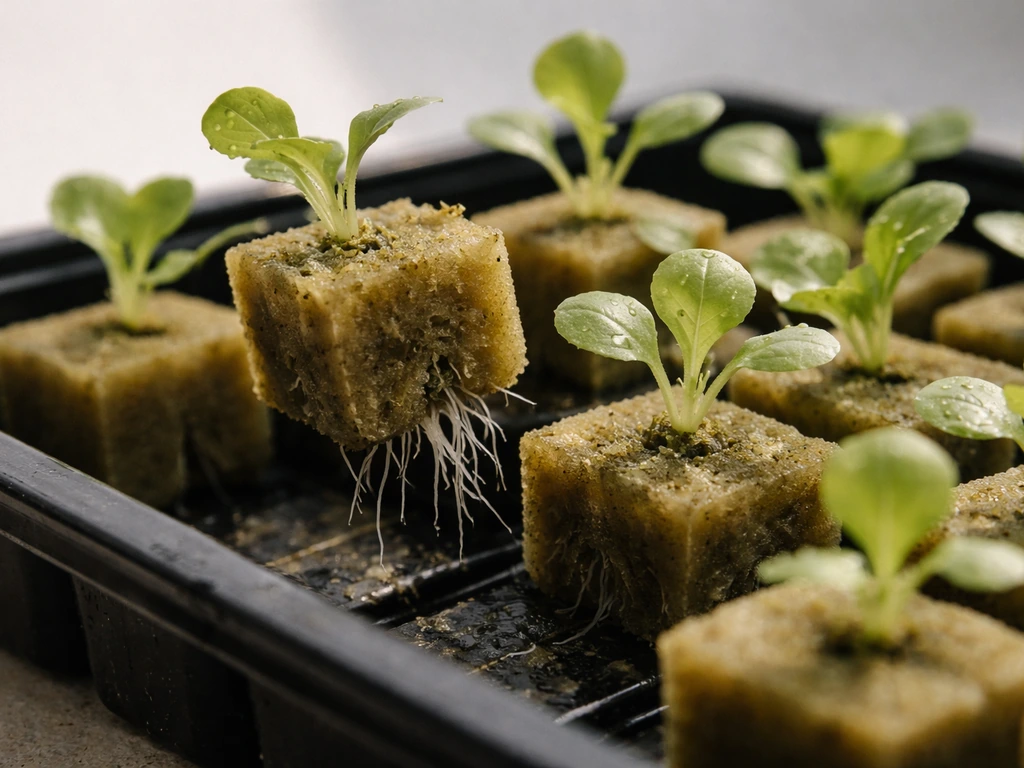
In hydroponics, you're not using soil at all. Start seeds in rockwool cubes, rapid rooter plugs, or coconut coir plugs, then transplant the seedling (cube and all) into your NFT channel, DWC net pot, or growing tray once the roots are 1 to 2 inches long. Perlite and hydroton (expanded clay pebbles) are common media in net pots. Make sure whatever you use is pH-neutral before use because some materials (especially rockwool) start slightly alkaline and need a pre-soak in pH-adjusted water.
Planting depth and spacing
Sow seeds just 1/8 to 1/4 inch deep. Lettuce seeds need light to germinate, so covering them too deeply is one of the most common beginner mistakes. Keep them consistently moist at 65 to 70°F until germination (usually 5 to 10 days). For spacing, Salanova wants about 8 to 10 inches between plants in a row and 10 to 12 inches between rows in a garden bed. In containers, one plant per 8-inch pot or three plants in a 24-inch window box works well. In hydroponic channels, a spacing of 8 to 10 inches between net pots is standard. Tighter spacing produces smaller heads; looser spacing gives you bigger, denser ones.
Watering and feeding for fast, crisp, non-bitter heads
Watering in soil and containers
Consistent moisture is the single most important factor for keeping Salanova leaves crisp and non-bitter. Lettuce is about 95% water, and any dry spell causes stress that translates to tougher, more bitter leaves and increases tipburn risk. In garden beds, water deeply two to three times per week in mild weather, and daily (or close to it) during hot periods, aiming to keep the top 2 inches of soil consistently moist but not waterlogged. In containers, check moisture daily by sticking your finger an inch into the soil. If it feels dry, water. Containers in summer heat may need watering every single day.
Feeding in soil and containers
If you started with compost-amended soil, you won't need to feed for the first 3 to 4 weeks. After that, a balanced liquid fertilizer (like a 5-5-5 or 10-10-10 diluted to half strength) every two weeks keeps growth steady. Avoid high-nitrogen feeds late in the crop cycle because they push rapid, soft growth that's more prone to tipburn and pest damage. Keep feeding modest and consistent rather than doing occasional heavy doses.
Hydroponic nutrient solution
For hydroponic Salanova, target a pH of 6.0 to 6.5 and an EC (electrical conductivity) of 1.2 to 1.8 mS/cm. Start seedlings at the lower end of EC (around 1.0 to 1.2) and move toward 1.5 to 1.8 as plants mature. blank" rel="noopener noreferrer">Research with Salanova cultivars specifically has used EC around 1.1 to 1.3 successfully. Keep water temperature around 65 to 68°F if you can manage it because warmer water holds less dissolved oxygen and slows root development. Check and adjust pH daily at first (it drifts more than most beginners expect), and do a full reservoir change every 7 to 10 days to prevent nutrient imbalances.
| Parameter | Soil/Containers | Hydroponics |
|---|---|---|
| pH target | 6.0 to 7.0 | 6.0 to 6.5 |
| Watering frequency | Every 1 to 3 days | Continuous or timed recirculation |
| Nutrient EC | Not measured directly | 1.2 to 1.8 mS/cm |
| Water temperature | Not controlled | 65 to 68°F ideal |
| Feed schedule | Every 2 weeks liquid feed | Continuous via reservoir |
Growth timeline, how to harvest, and keeping the crop going
Realistic growth timeline
From direct seeding to harvest, expect 45 to 60 days in good conditions. Transplanting seedlings started indoors shaves about 2 weeks off that because you're moving established plants rather than waiting for germination and early growth. In hydroponics under adequate LED lighting and good temperature control, you can hit a ready head in as little as 35 to 45 days from transplant. In cool outdoor conditions with less light (like an early spring bed), expect the slower end of that range. Slow growth is almost always a light or temperature problem, not a nutrient problem, so check those first before changing your feed.
Harvesting Salanova the right way
The whole Salanova concept is built around a single cut at the base. When the head looks full, dense, and is 5 to 8 inches across, use a sharp knife and slice cleanly through the stem just above the soil line. The head will then separate naturally or with a quick shake into individual bite-sized leaves. Do this harvest in the early morning when leaves are at their crispest and before the heat of the day sets in. Unlike some loose-leaf lettuces, Salanova is not really designed for repeated cut-and-come-again harvesting from the same plant because the whole head structure is what makes it work. You get one great harvest per plant, which is why succession planting matters so much.
Succession planting for a continuous supply
The best way to always have Salanova ready is to start a new batch of seeds every 2 to 3 weeks. If you start 6 plants per sowing, you'll have a steady rotation of harvests rather than a glut followed by nothing. Keep a simple record of your sow dates and it becomes second nature. In summer, skip the outdoor rotation during peak heat (typically June through August in most of the US) and maintain one indoor/hydroponic batch under lights to bridge the gap. Resume outdoor succession planting in late August for a fall run.
When things go wrong: fixing the most common problems fast
Bolting (plant going to seed before harvest)
If your Salanova starts sending up a tall central stalk and the leaves turn bitter, it has bolted. This is almost always triggered by temperatures consistently above 75°F, too many hours of light (more than 16 hours under artificial lights), or water stress combined with heat. Once a plant has bolted, there is no saving it for eating. Cut it out and compost it. Prevent the next one by adding shade cloth outdoors during heat waves, watering more consistently, and choosing bolt-tolerant Salanova varieties if your climate runs warm. Cold stress on transplants can also increase bolting susceptibility later, so harden off transplants gradually and don't move them out when soil is still very cold.
Tipburn (brown edges on young inner leaves)
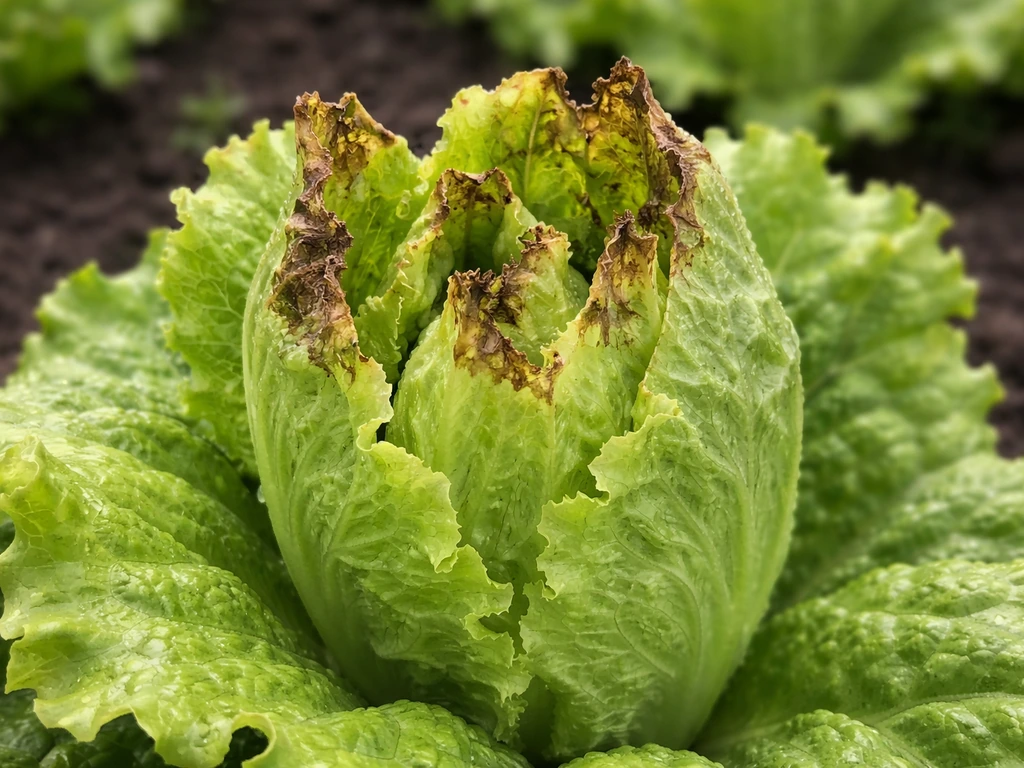
Tipburn shows up as browning or necrosis on the margins and tips of young leaves, especially on the inner leaves of the developing head. It looks like the plant is rotting from the inside. The cause is a calcium uptake problem: the plant can't move enough calcium to fast-growing leaf tissue quickly enough, especially when growth is rapid or water uptake is inconsistent. Heat, high nitrogen, poor airflow, and drought stress all make it worse.
To manage tipburn: water consistently so the plant never goes through dry-wet cycles, improve airflow around plants (especially in indoor setups), reduce nitrogen if you've been feeding heavily, and keep temperatures in the preferred range. Calcium foliar sprays are used in research settings, but for heads with tight inner structure the calcium often can't reach the affected tissue in time. Prevention through environment management is far more reliable than spraying after the fact.
Pests: aphids, slugs, and caterpillars
Aphids cluster on the undersides of leaves and at the base of the head. If you catch them early, a strong spray of water knocks them off. For persistent infestations, insecticidal soap spray (diluted per label) applied to the undersides of leaves works without leaving residue that affects eating quality. Slugs are mainly a nighttime outdoor problem. If you see irregular holes in leaves and a slime trail, set out slug traps (beer traps or iron phosphate bait, which is safe around edibles). Caterpillars (cabbage loopers are common) leave bigger, ragged holes. Hand-pick them off or use Bt (Bacillus thuringiensis), a biological control that's safe for edible greens.
Diseases: bottom rot and downy mildew
Bottom rot (bacterial soft rot) happens when the base of the plant sits in consistently wet conditions or touches wet, poor-draining soil. It usually means overwatering or very dense soil. If the lower leaves are slimy and the base smells bad, the plant can't be saved. Remove it and improve drainage before replanting. Downy mildew shows up as pale yellow patches on the upper leaf surface with gray-purple fuzz on the undersides. It spreads in cool, humid conditions with poor airflow. Space plants properly, avoid wetting the leaves when you water (water at the base), and remove affected leaves immediately. If it spreads despite that, a copper-based fungicide labeled for food crops can slow it.
Uneven, loose, or undersized heads
If your Salanova heads are coming out loose, uneven, or smaller than expected, the first thing to check is spacing (too tight means crowded, smaller heads), then light (insufficient light produces open, floppy structure), and then temperature (too warm makes plants stretch rather than build compact heads). In hydroponics specifically, slow or uneven growth is usually a light or temperature issue before it's a nutrient issue, so resist the urge to immediately bump your EC.
In a Hydroponics community discussion about Salanova, a grower reported that it can grow slower than expected depending on light and temperature, with EC around 1. 0 to 1.
1 and pH about 5. 8 to 6. 0, suggesting nutrients were not the main cause. Check that your lights are close enough and on long enough, and that your reservoir temperature isn't creeping up above 70°F.
Getting those two factors right usually fixes the problem without any other changes.
Salanova is genuinely one of the most satisfying lettuces to grow once you understand what it needs: cool temperatures, consistent water, adequate light, and the patience to do succession plantings so you always have something coming. It rewards good management with dense, flavorful heads that are faster to process at harvest than any other lettuce I've grown. Start with a single sowing of six plants, nail down your watering routine, and you'll have enough confidence to keep the rotation going all season.
FAQ
How fast can I harvest Salanova if I grow it under grow lights?
Yes, but you need a longer run than outdoors. In hydroponics, aim for 14 to 16 hours of light and keep the nutrient solution cool (around 65 to 68°F) so the plant does not turn soft and open. Expect roughly 35 to 45 days from transplant if pH and EC are steady, rather than 45 to 60 days from seed.
What should I do if my Salanova heads stay small or don’t fill out?
If you see tiny, tight heads that never really expand, the cause is usually not fertilizer. Check light first, then spacing. For Salanova, crowded plants tend to stay small and loose because each head needs room to build the compact multi-leaf structure, so move to about 8 to 10 inches between net pots or plants in ground-row spacing.
Can I cut and come again with Salanova after the first harvest?
Salanova is best treated as single-harvest. After you cut once, the plant does not reliably produce uniform new “ready-to-eat” multi-leaf heads, and you often end up with straggly regrowth. For a continuous supply, start a new batch every 2 to 3 weeks instead of trying to recut the same plant.
How should I acclimate Salanova seedlings after indoor or greenhouse starting?
Yes, but seedlings are easiest to burn if you jump straight from low light to full sun or intense LEDs. Harden off gradually over several days, and when you transplant outdoors pick mild morning conditions or provide partial afternoon shade for the first week so the plants establish without heat stress.
Why did my Salanova bolt even though I watered and fertilized regularly?
Bolting can be triggered by temperature, but also by stress, like inconsistent watering during warm spells. Even if temperatures are borderline, keep the soil or growing media consistently moist so the plant does not switch into reproductive mode. If your summers are reliably hot, plan to grow Salanova mainly in late summer to fall, or keep a covered/shaded spot.
What are the best steps to prevent tipburn in Salanova?
For tipburn, fixing irrigation consistency helps most. If you have persistent browning on inner margins, check airflow (especially in indoors), avoid high-nitrogen feeding, and make sure you are not letting the root zone cycle dry then wet. Calcium sprays are unreliable for tight inner heads because the affected tissue often cannot receive enough calcium in time.
In hydroponics, what is the most common reason Salanova grows slowly or gets leggy?
When a hydroponic system looks healthy but growth stalls, it is often the reservoir temperature or light rather than EC. If water temperature rises above about 70°F or your LEDs are too far away, growth slows and heads loosen. Verify LED height and photoperiod, then confirm reservoir temperature before changing nutrients.
Why won’t my Salanova seeds germinate reliably?
Start seeds very shallow (about 1/8 to 1/4 inch) and keep the surface from drying out. If germination is poor, the most frequent mistake is burying seeds too deeply or letting the plug dry between waterings. Because lettuce seeds need light to germinate, ensure the medium is moist but not flooded and stays evenly wet.
Can I grow Salanova in a large planter, and what causes bottom rot in containers?
Yes, but dense, oxygen-poor media is a problem. In containers, use a quality potting mix with good drainage, ensure pots are at least 8 inches deep, and avoid waterlogging. If you see slimy lower leaves or a bad odor, remove the plant and improve drainage or reduce watering frequency before replanting.
My Salanova leaves taste bitter. What should I check first?
If leaves turn bitter, it is usually heat and/or water stress, not lack of flavor additives. Confirm temperatures stay mostly in the 60 to 70°F sweet spot, provide partial afternoon shade in hot weather, and keep moisture consistent so the plant never goes through dry-wet cycles.