Round lettuce forms a compact, rounded head, think butterhead, crisphead (iceberg), or Batavian types, and getting that shape right comes down to a few non-negotiable things: picking a variety that actually heads up, giving it consistent cool temperatures, spacing it wide enough, and watering evenly throughout the whole growing period. If you want a quick checklist, follow the same steps in this guide on how to grow Salanova lettuce. Do those things, and you'll pull firm, crisp heads in about 60–80 days. Skip one, and you'll get loose, floppy leaves or a bitter plant that bolts before it ever rounds out.
How to Grow Round Lettuce: Planting to Harvest Tips

Marcus Holloway
24 Jun 2026
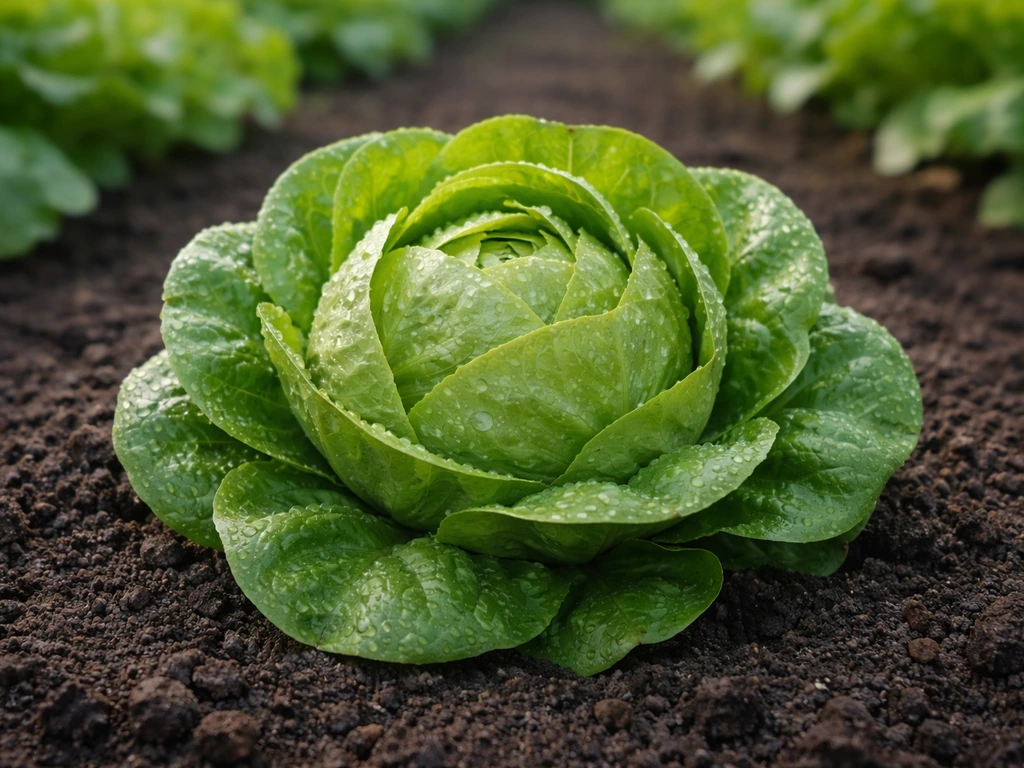
Pick the right round lettuce variety
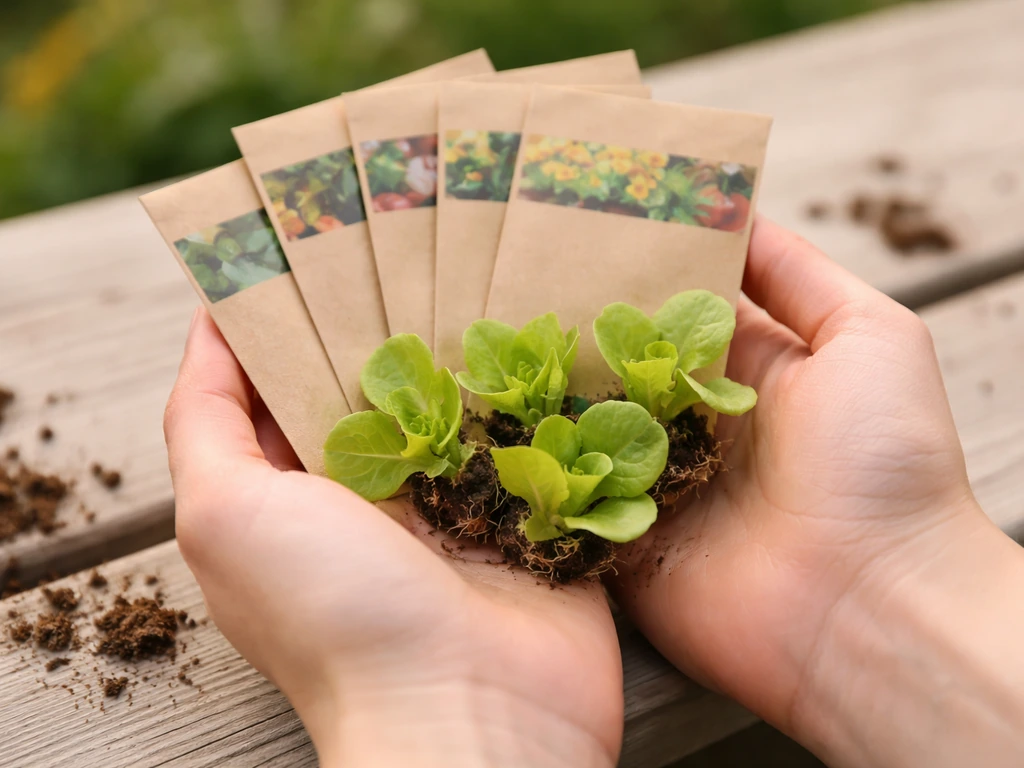
Not all lettuce forms a round head on its own. Loose-leaf types just spread outward, so if you want that classic rounded shape, you need to start with varieties that are bred to head up. The main categories worth knowing are:
- Butterhead (Boston/Bibb types): The easiest round lettuce for home gardeners. Varieties like 'Buttercrunch', 'Tom Thumb', and 'Nancy' form soft, rounded heads with tender, slightly cupped leaves. They're forgiving in containers and tolerate a little heat better than crisphead types.
- Crisphead (Iceberg types): 'Ithaca', 'Great Lakes', and 'Summertime' produce the classic tight, crisp ball heads. They take longer (75–85 days) and need more consistent cool weather, but the payoff is that satisfying crunch and excellent storage life.
- Batavian (French crisp types): 'Nevada', 'Muir', and 'Sierra' sit between butterhead and crisphead in texture. They form loose-to-semi-tight round heads and are notably more heat-tolerant, making them a smarter choice if you're growing in late spring or early fall when temperatures fluctuate.
- Mini heading types: 'Little Gem' is a small romaine-butterhead hybrid that heads up tightly in a rounded, compact form — perfect for containers or tight garden beds. It matures in about 55–65 days.
If bitterness is a concern for you (and it often is with heading types), butterhead varieties tend to stay sweet the longest. Crisphead types are more sensitive to heat stress and will turn bitter faster if temperatures spike. For comparison, lollo rosso and salanova types are worth exploring if you prefer non-heading or cut-and-come-again styles, but those won't give you a round head to harvest whole.
Soil and container setup for round head growth
Round-heading lettuce needs loose, well-draining soil that holds some moisture without staying waterlogged. Compact or heavy soil prevents the root zone from developing properly, which stunts head formation. Aim for a soil pH between 6.0 and 6.5. If you're working with native garden soil, get a simple soil test, if pH drops below 6.2, add lime to bring it up. Amend beds with 2–3 inches of compost worked into the top 6 inches before planting.
Outdoor beds
A raised bed or a well-amended in-ground bed works great. Loosen the soil to at least 8–10 inches deep so roots can spread. Heading types need a larger root footprint than leaf lettuce, so don't skip this step. Mulching with 1–2 inches of straw or shredded leaves after planting helps retain even moisture, critical for tight head development.
Containers and pots
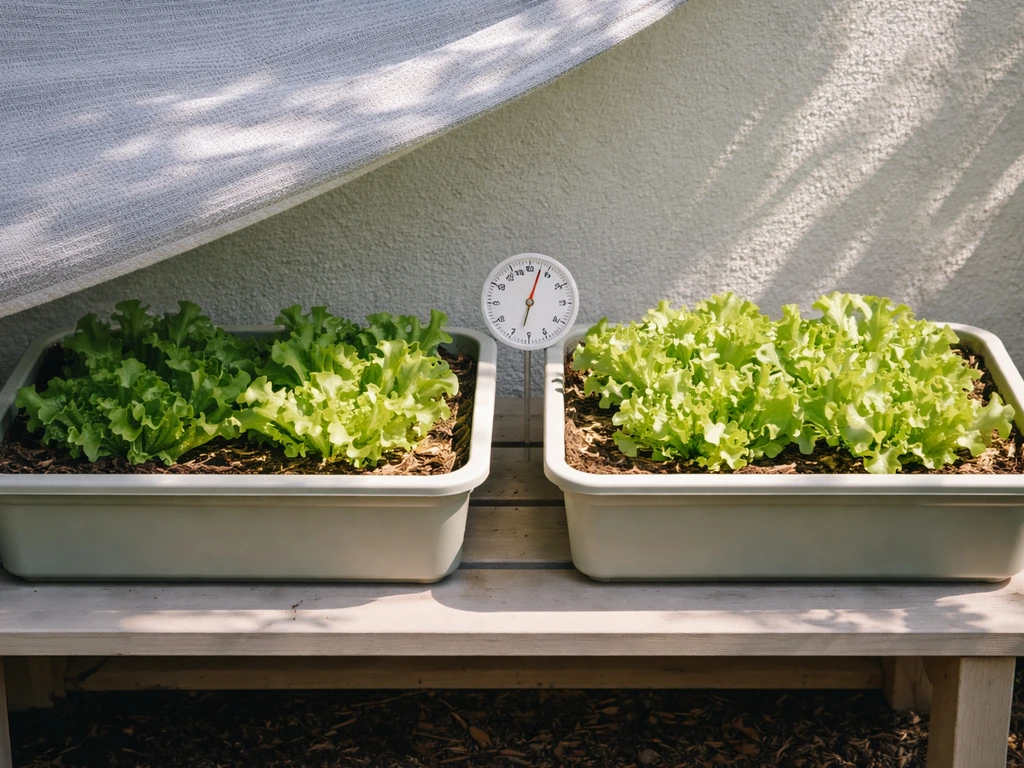
For heading types like butterhead or crisphead, use a container that's at least 12 inches wide and 8–10 inches deep per plant. Smaller leaf varieties like 'Little Gem' can work in a 12-inch-wide, 6-inch-deep pot, but bigger is always better for head formation. Go with at least a 2-gallon volume per plant. Skip the layer of rocks at the bottom, it actually reduces effective drainage by raising the perched water table. Use a lightweight potting mix with good drainage and add perlite if the mix feels dense. Container plants dry out much faster than beds, especially in summer, so be ready to water daily during warm weather.
Hydroponic setup
Heading lettuce does very well hydroponically. Deep water culture (DWC) and nutrient film technique (NFT) are both proven for round-heading types. Keep your nutrient solution EC between 1.2 and 1.8 mS/cm and pH between 6.0 and 7.0. Water temperature matters more than most beginners expect, keep it around 65–68°F. Warmer water holds less dissolved oxygen and can cause root rot, which completely prevents tight head formation. In an NFT system, maintain consistent channel flow and don't let the roots dry out between cycles.
Planting timing and spacing (seed vs transplant)
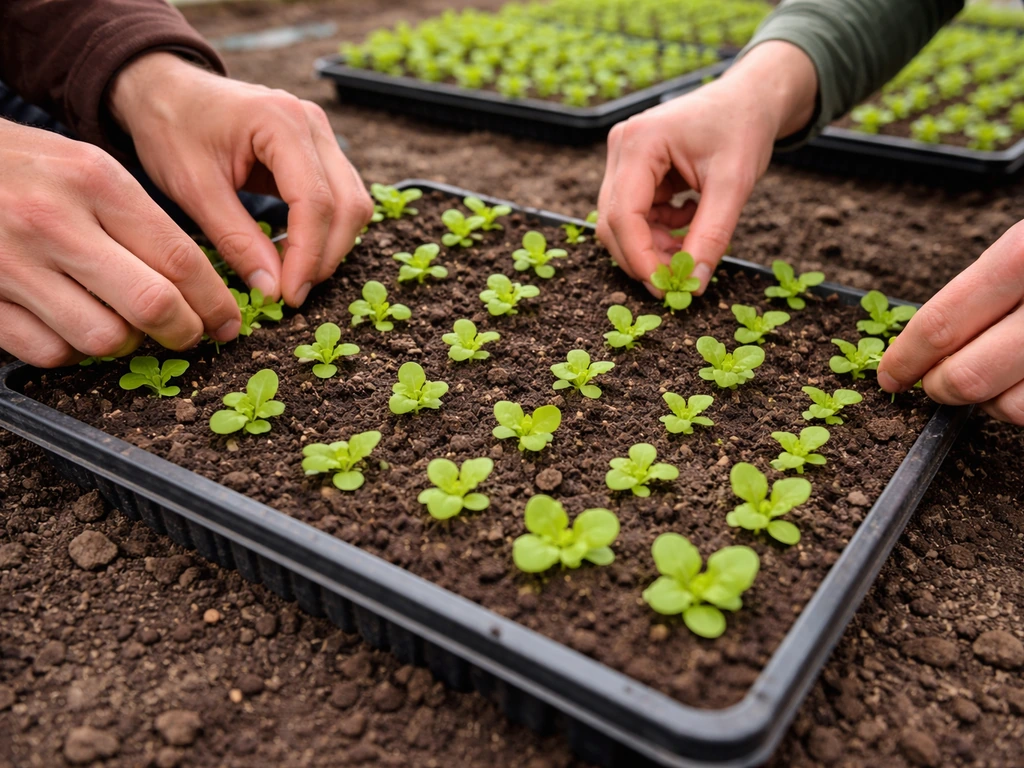
Timing is everything with round lettuce because it's a cool-season crop. You're aiming for heads to mature when daytime temperatures are consistently below 75°F. Multiple days above that threshold will trigger bolting before the head ever firms up. In most climates, that means two planting windows: early spring (4–6 weeks before your last frost) and late summer (8–10 weeks before your first fall frost).
Starting from seed
Sow seeds 1/4 to 1/2 inch deep. Lettuce seed is tiny, so it's nearly impossible to space them precisely at sowing, plant a little thicker than you need and thin later. Germination requires soil temperature between 40°F and 80°F; above 95°F, germination fails entirely. If you're direct sowing in warm late-summer soil, water the bed in the evening and sow early morning when the soil is coolest. For indoor seed starting under grow lights, you can start 4–6 weeks before transplanting out.
Transplanting and final spacing
Thin or transplant heading types to 8–10 inches apart in the row for butterhead and Batavian types, or 12 inches apart for full crisphead (iceberg) varieties. Row spacing should be 12–18 inches for multi-row beds. Cramped plants compete for resources and rarely form tight, round heads, they just push up and bolt instead. 'Little Gem' and other mini types can go as close as 6 inches apart. When transplanting, set seedlings at the same depth they were growing, burying the crown encourages rot.
Light, temperature, and watering routines
Light
Round lettuce needs full sun in cool weather, aim for 6–8 hours of direct light. In spring and fall, that's rarely a problem. In summer, though, direct afternoon sun heats the soil and drives plants toward bolting. If you're growing in late spring or pushing into early summer, use a 30–40% shade cloth over the bed during the hottest part of the day. For indoor growing under LEDs or fluorescent lights, aim for 14–16 hours of light at moderate intensity, heading types need a bit more light than loose-leaf to firm up properly.
Temperature
The sweet spot for round lettuce is 60–70°F during the day and 45–55°F at night. Cool nights are actually what drives head tightening, this is why fall-grown heads are often crisper and denser than spring-grown ones. The hard limits: multiple consecutive days above 75°F will trigger bolting, and extended temperatures above 80°F make crisphead types give up entirely. Light frost (down to about 28°F) won't kill established plants but may cause tip burn on outer leaves. Batavian types have a slight edge in heat tolerance if you're in a warmer region.
Watering
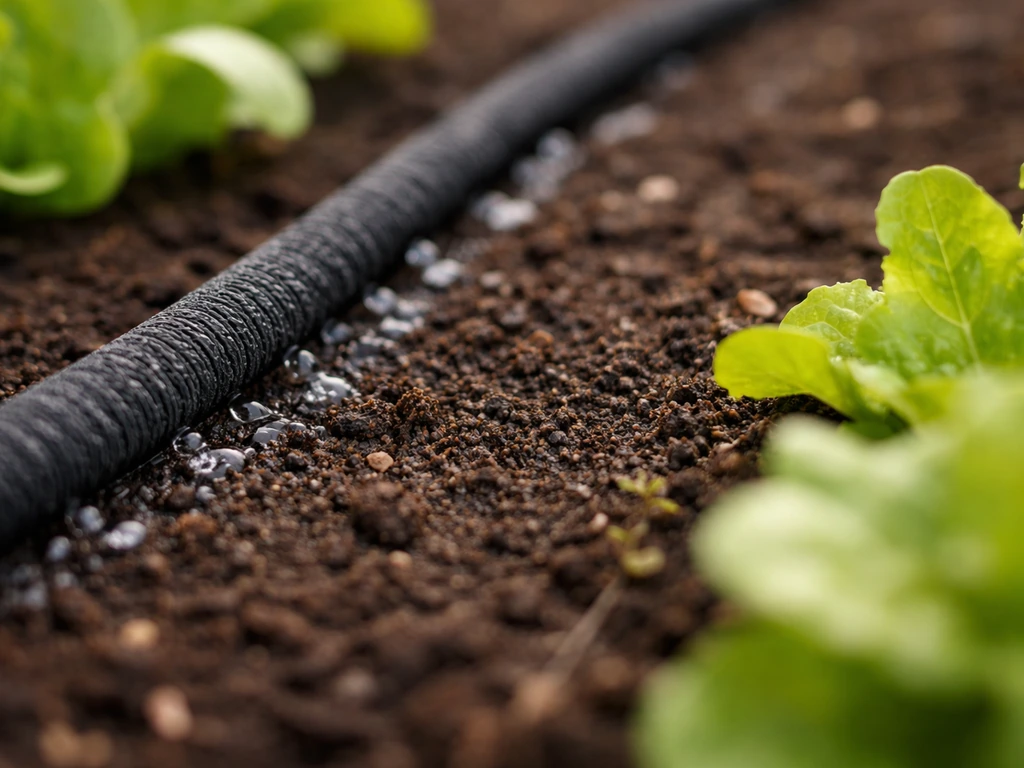
Consistent moisture is one of the biggest factors in getting a tight, round head. Aim for about 1 to 2 inches of water per week, never letting the soil dry out completely between waterings. For sandy soils, water more frequently in smaller amounts. Drip irrigation or soaker hoses are the best setup, they keep water at the root zone and keep foliage dry, which reduces disease pressure. Overhead watering works but increase your risk of fungal issues. In containers, check the soil daily and water when the top inch feels dry; in hot weather this can mean watering every day. Uneven watering, wet then dry then wet, causes loose, poor-quality heads and increases bitterness.
Fertilizing and managing growth rate
Lettuce is a fast-growing leafy crop that responds well to nitrogen, but you don't want to push it too hard. Heavy nitrogen in the early stages produces lush, soft growth that's slow to firm into a head and more susceptible to disease. Here's a practical approach that works for both beds and containers:
- Before planting, work a balanced granular fertilizer (10-10-10 or similar) or compost into the bed at the recommended rate. This gives a steady baseline without a nitrogen spike.
- About 3 weeks after transplanting (or when seedlings have 3–4 true leaves), apply a diluted liquid nitrogen fertilizer — fish emulsion or a balanced liquid feed at half strength works well. This is when plants transition from establishing roots to building leaves.
- Stop heavy nitrogen applications once you see the head starting to form (usually around week 5–6 for butterhead, week 7–8 for crisphead). Excess nitrogen at this stage delays head tightening and can make leaves soft rather than crisp.
- For containers, feed every 10–14 days with a balanced liquid fertilizer since nutrients leach out faster with frequent watering.
- For hydroponics, keep EC at 1.2–1.8 mS/cm throughout the grow cycle and monitor weekly, topping up with fresh nutrient solution rather than just water to maintain balance.
One thing I've learned: slow, steady growth makes better heads than fast, forced growth. If your plants are growing very quickly with huge soft leaves, pull back on nitrogen. The goal is even, moderate growth all the way through.
Troubleshooting: bolting, pests, and bitter or leathery leaves
Bolting (going to seed)
Bolting is the most common failure point with round lettuce. The plant sends up a central flower stalk, leaves turn bitter almost immediately, and the head never forms properly. The triggers are heat (multiple days above 75°F) and long day lengths in summer. Prevention is better than any fix: choose bolt-tolerant varieties like Batavian types for warmer planting windows, time plantings so heads mature before summer heat arrives, and use shade cloth if temperatures climb. If you see a central stalk starting to elongate, harvest the whole plant right away, even a partially formed head is better than a bolted one.
Aphids and slugs
Aphids cluster on young leaves and the undersides of outer leaves, weakening the plant and distorting growth. Catch them early. Insecticidal soap spray works well, coat the undersides of leaves thoroughly, and repeat every 5–7 days until the population drops. Don't wait until the infestation is large; small populations are much easier to knock back. Slugs are mainly a cool, moist problem. Cultivating the soil surface around plants breaks up their hiding spots and dries the surface, making it less hospitable. Remove plant debris from around the base of plants and water in the morning so the soil surface dries by evening.
Downy mildew
Downy mildew (Bremia lactucae) shows up as pale yellow patches on the upper leaf surface with grayish-white fuzzy growth underneath. It thrives when nights are cool and humid and foliage stays wet. The fix is mostly preventive: use drip irrigation instead of overhead watering, ensure plants have good airflow through proper spacing, and avoid handling wet plants. Remove and dispose of affected leaves, don't compost them. If you're seeing it repeatedly in the same bed, rotate your lettuce to a different spot next season.
Bitter or leathery leaves
Bitterness almost always traces back to heat stress, water stress, or delayed harvest, sometimes all three at once. If your lettuce tastes bitter, check whether temperatures spiked recently, whether the soil dried out between waterings, or whether the plant is overdue for harvest. Leathery outer leaves usually mean the plant got too hot and dry during a critical growth period. There's no fixing bitterness in the plant once it's there, but you can remove the outer leaves (which concentrate the bitter compounds) and use the inner leaves, which are usually milder. Going forward, improve watering consistency and consider Batavian or butterhead varieties, which stay sweet under more stress than crisphead types.
Harvesting and storage for crisp heads
When and how to harvest
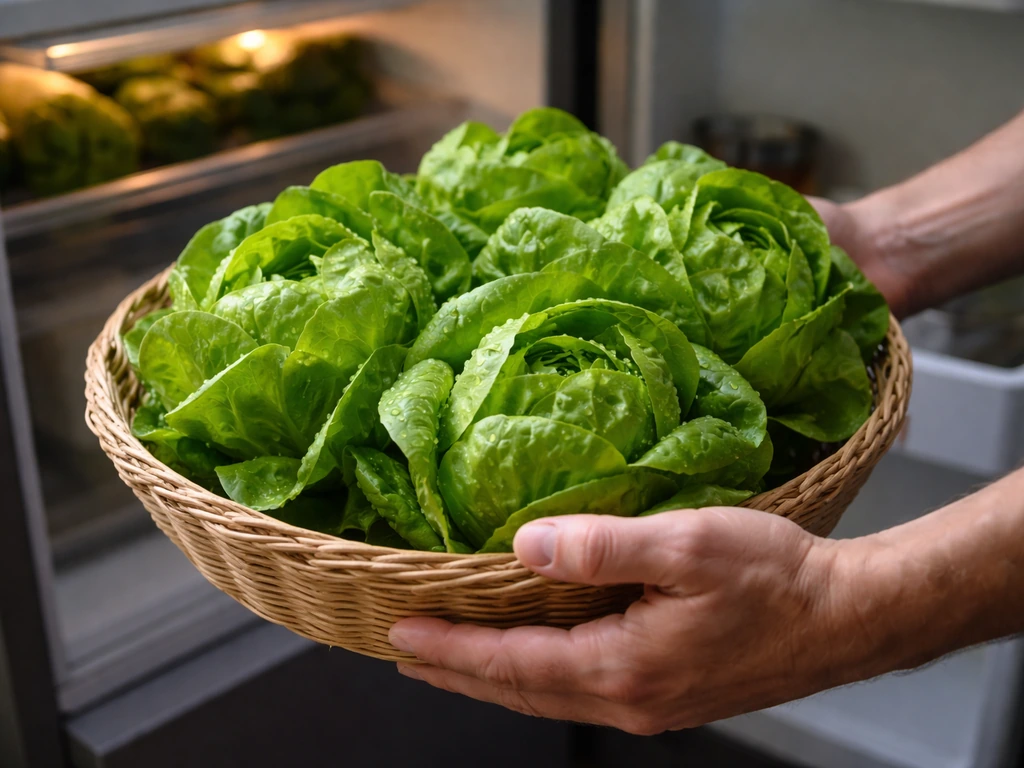
Harvest timing directly affects texture and flavor. For butterhead types, harvest when the head feels solid and rounded when you squeeze it gently but before the center becomes very tight and dense, that usually means days 55–70 from transplant. For crisphead types, the head should feel firm and dense like a softball; heads that feel loose haven't fully formed yet. Don't wait too long: overmature heads become tough, bitter, and start to deteriorate quickly. Harvest in the coolest part of the day, early morning is ideal for crisphead types especially, since they're highly sensitive to heat damage post-harvest. Cut the head at the base with a sharp knife, leaving the roots in the ground (you may get some regrowth of outer leaves, though it won't reform a full head).
Cooling and storage
Get harvested heads into the refrigerator quickly. The optimal storage temperature for crisphead lettuce is 32°F (0°C) with 98–100% relative humidity, that's colder than a typical fridge main shelf, which runs around 40–45°F. Use the crisper drawer, which is slightly cooler and more humid. Trim any damaged outer leaves before storing, since wounded tissue invites bacterial soft rot. Wrap the head loosely in a damp paper towel and store in a breathable bag. Under good refrigerator conditions, butterhead keeps about 7–10 days and crisphead can last 21–28 days. Note that washing before storage speeds decay, rinse leaves just before you use them, not before storing.
| Type | Days to Harvest | Heat Tolerance | Storage Life | Best Setting |
|---|---|---|---|---|
| Butterhead (e.g., Buttercrunch) | 55–70 days | Moderate | 7–10 days | Containers, beds, hydroponics |
| Crisphead (e.g., Ithaca) | 75–85 days | Low | 21–28 days | Outdoor beds, hydroponics |
| Batavian (e.g., Nevada) | 60–75 days | High | 10–14 days | Beds, containers in warm climates |
| Mini heading (e.g., Little Gem) | 55–65 days | Moderate | 7–10 days | Containers, small beds, hydroponics |
The whole process from seed to harvest is genuinely satisfying once you dial in the timing and spacing. Most failures with round lettuce come down to heat and inconsistent water, solve those two things and the rest follows naturally. If you follow these steps for temperature, watering, and spacing, you’ll quickly learn how to grow sweet lettuce with tight heads. Start with a butterhead variety if you're new to heading types, nail the basics, and then try crisphead once you've got a feel for how lettuce behaves in your space.
FAQ
How can I tell if my lettuce is going to head up before it looks like a full round head?
Look for varieties bred for heading starting to “cluster” into a tighter center. If the plant stays airy and just keeps producing individual leaves outward, it is likely a loose-leaf type or it is being stressed (especially heat or uneven watering), which prevents head formation.
What’s the best way to water for round lettuce if I live where it can swing between dry and humid fast?
Use drip or soaker irrigation on a schedule that keeps the root zone evenly moist. If you must use overhead watering, water early in the day and avoid late-day wetting, because round lettuce is more prone to disease when foliage stays wet overnight.
My seedlings germinated, but after transplanting my heads are loose. What mistake most often causes this?
Transplant shock and spacing problems are the usual culprits. Make sure you set seedlings at the same crown depth as they were growing (burrying the crown encourages rot), and thin to the correct distance early, because cramped plants often bolt instead of tightening.
Is it better to direct sow or transplant round lettuce for the best heads?
Transplanting often gives more reliable heading because you can control timing and spacing once plants are established. Direct sowing works too, but you must keep the soil evenly moist during hot spells, otherwise emergence or early root growth is uneven and heads stay loose.
Can I save time by growing round lettuce in part shade, like morning sun only?
Part shade can work in cool weather, but if afternoons are cool and the bed still gets several hours of direct light, heading is usually fine. In warmer seasons, reducing light too much can delay maturity and cause the head to form when temperatures rise, increasing bolting risk.
What fertilizer or feeding approach should I use so my lettuce firms up into a head instead of staying soft?
Prioritize moderate nitrogen early, then avoid heavy “boosts” once plants start forming a tighter center. The goal is steady growth without lush softness that stalls head tightening; if plants are growing unusually fast with very tender leaves, reduce feeding and focus on consistent moisture.
If my plants are close to bolting, is there any way to salvage them without losing the crop?
If you see the central stalk elongating, harvest immediately. A partially formed head is still a better outcome than letting the plant complete bolting, since bitterness rises quickly once the flowering stem develops.
Why does my lettuce taste bitter even though I watered regularly?
Bitter flavor is often triggered by heat spikes during the tightening period, delayed harvest, or dry-then-wet swings rather than total weekly water amount. Check the days near when heads were supposed to tighten, and also taste a leaf at the right time, since waiting too long increases bitterness.
Can I improve crispness by changing harvest time or storage conditions?
Yes. Harvest in the coolest part of the day, then refrigerate quickly. For storage, keep crispheads in a very cold, humid environment (use the crisper drawer) and remove damaged outer leaves to reduce soft-rot risk.
What should I do if I’m getting downy mildew in the same spot every year?
Rotate lettuce out of that bed and avoid returning it there the next season. Also keep foliage drier with drip irrigation and ensure airflow by sticking to spacing, because repeated outbreaks usually mean the spot and conditions are consistently favorable for the pathogen.
How do I manage slugs around round lettuce without harming young plants?
Target the soil surface and nighttime conditions. Keep the area around plants free of debris, cultivate lightly to disrupt hiding spots, and water in the morning so the surface dries by evening, then consider removing the most vulnerable plants first if you see heavy daytime feeding.
Are there signs my plant got too much nitrogen, even if I’m following a fertilizer schedule?
Excess nitrogen usually shows up as very rapid growth and very soft, thick-looking leaves that do not tighten well. If that happens, pull back on feeding and keep watering consistent, because forcing growth with fertilizer often delays the transition into a firm head.
How should I space round lettuce when using a bed with mixed plants or multiple varieties?
Keep heading varieties separated according to their own thinning targets, rather than relying on “average” spacing. Mixed plantings often lead to uneven light and competition, and heading lettuce needs a reliable root footprint to tighten instead of bolting.