Lollo Rosso is one of the easiest lettuces you can grow at home, and it rewards you fast. Sow seeds shallowly (about 3–5mm deep) in moist, well-draining soil or compost, keep temperatures between 15–20°C (59–68°F), give it at least 6 hours of light, and you'll have pickable leaves in roughly 50–60 days from transplanting or 70–80 days from seed. The key things that trip people up are heat (which causes bitterness and bolting), poor light (which makes it leggy and weak), and overwatering (which invites rot). Nail those three and Lollo Rosso basically grows itself.
How to Grow Lollo Rosso Lettuce: Step-by-Step Guide
Marcus Holloway
2 Jul 2026
Get to know Lollo Rosso before you plant it
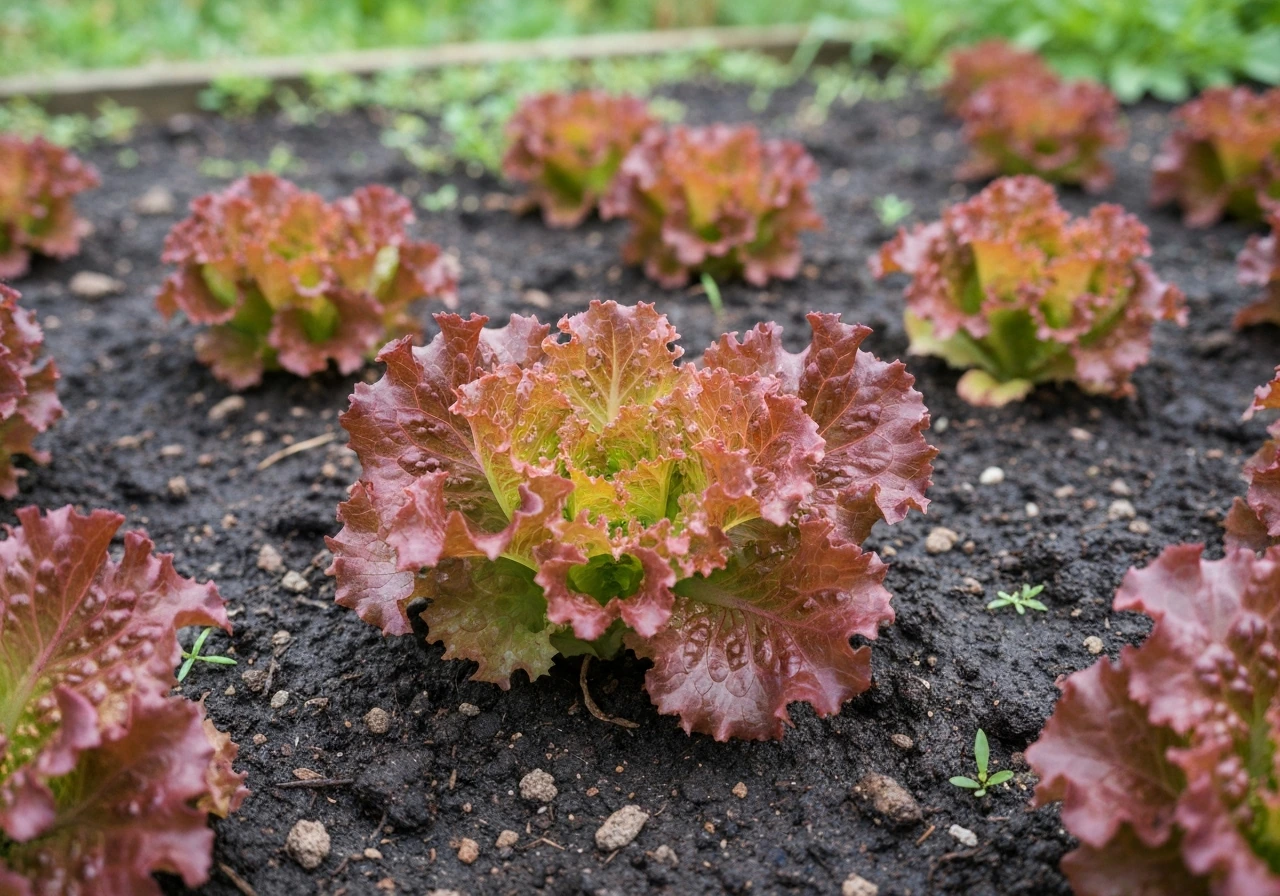
Lollo Rosso is a loose-leaf lettuce, which means it never forms a tight head like a round or iceberg type. If you want a round head instead of loose-leaf growth, you will need a different approach, including choosing the right variety and adjusting spacing Lollo Rosso is a loose-leaf lettuce. Instead, it builds a frilly, domed mound of deeply ruffled leaves that are dark red to burgundy at the tips and paler green toward the base. That crinkled texture isn't just decorative, it gives the leaves a satisfying crunch and helps them hold dressings well. Because it's a loose-leaf variety, you can harvest individual outer leaves continuously without pulling the whole plant, which makes it ideal for small gardens, containers, and anyone who wants a steady supply rather than one big harvest.
Lollo Rosso is a cool-season crop. It genuinely thrives at 15–20°C and starts to struggle once temperatures push past 25°C. Heat triggers bolting (sending up a flower stalk) and makes the leaves bitter. This is not a summer-in-full-sun plant. Think of it as a spring, autumn, and mild-winter grower if you're in a temperate climate. The good news is that the cool windows when it excels are also the times most other crops are sitting idle, so it fills a useful gap in the garden calendar.
Pick the right growing setup for your situation
Lollo Rosso adapts well to different setups, so whether you have a garden bed, a balcony, or just a windowsill, there's a workable approach. The main trade-off across setups is control: outdoor beds give you more space and natural conditions, but containers and indoor grows let you manage temperature and light more precisely.
Outdoor beds and raised beds
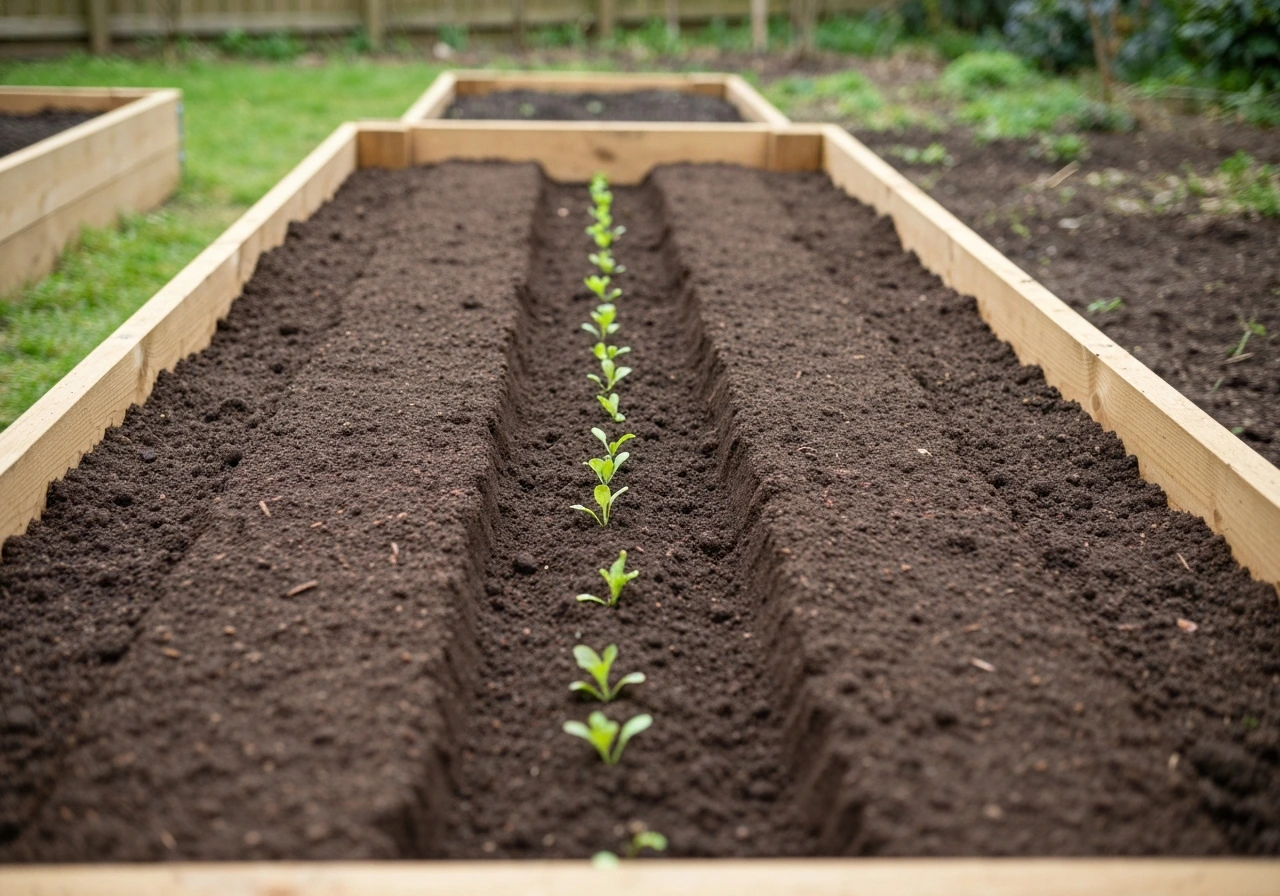
This is the simplest and most productive option if you have the space. A raised bed with good-quality compost-amended soil is ideal. You get natural rainfall to help with watering, good root depth, and easy succession sowing. The main risk is weather, a surprise heat wave or hard frost can set plants back. Position your bed where it gets morning sun and some afternoon shade in summer, or full sun in spring and autumn.
Containers and indoor growing
Lollo Rosso is excellent in containers. A pot or trough at least 20cm (8 inches) deep gives roots enough room to develop properly. Use a good-quality multipurpose compost rather than garden soil, which compacts in pots and drains poorly. On a balcony or patio, you can move containers to dodge the worst heat. Indoors, you need a south- or west-facing windowsill with good light, or a small grow light if your space is dim. Under a basic LED grow light running 14–16 hours a day, Lollo Rosso grows reliably year-round indoors.
Hydroponics
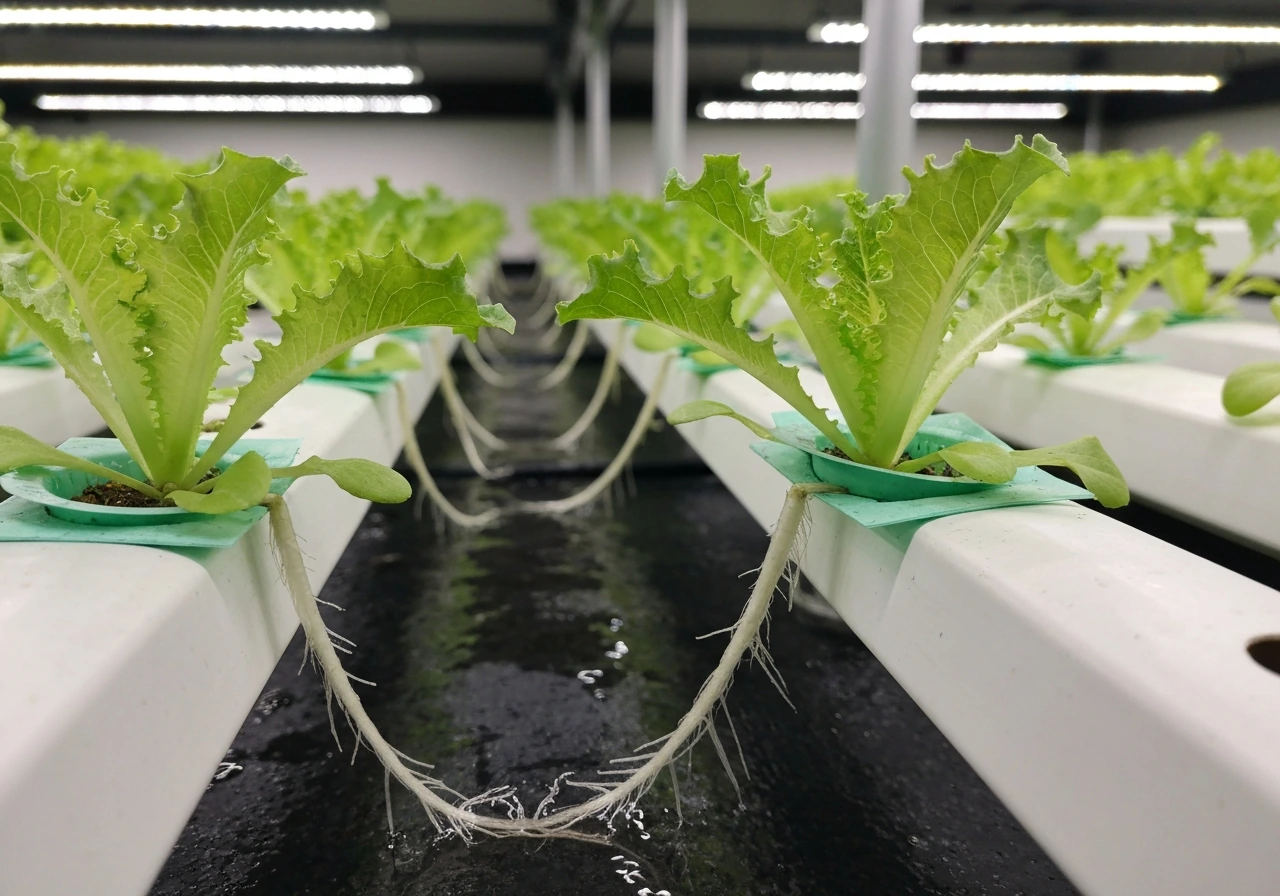
Lollo Rosso is one of the best lettuce varieties for hydroponic growing. It responds well to nutrient film technique (NFT) and deep water culture (DWC) systems. Keep your nutrient solution at an EC of around 0.8–1.2 mS/cm for seedlings and 1.2–1.8 mS/cm for established plants, with a pH between 5.5 and 6.5. Water temperatures in the reservoir should stay below 22°C to avoid root rot and bolting. Under a decent LED setup indoors, you can expect harvest-ready plants in as little as 35–45 days hydroponically.
When and how to plant Lollo Rosso
Timing your sow
In temperate climates, the best outdoor sowing windows are late February to early May (for a spring harvest) and late July to September (for an autumn harvest). Avoid sowing into hot soil in June or July, lettuce seed has a built-in self-defense mechanism called thermoinhibition, where it goes dormant in soil above about 25°C and simply won't germinate. If you want to sow in summer, either start seeds indoors in a cool spot and transplant, or pre-chill the seeds in a damp paper towel in the fridge for 24 hours before sowing. Indoors under lights, you can sow year-round as long as you keep temperatures in the right range.
Sowing depth and germination
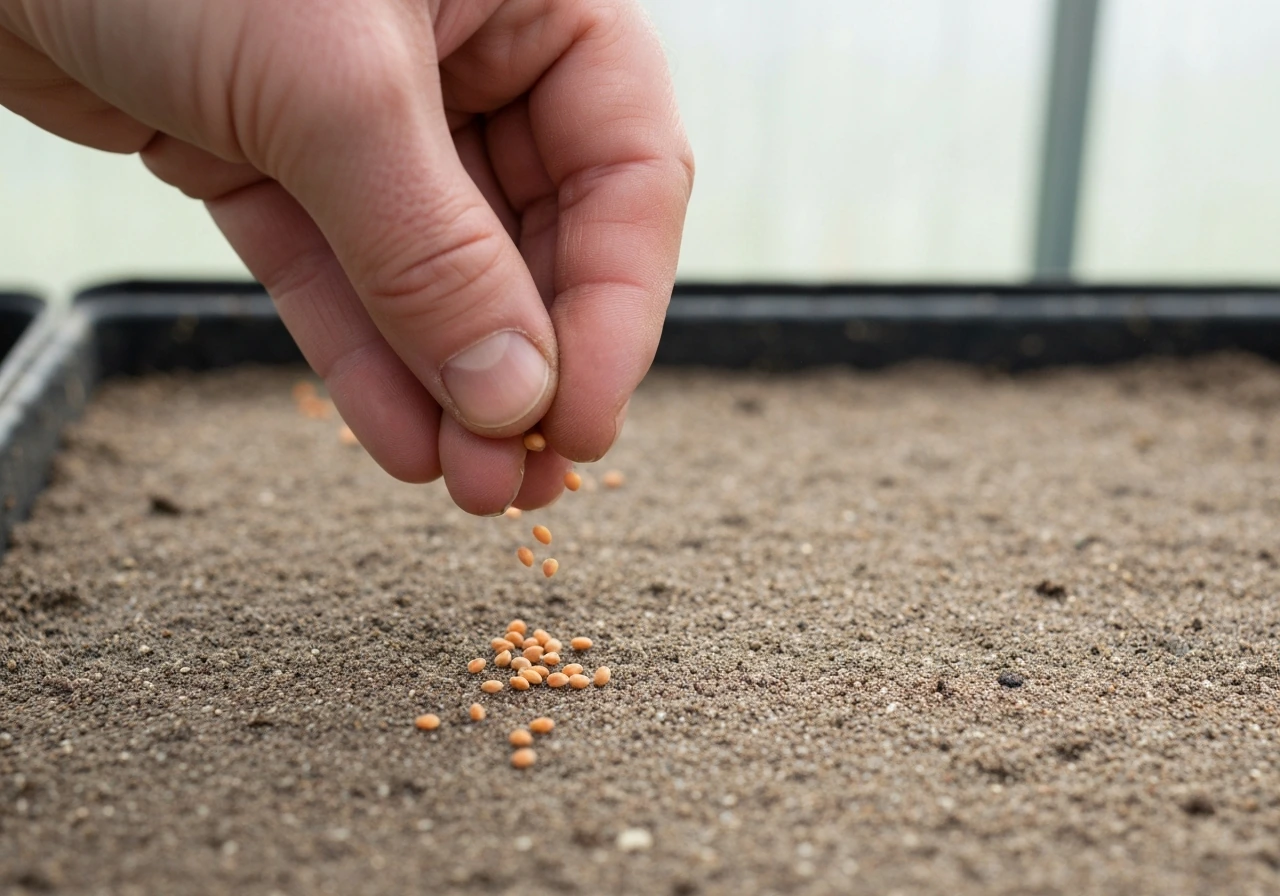
Lollo Rosso seeds are tiny. Sow them just 3–5mm (roughly a quarter inch) deep, they need light to germinate well, so don't bury them. I usually scatter them thinly on the surface of moist compost and press them in lightly with a finger or flat board, then cover with a thin dusting of fine compost or vermiculite. Keep the compost moist but not waterlogged. At 15–20°C, germination typically takes 7–14 days. If your environment is cooler, it can stretch to 3 weeks, that's normal, not a failure.
Spacing and thinning
If you're growing for cut-and-come-again harvests (picking individual leaves), you can sow more densely and thin to about 10cm (4 inches) apart. If you want full, well-developed rosettes, thin to 20–25cm (8–10 inches) apart. In beds, the Oregon State extension recommendation of 4–6 inches between plants works well for ongoing leaf harvesting, closer spacing produces more total yield per square foot at the cost of slightly smaller individual plants. Thinning feels wasteful but it's genuinely important: crowded plants compete for light and air, which encourages disease and weaker growth. Eat your thinnings, they're delicious as micro-greens.
If you're starting in seed trays and transplanting (which gives you better control over germination timing), sow 2–3 seeds per cell, thin to the strongest seedling, and transplant at 3–4 weeks old when the plants have 3–4 true leaves. Transplants typically reach harvest stage in 50–60 days from that point.
Light, temperature, and water, the rules that matter most
Light
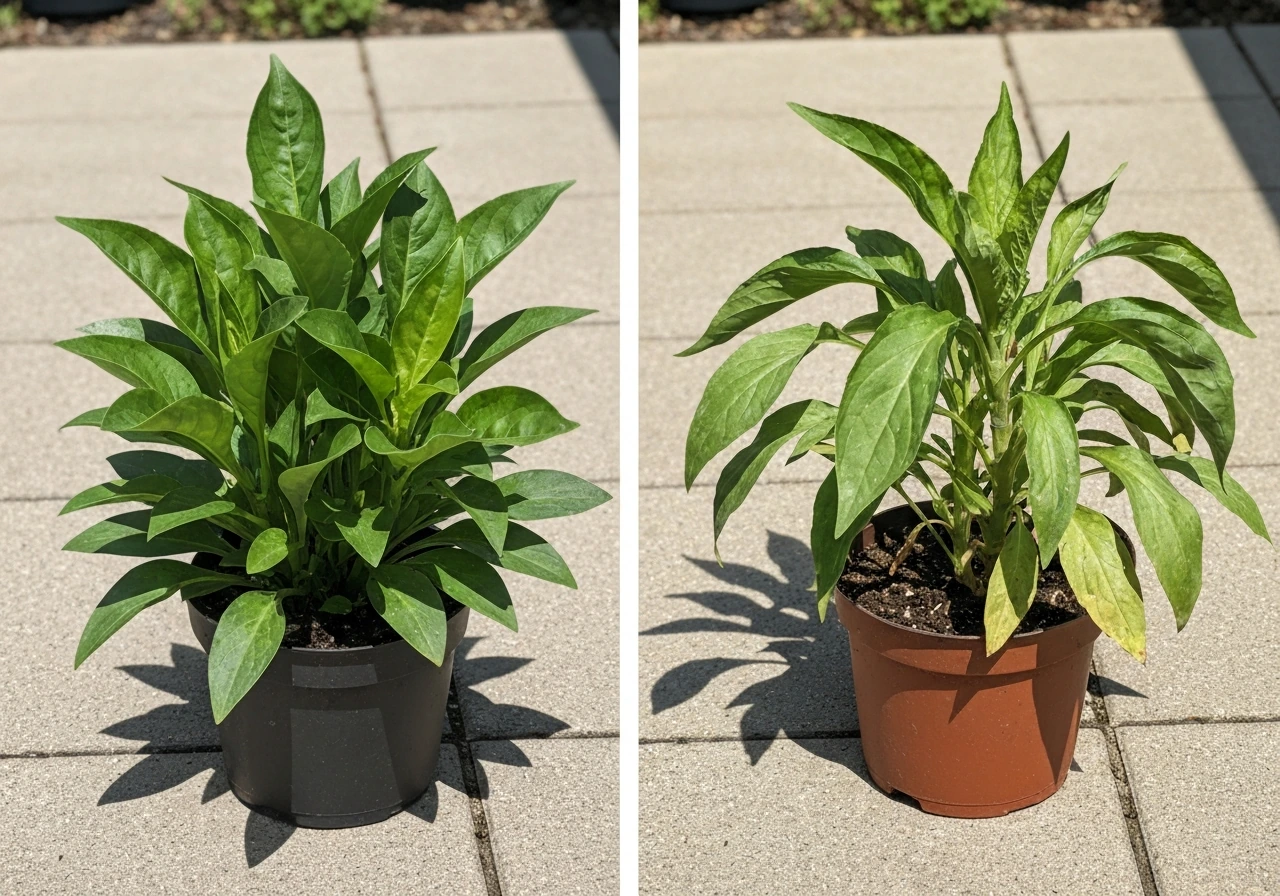
Outdoors, aim for at least 6 hours of direct sun per day in spring and autumn. In summer, partial shade in the afternoon actually helps by keeping soil temperature down and reducing bolt risk. Indoors, a bright south-facing windowsill can work in spring and summer, but in autumn and winter the light levels in most homes drop too low without supplemental lighting. A simple LED grow light set to run 14–16 hours a day will keep your Lollo Rosso growing steadily through the darker months.
Temperature
Keep daytime temperatures between 15–20°C for best results. Plants can handle light frost (down to about -2°C briefly) without serious damage, especially if hardened off gradually. They'll slow down below 10°C but won't necessarily stop. Above 25°C is where problems start: growth accelerates toward bolting, the flavor turns bitter, and heat stress shows up as wilting even in moist soil. If you hit a hot spell, shade cloth over outdoor beds or moving containers to a cooler spot buys you a week or two before bolt risk becomes serious.
Watering to avoid bitterness
Consistent moisture is one of the biggest factors in keeping Lollo Rosso sweet and crunchy rather than bitter. Lettuce is about 95% water, and when it doesn't get enough, the plant concentrates bitter compounds in its leaves as a stress response. Water deeply and evenly rather than little and often. In containers, check soil moisture every day in warm weather, pots dry out much faster than beds. In outdoor beds, a good mulch layer keeps soil moisture stable and reduces watering frequency. Aim to keep the top 5cm of soil consistently moist but never waterlogged, and avoid overhead watering in the evening to reduce fungal disease risk.
Soil, compost, and feeding
Lollo Rosso isn't a heavy feeder, but it does need a nutrient-rich, well-draining growing medium to produce lush, rapid growth. In outdoor beds, work in a generous amount of well-rotted compost before planting, this improves drainage, water retention, and fertility all at once. A slightly acidic to neutral pH of 6.0–7.0 is ideal. In containers, a good-quality multipurpose or vegetable compost is a better choice than garden soil, which compacts over time.
For feeding, lettuce primarily needs nitrogen to drive leafy growth. If your compost is fresh and rich, you may not need to feed at all for the first 4–6 weeks. After that, a diluted liquid feed high in nitrogen (like a seaweed-based or balanced liquid fertilizer at half-strength) applied every 2 weeks is plenty. Don't over-fertilize, too much nitrogen in hot weather can actually push the plant toward bolting faster. If you're growing in a hydroponic system, use a dedicated lettuce or leafy greens nutrient formula and follow EC and pH guidelines closely.
Troubleshooting common problems
Leggy, weak seedlings
If your seedlings are stretching upward and look pale and thin, they need more light. This is the most common indoor growing problem. Move them closer to a window or switch on a grow light. Seedlings that have already stretched can be planted slightly deeper when you pot them on, the stem will firm up once the plant has proper light.
Seeds that won't germinate
If nothing appears after 14 days, the most common culprits are soil that's too warm (above 25°C triggers dormancy), seed buried too deep, or compost that's either waterlogged or bone dry. Check your soil temperature first, if it's warm, move seed trays somewhere cooler. Try the fridge pre-chilling trick mentioned earlier. Also check that the seeds aren't more than 2–3 years old, as viability drops off noticeably after that.
Bitter leaves
Bitter Lollo Rosso almost always comes down to heat or water stress, or both. If temperatures have been above 22–25°C and watering has been inconsistent, that's your answer. Harvest in the morning when leaves are coolest and most hydrated, water more consistently, and consider shading the plants during the hottest part of the day. If the plant has already bolted (sent up a central flower stalk), the bitterness won't go away, pull it, compost it, and start a new sowing.
Bolting
Bolting is triggered by heat and long days. Once a plant bolts, there's no reversing it. Prevention is everything: sow at the right time, keep plants cool, harvest regularly (regular harvesting delays bolting slightly), and choose bolt-resistant varieties if you want to push into warmer months. Lollo Rosso is moderately bolt-resistant compared to some other lettuces, but it's not immune.
Pests and disease
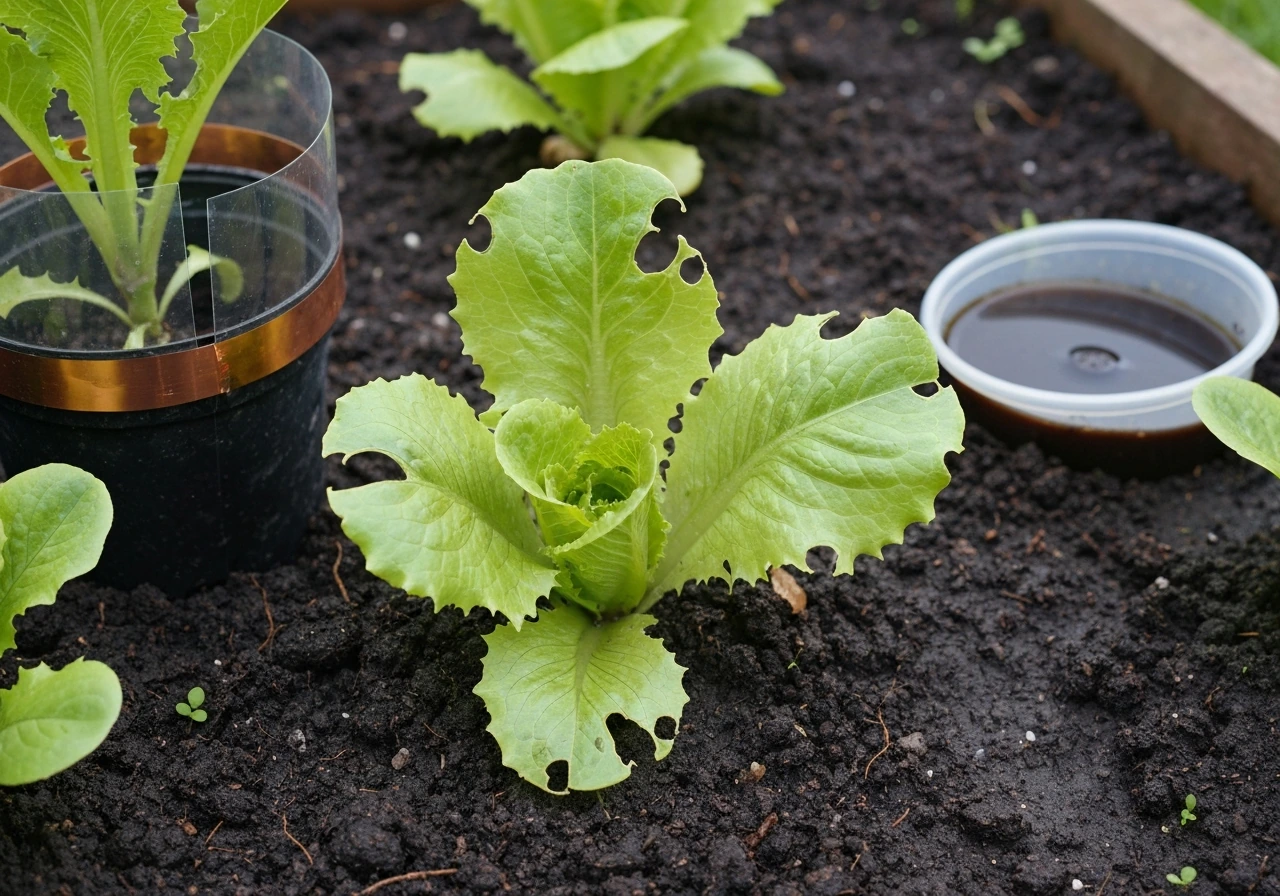
Slugs and aphids are the main pest threats. Slugs are most active at night and in wet weather, use copper tape around containers, beer traps in beds, or go out after dark with a torch and remove them by hand. Aphids cluster on the underside of leaves and in the heart of the plant; blast them off with water or use an insecticidal soap spray. For disease, the biggest risks are grey mold (Botrytis) and downy mildew, both of which thrive in humid, crowded conditions. Good air circulation between plants, avoiding evening overhead watering, and prompt removal of any dying outer leaves go a long way to keeping disease at bay.
Harvesting and keeping it producing
Lollo Rosso is built for cut-and-come-again harvesting, which is one of its best features. Once plants have 8–10 leaves and are at least 10–12cm tall (roughly 50–60 days from transplanting), start picking outer leaves from the base of the plant, leaving the central growing point and inner leaves intact. The plant will keep pushing out new growth from the center. You can harvest this way every 7–10 days for several weeks before the plant eventually bolts or declines.
If you prefer a full-head style harvest, cut the whole plant off about 2–3cm above soil level with a sharp knife. Left in the ground, the stump will often regrow a second flush of leaves, though they tend to be smaller than the first cut. Either way, plan for the plant's productive life to be around 8–12 weeks before quality drops.
Succession sowing keeps the supply going
The single best thing you can do to have a continuous supply of fresh Lollo Rosso is to sow small batches every 3–4 weeks rather than one big batch all at once. A single sowing gives you a glut followed by nothing. Three small sowings staggered a month apart gives you leaves pretty much continuously through the season. This works especially well in containers indoors, where you can keep the growing cycle running almost year-round. If you're interested in other lettuce varieties to fill different gaps in your harvest calendar, loose-leaf types like Salanova or the broader sweet lettuce category follow very similar growing rules and pair well with Lollo Rosso in a mixed container planting. If you want to grow Salanova specifically, the same cool temperatures, light, and steady watering apply, but you should follow its spacing and harvest timing closely.
| Growing Setup | Key Advantage | Main Challenge | Best For |
|---|---|---|---|
| Outdoor bed | High yield, low maintenance watering | Weather-dependent, bolt risk in heat | Gardeners with outdoor space |
| Container/patio | Mobile, good temperature control | Dries out quickly, needs regular watering | Balcony and patio growers |
| Indoor windowsill | Year-round growing, no weather risk | Often insufficient light in winter | Apartment growers in bright rooms |
| Hydroponics | Fastest growth, precise control | Setup cost, needs pH and EC monitoring | Experienced growers, year-round supply |
Lollo Rosso genuinely rewards a bit of attention to timing and temperature more than most other vegetables. Get the sowing window right, keep the roots consistently moist, and harvest regularly, and you'll have a plant that keeps giving for weeks. Sweet lettuce generally follows the same best practices as other loose-leaf types, especially around cool temperatures and consistent moisture. When one batch starts to bolt, the next succession sowing is already on its way, and that rhythm, once you have it, makes growing your own salad feel almost effortless.
FAQ
Can I harvest Lollo Rosso every day, or should I limit how many leaves I pick?
Yes. Start harvesting outer leaves once the plant has enough size, but do not take more than about one third of the foliage in a single week. Removing too much at once weakens the plant and slows regrowth, especially in cooler weather.
What happens if I bury Lollo Rosso seeds too deep, and can I fix it after sowing?
If you accidentally bury seeds too deep, they may germinate slowly or not at all. The fix is prevention next round, for this batch you can thin seedlings once they emerge and keep the surface lightly moist, but do not repeatedly re-sow into the same spot after you waterlogged it.
How do I choose spacing for either micro-greens or bigger loose rosettes without getting weak plants?
Thinning distance is a quality issue, not just yield. If you crowd plants to increase cut-and-come-again harvest, make sure you still leave enough airflow and only thin when seedlings have a couple true leaves, so the remaining plants do not become spindly and disease-prone.
How can I tell whether my watering schedule is causing bitterness before it shows up in flavor?
Lollo Rosso can look fine but taste bitter if it dries out between waterings. A practical check is to feel the soil 3–5 cm down, if it is dry at that depth, the next water should be a deep soak until excess drains, then allow the surface to dry slightly before the next cycle.
Will warm nights trigger bolting even if my daytime temperature seems okay?
Under stress, lettuce may bolt faster when nights are warm. If your area has hot days and warm nights, use shade cloth during afternoons and consider relocating containers to a cooler spot for evening, this can delay flowering by keeping the overall temperature swing smaller.
What is the best way to cut leaves to reduce disease and help regrowth?
Use a sharper, cleaner knife and cut at the base of the leaf or stem, do not rip leaves off. Gentle cuts reduce bruising and slow down rot and grey mold, particularly when humidity is high.
My tray has patchy germination. When should I keep waiting versus re-sowing?
If only some seedlings emerge, do a germination check rather than assuming the whole batch failed. Confirm tray temperature is under about 25°C, seeds were not buried, and compost is evenly moist, then wait up to 3 weeks if conditions are cooler.
Why do my container lettuces rot or collapse, even though I water regularly?
For containers, prioritize drainage first. A common mistake is using heavy garden soil, it compacts, stays wet, and increases rot risk. Use a fresh multipurpose or vegetable compost and ensure the pot has drainage holes.
How do I know if my grow light is strong enough, and what should I adjust first?
For indoor light, place the light close enough that leaves do not stretch, as a rough guide you should see minimal gap between leaf tops and the light source after a few days. If you see pale, thin growth, increase light hours or intensity before increasing fertilizer.
Should I fertilize immediately, and how can I avoid accidentally making lettuce bolt faster?
Fresh compost often provides enough nitrogen for the first several weeks. If you notice rapid leaf growth with dark color and plants still seem stressed, pause feeding and focus on temperature and moisture stability, over-fertilizing can push lettuce toward faster bolting.
Can I keep cutting-and-come-again while also feeding, and how often should I apply fertilizer?
Yes, but keep it intentional. If you harvest frequently, the plant needs a steady nutrient supply, so you can switch to light liquid feeding after about 4–6 weeks and maintain half-strength every couple of weeks rather than one heavy dose.
What is the best time of day to deal with slugs and aphids?
For slugs and aphids, timing matters. Slugs are easiest to control in the evening or at night when they are active, and aphids are easiest to knock back early before they multiply in large clusters.
How do I prevent mildew in humid conditions without constantly treating with sprays?
Downy mildew and grey mold get worse when plants stay wet overnight and airflow is poor. Water at the base earlier in the day, remove dying outer leaves promptly, and avoid crowding, these steps usually reduce spread more than switching products.
If I cut the whole plant, will it regrow, and when should I start a new sowing instead?
You can replant cut stumps for a second flush, but plan for lower quality and smaller leaves. In warm weather the second flush is more likely to bolt sooner, so prioritize succession sowing rather than relying on regrowth.
It’s hot right now, can I still start seeds outdoors or do I need to change my method?
Watch for the weather trigger, if temperatures are consistently above about 25°C, the lettuce may not germinate due to dormancy. In that case, start seeds indoors in a cool area or use the brief fridge pre-chill method before sowing to boost chances of successful germination.