After you pull your lettuce, the best crops to follow it are beans, radishes, spinach, carrots, beets, or a fast cover crop like buckwheat or crimson clover. These all belong to different plant families than lettuce (Asteraceae), so they break pest and disease cycles. If you're gardening in summer heat, lean toward beans or basil. If you're heading into cooler fall weather, spinach, beets, or a second round of a different salad green are your best bets. The short version: rotate plant families, replenish nutrients, and you'll rarely have a problem filling that bed back in.
What to Grow After Lettuce: Next Crops by Season
Marcus Holloway
17 Jun 2026
Why rotating after lettuce actually matters
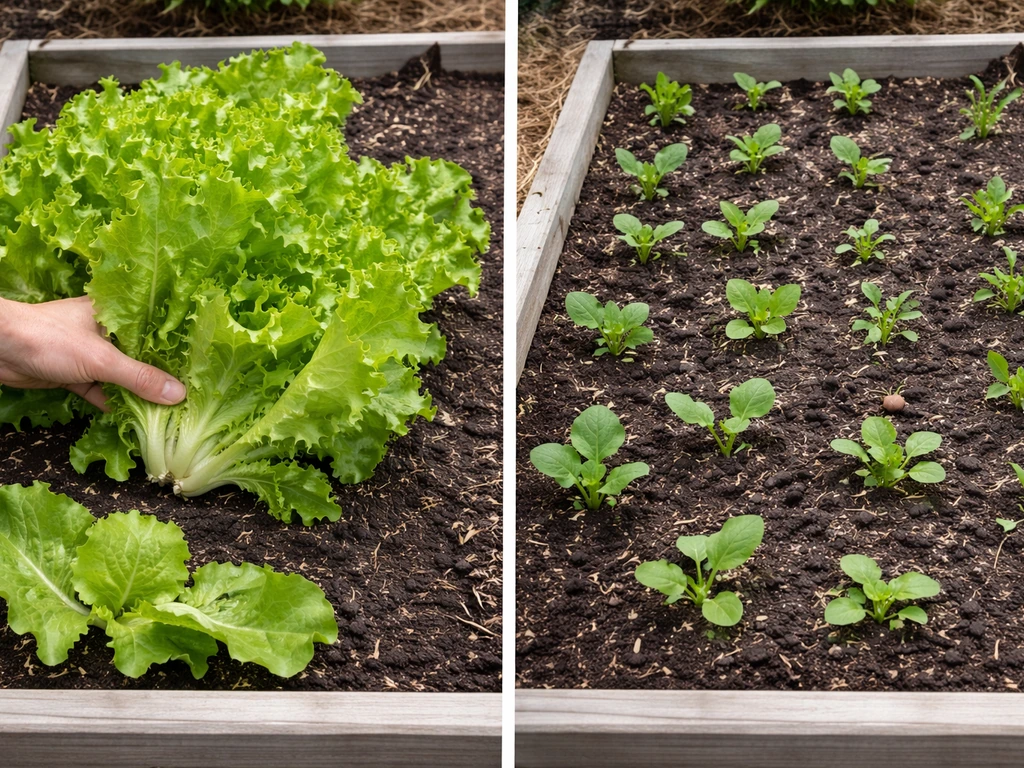
Lettuce is in the Asteraceae family, and when you grow it in the same spot repeatedly, you build up a reservoir of problems specific to that family. Sclerotinia (lettuce drop) is the big one: it produces hard, black resting structures called sclerotia that can survive in soil for years. UC IPM confirms these sclerotia persist between crops in dead plant tissue.
If you plant lettuce in the same spot next season without a break, you're planting straight into that pathogen bank. On top of that, aphids that fed on your lettuce can carry cucumber mosaic virus (CMV), and weeds left behind after harvest act as reservoirs for both the virus and the aphids. Removing all crop debris and managing weeds before you plant the next crop is not optional cleanup, it's your main disease-prevention tool.
The practical rule most extension programs recommend is a three-year rotation for crops that share diseases. For most home gardeners with small beds, that just means: don't plant lettuce or chicories in the same spot two years in a row. Move through plant families, roots one season, legumes the next, brassicas after that, and you naturally break the cycle. One thing to flag: if you've ever seen clubroot in your garden, brassicas should stay out of that area for five to seven years. That's a UMN Extension recommendation and it's firm. Fortunately, clubroot doesn't affect lettuce, so it's mostly a concern if you're planning to follow lettuce with kale or cabbage in a previously affected bed.
Fast successors: crops that go in right after lettuce
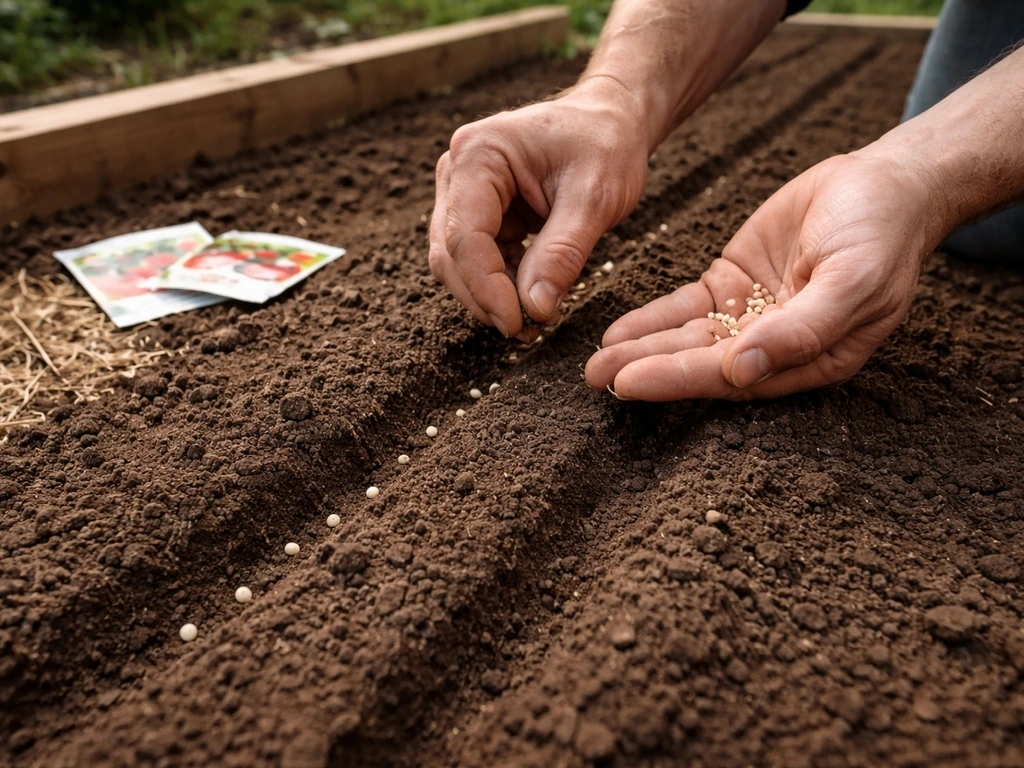
If you want to keep the bed producing with minimal downtime, these crops can go in almost immediately after you clear lettuce. Radishes are the fastest option, some varieties are ready in 25 to 30 days. Spinach comes in at about 45 to 50 days from seed, per Mississippi State Extension, and it's a genuinely different plant family (Amaranthaceae) so it rotates well. Leaf lettuce itself comes in around 35 to 40 days, but I'd only recommend replanting lettuce immediately if you're switching to a completely different variety and a different bed, not the same spot. Butter lettuce is one of the easier lettuce types to succeed with, especially when you match the season.
- Radishes: 25–30 days to harvest, Brassicaceae family, plant directly after clearing and amending
- Spinach: 45–50 days, Amaranthaceae family, great cool-season follow-up
- Bush beans: 50–65 days, Fabaceae family, excellent warm-season successor and soil nitrogen-fixer
- Beets: 50–70 days, Amaranthaceae family, edible roots and greens, good rotational choice
- Carrots: 70–80 days, Apiaceae family, fine after lettuce but need loose, amended soil
- Basil: 60–90 days, Lamiaceae family, loves the warm slot left when summer lettuce bolts
If the bed is going to sit empty for more than two weeks, consider a cover crop instead of leaving soil bare. Buckwheat germinates fast in warm weather, suppresses weeds, and can be turned in as green manure before your next planting. Crimson clover fixes nitrogen and works well in cooler temperatures. Wisconsin Horticulture and OSU Extension both support using cover crops exactly this way: after vegetable harvest, before the next crop goes in, to prevent erosion and improve soil biology.
Prepping the soil right after you harvest
Don't just pull the lettuce and plant something else. Take 20 minutes to properly reset the bed and you'll get noticeably better results from whatever comes next.
- Remove all lettuce debris: leaves, roots, bolted stalks. Any diseased material goes in the trash, not the compost. This is your main defense against Sclerotinia and aphid-borne virus carryover.
- Pull weeds now, before the next crop: weeds harbor CMV and the aphids that spread it. Do this while the bed is empty.
- Do a quick soil check: lettuce is shallow-rooted (most roots stay in the top 12 inches) and feeds heavily on nitrogen. The bed may be depleted. If you have soil testing available, this is a great moment to use it—target pH 6.0–7.0 for most successors.
- Add compost or balanced fertilizer: a 1–2 inch layer of finished compost worked into the top 6 inches usually covers it. If you're following with a nitrogen-hungry crop like spinach, add a light application of balanced fertilizer. If you're planting beans, skip the extra nitrogen—beans fix their own.
- If Sclerotinia has been a problem, consider burying infected surface debris deeper than 10 inches before replanting, as UC IPM recommends this to reduce germination of sclerotia.
- Water the bed and let it settle for a few days before planting if time allows—this also gives any pest eggs on the surface a chance to dry out.
One note on nitrogen: UMN Extension points out that nitrogen is mobile in soil and works best when applied close to when plants will actually use it. Don't over-apply it weeks ahead. Add it right before or at planting time. And if you've added compost or aged manure, that's already contributing nitrogen, you can back off synthetic fertilizer accordingly, as USU Extension recommends.
What to grow next based on your setup
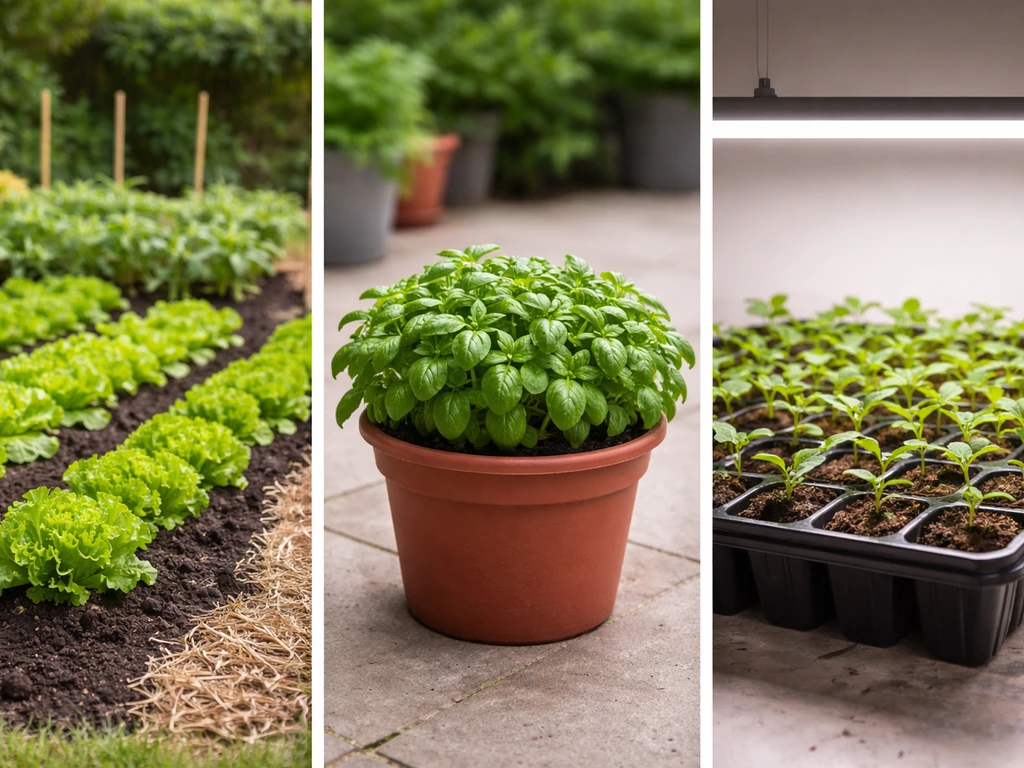
Your garden type changes the options quite a bit. Here's how I think about each situation:
Outdoor ground beds
You have the most flexibility here. In summer, follow lettuce with bush beans, beets, or basil. For the best results in the UK climate, choose varieties bred for cool, damp conditions and match them to your planting window best lettuce to grow UK. In late summer heading toward fall, plant spinach, kale, or more lettuce (different variety, different spot).
If it's mid-June and your lettuce just bolted from the heat, which happens when temps stay above 75°F for several days, a cover crop like buckwheat for 4–6 weeks, then a fall planting of spinach or brassicas, is a solid plan. Outdoor beds also give you the full rotation options: moving through roots (carrots, beets), then legumes (beans, peas), then brassicas (kale, broccoli), then back to lettuce every 3–4 seasons is the textbook approach and it genuinely works.
Containers
Containers require a bit more care at transition time. The spent lettuce mix is probably compacted, possibly nutrient-depleted, and may have accumulated salts from repeated watering. My recommendation: replace at least half the potting mix, or replace it entirely if you've had disease issues. Virginia Tech Extension is clear that garden soil doesn't work in containers, use a quality soilless mix.
After refreshing the mix, good successors in containers include radishes, spinach, basil, or dwarf/patio bean varieties. Avoid deep-rooted crops like full-size carrots unless your container is at least 12–14 inches deep. UNH Extension flags that containers dry out fast, so whatever you plant next will need more frequent watering than in-ground crops, check the top quarter inch daily in warm weather.
Indoor growing
Indoors, your main constraints are light intensity and temperature, not seasons. After lettuce finishes, microgreens are the fastest turnaround (7–14 days to harvest). If you want a quick, practical plan, look up what to grow with romaine lettuce next so you can fill the bed fast. Herbs like basil, cilantro, or chives work well under the same grow lights you used for lettuce.
If you want another round of leafy greens, spinach and arugula are solid choices that don't need as much light as fruiting crops. Sanitation matters more indoors because pathogens like damping-off fungi (Pythium, Rhizoctonia, Fusarium) thrive in closed, humid spaces. Cornell's guidance on damping-off emphasizes fresh, uncontaminated growing mix and clean containers as the primary prevention tool, so wash your trays and pots with warm soapy water before the next sowing.
Hydroponic systems
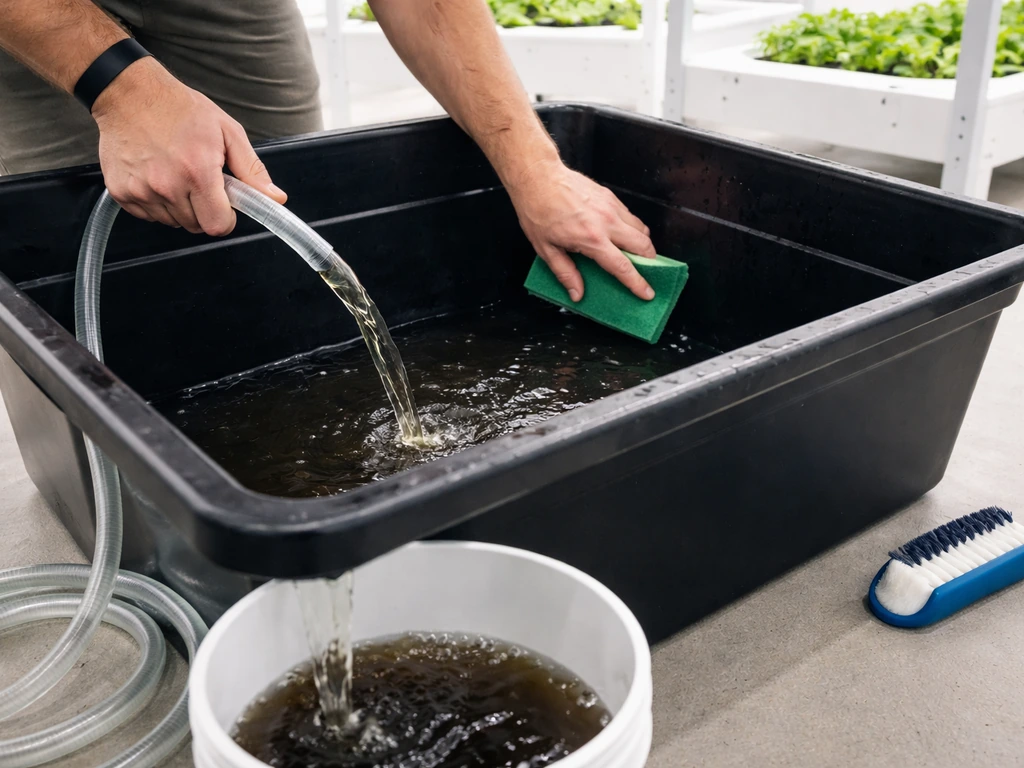
After a lettuce crop in hydroponics, the system needs a proper reset before the next planting, not just a refill of nutrient solution. Drain completely, scrub the reservoir and channels to remove biofilm and algae, then rinse with a 10% bleach solution (1 part bleach to 9 parts water), as UMN Extension recommends. Let it fully dry or flush with clean water before adding new nutrient solution.
For the next crop, you can stay with leafy greens (spinach, arugula, Swiss chard) and maintain similar EC and pH settings to lettuce (EC around 1. 2–1. 8, pH 6. 0–7.
0 per Oklahoma State Extension). If you want to try something different like herbs or dwarf peppers, adjust EC upward, most fruiting crops want EC above 2. 0. The main advantage of hydroponics for succession is speed: you can have a new crop in net pots within hours of cleaning the system.
| Garden Type | Best Next Crops | Key Prep Step | Watch Out For |
|---|---|---|---|
| Outdoor bed | Bush beans, spinach, beets, cover crop | Remove all debris, add compost, rotate family | Sclerotinia sclerotia in soil, aphid weed reservoirs |
| Container | Radishes, spinach, basil, dwarf beans | Replace at least half the potting mix | Salt buildup, fast drying, compaction |
| Indoor (soil/pots) | Microgreens, herbs, arugula, spinach | Wash containers, use fresh soilless mix | Damping-off from reused mix |
| Hydroponics | Spinach, arugula, Swiss chard, herbs | Full system drain, bleach rinse, reset EC/pH | Biofilm, algae, EC/pH drift in new solution |
Timing: what to plant right now
Today is mid-June, which puts most of North America squarely in warm-season territory. If your lettuce just bolted or finished, here's how to think about timing based on your situation:
- Spring lettuce that just bolted (zones 5–7): This is prime time for beans, beets, and basil. Soil is warm enough for all of them. Bush beans need soil at least 60°F to germinate reliably (WVU Extension), and you almost certainly have that now. Direct sow immediately.
- Spring lettuce finished in cooler regions (zones 3–4): You may still have cool enough nights for a spinach or beet planting. Get them in now before summer heat arrives.
- Summer lettuce that you've been harvesting indoors or in a cool spot: If it's finishing, you have a straight swap opportunity—microgreens, herbs, or arugula can go in almost the same day.
- Planning ahead for fall: If you plant beans or beets now in mid-June, you'll be clearing them in August–September, which is exactly the right window to plant fall lettuce, spinach, or kale. That's the rotation cycle working perfectly.
- Heat is already brutal and you don't want to plant anything: A buckwheat cover crop handles 95°F heat well. Sow it, let it shade the soil, then mow and turn it in before your fall planting.
UMN Extension is useful here: soil temperature is the real planting trigger, not calendar date. UMN Extension notes lettuce and chicories perform best when grown in a soil and planting pH range of about 6.0 to 6.8 soil temperature is the real planting trigger, not calendar date. Cool-season greens like spinach want soil temps around 40–75°F for germination. Warm-season crops like beans need at least 60°F. Check your soil temp with a cheap probe thermometer before planting, it takes the guesswork out completely.
When the transition goes wrong: common problems and fixes
Seedlings are stunted or slow after planting in the same spot
This usually means two things: nutrient depletion from the lettuce crop, or allelopathic residue from decomposing lettuce roots. If you didn't amend before planting, top-dress with compost now and water it in. If the seedlings are also damping off at the soil line, that's a fungal issue (Pythium or Rhizoctonia) and you need to improve drainage and reduce overwatering. Fresh potting mix or a light incorporation of perlite into the top 3 inches helps immediately.
Aphids show up on the new crop almost immediately
You likely left behind weeds or debris that harbored them. USU Extension makes clear that winged aphids move from infected plants and weeds onto new ones fast. Go back and clean up any remaining lettuce material, pull weeds around the bed, and check neighboring plants. A strong spray of water knocks aphids off young plants. If they keep returning, it usually means there's a weed reservoir nearby you haven't found yet.
Container plants stall after the first two weeks
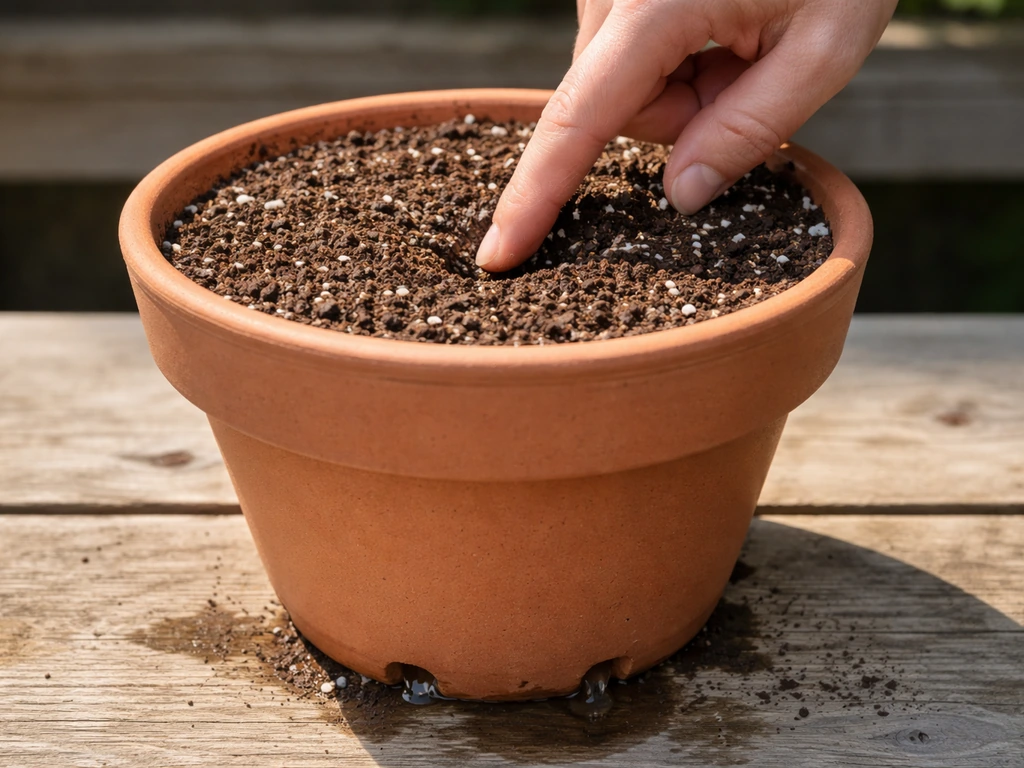
Almost always a watering issue. Harvest to Table notes that container plants often stall when they experience water stress and limited nutrients, so consistent watering and nutrition are key to helping them restart. Containers dry out from the outside in, so the top inch can look moist while the center of the rootball is dry. Water until you see it drain from the bottom, then let the top quarter inch dry before watering again. If the plant looks wilted even though the soil feels moist, you may have root rot from overwatering, pull the plant, check the roots (brown and mushy means rot), cut off the damaged roots, and repot into fresh mix with better drainage.
Hydroponic nutrient solution looks off after refilling
If your EC or pH swings wildly in the first few days after a system reset, it usually means residual biofilm or old nutrient salts weren't fully flushed out. Drain again, re-clean, and this time let the bleach rinse sit for 15–20 minutes before flushing with clean water. Once you refill with fresh solution, check pH and EC every day for the first week. EC should hold around 1.2–1.8 for leafy greens (Oklahoma State Extension). If pH keeps creeping up, add a small amount of pH-down solution. If it keeps dropping, check if your water source is very soft, you may need to adjust your base nutrient formula.
Disease keeps coming back in the same bed
If you're seeing lettuce drop (Sclerotinia) or similar problems season after season in one spot, the sclerotia are surviving in the soil. Don't plant any susceptible crops there, and Sclerotinia has a wide host range. Your options are: a 2–3 year rotation with non-hosts like corn, beans, or grasses; deep incorporation of infected debris (10 inches or more down, per UC IPM); or replacing the top 6–8 inches of bed soil entirely. It's tedious but it works.
FAQ
How long should I wait after harvesting lettuce before planting the next crop in the same spot?
Most quick successors (like radish, spinach, or bush beans) can go in right away once you remove roots and debris, but wait to plant if the bed is still waterlogged. Lettuce removal creates exposed soil, so if it rains heavily or you irrigate and it stays soggy, improve drainage first or delay 2 to 3 days to reduce damping off and root rot risk.
Can I plant lettuce again immediately after lettuce without creating problems?
Replanting lettuce immediately is generally only a safe idea if you change variety and, ideally, the exact planting location within the bed. If you plant lettuce in the exact same spot again, you are effectively reusing the same pathogen and aphid reservoir, especially for lettuce drop, so for best results rotate out of lettuce for at least one season and clean debris thoroughly.
What’s the biggest mistake people make when succession planting after lettuce?
Leaving roots and leaf debris in place. Even small remnants can harbor pests and diseases, and decomposing material can affect seedlings. Pull anything lettuce-like that remains, then lightly cultivate only to the surface so you do not drag debris deeper into the bed.
Is it okay to plant brassicas right after lettuce?
It can be fine if you rotate families and the bed has never had clubroot. Clubroot risk is bed-specific, and if you have seen it before, brassicas should stay out for five to seven years. If you have not seen clubroot, you can follow with kale or cabbage, but still rotate and manage weeds before planting.
What should I do if my next crop germinates poorly after lettuce even when temperatures are right?
Check for overwatering and residue effects. Lettuce can leave allelopathic plant residues, and overly wet soil increases Pythium and Rhizoctonia problems. Let the surface dry slightly between waterings, consider adding compost only if you can water it in, and for stubborn failures, use fresh seed-starting mix for transplants or top-dress with compost then avoid excessive irrigation.
Do I need to add fertilizer or can I rely on soil nutrients after lettuce?
Often you need some nutrient replenishment, but timing matters. Nitrogen is most useful when applied close to when the next plants will take it up, so top-dress at planting time rather than weeks ahead. If you added compost or aged manure before, reduce synthetic fertilizer because some nitrogen may already be available.
What’s a good strategy if the bed will sit empty for about one to two weeks?
If it will be longer than roughly two weeks, use a cover crop to prevent erosion and weed establishment. Buckwheat is fast in warm weather and can be turned in before the next crop, while crimson clover works well in cooler temperatures and adds nitrogen as it grows.
Can I grow basil or beans after lettuce in warm weather, and what changes if it’s still hot?
Yes, warm-season options like beans and basil fit well after lettuce in hot conditions. When it is very hot, prioritize watering consistency and avoid sowing into drying, compacted soil. If the bed dries quickly, mulch lightly after planting to keep top growth from stress and to support quick establishment.
Are successors in containers the same as in-ground beds?
The plant choices overlap, but the setup is different. Container mix compacts and can accumulate salts, so refresh the potting mix by replacing at least half, and use soilless mix instead of garden soil. Also, containers need more frequent watering, check the top quarter inch daily in warm weather.
How deep does a container need to be for crops like carrots after lettuce?
For full-size carrots, plan on at least a 12 to 14 inch deep container if you want reliable roots. If your container is shallower, switch to faster, shallower-root crops like radish, spinach, or leafy greens instead.
If I’m growing indoors under lights, what’s the best succession timing after lettuce?
Indoors, light and temperature matter more than calendar season. Microgreens are usually the fastest turnaround after lettuce, and leafy greens like spinach or arugula can often be started without changing your whole setup. Keep sanitation tight because damping-off risk is higher in closed, humid spaces, wash trays and pots before sowing.
What specific cleaning steps matter most for hydroponics between lettuce rounds?
Do not just refill nutrient solution. Drain completely, scrub reservoir and channels to remove algae and biofilm, then apply a 10% bleach rinse (1 part bleach to 9 parts water) and allow it to sit about 15 to 20 minutes before flushing. After refilling, monitor pH and EC daily for the first week to catch residual buildup.