Butter lettuce is one of the easiest vegetables you can grow, and I'd recommend it as a first crop for almost any beginner. If you are looking for the best lettuce to grow in the UK, butter lettuce is a reliable cool-season choice best lettuce to grow uk. It germinates fast (sometimes in as little as 2 days), grows to baby-green size in about 25 days, and produces full tender heads in 60 days or less.
Is Butter Lettuce Easy to Grow? A Beginner Guide
Marcus Holloway
17 Jun 2026
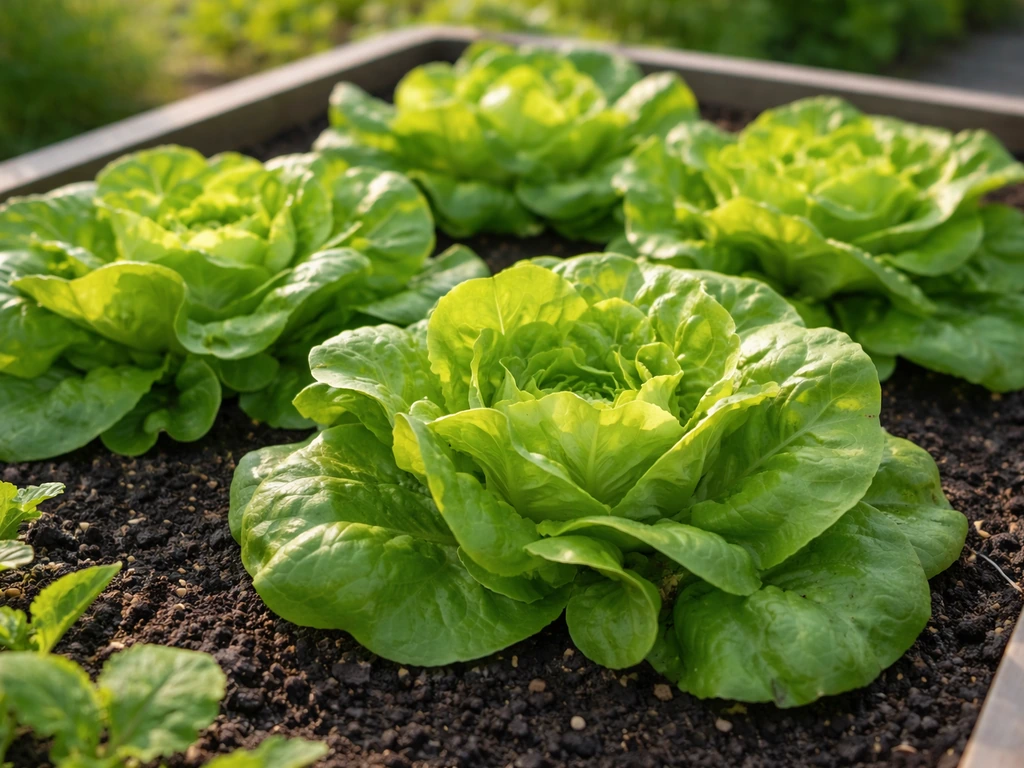
The main catch is temperature: butter lettuce is a cool-season crop, and once heat pushes past 80°F, it bolts and turns bitter. Keep it cool and consistently moist, and you'll have reliable harvests whether you're growing in a garden bed, a container on a balcony, or a hydroponic setup under grow lights.
Quick verdict: is it actually easy for beginners?
Yes, with one condition: you have to respect the temperature window. Butter lettuce (including bibb types) is forgiving about soil quality, tolerates partial shade, and doesn't need complex feeding. What trips beginners up is planting too late in spring or too early in summer, then watching everything bolt before the heads form. If you want the best chance of success, choose the best head lettuce to grow for your temperatures and light, then time your sowing accordingly.
If you're planting in mid-June right now, that's risky in most of the US unless you have a shaded spot, can grow indoors, or live in a genuinely cool climate. Plan for a fall crop outdoors, or go the indoor or hydroponic route if you want to start this week regardless of your weather.
The other thing working in your favor: butterhead is more heat-tolerant than crisphead (iceberg) types, and it's more forgiving than romaine when things get slightly warm. If you specifically want romaine, the same cool-season timing matters, so you'll have the best results when you grow it during mild temperatures butterhead. It's also a compact plant, which means it does well in small containers and tight spaces. If you've been wondering which lettuce to start with, butterhead is a strong answer.
Best conditions for butter lettuce
Temperature
The ideal growing temperature range is blank" rel="noopener noreferrer">60 to 70°F. Lettuce seeds will actually germinate at soil temperatures as low as 32°F, with an optimum around 75°F, but you don't want soil temperatures to go above 80°F, at that point, seeds can go dormant and refuse to sprout, and established plants start bolting. For outdoor growers, that means targeting early spring or late summer for a fall harvest. For indoor or hydroponic growers, it means keeping your grow space or reservoir temperature in check.
Light
Outdoors, butter lettuce grows well in full sun during cool weather and appreciates afternoon shade when temperatures rise. Indoors or in a hydroponic system, aim for 12 to 14 hours of light per day. A south-facing windowsill can work in cooler months, but a dedicated grow light is far more reliable and gives you control over the photoperiod. If you're using a grow light, keep it close enough that plants aren't stretching toward it but far enough to avoid heat stress at the canopy.
Soil
Butter lettuce isn't fussy about soil, but it does best in loose, well-draining soil with decent moisture retention. A standard vegetable mix or container potting mix works well. Aim for a slightly acidic to neutral pH, around 6.0 to 7.0. If you're growing in a container, avoid heavy garden soil that compacts and drains poorly, that's a fast track to root problems. Good drainage matters, but so does consistent moisture, so a mix with some compost or coconut coir helps balance both.
How to plant (seeds vs. starts) and spacing

Seeds vs. transplants
Both work, and I use both depending on the situation. Starting from seed is cheaper and gives you more variety options. Germination takes anywhere from 2 to 15 days at the right temperature. If you're starting indoors for a fall outdoor transplant, begin seeds about 4 weeks before your planned transplant date. Transplants (starts from a nursery) shave about 2 to 3 weeks off your timeline and are a good choice if you want a quick crop or missed the ideal direct-sow window.
Planting depth and sowing
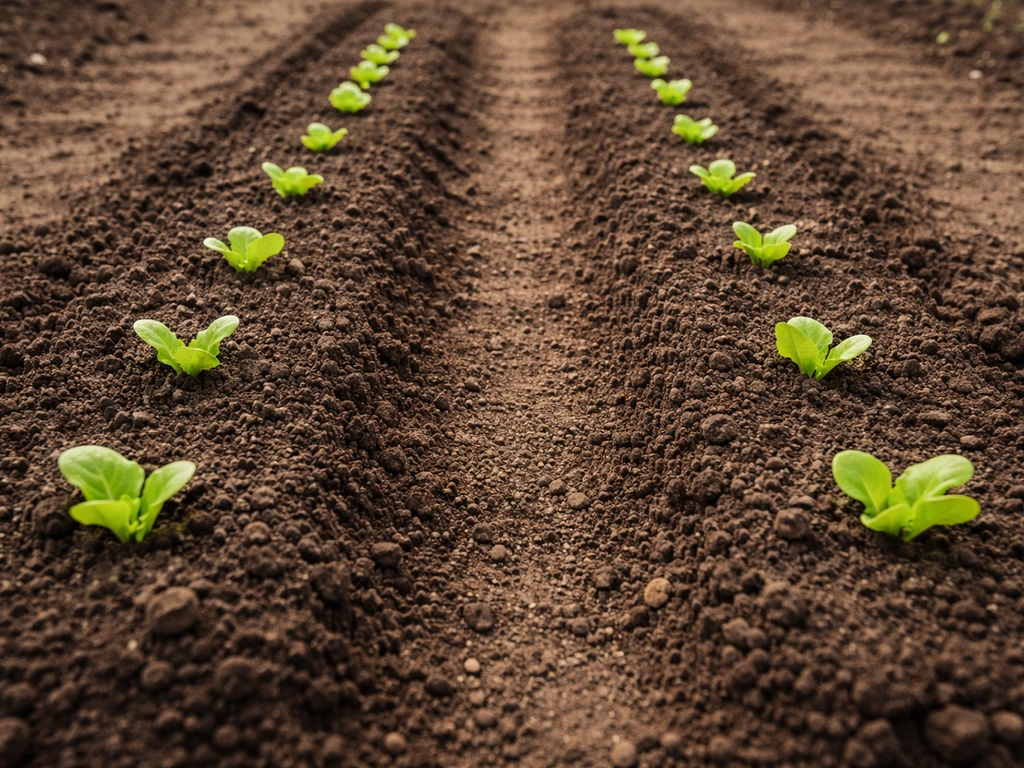
Lettuce seeds need light to germinate, so plant them very shallowly, no more than 1/4 inch deep, and even just pressing them gently onto moistened soil surface and covering with a thin dusting of fine growing medium is fine. Burying them deeper is one of the most common beginner mistakes and leads to patchy germination. For direct sowing in a row, scatter 10 to 20 seeds per foot of row, then thin to final spacing once seedlings are an inch or two tall. Use scissors to snip thinned seedlings at the soil line rather than pulling, which disturbs neighbors.
Spacing for containers and garden beds
For garden beds and outdoor rows, space butter lettuce plants 4 to 10 inches apart within rows, with 12 to 24 inches between rows. Tighter spacing is fine for baby greens since you'll harvest before heads fully form. For containers, a 6-inch spacing works well in a wide planter. Each individual butterhead plant needs at least a 6-inch diameter pot if you're growing it alone, but rectangular window boxes or grow trays let you plant in a grid. Adequate spacing also improves airflow and reduces disease pressure, more on that in the troubleshooting section.
Watering and feeding for fast, tender heads
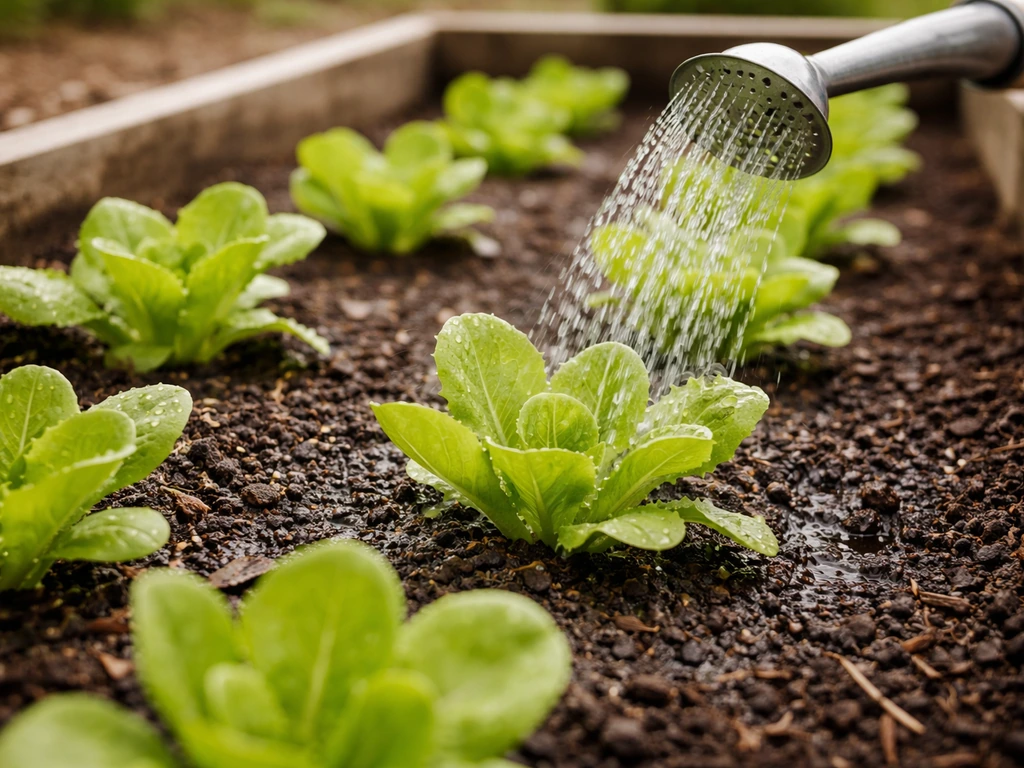
Watering
Lettuce is extremely sensitive to water stress. Inconsistent watering is one of the top reasons heads turn bitter or plants bolt earlier than they should. The goal is to keep the soil consistently moist but never waterlogged. In practice, that usually means watering every 1 to 2 days in warm weather, or every 2 to 3 days in cooler conditions. Stick your finger an inch into the soil, if it's dry, water. If it's still damp, wait. For containers, which dry out faster than beds, daily checking is worth the habit. Water at the base of the plant rather than overhead when possible to reduce disease risk.
Feeding
Butter lettuce is a light feeder and doesn't need aggressive fertilizing. If you've amended your soil with compost before planting, you may not need to add much at all.
If your plants look pale or are growing slowly, a side-dressing of a balanced vegetable fertilizer when plants are about 4 inches tall is a practical approach, roughly 1 pound of a balanced granular fertilizer per 25 feet of row, worked lightly into the soil beside (not on top of) the plants. Avoid heavy nitrogen feeding late in the growth cycle, which can push leafy growth at the expense of head formation and may increase bolting.
For hydroponics, target an EC of 1. 2 to 1. 8 and a pH of 6. 0 to 7.
0.
Growth timeline and when to harvest
From seed to baby greens takes about 25 days. Full heads are typically ready in 60 days from seed, or 30 to 40 days from transplants. Those are realistic numbers, not best-case scenarios, I've hit them consistently in cool weather with adequate water.
Harvesting baby greens
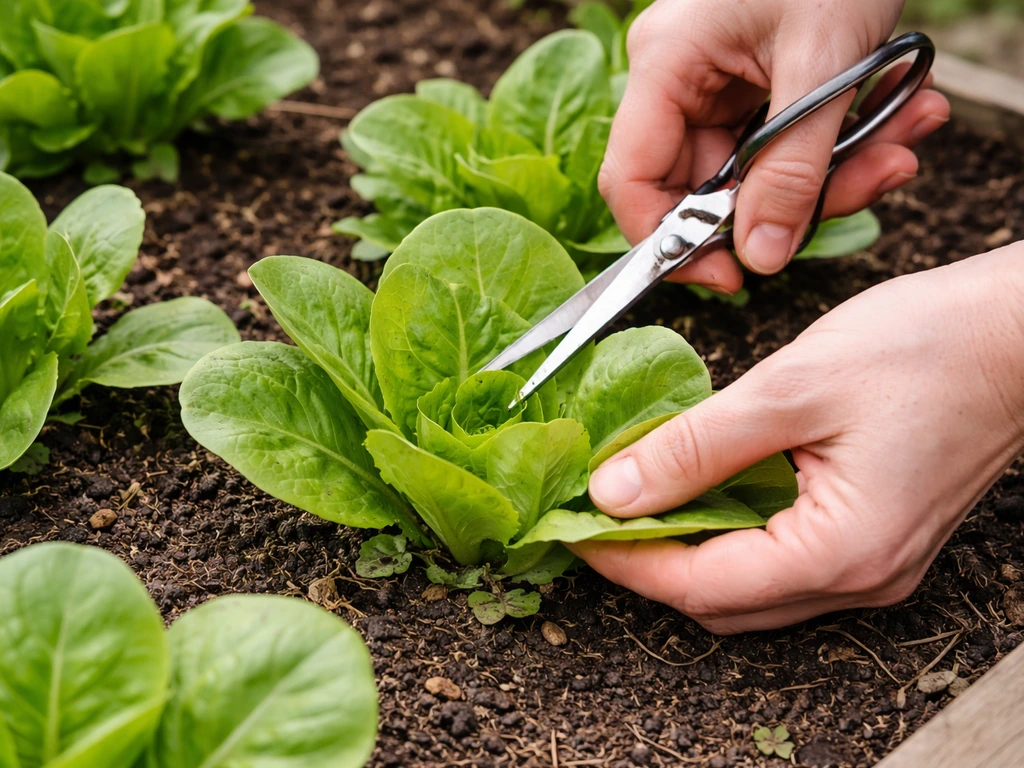
At around 25 days, once outer leaves are 3 to 4 inches long, you can start harvesting baby greens. Use clean scissors to cut leaves from the outside of the plant, leaving the central growing point intact. This cut-and-come-again method lets you get two harvests from the same plant before quality drops. Cut no more than a third of the plant at one time to keep it growing strong.
Harvesting full heads
The clearest cue for a mature butterhead is when the outer leaves begin cupping inward to form a loose head. That's your signal to harvest. Don't wait for it to look like a tight grocery-store head, butterhead is naturally loose and open. To harvest, cut the whole plant at the base with a sharp knife. If you leave the root in the ground, you may get a second flush of leaves, though quality won't match the first head. Harvest in the morning when leaves are cool and fully hydrated for the best texture and shelf life. After you harvest your lettuce, plan ahead so you have a smooth next crop ready Harvest in the morning.
| Stage | Days from Seed | What to Look For |
|---|---|---|
| Germination | 2–15 days | Small pale sprouts emerging from soil surface |
| Seedling thinning | 14–21 days | Plants 1–2 inches tall; thin to final spacing |
| Baby greens ready | ~25 days | Outer leaves 3–4 inches long |
| Full head harvest | ~60 days (seed) / 30–40 days (transplant) | Outer leaves cupping inward to form a loose head |
Common problems and how to fix them
Bolting
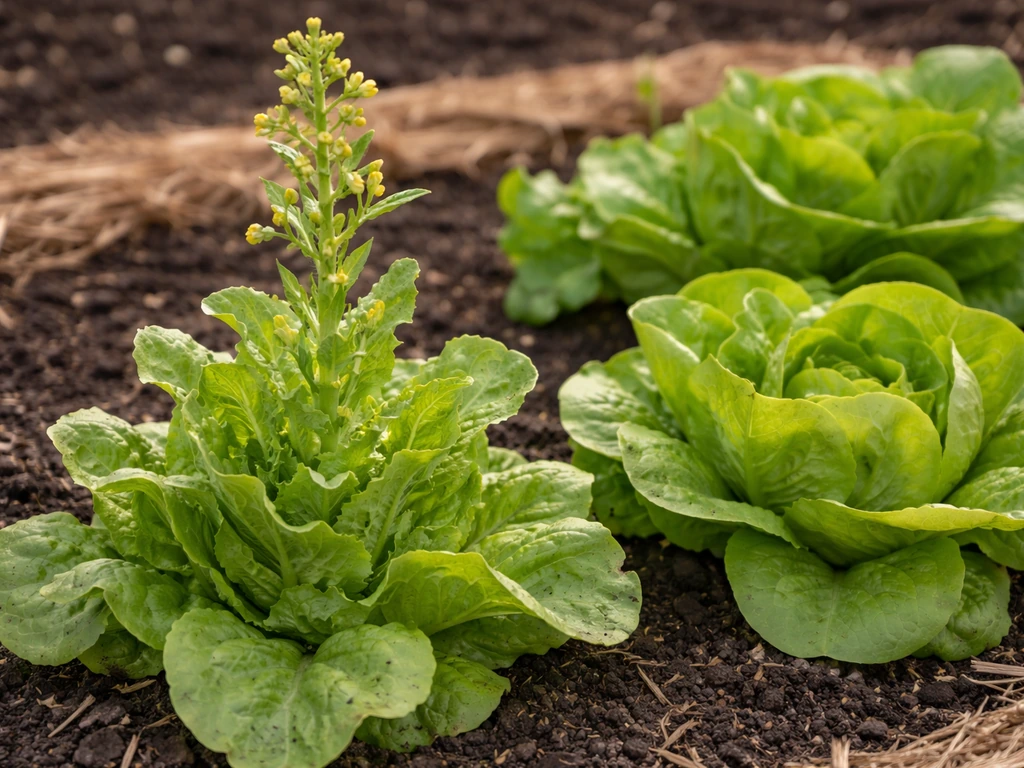
Bolting is the single most common butter lettuce problem, and it's almost always triggered by heat or day length. Once soil or air temperatures push past 80°F, the plant shifts from making leaves to making a seed stalk. You'll notice the center of the plant elongating upward. Here's the honest truth: once bolting starts, it can't be reversed. If you catch it very early, harvesting immediately salvages what you have. Otherwise, pull the plant and replant for the next cool window. Prevention is the only real fix, choose heat-tolerant butterhead varieties, plant in a spot with afternoon shade, mulch to keep soil cool, and time your planting for spring or fall.
Bitter or tough leaves
Bitterness is almost always a sign of heat stress, water stress, or a plant that's close to or has already started bolting. If your lettuce tastes bitter, check whether the plant is getting too warm or drying out between waterings. Harvesting earlier (at the baby green stage or just as the head forms) also reduces bitterness. Bolted plants produce very bitter leaves, at that point, pull and replant rather than trying to eat through it.
Slow or patchy germination
If seeds aren't sprouting within 10 to 15 days, soil temperature is usually the culprit, either too cold (below 40°F) or too warm (above 75 to 80°F). Check that you planted shallowly enough (seeds buried too deep won't sprout reliably). Also make sure the soil surface stayed consistently moist during the germination window, lettuce seeds are tiny and will fail if the top layer dries out even briefly. If germination is very patchy, re-sow in a fresh tray with controlled conditions rather than waiting for gaps to fill in.
Aphids and caterpillars
Aphids cluster on the undersides of leaves and in the curled inner leaves of forming heads. blank" rel="noopener noreferrer">A strong spray of water dislodges most of them, and repeating this every few days keeps populations manageable without chemicals. Caterpillars (loopers and armyworms are common) can be among the most damaging pests, especially on fall crops. Check under leaves and in the leaf folds, and hand-pick what you find. For serious caterpillar pressure, Bt (Bacillus thuringiensis) is an organic option that targets larvae without harming other insects.
Downy mildew and powdery mildew
Downy mildew thrives in cool, wet conditions with long periods of leaf wetness, which is exactly what you get in early spring and late fall. It shows up as yellow patches on the upper leaf surface with gray-purple fuzz underneath. Powdery mildew, by contrast, tends to appear in warmer, drier conditions and looks like a gray-white powdery coating on both sides of the leaf. In both cases, the fix is the same: improve airflow by not overcrowding plants, avoid overhead watering in the evening, and remove affected leaves promptly. Resistant varieties exist for downy mildew, worth looking for if it's a recurring problem in your garden.
Growing butter lettuce indoors and in hydroponic systems
Indoor and hydroponic growing is where butter lettuce really shines, because you control the temperature and light completely. This is also the most practical option if you're starting in June and your outdoor temperatures are already too hot for reliable cool-season crops.
Indoor growing under lights or at a window
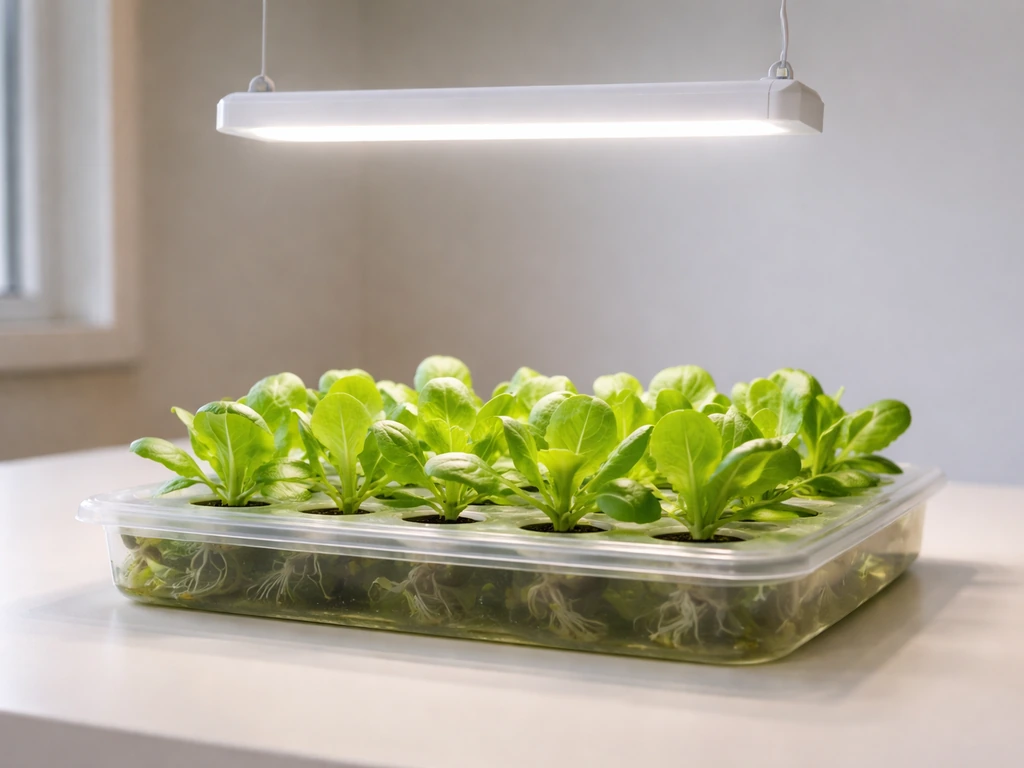
A south-facing window can work in cooler months, but a dedicated grow light gives you year-round reliability. Set it to run 12 to 14 hours per day on a timer. Keep ambient room temperature between 60 and 70°F, most homes are close to this range. Use a container with drainage, a quality potting mix, and follow the same spacing and watering principles as outdoor container growing. The main difference indoors is that you need to watch for insufficient light (leggy, weak plants that stretch toward the light source) and ensure good airflow to prevent mildew.
Hydroponic growing
Butter lettuce is one of the best crops for hydroponic systems, it's fast, compact, and responds exceptionally well to a steady nutrient supply. DWC (deep water culture) and NFT (nutrient film technique) systems are both popular choices for home growers. Target a nutrient solution EC of 1. 2 to 1.
8 (a starting point around 1. 3 is commonly used) and keep pH between 6. 0 and 7. 0.
Light requirements are the same as for other indoor growing: 12 to 14 hours per day. Watch reservoir temperature, if your root zone gets too warm (above 70 to 72°F), you'll see bolting and poor root health. Keep the reservoir cool, especially in summer. Timeline in hydro is similar to soil: expect baby greens around 25 days and full heads around 60 days from seed, consistent with what soil growers report.
Your next steps this week
If you're starting today in mid-June, here's the honest path forward. Outdoors in hot climates, wait and plan a fall crop, sow seeds about 8 to 10 weeks before your first expected frost date. Indoors or in a hydroponic system, you can start immediately: get seeds planted or into net cups today, set your light timer to 14 hours, and keep temperatures in the 60 to 70°F range.
For outdoor container growers in cooler climates or shaded spots, you can plant now if daytime highs are still consistently below 75°F. Check your seedlings daily for moisture and germination progress, water as needed to keep soil evenly moist, and plan for thinning around days 14 to 21. Your first baby green harvest could be on the table in just under a month.
- This week: Sow seeds 1/4 inch deep (or shallower) in moist soil or a hydroponic system; set up lighting if growing indoors
- Daily: Check soil moisture and keep the surface from drying out during the germination window
- Days 14–21: Thin seedlings to final spacing (4–10 inches apart) using scissors, not pulling
- Day 25+: Begin harvesting outer baby leaves if needed, using the cut-and-come-again method
- Ongoing: Monitor for temperature spikes above 80°F, aphids, and signs of bolting (center elongating upward)
- Day 60 (from seed): Harvest full heads when outer leaves cup inward — cut at the base in the morning
FAQ
Can I grow butter lettuce in midsummer if I keep it in the shade?
You can extend the season, but shade alone may not be enough. What matters is that daytime air and especially soil stay below about 80°F, and that you can keep the bed evenly moist. If your highs regularly exceed 75 to 80°F, aim for indoor, hydroponic, or a protected fall setup rather than relying on partial shade.
What spacing should I use if I want mostly baby greens instead of heads?
For baby greens, you can plant closer because you harvest before the plant fully forms. As a starting point, keep plants on the tighter end of the range (around 4 to 6 inches in a row) and cut outer leaves frequently. Still thin if seedlings are competing for light, otherwise you can end up with weaker regrowth and more mildew.
How often should I water, and how do I avoid overwatering?
Check moisture with a finger or small probe, water only when the top inch is dry, and adjust for containers, wind, and sun. If water runs out quickly and the mix never stays damp, it is under-watering, but if the mix feels wet or smells sour, you are likely overwatering. The goal is consistent moisture, not constantly saturated soil.
My seedlings are tall and weak, is that due to watering or light?
Leggy, pale growth is usually a light problem, not a watering issue. Indoors and with grow lights, confirm the timer is set for about 12 to 14 hours and keep the light close enough to prevent stretching. Also check airflow, stagnant conditions can worsen mildew even if you water correctly.
What causes poor germination even when temperatures seem right?
Common culprits are planting too deep (lettuce needs surface-level light), letting the top layer dry out during germination, and using an overly compacted medium. Tiny seeds can fail quickly if the surface dries for even a short period. If you have patchy emergence after 10 to 15 days, re-sow in a fresh tray with controlled moisture.
Do butter lettuce plants need fertilizer, or will compost be enough?
Compost may be enough if you are using a nutrient-rich potting mix and the leaves stay green and growing at a steady pace. If growth is slow or color looks pale, add a light side-dressing when plants are about 4 inches tall, rather than adding lots of nitrogen late. Too much late nitrogen can reduce head quality and increase bolting risk.
How do I harvest without damaging the plant or ruining the taste?
For baby greens, cut outside leaves with clean scissors and leave the center intact, harvest no more than about a third of the plant at a time. For full heads, harvest when leaves cup inward but the head is still loose, if you wait for a tight head you may have reduced tenderness. Harvesting in the morning helps because leaves are cooler and less stressed, which improves shelf life.
If my lettuce starts to bolt, can I save it?
Once bolting is underway, it cannot really be reversed. If you catch it very early, harvesting immediately can salvage some edible leaves, but you should plan on pulling the plant afterward and replanting for the next cool window. Prevent it in the first place by keeping temperatures and moisture stable and using heat-tolerant varieties where available.
Why does my lettuce taste bitter, even though the plants look healthy?
Bitterness often comes from stress that is not obvious at first, heat spikes, drying between waterings, or waiting too long to harvest. If taste turns bitter, check whether soil dried out, whether it got above 80°F, and whether bolting began in the center. Harvesting earlier, at the baby green stage or just as the head forms, usually improves flavor.
What are the best ways to handle common diseases in humid or rainy weather?
Improve airflow by not crowding plants and remove affected leaves promptly so the disease does not spread through leaf folds. Avoid wetting foliage during evening hours because long leaf wetness periods drive downy mildew. If downy mildew is recurring, prioritize resistant varieties rather than only relying on cultural changes.
Can I grow butter lettuce in a hydroponic system without bolting?
Yes, but reservoir temperature is the usual failure point. Keep the root zone cooler, aiming around or below 70 to 72°F, because warm roots can push bolting and poor root health. Also maintain consistent pH and EC, and do not let oxygenation drop in deep water systems.