If you want reliable, tight heads, start with 'Buttercrunch' for cool weather or 'Heatmaster' for warm seasons. Both are forgiving, widely available, and actually form heads under real garden conditions rather than just in catalog photos. For crisp iceberg-style heads, 'Ithaca' or 'Salinas' are your best bets in a cool garden bed, but they need strict temperature management.
Best Head Lettuce to Grow: Pick Varieties and Follow Plan
Marcus Holloway
17 Jun 2026
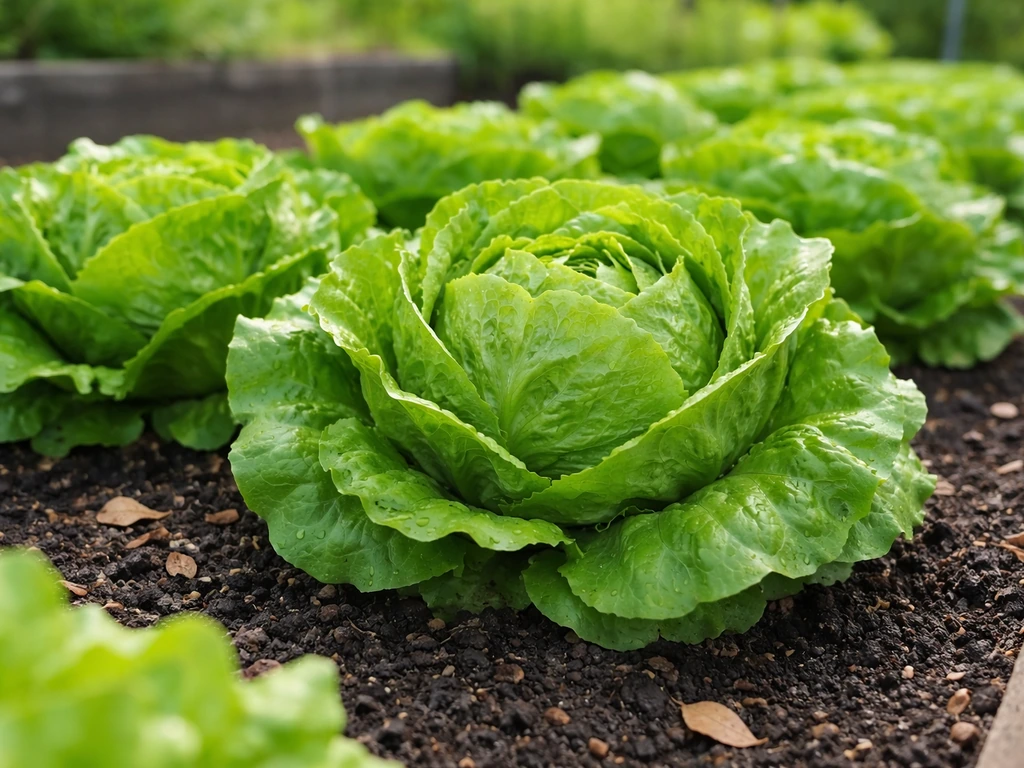
If you're growing in containers or hydroponics, butterhead types like 'Buttercrunch' or 'Nancy' adapt much better to confined root zones and grow lights than crisphead/iceberg types do. If you are wondering whether butter lettuce is easy to grow, these butterhead varieties are a great place to start because they handle typical home-garden conditions well butterhead types like 'Buttercrunch' or 'Nancy'.
The single biggest factor in getting full heads is temperature: lettuce wants 60 to 65°F, and once heat consistently pushes past that, most varieties bolt before they ever head up properly.
How to choose the best head lettuce for your conditions
Before picking a variety, be honest about two things: your climate window and your growing setup. These will narrow your options faster than any other factor.
Climate window matters because head lettuce is a cool-season crop. It thrives at 60 to 65°F and can handle light frost down to about 20°F once hardened off. The problem is that crisphead (iceberg-style) varieties are the most bolt-sensitive of all the head types. Southern Exposure Seed Exchange ranks bolt resistance from highest to lowest as: loose-leaf, then romaine, then butterhead, then crisphead. If your spring warms up fast or your fall stays warm into October, crisphead is going to disappoint you. Butterhead is a much safer bet for most home gardeners because it heads up faster and tolerates brief heat spikes better.
Your growing setup is the second filter. In-ground beds give you the most root space and the easiest temperature buffering using mulch. If you’re in the UK, choosing a variety that matches your cool-winter or spring-summer conditions is the key to growing the best lettuce for your garden temperature buffering using mulch. Containers dry out faster and heat up quickly in sun, so you need a heat-tolerant or butterhead variety and consistent watering.
Hydroponic systems give you the most control over temperature and nutrients, and butterhead varieties dominate hydroponic lettuce production for good reason: they form heads in 30 to 45 days from transplant, they thrive in nutrient film technique (NFT) and deep water culture (DWC) setups, and they stay compact enough for grow channels and indoor racks.
For flavor and texture preferences: butterheads are mild, tender, and slightly sweet. Crispheads (iceberg types) give you that satisfying crunch and mild, watery flavor. If you want something in between, 'Winter Density' is a butterhead/hearting hybrid that gives a denser head with a slightly more substantial texture than classic buttercrunch. Think about what you actually enjoy eating before ordering seeds.
Best head lettuce varieties to grow
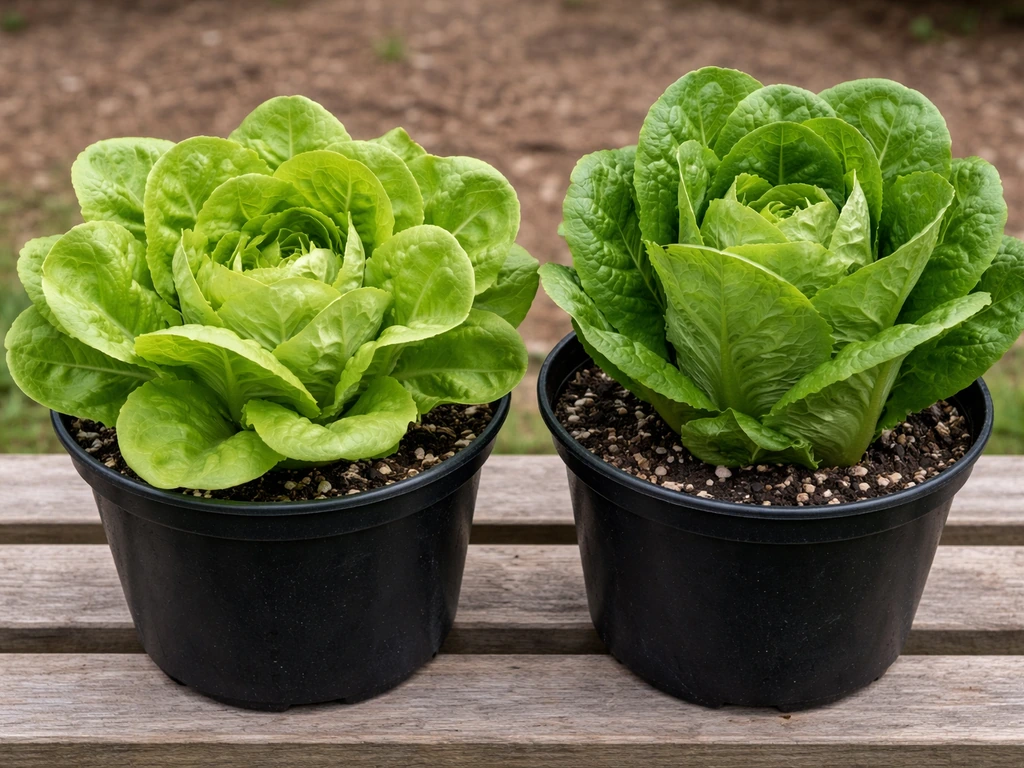
Here are the varieties I'd actually recommend planting, broken out by climate and growing goal rather than just alphabetically.
Cool climates and standard spring/fall windows
- 'Buttercrunch': The classic. About 65 days to maturity, very heat tolerant for a butterhead, and slow to bolt. Soft, creamy heads with a buttery center. Reliable in beds, containers, and hydroponic systems. This is the variety I'd tell any beginner to start with.
- 'Ithaca' or 'Salinas' (crisphead/iceberg): Both form tight, crisp heads in 70 to 80 days. They need cool conditions to head properly and will bolt fast in warm weather, so time them carefully for early spring or fall. Space them 10 to 12 inches in-row and 18 inches between rows for full heads.
- 'Winter Density': A butterhead/hearting type that's dense and slow to bolt. Works well through spring and into fall. The heads are more compact and upright than pure butterhead types, and the flavor is slightly richer.
Warm climates and heat-extended seasons
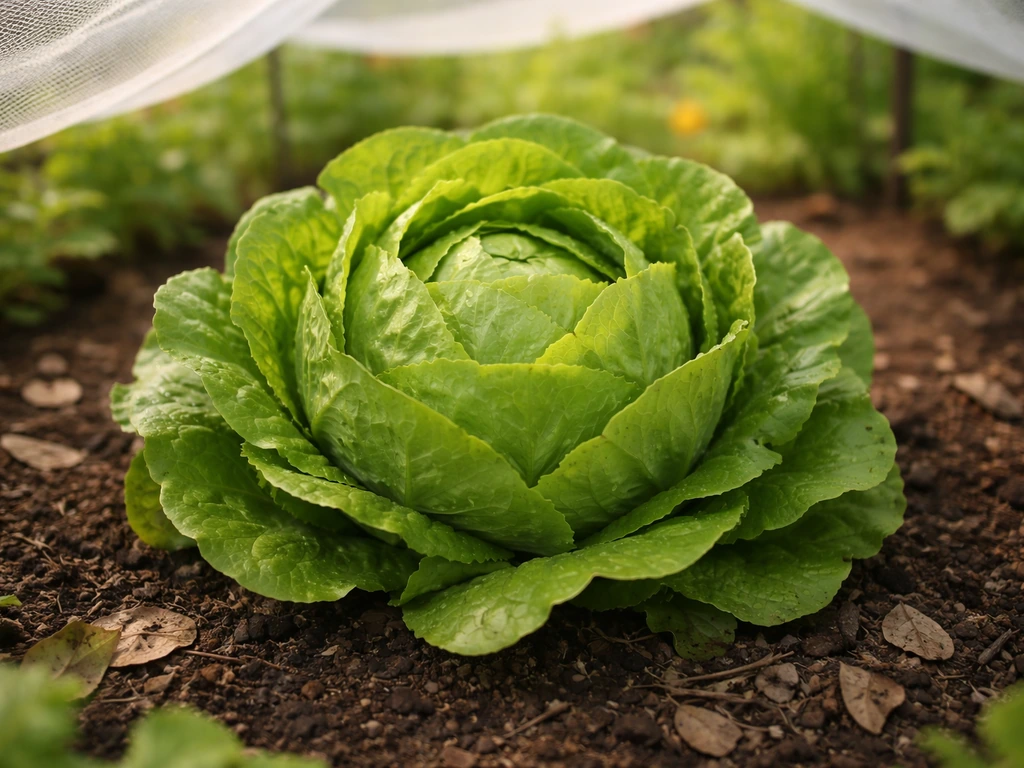
- 'Heatmaster': Specifically bred for heat and bolt tolerance. About 55 days to maturity from direct seed, round head shape, and it's one of the few head lettuces that will actually form a head when temperatures creep up. Sakata developed it for late spring and fall planting when bolting pressure is highest.
- 'Buttercrunch' (again): It shows up in both lists because it genuinely is more heat-tolerant than most butterheads. If you're in a warm climate and want only one variety, this is it.
Hydroponic and container growing
- 'Buttercrunch': The standard for a reason. Heads up in 30 to 45 days from transplant in hydroponic systems and stays compact enough for grow channels.
- 'Nancy': A compact butterhead variety popular in commercial hydroponic operations. Tight, uniform heads and good shelf life after harvest.
- 'Tom Thumb': A miniature butterhead that's perfect for small containers and indoor growing. Single-serving heads that mature in about 45 to 50 days.
| Variety | Type | Days to Maturity | Best For | Bolt Resistance |
|---|---|---|---|---|
| Buttercrunch | Butterhead | 65 days | All setups, warm or cool | High |
| Heatmaster | Crisphead-style | 55 days (direct seed) | Warm seasons, late spring/fall | Very high |
| Winter Density | Butterhead/hearting | 60–65 days | Cool to mild climates, spring/fall | High |
| Ithaca / Salinas | Crisphead (iceberg) | 70–80 days | Cool climates, in-ground beds | Low |
| Nancy | Butterhead | 45–55 days | Hydroponics, containers | Moderate |
| Tom Thumb | Miniature butterhead | 45–50 days | Small containers, indoor growing | Moderate |
Timing and sowing: when to plant and how
Timing is where most head lettuce failures begin. The goal is to have your heads forming during the coolest part of your season. Lettuce germinates best at 55 to 65°F (and the upper germination limit for most varieties tops out around 68 to 77°F before germination rates drop). You can sow as soon as soil reaches 40°F, but germination will be slow. Sweet spot is 55 to 65°F soil temperature.
Outdoor sowing schedule
- Spring: Sow seeds indoors 4 to 6 weeks before your last frost date, or direct sow outdoors 2 to 4 weeks before last frost once soil is workable.
- Fall: Count back from your first fall frost date. Most butterhead varieties need 65 days, so start seeds in late summer (often August) to hit mature heads before hard frost arrives.
- Succession planting: Sow a new round every 2 to 3 weeks during your cool season to extend harvest rather than getting all your heads at once.
- Warm climates: If you're in USDA zones 9 to 11, your window shifts to October through March. Summer head lettuce is mostly not worth it unless you're using shade cloth and heat-tolerant varieties like 'Heatmaster'.
Seeds vs. transplants
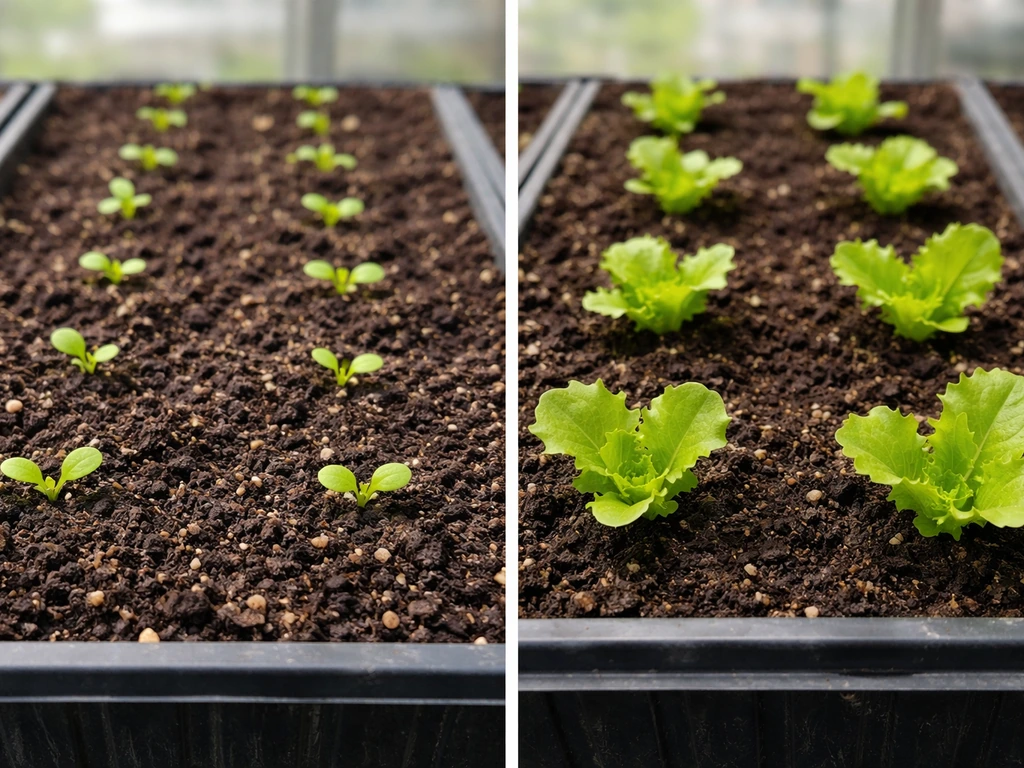
Seeds are cheaper and you get more variety options. Direct sowing works fine for butterhead and loose-leaf types. For crisphead varieties, transplants give you a head start and tighter timing control, which matters when your cool window is short. Start transplants in cell trays, keep them at 60 to 68°F, and transplant into the garden when they have 4 to 6 true leaves. Harden them off over 5 to 7 days before putting them outside full-time. Transplants tend to form tighter, more uniform heads than direct-sown plants in short-season situations.
For hydroponic systems, start seeds in rockwool cubes or foam plugs, germinate at 65 to 70°F, and transplant seedlings into your channels or DWC buckets once the roots are visible through the bottom of the plug, usually 7 to 14 days after germination.
Soil, containers, and hydroponic setups
In-ground beds
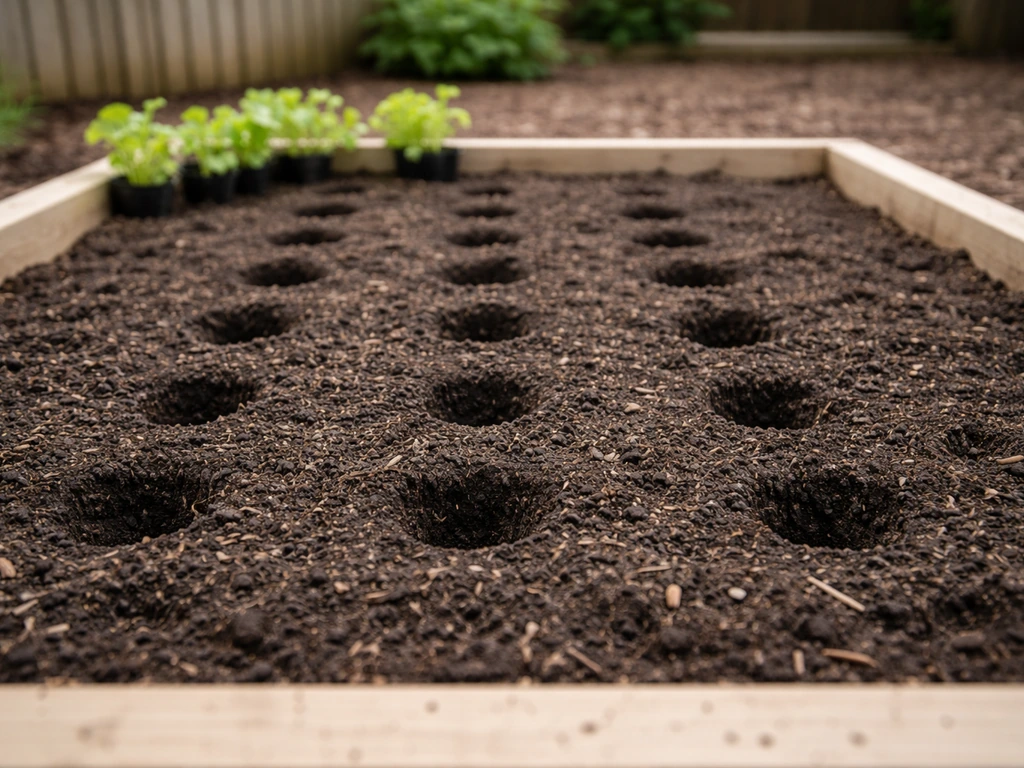
Lettuce prefers loose, well-draining soil with plenty of organic matter and a slightly acidic pH of 6.0 to 7.0. Work 2 to 3 inches of compost into the top 6 inches before planting. Raised beds warm up faster in spring, which is an advantage early in the season, but they also heat up faster in summer, which accelerates bolting. If your bed gets afternoon sun in warm weather, add shade cloth (30 to 50%) to buy extra weeks before bolting.
Containers
Use a container that's at least 8 inches deep and 12 inches wide per plant. Crisphead types are not container-friendly since their heads need more consistent root moisture and don't do well when pots dry out unevenly. Stick to butterhead varieties. Use a quality potting mix (not garden soil, which compacts in pots) and make sure your container has drainage holes. Containers dry out much faster than beds, so you'll water more often, sometimes daily in hot weather. Light-colored pots help keep the root zone cooler.
Hydroponic systems
NFT (nutrient film technique) and DWC (deep water culture) are the most common choices for head lettuce. Target a pH of 5.8 to 6.2 and an EC (electrical conductivity) of 1.2 to 1.6 mS/cm for most butterhead varieties. Keep your nutrient solution temperature between 65 and 72°F to avoid root rot and slow growth. Butterhead types typically reach harvestable heads in 30 to 45 days from transplant in a well-managed hydroponic system, which is faster than soil growing. Avoid very high EC solutions thinking it will speed things up; high EC actually stresses lettuce and can cause tip burn (brown leaf edges) on inner leaves.
Light, temperature, spacing, and water
Light
Outdoors, lettuce prefers full sun in cool weather and benefits from partial afternoon shade when temperatures climb. Indoors or under grow lights, aim for 14 to 16 hours of light per day at moderate intensity. LED grow lights positioned 6 to 12 inches above plants work well. Head lettuce needs enough light to form tight, dense heads; insufficient light gives you loose, floppy heads that don't hold together at harvest.
Temperature
The optimum growing temperature for head lettuce is 60 to 65°F (16 to 20°C). Below 50°F, growth slows noticeably. Above 75°F consistently, bolting risk spikes for most varieties, and above 80°F even heat-tolerant types like 'Heatmaster' start to struggle. Warm, dry conditions specifically trigger flowering (bolting), so both heat and low humidity are your enemies. If you're growing indoors, keep your grow space in the 60 to 68°F range.
Spacing
Spacing directly affects head size and airflow. Crowded heads stay small and are more vulnerable to gray mold and downy mildew because airflow is restricted. For butterhead types, space plants 8 to 10 inches apart in all directions in beds, or 15 centimeters (about 6 inches) for loose-hearting types. For iceberg/crisphead and romaine, use 10 to 12 inches in-row and 18 inches between rows. In hydroponic systems, butterhead plants typically go into channels spaced 8 to 10 inches apart.
Watering
Lettuce needs consistent moisture. Inconsistent watering (wet-dry-wet cycles) causes uneven growth, tip burn, and loose heads. In beds, water deeply and regularly, aiming to keep the top 4 to 6 inches of soil consistently moist but not waterlogged. Drip irrigation is ideal because it keeps water off the leaves, which reduces gray mold and downy mildew risk. In containers, check moisture daily in warm weather. In hydroponic systems, water delivery is handled by your system, but check your reservoir and pump daily.
Care routine for healthy heads
Thinning
If you direct sow, thin seedlings to proper spacing once they have 2 to 3 true leaves. This is the step most beginners skip, and it's why they end up with crowded plants that never form real heads. Thin ruthlessly. You can eat the thinnings as baby lettuce. Overcrowding doesn't just reduce head size; it also creates the humid, low-airflow environment that downy mildew and gray mold love.
Fertility
Lettuce is a moderate feeder. Work compost into the bed before planting and side-dress with a balanced fertilizer (10-10-10 or similar) about 3 to 4 weeks after transplanting. Avoid high-nitrogen fertilizers late in the season; they push leafy, soft growth that's more susceptible to pests and disease and can delay head formation. In hydroponic systems, use a lettuce-specific nutrient formula and maintain EC in the 1.2 to 1.6 mS/cm range, adjusting slightly upward as plants mature.
Pest and disease prevention
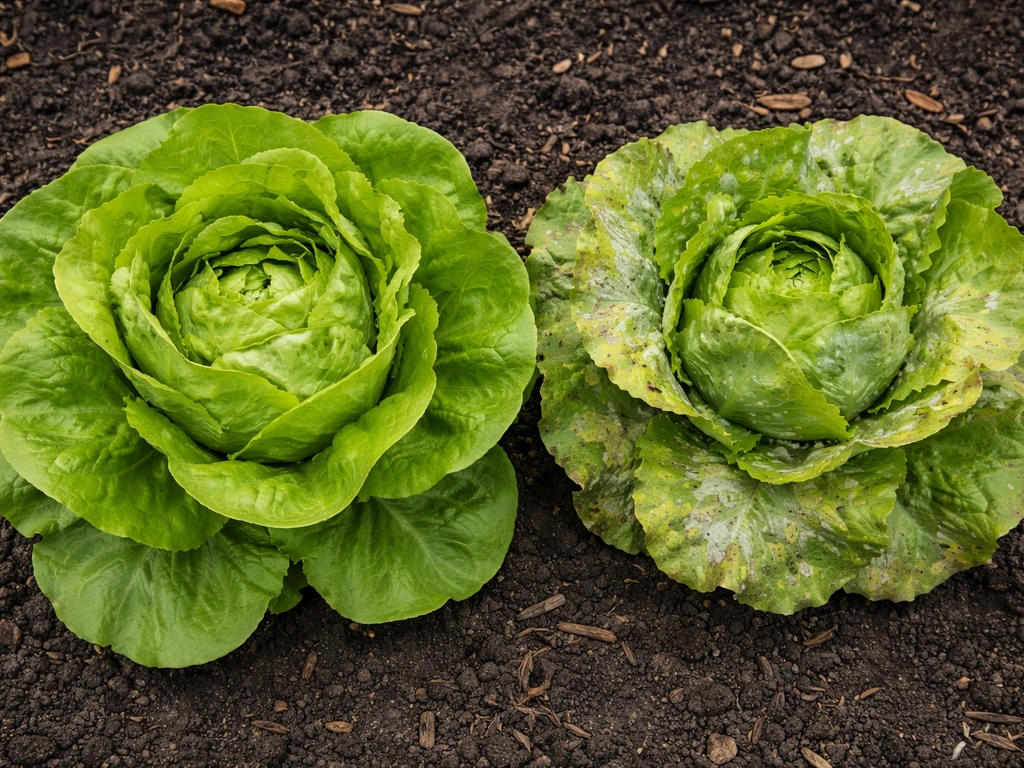
The three most common problems with head lettuce are downy mildew, gray mold (Botrytis), and aphids (which also vector lettuce mosaic virus). Prevention is much easier than treatment.
- Downy mildew (Bremia lactucae): Thrives in cool, humid conditions with wet leaves. Prevent it by watering at the soil level (not overhead), improving airflow through proper spacing, and choosing resistant varieties where possible. If you see pale yellow patches on upper leaf surfaces with white fuzz underneath, remove affected leaves immediately and improve airflow.
- Gray mold (Botrytis cinerea): Survives in decaying plant material in the soil. Keep beds clean of dead leaves, avoid overhead watering, and don't let plants sit in saturated soil. Crown rot often follows other pest or disease damage, so controlling aphids and caterpillars indirectly protects against Botrytis too.
- Aphids and lettuce mosaic virus: Aphid colonies hide under leaves and in forming heads. Scout weekly, especially as weather warms. Knock aphids off with a strong water spray or apply insecticidal soap. Controlling aphids is also your best defense against lettuce mosaic virus, which spreads through aphid feeding. Remove weeds around your garden bed since they serve as virus reservoirs.
- Slugs: Common on butterhead types where heads form close to the soil. Use iron phosphate bait around plants and pick slugs off by hand in the evening.
Harvesting, storage, and fixing common problems
When and how to harvest
Harvest heads as soon as they're firm and full, before any sign of bolting (a central stalk elongating). The RHS is clear on this: quality drops the moment flowering starts. For butterhead types, the head should feel like a loosely clenched fist when gently squeezed. For crisphead/iceberg, you want a genuinely firm, tight head. Cut at the base with a sharp knife. If you catch it right, some butterhead varieties will resprout for a second, smaller harvest.
Harvest in the morning when leaves are still cool and turgid. Cool the heads down immediately after cutting. Precool to around 34°F as quickly as possible. Store at 32°F with 98 to 100% relative humidity. At those conditions, crisphead types last 21 to 28 days post-harvest. Butterhead types are more delicate and are best used within 1 to 2 weeks. Never store lettuce near ethylene-producing fruits like apples or pears; ethylene causes rapid browning and deterioration.
Troubleshooting common failures
| Problem | Likely Cause | Fix |
|---|---|---|
| Bolting before heading | Temperatures above 75°F or long days | Shade cloth, heat-tolerant variety like 'Heatmaster', adjust timing |
| Loose or floppy heads | Not enough light, too much nitrogen, or harvested too early | Increase light (14–16 hrs indoors), reduce N fertilizer, wait for head to firm up |
| Bitter leaves | Heat stress or delayed harvest | Harvest earlier, improve cooling with shade cloth, switch to bolt-tolerant variety |
| Slow or no growth | Soil too cold, pH off, or low nutrients | Confirm soil temp is 55–65°F, test pH (target 6.0–7.0), side-dress with balanced fertilizer |
| Brown leaf edges (tip burn) | Calcium deficiency or high EC in hydroponics | In soil: consistent watering. In hydroponics: reduce EC to 1.2–1.4 mS/cm, improve airflow |
| Pale yellow patches on leaves | Downy mildew | Remove affected leaves, water at soil level, improve airflow, apply copper-based fungicide if severe |
| Sticky residue or stunted new growth | Aphids | Spray with water or insecticidal soap, scout weekly, remove nearby weeds |
| Rotting at the crown or base | Gray mold (Botrytis), often from wet conditions | Remove affected plants, improve drainage, avoid overhead water, clean up dead plant debris |
If you're new to growing head lettuce, start with 'Buttercrunch' in the best cool window your climate offers. It is genuinely forgiving, heads reliably, and works across beds, containers, and hydroponic setups. Once you've harvested a few heads and learned how your specific conditions behave, you can experiment with iceberg types, 'Heatmaster' for summer extensions, or miniature varieties like 'Tom Thumb' for small-space indoor growing. Butter lettuce, which is closely related, also tends to be easy to grow for beginners, and if you're curious whether it suits your setup, it's worth exploring that question alongside your head lettuce plans.
FAQ
What’s the best head lettuce to grow if I only have partial sun or a warm balcony?
If you get afternoon heat, choose a butterhead like Buttercrunch, then add a simple shade strategy (shade cloth during the hottest 3 to 6 hours, or move pots to gentler light). Also plan to water more frequently in containers because balcony sun dries the root zone fast, and that uneven moisture can trigger tip burn and loose heads.
My lettuce keeps getting loose and floppy. Is it usually a variety problem or a temperature/light problem?
It’s most often timing plus heat or light. If nights are staying warm or days exceed the mid-60s consistently, heads fail to tighten and plants bolt. If leaves stay thin and the head never firms up, increase light duration or intensity, since insufficient light leads to weak, floppy head structure even when temperatures are acceptable.
How close can I sow to the end of the cool season and still get a head?
Count backward from your expected warm-up and use the transplant timeline. Butterhead generally harvests 30 to 45 days from transplant, but it still needs cool conditions while the head is forming. If your forecast shows frequent 70s before that window ends, switch to a faster maturing plan (earlier transplanting, or a butterhead variety) rather than hoping direct-sown seeds will catch up.
Should I grow head lettuce from seed or buy transplants if my spring is unpredictable?
For short or unpredictable cool windows, transplants are the safer choice because you can control germination temperature and timing precisely. Direct sowing can work well for butterhead and loose-leaf, but if your warm spell hits early, transplants give you a head start that helps plants reach harvest before bolting becomes inevitable.
Why do my heads split, look uneven inside, or develop brown edges?
Brown leaf edges usually point to stress from nutrient or moisture inconsistency, high fertilizer salts, or irregular watering. Uneven or split interiors often happen when plants experience dry-down and then heavy watering, or when they are overcrowded so airflow is restricted. Keep moisture steady, avoid “more fertilizer equals bigger head,” and give enough spacing for airflow.
Can I grow crisphead (iceberg-type) in containers if I really want that crunch?
You can try only with butterhead as the reliable baseline, but crispheads are difficult in pots because head formation needs consistently even root moisture. If you attempt crisphead anyway, use very large, well-drained containers, keep watering on a strict schedule, and use light-colored pots to reduce heat buildup. In most home setups, butterhead will be far more forgiving.
What spacing should I use for best head size and fewer disease issues?
Don’t just follow row spacing, follow head spacing. In beds for butterhead, aim for about 8 to 10 inches between plants, because crowded plants stay humid around leaves and become more vulnerable to downy mildew and gray mold. If you want larger, firmer heads, prioritize airflow and avoid “saves space” planting.
How do I prevent bolting when the weather turns warm suddenly?
Start with bolt-tolerant choices and protect timing. Use butterhead if your heat spikes are common, and add partial afternoon shade (especially if you get sun and heat buildup). Also avoid late high-nitrogen feeding, because soft leafy growth with stress conditions can worsen the run toward bolting.
If I’m doing hydroponics, what nutrient mistakes most commonly ruin head quality?
Two big ones are nutrient strength that is too high and nutrient solution that is too warm. High EC can stress lettuce and cause tip burn, and warm reservoir temperatures can slow growth and raise root-rot risk. Keep EC in the target range and monitor solution temperature daily, not just occasionally.
How can I tell when it’s the right harvest moment for butterhead versus iceberg?
For butterhead, harvest when the head feels like a loosely clenched fist, firm enough to hold together but not rock-hard. For crisphead, harvest only when the head is genuinely tight. If you wait until you see any central stalk elongation, quality drops quickly and storage life shortens.
What’s the best way to store harvested lettuce so it lasts longer?
Cool quickly after cutting and store at refrigerator settings with high humidity. Butterhead generally should be used within about 1 to 2 weeks, while crisphead can last closer to a month if kept cold and humid. Avoid storing near apples or pears, since ethylene accelerates browning and deterioration.