For most UK gardeners, the best all-round lettuce to grow is a loose-leaf or cut-and-come-again variety like 'Salad Bowl', or a bolt-resistant cos such as 'Jericho' or 'Parris Island Cos'. These handle the UK's mixed temperatures better than butterheads, give you leaves faster, and keep producing for weeks rather than bolting the moment June gets warm. If you want heads, go for a bolt-resistant butterhead or a batavian type like 'Lioba'.
Best Lettuce to Grow UK: Varieties and Sowing Guide

Marcus Holloway
13 Jun 2026
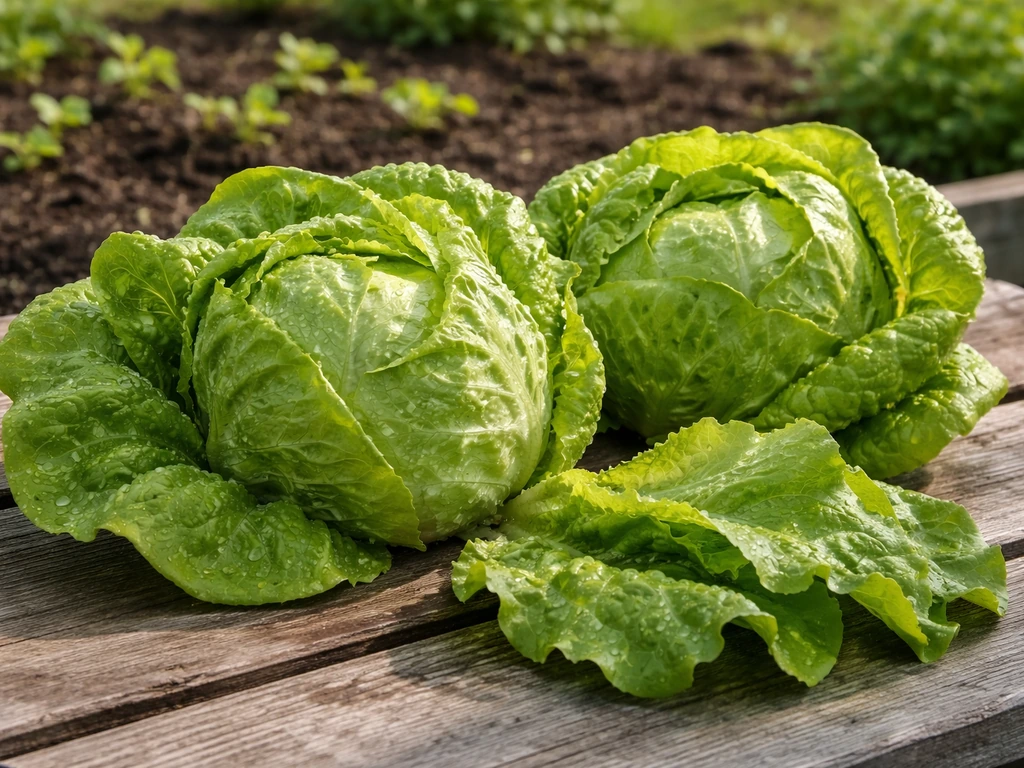
If you're growing indoors or in a hydroponic system, loose-leaf and cos varieties are still your best bet because they tolerate lower light, grow quickly, and don't need as much root depth as a full head type. If you're wondering whether butter lettuce is easy to grow, the short answer is yes, as long as you pick bolt-resistant varieties and keep conditions consistent is butter lettuce easy to grow.
Best lettuce varieties for UK conditions
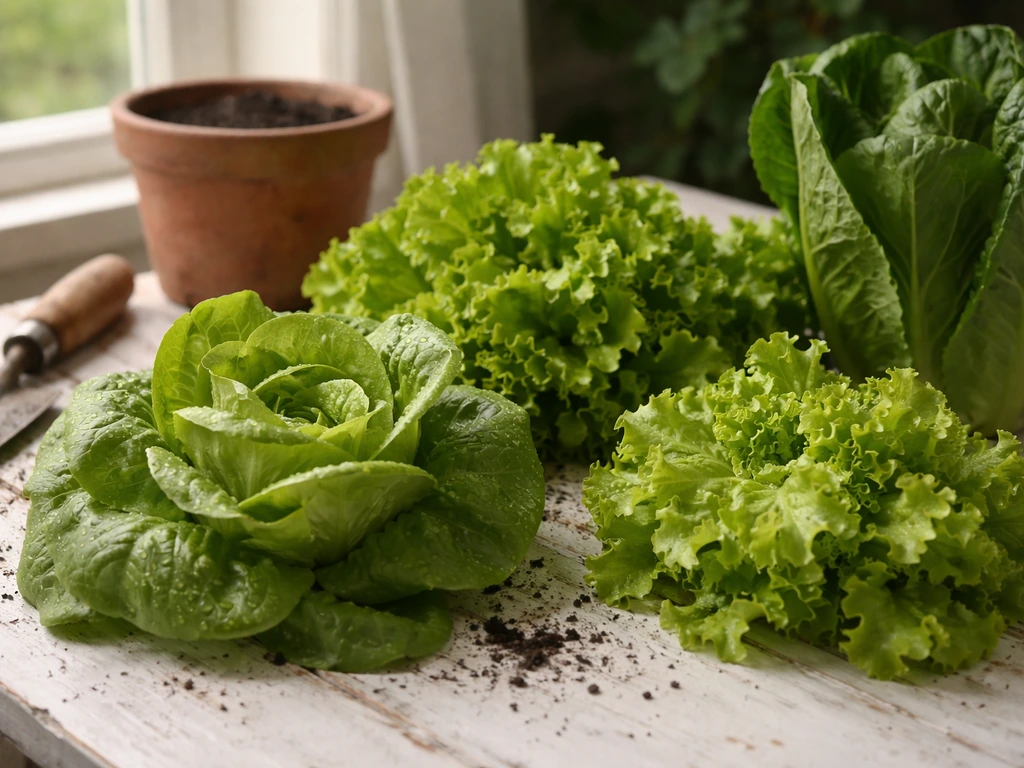
The UK's climate is genuinely awkward for lettuce: cool and damp in spring and autumn, occasionally hot and dry for a few weeks in summer, then back to wet and cold. A variety that performs well here needs to resist bolting when temperatures spike, cope with low light during grey stretches, and ideally show some disease resistance because downy mildew thrives in our damp conditions. The RHS Award of Garden Merit (AGM) is a useful shortcut here: varieties that earned it have been trialled in UK conditions and proven reliable.
Here are the types and specific varieties worth growing, grouped by what they do best:
Cos and romaine (bolt-resistant, crisp, summer-friendly)
'Jericho' is probably the most consistently recommended cos for UK summer growing. It's described as extremely bolt-resistant and stays sweet and tender even on genuinely hot days, which is rare. You can sow it indoors in March for full heads or direct sow up to August for cut-and-come-again leaves. 'Parris Island Cos' is another solid choice from UK suppliers, also rated highly bolt-resistant and easy to grow. 'Green Forest' is worth tracking down if you want a romaine that's very slow to bolt.
Loose-leaf (fastest, easiest, best for cut-and-come-again)
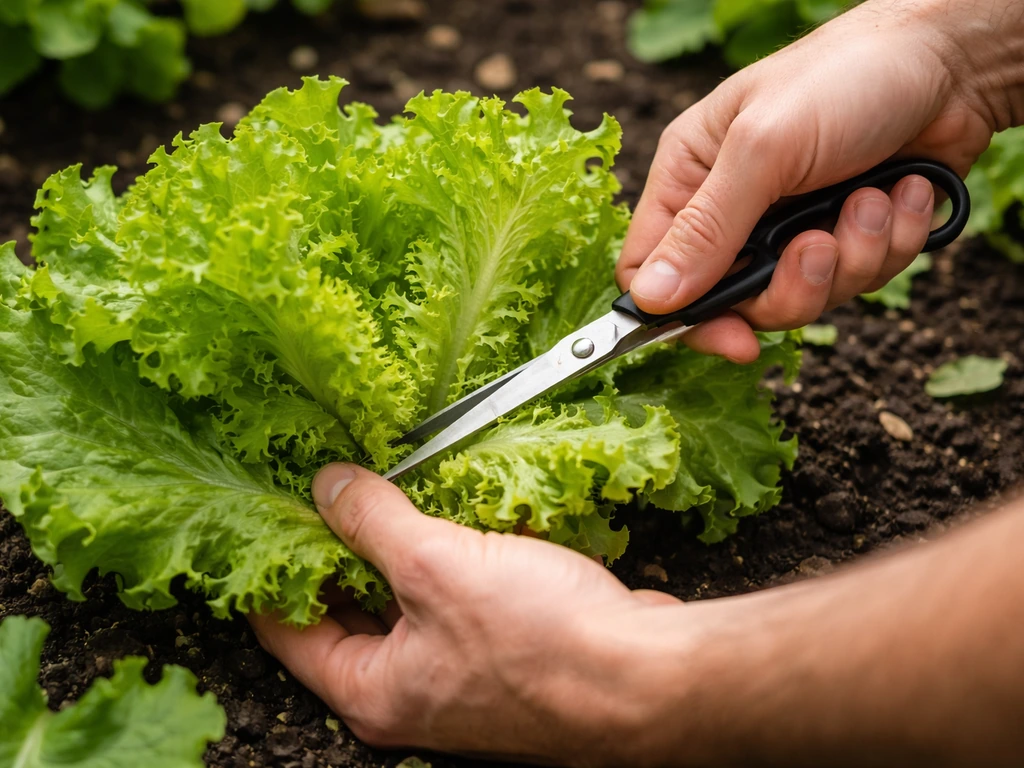
Loose-leaf types like 'Salad Bowl' (green) and 'Red Salad Bowl' are ideal for beginners because you never need to form a full head and you can start cutting leaves from about four weeks after sowing in good conditions. 'Slobolt' is a named green loose-leaf variety specifically noted as very slow to bolt. 'New Red Fire' gives you colour and decent bolt resistance. These are also the best choice for containers and indoor growing because they don't need deep soil.
Butterhead and batavian (classic heads, good disease resistance)
Butterhead types have soft, loosely folded leaves and a mild flavour. 'Ermosa' is a Boston-type butterhead listed as very slow to bolt, which makes it more reliable in UK summers than older butterhead varieties. 'Lioba' is a batavian type worth growing specifically because it combines bolt resistance with resistance to bremia (downy mildew) and viruses, which matters in a damp UK garden. If you want the satisfaction of cutting a proper head lettuce, these are the varieties to try.
| Variety | Type | Best for | Bolt resistance | Notes |
|---|---|---|---|---|
| Jericho | Cos/Romaine | Summer heads or CCA | Extremely high | Sweet even in heat; sow March–August |
| Parris Island Cos | Cos/Romaine | Outdoor beds | High | Easy to grow; UK supplier available |
| Salad Bowl | Loose-leaf | CCA, containers, indoors | Good | Very fast; great for beginners |
| Slobolt | Loose-leaf | Summer cutting | Very high | Bred specifically for slow bolting |
| New Red Fire | Loose-leaf | Colour and reliability | Good | Adds variety to salads |
| Ermosa | Butterhead | Full heads | Very high | Boston-type; slow to bolt |
| Lioba | Batavian | Damp UK gardens | High | Also resistant to bremia and viruses |
Outdoor growing: sowing, spacing, and timing
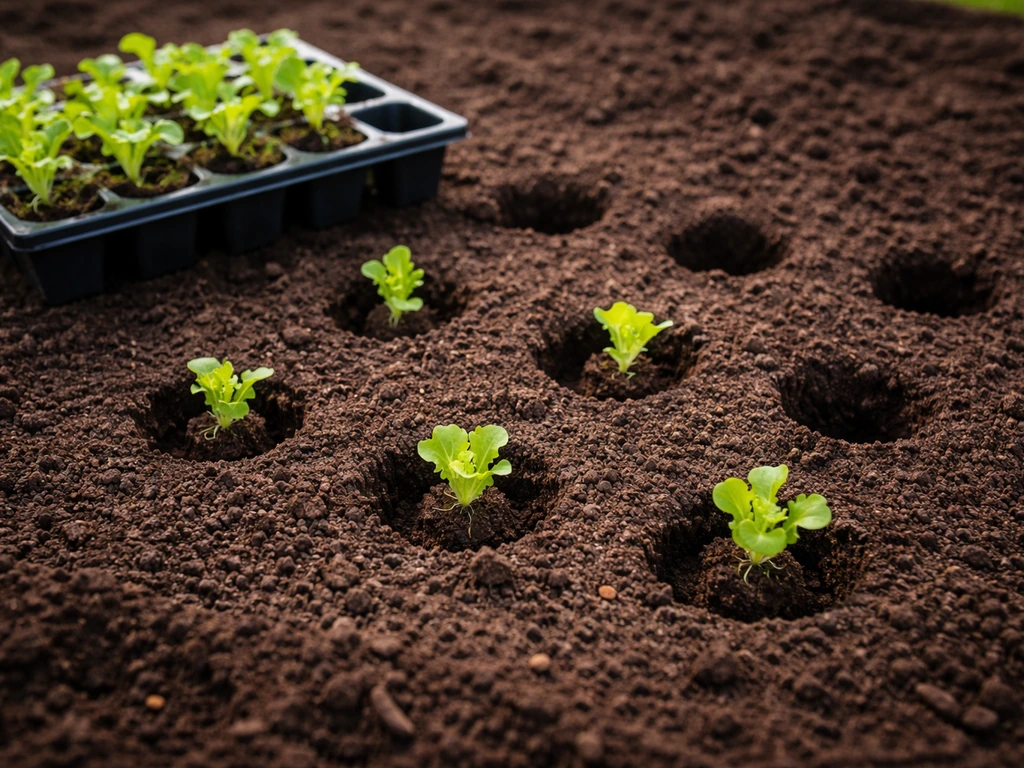
The RHS guidance is that you can sow lettuce outdoors from March through to September, with early and late sowings benefiting from cloche protection. In practice, I'd split the outdoor season into three windows: spring (March to May), summer (June to mid-July), and late summer/autumn (mid-July to September). Each window needs slightly different management.
Spring sowing (March to May)
Sow seeds directly into well-prepared beds once the soil has warmed slightly, or start indoors from February in seed trays and modular trays, transplanting out when seedlings are sturdy. Sow at about 0.5cm (roughly half an inch) depth. Soil for lettuce should be moisture-retentive: lettuces don't prosper on poor, free-draining soil that dries out in summer, and that dryness is one of the fastest routes to bolting. Work in compost before sowing. Thin or space plants to about 25–30cm apart for head types, or 15–20cm for cut-and-come-again. Expect harvest in 40–70 days depending on type and weather.
Summer sowing (June to mid-July)
This is the trickiest window. Bolt-resistant varieties are non-negotiable here: use 'Jericho', 'Slobolt', or 'New Red Fire'. Provide some light shade during the hottest part of the day, either with shade cloth, a north-facing fence, or by positioning pots accordingly. Keep the soil consistently moist because water stress in summer is the fastest trigger for bolting and bitterness. The RHS explicitly advises light shade in mid-summer to reduce premature flowering.
Late summer and autumn sowing (mid-July to September)
September is actually an excellent time for lettuce because the crop thrives in cooler temperatures. The RHS singles out September as a great month for outdoor sowing. Autumn lettuces will grow more slowly but tend to be sweeter and less prone to bolting. Sow 'Jericho' for cut-and-come-again, or try winter-hardy varieties if you want to keep plants going into November with cloche protection. Remove the cloche during the day when temperatures allow.
Succession sowing to keep harvests going
The key to continuous salads is sowing a small amount every two to three weeks rather than one big sowing. Sow a single row or half a tray at a time. By the time you're harvesting the first batch, the second batch is well on its way. This approach works from March right through to September outdoors, and year-round indoors.
Container and indoor growing
Lettuce grows very well in pots of multipurpose compost, which makes it one of the most practical crops for flats, balconies, and windowsills. The RHS confirms this is a reliable approach. The main differences between container and outdoor growing are that you control the environment much more, but you also have to manage it more actively, especially watering and light.
Light
Indoors, a south or west-facing windowsill works from March through to September. In winter, natural light alone is rarely sufficient in the UK. If you want to grow year-round on a windowsill, you'll need a grow light positioned 15–30cm above the plants for at least 12–14 hours per day. For outdoor containers, avoid full blazing afternoon sun in July and August.
Temperature
Lettuce prefers temperatures between about 10°C and 20°C. Below 5°C growth slows significantly; above 25°C consistently, most varieties will start to bolt. On a warm windowsill in summer, check temperatures because glass can amplify heat. Moving pots to a cooler spot or providing some ventilation helps a lot.
Watering
Containers dry out faster than beds, so check moisture daily in warm weather. Aim to keep the compost consistently moist but never waterlogged. Letting the compost dry out even once in warm conditions can trigger bitterness and bolting. Water at the base rather than over the leaves where possible, which reduces the risk of grey mould in humid indoor conditions.
Container succession sowing
The RHS advises sowing indoors from February onwards in small pots or modular trays, harvesting leaves when plants reach about 10cm tall. For container growing, a great system is to have three or four small pots on rotation: one being harvested, one halfway grown, one just germinated. Sow every two to three weeks and you'll almost always have something ready to cut.
Hydroponic systems: which lettuces work best and how to set them up
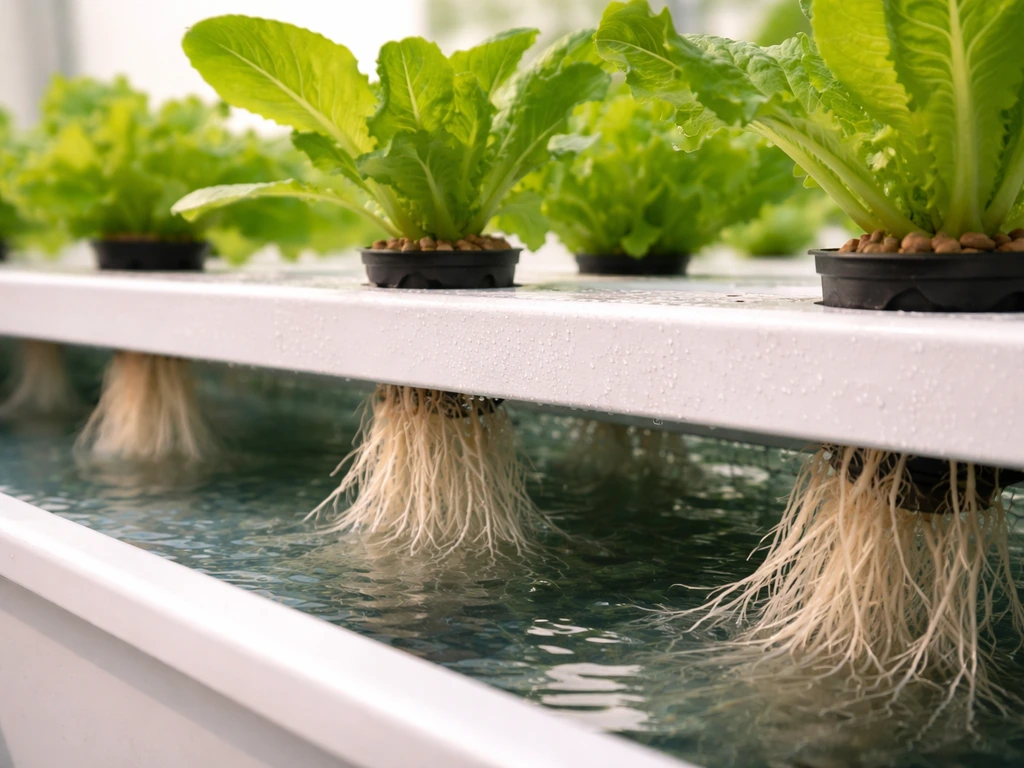
Lettuce is genuinely one of the best crops for home hydroponic systems, and loose-leaf and cos varieties are the easiest to start with. They grow quickly, have modest root systems, and respond well to nutrient film technique (NFT) or simple deep water culture (DWC) setups. The RHS is clear that in hydroponic growing, roots must be both moist and nutrient-rich and very well aerated: root oxygenation isn't optional, it's one of the main factors separating success from failure.
Best varieties for hydroponics
Loose-leaf types like 'Salad Bowl' and 'Slobolt' are ideal starting points because they're forgiving and fast. 'Jericho' works well in NFT systems. Butterheads can work but take longer and are more prone to tip burn in hydroponic conditions. For your first hydro grow, stick to loose-leaf.
Key parameters to manage
Research consistently points to pH around 5.8 as the target for hydroponic lettuce. EC (electrical conductivity, which measures nutrient concentration) should be kept moderate: too high increases salt stress and can worsen tip burn. Maintain good root aeration using an air pump and air stones in DWC systems, or by ensuring your NFT channels don't become waterlogged. Tip burn in hydroponic lettuce is linked to transient calcium deficiency caused by water stress and low evapotranspiration in rapidly expanding leaves, and improving root oxygenation is one of the most effective fixes. The RHS notes that winter hydroponic growing is feasible if you provide artificial light.
Light and temperature for indoor hydro
Aim for 14–16 hours of light per day from a full-spectrum LED grow light. Keep temperatures in the 18–22°C range for fastest growth. Avoid letting the growing space get above 25°C consistently, especially at night. High night-time humidity combined with poor air circulation increases tip burn risk and boosts grey mould.
How to choose based on what you actually want
The right lettuce depends on what you're trying to achieve, not just the variety name. Here's how to think about it:
If you want quick, continuous salad leaves
Go with loose-leaf varieties and practice cut-and-come-again. 'Salad Bowl', 'Red Salad Bowl', and 'Slobolt' are your friends. Sow every two to three weeks, harvest when plants are 10–15cm tall, and keep the bed or containers well watered. You can get first leaves about a month after sowing in decent conditions, and a single sowing can keep producing for several weeks if you avoid heat stress and keep cutting before the plant thinks about flowering.
If you want proper heads
Choose 'Ermosa' (butterhead), 'Lioba' (batavian), or 'Jericho' (cos). These need more space (25–30cm between plants) and more patience, but they reward you with a satisfying, well-structured head. If you're interested in comparing head lettuce options in more depth, the topic of best head lettuce to grow covers this in detail. If you want the best head lettuce to grow, focus on bolt-resistant varieties that perform reliably in UK conditions. Time your sowing to avoid the hottest months, or use bolt-resistant varieties and provide shade.
If you want to overwinter
Look for varieties specifically bred or recommended for overwintering, often labelled 'winter' or 'hardy' on seed packets. Sow in August or September, protect with cloches or a cold frame from October onwards, and expect very slow growth through December and January. September sowings tend to do better than October ones because plants need to be established before the cold really sets in. The RHS notes September is excellent for lettuce because the crop thrives in cooler temperatures.
Troubleshooting the most common UK lettuce problems
Bolting (running to seed)
Your lettuce suddenly grows tall and produces a central flower stalk. This is bolting, and once it starts, the leaves turn bitter and tough almost immediately. The main triggers in the UK are heat spikes, water stress, and changes in day length. Prevention is much easier than cure: choose bolt-resistant varieties, keep soil consistently moist, provide shade in midsummer, and sow at the right time. If your plant is starting to bolt, harvest everything immediately and compost the plant.
Slugs and snails
These are the single biggest lettuce pest in the UK, especially in spring and autumn when conditions are damp. The RHS lists them as a primary lettuce problem. If you find ragged holes in leaves or plants disappearing overnight, slugs are almost certainly responsible. Fix: use copper tape around containers, go out at night with a torch and remove slugs by hand, use wildlife-safe slug pellets (ferric phosphate type), or raise containers off the ground. Clearing weeds from around beds removes the damp shelter slugs love.
Aphids
You'll see clusters of small green or black insects on the undersides of leaves and in the heart of plants. The RHS lists aphids as a common lettuce problem. If numbers are low, knock them off with a jet of water. For larger infestations, use an insecticidal soap spray. Checking plants regularly and catching aphids early makes a huge difference. Indoor plants can be particularly vulnerable because there are no natural predators inside.
Downy mildew (grey mould and yellow patches)
Downy mildew shows up as yellow patches on the upper surface of leaves and fuzzy white or grey mould underneath. It's caused by an oomycete organism that thrives in damp, still conditions: classic UK autumn weather. Prevention is the best strategy: space plants well so air can circulate, water at the base rather than overhead, and clear fallen leaves promptly. Choosing resistant varieties like 'Lioba' helps significantly. The RHS also lists grey mould as a separate common lettuce issue, and the same prevention logic applies.
Bitterness
If your lettuce tastes bitter, the most likely causes are heat stress, water stress, or harvesting an overmature plant. Lettuces become bitter and tough when harvest is delayed too long or when the plant is stressed. The fix: harvest regularly and don't let plants sit too long in the ground once they're ready. Keep soil consistently moist, watering to about 15cm depth (not just surface wetting). If you're harvesting young leaves in cool conditions and they're still bitter, try a different variety.
Tip burn (brown leaf edges)
Tip burn is browning at the margins of inner or younger leaves. It's not a disease and isn't caused by a pest: it's a physiological disorder linked to transient calcium deficiency in rapidly expanding leaf tissue, usually brought on by water stress or low evapotranspiration. In outdoor gardens, consistent watering is the main fix. In hydroponic systems, improving root aeration and keeping EC moderate reduces tip burn significantly. Maintaining pH around 5.8 in hydro setups also helps with calcium uptake. If you see tip burn regularly, also check that night humidity isn't very high and that air circulation is adequate.
Harvesting, storing, and keeping the crop going
Cut-and-come-again
For loose-leaf types, you have two options. The first is to snip a few leaves from each plant along a row, leaving the growing centre intact. The second is to cut the whole plant down to a short stem (leaving about 2–3cm) and wait for it to re-sprout. The RHS says this method can yield at least one more crop from the same plant if conditions aren't too hot or dry. Either way, the plant re-grows and you can harvest again within two to three weeks. In good conditions, a single sowing can keep producing for several weeks.
Harvesting heads
Cut head lettuces at the base with a sharp knife when the head feels firm and solid. Don't wait too long: overmaturity is one of the fastest routes to bitterness and bolting. Cos and romaine heads should feel dense but not starting to elongate into a flower stalk. Butterheads should be softly but clearly formed.
Storing harvested lettuce
Lettuce stores best at as close to 0–2°C as possible with very high humidity (98–100%). A head lettuce in good condition can be held for two to three weeks at these temperatures. In a typical household fridge, wrap the head loosely in damp kitchen paper and put it in the crisper drawer. Loose leaves are better used within three to five days. Never store lettuce near apples or pears: those fruits give off ethylene gas which causes brown spotting on lettuce leaves.
Keeping crops going week after week
The single most effective thing you can do is commit to succession sowing every two to three weeks throughout the growing season. If you want to keep your beds productive, the next step is choosing what to grow after lettuce once the harvest is finished. Beyond that: keep beds weeded and watered, remove any plants that have bolted immediately (before they set seed and stress neighbouring plants), and refresh container compost between sowings. If you're growing indoors or in a hydroponic system, you can realistically harvest year-round with a grow light. Outdoors, September sowings protected by a cloche will extend your season well into November in most UK regions.
FAQ
What is the best lettuce to grow UK if I want a “set and forget” crop for the whole season?
Choose cut-and-come-again loose-leaf types that are specifically described as slow to bolt, then sow small amounts every 2 to 3 weeks. Salad Bowl or Slobolt style varieties are usually more forgiving in the UK’s heat spikes than true head lettuces.
Can I grow lettuce in the UK in mid-summer, or will it always bolt?
It can still work, but you must match the variety to the month and manage stress. In June to mid-July, use a bolt-resistant option and give light shade during the hottest part of the day, keep watering consistent, and harvest promptly once leaves reach pick size.
Which is better for UK summer in containers, cos or butterhead?
For containers, bolt resistance and quick turnaround matter most, cos is often the safer bet than butterhead. If you prefer heads, go for a bolt-resistant cos like Jericho, otherwise loose-leaf is the most reliable for continuous picking.
What depth and spacing should I use for the best results with cut-and-come-again lettuce?
Sow shallowly, about 0.5 cm, then space plants roughly 15 to 20 cm apart so air can move through the crop. For ongoing harvest, leave the growing centre intact and only snip outer leaves, this reduces stress and slows decline.
How do I stop lettuce from tasting bitter in hot or dry spells?
Bitter flavour usually follows water stress or letting plants sit too long after they are ready. Keep compost consistently moist, do not just wet the surface, and harvest regularly instead of leaving heads or rosettes to “grow a bit longer.”
My lettuce keeps bolting even though I chose a bolt-resistant variety, what else could be going wrong?
Check whether the bed or pot ever fully dries out, and whether it is receiving harsh afternoon sun. Also review sowing timing, a late sowing into June can outpace a bolt-resistant trait, so shift sow dates earlier or use shade cloth on the warmest week.
Do I need to thin lettuce, and when is thinning unavoidable?
Yes, thinning improves airflow and reduces competition, which can otherwise lead to weak growth and stress that triggers bolting. Thin once seedlings are established, and never crowd head types closer than the recommended spacing for the variety’s growth habit.
What should I do if my lettuce has yellow patches and fuzzy growth underneath the leaves?
Treat it as downy mildew and focus on prevention for the rest of the crop: remove heavily affected leaves, avoid overhead watering, and increase spacing or airflow. Switching to a more resistant variety, such as one like Lioba, helps reduce repeat outbreaks in damp UK conditions.
How can I tell tip burn from an insect or a disease problem?
Tip burn is usually browning at the margins of inner or younger leaves and is not caused by pests. It is commonly linked to water stress and calcium uptake issues, so improve root conditions (especially in hydroponics) and keep moisture and nutrients steady rather than applying pest treatments.
If I see slugs eating my lettuce leaves, what’s the quickest practical fix for UK gardens?
Act fast at night, use a torch and remove slugs by hand, then block access. Copper tape works well around containers, and raising pots off the ground plus clearing weeds reduces the damp hiding spots slugs prefer.
Which lettuce is best for indoor growing in winter on a windowsill?
Loose-leaf and cos types are easiest indoors, but in winter you will likely need a grow light for consistent results. If you rely on a windowsill alone, expect slower growth and consider harvesting earlier and more often rather than trying to force heads.
What hydroponic lettuce issues should I watch for first as a beginner?
Start with loose-leaf, then focus on root oxygenation and keeping nutrient strength moderate. If you notice frequent tip burn, the first checks are root aeration, pH consistency, and whether the nutrient solution or channel stays too stagnant and waterlogged.
How should I store lettuce for best crispness after harvesting?
Keep it cold and very humid, aim for 0 to 2°C, wrap heads loosely in damp kitchen paper, and use the crisper drawer. Loose leaves lose quality faster, use within a few days, and keep lettuce away from apples or pears to prevent brown spotting.
What is the best way to extend lettuce harvest into autumn and possibly November?
Sow in September for cooler growth, then protect seedlings with a cloche or cold frame once temperatures drop. Remove the cloche during the day when conditions allow to manage airflow and reduce fungal pressure.