Lettuce is one of the easiest vegetables you can grow, especially as a beginner. It germinates fast, grows quickly, tolerates partial shade, and doesn't need much space. The main thing that trips people up isn't the plant itself but the timing: lettuce hates heat. Once temperatures push past 75°F for several days in a row, it bolts, turns bitter, and the harvest window closes. Get the timing right and keep it cool, and you'll have fresh greens in as little as 30 days. If you want a steady harvest, choosing what to grow with lettuce can help you pair it with plants that like cooler weather too fresh greens in as little as 30 days.
Is Lettuce Hard to Grow? Yes or No for Beginners
Marcus Holloway
1 May 2026
Why lettuce is easy (and the one thing that makes it hard)
Lettuce is a cool-season crop, and that's both its greatest strength and its biggest limitation. It germinates at soil temperatures as low as 40°F, tolerates light frost, and can grow in partial shade, which means you can tuck it into spots other vegetables won't touch. You don't need a huge garden bed, a greenhouse, or any fancy equipment. A container on a north-facing balcony or a spot under a tall tomato plant can work perfectly well in spring and fall.
What makes it tricky is heat sensitivity. When average daily temperatures climb above 70°F, growth slows and flavor suffers. Multiple days above 75°F trigger bolting, where the plant sends up a flower stalk, leaves turn bitter, and the whole thing is essentially over. Longer summer days accelerate this process alongside the heat. So the challenge isn't growing lettuce, it's growing it at the right time of year or keeping temperatures controlled indoors.
Best growing conditions for lettuce
Temperature
The sweet spot for lettuce is an average daily temperature between 60 and 70°F. At these temperatures, growth is steady, flavor is mild and sweet, and the plant is happy. Below 50°F things slow down noticeably, though most varieties can handle a light frost. Above 75°F, especially for several days in a row, you're on borrowed time. Plan your outdoor plantings around this window: early spring and fall are ideal in most climates.
Light
Lettuce tolerates partial shade better than almost any other food crop. It will grow fine with just 4 to 6 hours of direct sunlight per day, which is why it works well under taller plants, on east-facing windowsills, or in spots that get morning sun and afternoon shade. Full sun is fine in spring and fall when temperatures are cool, but during warmer months, afternoon shade can actually extend your harvest window by keeping the plant from overheating. Indoors under grow lights, aim for 12 to 14 hours of moderate light per day.
Soil and growing media
Lettuce does best in loose, well-draining soil rich in organic matter. A pH between 6.0 and 6.8 is ideal. If you're working with garden beds, mix in well-rotted compost or aged manure before planting to improve both nutrition and drainage. Avoid soggy, compacted soils at all costs: standing water around the roots causes rot and disease. For containers, use a quality potting mix rather than garden soil, which tends to compact and drain poorly in pots.
How to plant lettuce
Seeds vs. transplants
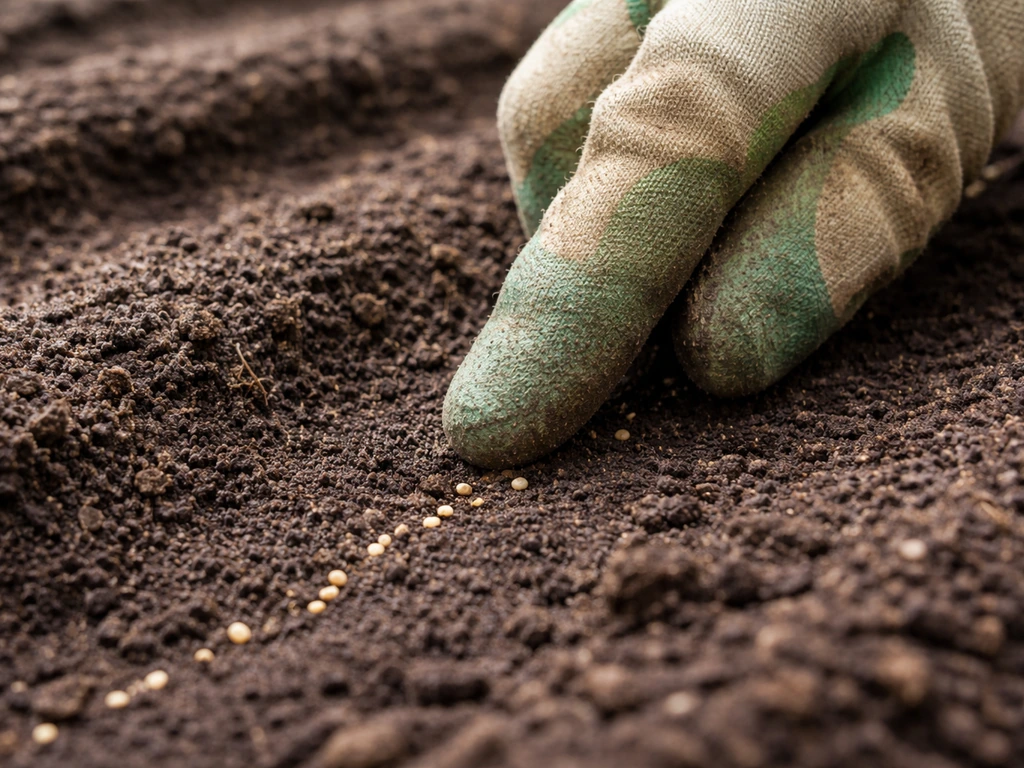
Both work, but seeds are usually the better call for lettuce. They're cheap, they germinate quickly (anywhere from 3 to 15 days at soil temperatures between 55 and 70°F), and direct seeding means less root disturbance. Transplants are useful if you want a head start or want to fill gaps quickly, but buy compact, healthy seedlings and water them in well right after planting. One important note: if your soil temperature is above 80°F, lettuce seeds can go dormant and refuse to germinate, so cool the soil first by watering or waiting for a cooler stretch.
Planting depth and spacing
Lettuce seeds are tiny and should be planted very shallow, just 1/8 to 1/4 inch deep in garden beds, or up to 1/2 inch in looser soils. Press them lightly into contact with moist soil and sprinkle a thin layer of fine compost or potting mix over the top. Don't bury them deeply or they may struggle to emerge. For row planting, space rows 18 to 30 inches apart. For leaf lettuce, you can thin plants to about 4 to 6 inches apart; head varieties need more room, typically 8 to 12 inches.
Growing in containers
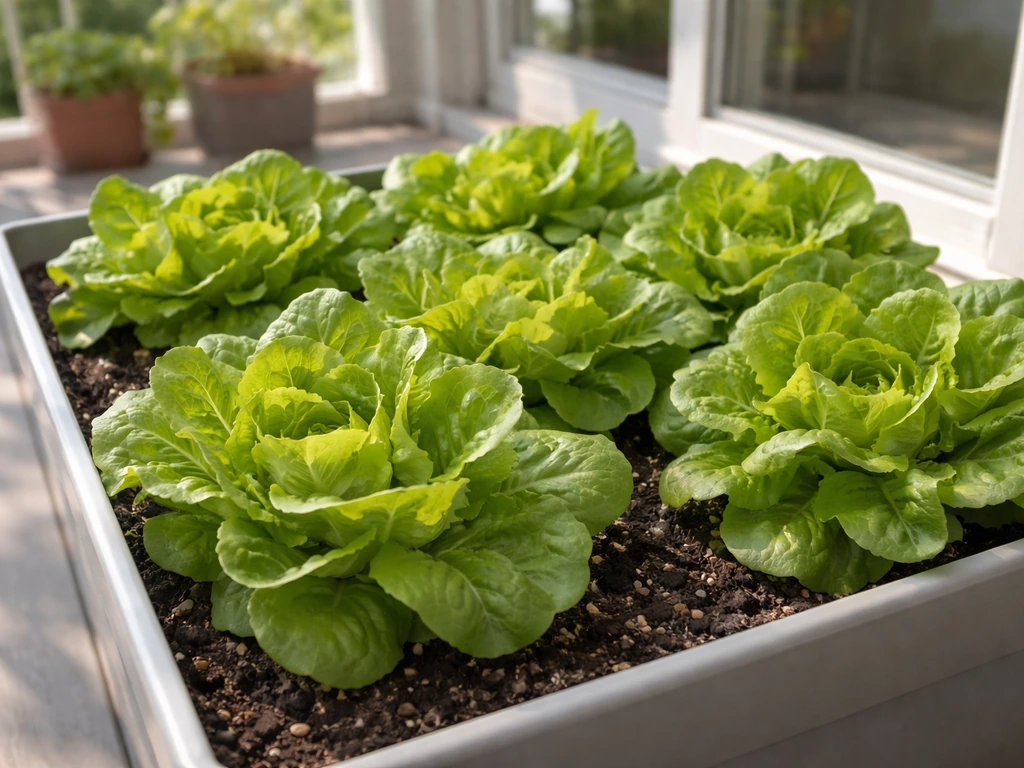
Containers are a fantastic option for lettuce, especially for apartment dwellers or anyone with limited outdoor space. Use a pot or trough at least 6 to 8 inches deep with drainage holes. If your container doesn't drain well, drill holes in the bottom and consider adding a half-inch layer of coarse gravel at the base. Fill with a lightweight potting mix, sow seeds thinly across the surface, and water gently. A window box on a balcony or a container near a bright window is enough to grow multiple cuts of fresh lettuce.
Watering and fertilizing basics
How and when to water
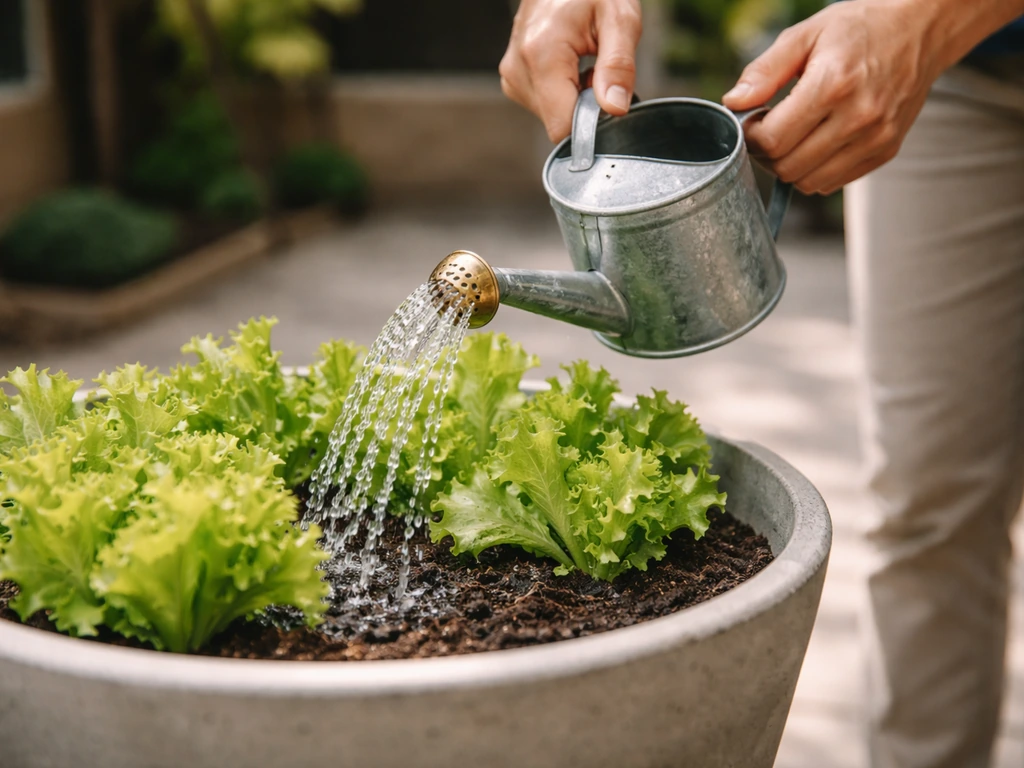
Lettuce needs consistent moisture but not waterlogged soil. In garden beds, water when the soil is dry about 2 inches below the surface. In containers, the rule changes because pots dry out faster: water when the top 1/4 inch of soil feels dry to the touch. That might mean watering every day or two in warm weather. Inconsistent watering is one of the quickest paths to bitter lettuce, so stay on top of it. Water at the base of plants when possible, since wet foliage left overnight can encourage fungal issues like downy mildew.
Fertilizing without overdoing it
Lettuce is a light feeder, but it responds well to a balanced fertilizer, especially in containers where nutrients leach out with watering. A complete 10-10-10 fertilizer applied at about 2 pounds per 100 square feet at planting time gives you a solid base for garden beds. For containers, a diluted liquid fertilizer every 2 to 3 weeks works well. One hard rule: never use fertilizers labeled as "Weed and Feed" on lettuce. Those products contain herbicides that will damage or kill your plants.
Avoiding bitterness
Bitter lettuce is almost always caused by heat, drought stress, or the plant starting to bolt. Harvest early and often, keep the soil consistently moist, and pick in the morning when leaves are crisp. Flavor is best when you harvest before the weather turns hot and dry, so if you see a warm stretch coming, pick more aggressively rather than waiting.
Timing and harvest
How fast does lettuce grow?
Leaf lettuce varieties are typically ready to harvest in 30 to 45 days from seeding. Looseleaf types are the fastest. Butterhead and romaine varieties take a bit longer, usually 55 to 70 days to full maturity. You don't have to wait for full heads though: you can start harvesting outer leaves as soon as plants are 4 to 6 inches tall, which gets you greens even faster.
Cut-and-come-again harvesting
This is the best approach for most home growers. Instead of pulling the whole plant, use scissors or a knife to cut leaves from the outside, leaving the inner growth point (the center crown) intact. The plant will keep producing new leaves for multiple harvests over several weeks. Cut to about an inch above the soil surface and the plant will regrow. This method works especially well with looseleaf and butterhead varieties.
Succession planting for a continuous supply
Rather than planting all your lettuce at once and getting overwhelmed with greens for two weeks and nothing after, sow a new small batch every 3 to 4 weeks. This staggers your harvest and keeps fresh lettuce coming throughout the season. In spring, start as early as the soil can be worked. As summer heat approaches, shift to heat-tolerant varieties or move growing indoors. Pick back up with outdoor planting in late summer for a fall crop.
Growing lettuce in different setups
| Setup | Best for | Key tips | Biggest challenge |
|---|---|---|---|
| Outdoor garden bed | Anyone with ground space, spring/fall growing | Amend soil with compost, plant early, use shade cloth in warm spells | Bolting when temperatures spike |
| Indoor containers | Apartment dwellers, year-round growing | Use a bright windowsill or grow light, water more frequently than outdoors | Insufficient light causing leggy, weak plants |
| Hydroponic system | Fast growth, small spaces, indoor year-round | Nutrient solution pH 6.0–6.5, keep water temperature cool, plenty of light | Managing water temperature and nutrient balance |
Outdoors, lettuce thrives in raised beds or in-ground plots with good drainage and amended soil. Indoors in containers, the main thing to get right is light: a south or west-facing window can work in winter, but in most homes a simple LED grow light set to 12 to 14 hours per day makes a huge difference in how fast and well your lettuce grows. In a hydroponic setup (like a simple kratky jar or a small DWC system), lettuce is actually one of the best crops to start with. It grows faster hydroponically than in soil, doesn't need a lot of nutrients, and the controlled environment makes bolting much easier to prevent.
Common problems and how to fix them
Bolting
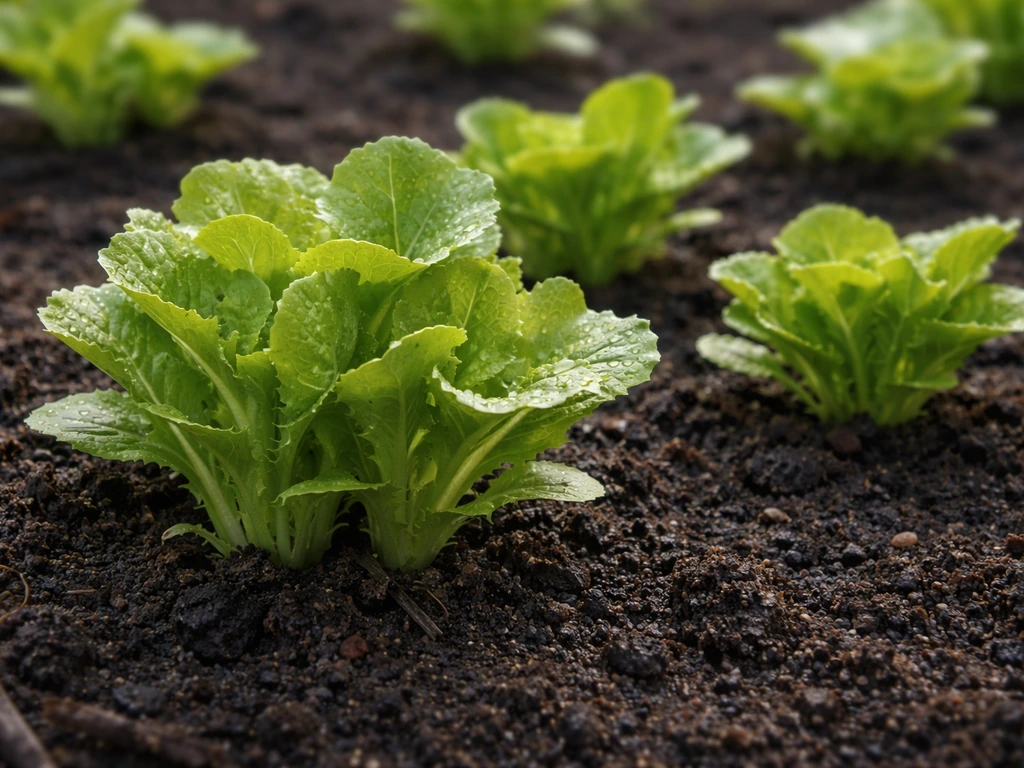
If your lettuce suddenly shoots up a tall central stalk and the leaves turn narrow and taste bitter, it has bolted. This happens when temperatures exceed 75°F for several days, or when long summer days signal the plant to flower. There's no reversing a bolt, so prevent it by timing plantings correctly, providing afternoon shade in warm weather, and choosing bolt-resistant varieties. If you catch the signs early, harvest immediately and salvage what you can before bitterness sets in fully.
Leggy, weak seedlings
If seedlings are tall, pale, and floppy rather than compact and green, they're not getting enough light. Move them closer to your light source or switch to a brighter window. Outdoors, thin seedlings so they're not competing for light. Leggy plants started indoors should be hardened off gradually before transplanting outside.
Tipburn
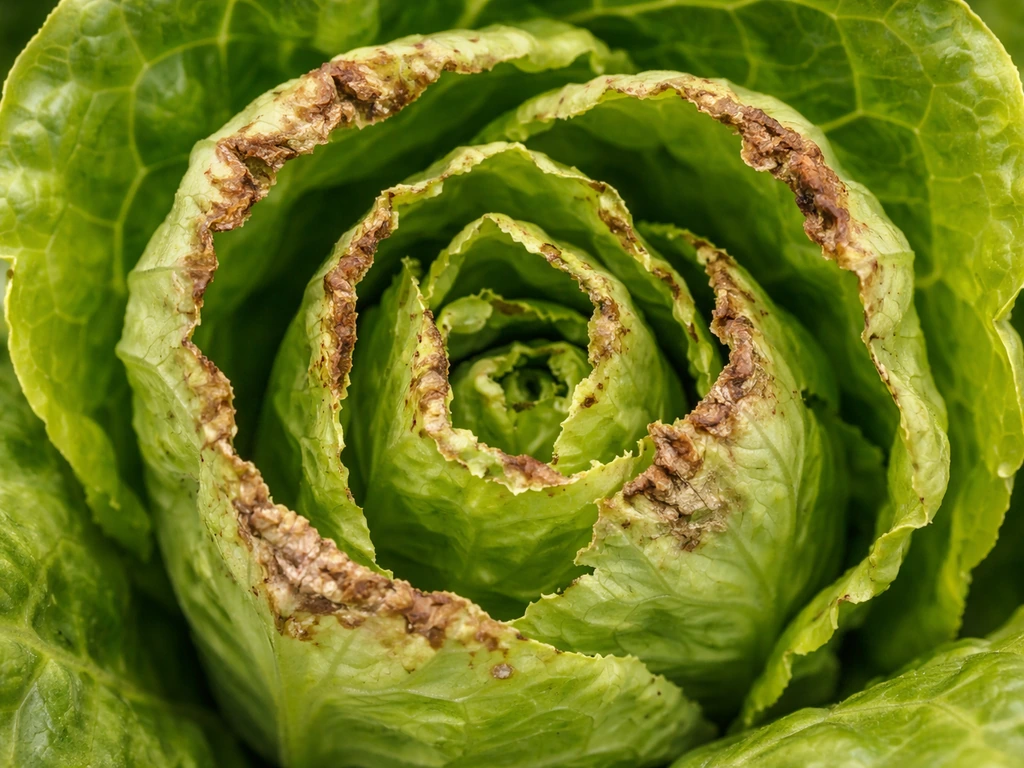
Tipburn shows up as brown margins or brown spots on the youngest, innermost leaves. It's a physiological problem, not a pest or disease, and it's typically caused by calcium deficiency at the leaf edges due to poor water movement through the plant. USU Extension notes that lettuce tipburn often occurs after a drought period followed by moisture and is caused by localized calcium deficiency in young, rapidly growing leaves calcium deficiency at the leaf edges due to poor water movement through the plant. Consistent watering and good air circulation help prevent it. It's more common in head lettuce types than in looseleaf varieties.
Pests
- Cutworms: cut young plants off at soil level overnight. Place cardboard or plastic collars around seedling stems and check the soil near damaged plants.
- Slugs and snails: leave ragged holes in leaves, mostly at night. Set beer traps, use copper tape around containers, or apply diatomaceous earth around the base of plants.
- Caterpillars and leafminers: look for irregular holes or winding trails inside leaves. Pick caterpillars off by hand; remove heavily mined leaves and dispose of them.
- Whiteflies: more common indoors or in greenhouses. Use yellow sticky traps and insecticidal soap spray on the undersides of leaves.
Downy mildew
Downy mildew shows up as yellow patches on the top of leaves with a grayish-white fuzzy growth on the undersides. It thrives in cool, damp conditions with long periods of leaf wetness, like overnight dew or overhead watering. Water at the base of plants, water in the morning so leaves dry quickly, and space plants far enough apart for good air circulation. Remove affected leaves immediately.
Best lettuce varieties for beginners
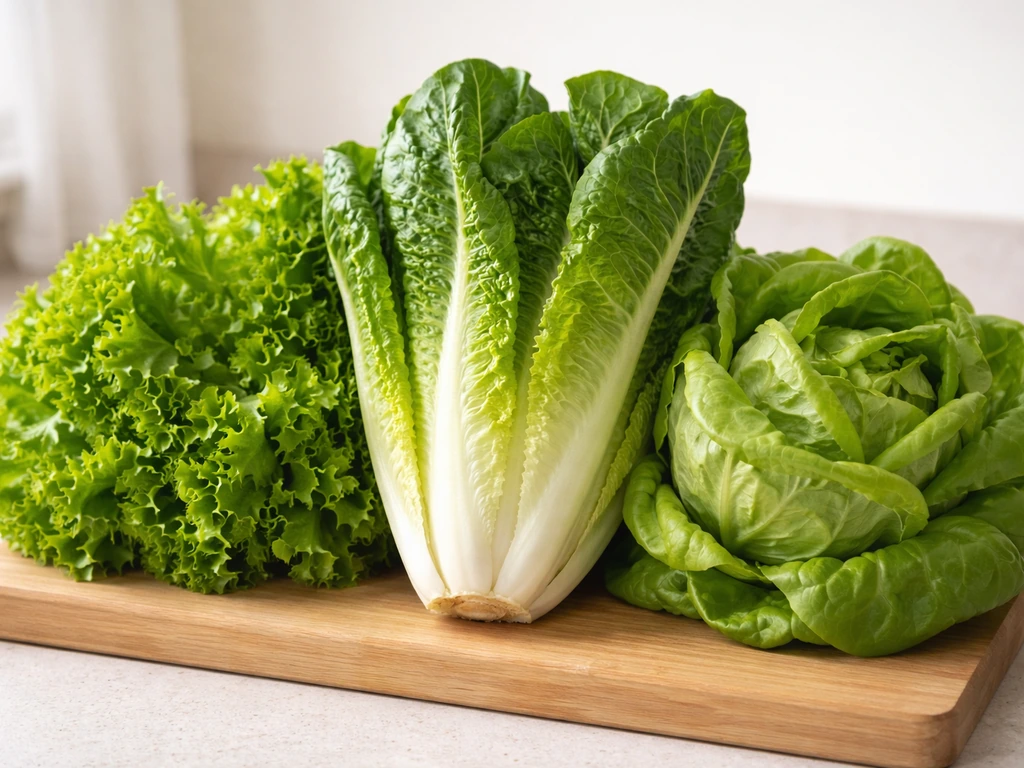
Variety choice matters a lot, especially for beginners. Looseleaf types are the easiest overall: they grow fast, tolerate more heat than head types, and work perfectly with cut-and-come-again harvesting. If you want the best leaf lettuce to grow, start with a looseleaf variety since it matures quickly and keeps producing after each harvest Looseleaf types. Butterhead types like 'Buttercrunch' are almost as forgiving and produce tender, flavorful heads. Romaine takes a bit longer and needs more consistent conditions, but it's more heat-tolerant than butterhead. Crisphead (iceberg-style) varieties are the most demanding and not recommended for beginners.
| Variety type | Time to harvest | Best for | Heat tolerance | Beginner-friendly? |
|---|---|---|---|---|
| Looseleaf (e.g., Black Seeded Simpson, Red Sails) | 30–45 days | Containers, indoor, outdoor beds | Moderate | Yes, best choice |
| Butterhead (e.g., Buttercrunch, Tom Thumb) | 45–60 days | Containers, small beds, indoors | Low to moderate | Yes, great option |
| Romaine (e.g., Paris Island Cos, Little Gem) | 60–70 days | Outdoor beds, hydro | Moderate | Yes, with patience |
| Crisphead (e.g., Iceberg) | 70–85 days | Outdoor beds only | Low | No, skip for now |
For indoor and hydroponic growing, look specifically for varieties labeled as 'compact' or 'mini,' since they're bred for smaller spaces and do well under artificial light. 'Tom Thumb' butterhead and 'Little Gem' romaine are both excellent indoor choices. If you're browsing the best lettuce to grow more broadly, looseleaf mixes are a reliable starting point for almost any setup.
What to do this week to get started
- Check your current daytime temperatures. If they're consistently between 60 and 70°F outdoors, you can plant outside now. If it's warmer, start indoors under a grow light or wait for fall.
- Pick a looseleaf or butterhead variety. These are the fastest and most forgiving, and you'll get your first harvest in about 30 to 45 days.
- Prepare your container or bed. Mix compost into the soil or fill a container with fresh potting mix. Make sure drainage is good.
- Sow seeds shallowly, just 1/8 to 1/4 inch deep, and water gently. Keep the soil moist but not soggy until germination, which should happen in 3 to 10 days.
- Plan your second sowing for 3 to 4 weeks from now so you have a continuous supply rather than one big flush.
Lettuce really is one of the most rewarding crops for beginners, and not just because it's easy. It grows fast enough to give you feedback quickly, which means you learn a lot in a short season. If something goes wrong, you can correct it and try again within weeks rather than months. Start with a looseleaf variety in a container or a small outdoor bed this week, harvest often, and you'll have fresh greens on the table before you know it.
FAQ
Is lettuce hard to grow if I only have a small space or patio planters?
Usually no, but choose a shallow lettuce plan: use a pot at least 6 to 8 inches deep (more is better for head types) and plan for multiple sowings. Thin early so each plant gets enough light, because cramped containers increase tipburn and bitter leaves faster than in-ground beds.
What should I do if my lettuce keeps bolting even when I try to plant in spring or fall?
Treat it like a temperature-timing problem, not a seed problem. Plant slightly earlier than you think, and stagger sowing so some plants are ready before a warm stretch. If you are growing in-ground, use afternoon shade and harvest outer leaves aggressively at the first signs of warmth.
How can I grow lettuce in summer without it turning bitter?
You have two practical options: grow indoors under lights or create a microclimate outdoors. Outdoors, aim for morning sun with strong afternoon shade, and keep watering consistent (especially in containers). Indoors, maintain the longest cool period you can (often by ventilating the room) and harvest cut-and-come-again rather than waiting for full heads.
Why are my lettuce seeds not sprouting, even though the soil is not freezing?
Check soil temperature first. Lettuce can go dormant when the soil runs hot (above about 80°F), even if air feels only warm. Also confirm the planting depth is shallow and the seedbed stays evenly moist, because tiny seeds fail when they dry out right after sowing.
Do I need to fertilize lettuce, or will compost be enough?
Compost can cover many beginners, especially in beds, but containers usually need added feed because nutrients wash out as you water. Use a balanced fertilizer and avoid anything labeled for weed control, since those products often contain herbicides that can damage lettuce.
What is the difference between tipburn and disease, and how do I fix it?
Tipburn is a nutrient and water-transport issue, seen as brown margins or spots on the youngest inner leaves, and it is not caused by insects. Improve watering consistency, avoid letting pots swing between very dry and very wet, and increase airflow by spacing plants properly.
My lettuce tastes bitter and the leaves are tough, what should I change next time?
Most bitter lettuce comes from heat plus drought stress or plants staying too long before harvest. Pick in the morning when leaves are crisp, keep soil evenly moist, and do smaller, more frequent sowings so plants are harvested during cooler days.
Can I grow lettuce indoors on a windowsill instead of using a grow light?
Yes, but only if the light is truly strong. If seedlings become tall and pale (leggy), they are telling you the window is not enough, move them closer or switch to grow lights. For best results, many people do well with 12 to 14 hours of moderate light under LEDs.
Should I harvest whole heads or just cut leaves?
For most home growers, cut-and-come-again harvesting is more reliable, especially for looseleaf and butterhead. Cut outer leaves while leaving the center crown intact, and expect multiple harvests over weeks rather than a single big pull.
How do I prevent fungal problems like downy mildew on lettuce?
Avoid wet foliage overnight and improve airflow. Water at the base and in the morning, remove affected leaves promptly, and space plants so leaves do not stay damp for long periods. Overhead watering and crowded spacing are common triggers.
What lettuce variety should I pick if I am a complete beginner?
Start with looseleaf for the easiest success, faster turnaround, and good tolerance of less-than-perfect conditions. If you want something compact for indoor growing, choose varieties labeled compact or mini, since they are bred to handle smaller spaces and artificial light.