The most reliable loose-leaf lettuce varieties to grow are Black-Seeded Simpson, Green Salad Bowl, and Red Salad Bowl. If you want to decide what to grow alongside lettuce, focus on cool-season plants that tolerate similar temperatures and don’t compete for light loose-leaf lettuce varieties to grow. All three are genuinely beginner-friendly, mature fast (48 to 60 days), handle heat better than most lettuce types, and are built for cut-and-come-again harvesting.
Best Leaf Lettuce to Grow: Top Loose-Leaf Varieties
Marcus Holloway
24 Apr 2026
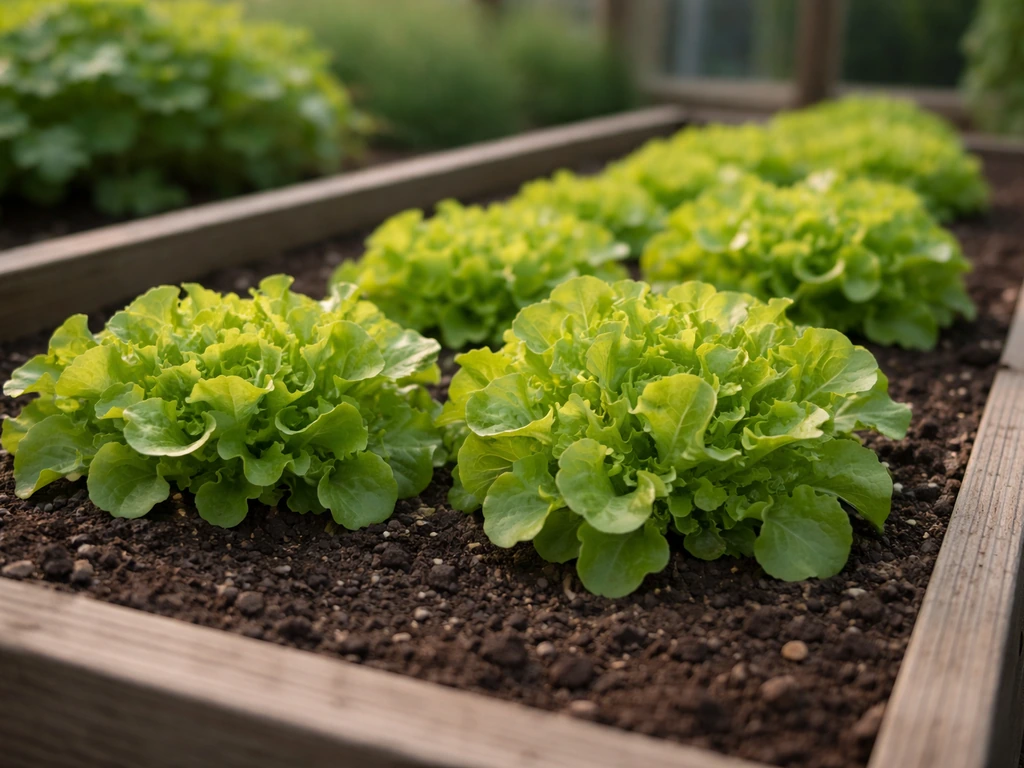
If you only grow one, start with Black-Seeded Simpson outdoors or Green Salad Bowl for containers and hydroponic setups. That said, the best pick for you depends on your setup, your local temps, and how you plan to harvest, so read on and you'll have a clear short-list plus a planting plan before you finish.
How to choose the right loose-leaf lettuce for your setup
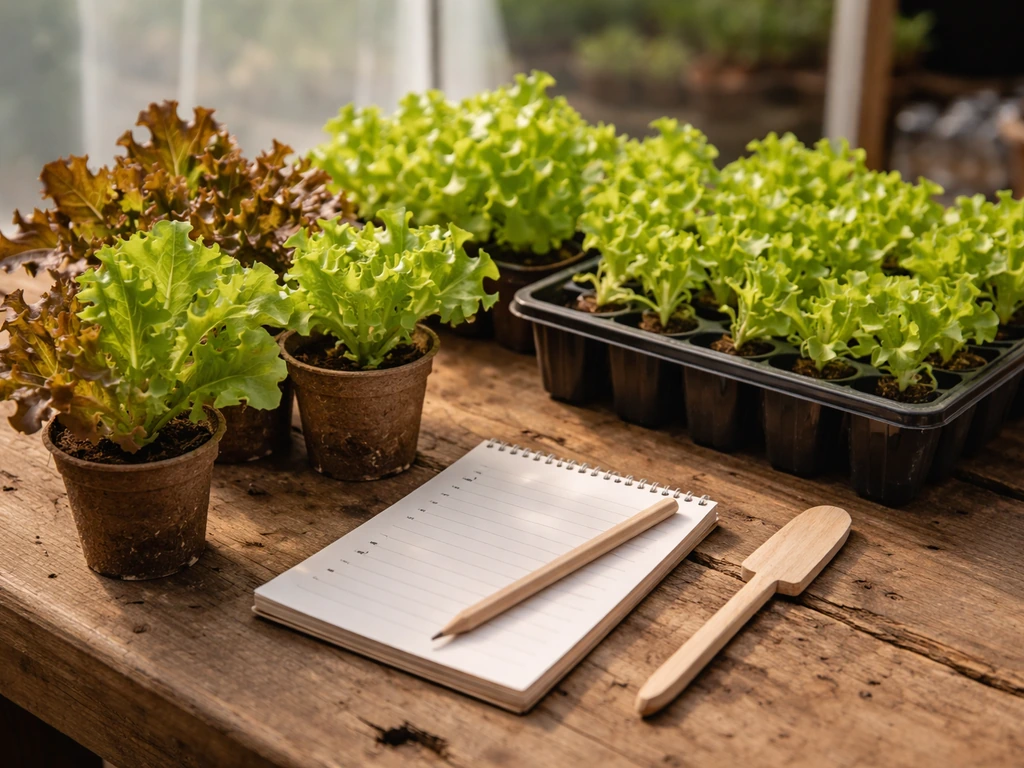
Loose-leaf lettuce is forgiving compared to head types, but the variety still matters a lot. The three things that should drive your choice are your growing environment (outdoor bed, container, or hydroponic system), your current or upcoming temperatures, and how you want to harvest. If you're growing outside in spring or fall, bolt resistance matters more than anything. If you're growing indoors under lights or in a hydroponic system, you want a compact variety with good leaf density.
If summer is already approaching, you absolutely want a heat-tolerant type, because increasing day length combined with temperatures above about 70 to 75°F is what triggers bolting and makes leaves bitter. HGTV similarly identifies bolting triggers as more than 14 hours of sunlight daily and day temperatures over 75°F with nights above 60°F temperatures above about 70 to 75°F is what triggers bolting.
Oakleaf-type varieties like Salad Bowl and similar loose-leaf types consistently outperform standard loose-leaf in warm weather. If you're in a climate with mild summers, you have more flexibility. If you get hot summers fast, pick the most heat-tolerant variety on the list below and plan for succession sowing every two to three weeks so you're never waiting on one bolted plant.
For beginners, loose-leaf lettuce is genuinely one of the easier crops to start with. It's not as fussy as head lettuce, it regrows after cutting, and it thrives in containers. If you've been wondering whether lettuce is easy to grow in general, loose-leaf varieties are the best place to start because they're the most forgiving of the whole lettuce family. If you want to grow lettuce successfully, focus on loose-leaf varieties and plant in the cool season to avoid bolting is lettuce hard to grow. If you’re still deciding, the short answer is that loose-leaf lettuce is usually easy to grow in a wide range of home setups is lettuce easy to grow.
Top loose-leaf lettuce varieties worth growing
Here are the varieties I'd recommend without hesitation. Each one has proven bolt resistance, reasonable heat tolerance, and works across multiple growing setups.
| Variety | Days to Maturity | Heat/Bolt Tolerance | Best For | Notes |
|---|---|---|---|---|
| Black-Seeded Simpson | 48 days | Good heat tolerance, bolt-resistant | Outdoor beds, containers | One of the fastest to harvest; germinates in 7–10 days; a classic for good reason |
| Green Salad Bowl | 45–55 days | Holds through early-to-mid summer heat | Containers, hydro, outdoor beds | Large rosette, oakleaf shape; great for cut-and-come-again; sow every 2–3 weeks for extended harvest |
| Red Salad Bowl | 50–60 days | Heat tolerant and slow to bolt | Outdoor beds, containers | Heirloom; deeply indented oakleaf leaves; adds color to salads; performs well into summer |
| Oak Leaf (generic) | 50 days | One of the most heat-tolerant loose-leaf types | All setups | Often recommended by extension programs specifically for extending the season past typical spring windows |
| Lolla Rossa | 55 days | Moderate heat tolerance | Containers, hydro, indoor growing | Frilly red edges; dense growth; compact enough for small spaces and hydroponic channels |
Black-Seeded Simpson is the go-to for most outdoor gardeners because it matures in 48 days and sprints out of the ground. Red and Green Salad Bowl are the picks when you want something that stretches deeper into warm weather, especially in the South or if you're trying to get past May without your plants going to seed. Lolla Rossa is worth trying if you're doing hydroponic growing or container gardening indoors, since it stays compact and produces beautiful, dense leaves under artificial light.
Best growing conditions for loose-leaf lettuce
Temperature
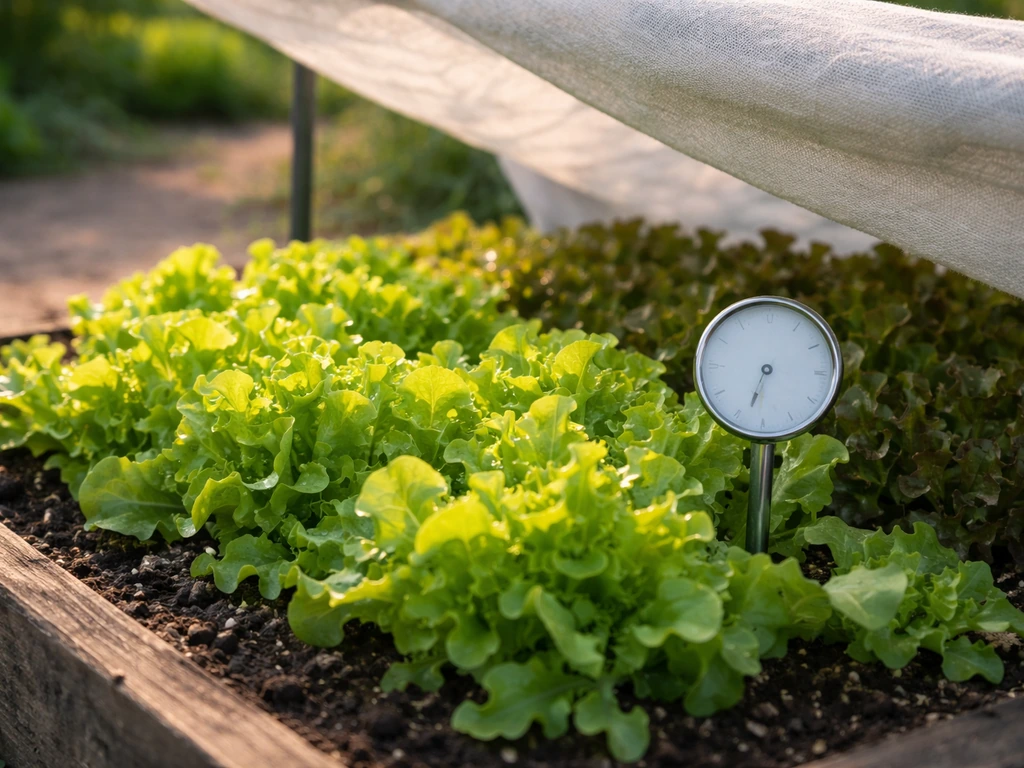
Lettuce is a cool-season crop that performs best at around 65 to 70°F during the day and 45 to 55°F at night. These are the sweet spots where leaves stay tender, growth is steady, and bolting pressure is low. Once daytime temps consistently push above 75 to 80°F, even heat-tolerant varieties start thinking about flowering. The combination of high temperature and long days (roughly 14 hours of light) is the real trigger for bolting, so managing one of those two factors buys you more time in the garden.
Light
Outdoors, loose-leaf lettuce needs about 6 hours of direct sun daily, though it actually appreciates some afternoon shade in warmer climates. That bit of shade slows bolting noticeably. For indoor growing under grow lights, aim for 12 to 14 hours of light per day using a full-spectrum LED. Avoid pushing to 16 hours indoors, since longer days encourage the same bolting response you're trying to prevent outdoors. Hydroponic growers should keep this in mind and use a timer to stay consistent.
Airflow
Good airflow is underrated with lettuce. It reduces the humidity around leaves that causes fungal problems like downy mildew, and it keeps plants from sitting in stagnant moisture. Outdoors, spacing plants properly handles most of this. Indoors or in a greenhouse, a small oscillating fan for a few hours a day makes a real difference. In any setup, avoid watering in the evening so leaves aren't wet overnight, which is when disease pressure spikes.
Soil, compost, and containers vs hydroponics
Outdoor beds and raised beds
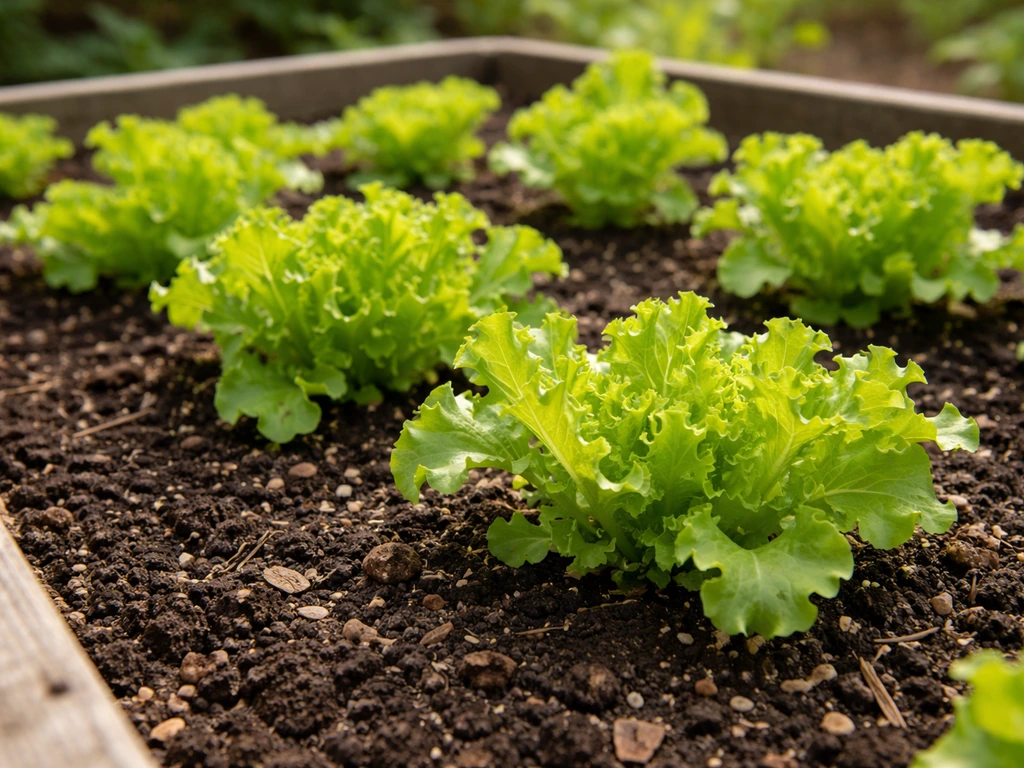
Loose-leaf lettuce wants loose, well-draining soil with a pH between 6.0 and 6.5. If you're working with native soil, mix in a few inches of compost before planting to improve drainage and add nutrients. A balanced starter fertilizer worked into the top few inches at planting gives roots something to work with right away. After that, apply about 2 lb of a fertilizer like 5-10-15 per 100 square feet each month during the growing season to keep leaves growing steadily. Don't over-fertilize with nitrogen or you'll get lush leaves that are more prone to pest damage and rot.
Containers
For containers, use a good-quality potting mix (not garden soil, which compacts in pots). A container at least 6 to 8 inches deep works for loose-leaf varieties. Shallow pots dry out fast and stress plants, which accelerates bolting. Fill to within an inch of the rim, water until it drains freely from the bottom before planting, and keep an eye on moisture daily, especially in warm weather. Container-grown lettuce dries out much faster than in-ground plants, and water stress is one of the fastest routes to bitter, bolting plants.
Hydroponic systems
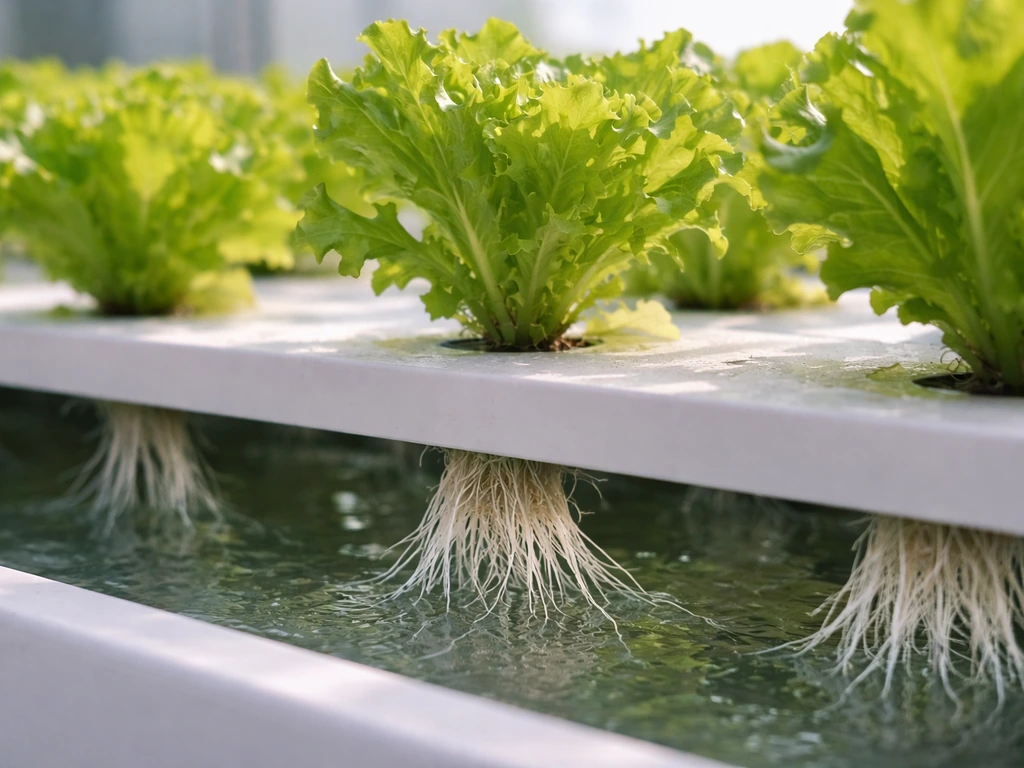
Loose-leaf lettuce is one of the most popular crops for hydroponic growing, and for good reason. It grows fast under controlled conditions, doesn't need a deep root zone, and produces continuously with the right light and nutrient setup. For nutrient film technique (NFT) or similar systems, keep your electrical conductivity (EC) in the range recommended for lettuce specifically, typically around 0. 8 to 1.
6 mS/cm for leafy greens, and maintain solution pH between 6. 0 and 6. 5, which mirrors the soil pH target. Use a complete hydroponic nutrient formula designed for leafy greens.
Start seeds in rockwool cubes or rapid rooter plugs, then transfer to net cups once roots are visible. Green Salad Bowl and Lolla Rossa both perform very well in NFT and deep water culture setups.
When and how to plant: timing, spacing, and direct sow vs transplant
Timing
For outdoor growing, the ideal window is early spring (4 to 6 weeks before your last frost date) and again in late summer to early fall (8 to 10 weeks before your first fall frost). Fall growing is often underrated, since cooling temps actually improve leaf quality and sweetness. If you're in the Northern Hemisphere and planting right now in late April 2026, get your seeds in immediately if you're in a northern zone, or plan your fall crop if you're somewhere summer is already warming up. You can extend the fall season further using floating row covers or cold frames, which protect plants from light freezes and add weeks of harvest time.
For succession planting, sow a new batch every two to three weeks to keep a steady supply coming. This is especially important for loose-leaf types because individual plants don't produce indefinitely and will eventually bolt.
Spacing
For cut-and-come-again harvesting (where you cut outer leaves and let the plant regrow), you can space plants as close as 4 to 6 inches apart. If you want full rosette-sized plants, space at 8 to 10 inches. In containers, three to four plants per 12-inch pot works well for the cut-and-come-again method. In a hydroponic system, one plant per net cup spaced 6 to 8 inches apart in a channel is typical for most loose-leaf varieties.
Direct sow vs transplant
Loose-leaf lettuce direct-sows beautifully because it germinates in 7 to 10 days at soil temps between 40 and 75°F. Just scatter seeds thinly, cover with about a quarter inch of fine soil or vermiculite, and keep moist until germination. Thin seedlings once they're about an inch tall. Transplanting works well too, especially if you're starting indoors under lights to get a jump on the season. Start transplants 3 to 4 weeks before you want them in the ground, and harden off over 5 to 7 days before moving outdoors. Transplanting is also useful for hydroponic growers who start seeds in plugs and move them to the system once roots establish.
Watering, feeding, and how to harvest for ongoing regrowth
Watering
Lettuce is about 95 percent water, so consistent moisture is non-negotiable. The goal is to keep the soil or growing medium evenly moist, not waterlogged and not dry. In outdoor beds, deep watering every two to three days usually works during mild weather. In containers, check daily and water when the top inch of soil feels dry. Drip irrigation is ideal because it keeps water off the leaves, reducing the humidity and leaf wetness that causes downy mildew and other fungal issues. If you're hand-watering, do it in the morning so leaves dry out before evening.
Feeding
Loose-leaf lettuce is a light feeder compared to fruiting crops. In the ground, working compost and a balanced fertilizer into the soil before planting and then applying a monthly maintenance fertilizer covers most of what the plants need. In containers, where nutrients leach out with every watering, a diluted liquid fertilizer every two to three weeks keeps plants fed without pushing excessive leafy growth that invites pests. For hydroponics, your nutrient solution does all the work, so just test and adjust EC and pH regularly, at least twice a week.
Cut-and-come-again harvesting
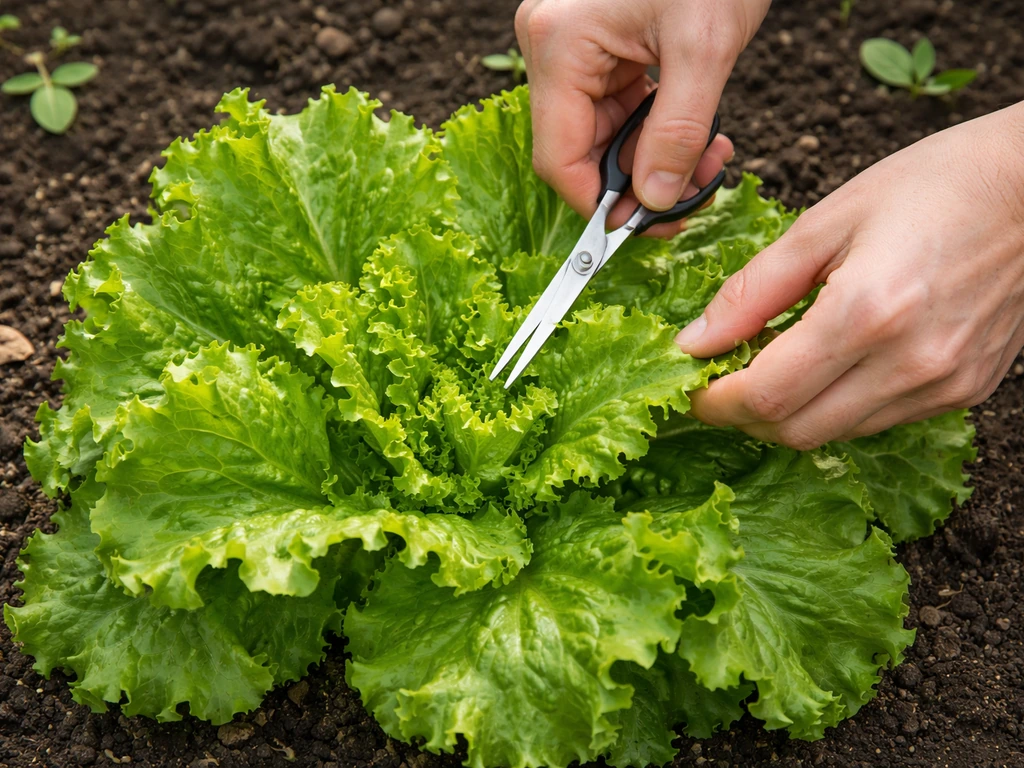
This is where loose-leaf lettuce really shines. Instead of pulling the whole plant, cut outer leaves with clean scissors or a knife about an inch above the growing tip at the center of the plant. The Old Farmer’s Almanac notes that you can harvest leaf lettuce by simply removing the outer leaves so the center leaves can continue to grow [cut outer leaves](https://www. almanac.
com/plant/lettuce). The plant stays in the ground and keeps producing new leaves from that central growing point. You can typically harvest this way every 7 to 14 days for several weeks, depending on temperature and growth rate. Cooler conditions slow regrowth slightly but also keep the plant from bolting, so you end up with more total harvests over time.
Don't cut too low into the growing tip or you'll damage the plant's ability to regrow. As long as you can see new leaves emerging from the center, the plant is viable. Once the center starts sending up a tall central stalk (the bolting signal), harvest everything left and pull the plant.
Troubleshooting the most common loose-leaf lettuce problems
Bolting
Bolting is the most common frustration with lettuce. It happens when plants sense increasing day length and high temperatures simultaneously, and they shift energy from leaf production to flowering and seed production. Leaves become bitter and tough once this starts. If you see a central stalk rising from the middle of the plant, bolting has begun and there's no reversing it.
To prevent it: plant at the right time (cool season), choose bolt-resistant varieties like those listed above, provide afternoon shade in warm climates, and use succession sowing so you're not relying on one planting. If you're consistently losing plants to bolting before you get a decent harvest, shift to fall growing or move to indoor hydroponic growing where you control the environment.
Bitter leaves
Bitterness is almost always heat-related or stress-related. Heat causes bitter compounds to build up in leaves even before the plant fully bolts. Water stress does the same thing. If your leaves are bitter but the plant isn't bolting yet, try shading the plants during peak afternoon heat, keeping soil consistently moist, and harvesting earlier in the morning when leaves are coolest and most hydrated. Harvesting in the evening after a hot day will always give you more bitter leaves than morning harvesting.
Pests
The most common pests on loose-leaf lettuce are aphids, slugs, and caterpillars (especially cabbage loopers). Check the undersides of leaves when you harvest. For aphids, a strong spray of water knocks them off and repeating every few days breaks their cycle. For slugs, remove debris around the base of plants and use iron phosphate bait if infestations are bad. Row covers are your best all-around pest barrier, especially in spring when pressure is high, and they double as frost protection.
Downy mildew
Downy mildew shows up as yellowish patches on leaf tops with a gray, fuzzy growth on the undersides. It thrives in cool, humid, wet conditions. If you see it, remove affected leaves immediately and switch to drip irrigation or morning-only watering to reduce leaf wetness. Improving spacing for better airflow also helps. Drip irrigation won't fully prevent downy mildew in epidemic conditions, but it meaningfully reduces severity compared to overhead watering.
Slow or stunted growth
If plants seem to stall after germination, the most likely culprits are soil that's too cold (below 45°F slows growth significantly), insufficient light, or nutrient deficiency in containers or hydroponic systems. Check your setup against the conditions above: temperature in the right range, at least 6 hours of direct sun outdoors or 12 to 14 hours under grow lights, and adequate nutrition. In containers and hydro, also check that roots aren't waterlogged, since root rot causes symptoms that look identical to nutrient deficiency.
Your next steps to plant and harvest soon
Here's a simple action plan to go from today to your first harvest in about seven weeks, regardless of your setup.
- Pick your variety: Black-Seeded Simpson for outdoor beds (fastest, 48 days), Green or Red Salad Bowl for containers and warmer conditions, Lolla Rossa or Green Salad Bowl for hydroponics.
- Prep your space: amend outdoor soil with compost and check pH is between 6.0 and 6.5; fill containers with quality potting mix; set up your hydroponic nutrient solution with EC and pH in target range.
- Plant now: direct sow at a quarter inch deep outdoors, or start plugs for hydro; cover and keep moist until germination in 7 to 10 days.
- Set a succession sowing reminder: mark your calendar for two to three weeks from now to sow the next batch.
- Begin cut-and-come-again harvesting once plants are 4 to 6 inches tall, cutting outer leaves an inch above the growing tip.
- If you're planting outdoors in a warming climate right now, set up shade cloth for afternoon hours and plan your fall planting date as your main season.
Loose-leaf lettuce really is one of the most rewarding crops for home gardeners at any level. It grows fast, it's forgiving, it thrives in small spaces, and it gives you something to eat in under two months. Once you nail one variety in one setup, it's easy to expand to companion planting around your lettuce beds or explore other lettuce types as you get more confident with the basics.
FAQ
What’s the best leaf lettuce to grow if I only have partial shade or my garden gets hot afternoons?
Choose Oakleaf-type loose-leaf (like Salad Bowl/Red or Green Salad Bowl) and plan for afternoon shade. If your site regularly exceeds 75 to 80°F, start your rows a bit earlier in spring or shift to late-summer sowing, and use succession every 2 to 3 weeks so you harvest before the hottest stretch.
How do I tell if my lettuce flavor issue is heat versus nutrient or water stress?
Bitterness that shows up during hot spells is usually heat, while bitterness plus wilting or leaf edges drying out usually points to water stress. If growth is pale and slow despite consistent moisture, that’s more likely a nutrition shortfall, especially in containers where nutrients leach quickly.
Can I grow loose-leaf lettuce in summer if I can’t avoid temperatures above 75 to 80°F?
Yes, but it requires a strategy, not just the “right” variety. Use the most heat-tolerant option you listed, give afternoon shade, keep watering very consistent, and prioritize succession sowing so some plants mature earlier while others are protected by cooler microclimates (like near a wall or under light shade cloth).
What spacing should I use for the best results, cut-and-come-again versus full rosettes?
For cut-and-come-again, tighter spacing works (about 4 to 6 inches apart in beds) because you’re harvesting outer leaves frequently. For full rosettes, spread out to about 8 to 10 inches so each plant has room to form a larger center. In containers, three to four plants per 12-inch pot is typically the sweet spot for ongoing harvests.
Should I thin seedlings, and what happens if I don’t?
Yes, thin. If seedlings remain crowded, they compete for light and airflow, which can increase bolting risk and fungal disease pressure. Thin once they’re about an inch tall so the remaining plants have room to regrow after each harvest.
My lettuce is getting leggy, even though I’m under grow lights, what’s wrong?
Most often it’s light intensity or light height, not variety. Leggy growth usually means the seedlings or young plants aren’t getting enough usable light. Verify your light schedule (12 to 14 hours) and ensure the light is close enough for leafy density, then adjust height rather than increasing day length.
How often should I fertilize loose-leaf lettuce in containers, and what mistake should I avoid?
A diluted liquid fertilizer every 2 to 3 weeks is a practical approach in containers. Avoid frequent heavy nitrogen, because overly lush growth can increase pest pressure and can make plants more prone to rot in persistently damp conditions.
Do row covers help in warm weather, or will they just trap heat and make bolting worse?
Row covers mainly help with pests, but they can also create a warmer microclimate. Use them carefully in hot conditions, vent if temperatures rise sharply, and prioritize shade in heat. If bolting is your main problem, focus on timing and afternoon shading first, then use covers primarily when temperatures are still favorable.
What’s the fastest way to troubleshoot seedlings that refuse to grow after germination?
Check temperature first (below about 45°F slows growth a lot), then confirm light exposure (at least 6 hours direct sun outdoors or 12 to 14 hours under lights). Next check that the medium is moist but not waterlogged, because root rot can mimic nutrient deficiency symptoms.
How do I know when to stop harvesting and pull the plant after bolting begins?
Once you see a tall central stalk rising from the middle, it’s signaling energy shift to flowering. At that point, harvest whatever’s left and pull the plant rather than waiting, because regrowth quality usually drops quickly. After removal, start the next succession sowing so you don’t have a gap in production.
What’s the best way to harvest without damaging regrowth?
Cut outer leaves with clean scissors or a knife about an inch above the growing tip at the center. Avoid cutting too low into the crown or you can limit regrowth. If you can see new leaves emerging from the center, the plant is still viable for repeat harvests.
In hydroponics, how do I prevent common issues if my lettuce looks unhealthy?
For leafy greens, keep nutrient solution pH around 6.0 to 6.5 and manage EC within the typical leafy range. Also watch roots for signs of waterlogging, because root issues can look like nutrient problems. Test at least twice a week so you can correct drift early.