For most home gardeners, the best lettuce varieties to grow are Buttercrunch, Black Seeded Simpson, and Romaine (especially 'Little Gem'). They're fast, reliable, bolt-resistant compared to many alternatives, and genuinely delicious in a salad. If you're in a container, go with Buttercrunch or Black Seeded Simpson. If you want a cut-and-come-again setup that keeps producing for weeks, Black Seeded Simpson is hard to beat. If you want crisp romaine flavor in a small space, Little Gem is the one. Everything below is about helping you pick the right one for your exact situation and get it growing today.
Best Lettuce to Grow: Top Varieties for Salad Success
Marcus Holloway
23 Apr 2026
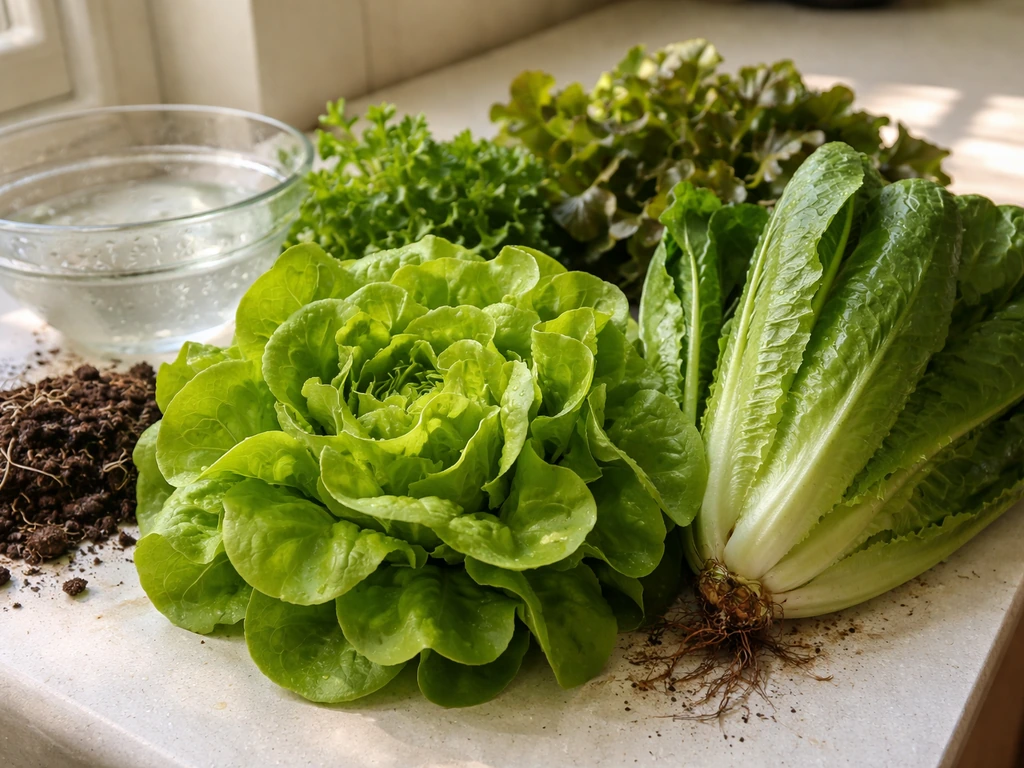
The top lettuce picks for salads
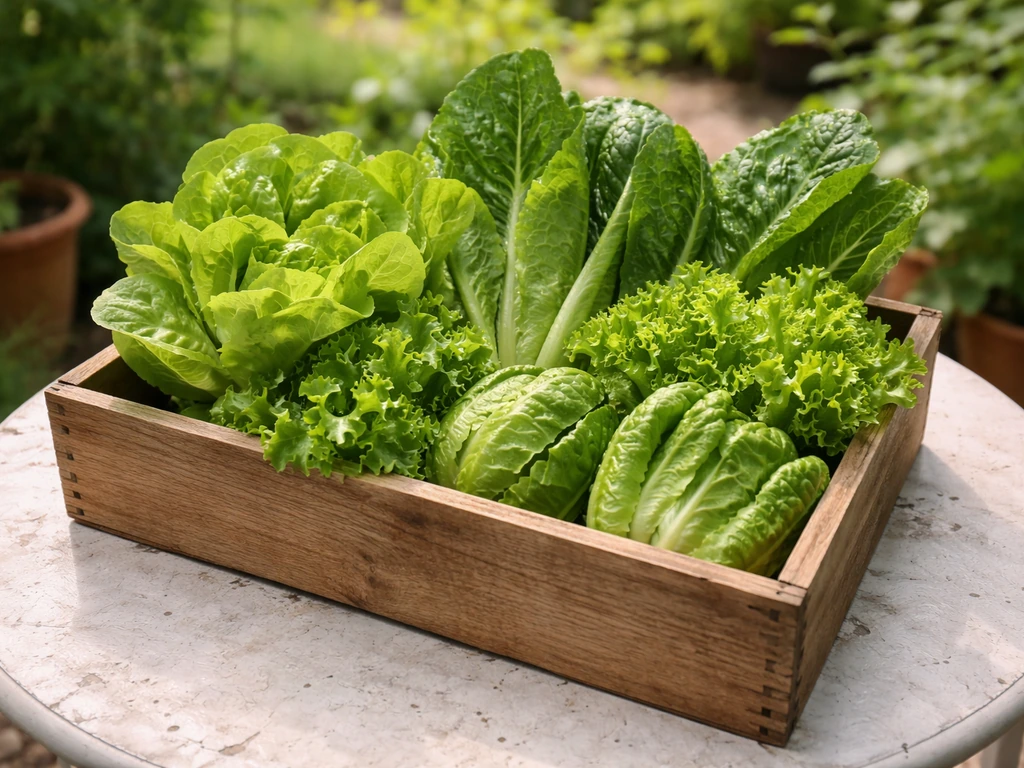
When people search for the best lettuce to grow, they usually mean salad lettuce: something with real flavor, satisfying texture, and a variety that won't bolt to seed the moment temperatures tick up. Here are the varieties I keep coming back to, and why each one earns its spot.
| Variety | Type | Days to Harvest | Best For | Bolt Resistance |
|---|---|---|---|---|
| Buttercrunch | Butterhead | 55–65 days (head), 30–40 days (leaves) | Containers, beginners, flavor | Good |
| Black Seeded Simpson | Loose-leaf | 45–50 days | Cut-and-come-again, speed | Moderate |
| Little Gem | Mini Romaine | 55–60 days | Small spaces, crunch, flavor | Good |
| Red Sails | Loose-leaf | 45–55 days | Color, heat tolerance, salad mix | Very Good |
| Oakleaf | Loose-leaf | 45–55 days | Hot weather, open gardens | Very Good |
| Nevada | Summercrisp | 55–65 days | Warm climates, crunch | Excellent |
Buttercrunch is genuinely one of the most satisfying lettuces to grow. The leaves are buttery-soft with a mild sweetness, it forms a loose head you can harvest a few outer leaves at a time, and it tolerates a surprising range of temperatures. Black Seeded Simpson is the fastest loose-leaf you'll find at most seed racks, producing harvestable leaves in as few as 45 days and bouncing back after cutting. Little Gem is compact enough for a 6-inch pot and produces dense, crunchy mini-romaine heads that taste far better than anything in a grocery bag. Red Sails and Oakleaf are the ones to reach for when summer is approaching and you're worried about bolting.
Container gardening vs. outdoor beds: what changes your pick
The space you're growing in genuinely changes which lettuce performs best. Containers heat up faster than garden soil, have less moisture buffering, and usually get more variable light indoors or on a balcony. Outdoor beds give roots more room, stay cooler longer in spring and fall, and handle larger or more sprawling varieties without issue.
Best lettuce for containers
For pots, window boxes, or raised planters, stick with compact leaf types and butterheads. My top three for containers are Buttercrunch (needs at least an 8-inch pot per plant), Black Seeded Simpson (works well in a window box or 6-inch pot as a cut-and-come-again crop), and Little Gem (perfect for 6-inch individual pots or a long trough planter). Avoid full-size iceberg or large romaine varieties in containers. They need room to form proper heads and they'll get stressed and bolt faster when pot temperatures rise. If you're growing indoors under grow lights, Black Seeded Simpson and Buttercrunch are the most forgiving with lower light levels.
Best lettuce for outdoor garden beds
In an outdoor bed, you have more options. Head types like Buttercrunch and Little Gem still perform great, but you can also grow full-size romaine, Oakleaf, Red Sails, and Nevada without worrying as much about heat stress from small soil volumes. Outdoor gardens also make succession sowing much easier: you can stagger plantings every two weeks from early spring through fall, keeping a continuous supply of fresh leaves going. In a bed, I usually grow a mix of one head type and one leaf type side by side so I have both options at harvest time.
Starting from seed: direct sowing vs. transplanting seedlings
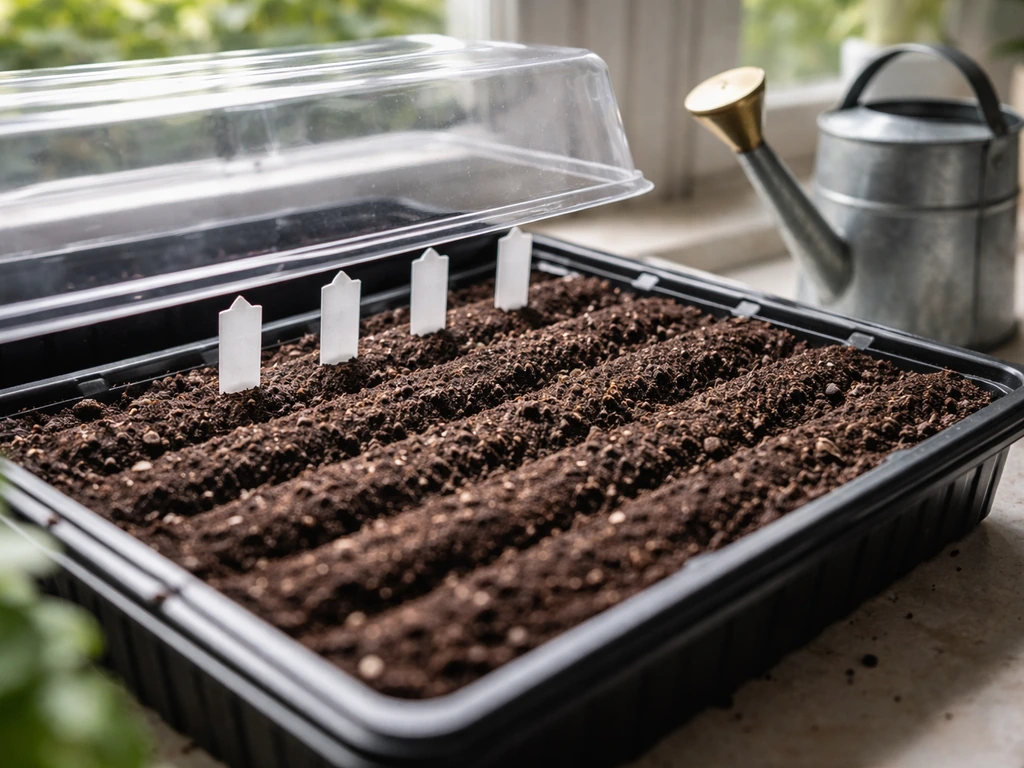
Lettuce is one of the easiest crops to start from seed, which is great because it means you have much more variety choice than anything you'll find as a transplant at a nursery. If you are wondering is lettuce easy to grow, it helps to direct sow early and choose heat-tolerant varieties Lettuce is one of the easiest crops to start from seed. The key question is whether to sow seeds directly into the garden or start them indoors first.
Direct sowing (my default recommendation)
For most home gardeners, direct sowing is the simplest and most effective approach. Lettuce seeds are tiny and prefer direct contact with soil, and they actually germinate better when sown directly than when disturbed by transplanting. Sow seeds about 1/8 to 1/4 inch deep (barely cover them), water gently, and expect germination in 7 to 14 days. Lettuce seeds can germinate in soil as cold as 40°F, which makes them one of the first things you can sow in spring.
The catch is that germination gets unreliable above 75°F soil temperature. If you're sowing in warm weather, water in the morning, shade the seeded area lightly in the afternoon, and check soil temps if germination is spotty. Leaf types like Black Seeded Simpson and Red Sails are the best candidates for direct sowing because you can harvest individual leaves starting around 30 to 45 days after germination.
Starting seedlings indoors
Starting indoors makes sense if you want to get a jump on the season, protect seeds from slugs or birds, or if you're growing a head type like Buttercrunch or Little Gem that takes 55 to 65 days to fully develop. Start seeds in small cell trays 4 to 6 weeks before your last frost date. Keep seed flats cool and shaded on sunny warm days to prevent the soil from exceeding 75°F, which stalls germination.
Transplant seedlings outdoors when they have 2 to 3 true leaves, hardening them off over 5 to 7 days before leaving them out overnight. One honest note: lettuce transplants can sulk for a week after moving outside. Don't panic, just keep them watered and they'll settle in.
Choosing the best lettuce seeds
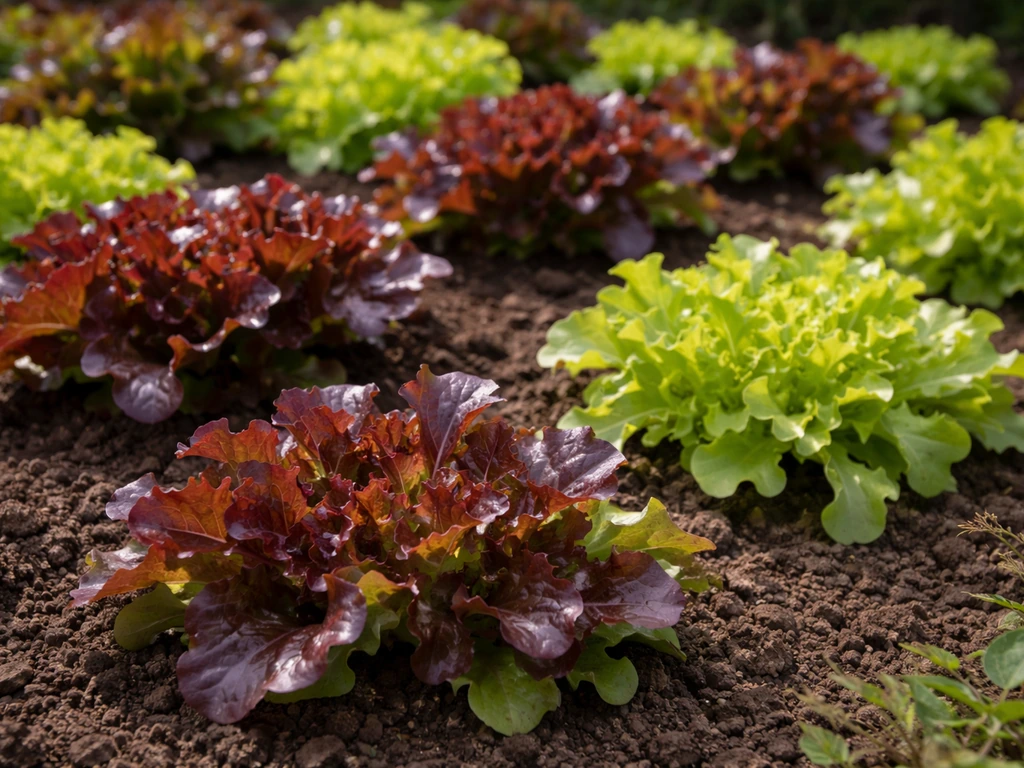
When buying seeds, look for varieties labeled with bolting resistance or heat tolerance if your spring is short and summers arrive fast. Fresh seed (this year's or last year's crop) germinates more reliably than old seed. For beginners, a loose-leaf mix or a named single variety like Black Seeded Simpson gives you much more useful feedback than an unlabeled 'salad mix' blend. Named varieties also let you troubleshoot properly: if something bolts fast, you know what it was and can try something different next time.
Matching your lettuce to your light, temperature, and bolting risk
Growing conditions matter more with lettuce than almost any other salad crop. Get these three things right and you'll have great lettuce almost every time.
Light
Lettuce prefers 6 hours of direct sun but will grow fine with 4 hours and filtered afternoon shade. In fact, afternoon shade extends the harvest window significantly in warm weather because it keeps the soil and leaves cooler. Indoors, lettuce needs at least 12 to 16 hours of grow light (fluorescent or LED) placed 6 to 12 inches above the leaves. Loose-leaf types like Black Seeded Simpson handle lower light better than head types like romaine or Buttercrunch.
Temperature and heat tolerance
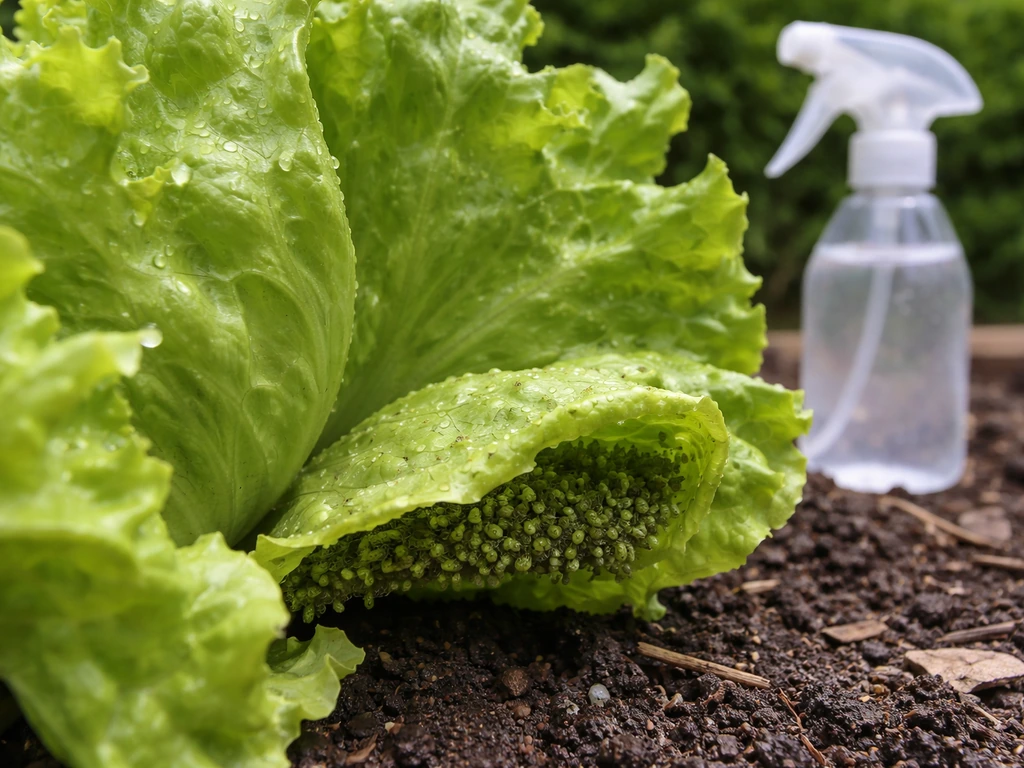
Lettuce is a cool-season crop that grows best between 45°F and 65°F. It can handle light frost, especially butterheads and loose-leaf types. Above 75°F, growth slows and bolting risk rises sharply. If you're planting in late spring or early summer, choose varieties with the best heat and bolt resistance: Nevada (summercrisp type), Red Sails, and Oakleaf are the standouts. Avoid growing iceberg-type lettuce in summer. It's the most heat-sensitive category and the hardest to time well.
Bolting resistance: the most underrated selection factor
Bolting is when lettuce sends up a flower stalk, turns bitter, and becomes inedible almost overnight. It's triggered by long days and heat. If your growing season has warm springs or you're planting late, bolting resistance should be your top selection criterion. Nevada and Red Sails are the best performers here among commonly available varieties. Oakleaf types in general are slower to bolt than crisphead or butterhead types. If you've had lettuce bolt on you before and given up, switching to one of these varieties makes a real difference.
How to grow each top variety: spacing, water, and timing
Each variety has slightly different needs. Here's what actually matters for each of the top picks.
Buttercrunch
Spacing: 8 to 10 inches apart if growing to full head; 4 to 6 inches for cut-and-come-again leaf harvest. Water: consistently moist but not waterlogged. Lettuce roots are shallow, so check soil moisture an inch down every day in containers. Timing: direct sow 4 to 6 weeks before last frost or direct sow in late summer for a fall crop. Days to first leaf harvest: 30 to 40 days. Days to full head: 55 to 65 days.
Black Seeded Simpson
Spacing: 4 to 6 inches for cut-and-come-again; 6 to 8 inches if you want full plants. Water: same shallow-root rules apply. Keeps moisture well in a window box. Timing: one of the first seeds you can sow in spring, as early as soil is workable above freezing. First harvest: 30 to 45 days. Cut leaves from the outside and the center keeps producing for 4 to 6 weeks.
Little Gem
Spacing: 6 to 8 inches apart. Works well in individual 6-inch pots. Water: slightly more drought-tolerant than butterhead types once established, but still prefers even moisture. Timing: sow 4 weeks before last frost or in late summer. Days to harvest: 55 to 60 days to a full mini-head. Harvest the whole head at once or remove outer leaves and let the center develop.
Red Sails and Oakleaf
Spacing: 6 to 8 inches. Water: moderate, same approach as other loose-leaf types. Timing: these are particularly useful for late-spring or early-summer planting when other lettuces would bolt. Days to harvest: 45 to 55 days. Both are excellent cut-and-come-again producers. Red Sails adds a visual element to salad bowls that's genuinely worth it.
Nevada
Spacing: 8 to 10 inches for full heads. Water: tolerates slightly drier conditions than butterheads, but benefits from consistent moisture for best texture. Timing: ideal for late spring planting when heat is coming. Days to harvest: 55 to 65 days. The summercrisp type forms loose heads with crunchy texture and holds quality much longer in warm weather than most alternatives.
Harvesting, bitter leaves, bolting, and common problems
When and how to harvest
For leaf types, harvest outer leaves when they're 3 to 4 inches long. Always leave the center growing point intact. Harvest in the morning when leaves are crisp and hydrated. For head types like Buttercrunch and Little Gem, harvest when the head feels firm and full but before a flower stalk appears. Head lettuce that sits too long in the garden will bolt and turn bitter almost immediately. Leaf lettuce harvested by cutting 1 inch above the soil will often regrow once or twice before the quality declines.
If your lettuce tastes bitter
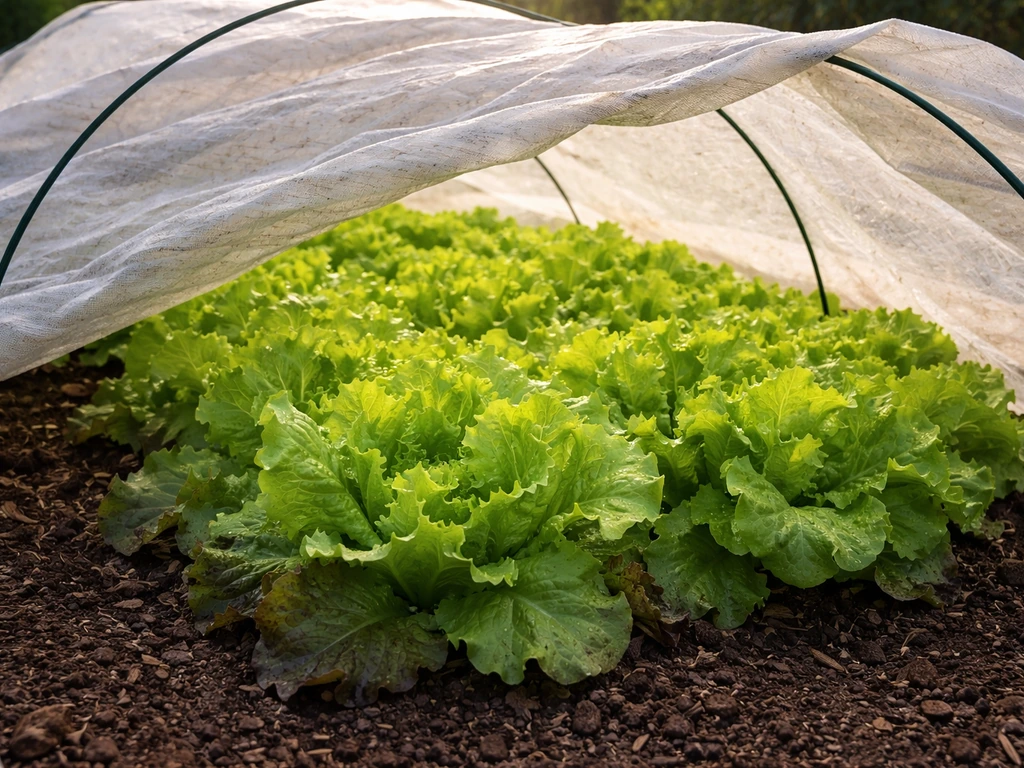
Bitterness in lettuce usually means one of three things: the plant is stressed by heat, it's about to bolt, or it's already bolting. If leaves taste slightly bitter but there's no flower stalk yet, harvest everything immediately, chill the leaves in the refrigerator for an hour, and they'll often mellow. If a flower stalk has already appeared, the plant is done. Pull it and replant. Prevent bitterness by planting in cool weather, providing afternoon shade in warm climates, and choosing bolt-resistant varieties.
Managing bolting
Once bolting starts, you can't reverse it. Purdue Extension also notes that once lettuce begins bolting and flowering, the plants become unfit for harvest and are typically replaced [Once bolting starts, you can't reverse it. ](https://ag. purdue.
edu/department/btny/ppdl/potw-dept-folder/2021/lettuce-bolting. html). What you can do is delay it: shade cloth reduces soil and air temperature by 10°F or more and can buy you an extra 2 to 3 weeks of harvest. Consistent watering also helps, since drought stress accelerates bolting.
Plan your planting dates around the heat: get lettuce in the ground as early as possible in spring, or wait until 8 to 10 weeks before your first fall frost for a second season. Succession sowing every 2 weeks keeps new plants coming even as older ones bolt out.
Pests and diseases worth knowing
- Aphids: look for clusters of tiny insects under leaves. Blast off with water or use insecticidal soap. Loose-leaf types like Black Seeded Simpson tend to have more airflow and fewer aphid problems than dense head types.
- Slugs: they do most damage at night on seedlings. Hand-pick after dark, use copper tape around containers, or apply iron phosphate bait.
- Tip burn: brown leaf edges caused by calcium deficiency, usually from inconsistent watering. Keep moisture even and it largely disappears.
- Downy mildew: gray fuzzy patches on leaf undersides in cool, wet conditions. Improve airflow, avoid overhead watering, and remove affected leaves promptly.
- Lettuce mosaic virus: mottled, distorted leaves with no fix. Remove affected plants and control aphids, which spread it.
Your next steps based on where you are today
If you're reading this in spring and ready to start now, pick up Black Seeded Simpson or Buttercrunch seeds and get them in the ground or in a pot this week. Direct sow at 1/8 to 1/4 inch deep, keep the soil moist, and you'll have your first leaves in 30 to 45 days. If it's late spring and heat is approaching, go straight to Red Sails, Oakleaf, or Nevada.
If you're growing indoors year-round, Buttercrunch and Black Seeded Simpson under grow lights are your most reliable options. Once you have one or two varieties dialed in, experimenting with leaf lettuce mixes and trying more variety types gets a lot more rewarding. The best lettuce to grow is ultimately the one that suits your conditions, and now you have a clear framework for picking it.
If you still want ideas beyond the lettuce itself, use this to plan what to grow with lettuce for a more productive, balanced garden. If you want a quick starting point, this guide also helps you choose the best leaf lettuce to grow for your space and season.
FAQ
Can I grow the best lettuce to grow indoors year-round?
Yes, but keep expectations realistic. If your indoor setup cannot reach cool enough temperatures, lettuce often bolts sooner even under grow lights. Aim for steady 45°F to 65°F growing conditions (or cool the room with a fan), and stick to Black Seeded Simpson or Buttercrunch, since they tolerate lower light and start quickly.
How often should I water lettuce, especially in a container?
A simple test helps: gently press the soil near the root zone. If the top inch feels dry, water immediately, but avoid soaking. Because lettuce has shallow roots, especially in containers, water in small, frequent amounts on hot days rather than one heavy watering that can swing between dry and waterlogged.
When should I harvest to keep lettuce from turning bitter?
It depends on what you mean by “best.” If you want continuous harvest, use leaf types or cut-and-come-again heads, and harvest early. If you harvest after a head or leaves begin to feel tough or bitter, you lose regrowth and flavor. A good rule: harvest leaf types when they are 3 to 4 inches, and head lettuce when the head is firm but before any flower stalk appears.
What should I do if my lettuce is already planted and summer weather is arriving?
If you missed the early window, switch your plan instead of forcing the same crop to behave. In warm periods, grow bolt-tolerant options like Nevada, Red Sails, or Oakleaf, and prioritize afternoon shade (shade cloth or physical cover). You can also start a fall crop 8 to 10 weeks before your first frost for a more reliable outcome.
Is there any way to save lettuce that’s starting to bolt?
Bolting is hard to fix, but you can salvage flavor and extend use by harvesting immediately at the first signs of bitterness (before a visible flower stalk). Chill the leaves in the fridge for about an hour, then eat sooner rather than storing. If you see a stalk, the plant will not return to good quality.
Should I buy seed blends or stick with single varieties for the best results?
Don’t rely on “salad mix” for troubleshooting. Named varieties let you match the right behavior to the right plant, for example, fast loose-leaf regrowth versus compact mini-heads. If you do buy mixes, check the packet for variety names or at least the general type (leaf, butterhead, romaine) so you know what bolting pattern to expect.
Is it better to direct sow or start lettuce indoors?
Yes, but timing matters. Leaf types can be direct-sown for early production, while head types are often easier to transplant because they take longer to mature. If you start indoors, transplant when seedlings have 2 to 3 true leaves and harden them off over 5 to 7 days to reduce stress that can trigger early bolting.
Why is my lettuce bitter even though it doesn’t have a flower stalk yet?
Watch for uneven watering and heat stress first, they are the most common causes of bitterness. Also check whether day length and temperature are pushing past the hot threshold, since lettuce gets more bitter as it approaches bolting. If you can, measure soil temperature near the seeds in spring or near the root zone in containers.
How important is spacing for lettuce texture and regrowth?
Spacing is the hidden lever for texture. If plants are too close, they compete for moisture and airflow, leading to stress and poorer crunch. For cut-and-come-again, leave room for regrowth (4 to 6 inches for leaf types). For full heads, give plants more space (8 to 10 inches) so the inner leaves develop properly.
What’s a good beginner plan to grow the best lettuce to grow in my yard?
Start with a “small batch, fast feedback” approach. Grow one reliable loose-leaf variety for predictable harvests (like Black Seeded Simpson) plus one heat-friendly option (like Red Sails or Nevada if your summers are quick). Then succession sow every two weeks so you can compare performance under your real weather instead of guessing.