Yes, lettuce is one of the easiest vegetables you can grow, and it's genuinely beginner-friendly from seed. Most leaf varieties go from seed to your first harvest in about 25 days, and even full heads are ready in around 60 days. The main thing that trips beginners up is timing: lettuce is a cool-season crop, and if you plant it when it's too hot, it bolts, turns bitter, or just refuses to germinate. Get the timing right, pick a forgiving variety, and you'll have fresh greens with very little effort.
Is Lettuce Easy to Grow? Guide to Growing It From Seed
Marcus Holloway
23 Apr 2026
How easy is lettuce really for beginners?
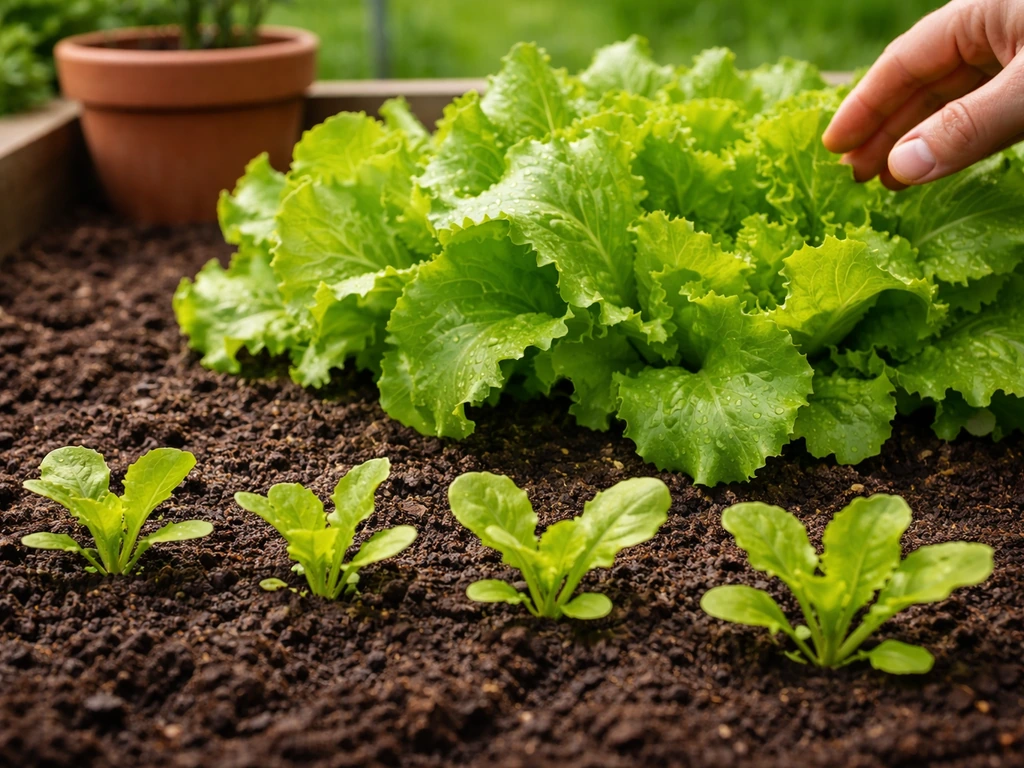
Lettuce is about as low-maintenance as vegetables get. It has shallow roots, grows fast, doesn't need much space, and tolerates containers, raised beds, outdoor plots, and even hydroponic systems equally well. You don't need special tools, elaborate setups, or years of experience. What you do need is a basic understanding of temperature: lettuce wants cool weather (around 65–70°F during the day and 45–55°F at night) and will struggle or bolt once temperatures consistently push above 80°F. Plant it in spring or fall, give it consistent moisture, and it almost grows itself.
If you've ever killed lettuce before, heat was probably the culprit, not your skill level. That's an important distinction. Lettuce isn't hard to grow; it's just unforgiving of bad timing. If you're wondering, “is lettuce hard to grow,” the answer is usually no, as long as you manage the cool-season timing. Once you understand that one rule, it becomes one of the most rewarding crops to start with.
Growing lettuce from seed: step-by-step
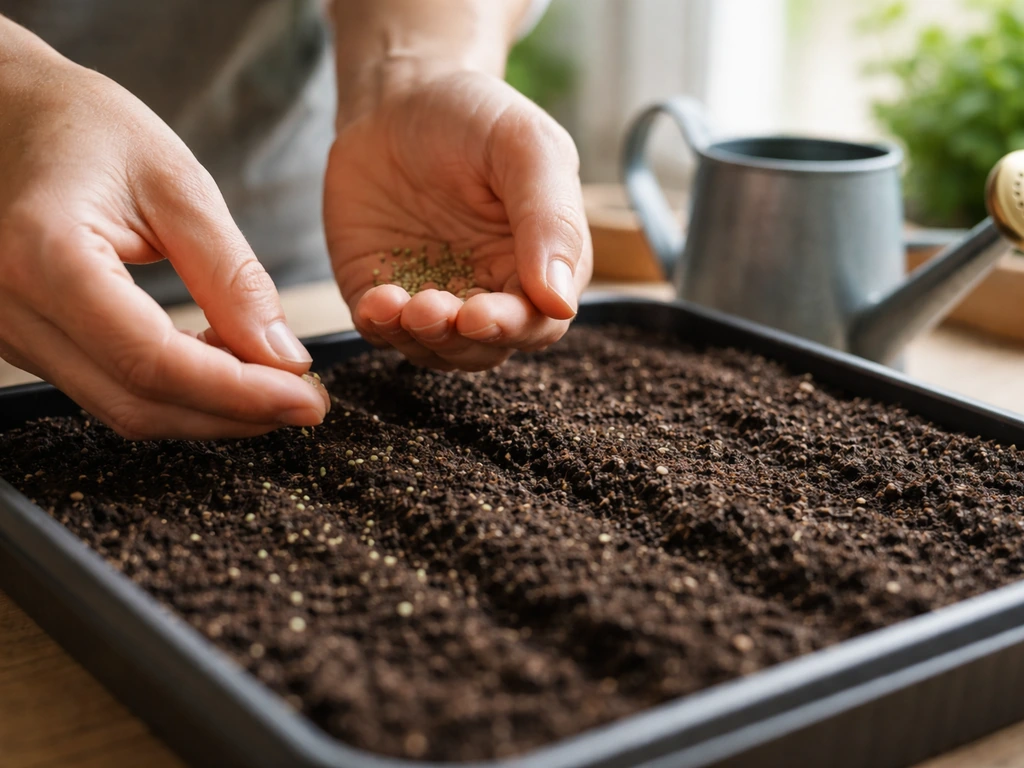
Starting lettuce from seed is genuinely straightforward, and it's worth doing because you get way more variety options than transplants from a nursery ever offer. Here's exactly how to do it.
When to sow
For spring, start seeds outdoors 4–6 weeks before your last frost date, or start them indoors under lights 6–8 weeks before. For fall planting, count back 50–75 days from your first expected frost date and sow then. The goal in both cases is for the plant to mature during cool weather, not heat. Lettuce seed germinates best when soil temperatures are between 60–75°F, though it can technically sprout anywhere from 35°F up to about 80°F. If soil temperatures climb above 80°F, seeds can go dormant and simply won't germinate until things cool down.
How to sow
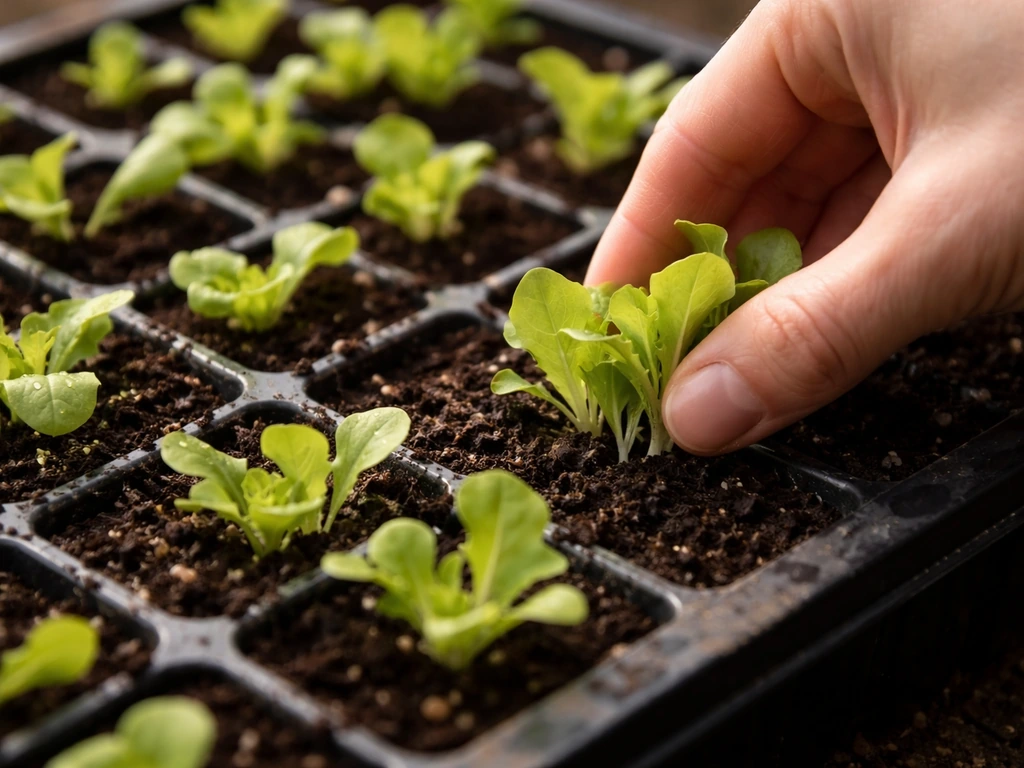
- Prepare a fine, moist seedbed or fill a container with quality potting mix.
- Scatter seeds thinly on the surface, or sow in shallow rows about 1/4 inch deep.
- Press seeds lightly into the soil — lettuce needs light to germinate, so don't bury them deep.
- Keep the surface consistently moist but not waterlogged until seeds sprout.
- Expect germination in 6–8 days under optimal conditions, though it can range from 2–15 days depending on temperature.
Thinning and spacing
Once seedlings are about an inch tall, thin them out. Crowded lettuce stresses the plants and invites disease. For leaf lettuce, aim for 6–8 inches between plants. For head types like romaine or crisphead, give them at least 12 inches. The seedlings you pull while thinning are perfectly edible, so toss them right into a salad. If you're transplanting seedlings you started indoors, harden them off for about a week before moving them outside, then space them at the same distances.
Timeline from seed to harvest
Baby lettuce is ready to pick in about 25 days from seed. Full heads take closer to 60 days. If you start from transplants, knock roughly 20–30 days off those estimates. For a continuous supply, sow a new batch every 3–4 weeks rather than planting everything at once.
Which lettuce type is easiest to grow?
Not all lettuce is equally forgiving. Here's a quick breakdown of the four main types and how they compare for beginner ease.
| Type | Days to Harvest | Ease for Beginners | Best For |
|---|---|---|---|
| Looseleaf | 25–45 days | Easiest — most forgiving, fast, cut-and-come-again | Containers, quick harvests, beginners |
| Butterhead | 55–65 days | Easy — tolerates some heat better than crisphead | Outdoor beds, those wanting a full head |
| Romaine | 60–70 days | Moderate — upright growth, good heat tolerance | Outdoor gardens, raised beds |
| Crisphead (Iceberg) | 70–85 days | Hardest — needs sustained cool temps, exacting conditions | Experienced growers, cool climates |
My honest recommendation for most beginners: start with looseleaf lettuce. Varieties like 'Black Seeded Simpson,' 'Oak Leaf,' or a mixed 'Salad Bowl' blend are fast, productive, and extremely easy to harvest repeatedly. If you want the best results, focus on selecting the best leaf lettuce to grow for your conditions and schedule. Butterhead is a great second choice if you want that classic soft head texture. Skip crisphead (iceberg) until you have a few seasons under your belt, it's the most demanding type and the most likely to disappoint in anything other than ideal conditions. For more detailed variety comparisons, it's worth exploring guides focused specifically on the best lettuce varieties for home growing.
Growing conditions that set lettuce up to succeed
Light
Lettuce needs full sun to partial shade outdoors: about 6 hours of direct light per day works well. In hot climates or during warmer parts of spring, afternoon shade actually helps delay bolting. Indoors under grow lights, lettuce does well with 14–16 hours of light per day. If your indoor seedlings are getting leggy and stretching toward the light, they need more hours or a stronger light source placed closer to the plants.
Temperature
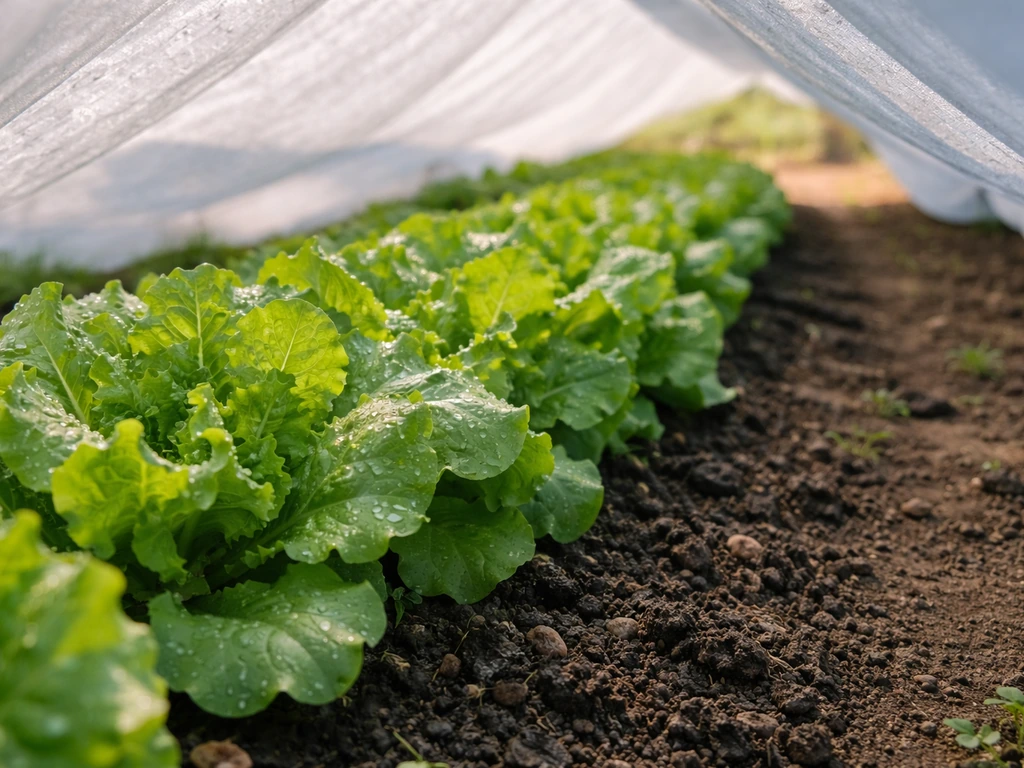
The sweet spot is 65–70°F during the day and 45–55°F at night. Bolting (where the plant sends up a flower stalk and leaves turn bitter) is triggered by a combination of long days and high temperatures. Once daytime temps are consistently above 80°F, your lettuce is on borrowed time. If you're growing in late spring and heat is creeping in, shade cloth can buy you a couple of extra weeks. Using mulch around plants also conserves soil moisture and moderates soil temperature, which helps slow bolting.
Soil and outdoor beds
Lettuce isn't fussy about soil as long as it drains well and holds some moisture. A loose, fertile loam or amended garden bed works great. Work in compost before planting and you'll rarely need to fertilize beyond that. Lettuce has shallow roots, so it doesn't need deep beds, even 6 inches of good soil is plenty.
Containers
Lettuce is one of the best vegetables for container growing. Use a pot that's at least 6–8 inches deep, fill it with quality potting mix, and make sure there are drainage holes at the bottom. Containers dry out faster than garden beds, so you'll need to water more frequently, check the top quarter inch of soil and water when it's dry. The upside is that containers are easy to move to shade when it gets hot, which can extend your growing season by weeks.
Hydroponics
Lettuce is probably the most popular crop in home hydroponic systems, and for good reason: it grows fast, loves the consistent nutrient delivery, and doesn't need a lot of space. For hydroponics, target a nutrient solution EC of 1.2–1.8 mS/cm and a pH between 6.0 and 7.0. Keep water temperatures around 65–68°F, warmer water holds less oxygen and can stress roots. Nitrogen should be in the range of 75–100 ppm. If you're new to hydroponics, lettuce is genuinely the best crop to learn on because it's fast and forgiving. Lettuce can be a great way to figure out the best lettuce to grow for your setup, too best crop to learn on.
Watering, feeding, and spacing basics
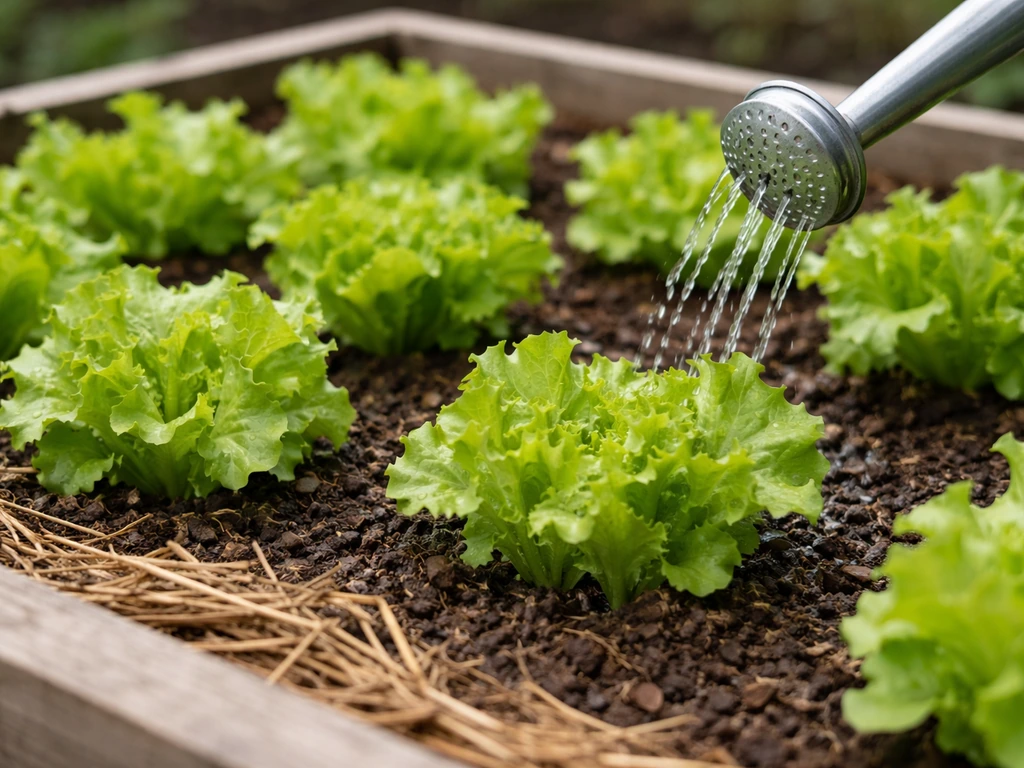
Lettuce needs consistent moisture, not soggy soil, but never bone dry either. Inconsistent watering is one of the main causes of tipburn (brown leaf edges), which happens when water stress restricts calcium movement into rapidly growing leaves. Aim for about 1 inch of water per week in outdoor beds. In containers, water when the top quarter inch of soil feels dry. A layer of mulch around outdoor plants does a lot of work here by slowing moisture evaporation and keeping soil temperatures stable.
For feeding, lettuce is a light feeder and compost-amended soil usually handles it. If you're growing in containers or want to give plants a boost, a balanced liquid fertilizer at half strength every 2–3 weeks is plenty. Avoid heavy nitrogen applications, too much nitrogen can actually increase tipburn risk and produce overly lush growth that's more attractive to pests. USU Extension notes that Bt (Bacillus thuringiensis) products can be effective for controlling young armyworm and cutworm larvae Avoid heavy nitrogen applications.
Spacing really does matter more than most beginners expect. Crowded lettuce competes for water and nutrients, runs hotter, and is more prone to disease. Looseleaf types: 6–8 inches apart. Butterhead and romaine: 8–10 inches apart. Head lettuce: 12 inches apart. If you're growing a cut-and-come-again row for baby greens, you can sow more densely and thin as you harvest.
Harvesting and fixing common problems
How to harvest
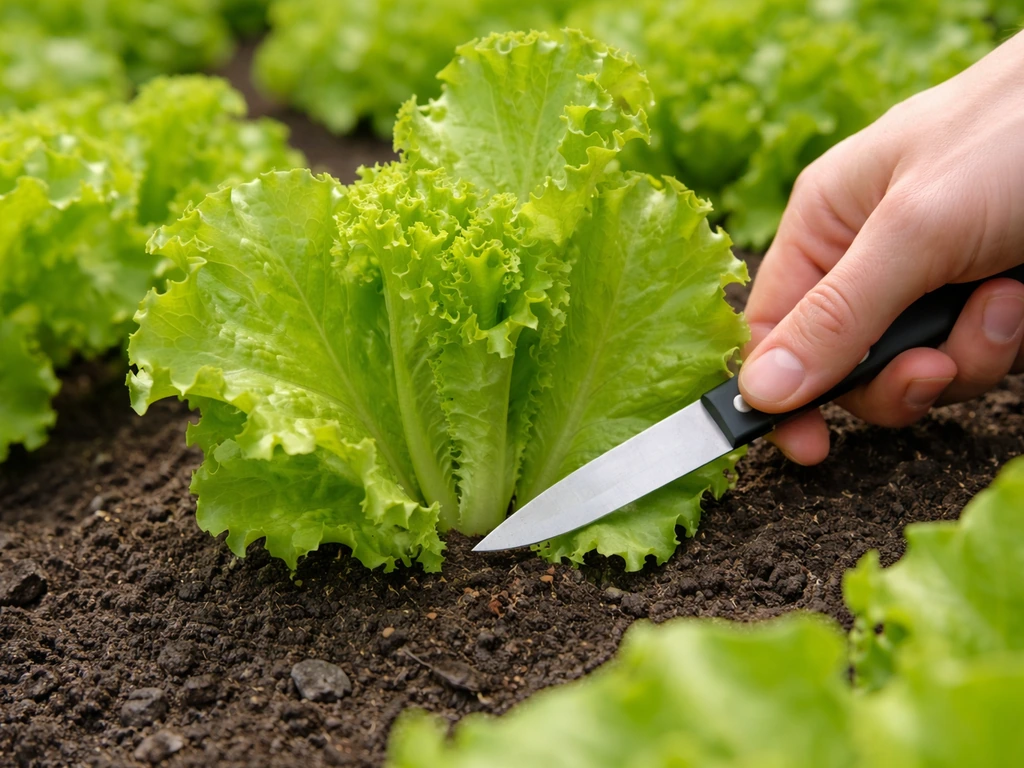
For looseleaf types, harvest outer leaves by cutting them about 2 inches above the soil level, leaving the crown and inner leaves to keep growing. You can come back and cut again repeatedly from the same plant. For butterhead and romaine, harvest the whole head once it feels firm and full. For baby greens, cut the whole row about 1–2 inches above the soil and let it regrow (the 'cut and come again' method). Lettuce tastes best when it's been growing fast in cool conditions, a plant that's been stressed by heat will taste bitter even before it bolts.
Troubleshooting common problems
- Bolting (plant goes to seed early): Almost always caused by heat and long days. If it's bolting, harvest immediately — the leaves are still edible but will get more bitter fast. Next time, plant earlier in spring or wait for fall.
- Poor germination: Usually a temperature problem. If soil is above 80°F, seeds go dormant. Wait for cooler conditions or start seeds indoors. Also check that seeds have good soil contact and consistent moisture.
- Leggy, stretched seedlings indoors: Not enough light. Move grow lights closer or increase hours to 14–16 per day.
- Tipburn (brown leaf edges): Caused by inconsistent watering leading to calcium movement issues, not usually a soil deficiency. Water more consistently and avoid big wet-dry cycles. Excess nitrogen and heat can also increase risk.
- Bitter flavor: Heat stress and bolting. Harvest younger leaves and earlier in the day when sugar content is higher. Choose heat-tolerant varieties for warmer seasons.
- Aphids: Check the undersides of leaves regularly. A strong spray of water knocks them off. For heavier infestations, insecticidal soap works well.
- Slugs: Common in moist conditions. Hand-pick at night or use iron phosphate bait around the base of plants. Slugs are a particular issue in spring and fall, exactly when lettuce grows best, so keep an eye out.
- Caterpillars (armyworms and others): Look for irregular holes in leaves. Pick off caterpillars by hand or use Bt (Bacillus thuringiensis) as a targeted, low-impact control.
Keep going with successive plantings
The single best habit you can build as a lettuce grower is succession sowing: putting in a new small planting every 3–4 weeks. If you are planning what to grow with lettuce, using succession sowing also helps coordinate harvest times with other cool-season crops. This keeps you in fresh greens continuously rather than having a glut all at once followed by nothing. It also naturally works around the seasons, since later sowings will hit summer heat while earlier ones are long harvested. Whether you're growing in an outdoor bed, a container on a balcony, or a hydroponic system, this one habit transforms lettuce from a single crop into a near-constant supply.
FAQ
Why won’t my lettuce seeds germinate, even though I planted them correctly?
If your soil is too hot, lettuce seeds may sit there and stay dormant instead of sprouting. Check soil temperature with a probe or by timing planting after the air cools, and try shading the seed bed, watering the area the day before sowing (to cool slightly), or starting seeds in a cooler spot and transplanting once temperatures fall.
Can I grow lettuce again from the same plant after harvesting?
Yes, especially for looseleaf types. After you harvest, re-check spacing and water consistency, then leave the crown intact and remove only the outer leaves you cut. In warmer weather they can stall and bolt quickly, so plan quick succession sowing (every 3 to 4 weeks) to replace plants that run out of steam.
How do I know when my lettuce is about to bolt, and what should I do?
Bolting signs include a visible flower stalk and rapidly bitter, tough leaves. Use this as a decision point: if daytime temps are trending above about 80°F, switch to afternoon shade, use shade cloth, harvest leaves more frequently to keep quality higher, or start a new batch aimed at cooler weeks instead of waiting for the current crop to recover.
What causes brown tips on lettuce leaves (tipburn), and how can I prevent it?
Tipburn is often caused by uneven moisture (and sometimes overly rich or overly nitrogen-heavy feeding), because calcium uptake drops when growth is fast and water is inconsistent. Keep watering regular, avoid letting soil swing between dry and saturated, and if growing in containers consider reducing fertilizer to half-strength and watering to keep the top quarter inch from drying out.
Is lettuce still easy to grow in containers, or is it harder than planting in the ground?
You can, but in-ground or raised beds usually outperform for beginners because they buffer temperature and moisture swings. If using containers, choose deeper pots (at least 6 to 8 inches), use quality potting mix, and move the pot to afternoon shade when heat spikes. Plan for more frequent checks because containers dry faster.
Which lettuce type is easiest when my weather is unpredictable?
Start with looseleaf or butterhead if you want success with fewer variables. Crisphead (iceberg) is less forgiving when it comes to heat, inconsistent moisture, and slow cooling. If you want to try iceberg anyway, maximize shade, keep moisture steady, and expect more failures if you are planting during warming spring conditions.
Do I really need to harden off lettuce seedlings, and what goes wrong if I skip it?
Hardening off helps seedlings adjust gradually to outdoor sun, wind, and temperature swings, which reduces transplant shock and uneven growth. Aim for about a week, start with partial shade and shorter outdoor exposure, then increase sun time before planting fully in their final spot.
What’s the easiest way to avoid harvesting all my lettuce at once?
For a continuous harvest, treat each sowing as a separate mini crop. Instead of spacing out rows far apart, sow small batches every 3 to 4 weeks, and harvest outer leaves on looseleaf types while the next batch grows in. This prevents the common beginner problem of getting one big glut and then running out.
If I planted at the wrong time, can I rescue the crop?
Yes. If you accidentally plant too early or too late and temperatures are shifting, you can still salvage by changing location and method. Move containers to cooler shade, use mulch to moderate soil temperature, and consider switching to baby-green harvesting (cut-and-come-again) for the fastest turnover when weather gets borderline.
What watering mistake makes lettuce harder to grow, and how can I tell I’m overwatering?
Lettuce does best with consistent moisture, but soggy soil can still cause root stress and disease. Aim for moist, not waterlogged, soil, ensure good drainage in beds and containers, and in hydroponics keep solution oxygenated (warmer water holds less oxygen) to protect roots.