Tom Thumb lettuce grows from seed to a compact, tennis-ball-sized butterhead head in about 55 to 85 days. You can grow it in a 6-inch pot on a windowsill, a raised bed, or a full outdoor garden row, and it handles the job better than most lettuce varieties because it genuinely resists bolting and stays small by design. Sow seeds 1/8 to 1/4 inch deep, thin to 6 inches apart, keep temperatures cool (ideally 45 to 65°F), water consistently, and you will get dense, sweet little heads that are ready to pick all at once or leaf by leaf as they size up.
How to Grow Tom Thumb Lettuce Step by Step Guide
Marcus Holloway
3 Jun 2026
What makes Tom Thumb lettuce special and where it fits in your garden
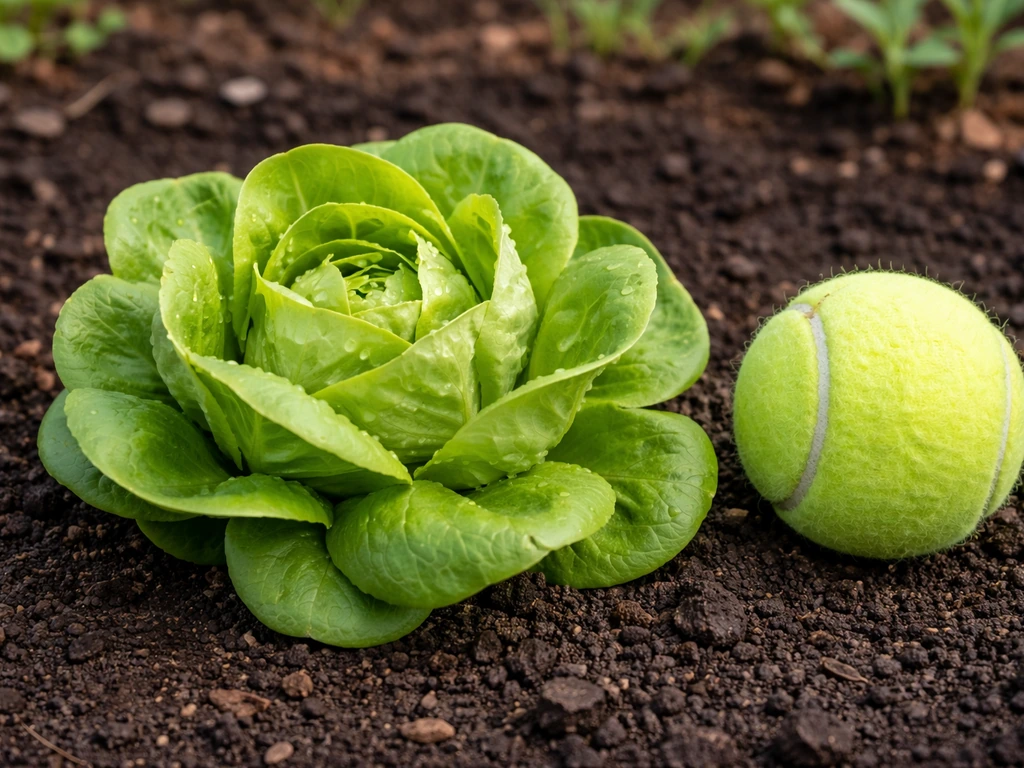
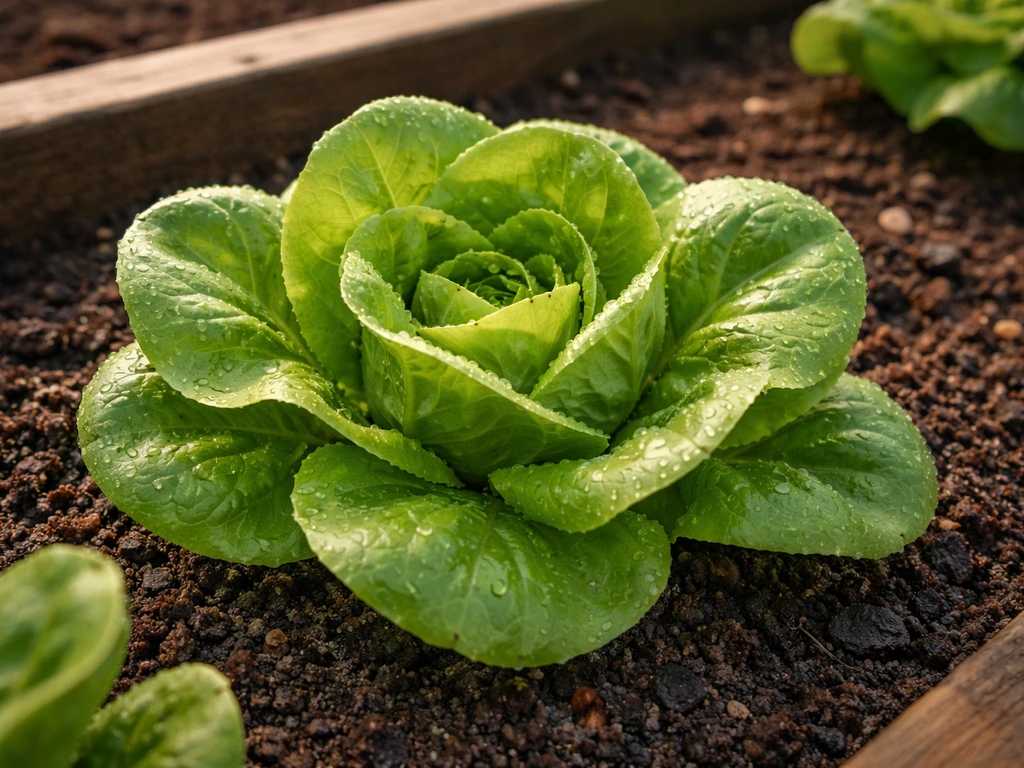
Tom Thumb is a heritage butterhead (bibb-type) lettuce, and the thing that sets it apart is size. The heads top out at around 5 inches in diameter, roughly the size of a tennis ball. Seedman describes Tom Thumb as a miniature butterhead/bibb lettuce that forms heads about the size of a tennis ball and lists it as an heirloom variety tennis-ball-sized heads. That compact habit is not a side effect of poor growing conditions; it is bred in. Baker Creek and other heirloom seed houses have long sold it specifically for container gardens and raised beds because it simply does not sprawl the way a full butterhead like Boston or Bibb does.
Because it forms a proper head rather than growing as a looseleaf plant, Tom Thumb is not a long-term cut-and-come-again crop in the way looseleaf varieties are. You can harvest outer leaves as they size up, and some growers cut the whole plant about 1 to 2 inches above the soil and get a second flush from the crown, but the most satisfying harvest is pulling or cutting the whole compact head at peak ripeness. That makes succession planting the key strategy here: stagger your sowings every two to three weeks and you keep heads coming rather than relying on regrowth alone.
The bolt resistance is real and worth calling out. SmartGardener notes Tom Thumb resists bolting better than other larger butterhead types and tolerates some heat. That does not mean you can grow it through a July heat wave without shade cloth, but it does mean you get a wider window in spring and fall before the plant races to seed. If you have struggled with regular butterhead going bitter and bolting before you could harvest, Tom Thumb is a genuinely better option.
In terms of where it fits: outdoor raised beds, containers on a patio or balcony, and indoor setups under grow lights all work. The compact size makes it especially appealing if you are working with limited space. If you already grow butter lettuce in containers or pots, the approach is very similar, though Tom Thumb's smaller footprint means you can fit more plants per container than you might expect. If you want a broader guide beyond Tom Thumb specifics, this overview of how to grow butter lettuce in containers walks through the core steps for pot size, soil, light, and timing.
Quick start: choose your growing setup and gather the right supplies
Before you sow a single seed, decide where you are growing. The setup determines almost every decision after it: container size, soil mix, light source, and watering frequency. Here is a quick breakdown of your options.
| Setup | Minimum container/space | Best for | Key consideration |
|---|---|---|---|
| Outdoor raised bed | Row space, 6 in. between plants | Multiple plants, successive rows | Soil temperature and weather timing matter most |
| Container/patio pot | At least 6 in. deep, 8+ in. wide | Apartment dwellers, small patios | Drainage and watering frequency are critical |
| Indoor under grow lights | Same container minimums | Year-round growing, no outdoor space | Light hours and intensity replace the sun |
| Indoor windowsill | 6–8 in. pot minimum | Low-commitment indoor growing | South or west window; expect slower growth |
Once you know your setup, gather these supplies before planting day. For soil: a quality all-purpose potting mix (for containers) or amended garden bed soil with compost worked in. For seeds: Tom Thumb heirloom seeds from a reliable source like Baker Creek or Ecoseedbank. You will also want small plant markers, a spray bottle or gentle watering can with a rose head, and ideally a soil thermometer if you are starting outdoors early in the season.
- Tom Thumb lettuce seeds (heirloom packet from a reputable supplier)
- All-purpose potting mix or compost-amended garden soil
- Containers with drainage holes (minimum 6 inches deep) if growing in pots
- Watering can with a gentle rose head or a spray bottle for seedlings
- Grow light (if growing indoors without strong natural light)
- Soil thermometer for outdoor sowing timing
- Shade cloth (optional but useful for late spring protection)
Planting Tom Thumb: seed starting, sowing depth, spacing, and thinning
When to plant
Tom Thumb is a cool-season crop. For a spring harvest, sow directly outdoors about 2 to 4 weeks before your last expected frost date, or start seeds indoors about 5 to 6 weeks before you plan to transplant. For a fall crop, work backward: sow about 3 months before your average first fall frost date. In mild climates you can also grow it through winter with minimal protection. The goal is to have the plants doing most of their growing when temperatures sit between 45 and 65°F, which is when lettuce is happiest and sweetest.
Succession sowing is especially important for a head-forming variety like Tom Thumb. Because you harvest the whole compact head rather than cutting leaves indefinitely, each plant gives you one primary harvest. Sow a small batch every 2 to 3 weeks through the cool season and you will always have heads at different stages.
How to sow the seeds
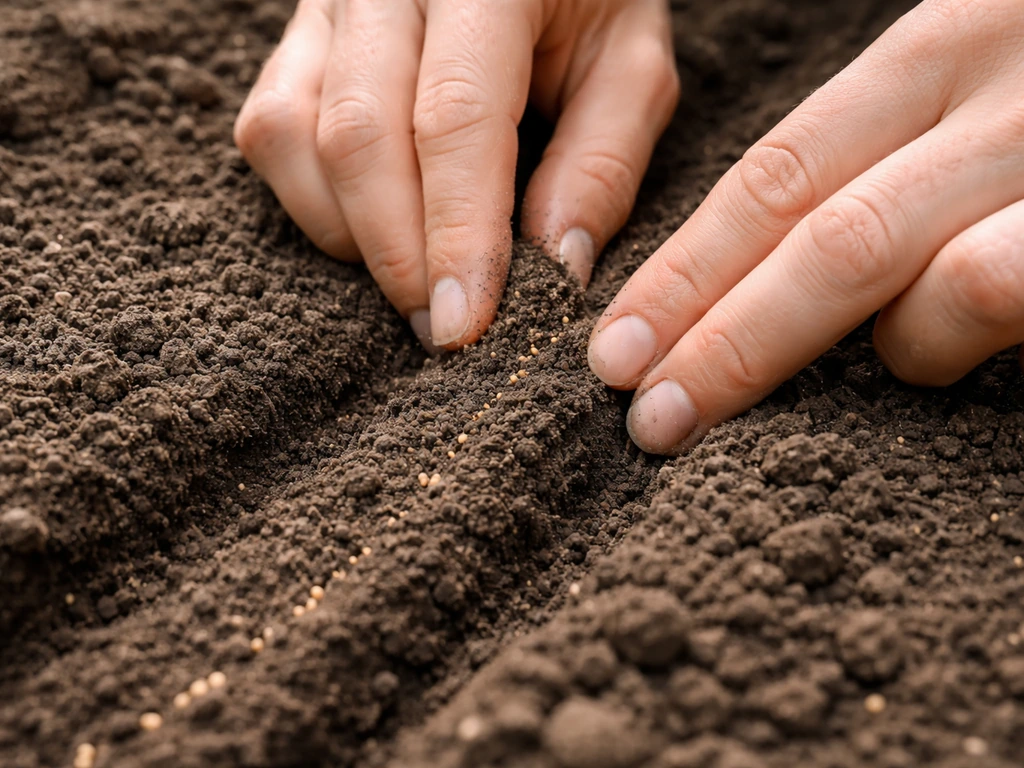
Lettuce seed is tiny. Sow at a depth of just 1/8 to 1/4 inch and press the soil lightly over the seed. Do not bury it deeper than that; deeper sowing suppresses germination significantly. If you are direct sowing outdoors or into a container, scatter seeds thinly in a shallow furrow, then cover and gently firm the soil. If you are starting indoors in trays, sow two or three seeds per cell at the same depth and thin to one seedling after germination.
Germination is fastest when soil temperature sits around 60 to 70°F. Lettuce can germinate at soil temperatures as low as 40°F, but it will be slow. Above about 75°F, germination becomes unreliable and patchy. If you are starting seeds indoors during warm months, keep the tray somewhere cool or use the bottom shelf of a refrigerator for 24 hours before sowing (a cold stratification trick) to help break heat-induced dormancy.
Spacing and thinning
Thin seedlings to about 6 inches apart once they are an inch or two tall. For a full-sized compact head, that spacing gives each plant enough room without wasting too much space. If you are growing Tom Thumb in a bed and want maximum efficiency, you can space in a grid pattern at 6 by 6 inches and get a surprisingly dense planting. In containers, one plant per 6-to-8-inch pot works well, or three to four plants in a standard 12-inch window box.
Do not skip thinning. Overcrowded seedlings compete for light and air, which leads to leggy, weak plants prone to disease. The good news: thinnings are edible. You can eat them as micro-greens or add them to salads immediately, so nothing goes to waste.
Light, temperature, and watering targets for fast, compact growth
Light
Outdoors, Tom Thumb wants full sun in cool weather and benefits from partial afternoon shade as temperatures climb in late spring. Six hours of direct sun is a good target. Indoors under grow lights, aim for 14 to 16 hours of light per day using a full-spectrum LED. On a windowsill, a south or west-facing window gives the best results, though growth will be noticeably slower than under a dedicated light. Leggy, floppy seedlings are the first sign you are not getting enough light.
Temperature
Keep daytime temperatures between 60 and 70°F and nighttime temps above 40°F for best growth. Tom Thumb tolerates light frost, which is why you can sow it so early in spring. The trouble zone is anything consistently above 75 to 80°F, which pushes the plant toward bolting. In late spring, if you see temps heading that direction, use shade cloth or move containers to a shadier, cooler spot. Indoors, most rooms stay within a fine range naturally, which is one reason Tom Thumb works so well as an indoor variety.
Watering
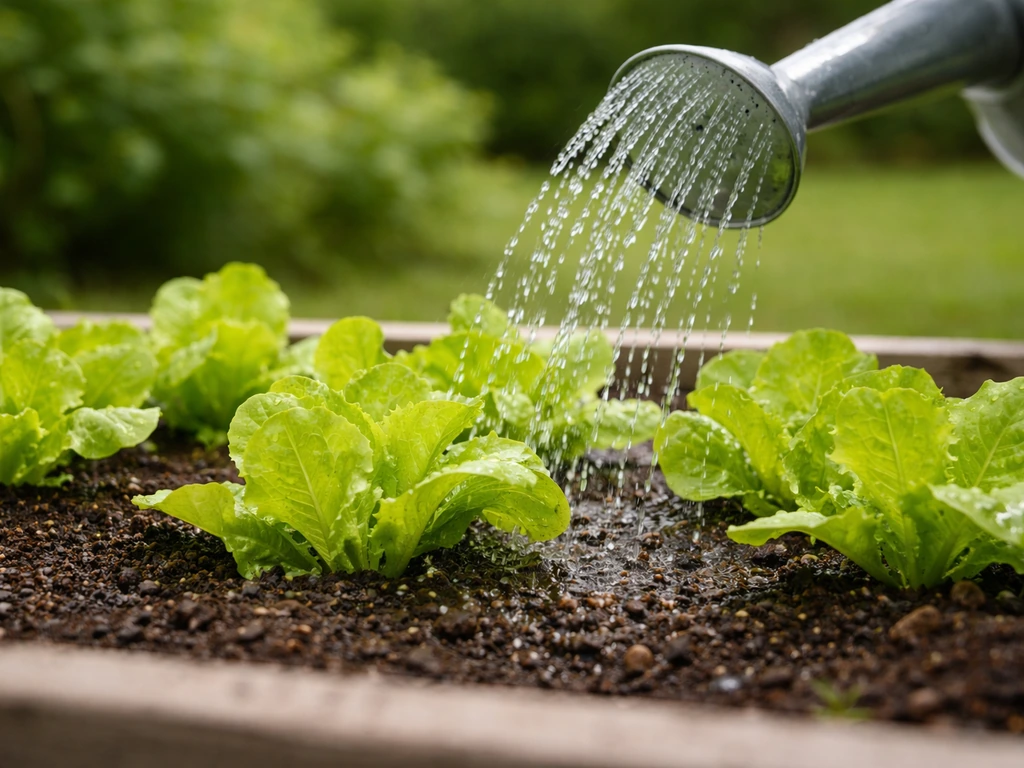
Lettuce needs consistent moisture, not wet-and-then-bone-dry cycles. Aim to keep the top inch of soil evenly moist. In outdoor beds, that typically means watering every 2 to 3 days in mild weather and daily in warm stretches. In containers, check daily because pots dry out much faster than beds, especially unglazed terracotta. Stick your finger an inch into the soil; if it feels dry, water. If it still feels damp, wait. Water stress is one of the main triggers for bitter leaves and tipburn (brown leaf edges), so keeping moisture steady matters more than any other single care step.
Soil and feeding for lettuce in beds vs containers and indoor setups
Outdoor beds
Tom Thumb does best in loose, well-draining soil with a pH between 6.0 and 6.5. Before planting, work in 2 to 3 inches of compost to improve structure and add baseline fertility. Lettuce roots are shallow, concentrated in the top 12 inches of soil, so surface-level amendments make a real difference. If your soil is heavy clay, grow in a raised bed with a lighter mix rather than fighting the drainage issue all season.
For feeding in beds, a balanced slow-release fertilizer worked in at planting provides enough nutrition for most of the crop. If growth looks slow or leaves are pale, a liquid nitrogen feed (like diluted fish emulsion or a balanced liquid fertilizer) every 2 to 3 weeks keeps things moving. Avoid going heavy on nitrogen late in the plant's life; excess nitrogen contributes to tipburn and can actually push softer, more disease-prone tissue.
Containers and indoor setups
Use a good-quality potting mix, not garden soil, in containers. Garden soil compacts in pots and drains poorly, which suffocates roots. Look for a mix labeled for vegetables or use a peat or coco-coir based blend with some perlite for drainage. The target soil pH is the same (6.0 to 6.5), and if you want to get precise about it, a basic soil pH meter is worth the investment.
Container-grown Tom Thumb will need feeding more frequently than bed-grown plants because watering flushes nutrients out of the pot over time. A half-strength balanced liquid fertilizer every 10 to 14 days works well. Keep the EC (electrical conductivity, basically total dissolved nutrients) in the 0.8 to 1.8 range if you are monitoring it with a meter, which is on the lower end and appropriate for lettuce. Overfeeding is a more common mistake than underfeeding, especially with nitrogen, so err lighter rather than heavier.
Harvesting Tom Thumb: when to pick and how to get multiple rounds
Tom Thumb heads are typically ready to harvest 55 to 85 days from sowing, though in ideal cool conditions you will often see full heads closer to the 55-day end. The head should feel firm and dense when you press it gently, similar to squeezing a tennis ball. To get truly crispy lettuce, keep the soil evenly moist and harvest heads when they are firm and dense how to grow crispy lettuce. The outer leaves should be full and the head should look rounded rather than still open and loosely leafy. Do not wait too long: once temperatures rise or the plant starts stretching upward from the center, flavor declines quickly.
You have two main approaches to harvesting. The first is to pull or cut the entire compact head at the base when it is at peak ripeness. This gives you the full head in one harvest and is the most common method for a butterhead type. The second approach is to start harvesting outer leaves when the plant is a few inches tall and let the center continue to develop. This extends your picking window by a couple of weeks per plant before the final head harvest.
If you want to try for a second flush, cut the plant about 1 to 2 inches above the soil line rather than pulling it out entirely. Leave the crown intact. Some plants will push out a second round of leaves, though the regrowth is usually less impressive than the first head. In cool weather this can be worth trying; in warm conditions the plant is more likely to bolt than resprout productively.
The best way to get multiple rounds of harvests is through succession planting, not relying on regrowth. If you started a new batch of seeds every 2 to 3 weeks from early spring, you should have fresh heads coming in continuously through the cool season without depending on the same plants to regenerate.
Troubleshooting common problems
Bolting
Bolting is when the plant shifts from leaf production to flowering and seed production, usually triggered by heat or lengthening days. The center of the plant stretches upward, the leaves become narrow and bitter, and the whole harvest quality drops fast. Tom Thumb resists bolting better than most butterheads, but it is not immune. If you see the center starting to elongate, harvest immediately even if the head is not fully sized. A slightly small sweet head beats a full-sized bitter one. Prevent bolting by timing plantings for cool seasons, using shade cloth when afternoon temperatures push above 75°F, and keeping the soil consistently moist.
Bitter leaves
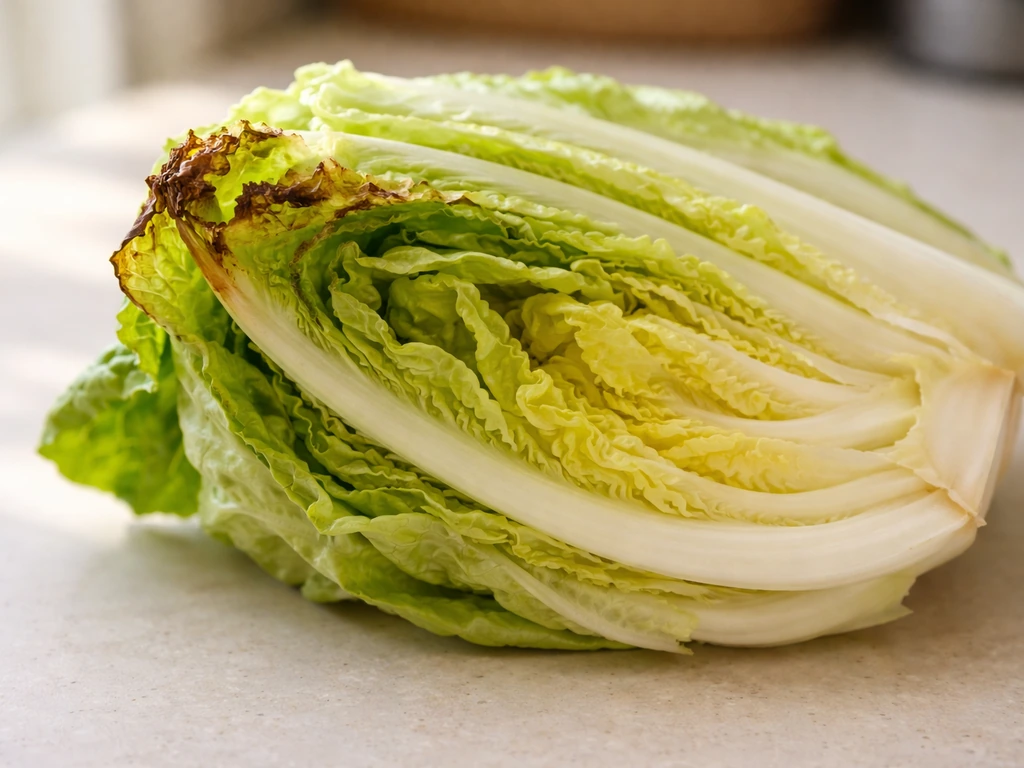
Bitterness in lettuce almost always comes down to heat stress or inconsistent watering. Both push the plant toward stress responses that change leaf chemistry. If your Tom Thumb leaves taste bitter, check your watering schedule first (is the soil drying out between waterings?) and consider whether temperatures have been running high. Providing afternoon shade and mulching the soil surface to retain moisture are the two fastest fixes. Once a plant is stressed and bitter, it rarely fully recovers its sweet flavor, so prevention is the better strategy.
Tipburn
Tipburn shows up as brown, papery edges on inner leaves. It looks like a calcium deficiency but is almost always caused by water stress and poor calcium movement in the plant, not a lack of calcium in your soil. Excess nitrogen makes it worse by pushing rapid leaf expansion faster than calcium can keep up. The fix is steady, consistent watering and dialing back nitrogen fertilizer if you have been feeding heavily. Foliar calcium sprays are rarely effective for head lettuce because the inner leaves where tipburn appears have limited exposure.
Poor or patchy germination
If seeds are not germinating, check your soil temperature first. Above 75°F, lettuce germination drops off sharply. Below 40°F it is very slow. The sweet spot is 60 to 70°F. Also check your sowing depth; seeds buried deeper than 1/4 inch often fail to emerge. If you are sowing in summer for a fall crop, try pre-chilling seeds in a damp paper towel in the refrigerator for 24 to 48 hours before sowing to break heat dormancy.
Leggy, floppy seedlings
Leggy seedlings with long, thin stems that flop over are almost always a light problem. Outdoors, this can happen in early spring under heavy cloud cover. Indoors, it happens when the light source is too far away or the window does not get enough hours of sun. Move grow lights closer (most LED grow lights work best 6 to 12 inches above the canopy for seedlings) or increase light hours. Thinning overcrowded seedlings also helps because competition for light forces vertical stretching.
Pests and disease
The most common pests on Tom Thumb are aphids, slugs, and the occasional caterpillar. Check the undersides of leaves regularly. Aphids can be knocked off with a strong spray of water. For slugs, shallow dishes of beer set near the plants work, or use iron phosphate slug bait, which is safe around pets and wildlife. Good air circulation between plants and avoiding overhead watering in the evening reduces fungal issues like damping off in seedlings and downy mildew on mature plants. In containers, make sure drainage holes are clear and the pot is not sitting in standing water.
Container-specific issues
The two most common container problems are overwatering and underwatering, and they look similar at first (wilting, poor growth). Stick your finger into the soil to an inch deep before watering every single time. In hot weather, containers may need water daily. In cool, cloudy conditions, every two to three days might be enough. If roots are coming out the drainage holes and growth has stalled, the plant is root-bound and needs a larger pot or it is time to harvest and start fresh with a new succession sowing.
FAQ
Can I grow Tom Thumb lettuce in a hydroponic or water-based system instead of soil?
Yes, but treat it like a cool-season crop and keep the nutrient strength on the light side. Use a lettuce-focused hydroponic formula and avoid pushing high nitrogen, because it increases tipburn risk. Also prioritize stable temperatures in the reservoir, since warm water quickly leads to bolting or bitter flavor.
How many Tom Thumb plants can I fit in a single container, and what size pot is best?
A safe rule for head-forming lettuce is 1 plant per 6 to 8 inch pot. In a 12 inch window box, 3 to 4 plants usually works if spacing allows airflow. If you overcrowd more than that, you will spend extra effort thinning and you may get smaller, looser heads.
What should I do if my Tom Thumb seedlings are up but not forming heads?
First confirm light and spacing. Leggy growth often means insufficient light, and overcrowding limits head development. Next check temperature, if days are staying above about 75 to 80°F, the plant may stall and head quality will decline, even if it survives. Harvesting too late can also prevent head closure, so watch for firmness and density rather than relying only on calendar days.
Do I need to harden off Tom Thumb if I start seeds indoors?
Yes, especially if you are moving into sun-exposed outdoor conditions. For 3 to 5 days, gradually increase exposure to outdoor light and breeze, and keep the first day mild to avoid leaf burn. Cold snaps can also stress young lettuce, so start the transition when nights stay above roughly 40°F.
Why are my Tom Thumb leaves turning pale or looking weak?
Paleness usually points to either low light or insufficient nutrients. In containers, nutrients wash out faster, so switch to a half-strength balanced liquid feed on your schedule (about every 10 to 14 days). In beds, add compost and use light slow-release feeding at planting, then only add liquid nitrogen if growth is clearly slow.
How can I tell when it is time to harvest if the head size varies?
Use a firmness check. Gently press the head, it should feel dense and rounded like a tennis ball, not springy or open. If the center starts to rise or stretch upward, harvest immediately even if the head looks slightly undersized, because flavor declines quickly after that shift.
Is it better to harvest outer leaves first, or cut the whole head at once?
Both can work, but they lead to different timelines. Outer-leaf harvesting extends the picking window, useful if you want greens over several weeks from one plant. Cutting the whole head gives the best single, peak crunch and sweetness for butterheads, and it is the most predictable strategy for succession planning.
How do I prevent bolting if my weather keeps creeping warmer?
Use the timing strategy, sow batches every 2 to 3 weeks and shift planting earlier in spring or later in fall. If late spring heat spikes, add afternoon shade or move containers to a cooler spot. Also keep moisture steady, drought stress makes bolting more likely.
My lettuce tastes bitter. Is it always heat, or could it be something else?
Heat is the most common driver, but inconsistent watering causes bitterness too, especially when the soil dries out between waterings. Check your watering pattern and aim for evenly moist soil rather than alternating wet and dry. Mulching helps in beds by reducing evaporation, and moving containers to partial afternoon shade can cool the root zone.
What is the difference between tipburn and leaf spots, and how should I respond?
Tipburn shows as brown, papery edges on inner leaves and is strongly linked to water stress and rapid growth, often worsened by heavy nitrogen. Leaf spots and downy-looking issues usually indicate disease pressure, and the fix is more about airflow, avoiding wet foliage in the evening, and not overwatering. If you are seeing papery inner-edge browning, adjust watering consistency and reduce nitrogen first.
Why did my lettuce seeds fail to germinate, even though I followed the depth?
Check soil temperature and timing first, lettuce germination drops sharply above about 75°F and can be very slow below about 40°F. Also verify the actual depth, seeds buried deeper than about 1/4 inch often fail. If sowing in warm periods for a fall crop, pre-chill seeds briefly in a damp paper towel for 24 to 48 hours before sowing to reduce heat-related dormancy.
How often should I water Tom Thumb in pots during different weather?
Do a finger test every time you are unsure, insert it about an inch into the soil. In warm stretches, pots often need daily watering. In cool, cloudy weather, you may only need every 2 to 3 days. If roots circle the pot or you see drainage roots with stalled growth, switch to a larger pot or harvest and start a new succession batch.
What is the fastest way to stop slugs from eating Tom Thumb?
Start with prevention, use barriers or traps soon after sowing or transplanting, because slugs target tender growth. Shallow beer dishes can help, and iron phosphate slug bait is effective and generally pet and wildlife friendlier than harsher options. Improve nighttime conditions too by reducing hiding spots and keeping the area tidy around containers.