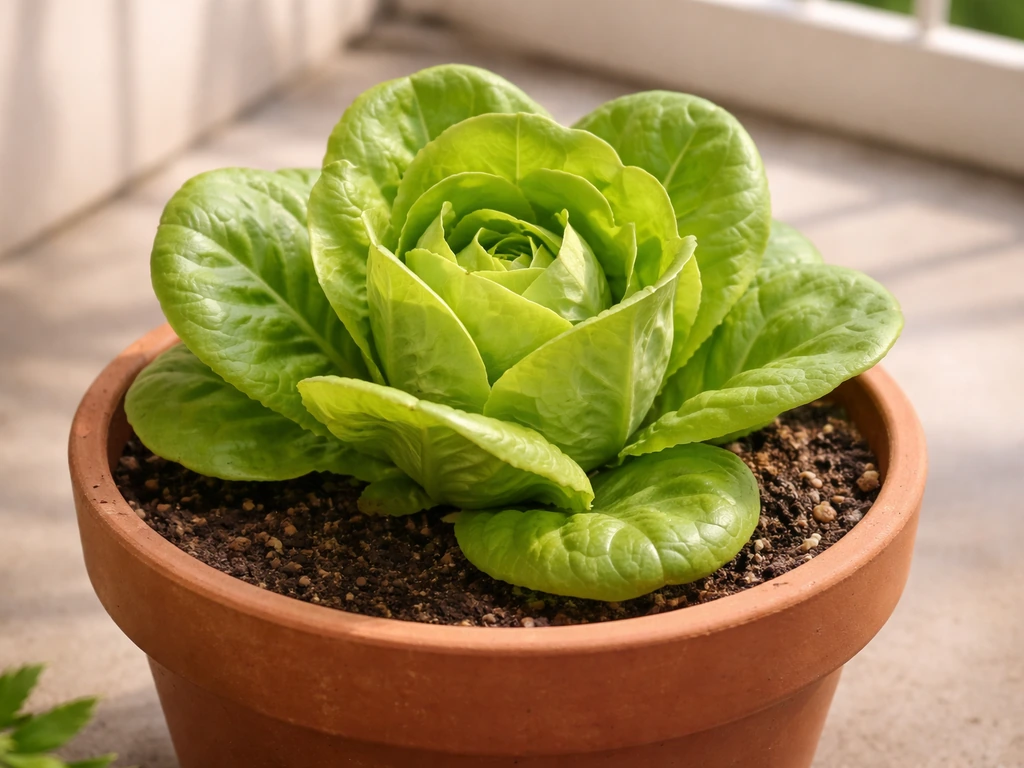
You can grow butter lettuce in a pot successfully with a container at least 8 inches deep, a good quality potting mix, consistent moisture, and a spot that gets 6 hours of light daily. To get crispy lettuce, aim for the right temperature, keep watering consistent, and harvest before the leaves turn bitter how to grow crispy lettuce. Most varieties go from seed to harvest in 42 to 70 days, and if you pick a bolt-resistant variety like Buttercrunch, you have a forgiving, fast-growing crop that suits apartment balconies, patios, and windowsills equally well.
How to Grow Butter Lettuce in a Pot: Step by Step
Marcus Holloway
29 May 2026
Best butter lettuce varieties for pots
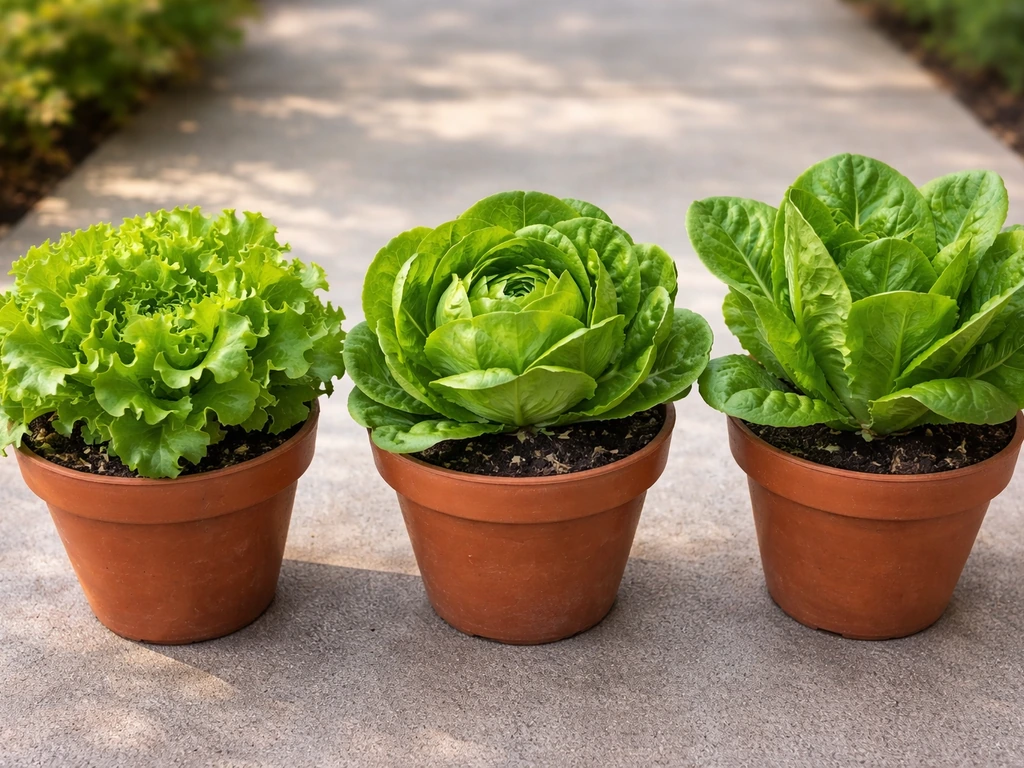
Not all butter lettuce varieties behave the same in containers, and heat tolerance matters most if you want a long harvest window. These three stand out for container growing specifically.
| Variety | Days to Maturity | Key Container Advantage |
|---|---|---|
| Buttercrunch | 55 days | Better bolt and heat tolerance than most butterheads; compact, forgiving in small pots |
| Anuenue | 50 days | Heat-tolerant, bolt-resistant, germinates even at soil temps above 80°F |
| Tom Thumb | 45–55 days | Miniature heads perfect for 6-inch pots; ideal for tight balconies or windowsills |
Buttercrunch is the one I recommend most to beginners. It matures in about 55 days, handles a bit of warmth without immediately shooting up a seed stalk, and produces that soft, buttery leaf texture the variety is known for. Anuenue is worth considering if you're growing in a warm climate or during late spring when temperatures are already climbing. Tom Thumb is its own category: genuinely miniature heads that sit comfortably in a 6-inch pot, which makes it useful if you're growing on a narrow windowsill or want several small containers instead of one big one.
Choosing the right pot, soil, and container setup
Pot size and drainage
Butter lettuce has shallow roots, so depth matters more than volume. A pot that is at least 8 inches deep and 10 to 12 inches wide gives a single plant room to form a proper head. If you want to grow three or four plants together, move up to a 12 to 16-inch wide container or a window box at least 8 inches deep. Drainage holes are non-negotiable. Lettuce roots sitting in standing water will rot within days. If the pot you love doesn't have holes, drill them before you fill it.
Potting mix setup
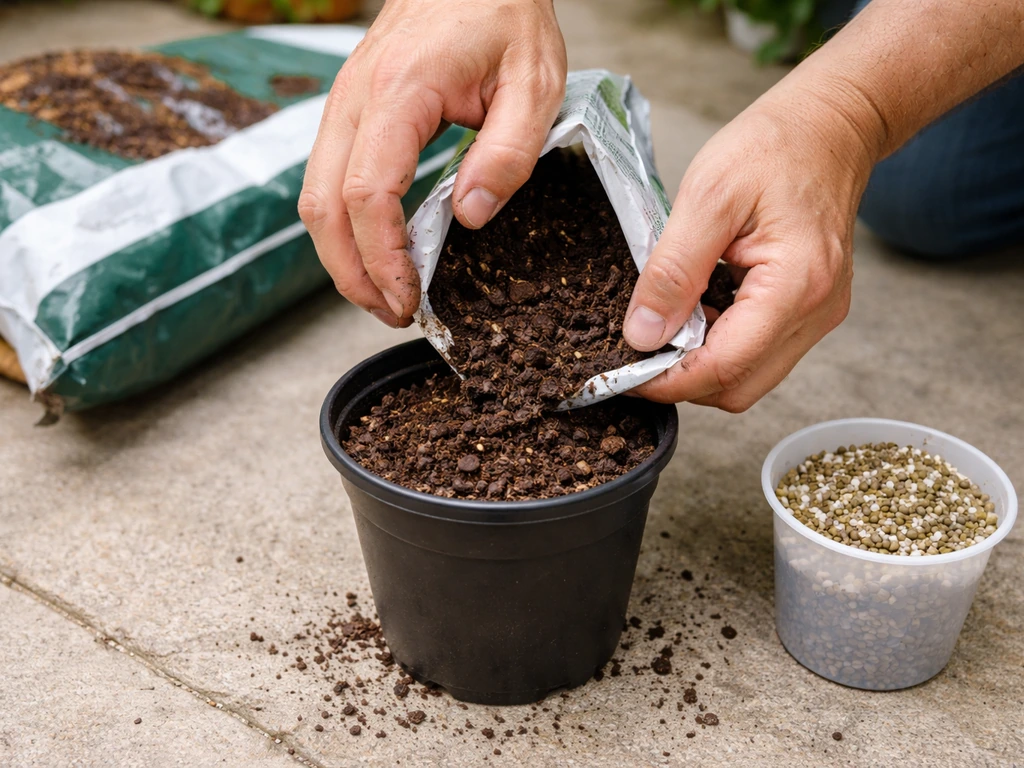
Use a quality commercial potting mix, not garden soil. Garden soil compacts in containers, drains poorly, and often brings pests and disease. A potting mix designed for containers stays loose, drains well, and holds just enough moisture for lettuce without staying soggy. Adding a handful of perlite to the mix improves drainage further if your pot tends to stay wet. Fill the container to within about an inch of the rim so water doesn't run off before soaking in.
Light, temperature, and placement for container lettuce
Butter lettuce grows best at 60 to 70°F. The sweet spot is roughly 65 to 70°F during the day and 45 to 55°F at night. It tolerates light frost, but once daytime temperatures consistently push above 75 to 80°F, bolting and bitterness become real risks. That temperature window is the most important thing to manage when you're growing in a container, because you have the ability to move the pot.
For outdoor placement, aim for 6 hours of direct sun in spring and fall. In late spring and summer, afternoon shade is genuinely helpful: a spot with morning sun and shade from noon onward keeps soil temperatures lower and delays bolting. Kansas State University describes shade cloth as a way to protect cool-season crops like lettuce from heat damage and help prevent bolting and bitter flavor during summer months afternoon shade is genuinely helpful. If you're on a west-facing balcony, rotate the pot or use a shade cloth rated at 30 to 40% to filter the hottest light during summer months.
Indoors, a south- or east-facing window that gets 6 or more hours of direct light is workable. If natural light is limited, a grow light positioned 4 to 6 inches above the seedlings for 14 to 16 hours a day will fill the gap. Low light produces leggy, pale plants that never form proper heads, so if your plants are stretching toward the window, that's your signal to supplement.
Growing butter lettuce entirely indoors is a topic that goes into more detail on its own, but for most people a bright windowsill or a grow light on a timer is enough to get results. If you want step-by-step guidance, see our full guide on how to grow butter lettuce indoors.
Planting methods: seeds vs transplants and spacing
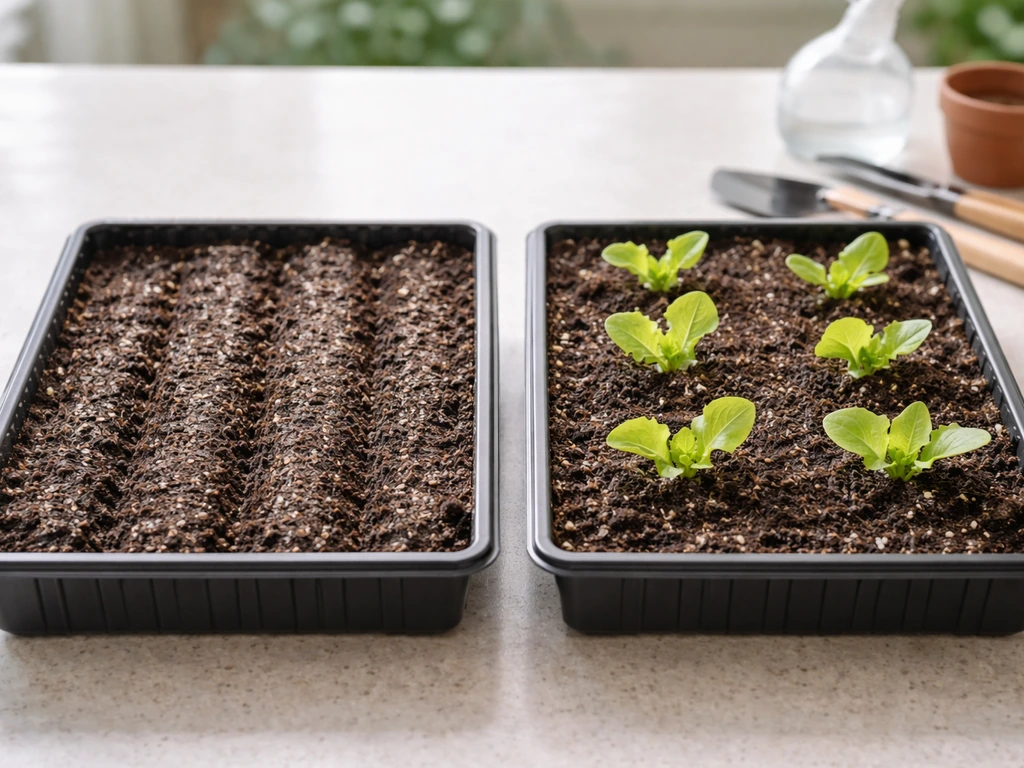
Starting from seed
Direct sowing in the container is simple and works well. Sow seeds at a depth of 1/4 to 1/2 inch, lightly cover with potting mix, and keep the surface evenly moist. Germination takes 7 to 10 days at typical indoor room temperatures. Thin seedlings once they have their first true leaves: for full butterhead development, final spacing should be 6 to 8 inches between plants. Crowded plants compete for nutrients and light, which results in small, loose heads.
For successive harvests, sow a small batch of seeds every two to three weeks rather than one large planting. This staggers your harvest and keeps fresh lettuce coming over a longer period.
Using transplants
If you buy transplants from a nursery or start seeds in trays indoors, harden them off over five to seven days before moving them to an outdoor container. Transplants give you a three to four week head start over direct seeding and are a good choice if you're growing late in the season and want to maximize your window before heat arrives. Plant transplants at the same depth they were growing in their original cell, water in well, and shade lightly for the first few days until they settle.
Timing
Spring and fall are the natural growing windows. For spring, start seeds indoors 4 to 6 weeks before your last frost date and move containers outside when overnight temperatures stay above 35°F. For a fall crop, count back 60 to 70 days from your first expected frost and sow accordingly. In mild climates (zones 9 to 11), butter lettuce grows outdoors through winter.
Watering and feeding schedule in a pot
Watering
Lettuce has shallow, fine roots and is genuinely sensitive to moisture fluctuations. The goal is uniformly moist soil, not wet, not dry. The best approach is to check the top inch of soil before watering: if it feels dry, water thoroughly until it runs out the drainage holes. That tells you the entire root zone has been rewetted. Do not water on a fixed schedule without checking first, because a pot in full sun on a hot day may need water twice, while the same pot on a cool cloudy day might still be moist from yesterday.
Container soil dries faster than garden beds, especially in terracotta pots or during summer. UNH Extension notes that because container soil dries quickly, frequent watering is critical, and container leafy greens often need more frequent watering than those grown in ground beds container soil dries faster than garden beds. During warm weather you may find yourself watering every one to two days. During cooler spring or fall weather, every two to three days is more typical. The danger signal is wilting leaves: lettuce wilts quickly in heat, but if it doesn't recover in the evening, the plant is stressed and quality will drop.
Feeding
Potting mix usually contains some starter fertilizer, so hold off on feeding for the first two to four weeks after planting. After that, begin a simple feeding routine: a balanced liquid fertilizer (something like a 10-10-10 or a purpose-made vegetable fertilizer) diluted to half strength every two weeks works well for container lettuce. Avoid overfeeding with nitrogen-heavy fertilizers, which can push leafy growth at the expense of flavor. If you see yellowing older leaves after the first month, that's a signal to feed more consistently.
Managing pests, diseases, and common container problems
Pests
The most common pests on container butter lettuce are aphids and slugs. Aphids cluster on the undersides of leaves and at the base of newer growth. A strong spray of water knocks most of them off; repeated applications over a few days usually break the cycle. Slugs are more of a problem on outdoor containers placed on the ground: elevating the pot on a stand or using a copper tape barrier around the rim stops most of them. Inspect the undersides of leaves every few days, especially during warm, humid weather.
Diseases
Damping off (where seedlings suddenly collapse at the soil line) is caused by overwatering and poor air circulation, and it spreads through wet potting media. The fix is prevention: don't overwater, use fresh potting mix for each new planting, and avoid letting seedlings sit in soggy trays. Powdery mildew shows up as a white dusty coating that spreads in circular patches across leaves. It is more common in warm, humid conditions with poor airflow. Remove affected leaves, improve air circulation around the pot, and avoid overhead watering. There is no good cure once it takes hold; prevention through spacing and airflow is the real answer.
Container-specific problems
- Root rot from poor drainage: always use containers with drainage holes and a free-draining potting mix
- Salt buildup from fertilizer: flush the pot thoroughly with plain water every four to six weeks to clear accumulated salts
- Heat stress from dark-colored containers: dark pots absorb more heat and can cook roots in summer; choose light-colored containers or wrap dark pots with burlap if needed
Harvesting, regrowth, and extending the season
When and how to harvest
Butter lettuce is ready to harvest anywhere from 42 to 70 days depending on the variety and growing conditions. The head is at its best when it feels firm, slightly cupped, and the leaves are full but not yet stretching upward. Waiting too long results in bitterness and toughness, so it is better to harvest a little early than late.
You have two harvesting approaches. For a cut-and-come-again harvest, remove outer leaves starting from the base, leaving the inner growth point intact. The plant will continue producing new leaves for several more weeks. For a full head harvest, cut the entire plant about an inch above the soil surface. This sometimes encourages regrowth from the base, though regrowth is less reliable in hot weather.
Extending the season
In spring, use row cover fabric over the container to protect against late frosts and extend your growing window by two to three weeks. In summer, shift to 30 to 40% shade cloth to reduce heat load and slow bolting. Moving the container to a cooler, shadier spot is often enough on its own. In fall, row cover again prolongs harvest as temperatures drop. Successive sowing every two to three weeks is the single most effective way to keep butter lettuce on the table through the whole cool season.
Troubleshooting: bolting, bitterness, small heads, and uneven growth
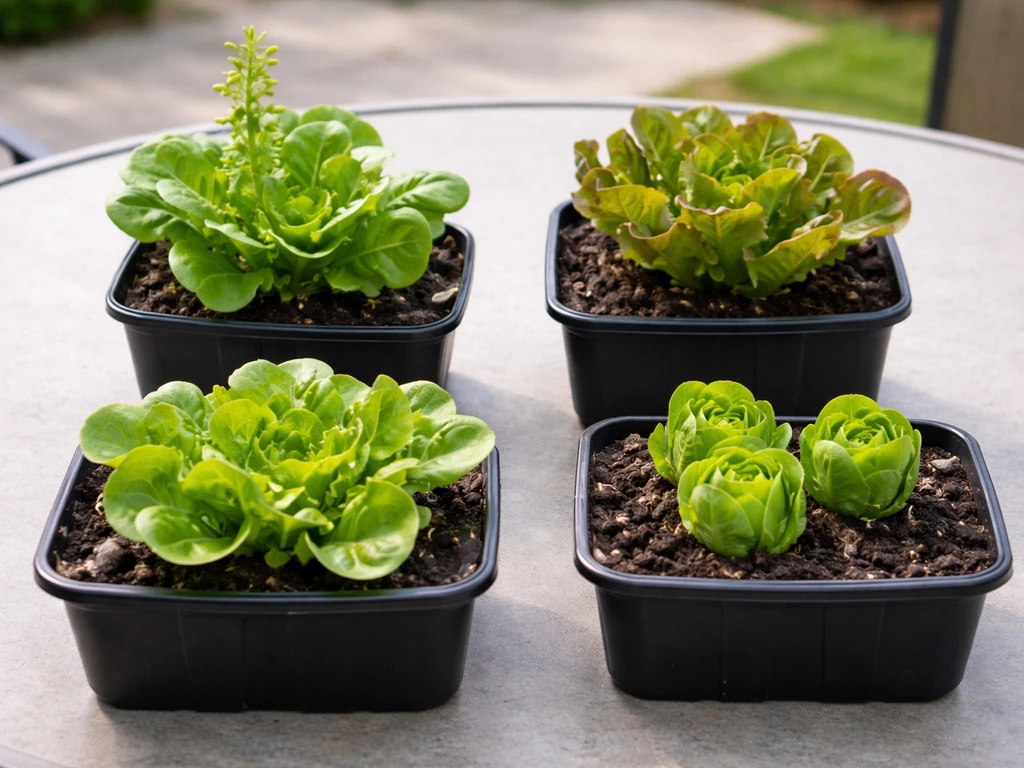
Most container butter lettuce failures come down to a handful of predictable problems. Here's how to diagnose and fix each one quickly. If you want step-by-step guidance beyond varieties, this container lettuce guide covers setup, light, watering, and troubleshooting so your harvest stays reliable.
| Problem | Likely Cause | What to Do |
|---|---|---|
| Bolting (plant shoots up a tall center stalk) | Temperatures above 75–80°F, long days, or heat stress from the pot sitting in full sun | Move the container to shade, apply shade cloth, harvest immediately to salvage leaves before they turn bitter |
| Bitter leaves | Bolting triggered by heat or long days, or harvest delayed past peak maturity | Harvest earlier; choose bolt-resistant varieties like Buttercrunch or Anuenue; use shade cloth in late spring and summer |
| Small, loose heads | Insufficient spacing (plants crowded), low light, or insufficient water or nutrients | Thin to 6–8 inches between plants; move to a brighter spot or add a grow light; check soil moisture and feeding routine |
| Leggy, pale plants | Not enough light (common in indoor setups) | Move pot to a brighter window or add a grow light 4–6 inches above plants for 14–16 hours per day |
| Uneven growth across the pot | One side gets more light than the other, or uneven watering | Rotate the container 180 degrees every few days; water evenly and check all parts of the pot surface before watering |
| Seedlings collapsing at soil line (damping off) | Overwatering and poor air circulation | Let soil surface dry slightly between waterings; improve airflow; start fresh with new potting mix if the problem recurs |
Bolting is the most frustrating problem for container growers because it feels sudden. One week the plant looks fine; the next, a thick stalk is forming and the leaves taste sharp. The honest truth is that once a plant commits to bolting, you can't reverse it. Your job is to delay it by managing temperature and timing, then harvest the moment you see the center of the plant starting to elongate. The leaves are still edible at that point, just less sweet than at peak. For warm-climate gardeners or anyone growing through late spring, Buttercrunch and Anuenue are genuinely worth choosing over standard butterhead varieties for exactly this reason.
FAQ
What size pot do I actually need per plant for butter lettuce?
If you want one plant per pot, aim for 10 to 12 inches wide and at least 8 inches deep so the shallow roots can still spread enough to form a proper head. For 3 to 4 plants together, use 12 to 16 inches wide, keep the depth at 8 inches or more, and maintain 6 to 8 inches of spacing even if it feels roomy at planting.
How can I tell if my potting mix is staying too wet (or too dry)?
Use a two-step check: feel the top inch, then look at drainage. If the top inch is moist but leaves are drooping, it may be overwatering or poor drainage, not underwatering. After watering, the pot should drain freely, and the saucer should be emptied so the root zone never sits in water.
Should I harvest outer leaves or wait for full heads in a container?
Outer-leaf harvesting is often safer in containers because it reduces the risk of heat-triggered bitterness during longer waits for a full head. If temperatures are stable and you can manage the 60 to 70°F range, full-head harvesting works well, just watch the center closely and cut earlier rather than later.
My butter lettuce is getting tall and leggy, what should I change first?
Start with light. If plants stretch toward the window, increase direct light hours, rotate the pot every few days indoors, or move the grow light closer (about 4 to 6 inches) while keeping it on a consistent timer for 14 to 16 hours daily. Overfertilizing can also worsen legginess, so avoid extra nitrogen if you see fast, soft growth.
How often should I fertilize butter lettuce in a pot?
After the first 2 to 4 weeks, feed every two weeks with diluted balanced liquid fertilizer, roughly half strength. If you see older leaves yellowing, increase consistency rather than switching to a higher-nitrogen product, because too much nitrogen can dilute flavor and make leaves more prone to problems.
Why does my lettuce bolt even when I keep watering?
Bolting is mainly about temperature and day length stress, not water alone. If daytime hits the mid to high 70s consistently, shift the pot earlier in the day to shade, use 30 to 40% shade cloth outdoors, or move it indoors during heat spikes. Harvest as soon as the center elongates, since bitterness follows quickly once bolting is underway.
Can I grow butter lettuce in a self-watering pot or planter?
You can, but only if the water reservoir does not keep the soil constantly saturated. Use a design that allows excess water to drain away from the root zone, and still monitor moisture with the top-inch finger test. If the soil feels wet all the time, switch to standard drainage-heavy pots or reduce reservoir fill frequency.
Do butter lettuce seeds need to be started indoors or can I sow directly?
Direct sowing works well because the crop is quick, and it reduces transplant shock. Start indoors only if you are trying to beat a short spring window or you want the head start for a fall crop. If you transplant, harden off for 5 to 7 days and plant at the same depth as the original cell.
What’s the best way to prevent damping off in container lettuce seedlings?
The biggest lever is avoiding soggy media. Use fresh potting mix for new sowings, keep airflow around seedlings (do not crowd), and only water enough to keep the surface evenly moist until germination. Once seedlings are up, switch to careful, targeted watering so the soil can partially dry between checks.
How do I manage aphids on a balcony without harming the plants?
Start with the simplest mechanical control: rinse aphids off with a strong spray and repeat daily for several days to break the life cycle. If they return after a few days, focus on undersides of leaves and the base of new growth, and consider isolating the most infested pot to prevent spread.
Are slugs a serious problem in pots on a stand?
They are much less likely on stands, but not impossible if greenery stays close to the pot. Keep the area around the container clear of debris, inspect the rim and underside of leaves regularly, and use a copper barrier around the rim if you have persistent slug pressure outdoors.
My lettuce tastes bitter, what caused it and can I still save it?
Bitterness usually signals you waited too long or the plant got heat stress while nearing bolting. If the center is elongating, harvest immediately, and if bitterness appears on a whole pot, pull and re-sow rather than expecting flavor to improve. Next time, stagger sowings every two to three weeks and protect during hot afternoons.