Butter lettuce grows really well in containers, better, honestly, than most vegetables you could choose. Pick a pot at least 8 inches deep, fill it with a quality potting mix at pH 6.0–6.8, space plants 8–10 inches apart, keep temperatures between 60–70°F, and water consistently so the soil stays evenly moist. Do those five things and you will get crisp, sweet leaves in as little as three weeks for baby leaves, or a full head in 60–75 days. The variety you choose matters too, and buttercrunch is the one I recommend most for containers, here is exactly how to set everything up.
How to Grow Butter Lettuce in Containers Step by Step
Marcus Holloway
24 May 2026
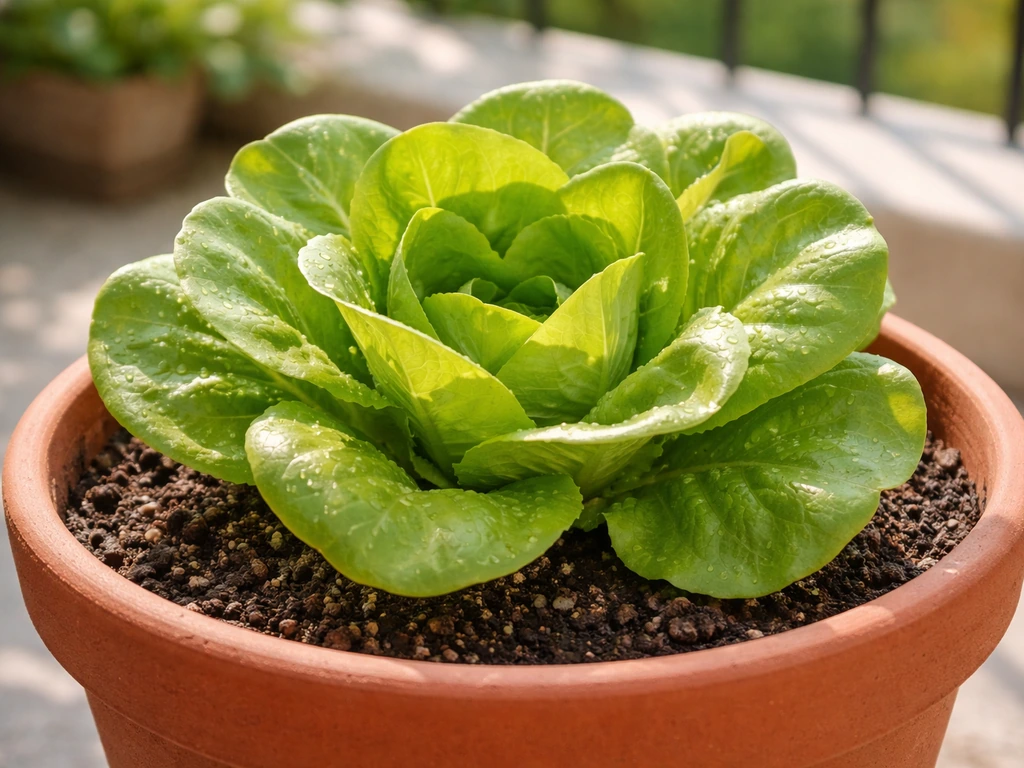
Butter Lettuce vs Buttercrunch: Which One Should You Grow in a Container?
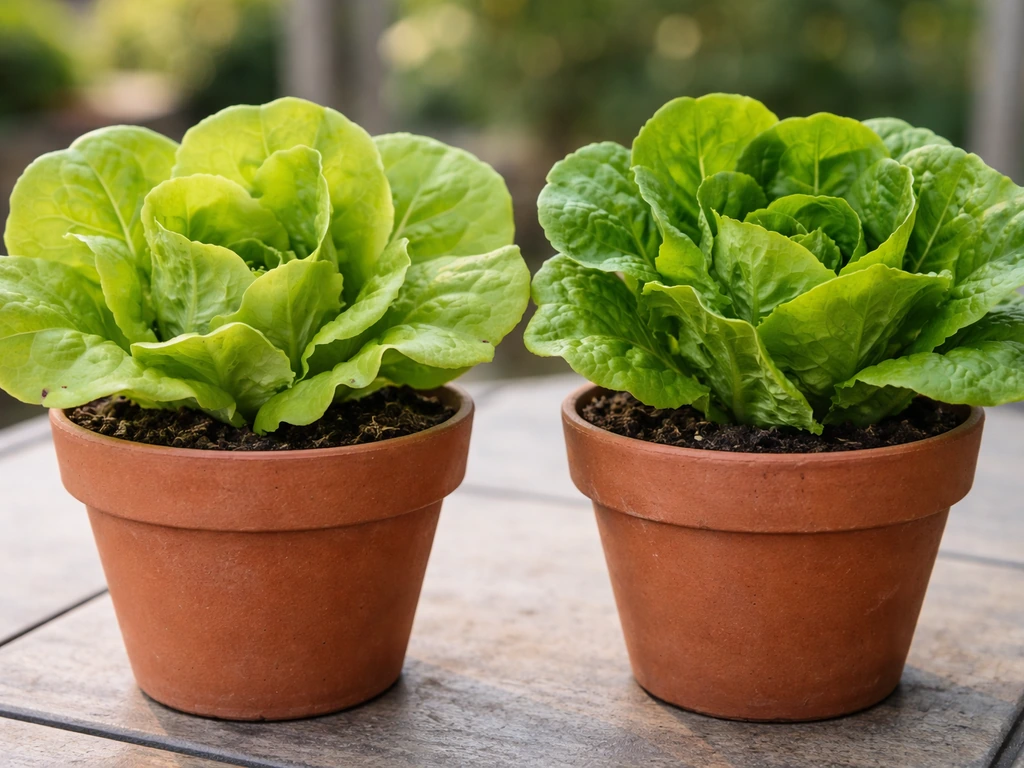
Butter lettuce is a broad category that includes any butterhead type, soft, pliable leaves, a loose head, and a mild, sweet flavor. Buttercrunch is a specific variety within that group, and it is the one I always steer container gardeners toward. The reason is simple: buttercrunch is notably slow to bolt compared to most other butterhead types. Bolting (when the plant shoots up a flower stalk and turns bitter) is the number one container lettuce problem, and having a variety with better heat tolerance buys you extra weeks of harvesting before that happens.
Standard butter lettuce varieties are still excellent choices and tend to be slightly more tender-leafed, but they will bolt faster once temperatures climb. If you are growing indoors where temperatures stay stable, either works fine. If you are growing outdoors or in a spot that warms up in spring or summer, buttercrunch gives you more breathing room. For most people reading this today, buttercrunch is the safer, more forgiving pick.
| Feature | Butter Lettuce (general) | Buttercrunch (recommended) |
|---|---|---|
| Leaf texture | Very soft, delicate | Crisp yet tender |
| Bolting tolerance | Moderate | Slow to bolt — better heat tolerance |
| Days to baby leaves | ~21 days | ~21 days |
| Days to full head | 50–65 days | 60–75 days |
| Best for containers | Yes | Yes, especially outdoors |
| Cut-and-come-again | Yes | Yes |
Container Setup: Size, Drainage, Soil, and Spacing
Container size and depth
Butter lettuce has a relatively shallow root system, so you do not need a deep pot, but you do need enough volume to buffer moisture and temperature swings. A container at least 8 inches deep works for a single plant, but I prefer 10–12 inches deep when growing multiple heads. Width matters more than depth here. A 12-inch-wide pot fits about 2 buttercrunch plants comfortably. A window box or rectangular planter that is 24 inches long can hold 3–4 plants at proper spacing. Fabric grow bags in the 3–5 gallon range work great because they air-prune roots and drain well naturally.
Drainage, do not skip this
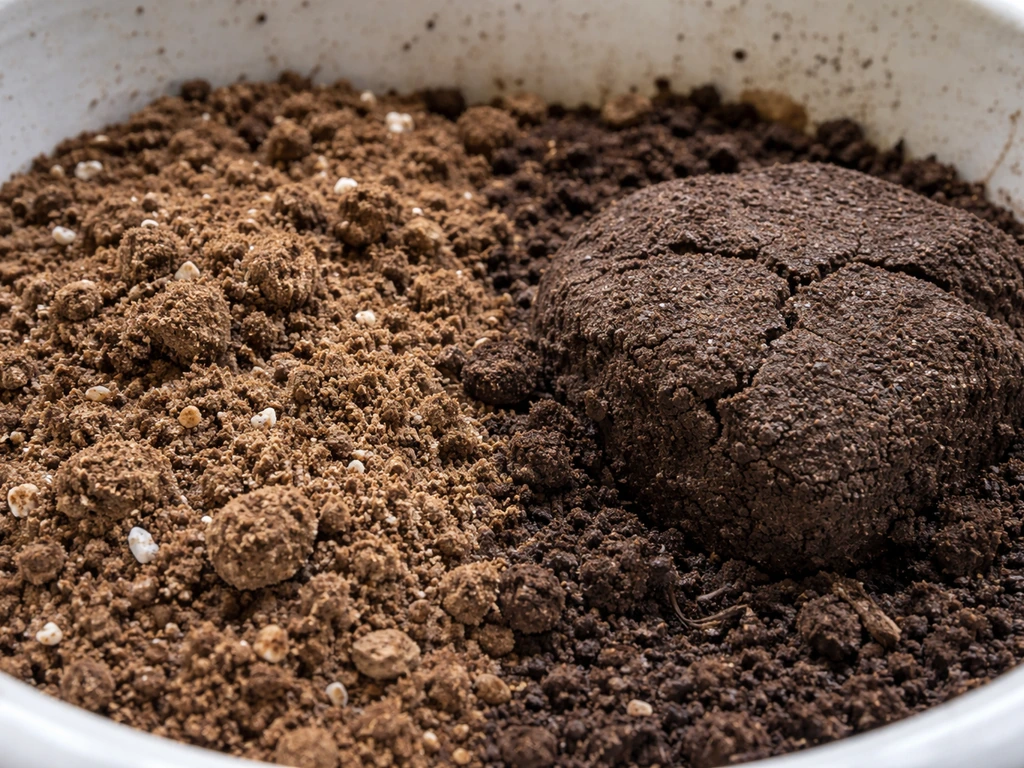
Every container must have drainage holes. Lettuce roots sitting in standing water will rot quickly. If you are using a decorative pot with a saucer or cache pot underneath, check it after every watering and dump out any water that collects. This sounds tedious but it takes 10 seconds and prevents root rot. Self-watering containers with a reservoir work well for lettuce, provided the design includes an overflow hole so the water level in the reservoir cannot rise into the root zone. These systems give you that consistent moisture lettuce loves without the wet-feet problem.
The best soil mix for container butter lettuce
Use a quality potting mix, not garden soil. Garden soil compacts in containers and kills drainage. A good potting mix holds moisture while still letting excess water drain, which is exactly what lettuce needs. Target a pH of 6.0–6.8, this is the practical sweet spot where lettuce absorbs nutrients most efficiently. Most bagged potting mixes land close to this range. If you want to be precise, pick up a cheap soil pH test and add a small amount of dolomite lime if your mix runs acidic. For indoor growing or if you want to go soilless, a peat-perlite or coco coir-perlite blend works very well and stays lighter, which is handy on balconies or shelves.
Spacing so plants actually produce
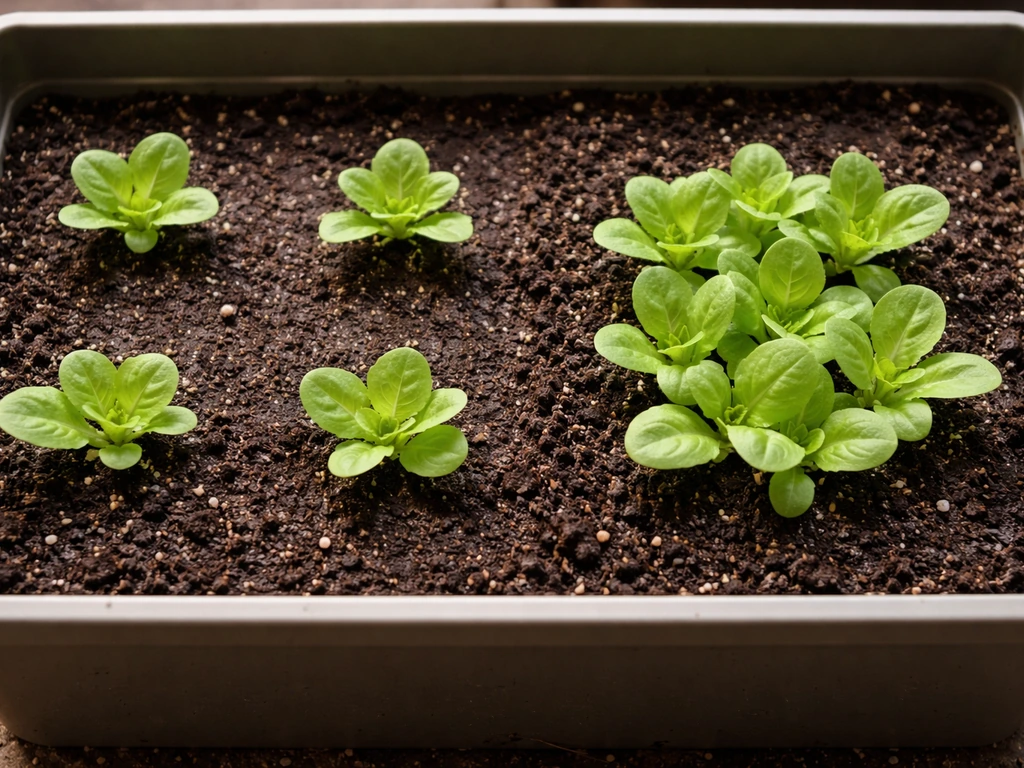
Space buttercrunch plants 8–10 inches (20–25 cm) apart. Crowding is a common beginner mistake because seedlings look tiny and the gaps feel wasteful. They are not. Crowded lettuce competes for light, air, and nutrients, you get smaller, weaker plants that bolt faster. If you are growing for baby leaves rather than full heads, you can sow more densely and thin as you harvest, but for head formation, commit to the 8–10 inch spacing.
Light and Temperature: Where to Place Your Container and When to Plant
Outdoor placement
Outdoors, butter lettuce wants full sun in cool weather, roughly 6 hours of direct light per day. As temperatures rise toward summer, afternoon shade becomes your best friend. Move containers to a spot that gets morning sun and shade from about 1 pm onward. This single adjustment can extend your outdoor harvest by 3–4 weeks. Avoid south-facing spots with reflected heat from walls or pavement; that radiant heat pushes soil temps up fast and triggers bolting even on mild days.
Indoor grow-light setup
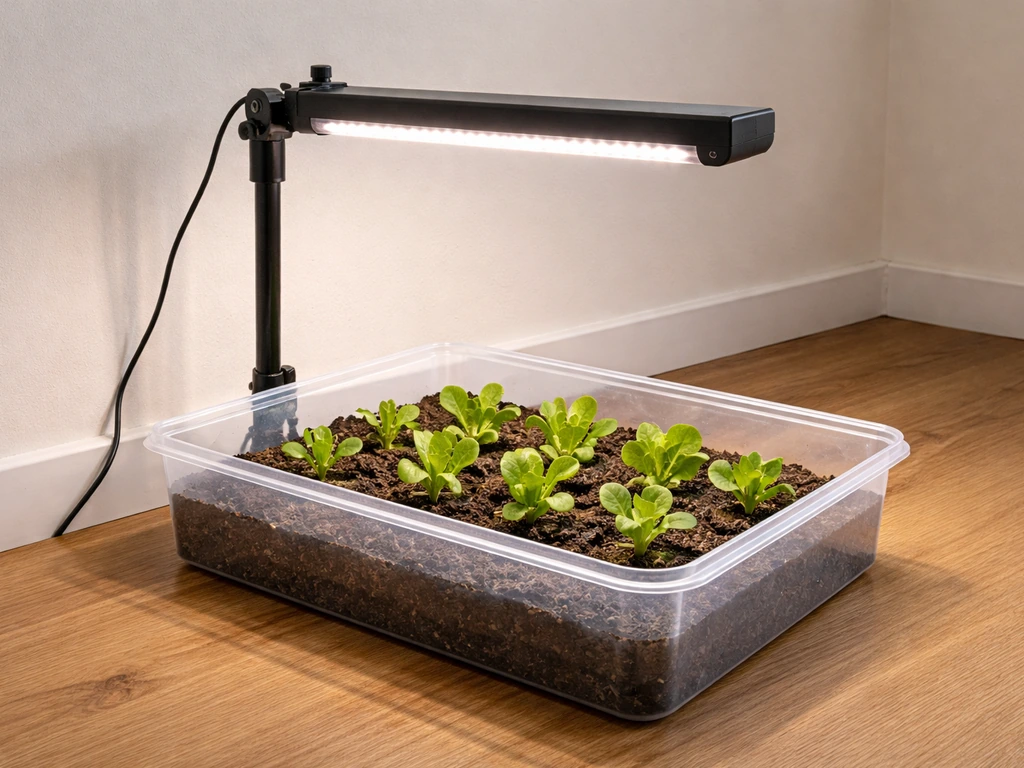
Indoors without a bright south-facing window, you will need a grow light. Lettuce is not as light-hungry as fruiting crops, but it still needs far more than a typical houseplant. CityRooted notes that insufficient light can cause lettuce to stretch or elongate, and that lettuce generally needs much more light than typical houseplants to keep leafy growth compact.
Aim for a PPFD (photosynthetic photon flux density) of 150–350 µmol·m⁻²·s⁻¹ at the canopy, the lower end of that range for seedlings, the higher end for established plants. Run the light for 14–16 hours per day. Positioning matters: if the light is too far away, the plants stretch toward it and you get leggy, weak growth. Start with the light about 6–8 inches above seedlings and raise it as plants grow.
Temperature and timing to prevent bolting
Butter lettuce's ideal growing temperature is 60–70°F. Quality declines noticeably above that, and once you hit multiple days above 75°F, the plant starts to bolt. UMN Extension also notes that lettuce becomes extremely bitter after flowering or bolting, and that multiple days of high temperatures above 75°F can trigger bolting [multiple days above 75°F, the plant starts to bolt. ](https://extension.
umn. edu/vegetables/growing-lettuce-endive-and-radicchio). Bolted lettuce turns bitter and is not worth eating. For outdoor growing, this means planting in early spring (4–6 weeks before your last frost date) or in late summer for a fall crop.
Right now in late May 2026, if you are in a warm climate, your best move is to either switch to an indoor setup with climate control or use shade cloth and position containers to avoid heat stress. In cooler climates, you may still have 3–4 good outdoor weeks left before summer heat sets in. Indoors, as long as your space stays under 70°F, you can grow butter lettuce year-round.
Planting and Seedling Care: Sowing, Thinning, and Succession Planting
Sowing seeds
Sow buttercrunch seeds shallowly, about 1/8 to 1/4 inch deep. Lettuce needs light to germinate, so do not bury the seeds. Press them gently into moist soil and cover with just a thin scraping of mix. Keep the surface consistently moist until germination, which happens in 7–10 days at temperatures around 65–70°F. Germination slows significantly if it is too warm, so if you are sowing indoors in a warm space, a basement or cool corner of the house works better than a sunny windowsill at this stage.
Thinning seedlings
Once seedlings are about 2 inches tall, thin them to your target spacing. Snip extras at soil level with scissors rather than pulling, pulling disturbs the roots of the plants you want to keep. Those thinnings are edible microgreens, so do not throw them away. Thinning feels brutal when your seedlings are tiny, but overcrowded lettuce produces poorly and is more prone to disease.
Succession planting for a continuous harvest
The smartest thing you can do with container lettuce is sow a new container every 2–3 weeks instead of planting everything at once. This staggers your harvest so you always have young, crisp plants ready while your older ones finish. Keep 2–3 containers on rotation: one just seeded, one at the thinning stage, one being harvested. It takes up no more space than one big pot and gives you a reliable supply of leaves rather than a glut followed by nothing.
Watering and Feeding Schedule for Crisp Leaves
Watering frequency and the finger-check method
Consistent moisture is one of the biggest keys to non-bitter, crisp butter lettuce. The goal is evenly moist soil, not soaking wet, not drying out between waterings. Check moisture by pressing your finger about an inch into the soil. If it feels dry at that depth, water thoroughly until it drains from the bottom. In warm or windy conditions, containers may need watering every day. In cool, shaded spots, every 2–3 days might be enough. The worst thing you can do is let the soil go dry for a few days, then flood it, that stress cycle contributes directly to bitterness and early bolting. Self-watering containers solve this problem almost automatically, which is why I like them for lettuce.
Feeding: keep it light
Butter lettuce is a light feeder. A quality potting mix with compost already in it will carry plants for 3–4 weeks without any additional fertilizer. After that, a half-strength balanced liquid fertilizer (something like a 5-5-5 or 10-10-10 diluted to half the recommended rate) applied every 2–3 weeks is plenty. Avoid heavy nitrogen feeding, it can push leafy growth that looks lush but actually makes the plant more prone to bolting and can affect flavor. I tend to use a fish emulsion or kelp-based fertilizer at half strength for leafy greens because it is gentle and unlikely to over-push the plants.
Harvesting: Cut-and-Come-Again vs Full Harvest, and How Long It Actually Takes
Timeline from seed to harvest
You can start harvesting baby outer leaves from buttercrunch as early as 21 days after germination, this is the cut-and-come-again method and it is the fastest way to get usable greens. For a full, formed buttercrunch head, plan on 60–75 days from seed. Most gardeners end up doing a mix of both: picking outer leaves regularly from about week 3 onward, then doing a full harvest when the head firms up or when temperatures start pushing up.
Cut-and-come-again harvesting
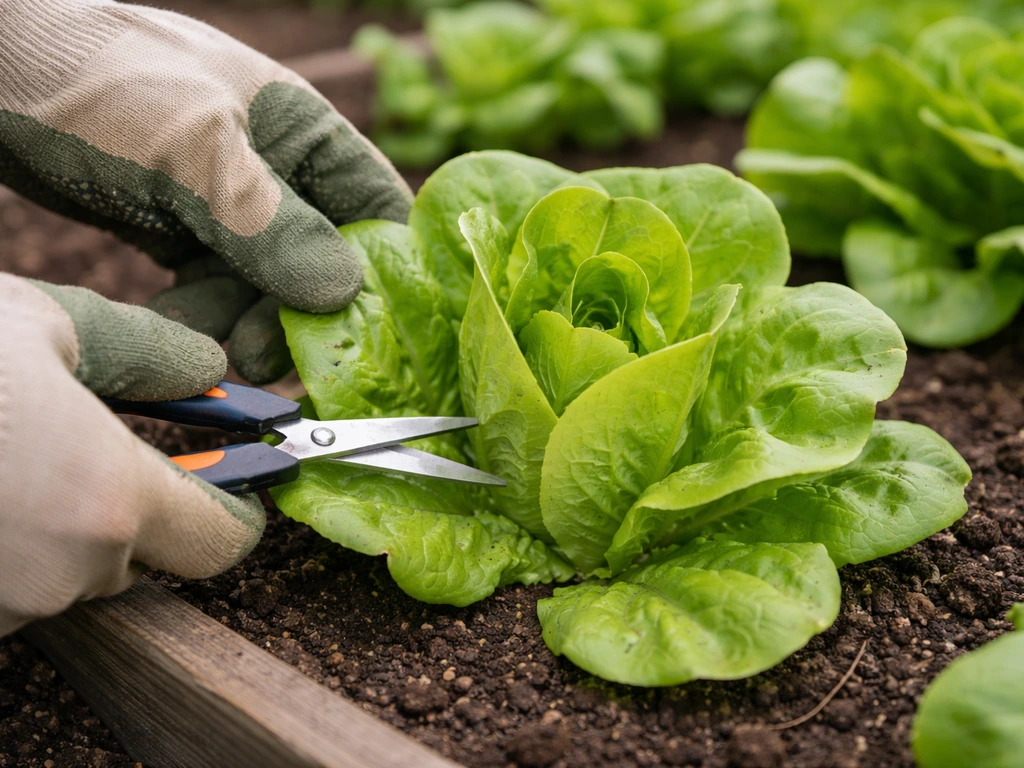
For cut-and-come-again, take the outer leaves first and leave the inner crown intact. Use scissors or a clean knife and cut leaves off at the base, leaving the growing center untouched. The plant regrows from the center and you can repeat this every 7–14 days for several rounds of harvest. This method works best earlier in the plant's life cycle, before any bolting signs appear. It also works better in cooler conditions, heat-stressed plants regrow more slowly and may skip straight to bolting between cuts.
Full head harvest
For a full harvest, wait until the head feels firm and leafy when you squeeze it gently, then cut the whole plant at the base. You can also do a "cut-high" approach: cut the plant about an inch above the soil and sometimes it will resprout for another smaller harvest, though this is less reliable with butterhead types than with loose-leaf varieties. Once you see the center start to elongate and point upward, harvest immediately, that is the first sign of bolting and you want to eat those leaves before they turn bitter.
Troubleshooting the Most Common Container Problems
Leggy, stretched-out seedlings
If your seedlings are tall, thin, and flopping over, they are not getting enough light. This happens indoors when grow lights are positioned too high or not bright enough, and outdoors when containers end up in too much shade. Move the container to a brighter spot immediately, or lower your grow light to within 6–8 inches of the canopy. Leggy seedlings can sometimes recover if caught early, but they never become as sturdy as well-lit seedlings. Preventing this is easier than fixing it.
Bitter leaves
Bitterness almost always traces back to heat stress, water stress, or bolting, often all three at once. If your leaves are turning bitter, check the temperature first. If daytime temps are regularly above 75°F, the plant is under heat stress. Move the container to shade, water more frequently, and harvest everything you can while it is still edible. Once a plant fully bolts, bitterness is irreversible and the best move is to pull it and start fresh with a new container. Avoiding inconsistent watering (dry spells followed by flooding) also helps prevent bitterness.
Bolting before you are ready to harvest
If your plant is bolting earlier than expected, the culprits are usually heat, long days, or both. Buttercrunch is slower to bolt than most varieties, but it is not immune. In late spring and summer, keep containers out of direct afternoon sun, water consistently to reduce stress, and consider harvesting the whole plant at the first sign of bolting rather than waiting. A bolted plant will not recover, harvest now and start a new container in a cooler spot or wait for fall.
Pests: aphids and caterpillars
The most common pests on container lettuce are aphids and caterpillars (cabbage loopers, imported cabbageworms). Aphids cluster on the undersides of leaves and at the base of new growth, small colonies can be knocked off with a strong spray of water. Larger infestations respond well to insecticidal soap spray. Caterpillars leave ragged chew marks and small pellets of frass. Pick them off by hand or use a Bt (Bacillus thuringiensis) spray, which is safe for edible crops and very effective on caterpillars. Check plants every few days because small pest problems escalate quickly on young lettuce.
Wilting despite regular watering
If your butter lettuce is wilting but the soil feels moist, the problem is usually one of two things: root rot from poor drainage (roots cannot absorb water if they are rotting), or heat stress causing midday wilting that the plant recovers from by evening. Check that your drainage holes are not blocked and that water is not pooling at the bottom. If roots look brown and mushy, the plant is unlikely to recover, improve drainage for your next container. If the plant perks back up in the evening after wilting midday, that is heat stress; shade the container during the hottest part of the day.
Your Action Plan for This Week
Here is what to actually do right now if you are starting from scratch or troubleshooting an existing container planting. This week's priorities depend on where you are in the process.
- Choose buttercrunch seeds if you do not have them yet — they are widely available and the slow-bolting trait is worth it.
- Select a container at least 8–10 inches deep with drainage holes; a 3–5 gallon fabric grow bag or a 12-inch pot works well for 2 plants.
- Fill with a quality potting mix at pH 6.0–6.8, not garden soil.
- Decide on your location: outdoors in a spot with morning sun and afternoon shade, or indoors under a grow light set to run 14–16 hours with the bulb 6–8 inches above the canopy.
- Sow seeds 1/8–1/4 inch deep, keep soil moist, and expect germination in 7–10 days.
- Thin to 8–10 inch spacing once seedlings reach 2 inches tall.
- Start a second container 2–3 weeks after the first for a staggered harvest.
- Begin harvesting outer leaves at 21 days; plan for full heads at 60–75 days.
- Check soil moisture daily — water when the top inch is dry, and never let it fully dry out.
If you are already growing butter lettuce and running into problems, start with temperature and light, they cause most of the common issues. If you want to go deeper on growing butter lettuce entirely indoors year-round, that setup has some additional considerations around humidity and light schedules worth exploring. And if you are drawn to compact varieties for small pots, Tom Thumb lettuce is another excellent container option that forms a tiny head and fits in even the smallest spaces.
FAQ
Can I use a plastic cover or humidity dome when growing butter lettuce seeds in containers?
Yes, but keep it temporary. Butter lettuce seedlings need light to germinate, then stable moisture to avoid early stress. If you cover the pot, use a clear humidity dome or plastic wrap only until most seeds sprout, then remove it immediately to prevent fungal damping-off.
When should I start fertilizing butter lettuce in a container, and how do I know I am feeding too early or too much?
Fertilize only after the plant has settled in, around 3 to 4 weeks after sowing. If your potting mix already has compost, skip feeding the first month. Then use half-strength balanced liquid every 2 to 3 weeks, and pause feeding if leaves look darker and growth stalls, which can indicate nutrient imbalance in containers.
If my butter lettuce is almost ready but I suspect bolting, should I keep waiting or harvest early?
For flavor and texture, harvest before the plant elongates upward. When you see the center start pointing up and the leaves loosen from the head, cut and eat immediately, even if it is not fully formed. Once bitterness starts, later harvesting does not reverse it, so timing matters more than “getting a bigger head.”
How can I grow butter lettuce in containers in very warm summers without it bolting?
You can, but treat it like an outdoors crop. Butter lettuce is sensitive to heat accumulation, so in warm weather you may need to move the container indoors (or under shade) during midday, especially in late spring and summer. Use a thermometer, aim to keep the container’s root zone under about 75°F, not just the air temperature.
What is the best way to tell whether to water butter lettuce in containers (and how much)?
Use the soil-test method, then adjust your watering schedule. If the top inch dries but the next inch is still moist, water less often but still thoroughly. If both inches are dry, water with enough volume to drain from the bottom. Avoid the “little sips” approach, it wets the surface and leaves the root zone unevenly moist.
My container drains but still seems to hold water. How do I fix drainage problems for butter lettuce?
At least one hole is mandatory, and you also want fast drainage. If water drains slowly or sits in the pot, empty the saucer and repot with a better mix, because compacted media or blocked holes can create root rot. When you water, aim for water to run out the bottom within a short time window.
Can I crowd butter lettuce plants in containers for quicker harvests?
Yes, but it depends on your goal. For baby leaves, you can sow a bit denser and do repeated outer-leaf harvests. For full heads, follow the 8 to 10 inch spacing, because crowding makes smaller, weaker heads and increases bolting risk even if the plants look “healthy” at first.
My butter lettuce wilts midday. How do I tell if it is heat stress or a drainage/root problem?
A quick response is usually enough. If you see wilting midday that improves by evening, provide afternoon shade and check watering frequency. If wilting persists all day, pull back from heat stress checks and inspect roots for mushiness and confirm holes are not clogged, since persistent wilting often signals drainage or root health issues.
Will butter lettuce grow well on a balcony or patio planter, and what placement mistake should I avoid?
Yes, especially in small spaces, but you need airflow. Place the container where it gets enough direct light in cool weather, then shift it to morning sun plus afternoon shade as temperatures rise. Do not put lettuce directly up against warm walls or reflective surfaces, that local heat can trigger bolting sooner.
What scheduling approach prevents the common “glut, then nothing” problem when growing butter lettuce in containers?
If you want a steady supply, start a new pot before the first one is fully done, not after. A practical rule is to sow every 2 to 3 weeks, and keep at least one container in “harvest window” while one container is at the seedling or thinning stage. This prevents the common gap where everything reaches maturity at once.