Crispy lettuce comes down to four things: picking the right variety, keeping temperatures cool (below 75°F), maintaining steady, consistent moisture, and harvesting at the right moment. Nail those four, and you'll pull leaves that snap rather than flop. Miss any one of them, and you'll get the limp, bitter greens that made you search for this article in the first place.
How to Grow Crispy Lettuce at Home: Step-by-Step Guide
Marcus Holloway
8 Jun 2026
What 'crispy lettuce' actually means and which varieties deliver it
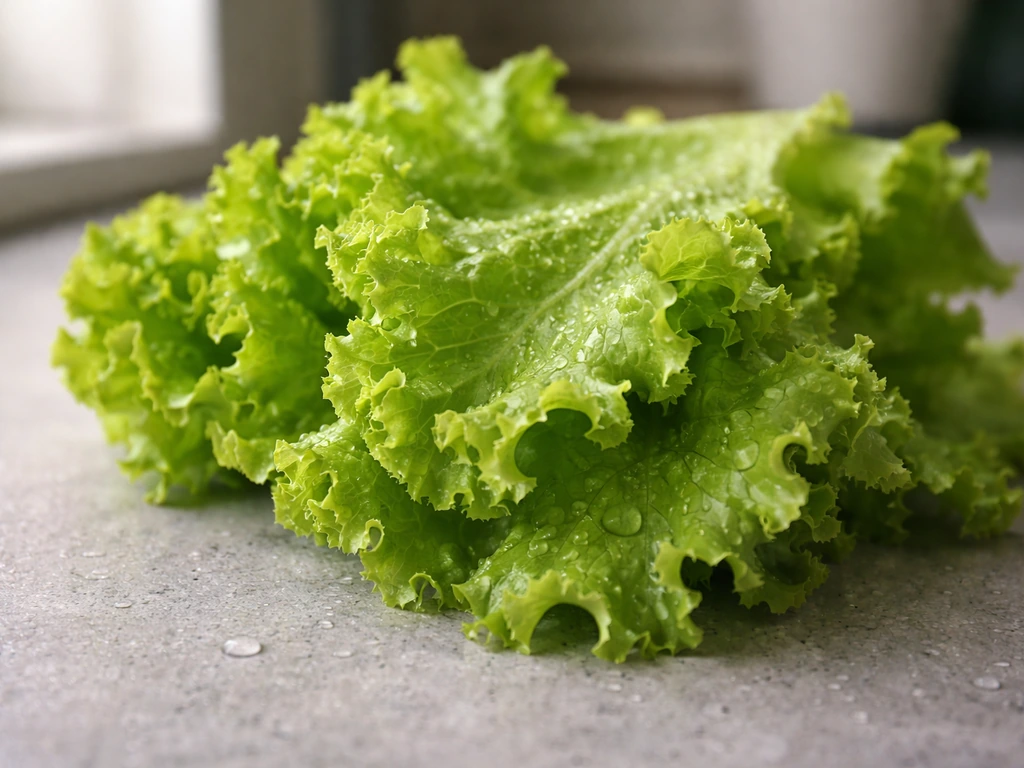
Crispness is a physical thing. A lettuce leaf is roughly 95% water, and that crunch you get when you bite into a good leaf is plant cells that are fully turgid, meaning they're holding their internal water pressure. The moment cells lose that pressure, whether from heat stress, underwatering, or sitting too long after harvest, the leaf goes limp. So when people say they want crispy lettuce, they're really asking how to keep those cells full and happy from seed to plate.
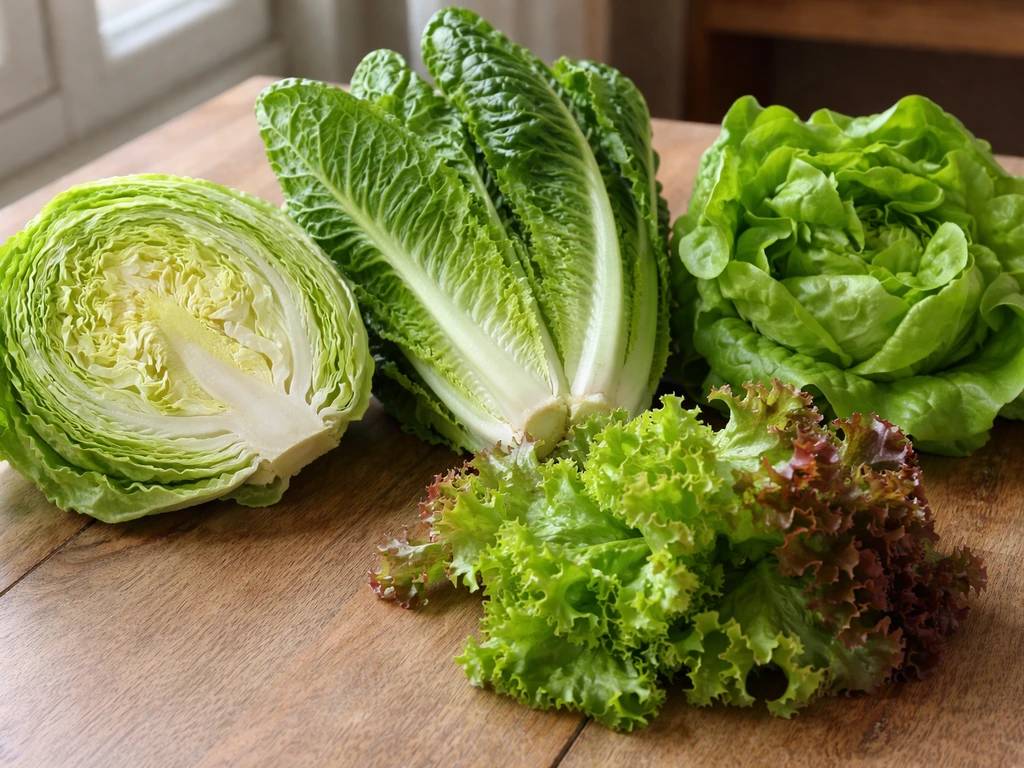
Not all lettuce varieties are equally good at this. Some types are bred specifically for crunch, while others (looking at you, butterhead/Bibb) are naturally softer and more prone to going bitter in the heat. ProdGuideLettuce’s production guidance differentiates how lettuce types like crisphead versus butterhead are handled, reflecting different cultural expectations that affect texture outcomes blank" rel="noopener noreferrer">butterhead/Bibb. Here's how the main types stack up for crispness:
| Type | Crispness Level | Heat/Bolt Tolerance | Best For |
|---|---|---|---|
| Crisphead (Iceberg) | Highest | Low — needs cool weather | Maximum crunch, outdoor beds in cool seasons |
| Batavian / Summer Crisp (e.g., Nevada) | Very High | Moderate — bridges loose-leaf and crisphead | Warm microclimates, containers, shoulder seasons |
| Romaine / Cos | High | Moderate | Cut-and-come-again, containers, hydroponics |
| Loose-leaf (e.g., Slo-bolt, Calypso) | Medium | Best of all types | Beginners, summer growing, continuous harvest |
| Butterhead / Bibb | Low-Medium | Low — quickly turns bitter in heat | Cool seasons only; not ideal for max crunch |
My go-to picks for reliable crispness: Nevada (a Batavian type that holds up surprisingly well in warmer conditions), Slo-bolt for summer growing when you need heat tolerance without sacrificing too much texture, and any standard romaine if you're doing hydroponics or indoor containers. If you want true iceberg-style crunch, plan your growing window around cool weather, it won't forgive heat the way Batavian types will.
Choosing your setup: outdoor beds, indoor containers, or hydroponics
The good news is that crispy lettuce is achievable in any of these setups. The approach just shifts a bit depending on where you're growing.
Outdoor garden beds
Outdoor beds are the most forgiving for beginners and give you the most room to grow crisphead and romaine types at full size. The trade-off is that you're at the mercy of the weather. Time your planting so heads are maturing before daytime temps push past 75°F consistently. In most climates, that means a spring planting (direct sow or transplant 4–6 weeks before your last frost) and a fall planting timed 50–75 days before your first expected frost. Fall-grown lettuce is often the crispest of the year because it's maturing in cooling temperatures.
Indoor containers
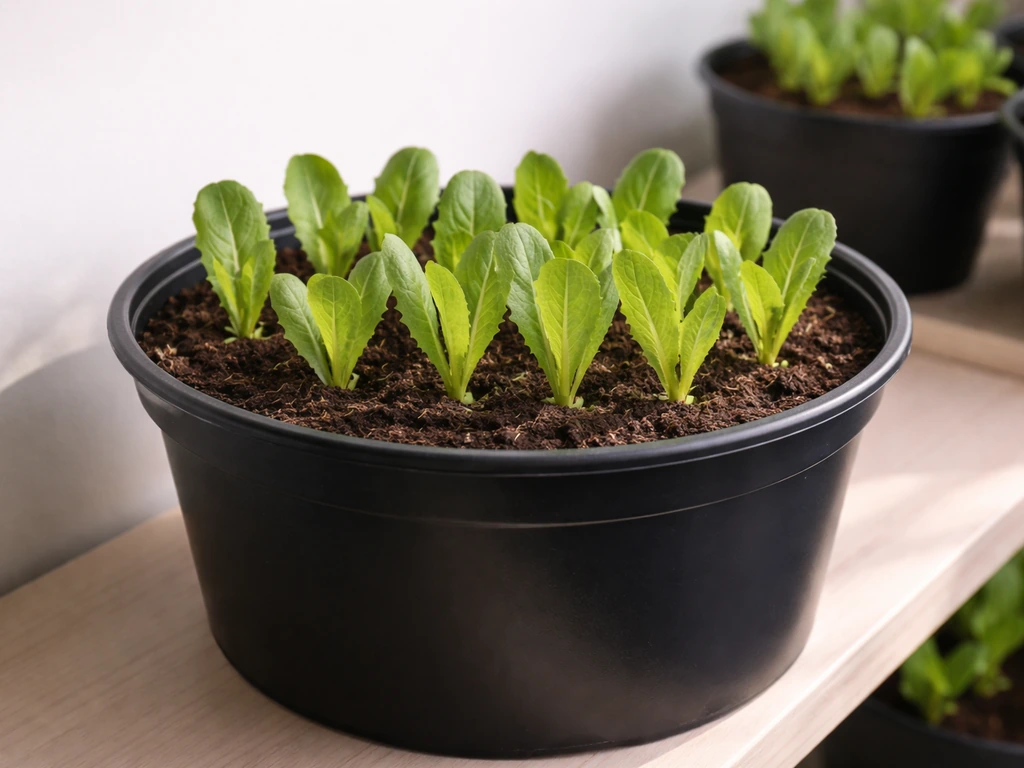
Indoor containers let you grow year-round regardless of outdoor temperatures, which is a real advantage for crispness because you control the environment. Loose-leaf and romaine types work best here since you won't need the extended head-forming period that crisphead varieties require. If you're interested in growing softer butterhead types indoors, those are a slightly different project, one worth its own deep dive.
If you specifically want how to grow butter lettuce in a pot, focus on shallow containers, consistent moisture, and cooler temperatures to keep the leaves tender and flavorful butterhead types. If you're aiming specifically for butter lettuce in containers, the container depth and consistent moisture matter even more than with romaine. For a step-by-step approach specifically tailored to indoor conditions, see our guide on how to grow butter lettuce indoors.
The key indoor challenge is light: most windowsills don't deliver enough intensity for lettuce to grow compact and crunchy rather than stretched and floppy.
Hydroponics
Hydroponics, especially deep water culture (DWC), produces some of the crispest lettuce I've ever eaten. Because the roots have constant access to oxygenated, nutrient-rich water at a controlled temperature, the plant never experiences the moisture stress that causes limpness. Romaine and loose-leaf types excel here. The learning curve involves managing your nutrient solution, pH around 5. In Virginia Tech’s deep water culture (DWC) guidance for lettuce, they specify using meters to monitor electrical conductivity (EC), pH, and dissolved oxygen (DO) as part of nutrient solution management blank" rel="noopener noreferrer">use meters to monitor electrical conductivity (EC), pH, and dissolved oxygen (DO). 8 and EC around 1.2–1.6 mS/cm are the targets for lettuce, but once you've dialed that in, the results are consistently impressive.
Soil, growing medium, containers, and spacing
Soil and growing medium
For outdoor beds and containers, lettuce wants loose, well-draining soil that stays consistently moist without becoming waterlogged. Work in compost, but keep it reasonable, no more than about 1 inch of well-composted organic matter per 100 square feet. Over-amending with nitrogen-heavy compost can actually make leaves soft and watery rather than crisp. For containers, a good quality potting mix (not garden soil, which compacts) is the right call. For hydroponics, most growers use clay pebbles or rockwool as the inert support medium, with all nutrition coming from the solution.
Container size
For indoor or patio container growing, use pots that are at least 6–8 inches deep for loose-leaf and romaine types. Wider is better than deeper since lettuce roots are relatively shallow. A 12-inch pot can comfortably hold two to three loose-leaf plants. Window boxes and long planters work well for continuous cut-and-come-again harvesting.
Spacing for airflow and crunch
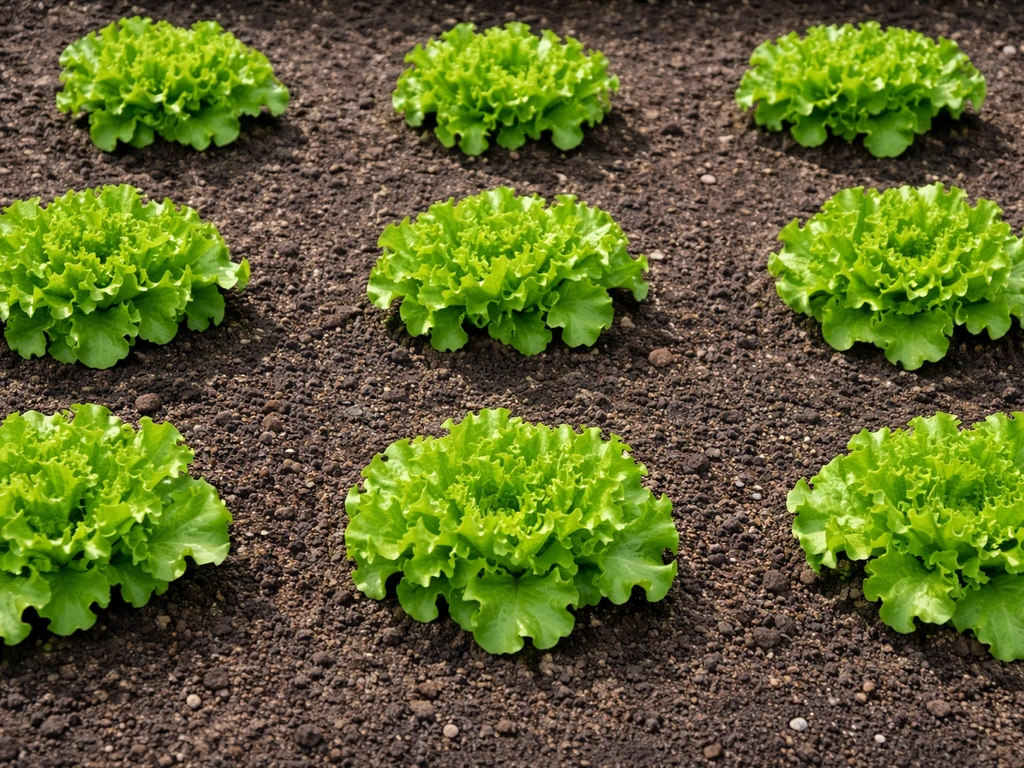
Crowded plants compete for water, nutrients, and light, all of which compromise crispness. Here are the spacing targets to work with:
| Lettuce Type | In-Row Spacing | Between Rows | Container Spacing |
|---|---|---|---|
| Loose-leaf / Cos / Butterhead | 4–10 inches | 12–24 inches | ~10 inches apart |
| Crisphead (Iceberg) | 12–15 inches | 20–30 inches | Not ideal for containers |
| Cut-and-come-again (any loose-leaf) | Broadcast/thin to 4 inches | 12 inches | Direct sow, thin as needed |
Good spacing also means better airflow, which matters for disease prevention. Crowded lettuce in humid conditions is a recipe for tip burn and rot, both of which kill crispness fast.
Light, temperature, and timing, the real drivers of crunch
Temperature targets
This is where most people lose the crispness battle without realizing it. Lettuce bolts (sends up a seed stalk and turns bitter) after multiple days above 75°F. Once that process starts, the leaves get bitter, texture degrades, and no amount of watering or fertilizing will save the crop. Keep daytime temperatures under 75°F as your hard limit. Nighttime temperatures in the 45–65°F range are ideal. For outdoor growers in warm climates, this means working in spring and fall windows. For indoor and hydroponic growers, aim for air temperatures of 65–75°F (about 18–24°C), and in hydroponics specifically, keep your water temperature around 65–68°F, cooler water slows bolting and reduces disease pressure.
Light needs
Outdoors, lettuce prefers full sun in cool weather and appreciates afternoon shade when temperatures climb. Indoors, a south-facing window is rarely enough, most window setups give you maybe 3–4 hours of usable light, which produces stretched, floppy growth. A dedicated grow light set about 6–12 inches above the plants for 14–16 hours per day makes a dramatic difference in leaf texture and compactness. In hydroponics, consistent artificial light is almost always necessary for indoor systems, and it's worth the investment.
Timing your planting
For spring, start seeds indoors 4–6 weeks before your last frost date and transplant out when nighttime temps are reliably above 28°F. For fall, count backward 50–75 days from your first expected frost and choose early-maturing cultivars. For indoor and hydroponic systems, you can plant any time, but monitor your room temperature and make adjustments if summer heat pushes your indoor space above 75°F.
Watering strategy to keep leaves crisp
Consistent moisture is everything for crisp lettuce. The goal is soil or medium that stays evenly moist, not soggy, not drying out between waterings. Wet-dry cycles are one of the main triggers for tip burn and uneven growth, and underwatering causes cells to lose turgidity, which is exactly the limpness you're trying to avoid.
For outdoor beds, water deeply two to three times per week during cool weather, more frequently when temperatures rise. Check soil moisture by pressing a finger an inch into the soil, if it feels dry at that depth, water now. Drip irrigation or soaker hoses are ideal because they deliver water directly to the root zone without wetting foliage, which helps prevent disease and tip burn. Overhead watering works but try to do it in the morning so leaves dry before evening.
For containers, you'll almost certainly need to water daily in warm weather because pots dry out faster than beds. Lift the container, if it feels light, water thoroughly until it drains from the bottom. Don't let containers sit in standing water.
In hydroponics, the plants have constant access to water by design, which is why hydroponically grown lettuce is often the crispest. The key is making sure your pump and aeration system are running reliably so roots never sit in stagnant, oxygen-depleted water. Use meters to track pH and EC regularly, drifting nutrient solution chemistry disrupts water and nutrient uptake just as much as physical dryness does.
Humidity and airflow
Lettuce likes moderate humidity (50–70%) but needs good airflow to prevent the stagnant, moist conditions that lead to disease and tip burn. Outdoors, proper plant spacing handles this naturally. Indoors and in hydroponic setups, use a small fan on low to keep air moving gently around your plants. Don't let leaves sit wet overnight if you can help it.
Fertilizing without making lettuce soft
Lettuce does need nitrogen to grow quickly and stay healthy, but too much nitrogen at the wrong time produces lush, watery leaves that wilt fast and lack crunch. The goal is a steady, moderate nitrogen supply that fuels rapid growth without overstimulating soft, oversized leaf cells.
For outdoor beds, a practical approach is to side-dress with a nitrogen fertilizer (such as 21-0-0) at about 4 weeks after transplanting or at thinning time, applying roughly a quarter cup per 10 feet of row. Nitrogen demand is highest between the point when heads start to form and harvest, so a single well-timed application covers most of the crop's needs without excess. Avoid heavy organic fertilizer applications close to harvest, the extra nitrogen pushes soft new growth at exactly the wrong time.
For containers, use a balanced, diluted liquid fertilizer (something like a 10-10-10 at half strength) every 2–3 weeks. More frequent feeding isn't necessary and risks producing that watery, soft leaf texture.
For hydroponics, your nutrient solution IS your fertilizer. Target an EC of around 1.2–1.6 mS/cm for lettuce and maintain pH near 5.8. Going above those EC targets doesn't produce crispier lettuce, it stresses the plant and can make leaves tough or bitter. Use a quality EC meter and pH meter, check them every couple of days, and adjust as needed.
Harvesting, storing, and restoring crispness
When and how to harvest
Harvest timing matters more than most people realize. For cut-and-come-again loose-leaf types, start harvesting outer leaves once plants reach 4–6 inches tall. Use clean scissors and cut leaves a few inches above the soil level without damaging the crown, the plant will keep producing. For romaine and heading types, harvest in the morning when the plant's water content is highest and leaves are naturally most turgid. Don't wait until a head feels rock hard; a head that gives slightly under gentle pressure is at peak crispness. Overripe heads split, become bitter, and lose texture quickly.
Harvest when the leaves are dry, not right after irrigation or rain. Wet leaves don't store as well and deteriorate faster.
Storing for maximum crunch
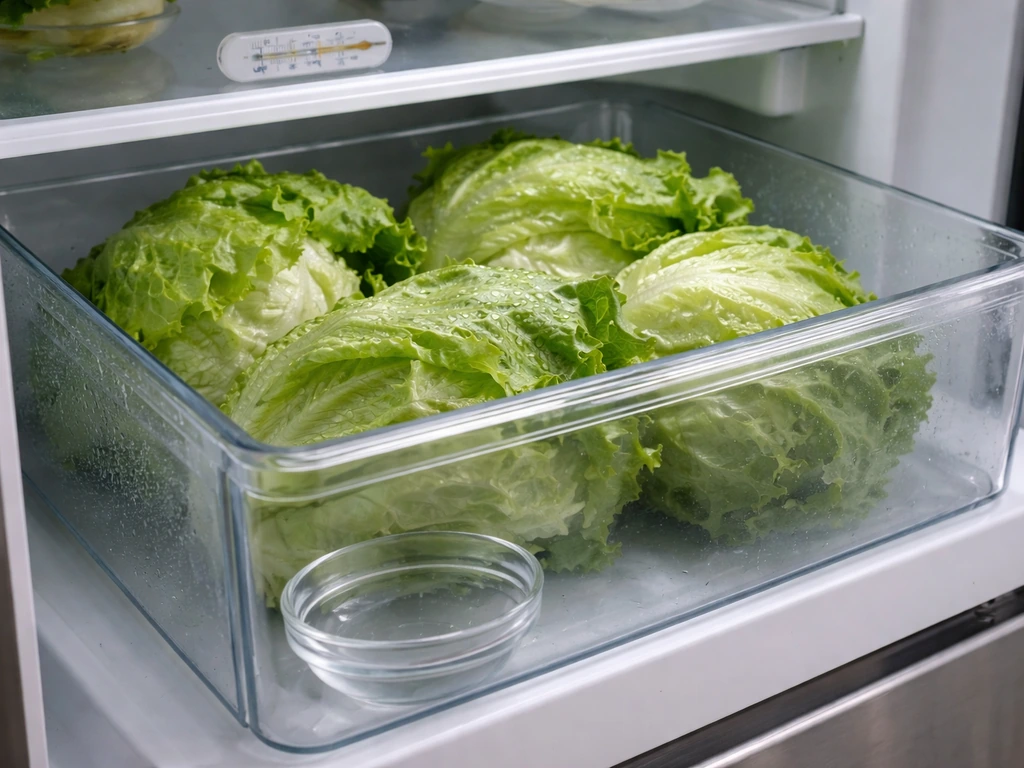
Cold and moisture control are everything post-harvest. For crisphead lettuce, the ideal storage temperature is 29–31°F, your refrigerator's crisper drawer set to the coldest setting is the right call. Do not wash the lettuce before storing. Wrap loosely in a paper towel or dry cloth to absorb any surface moisture, then place in a bag or sealed container. Wash only when you're ready to eat. Lettuce deteriorates rapidly as temperature rises, so don't leave it sitting on the counter.
Reviving limp lettuce
If your harvested leaves have gone limp, there's a quick fix: submerge them in a bowl of ice-cold water for 15–30 minutes. Because limpness is just cells that have lost turgidity, cold water rehydrates them and restores crunch. It won't fix leaves that have already started to decay or turn translucent, but for leaves that are just wilted, it works surprisingly well. Dry thoroughly before eating or re-storing.
Troubleshooting: when your lettuce won't turn out crispy
Bolting and heat stress
If your lettuce suddenly shoots up a tall center stalk, it has bolted. This happens after multiple days above 75°F. Once bolted, the leaves turn intensely bitter and the plant is done producing quality food. Prevention is the only real fix, choose bolt-resistant varieties like Slo-bolt or Nevada for warm conditions, use shade cloth (30–40%) to drop temperatures a few degrees, and time plantings to avoid the hottest part of the season. If bolting starts, harvest everything immediately before bitterness takes over completely.
Bitter taste without visible bolting
Lettuce can turn bitter even before it visibly bolts if it's been experiencing heat stress or water stress for several days. If your leaves taste bitter but the plant looks okay, check your recent temperature history and watering consistency. Also check the plant's age, older, overmature leaves are naturally more bitter than young ones. Harvest younger leaves and see if the taste improves.
Limp, weak leaves
Limp leaves on living plants usually mean one of three things: underwatering, root problems (waterlogged soil, root rot), or excessive heat. Check your soil moisture first. If the soil is damp and plants still look wilted, suspect root issues and check drainage. For indoor or hydroponic systems, check that your pump and aeration are working and that pH/EC are in range, nutrient uptake problems from bad water chemistry mimic water stress symptoms.
Tip burn
Tip burn shows up as brown or black necrotic edges on inner leaves. It's a physiological disorder (not a disease or pest) caused by the plant's inability to move enough water and calcium to rapidly growing leaf tissue in the heart of the plant. It's triggered by fluctuating wet-dry watering cycles, heat, cold, or excess nitrogen. The fix is more consistent watering, better airflow, and avoiding nitrogen spikes close to heading time. In hydroponics, make sure your solution is well-aerated and EC isn't running too high.
Pests
The most common lettuce pests are aphids, slugs, and caterpillars. Aphids cluster on undersides of leaves and cause distorted, sticky growth, blast them off with water or use insecticidal soap. Slugs eat ragged holes in outer leaves overnight; use slug traps or diatomaceous earth around the base of plants. Caterpillars (often from moths) chew larger holes; hand-pick them or use Bt (Bacillus thuringiensis), which is safe for edible crops. Inspect the undersides of leaves regularly, catching pest problems early means they don't compromise the whole crop.
Poor light causing floppy growth
If your indoor lettuce is growing tall and leggy with thin, floppy leaves, it's not getting enough light. The plant is stretching toward whatever light source it has, and the resulting leaves lack the compact cell structure that creates crunch. Move closer to the light source, add a grow light, or increase your light duration to 14–16 hours per day. This is one of the most common reasons indoor-grown lettuce disappoints on texture.
Growing genuinely crispy lettuce isn't complicated once you understand what drives crunch. If you want the best results from a Tom Thumb lettuce crop, use the same crispness basics and scale them to a smaller, faster-growing variety how to grow tom thumb lettuce. Pick a variety suited to your conditions, keep temperatures cool and moisture consistent, fertilize moderately, and harvest at the right time. Whether you're working with an outdoor bed, a container on your kitchen counter, or a hydroponic system, those fundamentals hold. Start with a forgiving variety like Nevada or Slo-bolt, nail your watering rhythm, and you'll have leaves worth snapping off and eating straight from the plant.
FAQ
How do I prevent lettuce from getting limp between harvest and eating?
After harvesting, keep it cold immediately (crisper drawer or a cold container), and avoid piling it in a wet heap. Even if you wrap it with a paper towel, give the leaves airflow inside the bag, loosen the wrap if the towel gets damp within an hour.
Why is my lettuce bitter even though it never visibly bolted?
Heat stress can drive bitterness before a stalk forms, especially if watering has been inconsistent during warm afternoons. Re-check your last 3 to 5 days of temperatures and watering, then harvest younger outer leaves first, they often taste noticeably less bitter than older ones.
What’s the best way to check whether my soil moisture is “evenly moist” rather than just wet?
Use the finger test at about 1 inch depth, then also observe how the soil behaves after watering. If the surface stays slick or water runs off quickly, you likely have a waterlogged pattern, switch to better drainage and longer, less frequent soaking.
Can I grow crispy lettuce in partial shade or with dappled sun?
Yes, but aim for more light during cool morning hours and protection during hot afternoons. If the leaves start to stretch or look pale and loose, add shade only in the late day, or increase light duration indoors with a grow light set for 14 to 16 hours.
How do I avoid tip burn when it keeps showing up on my inner leaves?
Stabilize water delivery, avoid letting the pot or bed dry out between waterings, and do not overfeed nitrogen near the time heads or dense centers are forming. In hydroponics, verify EC is within target and that your water is well aerated, stagnant roots can trigger the same calcium transport limitations.
Should I thin seedlings for better crispness?
Yes, thin to your recommended spacing once seedlings have a few true leaves. Crowding reduces airflow and creates competition for water, both contribute to rotting, tip burn, and slower, less crisp growth.
What can I do if my lettuce keeps bolting during warm spells?
Switch to bolt-resistant varieties and shift planting so the densest growth happens during cooler weeks. If heat hits mid-crop, use shade cloth (about 30 to 40 percent), increase ventilation, and harvest early outer leaves immediately to reduce the time the plant spends pushing toward a seed stalk.
Is it safe to wash lettuce before storing for later use?
For best crispness, avoid washing until you’re ready to eat. If you must rinse, dry thoroughly and keep it very cold afterward, moisture trapped in bags accelerates rot and softens leaves faster than dry storage.
How can I tell whether my fertilizer timing is causing watery, non-crispy leaves?
If leaves become very large, soft, and collapse quickly after harvest, you may be overdoing nitrogen or feeding too close to heading time. Reduce nitrogen frequency, then side-dress or feed earlier, and stop escalating feeding once plants start forming dense centers.
My indoor lettuce tastes fine but doesn’t crunch. What’s most likely wrong?
Light intensity is usually the culprit. If you’re using a window, it’s often too weak, switch to a grow light and keep it roughly 6 to 12 inches above the plants for 14 to 16 hours daily, then confirm your room stays under your heat threshold (roughly 75°F daytime).
Can I rehydrate limp lettuce on the plant, not just after harvest?
If it’s only mild wilt from underwatering, thorough, consistent watering and cooling the environment can help. If the soil is already damp and the plant is still drooping, focus on root conditions, drainage, and air temperature, because rewatering won’t fix waterlogged root issues.
What should my container drainage be like for crispy lettuce?
Use pots with drainage holes and don’t let them sit in a saucer full of water. If the mix stays soggy or the pot feels heavy for a long time after watering, switch mixes or improve drainage, soggy roots reduce oxygen and can trigger limpness and disease.