Setting up a lettuce grow is genuinely one of the most accessible things you can do in home gardening, but getting it right from day one saves a lot of frustration. Whether you're working with a backyard bed, a balcony planter, a windowsill, or a full hydroponic system, the core workflow is the same: pick a variety that suits your season and light, set up your growing space with the right medium and drainage, nail the temperature and light targets, sow at the correct depth with a succession schedule built in, water and feed consistently, then harvest in a way that keeps the plant producing. Here's exactly how to do all of that.
How to Set Up Lettuce Grow in Any Space: Step by Step
Marcus Holloway
28 Jun 2026
Choose a lettuce variety that matches your season and setup
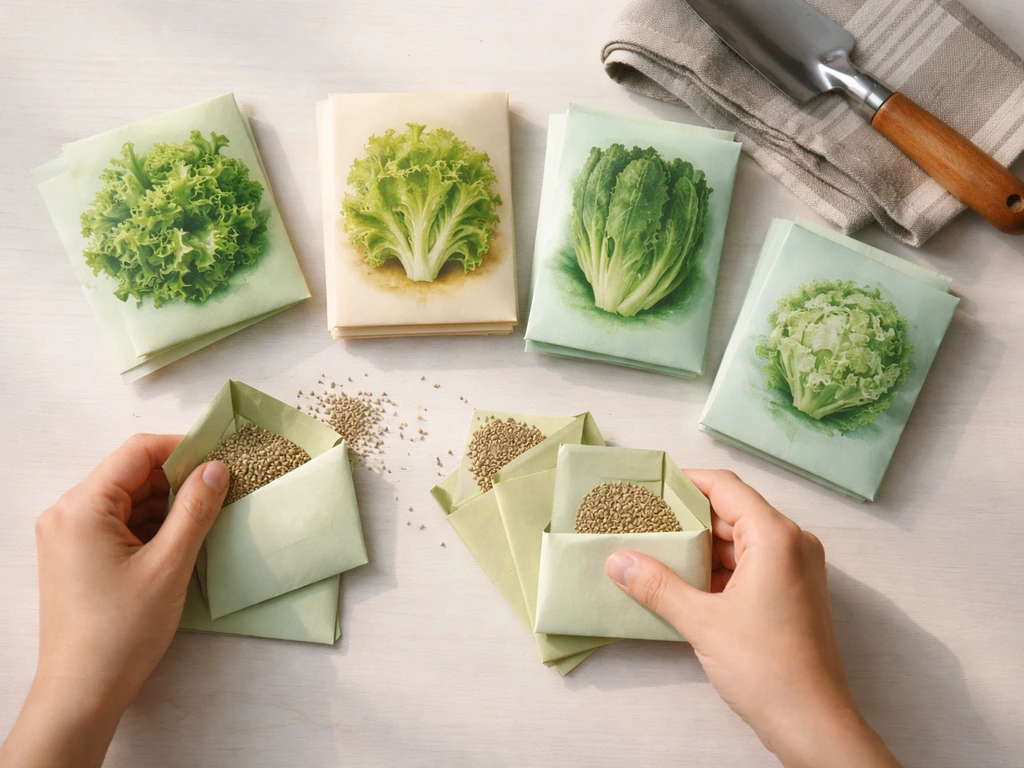
Lettuce falls into four main types: looseleaf, butterhead (Boston), romaine (cos), and crisphead (iceberg). For most home setups, looseleaf and butterhead are the easiest to start with because they mature faster and tolerate less-than-perfect conditions better than crisphead. If you're setting up in late summer for a fall harvest, choose early-maturing cultivars and work backwards from your first frost date, allowing 50 to 75 days. For a spring setup, you have more flexibility since you're working with naturally cool, short days.
For indoor or hydroponic setups where you control the environment, looseleaf types like 'Esmeralda' (55 days) or 'Brunia Red' (50 days) are ideal because they're compact and quick. For outdoor container growing or garden beds, butterhead types like 'Buttercrunch' (65-70 days) hold up well. Romaine 'Freckles' at about 55 days is a great middle-ground option that works in most setups. If you're growing in summer heat and can't avoid it, look specifically for heat-tolerant or slow-bolt varieties, because standard varieties will bolt fast once temperatures climb.
| Variety | Type | Days to Harvest | Best For |
|---|---|---|---|
| Esmeralda | Looseleaf | 55 days | Indoor, hydroponic, containers |
| Brunia Red | Looseleaf | 50 days | Indoor, container, fast succession |
| Buttercrunch | Butterhead | 65–70 days | Outdoor beds, containers |
| Freckles | Romaine | 55 days | Most setups, good bolt resistance |
| Prizehead | Crisphead | 50 days | Outdoor beds with cool seasons |
Pick where you'll grow: outdoor bed, container, indoor, or hydroponic
Each growing location has real trade-offs. Outdoor garden beds give you the most volume and the least hands-on management, but you're at the mercy of weather. Container growing on a patio or balcony gives you flexibility to move plants and control soil, but dries out faster and needs more frequent watering. Indoor setups on a windowsill or under grow lights let you grow year-round but require you to provide everything the sun usually handles. Hydroponic systems deliver nutrients directly to the roots, skip soil entirely, and grow lettuce noticeably faster, but they come with more equipment and a pH/EC monitoring routine.
If you're a beginner deciding right now, I'd suggest starting with containers outdoors in spring or fall, or a simple indoor setup with a grow light if you want year-round production. Hydroponics is worth exploring once you're comfortable with basic lettuce needs, and systems like nutrient film technique (NFT) are a popular starting point. NFT setups use a reservoir, shallow channels, a pump, and tubing to circulate a thin film of nutrient solution over the roots continuously.
What you actually need: containers, growing medium, drainage, and equipment
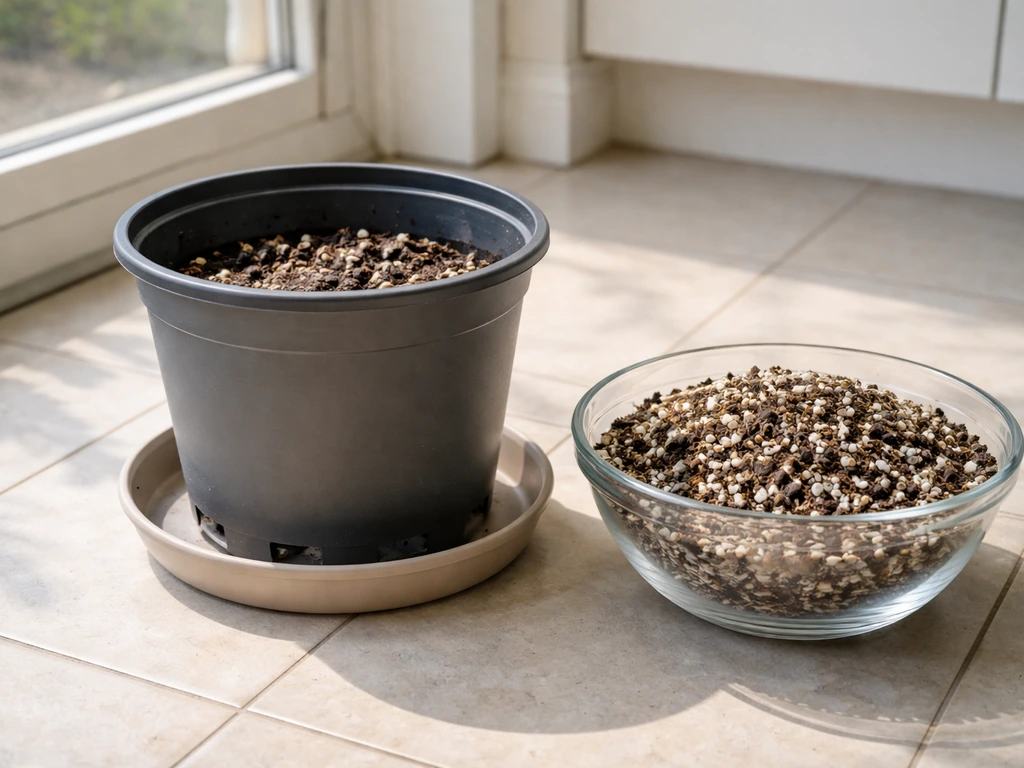
For soil-based growing (outdoor or container), you need a container at least 6 inches deep, a quality potting mix or amended garden soil, and drainage holes. Don't skip drainage holes. Lettuce roots sitting in waterlogged soil will rot fast. For containers, a lightweight potting mix works well on its own. For outdoor beds, work in compost to improve both drainage and moisture retention.
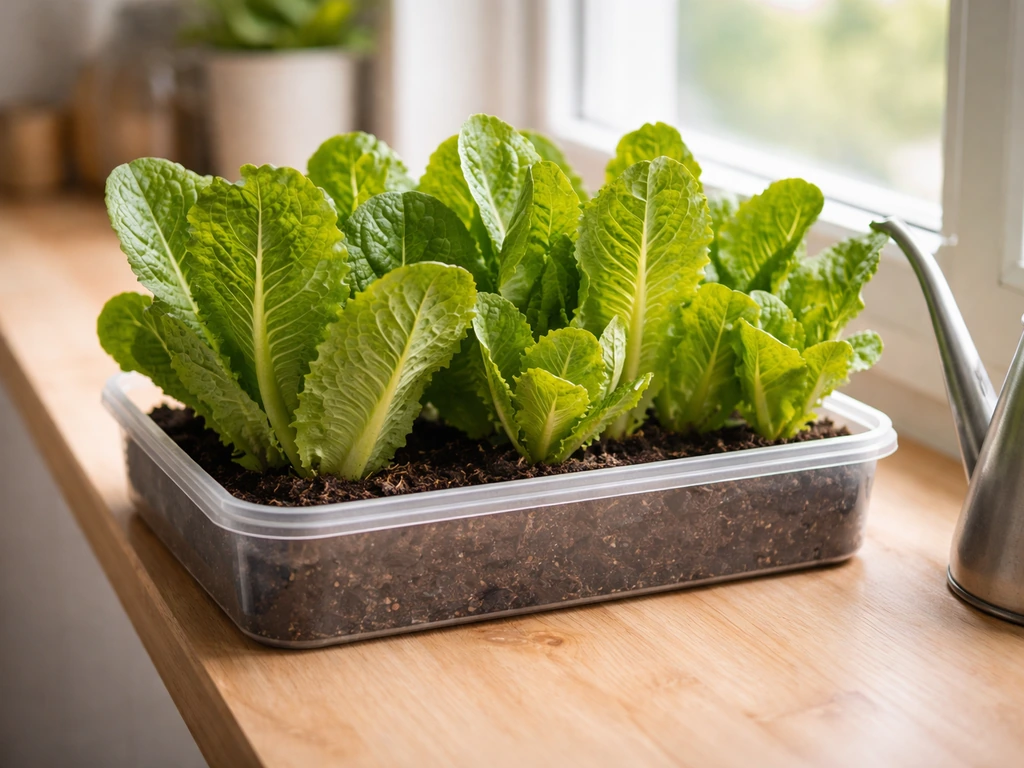
For indoor soil or soilless growing, perlite mixed with coconut coir or peat moss works well as a starting medium. Perlite is sterile, which significantly reduces damping-off risk in seedlings, which is a fungal issue that kills seedlings at soil level. For hydroponic systems, you'll need net pots, a growing medium like clay pebbles or rockwool for root support, a reservoir, a submersible pump, tubing, and a timer. You'll also need a pH meter and an EC (electrical conductivity) meter to monitor your nutrient solution.
- Containers: 6+ inches deep with drainage holes (soil); net pots for hydroponic
- Growing medium: potting mix or compost-amended soil; perlite/coir blend for indoor seed starting; clay pebbles or rockwool for hydroponics
- Drainage: holes in every container, no exceptions
- Hydroponic extras: reservoir, pump, timer, tubing, pH meter, EC meter
- Indoor lighting: full-spectrum LED grow light (14–16 hours per day)
- Optional but useful: row covers or shade cloth for outdoor temperature management
Lighting and temperature: what lettuce actually needs and how to hit those targets
Lettuce is a cool-season crop in every sense. The sweet spot for vegetative growth is 60 to 65°F. Below about 45°F, growth slows significantly. Above 75°F, you're racing against bolting. When temps push past that threshold or day length exceeds roughly 14 hours, lettuce shifts into reproductive mode and sends up a flower stalk, which makes the leaves bitter and ends the harvest. Once bolting starts, it cannot be reversed, so prevention is everything.
Outdoors, time your plantings for spring and fall when temperatures naturally fall in that 60 to 65°F range. In summer, a 30 to 50 percent shade cloth can delay bolting by a few weeks by lowering canopy temperature. Row covers add 4 to 7°F of warmth in cold snaps and protect against wind, making them useful at both ends of the season.
Indoors, you're fully in control. Keep your grow space between 60 and 70°F and provide 14 to 16 hours of light per day from a full-spectrum LED grow light. The most common mistake I see with indoor lettuce is assuming fixture distance is enough to gauge light intensity. It isn't. Leggy, stretched seedlings nearly always mean the actual light reaching the canopy is too low, regardless of what the fixture specs say. If your seedlings are reaching toward the light and getting spindly, move the light closer or increase intensity rather than adjusting the timer first.
Sowing setup: depth, spacing, thinning, and succession timing
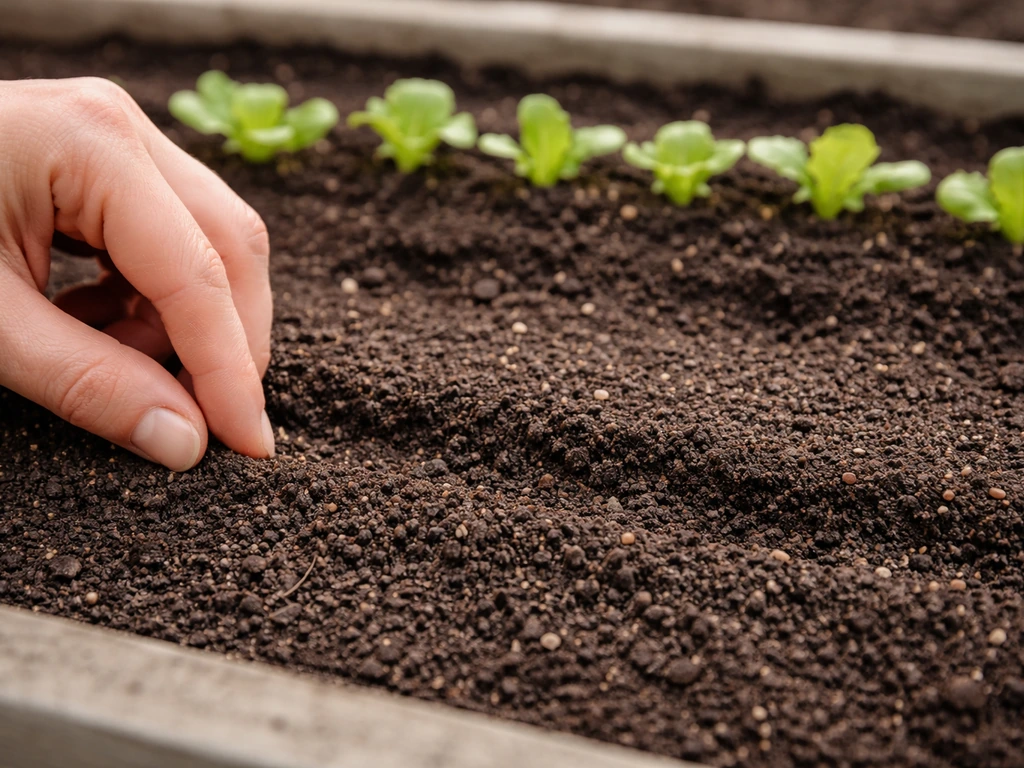
Lettuce seeds are tiny, and planting them too deep is a common beginner mistake. For direct sowing, press seeds into the surface and cover with just 1/8 to 1/4 inch of growing medium, or barely cover them at all. The general rule is to plant seeds about twice as deep as the seed's diameter, and lettuce seeds are small enough that some growers just press them onto moist soil and skip additional covering entirely. A lettuce grow seedling alternative can help if you want to start with sturdier plants or avoid damping-off during early germination. Germination happens in 3 to 15 days at optimal temperatures of 55 to 70°F.
Spacing depends on what you're growing. Looseleaf types can be sown thickly and thinned to 4 to 6 inches apart for cut-and-come-again harvesting. Head types like romaine or butterhead need more room, typically 8 to 10 inches between plants. Thin ruthlessly when seedlings reach 1 to 2 inches tall. I know it feels wasteful, but crowded lettuce means poor airflow and disease problems.
Succession planting is how you turn a one-time setup into a continuous supply. Rather than sowing everything at once, sow small batches every two to three weeks. Given that looseleaf varieties mature in 50 to 60 days from seed, staggering sows by two to three weeks means you'll have a new batch ready just as the previous one is winding down. If you're starting plants indoors to transplant later, know that transplants reach harvestable size faster, typically 30 to 45 days after moving them out.
Watering and feeding for steady, healthy leaves
Lettuce needs consistent moisture but not waterlogged soil. In outdoor beds, aim to keep the top inch of soil moist at all times, watering more frequently in warm or windy weather. Containers dry out much faster than in-ground beds, so check daily in summer. A simple finger test works fine: if the top inch feels dry, water. Inconsistent moisture (wet-dry-wet cycles) is a primary driver of tipburn, where leaf edges die back. Tipburn isn't a calcium deficiency in the soil itself, it's the plant's inability to move calcium into rapidly expanding leaf tissue fast enough under stress. Keep moisture consistent and ensure good airflow around plants to reduce it.
For container and indoor soil-based setups, feed with a balanced liquid fertilizer every two weeks once seedlings have their first true leaves. Keep fertilizer diluted for young seedlings. For hydroponics, maintain an EC (electrical conductivity) of 1.2 to 1.8 and a pH of 6.0 to 7.0 in your nutrient solution. Check pH and EC at least once a week, more often if growth looks off. Most hydroponic nutrient problems trace back to pH drifting out of range, which locks out nutrients even when the solution looks fine.
Harvesting and fixing common setup problems
How to harvest for continuous production
You can start harvesting looseleaf lettuce as soon as plants reach 5 to 6 inches tall. Use the cut-and-come-again method: cut outer leaves about an inch above the base and leave the center growing point intact. The plant will continue producing new leaves for several more harvests. During periods of fast growth (warm-but-not-hot conditions with good light), you may need to harvest every 2 to 3 days to stay ahead of the plant. Once you see the center of the plant starting to elongate and point upward, that's the early sign of bolting and a signal to harvest the whole plant immediately before the leaves turn bitter.
Common setup mistakes and quick fixes
Here are the problems I see most often from people who are just getting started, and what to actually do about them: If you grow lettuce on a farmstand scale, you can keep it fresher by learning how to clean lettuce properly before storage how to clean lettuce grow farmstand.
| Problem | Likely Cause | Fix |
|---|---|---|
| Seeds won't germinate | Too deep, too cold, or soil too dry | Sow at 1/8–1/4 inch, keep medium moist, aim for 55–70°F |
| Leggy, stretched seedlings | Light intensity too low at the canopy | Move grow light closer or increase intensity; check actual canopy light |
| Bolting (flower stalk forming) | Heat, long days, or temperature swings | Harvest immediately; add shade cloth; time future sowings for cool seasons |
| Bitter leaves | Bolting stress or heat | Harvest sooner; grow in cooler temps; use bolt-resistant varieties |
| Tipburn (brown leaf edges) | Inconsistent moisture, low airflow | Water consistently; improve air circulation; check hydroponic pH/EC |
| Damping off (seedlings collapse) | Fungal pathogens in wet soil | Use sterile perlite/coir mix; avoid overwatering; improve airflow |
| Aphids on leaves | Common pest, especially in spring | Blast off with water; introduce beneficial insects; use insecticidal soap |
| Slugs/snail damage | Overnight feeding on lower leaves | Handpick at night; set beer traps near plants; clear debris around base |
| Downy mildew (white/grey patches) | Fungal disease in humid, wet conditions | Improve airflow; avoid overhead watering; remove affected leaves quickly |
| Hydroponic pH drift | Natural nutrient uptake shifts pH | Test weekly; adjust up or down with pH-up/pH-down solutions |
One honest note on bolting: once the flowering process has started, you cannot reverse it. Don't waste time trying to coax the plant back. Pull it, compost it, and use that space for a new succession sow or a warm-season crop while you wait for temperatures to drop again. Planning your setup around the calendar, not against it, is what separates gardeners who get steady lettuce harvests from those who keep starting over.
If you're working with a dedicated self-contained system like a Lettuce Grow Farmstand or similar unit, the basic principles here all apply, though those systems come with their own specific setup instructions and cleaning routines worth following closely. If you want step-by-step lettuce grow instructions, follow the setup and cleaning routine specific to your Farmstand so it stays productive season after season Lettuce Grow Farmstand. The fundamentals of variety choice, temperature management, succession timing, and consistent nutrition are the same regardless of the system you're using.
FAQ
How can I tell whether my lettuce problem is nutrients versus watering?
If you see older leaves yellowing from the bottom up, growth slows, or plants look pale, that usually means nutrient shortage or pH drift (especially in hydroponics). For soil, switch to a diluted balanced liquid feed as soon as true leaves are established (every two weeks, not weekly), and check drainage so roots are oxygenated. For hydroponics, recheck pH first because nutrient lockout can happen even when the solution looks clear.
Can I grow lettuce through frost or cold snaps?
Yes, but timing matters. Lettuce can handle light frost, yet transplanting into cold soil can stunt it. If nights dip near or below the mid-30s°F, start indoors or use a row cover, then uncover gradually during the day to avoid overheating under the fabric.
What happens if I do not thin lettuce seedlings?
Overcrowding can work for looseleaf cut-and-come-again, but only when airflow is good. If seedlings are crowded early, thin as soon as they reach about 1 to 2 inches tall, and avoid watering late in the day so foliage can dry. If you keep them too dense, you increase risk of damping-off and downy mildew.
Why are my lettuce seeds not germinating or coming up unevenly?
For most setups, 1/8 to 1/4 inch covering is enough. If seeds are covered too deeply, germination is delayed and uneven because lettuce seeds have limited stored energy. A practical fix is to sow new batches correctly and keep the surface lightly moist, not soggy, until seedlings emerge.
How do I harvest to keep lettuce going longer?
Yes, you can start harvesting sooner to slow the “use it fast” cycle. For looseleaf, you can begin with outer-leaf cuts at 5 to 6 inches and then harvest smaller portions more frequently. This keeps plants producing, but if you harvest too aggressively, growth can lag, so leave the center growing point intact.
Is tipburn caused by lack of calcium, and what should I do next?
If tipburn shows up, the biggest drivers are moisture swings and high stress, not simply “not enough calcium.” The next step is to tighten your watering consistency (especially in containers, check daily in warm weather) and improve airflow around plants. In hydroponics, confirm pH and EC weekly because imbalances can indirectly trigger tipburn.
My lettuce tastes bitter, what does that mean and can I fix it?
If lettuce turns bitter, it is usually due to bolting cues (temperature above the sweet spot, long day length) or heat stress, not a simple fix. Harvest immediately once the center begins to elongate and the plant starts pointing upward, then re-sow a new succession batch suited to cooler conditions or switch to heat-tolerant varieties for summer.
How do I know my grow light is strong enough for indoor lettuce?
A simple way is to measure daily at canopy level (not just fixture specs) if you can. Without a meter, watch for signs: seedlings that stretch or look spindly usually need the light closer or more intensity, and leaves should look more compact over time. If your plants are getting leaf burn or very dark, overly thick leaves, back off distance or intensity and check for excessive heat near the light.
What should I change if I get damping-off in seedlings?
If your seedlings damp off, the usual causes are too much moisture at the soil line and poor airflow, sometimes paired with starting in an overly heavy medium. Let the surface dry slightly between waterings, keep airflow gentle but present, and avoid overwatering trays. Using a sterile, fast-draining medium like perlite mixed with coconut coir or peat moss can reduce risk.
How big should my container be for lettuce, and does depth matter?
For containers, choose a pot size that matches your lettuce type and your watering tolerance. Use at least a 6-inch deep container, then consider going larger if you want fewer daily water checks in summer. Also prioritize drainage holes, because even a big pot fails if it stays waterlogged.
Can I keep growing lettuce in the same soil over and over?
You generally should not replant the same lettuce in the same exact container soil repeatedly without refreshing. Lettuce can develop disease buildup and nutrient imbalance over time. A practical approach is to start fresh potting mix each season (or fully refresh and amend), and rotate container locations outdoors when possible.
If my lettuce starts bolting, should I wait it out or replant right away?
When bolting starts, removing flowers does not reliably restore leaf production. The best next step is to pull the plant, compost it if disease-free, then immediately start a replacement sow using a cooler-season variety or adjusted schedule so you do not go empty while waiting for temperatures to drop.