If you're searching for a lettuce grow seedling alternative, you're probably trying to skip the frustrating parts of traditional seed starting: slow germination, leggy seedlings under bad light, or trays of damp-off casualties. The good news is there are several solid options depending on your setup: buying starter transplants, direct sowing into your growing space, using seed tapes or pellets for more uniform stands, regrowing from store-bought lettuce bases, or using pre-seeded hydroponic pods for indoor systems. Each one makes sense in a different situation, and I'll walk you through all of them so you can pick the right one and actually get to harvest.
Lettuce Grow Seedling Alternative: Step-by-Step Quick Starts
Marcus Holloway
18 May 2026
What 'Seedling Alternative' Can Mean for Lettuce
The phrase means different things to different gardeners, so let's clear that up fast. When most people search for a lettuce grow seedling alternative, they're looking for one of these five things:
- Starter transplants: pre-grown plugs or cell packs you buy from a nursery and plant directly, skipping germination entirely
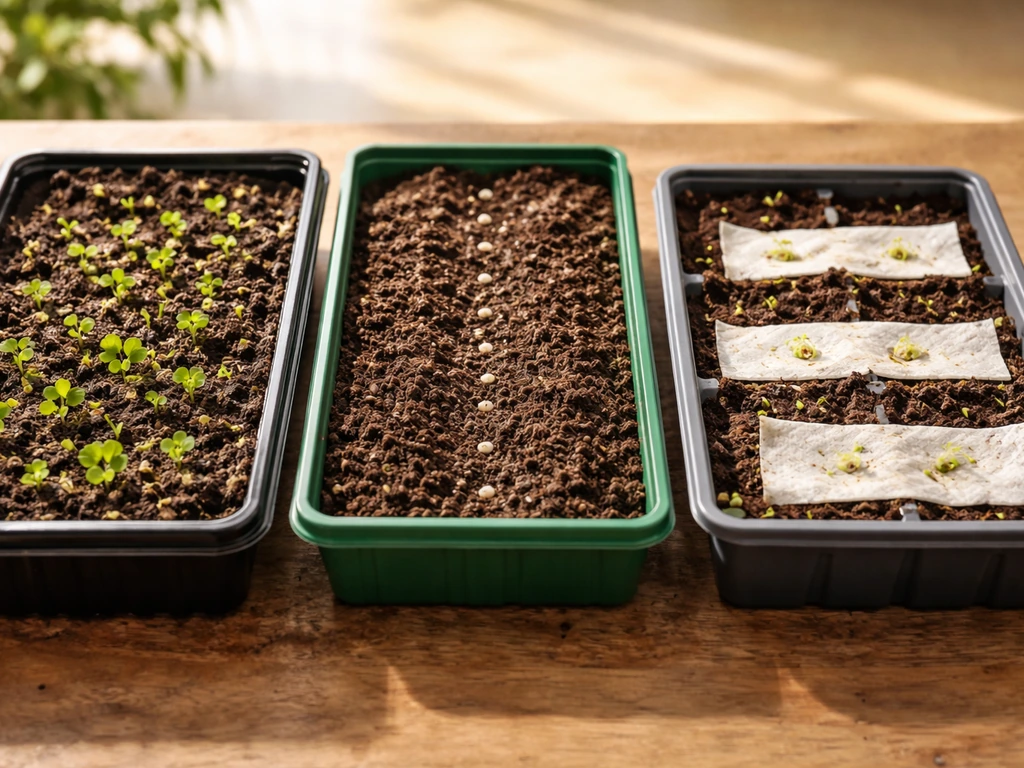
- Direct sowing: scattering or placing seeds straight into your final growing space (bed, container, or hydroponic tray) instead of starting them in separate trays first
- Seed tapes, pellets, or discs: processed seed formats that space seeds for you, reduce waste, and make germination more uniform
- Regrowing from store-bought lettuce: placing cut lettuce bases in water or soil to regrow leaves
- Hydroponic or pod-based starting: pre-seeded sponge pods or net cups for countertop systems like the Lettuce Grow Farmstand or Click and Grow
Each of these sidesteps the traditional approach of starting seeds in a tray, nurturing them under lights for 3 to 4 weeks, and then transplanting. Traditional seed starting is great when you want lots of plants cheaply and on your timeline, but it also introduces the most failure points: poor germination, damping off, and leggy growth from insufficient light. The alternatives below address those specific problems.
Best Choice by Situation
Not every alternative works for every setup. Here's a quick breakdown of what fits where before we get into the how-to.
| Your Setup | Best Seedling Alternative | Why It Works Here |
|---|---|---|
| Outdoor garden bed, beginner | Starter transplants or seed tape | Transplants skip the hardest part; tape spaces seeds evenly outdoors |
| Outdoor garden bed, experienced | Direct sowing | Fast, cheap, no transplant shock; works well in cooler soil |
| Container on a patio or balcony | Starter transplants or direct sowing in final container | Fewer plants needed; transplants are worth the cost at small scale |
| Indoor growing (windowsill or grow light) | Seed pellets or pod-based systems | Controlled environment reduces damping off; pellets make spacing easy |
| Hydroponic system (Farmstand, DWC, etc.) | Pre-seeded pods or seedling plugs | Designed for the system; fastest path to harvest indoors |
| Zero budget, experimental | Regrow from store-bought lettuce base | Almost free, low commitment, works for leaf lettuce types only |
If you're a beginner growing outdoors in spring or fall, starter transplants are my top recommendation. You pay a little more per plant but you almost completely eliminate the germination and seedling stages where most beginners lose plants. If you have a Lettuce Grow Farmstand or a similar hydroponic setup indoors, skip everything here and go straight to the pre-seeded pod route. The system is built for it.
How to Start Lettuce Using Each Alternative
Option 1: Starter Transplants
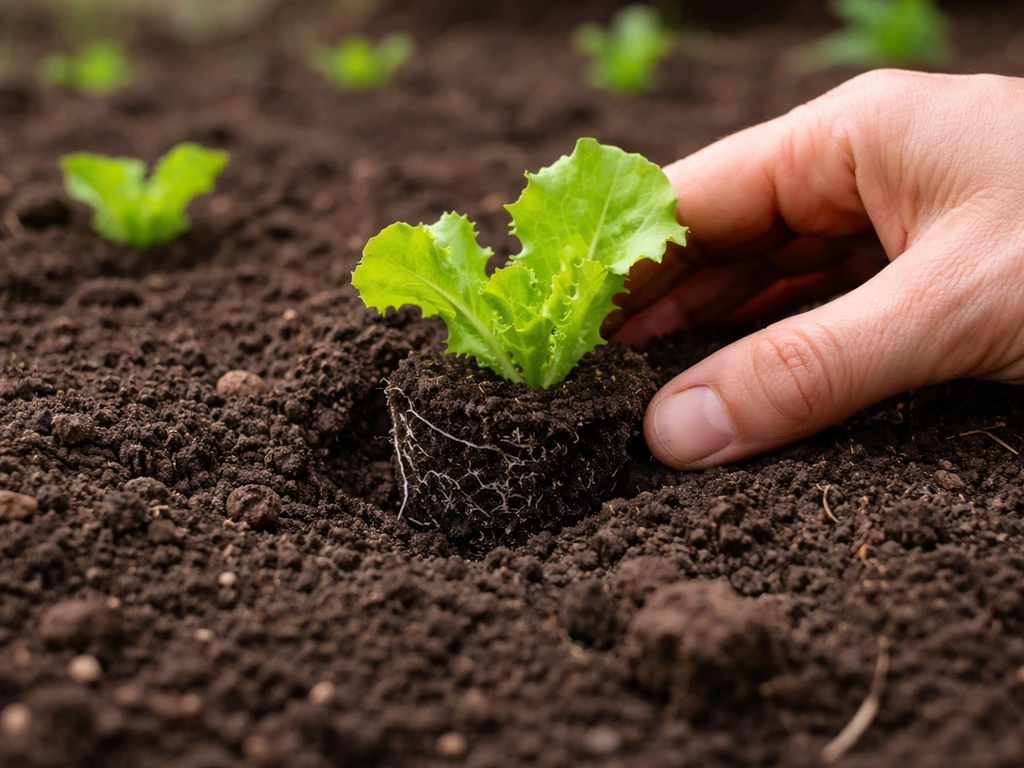
This is the most beginner-friendly option with the highest success rate. Go to a local nursery or garden center in early spring (or fall for a second crop) and pick up cell packs of butterhead, romaine, or loose-leaf varieties. Avoid transplants that are already flowering or have yellowed lower leaves since those are stressed plants that won't establish well.
- Water the transplants in their cell pack an hour before planting so roots hold together when you pop them out
- Prepare your bed or container with a quality compost-amended mix or fresh potting soil; lettuce wants loose, moisture-retaining soil with a pH around 6.0 to 7.0
- Dig a hole slightly deeper than the root ball and set the transplant so the crown (where leaves meet roots) sits at soil level, not buried
- Space transplants 6 to 10 inches apart for loose-leaf types, 10 to 12 inches for romaine or butterhead
- Water in gently and keep the soil consistently moist for the first 7 to 10 days while roots establish
- Expect first harvestable leaves in 3 to 5 weeks from transplant date
Option 2: Direct Sowing
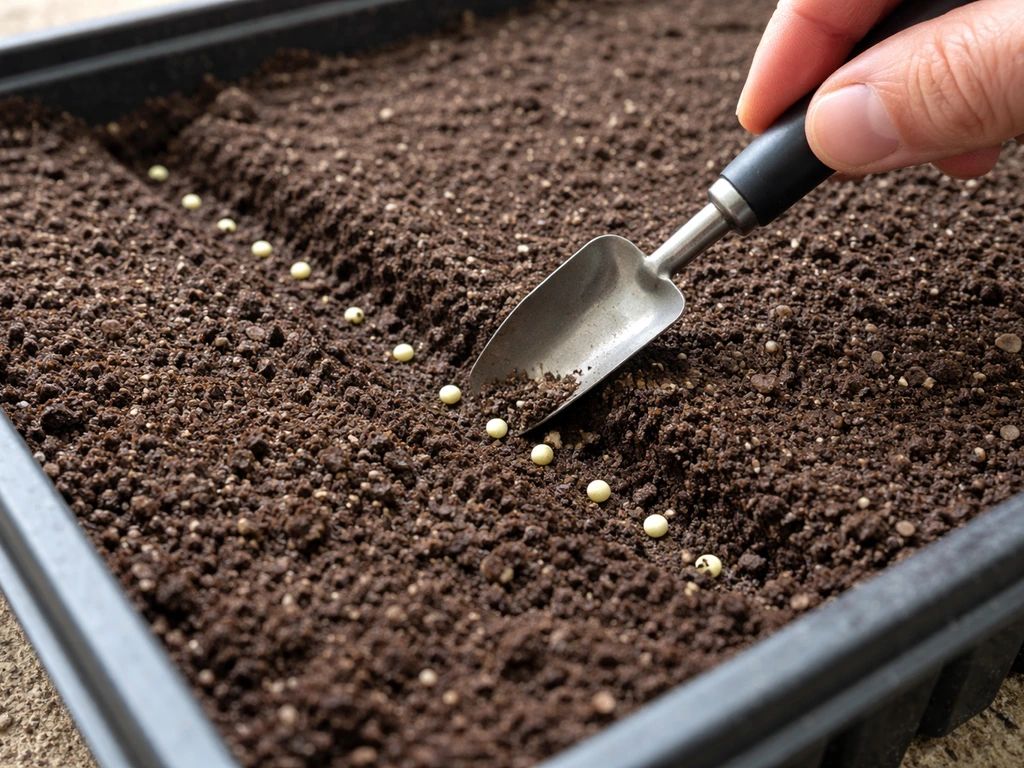
Direct sowing works best when your outdoor temperatures are between 45 and 65°F (7 to 18°C). Lettuce seed germinates best in cool, moist conditions and can actually be inhibited by soil temperatures above 75°F (24°C). This is a great method for spring or fall beds.
- Rake your bed smooth and remove any large clumps or rocks; lettuce seeds are tiny and need close soil contact to germinate
- Scatter seeds thinly across the surface or make shallow furrows about 1/8 inch deep and place seeds 1 inch apart
- Cover barely with a thin layer of fine compost or vermiculite, no more than 1/8 inch deep; too much cover is a top germination killer
- Water with a gentle mist or a can with a rose head to avoid displacing seeds
- Keep the surface consistently moist until germination, which takes 7 to 14 days in ideal conditions
- Thin seedlings to 6 to 10 inches apart once they're 2 inches tall; eat the thinnings as microgreens
Option 3: Seed Tapes, Pellets, or Discs
Seed tapes are pre-spaced seeds embedded in a biodegradable paper strip. Pellets are individual seeds coated with a clay or peat material to make them easier to handle. Both are great for beginners because they reduce over-seeding, eliminate thinning stress, and give you more consistent germination. Use these in containers or small raised beds where every inch of space matters.
- Prepare a shallow trench about 1/4 inch deep in moist soil or potting mix
- Lay the seed tape flat in the trench or place individual pellets at the recommended spacing on the packaging (usually 6 to 9 inches)
- Cover with a thin layer of fine soil or vermiculite and press gently to ensure contact
- Water carefully and keep evenly moist; pellets need adequate moisture to break down their coating and allow germination
- Germination takes 7 to 14 days; no thinning needed if you used tape at the right spacing
Option 4: Regrowing from Store-Bought Lettuce
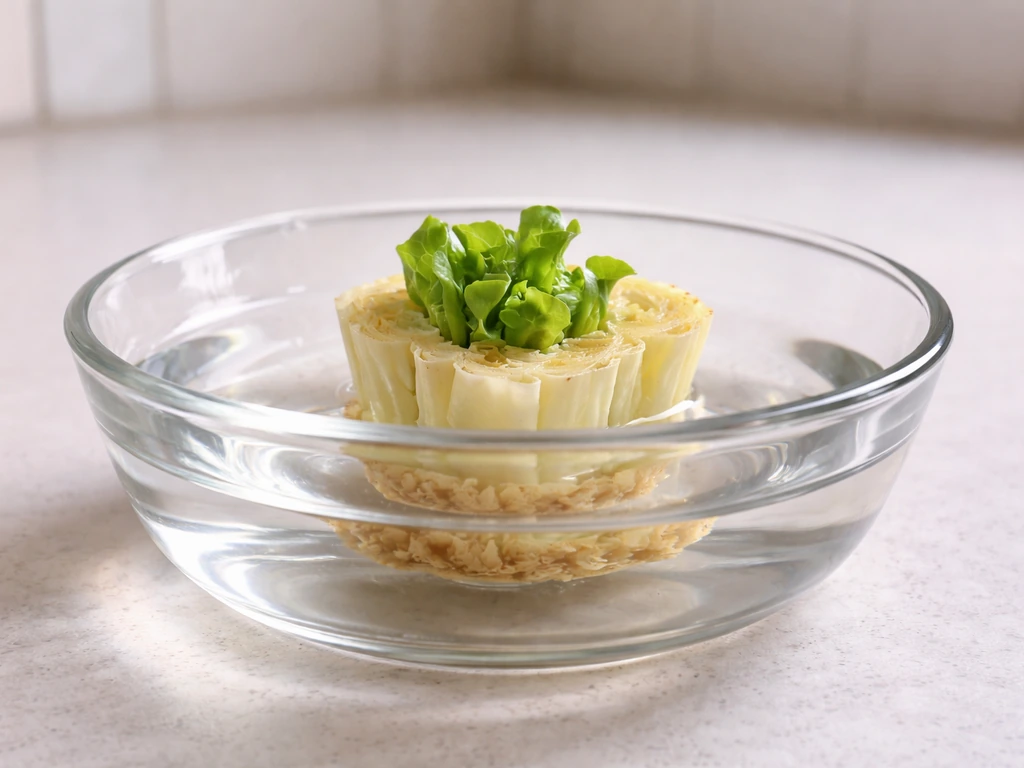
This is the lowest-cost method and a fun experiment, but go in with realistic expectations. It works best with loose-leaf or butter lettuce that still has its base intact. You won't get a full head and you won't get the same volume as a full-grown plant, but you'll get a flush of young leaves in 1 to 2 weeks.
- Cut the lettuce leaves leaving about 1 to 2 inches of the base intact
- Place the base cut-side up in a shallow bowl or dish with about 1/2 inch of water; change the water daily
- Set in a bright windowsill with several hours of indirect light per day
- Once you see new leaf growth (usually within 3 to 7 days), you can transfer to a small pot with moist potting mix for better results
- Harvest the new leaves when they're 3 to 4 inches long; expect one or two flushes before the plant loses energy
Option 5: Pre-Seeded Pods for Hydroponic Systems
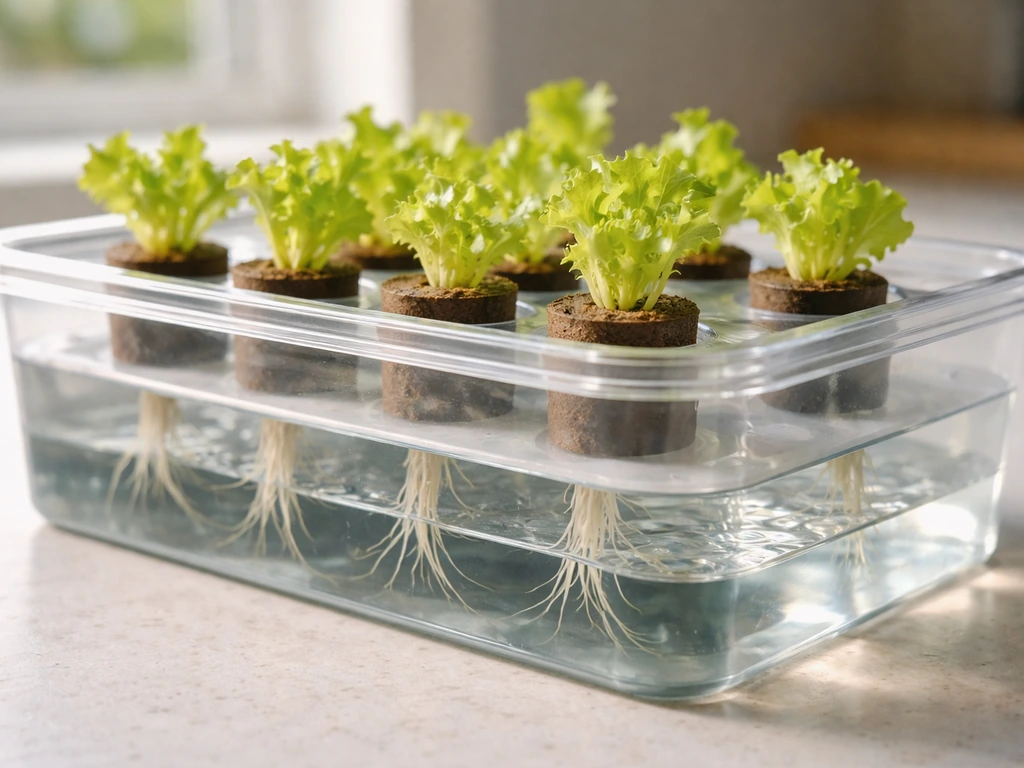
If you're using a countertop hydroponic system or a vertical Farmstand, pre-seeded pods are the fastest and cleanest path to harvest. If you want the specifics for how to harvest lettuce click and grow with a hydroponic Farmstand, follow the pod setup and timing guidelines for your system pre-seeded pods. If you want the most hands-off route, focus on how to set up lettuce grow using pre-seeded hydroponic pods and a countertop Farmstand pre-seeded pods. These come ready to drop into your system with the seed already embedded in a grow medium like rockwool, coir, or a foam sponge. Setup instructions vary by system, so if you're setting up a Lettuce Grow Farmstand for the first time, the manufacturer's instructions will walk you through pod placement and nutrient solution prep specifically. For a complete walkthrough, use these lettuce grow instructions to guide each stage from seed or pod setup through harvest.
- Fill your reservoir with water and add nutrients to the manufacturer's recommended ratio before adding pods
- Wet the pods before inserting them into net cups or slots to reduce shock to the developing root
- Set the system's timer or pump if applicable; lettuce in hydroponics needs oxygenated, moving water to thrive
- Expect germination and first true leaves in 7 to 14 days
- Most hydroponic lettuce varieties are harvest-ready in 30 to 45 days from pod insertion
Light, Temperature, Water, and Airflow
This is where most indoor seedling attempts fall apart, regardless of which alternative you're using. Lettuce is forgiving in a lot of ways, but it's not forgiving about light levels indoors.
Light
Weak or distant light is the number one cause of leggy, floppy lettuce seedlings indoors. A windowsill usually isn't enough unless you have a south-facing window with 6 or more hours of direct light. If you're starting indoors without a dedicated grow light, your seedlings will stretch toward whatever light they can find and become weak and spindly. A full-spectrum LED grow light positioned 2 to 4 inches above seedlings for 14 to 16 hours per day makes an enormous difference. Lettuce doesn't need high-intensity lighting like tomatoes, but it does need consistent light close to the plant. Outdoors, aim for at least 6 hours of sun, though lettuce tolerates partial shade better than most vegetables.
Temperature
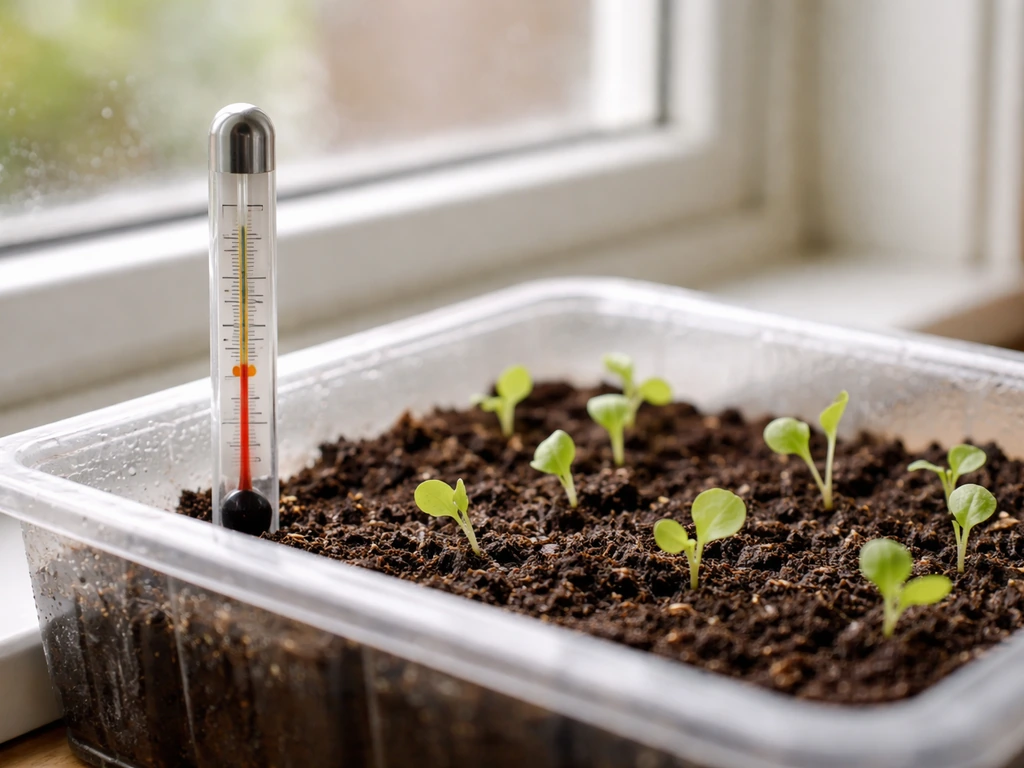
Lettuce germination is best between 60 and 68°F (15 to 20°C). Above 75°F (24°C), germination rates drop significantly, and above 80°F (27°C) you can expect very poor stands, especially with direct sowing. Indoors, keep seedlings away from heating vents or sunny windows that overheat in the afternoon. Outdoors in late spring or summer, lettuce bolts quickly in heat, so time your planting for cooler periods. Fall planting in most climates (late August through September) often produces better lettuce than spring planting because temperatures are dropping rather than rising.
Water
Lettuce likes consistently moist soil but not waterlogged conditions. The biggest mistake beginners make is watering too heavily and too infrequently, which creates the cycle of dry-then-soggy soil that stresses young roots. For seedlings and transplants, water lightly and frequently rather than deeply and rarely. The surface should feel barely damp, not wet. In containers, check daily since they dry out faster than ground beds. In hydroponic systems, maintain your water level and check nutrient concentration weekly.
Airflow
Airflow matters more indoors than most people realize. Stagnant, humid air around seedlings is a perfect environment for damping off and fungal issues. University of Minnesota Extension notes that damping off risk increases when seedlings are started in non-sterile media and when seedlings are kept warm and wet, because pathogens can spread from plant to plant via shared irrigation water warm and wet conditions can raise damping off risk and pathogens can spread. A small fan running on low for a few hours a day keeps air moving, strengthens stems, and reduces moisture buildup on leaves. Don't point it directly at tiny seedlings, but keep it nearby. Outdoors, natural airflow handles this automatically as long as you're not overcrowding plants.
Transplanting, Spacing, and Hardening Off
If you started any seedlings indoors or bought transplants, there are a few things to do before putting them in their final spot outdoors to avoid transplant shock.
Hardening Off
Hardening off is the process of gradually introducing indoor-grown plants to outdoor conditions. Skip this step and you risk seeing your transplants wilt dramatically or even die within a day or two. It takes about 7 to 10 days and isn't complicated. Start by setting plants outside in a shaded, sheltered spot for 1 to 2 hours on day one, then increase outdoor time by an hour or two each day. By the end of the week they should be handling full outdoor conditions without stress. Don't harden off during a heat wave or when frost is still predicted overnight.
Spacing at Transplant Time
Spacing depends on variety. Loose-leaf types like 'Black Seeded Simpson' or 'Red Sails' can grow 6 to 8 inches apart since you harvest outer leaves rather than the whole head. Butterhead varieties like 'Buttercrunch' need 8 to 10 inches. Full romaine heads need 10 to 12 inches. In containers, one butterhead or romaine per 6-inch pot is about right; for window boxes or larger containers, space at 8-inch intervals.
Reducing Transplant Shock
Water your transplants thoroughly the day before moving them. When planting, try to disturb the root ball as little as possible, especially with cell pack transplants where roots can be tightly wound. Water in immediately after planting and provide shade cloth or place plants in light shade for the first 2 to 3 days if temperatures are above 65°F. Avoid transplanting on hot, sunny afternoons; early morning or a cloudy day is much better.
Troubleshooting Common Problems
Seeds Not Germinating
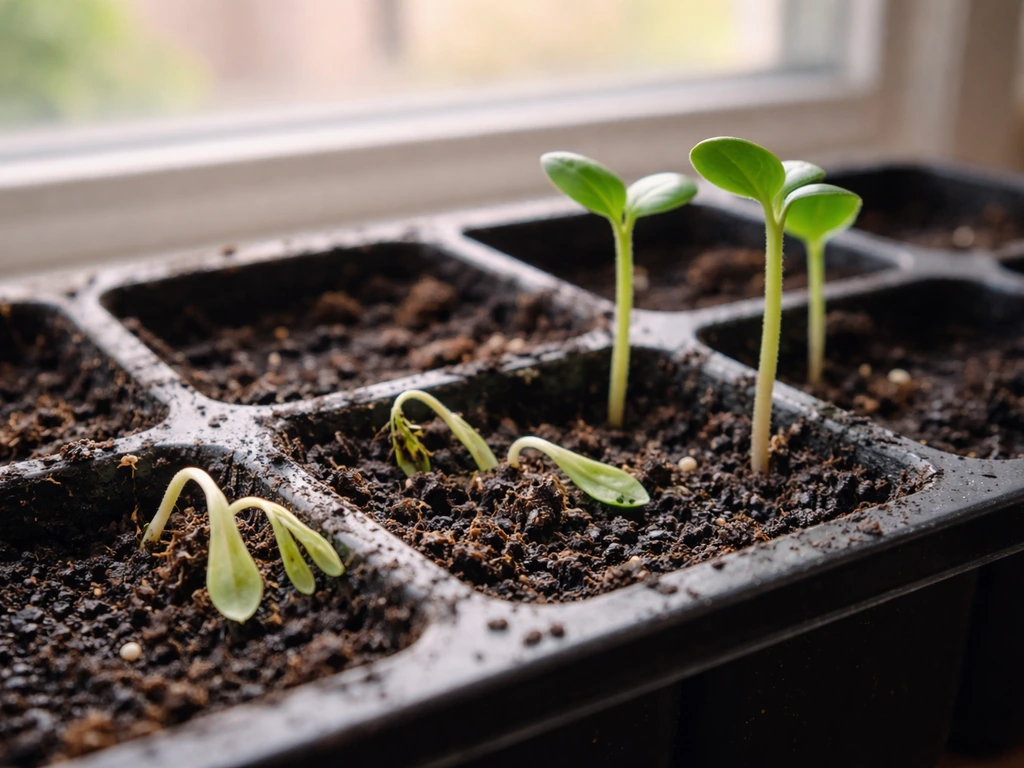
If nothing sprouted after 14 days, start with temperature. Lettuce seed germination slows dramatically above 75°F and almost stops above 80°F. Try moving your tray somewhere cooler or waiting for outdoor temperatures to drop. Old seed is another culprit: lettuce seed viability drops off after 2 to 3 years. Test old seed by placing 10 seeds on a damp paper towel for 5 days; if fewer than 7 sprout, buy fresh seed. Finally, check planting depth. Lettuce seed buried more than 1/4 inch often fails to emerge.
Damping Off
Damping off is when seedlings suddenly collapse at the soil line, as though pinched. It's caused by fungal pathogens that thrive in wet, warm, poorly ventilated conditions. If it's happening to you, the cause is almost always one or more of these: garden soil used as starting mix (always use sterile, soilless seed-starting mix instead), overwatering, poor airflow, or contaminated tools and containers. Once damping off starts in a tray it spreads fast via irrigation water, so remove affected seedlings immediately and don't splash water from pot to pot. Prevention is the only real fix: sterile media, clean containers, light watering, and a small fan.
Leggy, Weak Seedlings
Leggy seedlings are almost always a light problem. If your seedlings are tall, thin, and falling over, they're stretching toward a light source that's too weak or too far away. Move grow lights to within 2 to 4 inches of the tops of seedlings, or switch to a brighter light source. Outdoors, this usually fixes itself once plants are in full sun. Rotating indoor trays 90 degrees every 2 days helps if light is coming from one direction (like a window).
Slow Growth After Transplanting
Some slowdown after transplanting is normal as roots get established, typically 5 to 10 days. If growth is still sluggish after 2 weeks, check soil moisture (too dry is more common than too wet in outdoor beds after establishment), pH (lettuce is sensitive to very acidic or alkaline conditions), and temperature. In hot weather, lettuce basically pauses growth and starts thinking about bolting. If you're transplanting into heat, switch to heat-tolerant varieties or wait for fall.
Variety Selection and Realistic Timelines
Choosing the right variety for your method speeds everything up and reduces frustration. Here's how to match variety to your approach.
| Variety Type | Best Method | Days to Harvest | Notes |
|---|---|---|---|
| Loose-leaf (e.g., Black Seeded Simpson, Red Sails) | Direct sow, transplants, regrow | 45 to 55 days from seed; 3 to 5 weeks from transplant | Most forgiving; harvest outer leaves continuously |
| Butterhead (e.g., Buttercrunch, Tom Thumb) | Transplants, seed pellets | 55 to 65 days from seed; 4 to 6 weeks from transplant | Great for containers; slow to bolt |
| Romaine (e.g., Little Gem, Parris Island) | Direct sow, transplants | 60 to 80 days from seed; 5 to 7 weeks from transplant | Needs a bit more space; heat tolerant vs other types |
| Oakleaf or Batavian types | Direct sow, transplants | 50 to 60 days from seed | Good heat tolerance; great for spring-to-summer transition |
| Hydroponic varieties (e.g., Rex, Salanova) | Pod systems, net cups | 30 to 45 days in hydro setup | Bred for fast growth in nutrient solution; compact heads |
For beginners using transplants outdoors, loose-leaf varieties give you the fastest and most forgiving harvest window. For indoor hydroponic systems, look specifically for varieties labeled as hydroponic or greenhouse types since they're bred for faster cycling and more compact growth in controlled conditions. If you're regrowing from store-bought lettuce bases, loose-leaf and butter types work best; romaine regrows reasonably well but iceberg typically doesn't produce useful regrowth.
Your Next Steps This Week
Here's exactly what I'd do right now depending on your situation. If it's mid-May and you're in a temperate climate, outdoor temperatures are warming fast, which means you should either transplant this week while nights are still cool or switch to heat-tolerant varieties and be ready to harvest before summer peaks. For indoor or hydroponic growers, any time of year works, and starting this week means you could be harvesting in 5 to 7 weeks.
- Outdoor bed beginner: Buy a 6-pack of loose-leaf or butterhead transplants this weekend, prep your bed with compost, and get them in the ground with 8-inch spacing. Water daily for the first week.
- Container grower: Pick up 2 to 3 transplants and a bag of quality potting mix. Plant in a container at least 8 inches deep, water well, and place in your sunniest spot.
- Indoor grower with a grow light: Order seed pellets or a seed tape of a butterhead variety, fill a shallow tray with sterile seed-starting mix, place seeds, and set your light 3 inches above the tray on a 16-hour timer.
- Hydroponic system owner: Order pre-seeded pods compatible with your system (or seed your own rockwool cubes), check your nutrient solution, and get your first pods started this week.
- Zero-budget experimenter: Grab a head of living butter lettuce from the grocery store, cut the base, place it in a bowl of water on your sunniest windowsill, and change the water daily.
Whichever path you choose, the main thing is to start now rather than wait for perfect conditions. Lettuce is one of the most rewarding crops to grow because the feedback loop is fast: you can go from nothing to eating fresh salad in 4 to 6 weeks, even if your setup isn't perfect. Pick the method that matches where you are today, follow the steps above, and troubleshoot from there. When you are ready to harvest from a Farmstand or similar setup, cleaning lettuce and rinsing off any residue is a simple step that helps keep flavor and freshness at their best.
FAQ
Can I use a lettuce grow seedling alternative by regrowing from grocery store lettuce, and what results should I expect?
Yes, but treat it like regrowth for greens, not a full-size head replacement. Keep the base intact, trim leaves to about 1 to 2 inches from the crown, place it in shallow water (just enough to cover the base), and change water every day or two. Expect smaller, looser regrowth, and plan to finish the plant after 2 to 3 cut cycles because regrowth slows as nutrients in the base run out.
Do seed tapes or pellets eliminate thinning completely, or do I still need to adjust spacing?
If you use seed tapes or pellets, follow the strip or spacing guidance exactly, but still thin only if seeds ended up overcrowded. The most common mistake is planting too deep or letting the strip dry out after sowing, which breaks uniform germination. Keep the top layer consistently moist until you see sprouts, then shift to your normal watering rhythm to avoid damp-off.
What should I do if I direct sow but a heat wave hits and seedlings slow down?
For direct sowing outdoors, choose cool windows and protect the bed during unexpected heat. Use row cover or shade cloth when temperatures spike, and water gently to maintain a lightly moist surface during germination. If seedlings emerge but growth stalls during hot afternoons, pause further sowing and switch to heat-tolerant varieties or plan the next planting for late summer, rather than forcing the same bed through heat.
If damping off shows up, how do I prevent it from happening again in the same container?
Don’t start a new crop in the same pot or soil that had damping off. Remove and discard collapsed seedlings, sterilize or replace any reusable containers, and restart with fresh sterile soilless seed-starting mix. Also check your watering approach, the small fan for airflow, and avoid misting leaves, since splashing can spread spores even when you don’t see symptoms immediately.
Is hardening off required for transplants that were grown in a sunny window indoors?
Hardening off can be skipped only if the plants have already been outdoors under similar conditions. If you moved them indoors from a bright window, they still need gradual outdoor exposure. Start in shade for a few hours, increase time daily, and bring plants in during cold nights or if winds are strong. A heat wave is a bad time to harden off, because you can cause stress faster than roots can handle.
How do I choose spacing when I am growing lettuce in the garden versus containers, and I am not sure the variety size?
Spacing is driven by variety and harvest method. If you are unsure, use the “outer leaf harvest” spacing for loose-leaf types, and the “whole head” spacing for romaine and butterhead. Overcrowding makes airflow worse and raises disease risk, so if you’re between sizes, lean toward more space rather than less.
Why do indoor seedlings get leggy even when temperatures seem okay?
Indoor lettuce often fails because heat and light are coupled. If your room runs warm, seedling germination may still start, but stretch will follow if the light is weak or too far away. Keep seedlings cool, keep the light close and on a timer for long daily photoperiods, and avoid placing trays near radiators or hot windows in the afternoon.
How do I adjust if my outdoor temperatures drop below the recommended range after I start an alternative method?
Once temperatures are below about 45°F (7°C), growth slows and seedlings may look stuck, even if they are alive. For outdoors, use row cover to extend cooler-weather periods and reduce frost risk. If you are growing in containers, move pots to a sheltered spot at night rather than leaving them in a drafty, cold location.
What pH-related symptoms should I look for if growth is slow despite good watering and light?
If lettuce is pH sensitive in your area, test your water or nutrient solution rather than guessing. For soil, very acidic or very alkaline conditions can cause slow growth and nutrient lockout even when watering is correct. In hydroponics, check nutrient concentration and aim for stable conditions, since swings can mimic moisture or light problems.
How does harvest timing affect regrowth if I’m using a seedling alternative method?
Yes, but harvest timing changes how well regrowth works. For loose-leaf and butter, harvesting outer leaves first keeps the center producing longer. For romaine, you typically get better results when you harvest sooner before plants get too large and start transitioning toward bolting. If you harvest too late, regrowth becomes minimal and quality drops.