Harvest your lettuce from the farmstand, separate the leaves, rinse them under cold running water, give them a short soak if they're gritty, spin or pat them dry, and refrigerate in a container lined with paper towels. If you are starting from seed, a lettuce seedling alternative can help you establish healthier starts with less transplant shock lettuce grow seedling alternative. That's the whole process. It takes about five minutes for a loose-leaf harvest, maybe ten if the leaves are particularly sandy or you're working with a tight crisphead. Plain cold water is all you need, no soap, no produce wash, nothing extra.
How to Clean Lettuce From a Grow Farmstand Step by Step
Marcus Holloway
19 May 2026
Before you start: food safety basics and what to have ready
The FDA is pretty clear on this: wash your hands with warm water and soap for at least 20 seconds before you touch any produce, and again afterward. The CDC also recommends washing hands for at least 20 seconds with soap and water to help reduce contamination wash your hands with warm water and soap for at least 20 seconds. This is the single most effective thing you can do for food safety and it costs nothing. While you're at it, make sure your sink, colander, and salad spinner are clean before the lettuce touches them, dirty equipment transfers contamination right back onto the leaves you just cleaned.
Here's what you actually need on the counter before you start:
- A clean colander or salad spinner basket
- A large bowl (for soaking if the leaves are very dirty)
- Cold water — not warm, which wilts tender leaves fast
- Clean paper towels or a lint-free kitchen towel for drying
- An airtight container or zip bag for storage
- A cutting board and knife if you plan to trim or chop
Skip the soap, dish detergent, or any commercial produce wash. The FDA, USDA, and CDC all advise against it, soap and detergent residues can be absorbed into the porous tissue of lettuce leaves, and plain running water does the job effectively. If you see a produce wash at the grocery store and wonder whether it's worth buying, the research says there's no meaningful difference in safety outcomes compared to cold running water used correctly.
One more safety note: keep your lettuce away from raw meat, poultry, and any surfaces or utensils that touched those things. Splashing contaminated water from a nearby sink onto your greens is a real and often overlooked risk. Clean your sink before you start if you've recently prepped meat in it.
Quick identification: what type of lettuce you have and how dirty it is
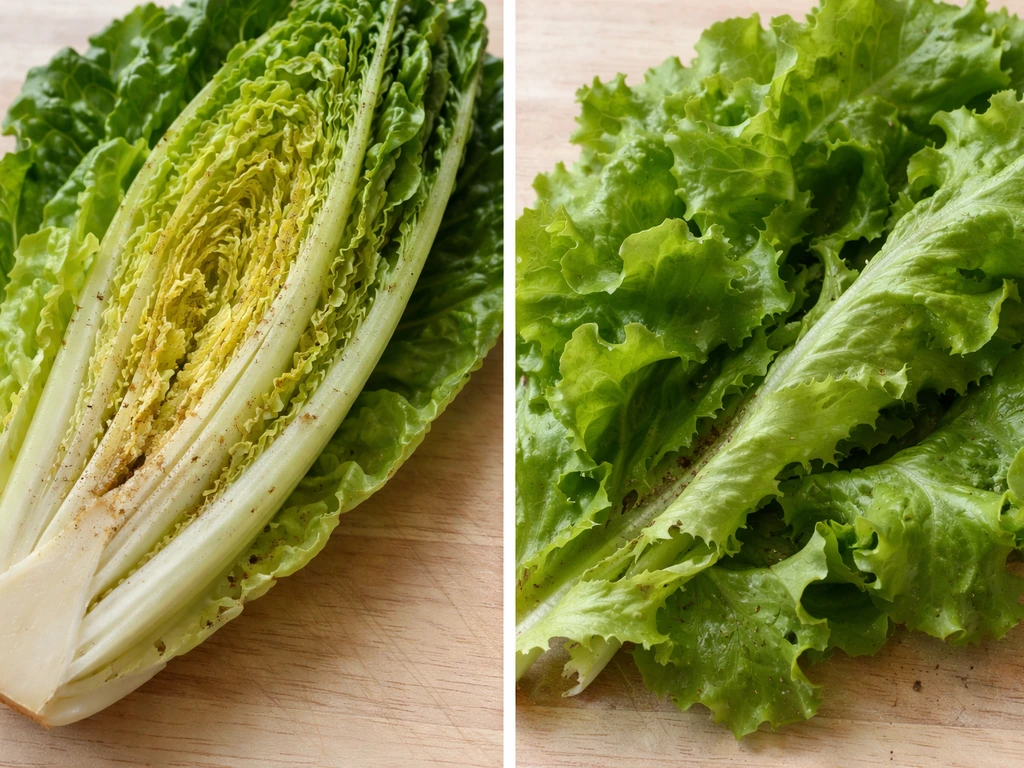
How you clean depends on what you grew. Loose-leaf varieties from a farmstand, types like red leaf, green leaf, or oakleaf, come apart easily and tend to trap less debris between leaves. If you want the bigger picture, check out lettuce grow instructions too so harvest and post-harvest line up with how your crop was raised. They're also more delicate, so aggressive handling will bruise them. Butterhead and crisphead (romaine and iceberg-style) varieties form dense heads with tight layers that can trap grit, soil, and the occasional bug deep inside where a simple rinse won't reach.
| Lettuce Type | Typical Dirt Level | Key Cleaning Challenge | Method to Use |
|---|---|---|---|
| Loose-leaf (red leaf, oakleaf, etc.) | Light to moderate | Delicate leaves bruise easily | Gentle rinse, short soak if needed |
| Butterhead (Boston, Bibb) | Light to moderate | Soft leaves, easy to tear | Rinse each leaf separately, no vigorous swishing |
| Romaine | Moderate | Inner leaves trap grit in the ribs | Separate leaves, rinse and soak |
| Crisphead (iceberg-style) | Moderate to heavy | Dense layers hide debris deep inside | Core out, separate leaves fully before washing |
Before you wash anything, take a quick look at the leaves. If you see light surface dust or a little potting mix, a straightforward rinse will handle it. If the leaves have visible grit, soil caught in the crevices, or you grew the lettuce in an outdoor or semi-outdoor farmstand setting where it may have had exposure to rain splash, plan for a soak. Heavily soiled leaves, think muddy crevices or visible debris packed into the base, need the full treatment: separate, soak, swish, rinse again.
Step-by-step: rinse, soak, swish
- Separate the leaves from the head or stem. For loose-leaf varieties, just pull apart what you harvested. For romaine or crisphead, cut off the base, peel away the outer leaves (discard any that are damaged), and separate each inner leaf individually. You cannot clean a whole head effectively — the inner leaves stay dirty.
- Rinse under cold running water. Hold each leaf (or a small handful of leaves) under the tap and let the water run over both sides. The EPA notes that running water has an abrasive effect that soaking alone doesn't, so this first rinse does real work. Keep the flow gentle enough that you're not battering tender leaves against the side of the sink.
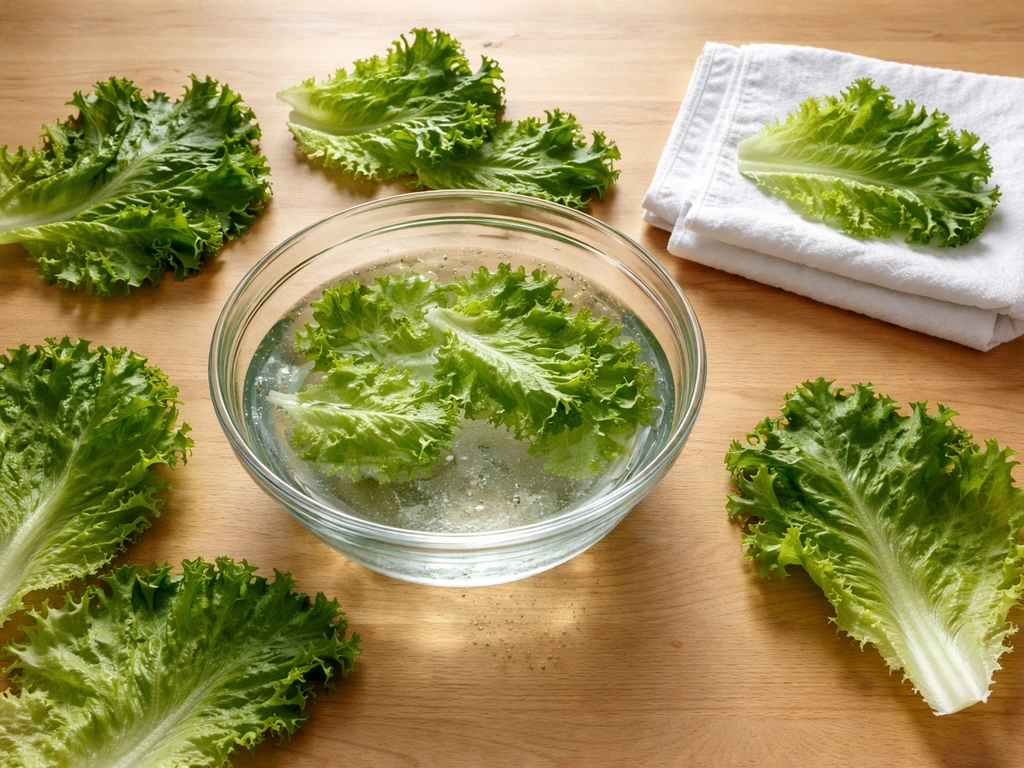
- Fill a large bowl with cold water and submerge the leaves. Let them soak for 1 to 2 minutes. This loosens grit that's stuck in crevices or along the leaf ribs — grit that running water alone won't always dislodge.
- Swish gently. Use your hands to move the leaves around in the water. You'll often see grit settle to the bottom of the bowl. Don't scrub or squeeze the leaves — gentle movement is enough.
- Lift the leaves out of the water (don't pour the bowl into a colander, which dumps the grit back onto the leaves). Set them in a clean colander.
- Rinse one more time under cold running water if you see any remaining debris, or if the soak water was visibly dirty. A second bowl of fresh cold water works here too.
For a quick weeknight harvest where the leaves look clean, you can skip the soak and just rinse thoroughly under cold running water. That's a perfectly safe approach for lightly soiled farmstand lettuce. The soak step earns its place when you're dealing with gritty leaves or dense varieties where water pressure alone won't flush out trapped soil.
Removing stubborn grit and built-up debris without bruising
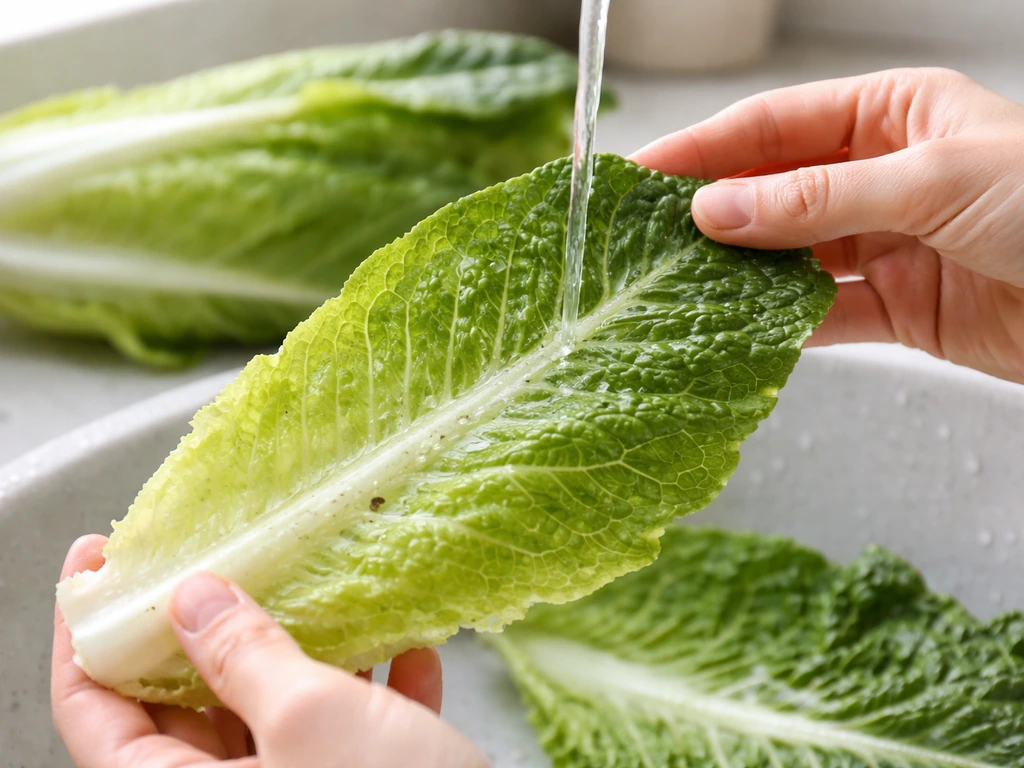
This is where most people go wrong. The instinct when you see dirty lettuce is to scrub it, squeeze it, or rub the leaves together. Don't. Lettuce cell structure is fragile, physical pressure breaks down the tissue, which leads to browning and a slimy texture within hours. The cleaning method here has to be water doing the work, not your hands.
For leaves with grit in the ribs or crevices (common in romaine or frilly varieties like lollo rosso), change the soak water once or twice. Fill the bowl, soak for a minute, lift the leaves out, dump the water, refill, and soak again. Two rounds of soaking pulls out remarkably stubborn debris. You can tilt stubborn leaves and let water run directly along the central rib from the base toward the tip, this flushes grit that's trapped in that groove.
If you're dealing with leaves that have a sticky or resin-y residue from insect activity (aphids leave a residue, for example), a longer cold soak, up to 5 minutes, softens it enough to rinse free. Don't be tempted to use warm water to speed this up; warm water wilts tender leaves fast and shortens their storage life significantly.
Before you start drying, trim away any leaves or leaf sections that are clearly damaged: brown edges, soft spots, or anything that looks like it was already decomposing. The FDA recommends cutting away bruised or damaged areas before you eat or store produce. Don't try to save obviously bad sections, they'll contaminate the rest of your harvest in the fridge.
Drying properly and storing for maximum freshness
Moisture is the enemy of storage life. Wet lettuce left sitting together in a container will become slimy within a day or two. Drying is not optional, it's the step that determines whether your harvest lasts a few days or a full week.
A salad spinner is the fastest and most effective tool here. Load the basket, spin for about 30 seconds, dump the collected water, and spin again. Two rounds of spinning gets most of the surface moisture off. After spinning, spread the leaves on a clean kitchen towel or paper towels and gently pat them dry, this picks up the remaining moisture the spinner missed, especially in the crevices of thicker leaves.
If you don't have a salad spinner, lay the leaves in a single layer on clean paper towels and blot the top surface gently, then transfer to dry towels. It takes longer but works fine. The goal is leaves that feel dry to the touch, not just damp.
For storage, line an airtight container or a large zip bag with paper towels, add the dried leaves, place another paper towel on top, and seal it. The paper towel absorbs any condensation that forms during refrigeration. Store in the coldest part of your fridge, research from UC Davis Postharvest Research shows lettuce stores best at 32°F (0°C) with relative humidity around 98 to 100%. UC Davis Postharvest Research and Extension Center recommends storing lettuce at [0°C (32°F)](https://www.
ucdavis. edu/postharvest/produce-facts-sheets/lettuce-crisphead) to optimize storage life, with a shelf-life of about 21 to 28 days under appropriate conditions such as relative humidity. In a home fridge, the crisper drawer gets you closest to those conditions. Properly dried and stored this way, farmstand-fresh lettuce will typically stay crisp and usable for 7 to 10 days, and crisphead varieties can push 2 to 3 weeks.
Special cases: pre-washed lettuce, salvaged or cut leaves, and mold or spotting
Pre-washed lettuce
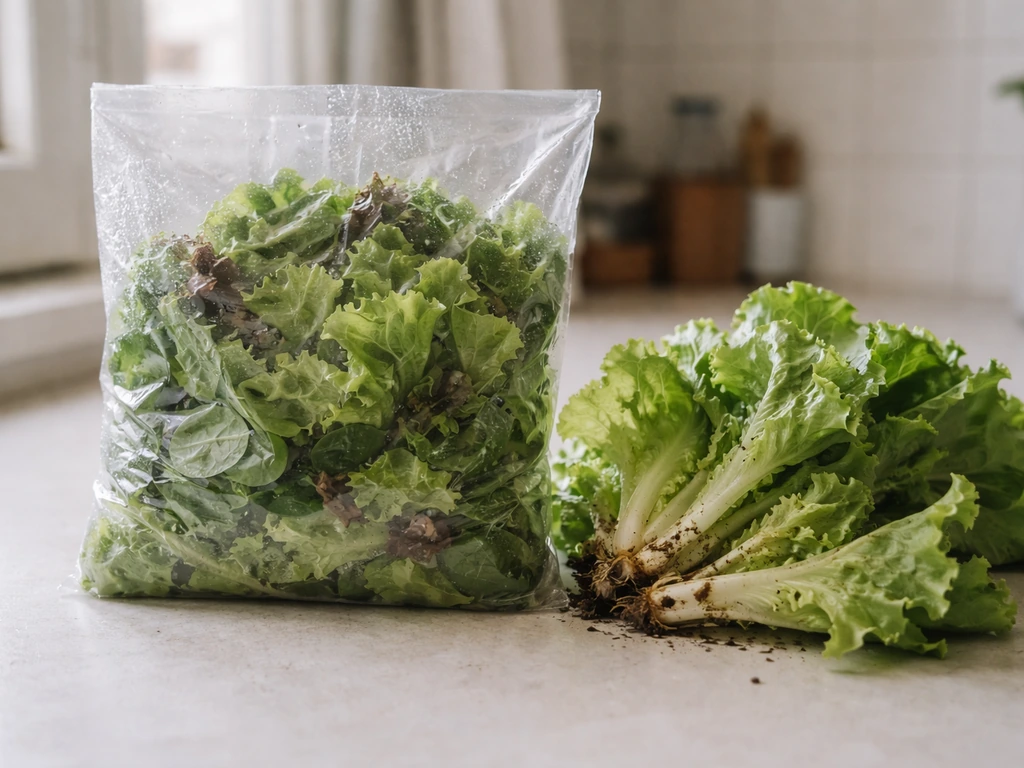
If you bought lettuce from a farmstand market and the packaging says 'pre-washed' or 'ready-to-eat,' you don't need to wash it again. The FDA is explicit about this: rewashing pre-washed product can actually introduce contamination from your sink, hands, or equipment. If you do choose to rinse it anyway, and some people just feel better doing so, make sure your hands, colander, and sink are completely clean first, and dry the leaves thoroughly before storing.
Cut or salvaged leaves
If you harvested using a cut-and-come-again method and the leaves are already cut, handle them with extra care during washing, cut edges are more fragile and absorb water faster, which accelerates browning. Use a gentle rinse and a very brief soak (30 to 60 seconds at most), then dry immediately and thoroughly. Cut leaves don't store as long as whole leaves, plan to use them within 3 to 4 days regardless of how well you dry them.
Mold, sliminess, or brown spotting
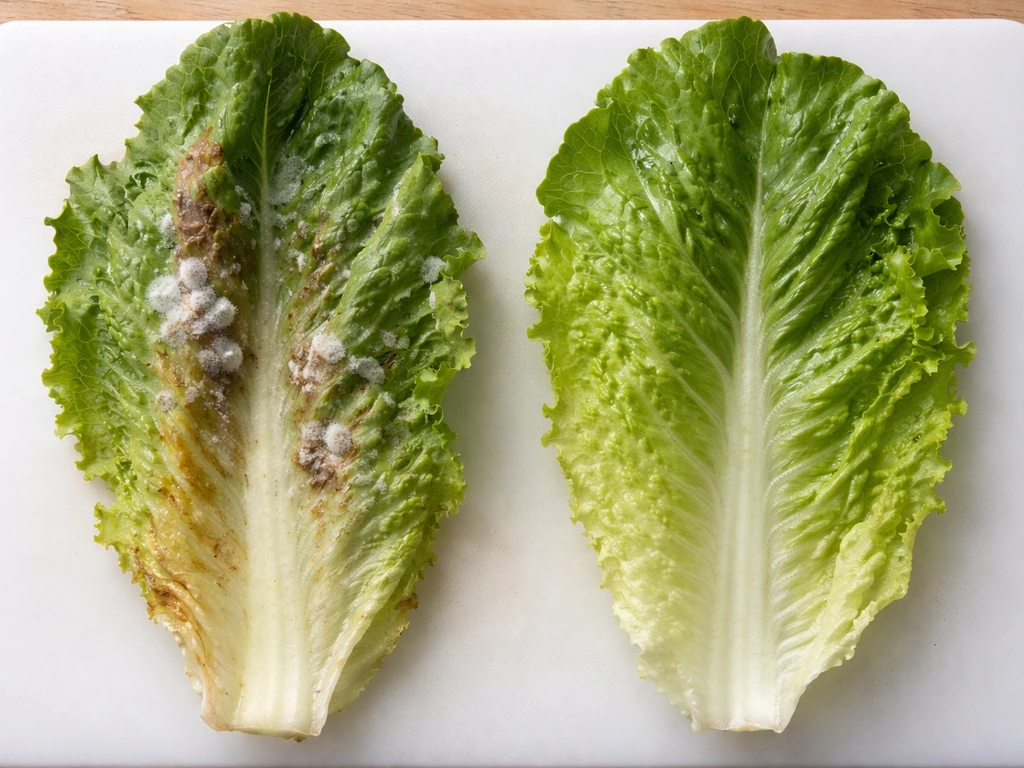
If you see actual fuzzy mold on a leaf, discard that leaf entirely, don't try to rinse or cut around it. Mold penetrates leaf tissue and washing doesn't make it safe. Small brown spots from tipburn (a calcium deficiency common in indoor farmstand growing) are different, those are cosmetic, not a food safety issue, and the rest of the leaf is fine to eat. Outer leaves with soft, slimy patches should also be discarded; sliminess indicates bacterial breakdown has already started.
Troubleshooting: grit, slime, browning, and spoilage timing
Still gritty after washing
If you bite into a leaf and feel grit, the soak step was too short or you poured the soak water back over the leaves when you drained them (which redeposits the settled grit). Go back to the bowl, fill with fresh cold water, and do two more soak-and-lift cycles. For particularly sandy harvests, common with outdoor or partially outdoor farmstand setups, three rounds of soaking in fresh water will clear it.
Leaves turning slimy after washing
Sliminess after washing almost always means the leaves weren't dried thoroughly enough before going into the fridge. Too much residual moisture plus an enclosed container creates the perfect conditions for bacterial breakdown. If this happens consistently, extend your drying time, spin twice, then pat dry, then let the leaves air out on paper towels for 5 to 10 minutes before sealing the container. Also check that you're not over-packing the storage container, which traps moisture.
Browning on edges and cut surfaces
Browning on edges after washing usually means the leaves were handled too roughly, squeezed, scrubbed, or swished too vigorously. Bruised tissue oxidizes and browns within hours. There's no fix once it happens, but you can minimize it going forward by using gentler handling and colder water. Browning on cut edges of harvested leaves is normal oxidation and mostly cosmetic; trim the brown edge off if it bothers you.
How long should cleaned lettuce actually last?
Loose-leaf varieties that are well-dried and properly stored will typically last 5 to 7 days in the fridge. Butterhead holds for about the same. Romaine and crisphead types, which are sturdier, can last 10 to 14 days. These are real-world home fridge numbers, not laboratory conditions. If your fridge runs a bit warm or the crisper drawer doesn't seal well, expect shorter life. If leaves start to look damp or smell off before that window, don't second-guess it, discard them.
One thing worth knowing: if your farmstand is set up indoors and you're harvesting regularly, you'll get the best results by washing only what you plan to eat in the next few days rather than washing your entire harvest at once. Unwashed harvested leaves, stored dry in the fridge, will actually keep longer than washed and stored leaves because you haven't introduced any moisture yet. Wash right before you eat, not before you store, unless your workflow requires batch prep.
FAQ
I washed my lettuce earlier, now it feels a bit damp, should I wash it again?
Don’t. If you already washed and stored lettuce, the safest move is to re-check dryness and remove any obviously damaged leaves. If it feels damp, spin again, pat dry, replace the paper towels, and reseal. If you see mold, discard affected leaves or the whole container if mold likely spread.
What’s the best way to store lettuce after washing so it stays crisp longer?
If you have batch washed lettuce, store it dry and use a check at 24 hours. Replace the paper towel liner if it’s wet, and don’t repack too tightly. Over-packing traps condensation and is a common reason lettuce turns slimy even when it was initially dried well.
How do I avoid cross-contamination if I washed lettuce in the same sink where I prepped raw chicken?
Use separate tools or thoroughly clean between tasks. Even if you rinse well, cross-contact from the sink, colander, spinner, or countertops can transfer microbes from raw meat. A simple rule is to wash produce in a dedicated, pre-cleaned basin or after handling meat is fully finished and surfaces are disinfected.
My lettuce still has grit in the ribs after one rinse, what should I do next?
For muddy or sandy farmstand lettuce, the safest pattern is soak-lift-rinse, then drain completely and do a second fresh-water soak if grit is still in ribs. Don’t just add more water and keep it there while you stir, because you can redeposit loosened soil back onto the leaves.
Can I freeze cleaned farmstand lettuce to make it last longer?
Freezing changes lettuce texture (it becomes limp and watery) because leaf cells break down. If your goal is to cook it, it’s better to use freshly cleaned lettuce and refrigerate, or chop and cook within a day or two instead of freezing.
When can I trim damaged lettuce, and when should I throw it out?
If a few leaves are damaged, trim them off before storage, but discard any leaf with fuzzy mold or a strong off smell. Tipburn or small brown cosmetic areas can be trimmed, but slimy soft patches usually indicate bacterial breakdown that you should not save.
Is it okay to re-wash “pre-washed” lettuce from the farmstand?
If the leaves were pre-washed, rewashing is optional. If you still want to rinse, keep it brief, use cold running water, then dry thoroughly and store immediately. The key risk is introducing contamination from sink, hands, or equipment.
Does washing lettuce right after harvest change how long cut leaves last?
Yes, but timing matters. Store cut lettuce more quickly after washing and dry it aggressively, because cut edges absorb water and brown faster. Plan to eat cut lettuce within about 3 to 4 days, and check daily for dampness.
My lettuce turns slimy after a day, what drying fix should I try first?
Wipe the leaves dry with paper towels, then dry in a single layer in the fridge on clean dry towels or spread on towels for a short air-dry, 5 to 10 minutes, before sealing. Residual moisture is the main driver of sliminess, so focus on extending drying rather than adding extra soaking.
Should I wash all my harvested lettuce at once or wash only what I’ll eat?
If you suspect it was exposed to rain splash or you see visible grit, wash right away and use the soak step plus gentle handling. If the leaves look clean and you can keep them dry, washing only what you’ll eat soon tends to improve storage life because you avoid adding moisture up front.
I used the same soaking water for a while, could that make grit worse?
If your rinse water is visibly gritty, dump it rather than continuing to rinse in the same bowl. Settled grit redeposits easily, so the fix is fresh cold water and another soak-lift cycle, then rinse and dry thoroughly.