You can grow lettuce successfully in a garden bed, container, or hydroponic system by keeping temperatures between 60°F and 70°F, planting seeds about 1/8 inch deep, giving plants 12 to 16 hours of light indoors (or a cool, partly shaded spot outdoors), watering consistently to keep the root zone moist but never waterlogged, and harvesting outer leaves once the plant reaches 4 to 6 inches tall. That's the core of it. Everything below fills in the specifics so you can apply it to your exact setup.
Lettuce Grow Instructions: Complete Guide for Any Setup
Marcus Holloway
5 May 2026
Choosing the Right Lettuce Variety
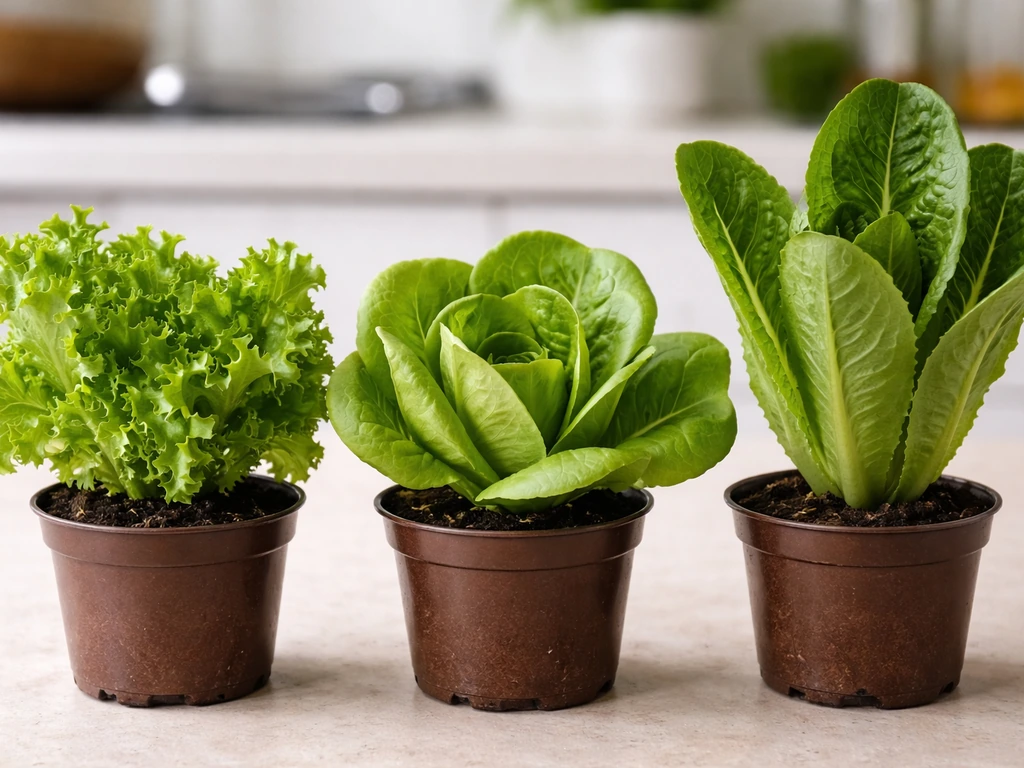
The variety you pick determines your timeline, your harvest method, and how forgiving the plant will be if temperatures swing. Here's how to think about it:
| Type | Best For | Days to Harvest | Bolt Resistance | Harvest Style |
|---|---|---|---|---|
| Loose-leaf (e.g., Black Seeded Simpson, Salad Bowl) | Beginners, containers, hydroponics | 30–45 days | Moderate to good | Cut-and-come-again |
| Butterhead (e.g., Buttercrunch, Boston) | Garden beds, containers | 55–75 days | Moderate | Full head or outer leaves |
| Romaine (e.g., Jericho, Little Gem) | Garden beds, outdoor growing | 70–80 days | Better than most | Full head or cut halfway down |
| Crisphead/Iceberg | Experienced growers, cool climates | 70–90 days | Low — bolts easily | Full head only |
| Mini/dwarf varieties (e.g., Tom Thumb) | Containers, hydroponic pods | 45–60 days | Good | Full head at small size |
My honest recommendation for most people starting out: go with a loose-leaf variety. You'll be harvesting in about a month, you get repeated cuts from the same plant, and if something goes slightly wrong you haven't lost a two-month investment. If you're using a hydroponic system like a Lettuce Grow Farmstand, loose-leaf and butterhead varieties both work extremely well because the consistent nutrient delivery suits their fast growth. Romaine is a solid second choice if you want more structure and a slightly longer harvest window.
Setting Up Your Growing Space: Soil, Container, or Hydroponics
Outdoor garden beds
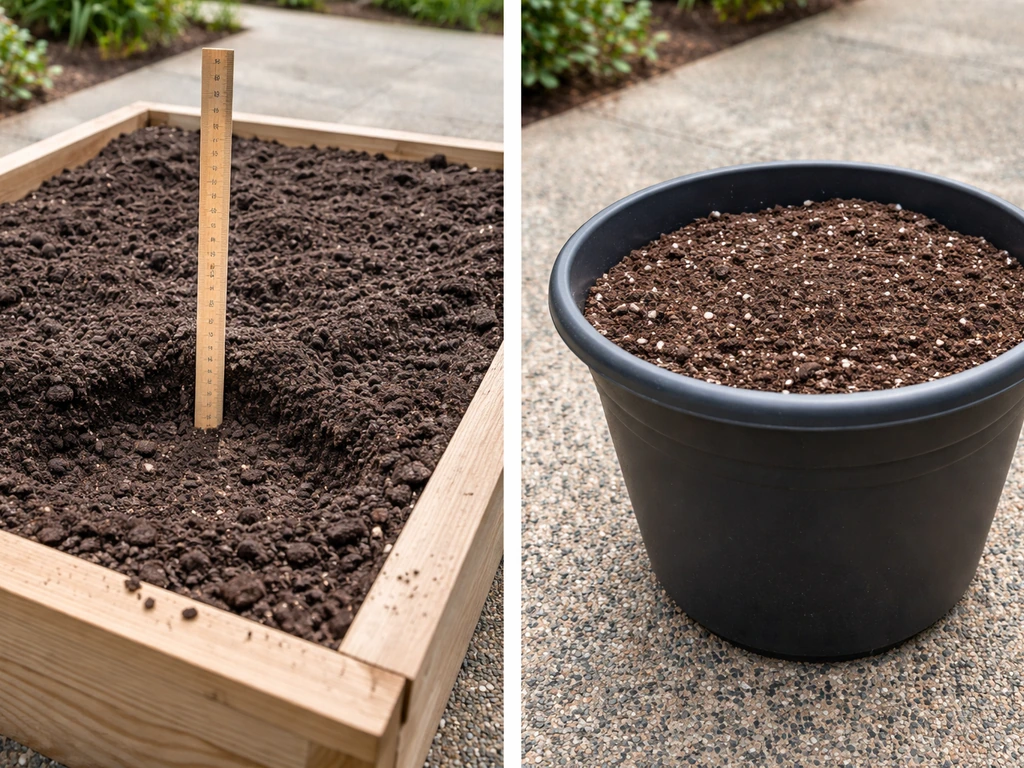
Lettuce has a shallow root system, typically 6 to 12 inches deep, so even a raised bed works well. Prepare your bed by working in 2 to 3 inches of compost and making sure you have good drainage. Lettuce does not want to sit in wet, compacted soil. A slightly acidic to neutral pH between 6.0 and 7.0 is ideal. If your soil is heavy clay, mix in perlite or coarse sand to improve drainage.
Containers and indoor pots
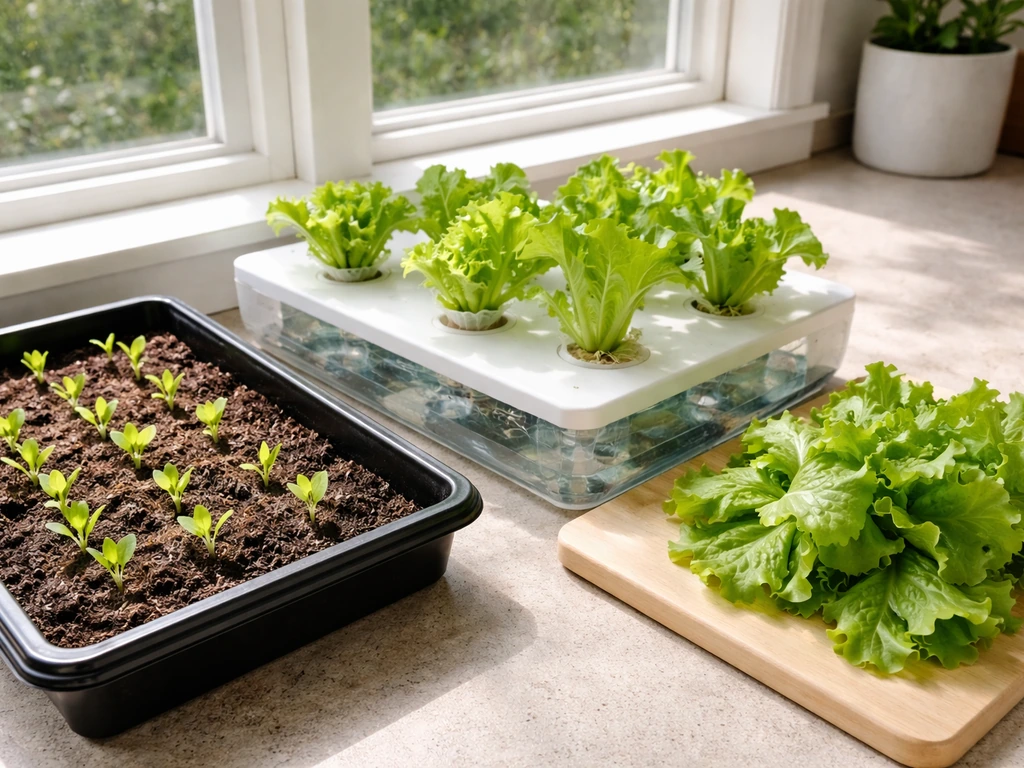
For containers, choose a pot that is at least 6 inches deep (8 to 12 inches is better for full heads). Drainage holes are non-negotiable. Use a high-quality potting mix, not garden soil, which compacts in pots and suffocates roots. A mix with peat or coco coir, perlite, and compost works great. Window boxes are fantastic for loose-leaf varieties since you can line up multiple plants and do a rolling harvest. One 12-inch pot can support three to four loose-leaf plants comfortably.
Hydroponic systems
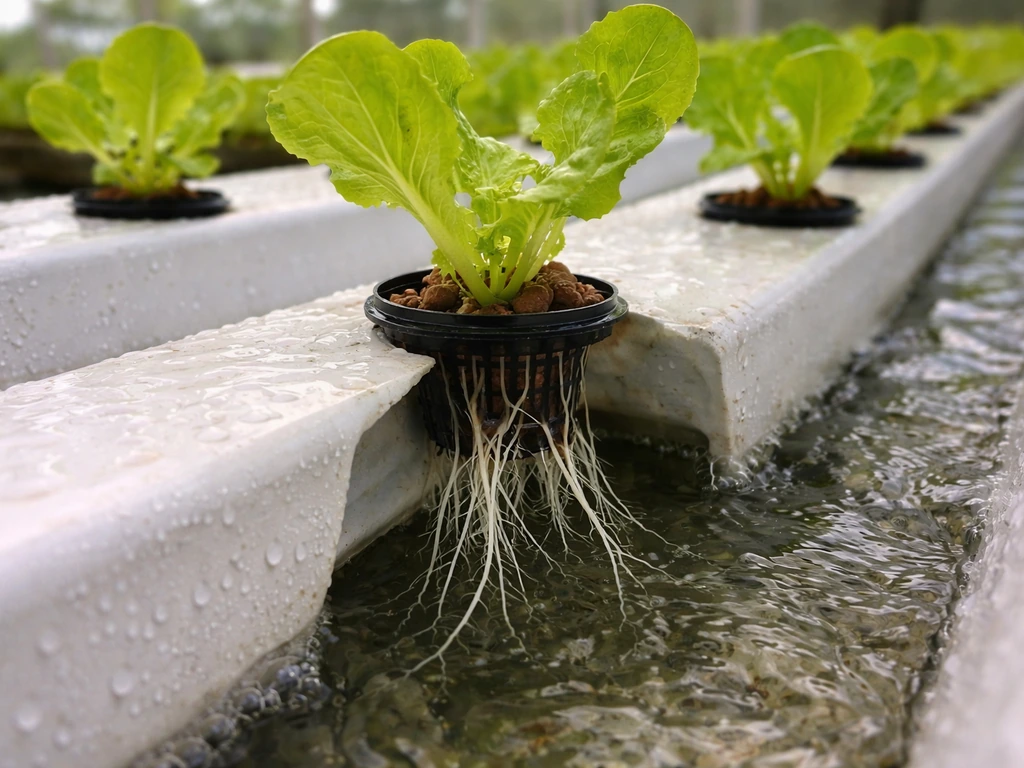
Lettuce is one of the best crops for hydroponics because it's fast-growing and doesn't need a huge nutrient load. Systems like NFT (nutrient film technique), DWC (deep water culture), and kratky passive hydroponics all work well. The Lettuce Grow Farmstand and similar vertical aeroponic systems are particularly well-suited to lettuce because the misting keeps roots oxygenated and moist without drowning them.
If you’re using a hydroponic setup, the lettuce grow system guidance can help you dial in the setup steps, nutrients, and timing. In any hydroponic setup, you'll need net pots (typically 2-inch size for lettuce), a growing medium like hydroton clay pebbles or rockwool cubes, and a reservoir for your nutrient solution. If you're just getting started with a specific system, it's worth reviewing dedicated setup guidance since the plumbing, timers, and reservoir sizing vary quite a bit.
Planting and Germination: Timing, Depth, and Spacing
When to plant
Outdoors, lettuce is a cool-season crop. Direct sow in early spring as soon as the soil can be worked (soil temperature of 40°F to 65°F), or in late summer for a fall harvest. Lettuce planted when summer heat has already arrived is a recipe for bolting. Indoors or in a climate-controlled hydroponic setup, you can plant any time of year as long as you control the temperature.
Seed depth and germination
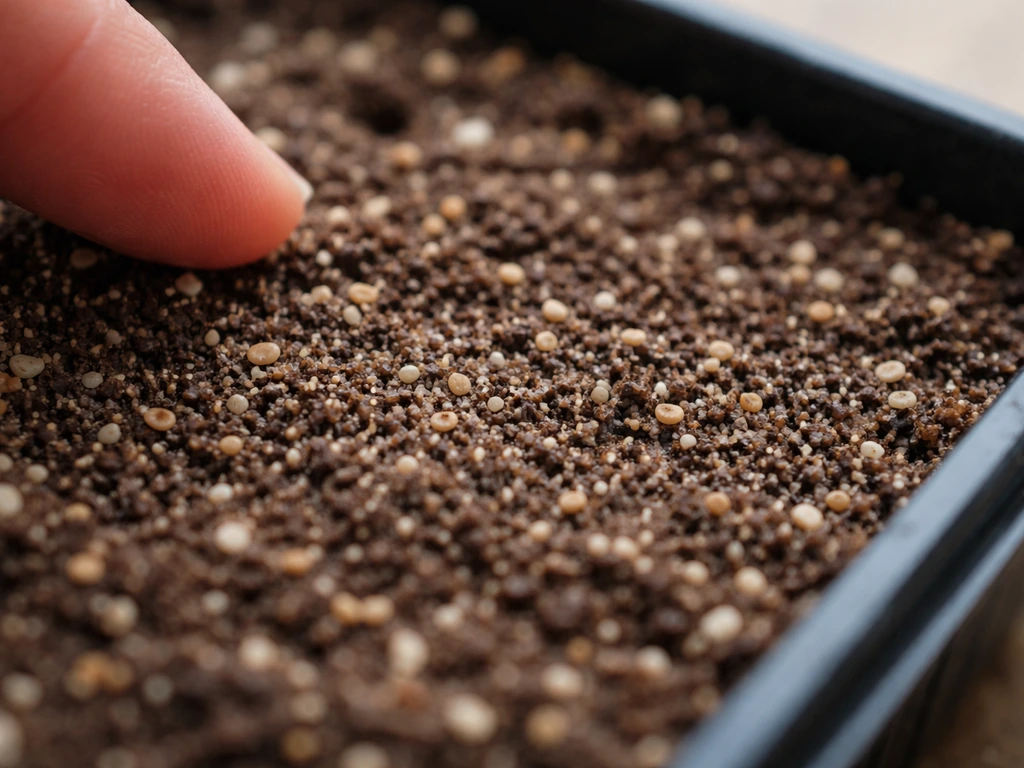
Lettuce seeds are tiny and need light to germinate. Press seeds into the surface or blank" rel="noopener noreferrer">cover them with no more than 1/8 inch of growing medium. Don't bury them. Germination typically happens in 2 to 10 days at soil temperatures between 60°F and 70°F. An easy alternative is to start with lettuce seedling plants you buy or propagate, then transplant them once conditions are right lettuce seedling alternative. If temperatures drop below 40°F or spike above 80°F, germination slows dramatically or stalls. Keep the seed surface consistently moist during germination, using a spray bottle rather than a watering can to avoid washing seeds away.
Spacing
- Loose-leaf varieties: 4 to 6 inches apart for cut-and-come-again; 6 to 8 inches if you want larger plants
- Butterhead: 8 to 10 inches apart
- Romaine: 8 to 12 inches apart
- Crisphead: 12 to 16 inches apart
- Hydroponic net pots: follow your system's spacing (typically 6 to 9 inches center-to-center in vertical systems)
If you sow seeds thickly (which is easy to do with lettuce), thin seedlings once they reach about 1 inch tall. Don't skip thinning, overcrowded lettuce gets leggy, airflow decreases, and disease pressure goes up. You can eat the thinnings, so nothing is wasted.
Light, Temperature, and Watering
Light requirements
Outdoors, lettuce prefers 6 hours of direct sun in cool weather. In warm climates or during late spring, partial shade (3 to 4 hours of direct sun plus filtered light) actually extends your growing season by keeping plants cooler and delaying bolting. Indoors under grow lights, aim for 12 to 16 hours of light per day. Full-spectrum LED lights kept 6 to 12 inches above the plants work well. Lettuce does not need intense light the way fruiting crops do, so lower-wattage setups are fine.
Temperature targets
This is the single most important variable for lettuce. The ideal range is 60°F to 70°F for average daily temperature. Virginia Tech Extension lists lettuce temperature preference as “Cool (60 to 70°F).” blank" rel="noopener noreferrer">60°F to 70°F. Lettuce tolerates light frost (down to about 28°F) once established, but consistent temperatures above 75°F trigger bolting, which makes leaves bitter and ends your harvest. If you're growing indoors, try to keep your room or grow space in that 60 to 70°F window. In summer, this is the main reason people fail with lettuce outdoors and why a climate-controlled system pays off.
Watering schedule
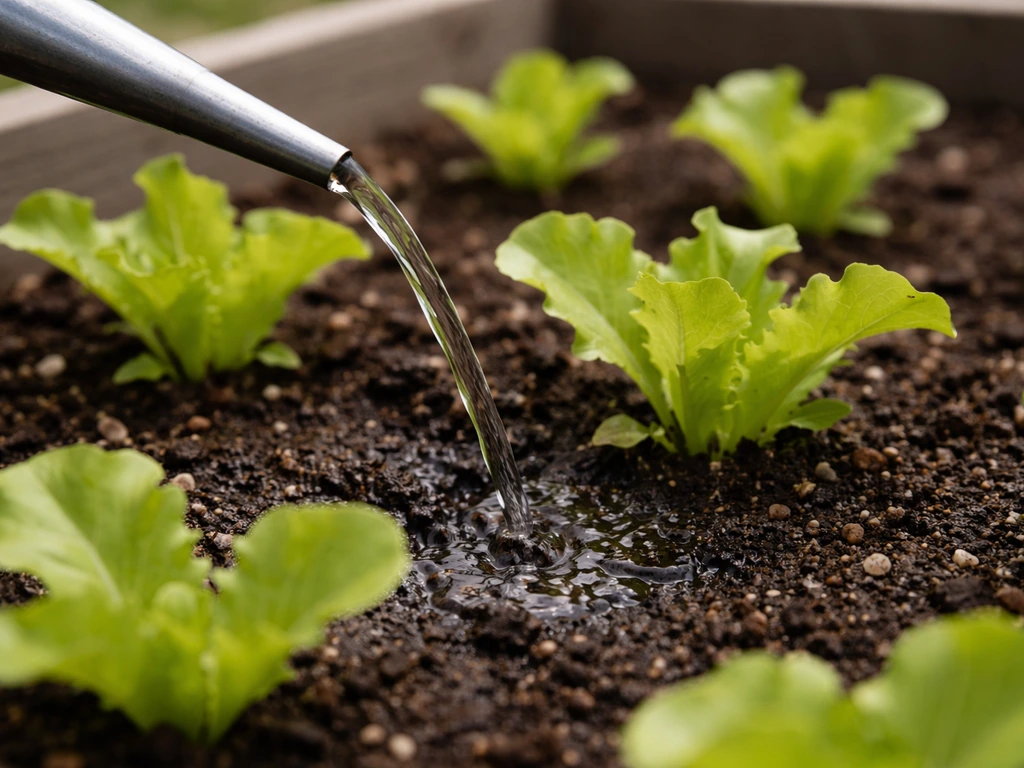
Lettuce needs frequent, consistent moisture because it has a shallow root system and high water content (about 95%). The goal is to keep the root zone evenly moist but never soggy. For containers and garden beds, check the top inch of soil daily in warm weather. Water when it starts to dry out, which may mean watering every day in hot or dry conditions and every two to three days in cooler weather.
Deep, infrequent watering is less appropriate here than for deep-rooted crops. In hydroponic systems, the solution is recirculating or you're using a passive method, but either way the roots should always have access to moisture. Letting roots dry out in hydroponics, even briefly, causes immediate wilting and can stress plants into bolting.
Nutrients and Fertilizer: What to Feed Your Lettuce and When
Feeding lettuce in soil and containers
Lettuce is a light feeder compared to tomatoes or peppers, but it does need consistent nitrogen because you're harvesting leaves. If you started with a compost-enriched potting mix or amended bed, you may not need supplemental fertilizer for the first few weeks. After that, a balanced liquid fertilizer (such as a 10-10-10 or 5-5-5 NPK formula) applied every two weeks at half the label's recommended rate works well for most lettuce. Alternatively, a nitrogen-focused fertilizer (like a fish emulsion at 3-1-1 NPK) applied every 10 to 14 days encourages steady leaf production without pushing the plant to bolt. Granular slow-release fertilizers work for outdoor beds but can be unpredictable in containers because release rate depends on moisture and temperature.
Signs your lettuce needs more nitrogen: pale green or yellowish older leaves, slow growth, thin stems. Signs of too much nitrogen: dark green, overly lush leaves that are soft and prone to rot, excessive tenderness. If you're overfeeding, flush the soil with plain water and reduce your fertilizer frequency.
Hydroponic nutrient solution instructions
In a hydroponic system, your nutrient solution is everything. Lettuce is one of the easiest crops to feed hydroponically because it has relatively simple needs. Here's how to approach it:
- Use a complete hydroponic nutrient formula designed for leafy greens, not a bloom or fruiting formula. Products like General Hydroponics Flora Series, Masterblend 4-18-38, or formulas made specifically for vertical systems work well.
- Mix your solution to an EC (electrical conductivity) of 0.8 to 1.6 mS/cm for lettuce. Seedlings and young plants start at the lower end (0.8 to 1.0). Mature plants can handle up to 1.6. Going higher causes tip burn and nutrient toxicity.
- Target a pH of 5.5 to 6.5 in the reservoir. A pH of 6.0 is the sweet spot for overall nutrient availability. Check pH every day for the first week until you understand how your water and nutrients interact, then every two to three days.
- Change your reservoir solution completely every 7 to 14 days. Don't just top off indefinitely, because nutrient ratios drift as plants absorb different elements at different rates.
- Keep the reservoir temperature between 65°F and 72°F. Warm water holds less oxygen and promotes root rot. If your indoor grow space runs warm, a small aquarium chiller or insulating the reservoir helps.
- Watch for calcium deficiency (brown leaf edges, tip burn), which is common in lettuce hydroponics. Adding a small amount of calcium-magnesium supplement (cal-mag) at about 1 to 2 mL per gallon helps prevent this.
If you're using a system like the Lettuce Grow Farmstand, the manufacturer provides specific nutrient mixing ratios and schedules tailored to that system's flow rate and reservoir size. It's worth following those guidelines at first while also monitoring EC and pH independently with a basic meter. Systems differ enough that generic instructions sometimes need adjusting.
How Long Until Harvest (and How to Do It Right)
Realistic growth timeline
| Stage | Soil/Container (Days) | Hydroponics (Days) |
|---|---|---|
| Germination | 2–10 | 2–7 |
| Seedling (1–2 inches tall) | 7–14 | 7–10 |
| Thinning/transplant ready | 14–21 | 10–14 |
| First harvest (loose-leaf outer leaves) | 30–45 | 21–35 |
| Full head harvest (butterhead/romaine) | 55–80 | 40–65 |
| End of plant life (before bolting in warm conditions) | 60–90+ | 50–75+ |
Hydroponics consistently grows lettuce faster than soil because nutrients are always immediately available and oxygen reaches roots more efficiently. If you're impatient or growing year-round, that speed advantage is significant.
Cut-and-come-again harvesting
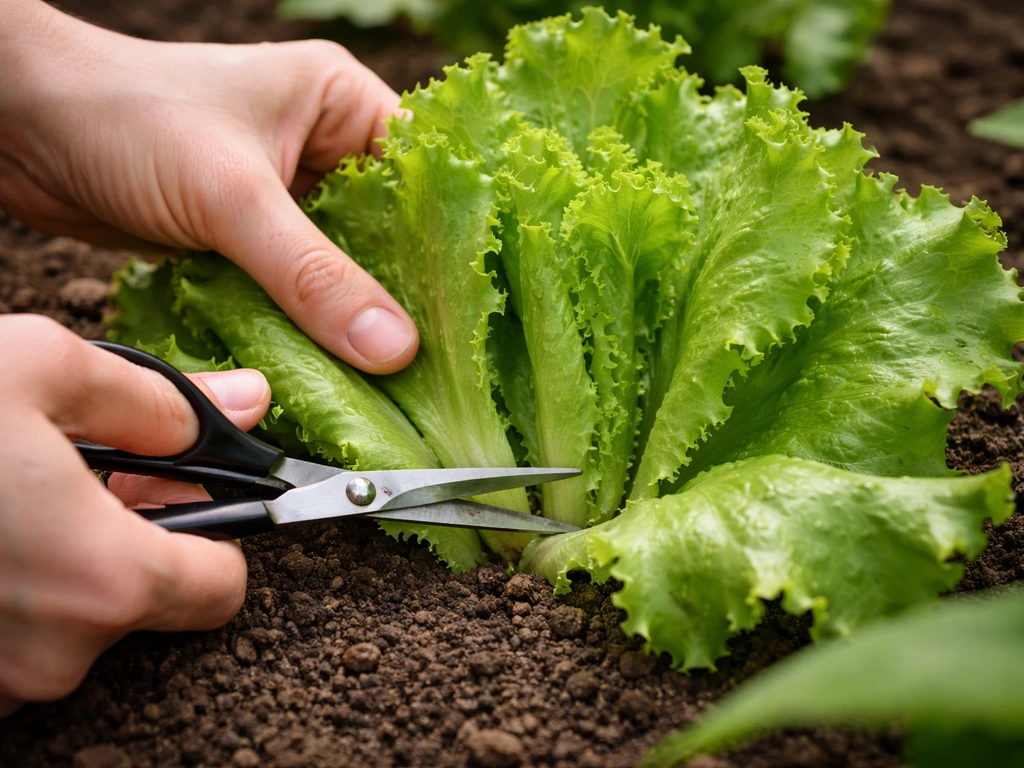
This is the most practical method for loose-leaf varieties and my favorite approach for home growing. Once the plant is 4 to 6 inches tall, use clean scissors to cut outer leaves down to about 1 inch above the growing point (the center crown). Never cut the center growing point itself. The plant will regrow and you can repeat this every 7 to 14 days for three to five rounds before flavor declines or the plant bolts. You can also harvest the whole plant at the soil line if you need a large quantity, then let the root regrow new growth, though the regrowth is weaker after a full cut.
Harvesting full heads
For butterhead and romaine, wait until the head feels firm and the inner leaves have closed or tightened. Cut the whole head off at the base with a sharp knife. You can also harvest romaine by cutting it across at about 3 inches above the soil line, leaving the lower leaves and growing point intact. This often produces a second, smaller head. Crisphead varieties generally give you only one harvest since they're slower and don't regenerate well.
When Things Go Wrong: Troubleshooting Common Problems
Bolting (the most common failure)
Bolting happens when lettuce sends up a flower stalk, usually triggered by temperatures above 75°F, long daylength (more than 14 hours of light), or stress from drought or overcrowding. Once a plant bolts, leaves turn bitter fast and the center becomes tough. You can delay it slightly by cutting the flower stalk as soon as it appears, but the clock is running. Prevent it by: planting in the cool season, providing afternoon shade outdoors in spring, choosing bolt-resistant varieties, keeping indoor grow temps below 70°F, and not running grow lights more than 16 hours. If you're indoors and bolting is happening, check your room temperature first. Heat buildup near lights is a common culprit.
Watering problems
Overwatering in containers causes yellowing leaves, soggy soil, and root rot. If the soil stays wet for more than two days after watering, you have a drainage problem. Check your drainage holes, consider adding more perlite, and water less. Underwatering causes wilting, dry leaf edges, and plants that suddenly look thirsty between waterings. In hot weather, containers dry out fast enough that daily watering is normal. In hydroponics, if your pump fails or your reservoir runs dry, lettuce wilts within hours. Check your system daily, especially in the first few weeks.
Nutrient deficiencies and excess
- Yellowing older leaves, slow growth: nitrogen deficiency. Feed with a balanced liquid fertilizer or increase EC slightly in hydroponics.
- Brown leaf edges (tip burn): calcium deficiency or inconsistent watering causing calcium to not reach leaf tips. In hydroponics, add cal-mag and lower EC slightly. In soil, water more consistently.
- Pale new leaves with green veins: iron deficiency, often caused by pH being too high (above 7.0 in soil, above 6.5 in hydroponics). Adjust pH down first before adding iron.
- Dark, mushy base of plant: nitrogen toxicity combined with overwatering, or Pythium root rot in hydroponics. Remove affected plants, clean your system with diluted hydrogen peroxide, and reduce nutrient concentration.
- Burned leaf tips across many plants: nutrient solution EC is too high. Flush or dilute your reservoir and do a full solution change.
Pests to watch for
- Aphids: tiny green or black clusters on leaf undersides. Blast off with water, then apply insecticidal soap spray every three days until clear.
- Slugs and snails (outdoor beds): ragged holes in leaves, slime trails. Use iron phosphate bait around the bed perimeter or set beer traps.
- Fungus gnats (containers, indoor): larvae damage roots, adults are annoying. Let the top inch of soil dry out between waterings to break their lifecycle. Sticky traps catch adults.
- Downy mildew: yellowing patches on leaf tops, gray fuzz underneath. Improve airflow, avoid wetting leaves when watering, and remove affected leaves immediately.
- Lettuce root aphids (hydroponics): rare but devastating. White waxy coating on roots. Flush and clean the system completely and start fresh with clean seedlings.
Your Quick-Start Checklist
Before you plant, run through this list to make sure your setup is ready. Most lettuce failures come down to one or two missing pieces, and this covers the main ones.
- Pick a loose-leaf or butterhead variety suited to your setup and season
- Prepare your growing medium (amended soil, quality potting mix, or hydroponic medium and reservoir)
- Confirm your temperature range is 60°F to 70°F, or plan how to achieve it
- Set up lighting: 12 to 16 hours for indoor/hydroponic, partial shade protection for outdoor warm-weather growing
- Plant seeds at 1/8 inch depth, keep surface moist until germination (2 to 10 days)
- Thin to proper spacing once seedlings hit 1 inch tall
- Establish your watering routine: daily moisture checks, consistent hydration without waterlogging
- For soil/containers: start fertilizing at 2 to 3 weeks with half-strength balanced liquid fertilizer every 10 to 14 days
- For hydroponics: mix nutrient solution to EC 0.8 to 1.0 for seedlings, pH 5.5 to 6.5, and check both every 2 to 3 days
- Start harvesting outer leaves at 4 to 6 inches tall and use cut-and-come-again method for multiple harvests
Lettuce really is one of the most rewarding crops to grow at home because the feedback loop is fast. In three to four weeks you're eating something you grew yourself, and if one crop bolts or runs into trouble you haven't lost months of work. The key is controlling temperature and moisture, and everything else follows from that. Once you've done one successful cycle you'll have a feel for what your specific setup needs, and it gets easier every time.
FAQ
How many lettuce plants can I grow in one container if I want repeated cut-and-come-again harvests?
For loose-leaf, you can usually fit 3 to 4 plants in an 8 to 10 inch pot, but aim closer to 2 to 3 if you expect larger leaves or you are watering less frequently. If you want more frequent thinning and airflow, use slightly wider spacing rather than adding more seedlings to one pot.
My lettuce seeds keep failing to sprout. What are the most common causes to check first?
First check temperature (below 40°F or above 80°F often stalls germination), then confirm the seeds were not buried more than about 1/8 inch. Finally, make sure the seed surface stays evenly moist during those 2 to 10 days, and note that heavy watering can wash tiny seeds deeper into the soil.
Can I reuse potting mix or hydroponic media from a previous lettuce cycle?
You can reuse potting mix only if it drains well and you can replenish nutrients, but it often loses structure and can build up salts in containers. For hydroponics, avoid reusing rockwool or media without thorough cleaning and fresh sterilized setup, because disease and nutrient imbalances can transfer quickly in short lettuce cycles.
What should I do if my lettuce is growing fast but the leaves taste bitter?
Bitter flavor usually signals heat stress, bolting pressure, or inconsistent moisture. Move the plant to afternoon shade, keep temperatures in the 60°F to 70°F window as much as possible, and avoid letting the root zone dry out between waterings.
How do I tell the difference between normal thinning and nutrient problems?
Overcrowding shows up as leggy growth with plants leaning and reduced vigor even when the soil seems consistently moist. Nutrient issues often look like color change, such as pale older leaves for low nitrogen, while overcrowding more often causes thin stems and poor airflow rather than a broad yellowing pattern.
Should I harvest outer leaves every 7 to 14 days, or can I take them sooner?
You can harvest sooner than 7 days if the plant has reached usable leaf size, but repeated early cuts can slow regrowth if the crown is repeatedly stressed. For best regrowth, cut conservatively, keep the center crown intact, and use clean scissors to avoid bruising and infection.
Is it better to grow lettuce from seeds or from seedlings for beginners?
Seeds are usually cheaper and work well if you can hold temperature steady during germination. Seedlings are a better choice if you are starting outdoors and daytime temps fluctuate, because established plants tolerate short cool snaps better and reduce the risk of seed stalling.
How much light is enough if I am growing indoors, and what if my setup is too bright?
Aim for 12 to 16 hours of light per day for indoor growing. Lettuce does not need intense light, so if leaves get tip burn or the plants look stressed, reduce light intensity or raise the lights, since heat buildup near lamps can push temperatures above your 70°F ceiling.
My hydroponic lettuce wilts quickly. What failure points should I check?
Most “wilting in hours” cases come from moisture access problems, like a pump failure, clogged return or air stone, or an empty reservoir. Also check that net pots and medium are staying saturated and that roots are exposed to oxygen consistently, since stressed roots can trigger bolting under nutrient or oxygen imbalance.
Do I need to worry about pH in soil containers, or is fertilizing the main factor?
pH matters most when you rely on fertilizer to feed lettuce, since nutrients become less available outside roughly 6.0 to 7.0. If you are growing in the same container for multiple cycles, occasional pH drift and salt buildup can cause yellowing even when you think you are feeding enough.
How do I reduce bolting when the weather starts warming up?
Use afternoon shade, target bolt-resistant varieties, and try to shift planting to cooler windows (early spring or late summer). If indoors, confirm room temperature near the lights, since heat pockets can raise local leaf temperature above 75°F even if your thermostat looks fine.
Can I compost the roots after harvesting, or should I remove them?
For most small home beds, you can leave residues if you are rotating and not replanting lettuce immediately, but in containers it is usually better to remove old plant material. Removing roots and leftover leaf debris helps reduce disease carryover and prevents the pot from staying wet too long.