Yes, lettuce grows easily from seed, and yes, you can absolutely do it at home, whether you have a backyard garden bed, a balcony with containers, or just a sunny windowsill. Lettuce is honestly one of the best crops to start from seed because it germinates fast, it's forgiving for beginners, and you can go from sowing to eating in as little as 30 days with some leaf varieties. The key is understanding timing, temperature, and a handful of basic steps. Get those right, and you'll have a steady supply of fresh greens with very little effort.
How to Grow Lettuce from Seed: Step-by-Step Guide
Marcus Holloway
17 Apr 2026
Does lettuce grow from seed, and can you do it at home?
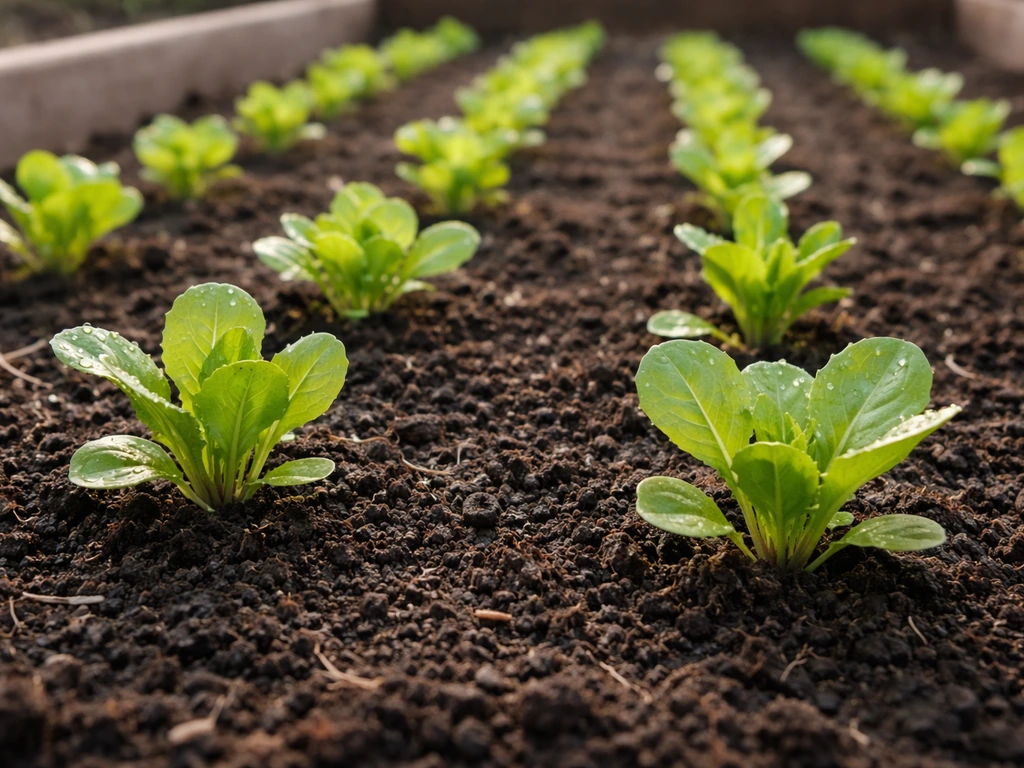
Lettuce is a seed-grown crop. Every lettuce plant starts as a tiny seed, and those seeds are cheap, widely available, and remarkably reliable when conditions are good. A single packet typically contains hundreds of seeds, so even if your germination rate isn't perfect, you'll have plenty to work with. There's no reason to feel intimidated. The plant itself wants to grow, and your job is mostly about giving it the right temperature and moisture at the start.
One thing worth knowing about seeds you've had sitting around: lettuce seed stays viable for roughly 5 to 6 years under proper storage conditions (cool, dry, dark). If you're working with older seed, do a quick germination test. Lay 10 seeds on a damp paper towel, fold it over, and leave it somewhere warm for 3 to 4 days. Count how many sprout. If fewer than 8 out of 10 germinate (below 80%), sow a little thicker than the packet suggests to compensate. Fresh seed from this season? You can follow packet spacing exactly.
If you want a broader look at the full growing process beyond just starting from seed, growing lettuce at home covers everything from variety selection to harvest in one place. But if you're here specifically for the seed-starting side of things, keep reading.
When to start lettuce seeds
Timing is the single biggest factor in whether your lettuce thrives or bolts before you get a single salad out of it. Lettuce is a cool-season crop. It germinates best between 60°F and 70°F (15°C to 21°C) and struggles when soil temperatures push above 80°F (27°C). Heat causes seeds to go dormant (a phenomenon called thermodormancy) and causes established plants to bolt and turn bitter. Your goal is to catch the cool windows in spring and fall.
Spring planting
For spring, direct sow outdoors 4 to 6 weeks before your last expected frost date. Lettuce seeds can germinate in soil as cold as 40°F (4°C), just slowly. Starting indoors 6 to 8 weeks before your last frost and then transplanting gives you a head start and is especially useful if your springs are short before summer heat arrives. Transplant seedlings outdoors 2 to 4 weeks before the last frost date, once they have 2 to 3 true leaves.
Fall planting
For fall, work backward from your first expected frost date. Sow direct outdoors 6 to 8 weeks before that date. The soil is still warm from summer, which actually speeds germination, but you need to give the plants enough time to mature before hard freezes arrive. In many climates, fall lettuce outperforms spring lettuce because the days are getting shorter and cooler rather than longer and hotter. Some loose-leaf varieties can handle a light frost and keep producing well into November with row cover protection.
Indoor starting: year-round option
If you're growing indoors under lights, you're not locked into seasonal windows. You can start lettuce seeds any time of year. Winter is actually a great time because you don't have to compete with the heat that makes outdoor summer growing so difficult. For a deep dive into running an indoor seed-starting setup, growing lettuce from seeds indoors walks through the full process including light schedules and container choices.
Starting from seed vs. buying seedlings
Starting from seed is cheaper, gives you access to far more variety options, and lets you control the entire growing process. Buying seedlings from a garden center is faster and easier if you've missed your seed-starting window or just want something in the ground quickly. Both work. But if you're reading this, you're here for seeds, so let's get into it.
What you need to start lettuce seeds
- Lettuce seeds (any variety, see section below for type-specific guidance)
- Seed-starting mix or a fine, well-draining potting mix (not dense garden soil)
- Trays, small pots, or cells (indoors) or a prepared garden bed (outdoors)
- A spray bottle or gentle watering can
- Grow lights or a south-facing window if starting indoors
- A thermometer to monitor soil temperature
Step-by-step: how to sow lettuce seeds
- Fill your container or prepare your bed with a fine-textured, moisture-retentive seed-starting mix. Moisten the mix before sowing so you're not washing seeds around with the first watering.
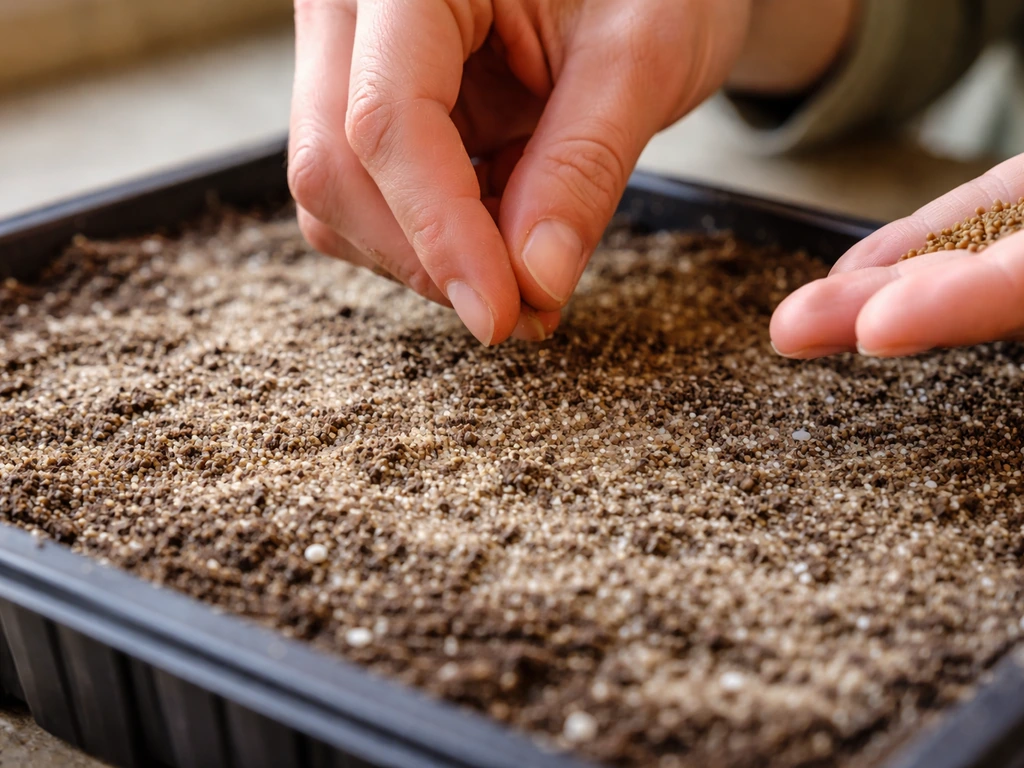
- Sow lettuce seeds very shallowly: 1/8 inch (about 3mm) deep, or simply press them lightly onto the surface and barely cover them with a thin dusting of mix. Lettuce seeds need light to germinate, so burying them more than 1/4 inch usually kills germination rates.
- Space seeds about 1 inch apart in rows (or scatter thinly for broadcast sowing). You'll thin later, so don't stress about perfect spacing at this stage.
- Mist the surface gently with a spray bottle to settle seeds without displacing them.
- Cover the tray with a humidity dome or a piece of plastic wrap to hold moisture during germination. Remove it as soon as seedlings emerge.
- Keep the growing medium consistently moist but not waterlogged. Seeds sitting in standing water will rot.
- Expect germination in 2 to 10 days depending on temperature. At 65°F to 70°F, most lettuce germinates within 3 to 5 days.
Transitioning seedlings outdoors
If you started indoors, harden off seedlings over 7 to 10 days before transplanting. Set them outside in a sheltered spot for a few hours each day, gradually increasing sun exposure. Transplant in the late afternoon or on a cloudy day to reduce transplant shock. Water in well and keep the soil consistently moist for the first week.
Growing conditions that actually matter
Light
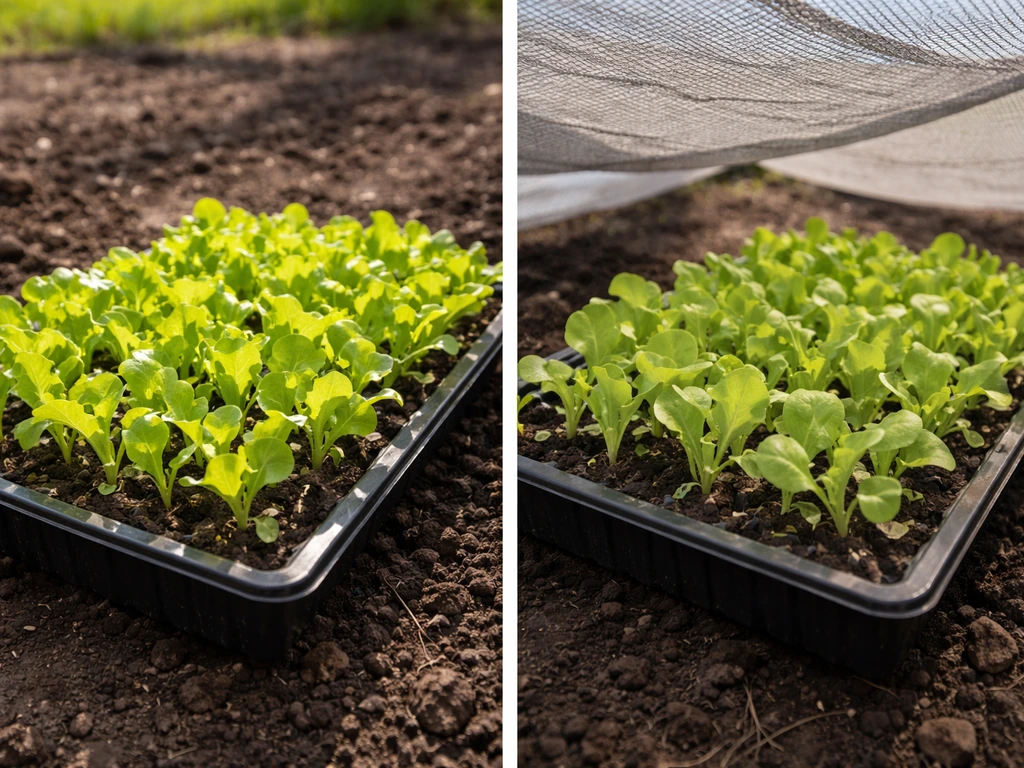
Lettuce needs 6 hours of sunlight per day for solid growth outdoors. In very hot climates or during summer, some afternoon shade actually helps prevent bolting. Indoors, full-spectrum LED grow lights work well. Run them for 14 to 16 hours per day and keep the light source 4 to 6 inches above the seedlings to prevent leggy stretching. A south-facing window can work but is usually less consistent than grow lights for seed starting.
Temperature
Germination is most reliable between 60°F and 70°F (15°C to 21°C). Above 80°F (27°C), germination rates drop significantly, and established plants start to bolt. Research on lettuce seed germination confirms that temperature is one of the primary variables affecting both germination speed and success rate, and that seeds stored for longer periods are more sensitive to temperature extremes during germination. If you're sowing in warm conditions, try pre-chilling your seeds in the refrigerator for 24 hours before sowing to break any heat-induced dormancy.
Watering
Lettuce has shallow roots and dries out quickly, especially in containers. Keep the soil evenly moist, not soggy. A good rule: if the top inch of soil feels dry, water it. Inconsistent watering (wet-dry-wet cycles) causes tip burn and speeds bolting. Avoid watering from overhead in the evening because wet leaves overnight invites fungal problems. Bottom watering (setting your container in a tray of water briefly) is excellent for seedlings.
Thinning and spacing
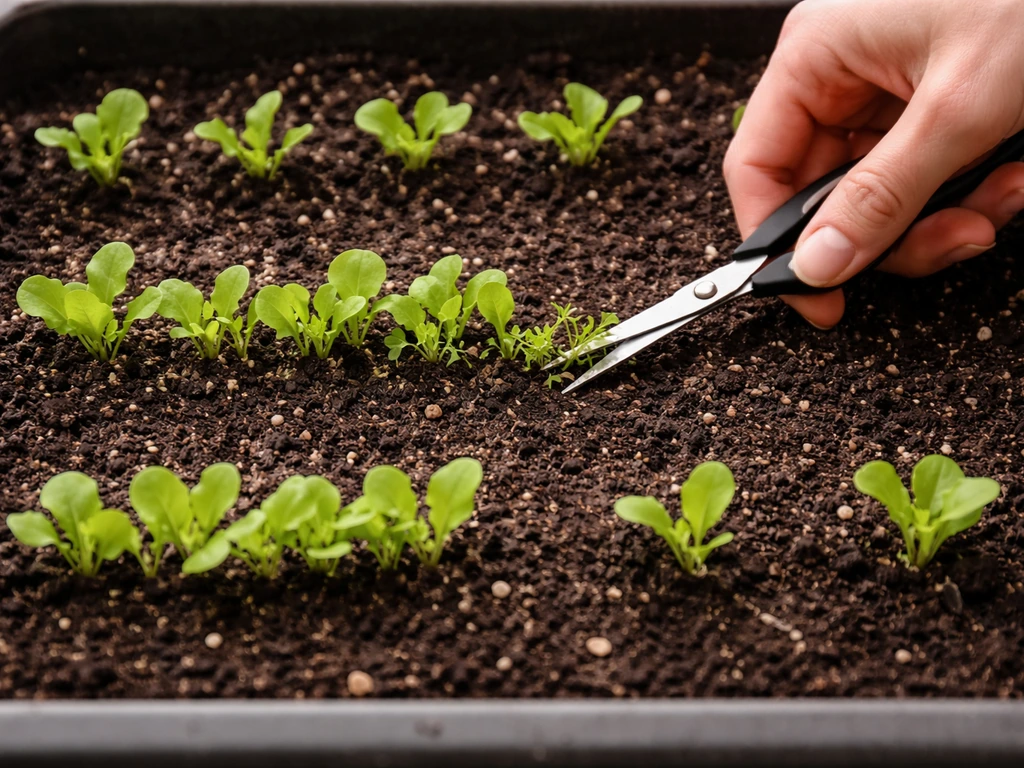
Thin seedlings when they're about 1 to 2 inches tall. Don't skip this step. Crowded lettuce doesn't form properly and is more vulnerable to disease. Use scissors to snip extras at soil level rather than pulling, which disturbs neighboring roots. Final spacing depends on the type you're growing: leaf lettuce can stay as close as 4 to 6 inches apart, romaine needs 6 to 8 inches, and head lettuce like butterhead or crisphead needs 10 to 12 inches to form proper heads. If you're growing a cut-and-come-again bed, you can sow more densely and harvest young.
Growing different types of lettuce from seed
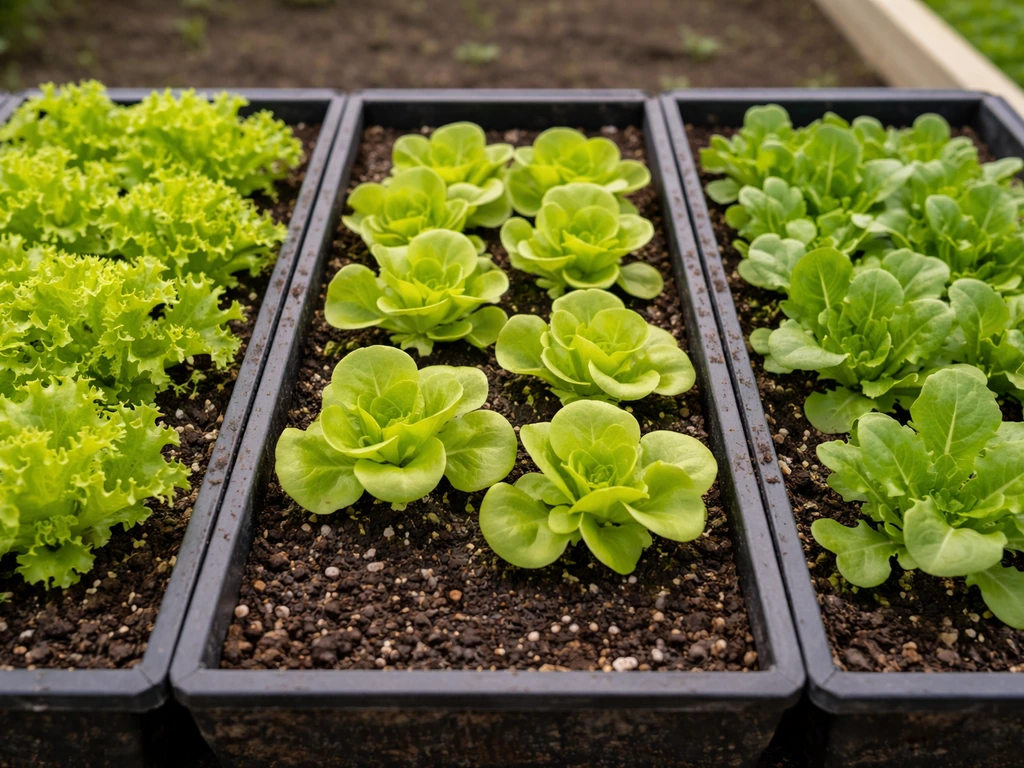
Not all lettuce grows the same way, and knowing the differences saves you a lot of frustration. Here's how to approach the main categories.
| Type | Examples | Days to Harvest | Final Spacing | Notes |
|---|---|---|---|---|
| Leaf lettuce | Red Sails, Black Seeded Simpson, Oak Leaf | 30 to 45 days | 4 to 6 inches | Fastest, most forgiving, great for cut-and-come-again harvesting |
| Head lettuce (butterhead) | Buttercrunch, Boston | 55 to 75 days | 10 to 12 inches | Needs more time and consistent moisture to form loose, soft heads |
| Head lettuce (crisphead/iceberg) | Great Lakes, Ithaca | 70 to 85 days | 12 to 14 inches | Hardest to grow at home; needs sustained cool temps to head up properly |
| Romaine / Cos | Parris Island, Little Gem | 60 to 75 days | 6 to 8 inches | Upright growth, more heat-tolerant than other head types |
| Salad bowl / loose-head | Salad Bowl, Butterleaf Mix | 45 to 60 days | 8 to 10 inches | Forms loose rosettes rather than tight heads; very home-garden friendly |
| Mixed lettuce / lettuce mix | Mesclun blends, Chef's Mix | 25 to 40 days | Broadcast sow, thin to 2 to 3 inches | Sow thickly, harvest early and often with scissors |
Leaf lettuce
This is the easiest category to grow from seed and the most rewarding for beginners. Sow thickly, thin to 4 to 6 inches, and start harvesting outer leaves once plants reach 4 to 6 inches tall. The plant keeps producing from the center. You can get 4 to 6 harvests from a single planting before it bolts.
Head lettuce
Butterhead types like Buttercrunch are the most manageable head lettuce for home growing. They're more heat-tolerant than crisphead (iceberg) varieties and form in 55 to 75 days. Give them full spacing (10 to 12 inches) and consistent moisture. Crisphead varieties are genuinely difficult because they need a long cool period to develop their tight inner leaves. Unless you have a reliable 70-plus-day cool stretch, stick with butterhead.
Salad bowl and mixed lettuce
Salad bowl types form open rosettes rather than tight heads, which makes them forgiving and productive in small spaces. Mixed lettuce blends (sometimes called mesclun) are broadcast-sown thickly and harvested young with scissors, cutting the whole patch down to about 1 inch and letting it regrow. This is ideal for containers and for anyone who wants harvests in under 30 days. For a detailed look at growing lettuce from seed outdoors, including how to manage a broadcast-sown mixed bed through the seasons, there's a full guide dedicated to exactly that.
From seed to harvest: the full timeline
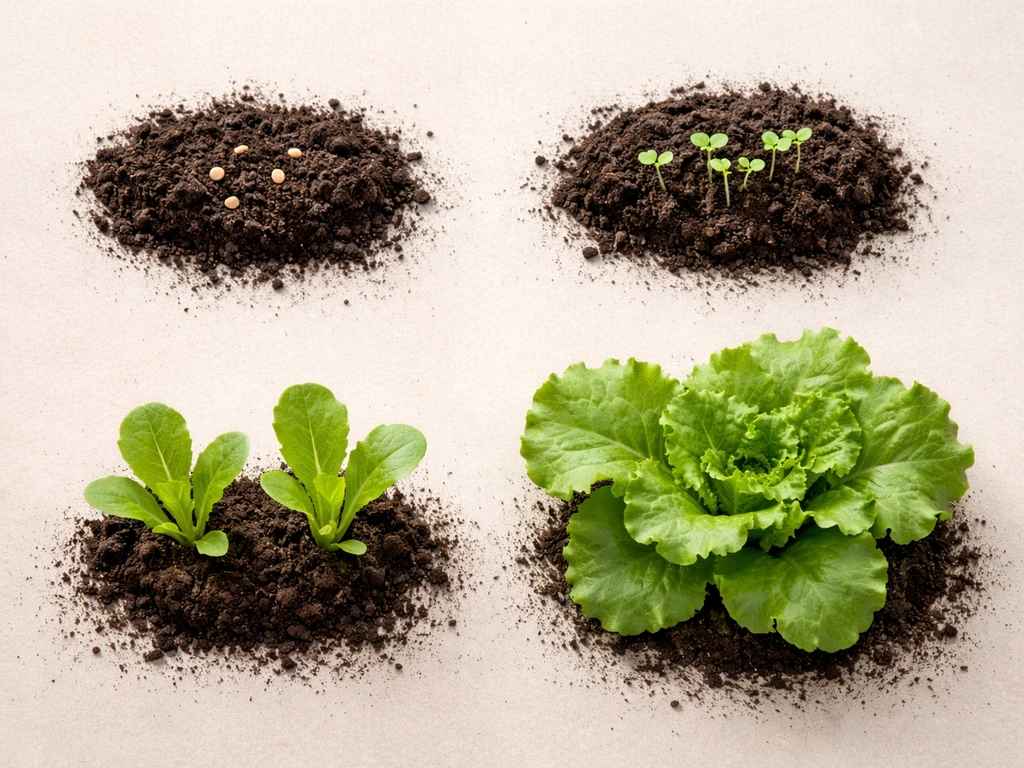
Here's what to expect at each stage so you know you're on track and can spot problems early.
- Days 1 to 5: Germination. Seeds sprout and the first tiny seed leaves (cotyledons) appear. Keep soil moist and temperatures in the 60°F to 70°F range.
- Days 5 to 14: Seedling stage. True leaves begin to develop after the initial seed leaves. This is when you start thinning if plants are crowded.
- Days 14 to 30: Vegetative growth. Plants fill out quickly. Maintain consistent watering and make sure light is adequate. Fertilize lightly with a balanced liquid fertilizer at half strength every 2 weeks if growing in containers.
- Days 30 to 45 (leaf types) or 55 to 85 days (head types): Harvest window. Leaf lettuce is ready when outer leaves are 4 to 6 inches long. Head types are ready when heads feel firm. Harvest in the morning when leaves are crisp.
- Watch for bolting: When the center of the plant starts to elongate and the plant sends up a flower stalk, it's bolting. Leaves become bitter quickly. Harvest immediately if you see this.
Succession planting keeps the harvests coming
The biggest mistake beginners make is sowing all their seeds at once. Instead, sow a small patch every 2 to 3 weeks. Each planting matures at a different time, so you're never drowning in lettuce one week and out of it the next. This is called succession planting, and it's the single habit that separates people who get occasional lettuce from people who have fresh greens all season long. In spring, stop new sowings about 6 weeks before your average daytime high consistently hits 85°F (29°C). UC IPM notes that lettuce bolting or flower stalk initiation can be stimulated by high temperatures. In fall, keep sowing until about 8 weeks before your first hard frost.
Common problems and what to do about them
- Seeds not germinating: Usually a temperature problem (too hot or too cold) or seeds buried too deep. Check soil temp, move to a warmer spot, or try pre-chilling seeds before sowing.
- Leggy, stretched seedlings: Not enough light. Move closer to the light source or increase daily light hours to 14 to 16 if using grow lights.
- Bitter taste: Heat stress or the plant is starting to bolt. Harvest immediately and plant the next succession in a shadier or cooler spot.
- Tip burn (brown leaf edges): Inconsistent watering or low calcium uptake due to humidity issues. Water more consistently and improve air circulation.
- Slugs eating seedlings: Lay diatomaceous earth around the base of plants or use copper tape on container rims. Check under leaves at night.
- Damping off (seedlings collapsing at soil level): Overwatering plus poor air circulation. Use a sterile seed-starting mix, water carefully, and run a small fan near seedlings.
Growing lettuce from seed in containers and hydroponic setups
Lettuce is one of the best crops for containers and indoor hydroponic systems because it stays compact, doesn't need deep root space, and thrives with the controlled conditions those setups provide. In containers, use a pot at least 6 inches deep (8 to 12 inches for head types) with good drainage holes. Fill with a lightweight potting mix that retains moisture but drains well. A mix of potting soil and perlite (about 70/30) works great.
For hydroponic growing, lettuce is the go-to starter crop because it grows fast, has minimal nutrient requirements, and adapts well to systems like nutrient film technique (NFT), deep water culture (DWC), and kratky (passive hydro). Start seeds in rockwool cubes or rapid rooter plugs, keep them moist until germination, then transfer to your hydroponic net cups once the roots are visible. Maintain a nutrient solution pH between 5.5 and 6.5 and an EC (electrical conductivity) of 0.8 to 1.2 for seedlings, ramping up to 1.2 to 2.0 for mature plants.
If you don't want to deal with seeds at all but still want to grow your own lettuce, it's worth knowing that there are other methods worth exploring. Growing lettuce at home without seeds covers options like regrowing from store-bought lettuce bases and transplanting nursery starts, which can be a good fallback if your seed-starting attempt doesn't go as planned.
Container and hydroponic lettuce also benefits from succession planting. Start a new small batch of seeds every 2 to 3 weeks in a separate container or rockwool tray. By the time you've harvested your first container, the next one is almost ready. It's a simple rhythm that keeps fresh lettuce within arm's reach pretty much year-round.
What to do right now
Here's the short version of your next steps. If it's spring or fall, check your local last frost date and count back 4 to 6 weeks. That's your outdoor sowing window. If you're indoors or want year-round greens, grab a bag of seed-starting mix, a tray, and a packet of leaf lettuce or mixed greens.
Sow seeds 1/8 inch deep, mist them, cover with a dome, and put them somewhere between 60°F and 70°F. You'll see sprouts in 3 to 5 days. Set a reminder to sow another batch in 3 weeks, and then again 3 weeks after that. That's honestly 90% of what it takes to have fresh lettuce consistently.
The rest you'll figure out as you go, and lettuce is forgiving enough to let you learn without too much penalty.
FAQ
Can I start lettuce in heat, or do I have to wait for cool weather?
You can, but you need to control germination conditions. If your daytime temps are often above 80°F, pre-chill the seed for 24 hours and start indoors where you can hold 60°F to 70°F. Once seedlings emerge, keep them cool, otherwise they may bolt quickly even if they germinate.
How deep should I sow lettuce seeds, exactly?
Sow lightly, about 1/8 inch deep. If you bury them deeper, especially in dense soil, they may rot or emerge slowly. If you’re using a seed-starting mix, press the surface gently after sowing to ensure good seed-to-soil contact.
Do lettuce seeds need light to germinate?
Not typically. Lettuce seeds are usually fine covered with a thin layer of mix. If you notice uneven germination, check whether seeds are drying out under the dome, and ensure the tray stays in the correct 60°F to 70°F range rather than relying on light intensity.
My seedlings look leggy. What should I change first?
Leggy growth usually means insufficient light or light that’s too far away. Move grow lights closer (about 4 to 6 inches above seedlings) and keep a long daily photoperiod (14 to 16 hours). Also avoid letting the tray dry between waterings, since stress can worsen stretching.
What’s the best way to water lettuce seedlings without causing problems?
Keep moisture even, not soggy. Bottom watering is safest for seedlings, since wet leaves overnight can invite fungal issues. Water when the top inch of soil feels dry, and remove any standing water from trays after the mix is rehydrated.
How do I know when to thin lettuce, and should I transplant the extras?
Thin when seedlings are about 1 to 2 inches tall. It’s usually better to snip extras at soil level rather than pulling, since pulling disturbs nearby roots. Transplanting thinned seedlings can work only if they’re handled carefully and replanted quickly, but snipping is the most reliable beginner method.
What spacing is correct for different lettuce types if I’m growing in a small container?
Use the type-based spacing as your baseline: leaf lettuce about 4 to 6 inches, romaine 6 to 8 inches, and head lettuce 10 to 12 inches. If container space is tight, prefer leaf or salad bowl types, because forced overcrowding increases disease and prevents proper head development.
My lettuce keeps bolting. What causes it most often?
Bolting is usually driven by heat and inconsistent watering. Aim for cool conditions, keep soil evenly moist, and use shade in hot periods. If you see bolting even during mild weather, reassess timing and consider switching to a shorter-maturing leaf type for your next succession planting.
Can I grow lettuce successfully from seed in a windowsill without grow lights?
Sometimes, especially in seasons with consistent light, but it can be inconsistent. Expect slower or uneven growth compared with lights. Rotate the tray daily, and consider adding a supplemental lamp if seedlings lean toward the window.
How long will lettuce from seed take to harvest, and what should I harvest for best results?
Leaf lettuce can be ready quickly, with many varieties producing within about 30 days. For cut-and-come-again or outer-leaf harvests, pick outer leaves once plants are 4 to 6 inches tall and leave the center intact to keep regrowing.
Do I need row cover for fall lettuce, and when should I start using it?
Row cover helps when temperatures dip, especially for loose-leaf types that can tolerate light frost. Start protecting when nights begin cooling toward frost, and vent the cover during warm daytime spells to prevent overheating under the fabric.
How should I succession plant so I’m not harvesting everything at once?
Stagger sowings every 2 to 3 weeks rather than planting the whole packet at once. Also stop adding new seed early enough for your climate, in spring around 6 weeks before regular daytime highs reach 85°F, and in fall around 8 weeks before your first hard frost.
Can I reuse soil or mix from prior lettuce plantings?
It’s not ideal for seed-starting. Old mix can carry moisture issues and possible disease spores, and nutrient levels may be depleted. If you want to replant in containers, fresh potting mix is the safer choice for seed-starting trays, especially if you had problems like damping-off.
What can I do if my germination is poor even though temperatures are right?
First check seed viability with the 10-seed germination test. If viability is fine, look for common causes: mix drying out under the dome, soil crusting, or sowing too deep. Also ensure drainage is adequate, since overly wet conditions can prevent sprouting.
Is hydroponic lettuce from seed different from soil starting?
The steps are similar, but the environment control is stricter. Use a pH near 5.5 to 6.5 and start with lower EC for seedlings (around 0.8 to 1.2), then ramp up. Also transfer when roots are visible, since staying in rockwool too long can lead to root stress during the move.