Yes, you can absolutely grow lettuce at home, and it's one of the most rewarding crops to start with. UMN Extension also recommends planting lettuce seeds about 1/4 to 1/2 inch deep.
How to Grow Lettuce at Home: Seeds, Regrowth, Harvest Tips
Marcus Holloway
26 Apr 2026
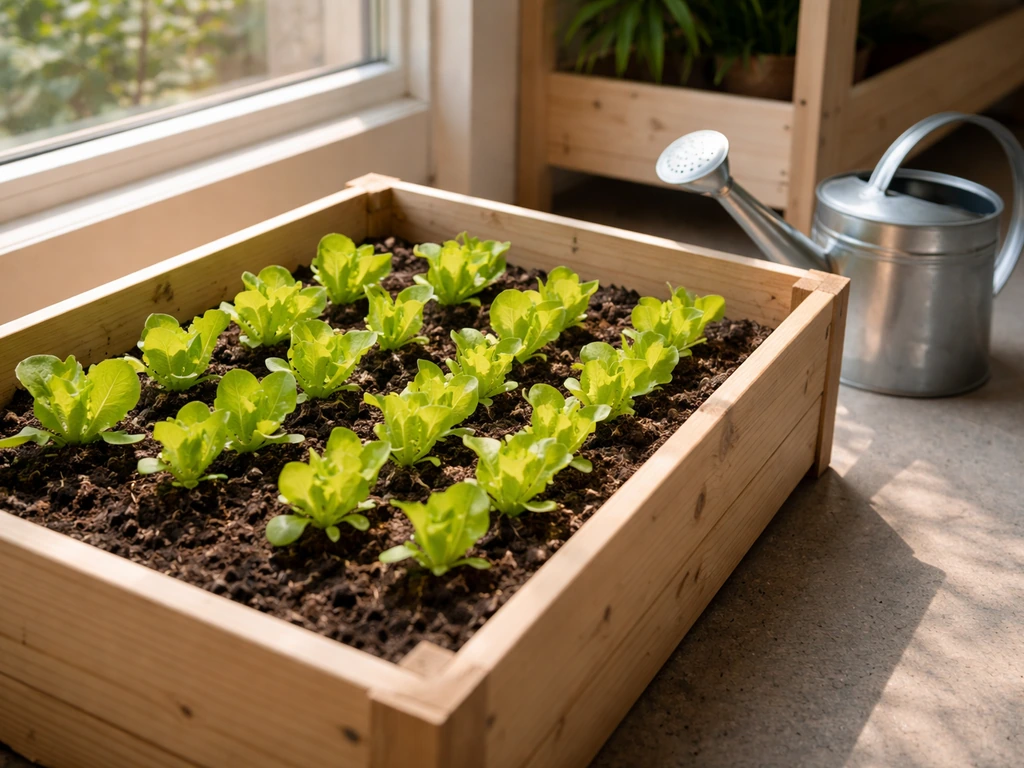
You can go from seed to harvest in as little as 40–60 days for leaf types, and you can grow it in a garden bed, a pot on a balcony, or even a jar of water on your kitchen counter. The two main paths are starting from seed (the most productive method) or regrowing from a cut lettuce base (great for a quick experiment, though limited long-term).
Either way, lettuce needs cool temperatures, consistent moisture, and decent light, get those three right and you'll be eating homegrown salads before you know it.
Choosing the right lettuce type and setup
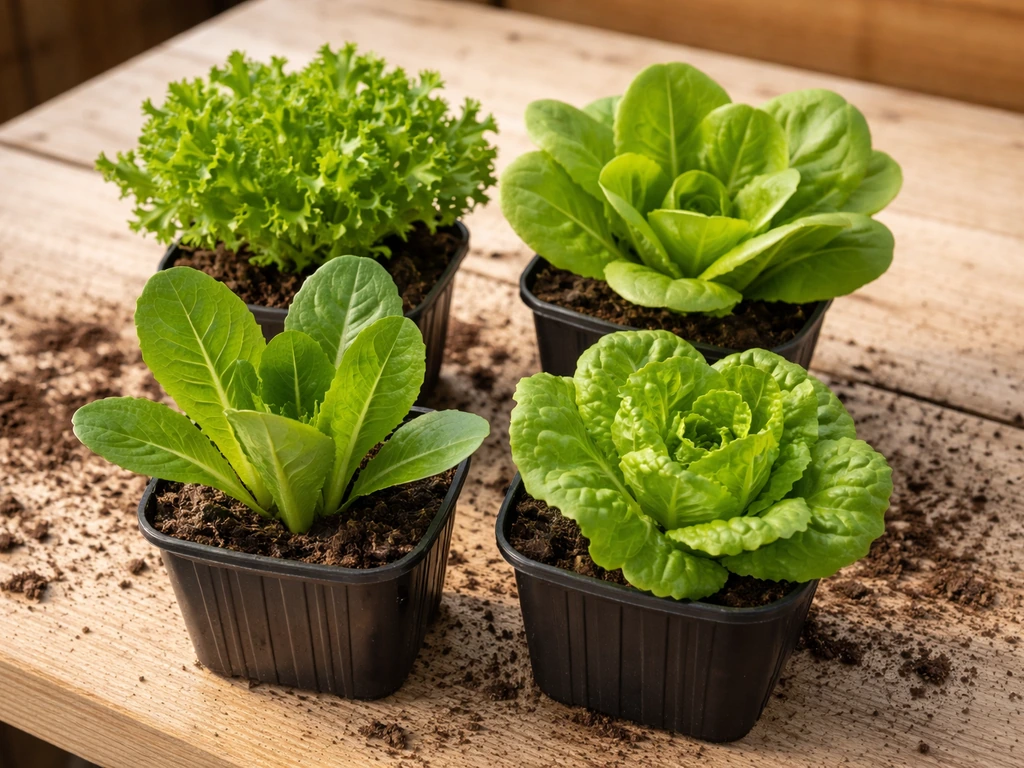
Before you plant anything, pick a type that matches your setup and your season. There are four main categories to know: loose-leaf, butterhead, romaine (cos), and crisphead (iceberg). For beginners, loose-leaf varieties are the easiest, they're ready fastest, the most forgiving, and you can harvest a few leaves at a time. Romaine is a solid second choice and is notably more tolerant of warmer weather than most other types, which gives you a bit more flexibility in timing. Crisphead/iceberg takes the longest (70–80 days to mature) and is the most demanding, so I'd save that for when you've already had a couple of successful rounds with easier types.
Cultivar selection really does matter. Look for varieties labeled bolt-resistant or slow-bolting, especially if you're growing in spring when temperatures can spike unexpectedly. Some varieties also have documented resistance to downy mildew and lettuce mosaic virus, which is worth paying attention to if you've had disease problems before. When in doubt, ask your local garden center what performs well in your area, local adaptation is a real thing and makes a noticeable difference.
| Type | Days to Harvest | Heat Tolerance | Best For |
|---|---|---|---|
| Loose-leaf | 40–50 days | Low–moderate | Beginners, containers, cut-and-come-again |
| Butterhead | 55–65 days | Low | Outdoor beds, mild climates |
| Romaine (Cos) | 60–70 days | Moderate | Warmer seasons, regrowing from base |
| Crisphead (Iceberg) | 70–80 days (60–70 from transplant) | Low | Experienced growers, dedicated beds |
Starting lettuce from seed
Starting from seed is the most reliable and cost-effective way to grow lettuce at home, and once you've done it once, it becomes second nature. The core rules are: keep the soil cool, keep the seeds shallow, and keep things consistently moist until germination.
Sowing depth and germination conditions
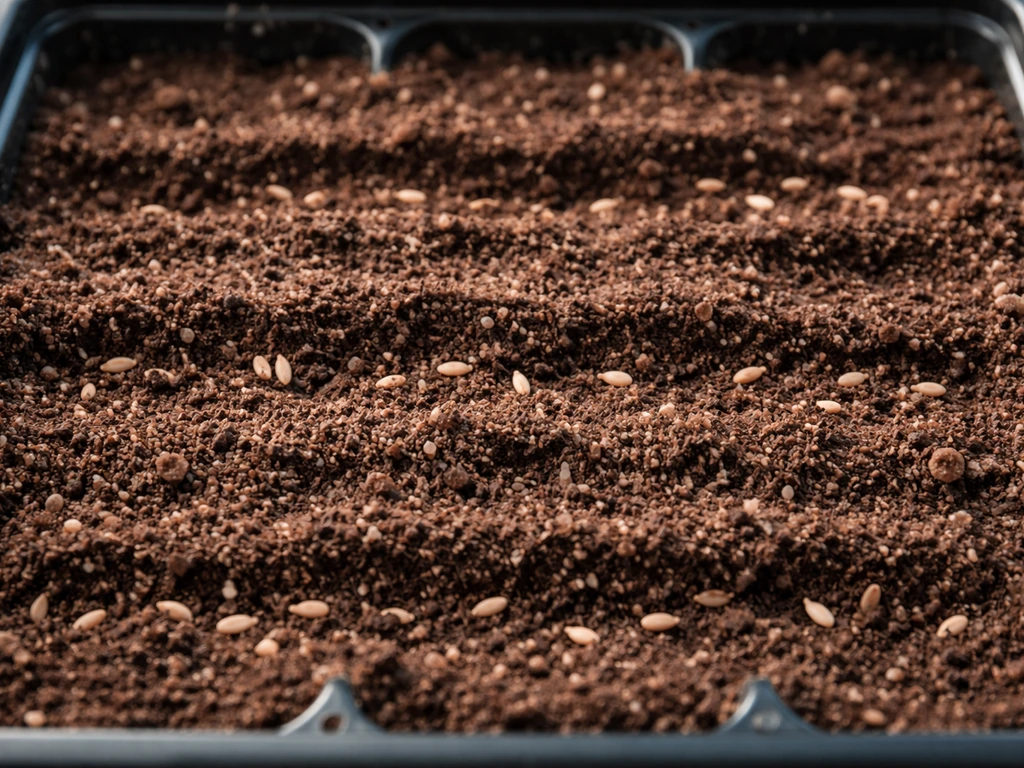
Plant lettuce seeds no deeper than 1/4 inch, shallower is fine, and lettuce actually benefits from light exposure during germination, so barely covering the seed is the right move. Germination happens best when soil temperature is between 55°F and 75°F. Above 80°F, germination slows dramatically, and above 86°F it can stop entirely. This is why timing matters so much. In most climates, you'll want to start seeds indoors in late winter (6–8 weeks before your last frost date) or in late summer for a fall crop. For indoor setups, focus on keeping temperatures in the ideal range and giving seedlings enough light from the start start seeds indoors. Expect germination in about 7–14 days under good conditions.
For indoor seed starts, use a quality seed-starting mix, keep the tray somewhere that stays in that 55–75°F range, and mist the surface regularly so it never dries out. A heat mat isn't necessary for lettuce, in fact, if your space runs warm, you may want to keep seeds away from heat sources. Once seeds sprout, move them to your brightest window or under a grow light immediately.
Thinning and transplanting
Once seedlings reach the 3–4 true leaf stage (usually 3–8 weeks after germination), thin them to your target spacing. Crowded seedlings compete for light and water, which stresses plants and invites bolting later. If you started indoors, harden off transplants over 7–10 days by setting them outside in a sheltered spot for a few hours each day before planting out. Transplants for crisphead types will be ready to harvest 60–70 days after transplanting rather than the full 70–80 from seed, so transplanting actually saves you time with the slower varieties.
If you prefer to direct sow outdoors, scatter seeds thinly in a row and thin once they're established. Direct sowing works best when your outdoor soil temperature is reliably in that 55–75°F window. For more detail on either approach, the topics on growing lettuce from seed indoors and growing lettuce from seed outdoors go deeper into each method. For step-by-step outdoor sowing details, follow the guidance for how to grow lettuce from seed outdoors.
Regrowing lettuce from a cut base
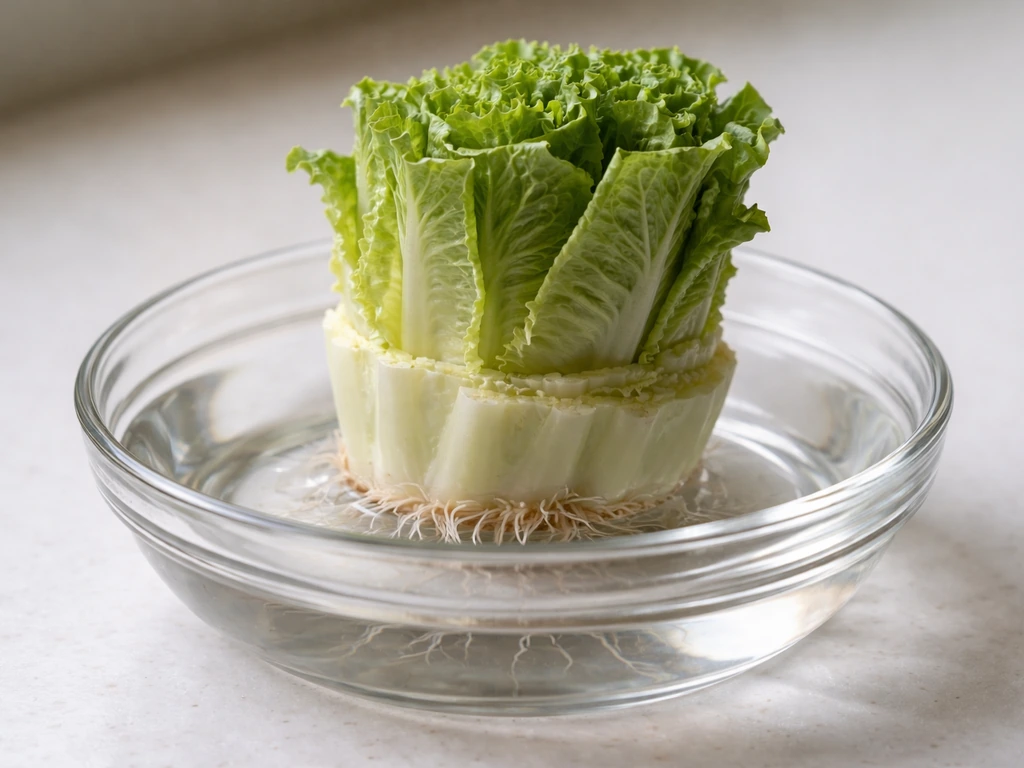
Regrowing lettuce from the base of a store-bought head is a fun project, and it genuinely works, but it helps to go in with realistic expectations. You won't get a full head of lettuce this way. What you'll get is a flush of new leaves from the center of the cut base, which is worth doing but won't replace seed-grown plants as your main source of lettuce.
How to do it
- Cut the lettuce base about 2 inches from the bottom. Romaine is the easiest variety to regrow this way — it has a firm, defined base and strong regrowth potential.
- Place the cut base in a shallow bowl or jar with about an inch of water, cut side up. Make sure the very bottom of the base is in contact with the water but the top is exposed to air.
- Set it in a bright spot with indirect light. A windowsill works well.
- Change the water every 2–3 days to keep it fresh and prevent rot.
- Within a week or so, you'll see new leaves emerging from the center and possibly small roots forming at the bottom.
- Once you have a decent root system (usually 1–2 weeks in), you can transplant the base into a pot with potting mix and grow it on like a normal plant, or continue in water for a bit longer.
The honest truth is that regrown lettuce produces a modest amount of usable leaves, usually one decent flush, before quality declines. The leaves can sometimes taste slightly bitter compared to seed-grown plants. If you want a continuous supply of lettuce at home, seed-starting is the better long-term investment. If you want to try regrowing without seeds, there's a whole approach to growing lettuce at home without seeds worth exploring separately. If you are trying to avoid seeds, regrowing from a cut base is the simplest way to get started grow lettuce at home without seeds.
Light, temperature, and watering
Lettuce is a cool-season crop, and it's not shy about making that clear. The ideal growing temperature is roughly 45–65°F, though it can handle a light frost and will also grow at temperatures somewhat above that range, especially with bolt-resistant varieties. Once temperatures push consistently above 75–80°F, quality drops and bolting risk jumps sharply.
Light
Outdoors, lettuce grows well in full sun during cool seasons, but benefits from partial shade during warmer stretches, afternoon shade can buy you several extra weeks before bolting. Indoors, lettuce needs more light than most windowsills can reliably provide. A south-facing window in winter may be enough, but a grow light positioned 4–6 inches above the plants for 12–14 hours a day is far more reliable and produces better, more compact growth.
Watering
Consistent moisture is critical. Lettuce has shallow roots, so the top inch or two of soil should never fully dry out. Water stress, even brief periods of drought followed by heavy watering, is one of the main triggers for tipburn (the browning of leaf edges), which is linked to calcium availability in the plant being disrupted by uneven water uptake. Water at the base of plants rather than overhead when possible, and aim for even, regular irrigation rather than boom-and-bust cycles. In containers, this usually means checking the soil daily in warm weather and watering more frequently than you might expect.
Soil, containers, and hydroponics, growing in any setting
Lettuce is genuinely adaptable. It grows well in traditional garden beds, raised beds, containers, and hydroponic systems. The core requirements stay the same across all of them, good drainage, pH around 6.0–6.5, consistent moisture, and nutrients, but how you manage those things changes by setup.
Garden beds and raised beds
In a traditional garden bed, get a soil test before you start so you know your pH and nutrient baseline rather than guessing. Aim for pH 6.0–6.5 and amend with lime if your soil is more acidic. Raised beds are excellent for lettuce because they drain well and warm up faster in spring, but the soil in a raised bed often needs added nitrogen unless you've incorporated compost or composted manure. A balanced vegetable fertilizer worked in at planting time usually covers the bases. Avoid over-fertilizing with nitrogen, though, excess nitrogen worsens tipburn.
Containers and pots
Containers are ideal for apartment growers or anyone with limited space. Use a good-quality potting mix (not garden soil, which compacts and drains poorly in pots), and choose containers at least 6–8 inches deep. Wider is better than deeper for lettuce since the roots are shallow. A window box or a wide, shallow planter on a balcony can produce a surprising amount of leaf lettuce. Because containers dry out faster than ground beds, you'll need to water more frequently, sometimes daily in warm weather.
Hydroponic systems
Lettuce is one of the best vegetables for home hydroponics, and it's not hard to understand why, it's fast-growing, compact, and thrives in the consistent moisture that hydroponic systems provide. Simple nutrient film technique (NFT) setups or deep water culture (DWC) systems work well for beginners. Keep the nutrient solution pH in the same 6. A Reddit r/Hydroponics discussion about pH targets for hydroponic lettuce mentions a roughly pH 5, 7 range, with commenters sharing practical EC and pH remarks blank" rel="noopener noreferrer">6.0–6.5 range. 0–6.5 range and replace or top up the solution regularly. The main advantage indoors with hydroponics is complete control over temperature and light, which means you can grow lettuce year-round without worrying about seasonal timing.
Spacing, timing, and harvesting for a continuous supply
Getting your spacing right from the start prevents a lot of problems down the line, and combining good spacing with succession sowing is the key to having fresh lettuce available for months rather than all at once.
Spacing
| Type | In-Row Spacing | Between Rows |
|---|---|---|
| Leaf and butterhead | 4–10 inches | 12–24 inches |
| Romaine (cos) | 12 inches | 15–18 inches |
| Crisphead (iceberg) | 12–15 inches | 20–30 inches |
In raised beds, you can plant more intensively using a grid pattern rather than rows, romaine at 12 inches in each direction and butterhead at 12 inches work well. In containers, you can plant leaf lettuce as close as 4 inches apart and harvest the outer leaves continuously.
Succession sowing for continuous harvest
Sow a small batch of seeds every 2–3 weeks rather than planting everything at once. This staggers your harvest so you're not buried in lettuce one week and out of it the next. For head lettuce, some gardeners sow every 10 days during the growing season to keep a steady pipeline going. Lettuce matures fast, many leaf types are ready in 40–50 days, so succession sowing is genuinely easy to manage once you get into the rhythm.
How to harvest
For leaf lettuce, start harvesting outer leaves once plants are 5–6 inches tall. Always leave the growing point (the center crown of the plant) intact, cutting outer leaves while preserving the center lets the plant keep producing. This cut-and-come-again method can give you 1–3 more harvests from the same plant at roughly 10-day intervals before quality declines. For romaine, wait until leaves overlap and form a fairly tight head, about 4 inches wide and 6–8 inches tall, then harvest the whole head or cut leaves from the outside. For crisphead types, harvest the entire head when it feels firm when squeezed.
Fixing common problems: bolting, pests, and bitter leaves
Bolting (going to seed too fast)
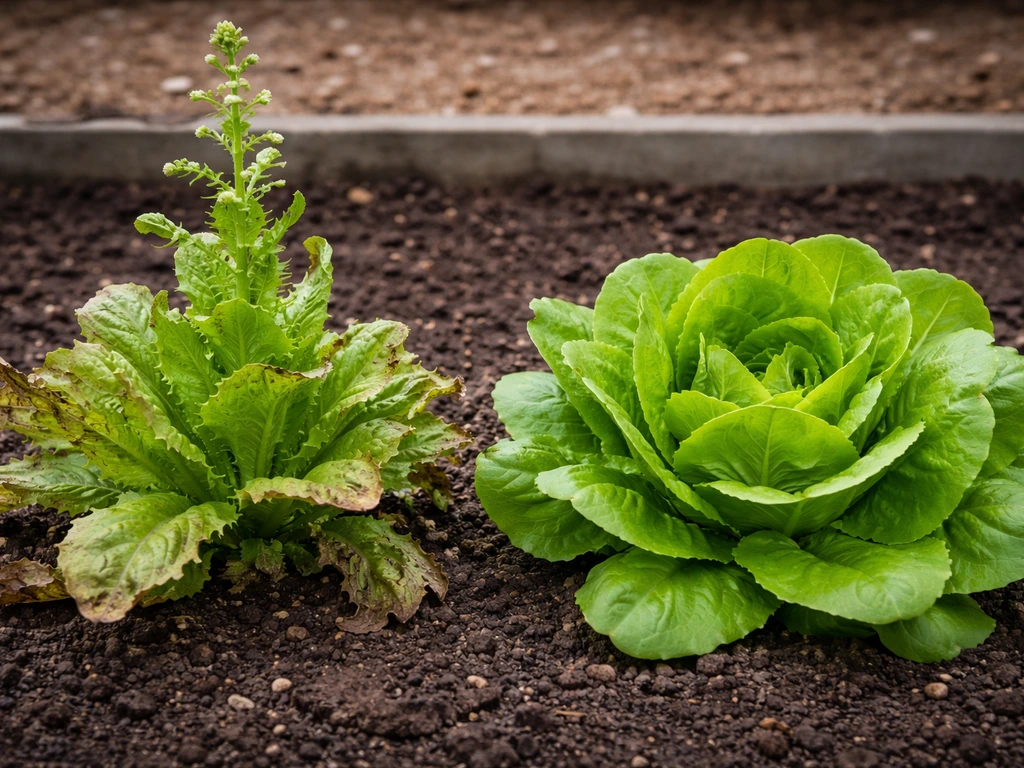
Bolting is the most common frustration with home lettuce growing. When lettuce bolts, the plant sends up a tall flower stalk, leaves get bitter and tough, and it's basically done as a food crop. Heat is the primary trigger. If you're seeing bolting regularly, the fix is mostly about timing and variety selection: choose bolt-resistant varieties, time plantings for cool weather (spring and fall), and use afternoon shade during warm spells. If you're growing indoors, keep temperatures below 75°F and make sure your light cycle isn't excessively long.
Tipburn and bitter leaves
Tipburn, brown, papery leaf edges, is caused by localized calcium deficiency in the plant, usually triggered by uneven watering, heat stress, or excess nitrogen fertilizer. The calcium isn't necessarily absent from your soil; the problem is that the plant can't move it fast enough to new growth during rapid growth spurts. The fix is practical: keep irrigation consistent (no letting the soil dry out and then flooding it), avoid over-fertilizing with nitrogen, and keep plants cool when possible. If you've corrected those issues and still have tipburn, reduce fertilizer and check your watering frequency. General bitterness without tipburn is usually a heat and stress issue, the same fixes apply.
Pests and disease
The pests you're most likely to encounter are aphids, caterpillars/loopers, snails, and slugs. Aphids cluster on the undersides of leaves and cause curling and distortion, a strong spray of water knocks them back, and insecticidal soap works well for heavier infestations. Snails and slugs are a nighttime problem; remove them by hand in the evening or use iron phosphate bait around your plants. For caterpillars, check the undersides of leaves for eggs and remove them by hand, or use Bt (Bacillus thuringiensis) as a low-impact control.
Downy mildew is the disease to watch for most closely. It shows up as pale green or yellow patches on the upper leaf surface with grayish-white fuzz on the underside. It spreads in cool, humid conditions with poor airflow. Prevent it by spacing plants properly so air can move around them, watering at the base rather than overhead, and choosing mildew-resistant varieties if you've had repeated problems. Once it's established in a crop, it's hard to reverse, prevention really is the better strategy here.
Poor germination
If seeds aren't sprouting, the most likely culprits are soil that's too warm (above 80°F) or seeds buried too deep. Check that your soil temperature is between 55°F and 75°F, resow seeds at 1/4 inch deep or shallower, and keep the surface consistently moist. Old seed is also worth checking, lettuce seed viability drops off after 2–3 years, so if your packet has been sitting in a hot garage, it may have low germination rates regardless of what you do.
FAQ
What’s the easiest way to keep lettuce from bolting when my summer heat comes early?
Start by switching to bolt-resistant or slow-bolting types, then move sowing to the coolest window you have (late summer for fall, or early spring with cloth row cover). In warm spells, provide afternoon shade and keep soil evenly moist, since heat plus water stress accelerates bolting. If you can, grow in a container you can relocate to shade, rather than relying on one fixed bed location.
How far apart should I plant lettuce if I want continuous harvest of outer leaves?
For cut-and-come-again leaf harvesting, keep plants close but not crowded, typically about 4 inches apart in containers and slightly more in beds to maintain airflow. Thin seedlings early at the first sign of crowding (before they reach 3–4 true leaves if you’re seeing tight spacing), because delayed thinning often leads to stressed plants that bolt sooner and produce less tender leaves.
Do I need to fertilize, or can I rely on compost alone?
You can often get a good first run with compost-based soil, but you should avoid heavy nitrogen that increases tipburn risk. If growth looks pale or slow, use a balanced vegetable fertilizer at planting or a light feeding later, but keep doses modest and consistent. In containers, nutrient levels drop faster, so periodic light feeding is usually more helpful than one large dose.
What should I do if my lettuce seedlings are leggy and weak?
Legginess usually means insufficient light or inconsistent temperatures. Move seedlings under a grow light or to the brightest window immediately after sprouting, and keep the light on long enough (often 12–14 hours if using a grow light). Also avoid overwatering, since wet, dim conditions can create weak stems that are harder to transplant.
How do I prevent tipburn if I’m watering regularly but it still appears?
If you’re watering on schedule and tipburn persists, check for two common hidden causes: fertilizer intensity (especially excess nitrogen) and rapid temperature swings (warm days followed by cooler nights). Make irrigation more even, and if you fed recently, reduce nitrogen for the next cycle. Also ensure plants are not too dense, because crowding can worsen localized stress.
Can lettuce be grown hydroponically year-round without flavor getting bitter?
Yes, but bitter leaves usually come from heat stress and overly long growth under suboptimal conditions. Keep the environment cool (target the lettuce-friendly range), use consistent light exposure, and avoid letting nutrient solution temperatures climb. If you notice bitterness, shorten the time to harvest by starting smaller batches and harvesting earlier.
My seeds sprouted, but growth stalls. What’s most likely wrong?
Stalling right after sprouting is commonly caused by temperatures that are too hot, too little light, or drying the surface enough to interrupt early growth. Confirm your soil temperature is staying within the ideal germination-to-seedling window, increase light immediately, and keep the top layer consistently moist (not soaked).
Is regrowing lettuce from a store-bought head worth it, and how do I maximize the number of harvests?
It’s worth it for a quick experiment and a modest second flush, but you should not expect a full head. To maximize yield, keep the cut base shallow in a bowl with some water (change the water regularly) and place it where it receives strong light. Harvest outer leaves as they reach usable size while leaving the center crown intact, and be prepared for quality to decline after the first decent flush.
What’s the best way to control aphids without harming my plants?
Start with a strong spray of water to dislodge clusters on the underside of leaves. If that’s not enough, use insecticidal soap, making sure you cover leaf undersides thoroughly. Apply in the cooler part of the day to reduce stress, and repeat only as needed so you don’t over-treat tender lettuce leaves.
How can I tell if my lettuce needs more water versus it’s being overwatered?
If the top inch stays slightly moist and leaves look supple, you likely have enough water. Overwatering often shows up as consistently wet soil with sluggish growth, while underwatering shows as dry top layers and quicker stress, which can trigger tipburn later. In warm weather, check daily, containers typically need more frequent watering than ground beds.