Lettuce grows best in cool temperatures between 60–70°F, with at least 6 hours of light per day, consistently moist (but not waterlogged) soil, and seeds planted just 1/4 inch deep. Get those four things right and you'll have harvestable leaves in 30–45 days. To learn exactly what to do for growing lettuce hair, focus on the same cool-season basics, especially consistent moisture and enough light. Miss one of them, especially temperature or light, and you'll either get no germination, spindly plants, or lettuce that bolts to seed before you can eat it.
How to Get Lettuce to Grow: Light, Water, Soil, and Fixes
Marcus Holloway
5 Jun 2026
The conditions lettuce actually needs to thrive
Light
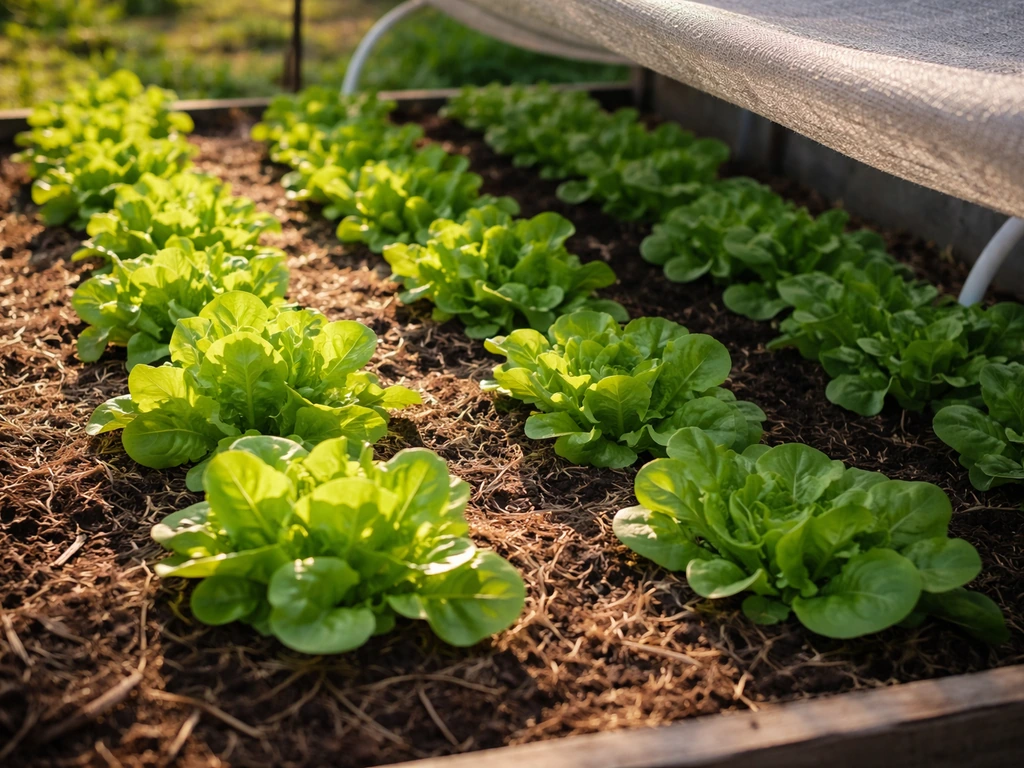
Lettuce needs around 6 hours of direct sun per day outdoors. In hot climates or during summer, afternoon shade is actually a benefit, not a problem, because it keeps leaf temperatures down and slows bolting. Indoors, lettuce does fine under grow lights, but you'll want to run them 12–16 hours a day to compensate for lower intensity. If your indoor lettuce is stretching toward the light or looking pale and floppy, that's a light problem, and I'll cover it more in the troubleshooting section.
Temperature
This is the single biggest factor most beginners overlook. Lettuce is a cool-season crop. Head varieties like romaine and crisphead are happiest at 60–70°F during the day and 45–55°F at night. Leaf varieties are a little more forgiving, but once temperatures push above 75–80°F, germination rates drop sharply and the plants shift energy toward flowering rather than producing leaves. At around 80°F or above, germination can fail altogether. If you're starting seeds in hot weather, do it indoors with air conditioning or wait for fall.
Soil and growing medium
Lettuce has shallow roots, so it doesn't need deep soil, but it does need loose, well-draining soil with a decent amount of organic matter. A pH between 6.0 and 7.0 works well. In containers, use a quality potting mix rather than garden soil, which tends to compact. For hydroponics, lettuce is genuinely one of the easiest crops to grow in water, whether you're using a simple Kratky setup, deep water culture (DWC), or a nutrient film technique (NFT) system. A balanced hydroponic nutrient solution formulated for leafy greens is all you need.
Watering and feeding: the basics that actually matter
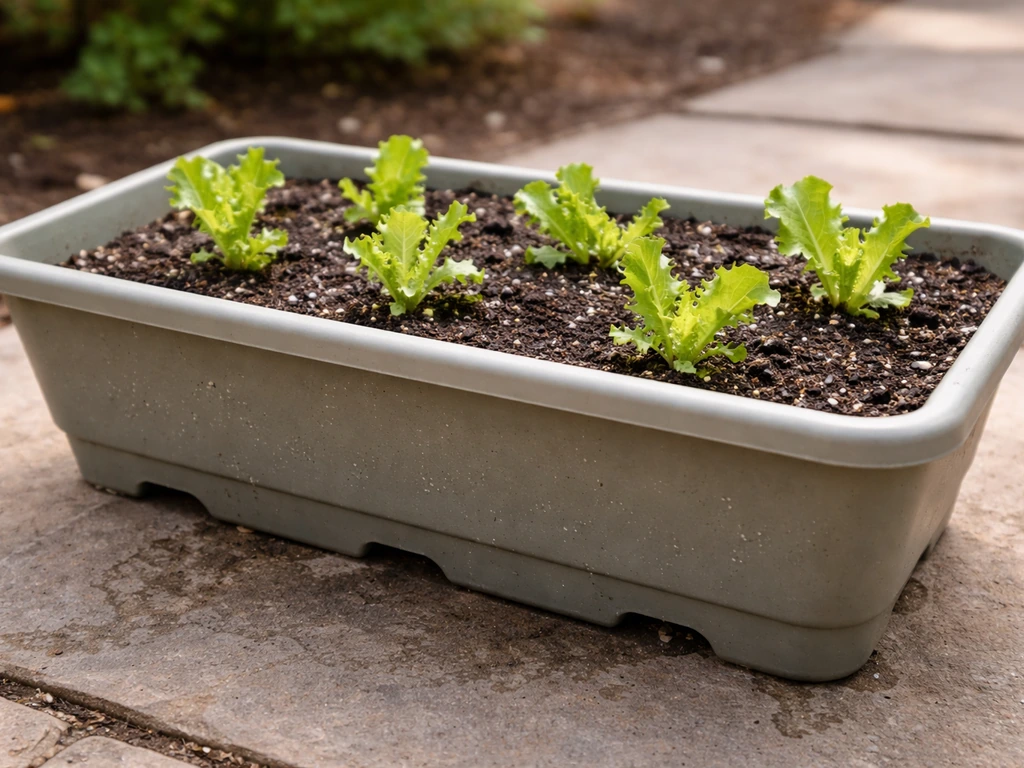
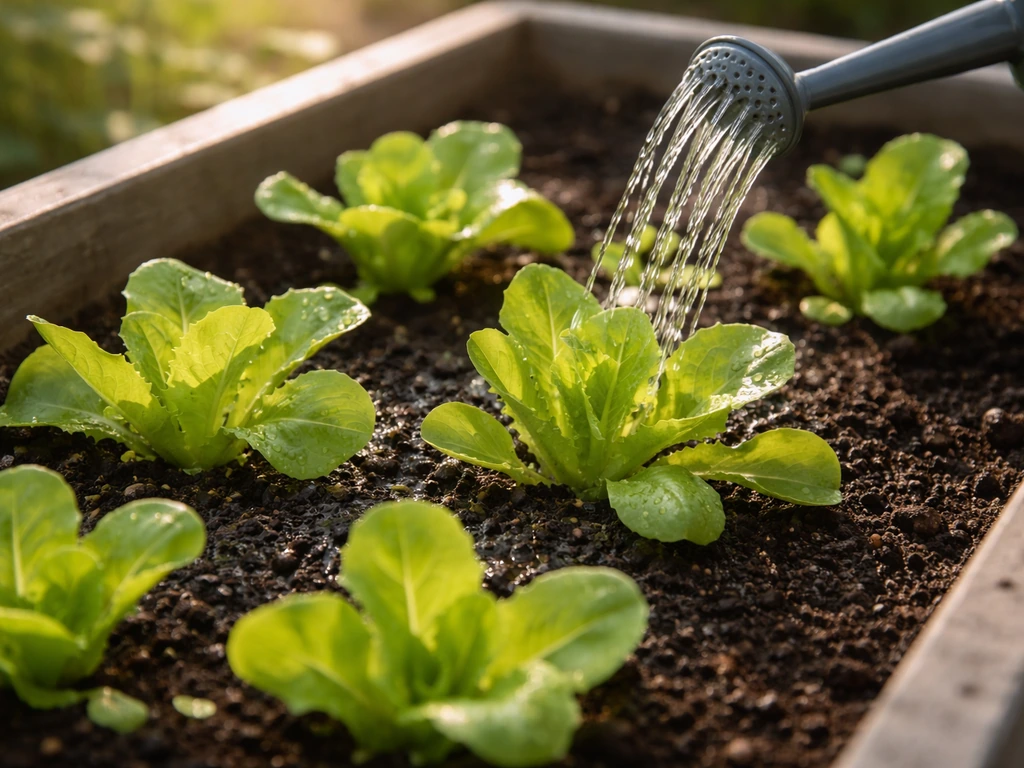
Lettuce is about 95% water, so keeping the soil consistently moist is non-negotiable. The goal is evenly moist soil, not soaking wet and not drying out between waterings. In most outdoor setups, that means watering every 2–3 days during warm, dry weather, or daily during hot spells. In containers, the soil dries out faster, so check daily by sticking your finger an inch into the mix. If it feels dry at that depth, water it.
Drainage matters just as much as watering frequency. Roots sitting in waterlogged soil will rot, and inconsistent wet-dry cycles contribute to tipburn, a browning and dying off of leaf edges that looks like a disease but is actually a physiological stress response. Tipburn is worsened by heat, excess nitrogen, and erratic watering, not just low calcium as people often assume. Keeping moisture levels steady is your best defense.
For fertilizer, lettuce is a light feeder compared to something like tomatoes, but it does respond well to nitrogen because you're harvesting leaves. In general, it is best to avoid heavy, high-nitrogen feeding and instead use gentle, balanced fertilizer options because the goal is steady leafy growth rather than stress lettuce is a light feeder. A balanced liquid fertilizer (something like a 10-10-10 or a dedicated leafy greens formula) applied every 2–3 weeks is usually plenty. If you're growing in amended garden soil with compost, you may not need to feed at all during a short spring or fall season. Avoid overdoing nitrogen, though. Too much pushes fast, lush growth that can actually increase tipburn risk and attract aphids.
Setting up your grow space: beds, containers, or indoors
Outdoor garden beds
Prepare the bed by loosening soil 6–8 inches deep and mixing in a couple inches of compost. Lettuce doesn't need much depth, but loose soil helps seeds make contact and roots spread easily. Rake the surface smooth before sowing so seeds don't fall into clumps. If you're in a warm climate, position the bed where it gets morning sun and afternoon shade. Raised beds are excellent for lettuce because they drain well and warm up quickly in spring.
Containers and pots
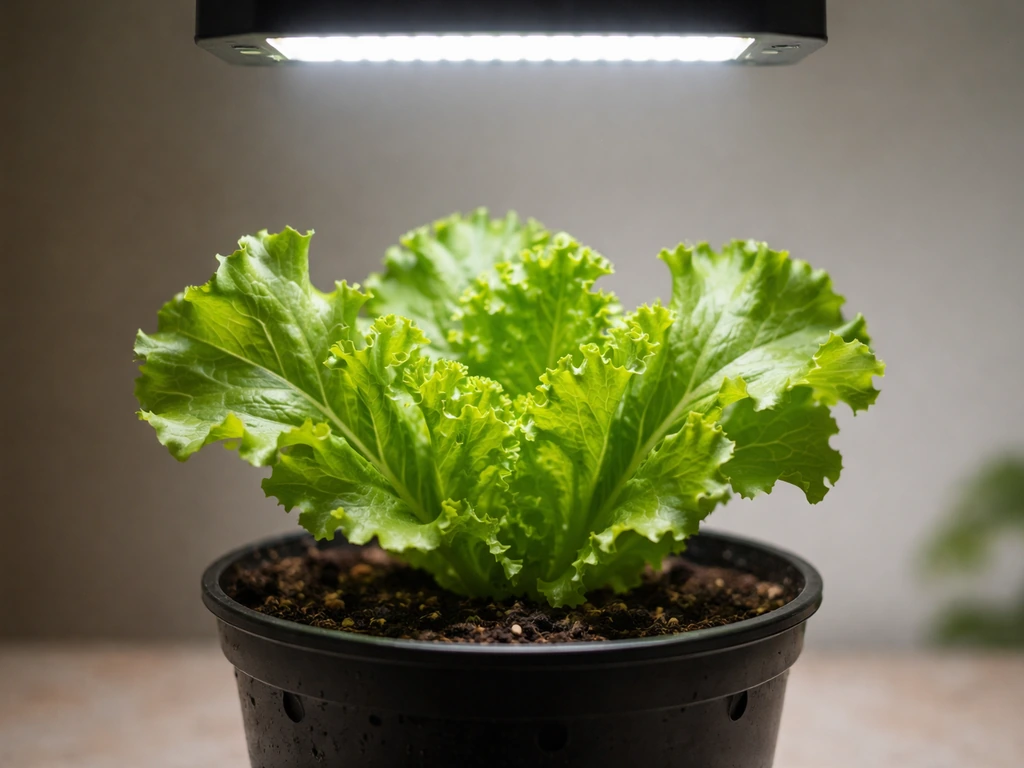
Almost any container works as long as it has drainage holes. A pot that's 6–8 inches deep is fine for leaf lettuce. For head varieties, go at least 8–12 inches deep. Window boxes are great for cut-and-come-again leaf lettuce since you can plant a row and harvest by cutting outer leaves. Fill with a quality potting mix, not garden soil. Container lettuce dries out fast, so you may need to water daily in warm weather. Light-colored containers help reflect heat and keep roots cooler.
Indoor growing
Indoors, a sunny south-facing windowsill can work in winter, but most people get much better results with a simple LED grow light. Position the light 4–6 inches above the plants and run it 14–16 hours per day. A small fan running for a few hours a day improves airflow and strengthens stems. Keep room temperature around 65°F if possible. Indoor lettuce tends to stay compact and tender, which is actually a quality advantage over summer outdoor-grown lettuce.
Hydroponics basics
If you want lettuce fast and don't want to deal with soil at all, hydroponics is worth trying. A simple Kratky method (a jar of nutrient solution with net pots suspended above it) requires almost no equipment and produces heads of lettuce in 5–6 weeks. Keep the nutrient solution EC between 0.8 and 1.6 mS/cm for leaf lettuce. Make sure the reservoir isn't in direct sunlight, which would encourage algae. Hydroponic lettuce is especially good indoors because you control every variable.
Choosing the right variety and timing your planting
Timing is everything with lettuce. The goal is to get your harvest window inside the cool part of the season before real summer heat sets in. For spring planting, start seeds outdoors about 2–3 weeks before your last expected frost date. Plan it so your harvest wraps up at least a month before your hottest summer days arrive, otherwise bolting is almost guaranteed. For fall, count back from your first fall frost date: start transplants 6–8 weeks before frost and direct-sow about 4–6 weeks before frost.
Variety choice makes a real difference. If you're a beginner or dealing with warm weather, start with loose-leaf varieties like 'Black Seeded Simpson,' 'Red Sails,' or 'Oakleaf.' They're faster, more tolerant of heat, and easier to grow than head lettuce. Butterhead types like 'Boston' or 'Buttercrunch' are a step up in difficulty but still very manageable. Crisphead (iceberg-style) lettuce is the hardest to grow at home because it needs that tight cool temperature range (60–70°F days, 45–55°F nights) to form a solid head. If your summer comes on fast, skip crisphead and grow romaine or leaf instead.
| Type | Difficulty | Days to Harvest | Heat Tolerance | Best For |
|---|---|---|---|---|
| Loose-leaf | Easy | 30–45 days | Moderate | Beginners, containers, cut-and-come-again |
| Butterhead | Moderate | 55–75 days | Low-moderate | Home gardens, spring and fall |
| Romaine/Cos | Moderate | 70–85 days | Moderate | Outdoor beds, cooler climates |
| Crisphead (Iceberg) | Hard | 80–100 days | Low | Experienced growers, cool climates |
Spacing, depth, and thinning: the details that make or break a harvest
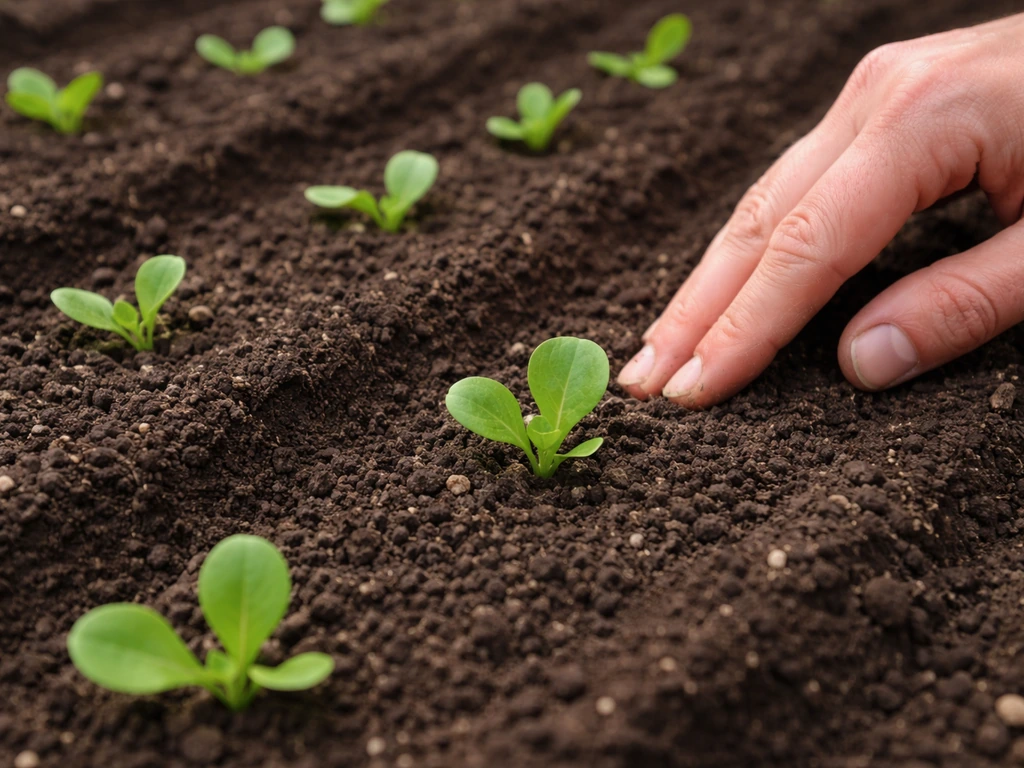
Sow seeds at a depth of about 1/8 to 1/4 inch for leaf lettuce and 1/4 to 1/2 inch for other types. Lettuce seeds need light to germinate, so don't bury them deep. Press them lightly into the surface and cover with just a thin layer of fine soil or vermiculite. Keep the surface consistently moist until germination, which usually takes 7–14 days at ideal temperatures.
Most people sow too densely and then skip thinning, which is one of the most common reasons home lettuce fails to develop properly. Crowded plants compete for light, water, and nutrients, and they become susceptible to fungal disease because air can't circulate. Thin ruthlessly. Here are the spacings to aim for once seedlings are established:
- Leaf, cos, and butterhead types: 4–10 inches between plants in the row, rows 12–24 inches apart
- Crisphead types: 12–15 inches between plants in the row, rows 20–30 inches apart
- Head lettuce alternative spacing: 8–12 inches in-row, 12–18 inches between rows
- Container cut-and-come-again leaf lettuce: thin to about 4 inches apart for ongoing harvests
Thinning feels wasteful, but the plants you remove can often be eaten as microgreens. Use scissors to snip at soil level rather than pulling, which disturbs neighboring roots. Thin in two stages: first when seedlings are 1 inch tall, then again when they're 3–4 inches tall and you can see which ones are healthiest.
When things go wrong: fixing the most common lettuce problems
Bolting (going to seed)
If your lettuce sends up a tall flower stalk, it's bolting, and leaves will turn bitter quickly after that. Bolting is triggered by heat and long days, not something you can easily reverse once it starts. Prevention is the only real fix: plant early enough to harvest before summer heat, choose bolt-resistant varieties (look for 'slow bolt' on the label), and use shade cloth once temperatures regularly hit 75°F. If your plant is already bolting, harvest everything immediately before it gets worse.
Leggy, stretched, or pale growth
Leggy lettuce with long thin stems is almost always a light problem. Outdoors, try moving to a sunnier spot. Indoors, lower your grow light or increase the hours it runs (up to 16 hours per day). Seedlings that stretch toward a window are telling you they need more light intensity, not just more hours. Adding a reflective surface behind plants can help indoors. This issue is covered in more depth in the context of making lettuce grow faster.
Bitter leaves
Bitterness in lettuce is primarily caused by heat and water stress. If your lettuce tastes bitter, it's usually too warm, too dry, or both. Harvest in the morning when leaves are coolest and most hydrated. Loose-leaf types are less likely to turn bitter than head types. If heat is your issue, there's not much to do mid-season except harvest fast and replant in fall.
Tipburn (brown leaf edges)
Tipburn shows up as brown, papery edges on inner leaves. It's a physiological problem, not a disease, and it's linked to fast growth, heat, erratic watering, and poor calcium transport within the plant rather than a simple calcium deficiency in the soil.
USU Extension also notes that tipburn can be associated with lack of water and/or adverse growing conditions, including heat or cold and excess nitrogen, rather than being only a soil-calcium issue linked to fast growth, heat, erratic watering, and poor calcium transport. In fact, most garden soils have plenty of calcium.
Keeping watering consistent, avoiding excess nitrogen, improving airflow around plants, and keeping temperatures cool are the most effective fixes. Foliar calcium sprays have shown some benefit in studies but aren't a reliable standalone fix.
Poor germination
If seeds aren't sprouting, temperature is the most likely culprit. Check that soil temperature is between 60–70°F. Lettuce seeds can go dormant in heat above 80°F, so starting them in a cool spot or refrigerating seeds for a day before sowing (cold stratification) can help in warm weather. Also check that seeds are fresh, since lettuce seed viability drops off after 2–3 years.
Yellowing leaves
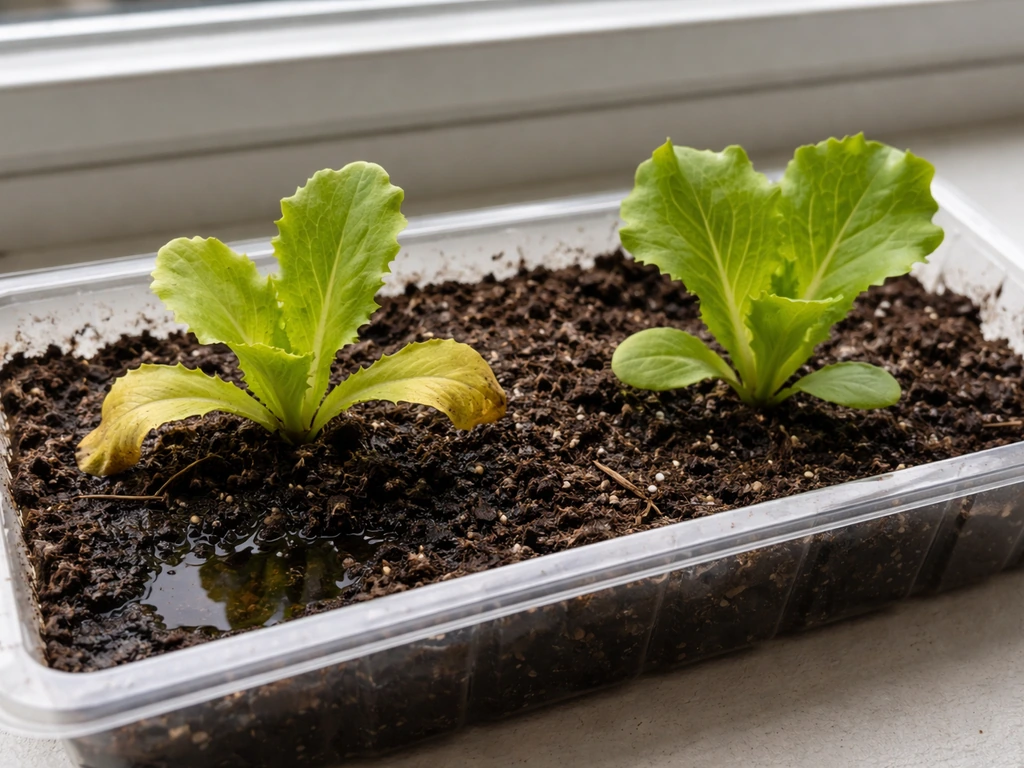
Yellow leaves on lettuce usually point to overwatering or nitrogen deficiency. Check drainage first: if soil stays soggy for more than a day after watering, improve drainage or move to a better-draining container. If drainage is fine and plants look pale overall rather than spotted, a dose of balanced liquid fertilizer usually helps within a week.
Pests and diseases
Aphids are the most common lettuce pest. Look for clusters of small soft insects on leaf undersides and new growth. A strong spray of water knocks them back, and insecticidal soap or horticultural oil sprays are effective if the infestation is heavier. Both options also preserve beneficial insects like ladybugs that naturally control aphid populations.
For fungal diseases, the two most common are downy mildew (grayish coating on undersides, thrives in damp cool conditions with moisture on leaves) and powdery mildew (white powdery spots on foliage). Both are best prevented by improving airflow, spacing plants properly, avoiding wetting leaves when watering, and watering in the morning so leaves dry by evening. Once either disease is established, removing affected leaves and improving conditions helps slow spread.
Your step-by-step plan for right now
Whether you're starting from scratch or fixing a struggling crop, here's what to do today. Work through the list in order and you'll have a clear picture of what's holding your lettuce back or what you need to do to get started.
- Check today's temperature: if daytime highs are above 75°F in your area, plan to start lettuce indoors with a grow light or wait until fall. If temperatures are 60–70°F, you're in the ideal window.
- Choose your setting: outdoor bed, container, or indoor? Prepare the space by ensuring drainage is good and soil or potting mix is loose. If using containers, confirm they have drainage holes.
- Pick a fast, forgiving variety: for a quick win today, go with a loose-leaf variety like 'Black Seeded Simpson' or 'Red Sails.' Skip head lettuce until you've nailed the basics.
- Sow seeds 1/4 inch deep (or just surface-press and cover lightly), and space seeds about 1 inch apart. You'll thin later.
- Water gently so the soil surface stays moist but not flooded. Check moisture daily until germination.
- If seeds are already planted and not germinating after 14 days, check if soil temperature is above 80°F. If yes, move to a cooler spot or refrigerate a new batch of seeds overnight before re-sowing.
- If plants are up but struggling: check the list: Is there enough light (6+ hours or 14+ hours under grow lights)? Is watering consistent? Are plants too crowded? Thin to recommended spacing.
- Set a calendar reminder to thin again in 10 days and to fertilize lightly with a liquid fertilizer after 3 weeks.
- Plan your harvest: loose-leaf varieties are ready to harvest outer leaves once plants are 4–6 inches tall, usually 30–45 days from sowing. Don't wait too long or risk bolting.
If you're troubleshooting an existing crop that isn't growing well, the most common issues (not enough light, inconsistent watering, and too-warm temperatures) are usually fixable once you identify which one is the problem. If your lettuce has already bolted or turned bitter, pull it out and replant. Lettuce grows fast enough that starting over is almost always the right call. And if you want to push your crop even further once you've got the basics down, there's a lot more you can do around timing, feeding, and setup to make lettuce grow faster.
FAQ
How can I tell if my lettuce is getting enough light versus having a temperature problem?
If growth is pale, floppy, or stretched, that points to insufficient light, especially indoors. If seeds do not germinate or plants stall only when days get hot, temperature is the likely issue. A quick test is to check if the plants are leaning toward the window or grow light, then compare that timing to heat spikes.
Should I cover lettuce seeds with more than a thin layer of soil or vermiculite?
No. Lettuce seeds need light to germinate, so thicker coverage often reduces sprouting. Aim for a very light cover (about 1/4 inch at most for most types), keep the surface moist, and avoid burying seeds deep in compacted soil.
What spacing should I use, and what happens if I thin too late?
Thin as soon as you can identify the healthiest seedlings, because crowded lettuce competes for light and keeps humidity around leaves high. If you delay thinning, you are more likely to get spindly growth, uneven development, and disease pressure, even if you fix watering and light later.
Can I reuse potting mix or hydroponic solution for the next lettuce crop?
You can reuse potting mix in many home gardens, but it often compacts and can carry old pest or disease pressure, so refreshing with compost and ensuring good drainage helps. For hydroponics, changing the nutrient solution regularly is important, and you should keep the reservoir out of sunlight to prevent algae that can interfere with water and nutrient uptake.
Why are my lettuce leaves curling or getting distorted even when watering seems correct?
Curling can come from heat stress, uneven moisture, or aphids feeding on new growth. Check the undersides of leaves for aphids, confirm the soil is evenly moist, and provide afternoon shade once temperatures regularly rise above the mid-70s.
My lettuce is growing, but the leaves are small and slow. What should I adjust first?
First verify temperature and light hours. Lettuce often grows slowly because it is either too warm, not bright enough, or both. If those are correct, then adjust feeding slightly, using a balanced fertilizer rather than heavy nitrogen, since excess nitrogen can worsen tipburn and attract aphids.
Is tap water okay, or does my water quality affect lettuce growth?
Most tap water works, but very hard or highly chlorinated water can stress plants indirectly through inconsistent moisture and nutrient availability. If leaf edges brown and you also see inconsistent growth, try letting water sit to reduce chlorine (if applicable in your area) and ensure your watering schedule is consistent.
How often should I water lettuce in containers compared to in the ground?
Containers dry out faster, so check daily by feeling moisture about an inch down, then water when it is dry at that depth. In-ground beds usually need less frequent watering, but warm, dry periods can still require watering every couple of days. The key is even moisture, not a fixed calendar.
My lettuce seedlings are yellow, but the soil is not obviously soggy. What else could cause that?
If drainage is fine and leaves are pale overall, nitrogen or general nutrient availability may be low. A gentle, balanced liquid fertilizer typically helps within about a week, but avoid heavy feeding because fast lush growth can increase tipburn risk.
What should I do if my lettuce starts bolting in the middle of the season?
Once bolting begins, you cannot easily reverse it, so the best move is to harvest immediately and remove the bolting plants. Then replant with a more heat-tolerant leaf variety (or use shade cloth when temps regularly hit the mid-70s) so the next crop matures during cooler weather.