You can grow crisp, flavorful organic lettuce right now whether you have a backyard bed, a patio container, a sunny windowsill, or a simple hydroponic setup. The key is picking a cool-season-friendly variety, getting your soil or growing medium right without synthetic inputs, sowing at the correct depth (no deeper than 1/4 inch), and managing heat before it triggers bolting. Most leaf lettuce is ready to harvest in 45 to 60 days, and with succession sowing every two to three weeks, you can keep harvesting continuously through spring and into fall.
How to Grow Organic Lettuce: Step-by-Step Guide
Marcus Holloway
29 Jun 2026
Choosing organic lettuce varieties and seeds
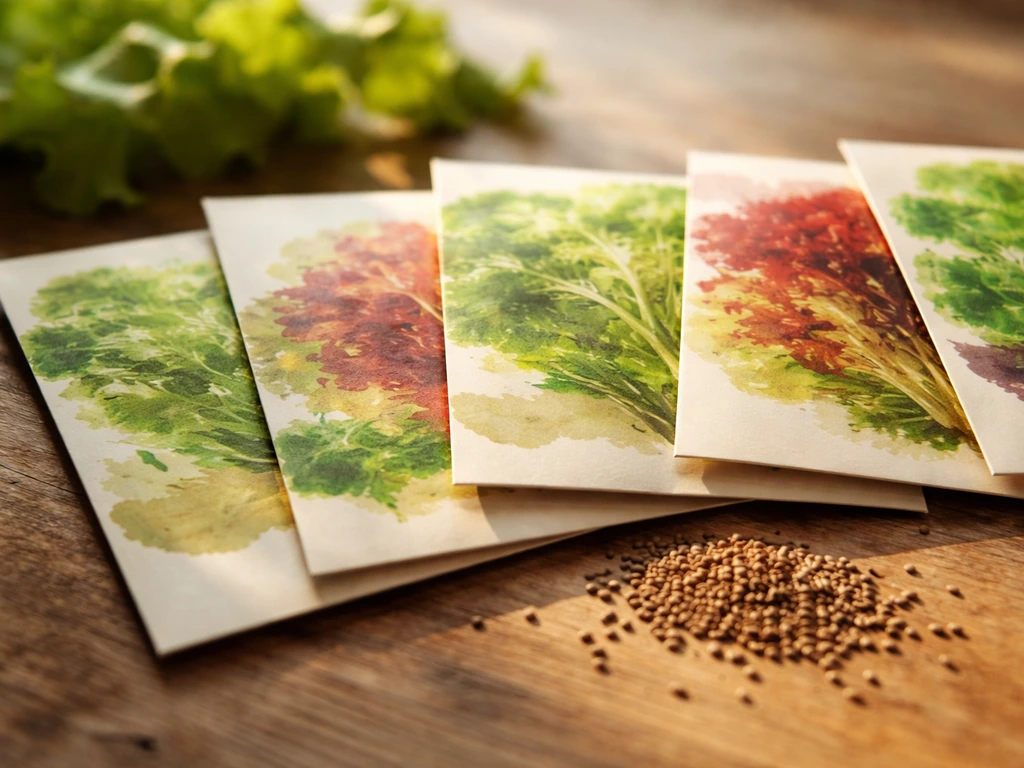
Start with certified organic seed whenever possible. That means the seed itself was grown under organic conditions, which keeps your whole system honest. Suppliers like Deep Harvest Farm offer certified organic butterhead varieties like Pirat, and major seed companies like Johnny's Selected Seeds run multi-season trials and offer organic options across every major lettuce type: loose leaf, romaine, butterhead, summer crisp, oakleaf, bibb, lollo, and iceberg. OSC Seeds lists an Organic Buttercrunch butterhead with a 65-day maturity that is a solid beginner choice.
The variety you choose should match your season and setup. Here is what to know about each major type:
- Loose leaf: Fastest to harvest (around 45 days), forgiving in containers, and the best choice for beginners. Oak leaf types handle heat slightly better than other loose leaf varieties.
- Butterhead/Buttercrunch: Soft, sweet leaves with a loose head. Buttercrunch at 65 days is a classic and does well in containers. Pirat butterhead is worth trying if you want certified organic seed specifically.
- Romaine: Slower (70–80 days) but very heat-tolerant compared to butterhead types. Look for varieties labeled 'very slow bolt' or 'known for best taste year round' in current seed availability lists.
- Summer crisp (Batavian): Probably the most heat-tolerant of all types if you are planting in late spring or need to bridge into summer.
- Iceberg/crisphead: Needs the longest season and the most precise temperature management. Not the best starting point for beginners.
If bolting is your main concern, look for varieties explicitly labeled 'slow bolt' or 'heat tolerant' in the current season's seed catalog listings. Seed availability changes each season, so check what is listed for spring and summer 2026 specifically. Genesis Seeds’ “Availability Apr, Jun 2026” PDF lists lettuce varieties and notes such as bolting and tipburn traits (for example, entries described as “Very slow bolt” and “Known as the best taste lettuce year round.”) blank" rel="noopener noreferrer">“Availability Apr–Jun 2026” PDF. For other specialized types you might be curious about, including Chinese lettuce and artisan lettuce varieties, the planting and care principles are largely the same, though variety-specific traits like texture and heat tolerance will differ. Chinese lettuce can also be grown successfully using the same cool-season timing and care, so use the tips above to dial in variety choice, light, and heat management.
Site and setup options
Lettuce is one of the most flexible crops when it comes to where you grow it. Each setup has trade-offs, and the right choice depends on your space, your season, and how much control you want.
Outdoor ground beds
An in-ground or raised bed gives you the most growing volume and the most forgiving moisture retention. Choose a spot that gets at least 4 to 6 hours of direct sun per day. In summer, partial afternoon shade actually helps prevent bolting, so a spot with morning sun and some dappled afternoon shade is ideal for late-season plantings. Good drainage is essential. If your soil stays waterlogged, lettuce roots will rot.
Containers and pots
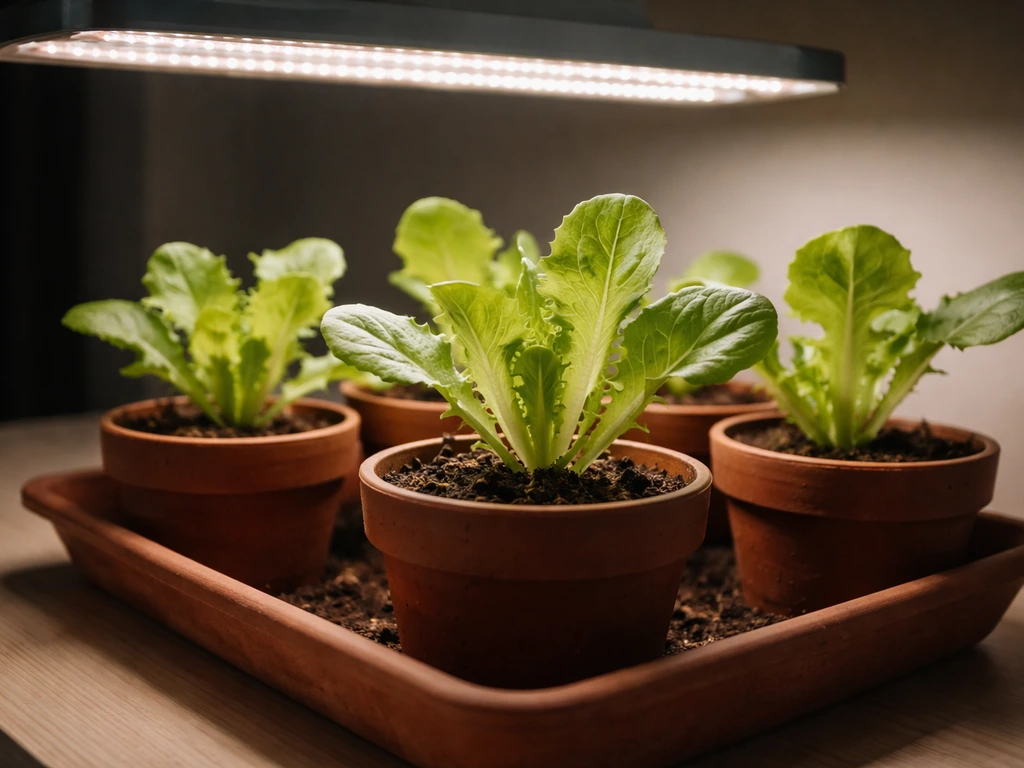
Lettuce grows well in containers as shallow as 6 to 8 inches deep for leaf types, though deeper is always better for moisture retention and root room. Make sure every container has drainage holes. Window boxes, fabric pots, and large planters all work. The advantage of containers is mobility: you can move them into shade when temperatures spike, which is a real bolt-prevention strategy in late spring and early summer.
Indoor growing under lights
If you're growing indoors, you need a grow light. A full-spectrum LED positioned 4 to 6 inches above the seedlings, running 14 to 16 hours per day, is enough to prevent the leggy, pale growth you get from insufficient light. Temperature control is the other major factor: aim for 60 to 70°F. Indoor growing gives you year-round production and near-total control over the environment, which is a big advantage if you live somewhere with harsh summers or cold winters.
Hydroponic setups
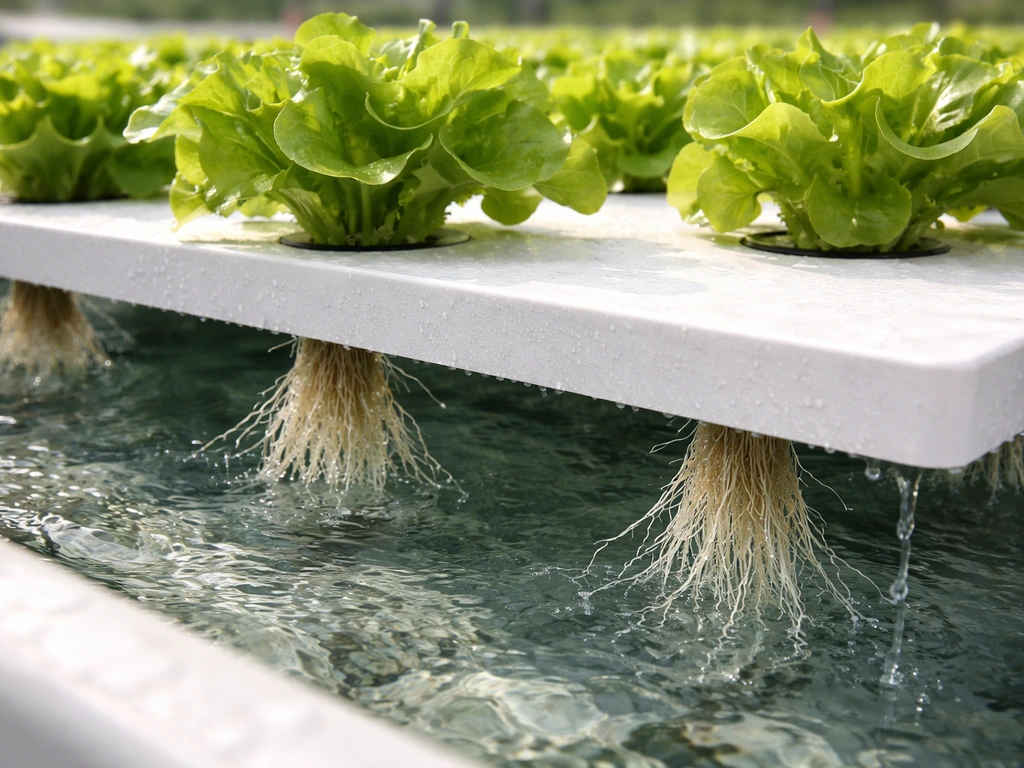
Lettuce is one of the most popular crops for hydroponic systems, and for good reason: it is fast, shallow-rooted, and thrives in the controlled nutrient environment these systems provide. The two most beginner-friendly options are deep water culture (DWC), where roots hang in an oxygenated nutrient solution, and nutrient film technique (NFT), where a thin recirculating stream of nutrient solution flows past bare roots. For DWC, keep solution temperatures above 60°F for healthy root development and check your electrical conductivity (EC) regularly. Use organic-approved nutrient solutions if you want to maintain organic principles in a hydroponic context. Lettuce in a well-managed hydroponic system can be ready in as few as 30 days.
Soil health and organic amendments
Organic lettuce growing starts with the soil. The goal is a loose, well-draining, nutrient-rich medium that holds moisture without becoming waterlogged. Lettuce is not a heavy feeder, but it does need consistent, steady nutrition throughout its short season.
Target a soil pH of 6.0 to 6.8 for most lettuce, and get a soil test if you have not grown in that bed before. Most extension programs offer affordable tests. If your pH is off, you will waste amendments because nutrients become unavailable to plants outside that range. Lime raises pH and sulfur lowers it, both of which are organically acceptable inputs.
For fertility, the most important organic amendment is compost. Work 2 to 3 inches of finished compost into the top 6 inches of soil before planting, either in spring or fall. Well-rotted manure does the same job. These slow-release inputs build soil structure and feed a living microbial ecosystem that makes nutrients available to your lettuce over time. Avoid over-applying nitrogen-rich amendments because excess nitrogen encourages the soft, rapid growth that makes plants vulnerable to tipburn, a condition where leaf edges turn brown. Phosphorus and potassium levels should be based on your soil test results rather than guessing.
- Compost: 2–3 inches worked into the top 6 inches of soil; the single most important input
- Well-rotted manure: an alternative or addition to compost; apply in fall for spring planting
- Organic balanced fertilizer (e.g., fish meal, kelp meal, blood meal blends): use sparingly if soil is already rich
- Worm castings: excellent for containers; mix into potting mix at about 20% by volume
- Organic liquid fertilizers (fish emulsion, kelp extract): useful for a mid-season boost in containers
For containers, start with a high-quality organic potting mix. Do not use straight garden soil in pots because it compacts and kills drainage. Mix in worm castings for extra fertility and perlite if you need better drainage. In hydroponic systems, use OMRI-listed organic nutrient solutions to maintain organic integrity.
Planting methods, spacing, and timing
When to plant
Lettuce is a cool-season crop. For spring planting outdoors, sow seeds directly two weeks before your last expected frost date, or as soon as the soil is workable. Lettuce seeds germinate best at around 60°F soil temperature, though they can germinate in a range from about 40 to 80°F. The critical rule from Illinois Extension: finish your spring planting at least a month before the really hot early-summer days arrive. If you're in a warm climate and it's already late June, your best move is to focus on shade-assisted heat-tolerant varieties, move production indoors, or start planning for a fall crop that gets direct-sown in late summer when temperatures begin to drop.
For fall planting, count back from your first expected fall frost date. Most lettuce needs 45 to 75 days to reach maturity, so plan accordingly. Fall lettuce often tastes better than spring lettuce because cooling temperatures suppress bitterness.
How to sow
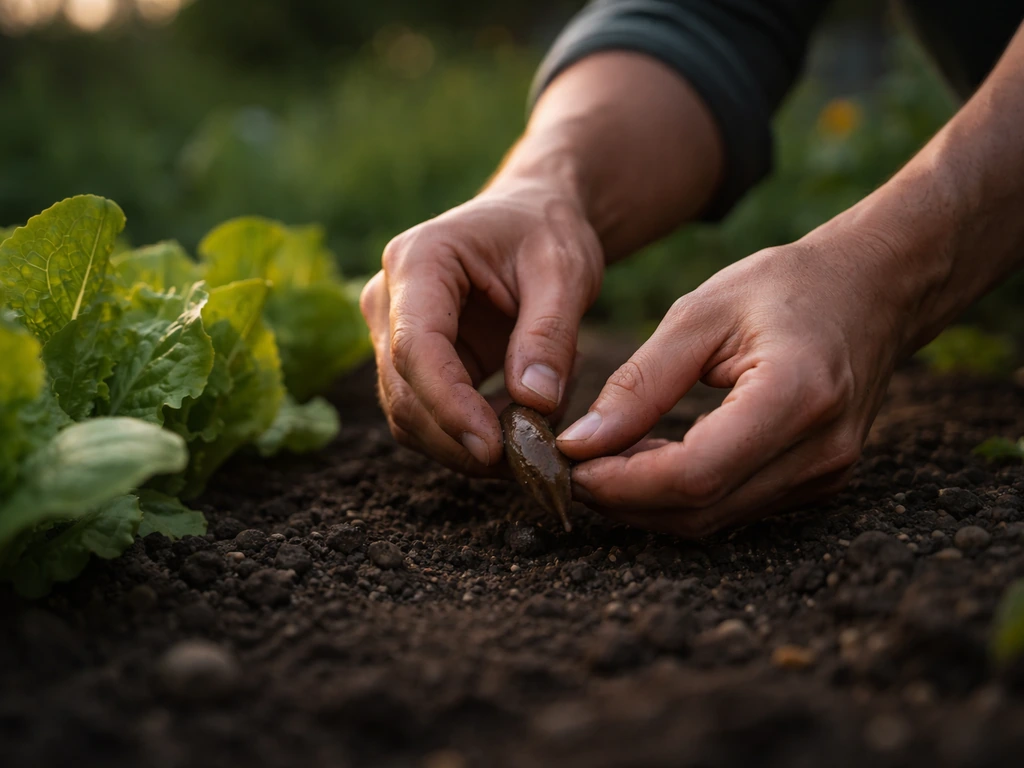
Direct sowing is the simplest approach and works well for all loose leaf varieties. Press seeds into the soil no deeper than 1/4 inch. Lettuce seeds need light to germinate, so planting too deep is one of the most common reasons for poor germination. Firm the soil gently over the seeds after sowing and keep the surface consistently moist until germination, which typically takes 7 to 10 days at optimal temperatures.
For transplanting, start seeds indoors 4 to 6 weeks before your outdoor planting date. When transplanting seedlings, bury the stem as deep as the first true leaf. This helps the plant establish faster and anchor better. If you're transplanting in summer heat, shade the plants in the middle of the day for the first week, or use floating row cover until they have at least six leaves.
Spacing
Spacing matters for airflow, disease prevention, and ultimate plant size. Here are the standard guidelines:
| Lettuce Type | Thin/Space To | Row Spacing |
|---|---|---|
| Leaf lettuce | 6 inches apart | 12–18 inches |
| Head lettuce (butterhead, romaine, iceberg) | 12 inches apart | 18–24 inches |
| Cut-and-come-again (dense broadcast) | 2–3 inches for baby leaf harvest | 6 inches |
Thin seedlings in stages rather than all at once. Pull or snip the smallest plants first and use the thinnings as baby greens in salads. Crowded plants compete for nutrients and have poor airflow, which invites disease.
Light, temperature, and watering for crisp leaves
Light
Outdoors, lettuce needs at least 4 to 6 hours of direct sun per day. More sun is usually better in spring and fall, but in summer, some afternoon shade is genuinely helpful. If you're growing indoors under artificial light, aim for 14 to 16 hours of full-spectrum light per day to prevent leggy, weak seedlings. If seedlings are stretching toward the light and falling over, your light is either too far away or not running long enough.
Temperature
Lettuce grows best between 45 and 75°F. Above 80°F, most varieties begin the process of bolting (sending up a flower stalk), and the leaves get bitter fast. Heat management is not optional if you want good-tasting lettuce into late spring and early summer. Practical strategies include: using a 50% shade cloth or two layers of floating row cover during the hottest part of the day, moving containers into shade in the afternoon, and choosing heat-tolerant or slow-bolt varieties from the start. Row cover also works as a frost buffer on the other end of the season, protecting plants down to the upper 20s°F.
Watering
Lettuce needs about one inch of water per week from rain or irrigation. The soil should stay consistently moist but never soggy. Shallow, frequent watering is better than infrequent deep watering for lettuce because its root system is relatively shallow. Inconsistent moisture is a major cause of bitterness and premature bolting. Water at the base of the plant rather than overhead if possible, especially in humid climates where wet foliage encourages mold and downy mildew. In containers, check moisture daily because pots dry out much faster than ground beds.
Pest, disease, and weed control using organic methods
Prevention first
Most pest and disease problems in lettuce start with poor cultural practices: overcrowding, inconsistent watering, compacted soil, or debris left in the bed. The UC Statewide IPM Program (UC IPM) similarly notes that key lettuce pests can be managed by relying on cultural practices such as site selection, soil preparation, planting, and watering. Fix those first and you will avoid most problems. Good airflow between plants reduces fungal disease. Removing plant debris after harvest eliminates overwintering sites for pests. Rotating where you grow lettuce each season reduces soil-borne disease buildup.
Common pests and organic solutions
- Slugs and snails: Remove hiding spots like debris and boards near the bed. Handpick in the evening when they're active. Use copper tape barriers around containers. Iron phosphate bait (Sluggo) is OMRI-listed and safe around pets and wildlife. Baits alone won't fix a slug problem if moisture and shelter are abundant, so reduce both.
- Cutworms: These cut seedlings at soil level overnight. Place cardboard or plastic collars around transplant stems sunk an inch into the soil. Diatomaceous earth around the base of plants helps.
- Flea beetles: Tiny holes in leaves are the signature. Floating row cover at planting time is the most effective prevention. For active infestations, pyrethrin-based organic sprays are a last resort.
- Aphids: Look for clusters on the undersides of leaves. A strong spray of water dislodges them. Insecticidal soap spray (diluted, applied in the morning) is an effective organic treatment.
- Caterpillars/cabbage loopers: Handpick or apply Bt (Bacillus thuringiensis), a naturally occurring bacteria that is OMRI-listed and safe for beneficial insects when used correctly.
Common diseases and organic management
- Downy mildew: Yellow patches on upper leaf surface, gray-purple fuzzy growth underneath. Favored by cool, wet conditions. Improve airflow with proper spacing, avoid overhead watering, and remove affected leaves promptly. Look for resistant varieties when selecting seed.
- Powdery mildew: White powdery coating on leaf surfaces, usually on mature plants. Favored by warm, dry conditions. Unlike downy mildew, this one thrives when humidity is low. Baking soda spray (1 tsp per quart of water plus a drop of soap) can slow spread, though prevention through airflow is more reliable.
- Bottom rot and damping off: Both stem from overwatering or poorly drained soil. Improve drainage, reduce watering frequency, and make sure soil is not compacted.
Weed control
Weeds compete directly with lettuce for the water and nutrients lettuce needs for fast, clean growth. Mulch between plants with straw, shredded leaves, or wood chips (keep it away from the stems) to suppress weeds and retain soil moisture at the same time. Hand-pull weeds when small. Because lettuce has a shallow root system, be gentle when cultivating near plants to avoid disturbing roots.
Harvesting, storage, and succession planting
How to harvest
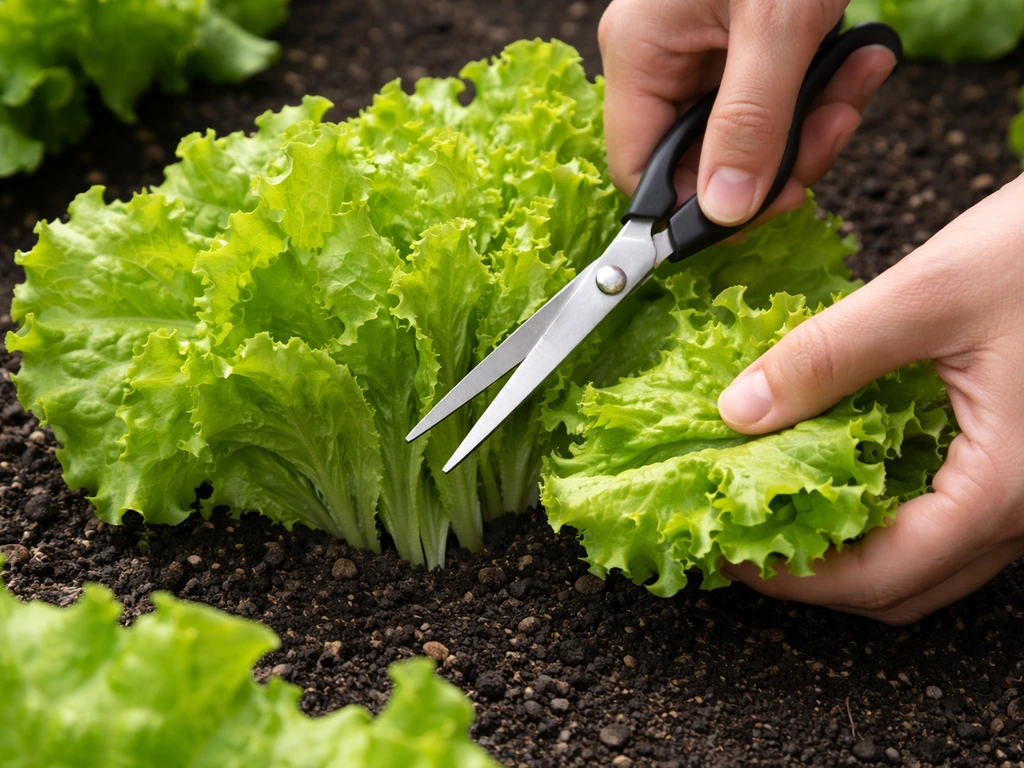
For loose leaf lettuce, the cut-and-come-again method works well: use clean scissors or a knife to clip leaves about 1 inch above the soil, taking the outer leaves first and leaving the inner growth center intact. The plant will regrow and you can harvest several times from the same plant. For head types like butterhead or romaine, harvest the whole head by cutting the stem about 1 inch above soil level once the head is firm and full. Do not delay: lettuce that is left too long becomes bitter, tough, and starts to bolt. If the plant is sending up a tall central stalk, harvest immediately.
Storing fresh lettuce
After cutting, wash leaves in very cold water immediately. Cold water refreshes the crispness and slows wilting. Spin or gently pat dry (wet leaves deteriorate faster in storage), then store in the refrigerator at 32 to 35°F with high humidity, ideally 98 to 100%. A sealed container with a slightly damp paper towel inside works well for home storage. Properly stored lettuce keeps for 7 to 10 days, though fresh-cut homegrown lettuce tastes best within the first two to three days.
Succession planting for continuous harvests
The single best way to have fresh lettuce all the time is to sow a new small batch every two to three weeks. Great Lakes gardeners can use these same cool-season timing, temperature control, and succession-sowing tips to keep lettuce thriving all season succession sowing every two to three weeks. Each sowing takes only a few minutes and keeps a steady pipeline of plants at different stages of maturity. In spring, start succession sowings from late February through mid-April (adjust for your zone). Skip the hottest weeks of summer unless you are growing indoors or in a very shaded, cool spot. Resume succession sowing in late July or August for fall harvests. This two-season window gives most home gardeners four to five months of fresh lettuce with minimal effort.
Troubleshooting common lettuce problems
Bolting
If your lettuce sends up a tall central stalk, it is bolting. This is triggered by heat (above 80°F), long days, or drought stress. Once bolting starts, you cannot reverse it. Harvest everything immediately because the leaves will turn bitter within days. Going forward: choose slow-bolt varieties, use shade cloth in summer, water consistently, and time your sowings so plants mature before the hottest stretch of summer. In a real-world example, a r/gardening thread on romaine bolting discusses whether to wait for hot-day temperatures before harvesting, reflecting the common beginner dilemma of what to do when bolting risk is rising blank" rel="noopener noreferrer">Reddit. If you are learning how to grow sea lettuce, managing heat and harvest timing helps you keep growth steady and avoid stress-related bitterness slow-bolt varieties.
Bitter leaves
Bitterness is almost always caused by heat, drought stress, or overmature plants. If your lettuce tastes bitter, harvest immediately and eat the younger inner leaves, which are less affected. For future crops: water more consistently, add afternoon shade, harvest earlier (do not wait for heads to be perfectly full), and choose varieties bred for heat tolerance.
Leggy or thin seedlings
Leggy seedlings with long pale stems and weak leaves are a light problem. If growing indoors, move the light closer (4 to 6 inches above the tops) and increase the daily light period to 14 to 16 hours. If growing outdoors, choose a sunnier spot. Overly warm temperatures combined with low light make the problem worse.
Poor germination
The most common causes of poor germination are planting too deep, soil that is too dry, or soil that is too hot (above 80°F surface temperature). Lettuce seeds are tiny and need light to germinate, so even a 1/2-inch burial can cause complete failure. Press seeds gently into the surface, mist to keep consistently moist, and if the weather is hot, try germinating seeds in a cool spot indoors and transplanting seedlings outside once they have their first true leaves.
Tipburn
Tipburn shows up as brown or dead edges on the inner leaves, especially on butterhead and romaine types. It is linked to rapid, soft growth caused by excess nitrogen and sometimes to calcium delivery issues during fast growth spurts. If you see it, ease up on nitrogen-heavy fertilizers, make sure your soil pH is in range so nutrients are available, and ensure adequate phosphorus and potassium levels (a soil test will tell you). Tipburn does not make the whole plant inedible; just remove the affected leaves and harvest the rest.
Heads not forming (for head-type varieties)
If you planted a head-type variety and plants are staying loose and leafy, the most likely cause is either insufficient spacing (heads need 12 inches between plants to develop properly), too much heat (head formation requires cool temperatures), or planting a loose-leaf variety when you expected a heading type. Double-check your seed packet, make sure spacing is right, and consider whether temperatures have been consistently above 75°F during the heading stage.
FAQ
If I’m aiming for organic, what counts as acceptable inputs (and what should I avoid)?
For organic lettuce, “no synthetic inputs” usually means you should avoid conventional quick-release fertilizers and systemic pesticides. A practical rule is to check that any amendment is OMRI-listed (for store-bought products) or is basic compost/worm castings/approved soil inputs, and keep records of what you apply so you can spot unintentional contamination.
What should I do if my lettuce germinates poorly or seedlings come up but look stunted?
The depth rule matters most for direct sowing. If seedlings emerge but stay weak, don’t replant deeper. Instead, thin gently, keep the surface consistently moist, and if you used a heavier mix, improve contact with the soil by firming lightly around each seedling after emergence.
Can I use row cover for heat, and will it increase mold or mildew risk?
Lettuce needs air around the leaves, but row cover and shade cloth also change how wet the foliage stays. Run cover during cool nights or heat spikes, then ventilate on calm, mild days if mildew has been a recurring issue in your area.
How far should mulch be from lettuce stems, especially in humid weather?
If you’re using mulch, keep it a few inches away from the stem base to prevent rot and to make it easier to spot pests early. In humid climates, prioritize reflective mulch or lighter mulches and water at the base to avoid constant leaf wetness.
How do I know when to harvest leaf lettuce versus head lettuce so it stays tender?
For a steady harvest, treat “ready” as variety-specific. Loose-leaf types can be harvested as soon as leaves reach usable size, then continue cut-and-come-again. For heads, wait until the head feels firm, but harvest promptly once firmness starts, because heading types can bolt or get tough if left too long.
My cut-and-come-again lettuce stopped regrowing. Why and how can I fix it?
If you cut outer leaves and the center seems to slow down, it’s usually heat, uneven moisture, or overcrowding. Check soil moisture daily, thin if plants are touching, and if temperatures are climbing, use afternoon shade or move containers to cooler spots.
What’s the best way to prevent tipburn without over-fertilizing?
Use soil test results to decide phosphorus and potassium, but nitrogen is the most common mistake. If you notice fast, soft growth or tipburn, scale back nitrogen sources, rely more on compost (slow release), and ensure pH is in range so calcium can move correctly during rapid growth.
What are the most common hydroponic mistakes that hurt lettuce (EC, pH, or temperature)?
Hydroponics often fails because of temperature and dissolved oxygen, not because of “bad nutrients.” Keep solution and air temps stable, use properly sized equipment for your system, and monitor EC and pH frequently, then adjust slowly rather than making big swings.
If it’s already late June in my area, can I still grow organic lettuce outdoors?
Yes, but timing is everything. In warm zones, start indoors or under shade early, then aim for a fall crop with direct sowing once nighttime temperatures cool. If it’s late June and days stay hot, prioritize heat-tolerant varieties and harvest earlier rather than trying to force full-size heads.
When lettuce bolts, can I save the crop or should I start over?
Bolting can be triggered quickly, so you want a fast response plan. Immediately harvest what you can, shade the remaining plants, and remove the bolting stalks if you want to salvage younger leaves. For the next sowing, shift to earlier or later windows and choose slow-bolt or heat-tolerant varieties.
My lettuce seeds won’t germinate. What are the most likely reasons, and how can I troubleshoot quickly?
If seeds keep failing, check three edge cases: surface depth (tiny seeds need light), temperature spikes at the soil surface, and inconsistent moisture during germination. In hot weather, germinate in a cool indoor spot and transplant once you see first true leaves, keeping acclimation brief and shaded.
Why are my supposed “head lettuce” plants staying loose and leafy?
If heads stay loose, first confirm you planted the correct type. Then verify spacing (head types need room) and check whether temperatures were too warm during the heading stage. If heat was unavoidable, use shade cloth and start the next succession sowing earlier so heading happens before the hottest period.