Chinese lettuce covers a couple of distinct crops, and knowing which one you're growing changes everything about how you approach it. The two most common types people search for are celtuce (also called stem lettuce or asparagus lettuce) and A-choy (you mai cai), a loose-leaf type. Both are cool-season crops that bolt fast in heat, so your timing and setup matter more than any other single factor. Get those right and you'll have fresh greens or a thick harvestable stem in 30 to 70 days, depending on the variety. Sea lettuce is grown similarly to other cool-season lettuces, so start with the right temperature and timing for your season.
How to Grow Chinese Lettuce: Step-by-Step Guide
Marcus Holloway
3 Jul 2026
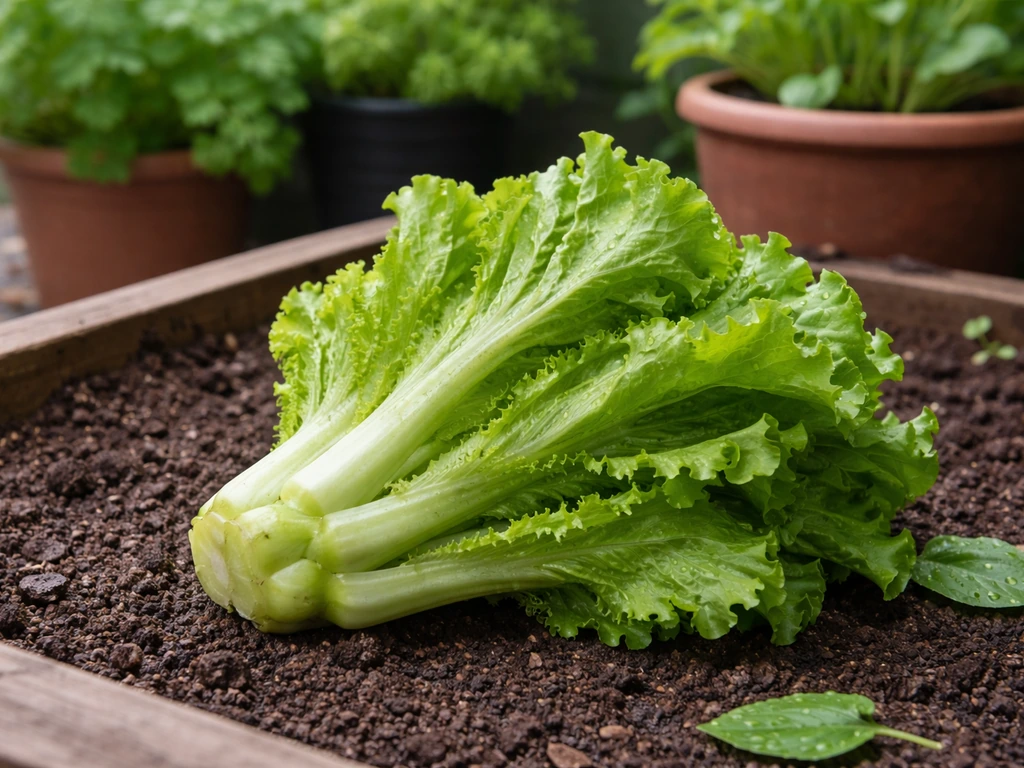
Choosing the right Chinese lettuce variety
Your first decision is whether you want A-choy or celtuce, because they're eaten differently and harvested on different schedules. For a focused step-by-step approach, see our guide on how to grow artisan lettuce from seed to harvest Chinese lettuce varieties.
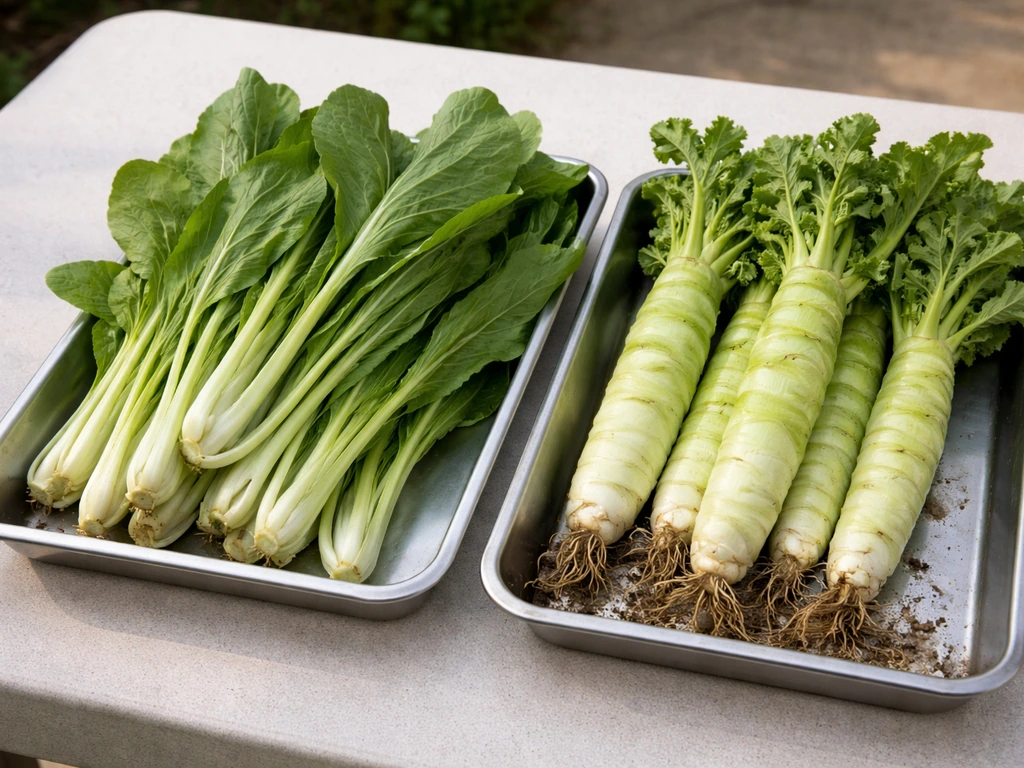
A-choy (youmaicai) is the faster option. It's a loose-leaf type with long, slightly romaine-like leaves that are mildly flavored and widely used in stir-fries and soups. It matures in roughly 30 to 45 days from sowing, and you can do cut-and-come-again harvesting just like you would with leaf lettuce. It's very beginner-friendly, works well in containers, and is forgiving of imperfect conditions. If you're brand new or growing in a small space, start here.
Celtuce is grown primarily for its thick central stem, which develops that distinctive celery-like crunch and mild flavor once peeled. It takes 55 to 70 days to reach harvestable size (stem about 15 to 20 cm tall, 3 to 4 cm in diameter) and needs a bit more patience and space. It's worth growing if you want something unique that you genuinely can't find at most grocery stores. Johnny's Selected Seeds and Truelove Seeds both carry reliable celtuce selections labeled as stem lettuce or Chinese stem lettuce.
If you're drawn to the bitter, frisée-style greens sometimes sold as Chinese lettuce at Asian markets, those are closer to endive or chicory types. They need the same cool-weather timing but lean bitter by nature, and that bitterness intensifies sharply with heat. Plan those only for fall or early spring.
| Type | Also Called | Days to Maturity | Best For | Container Friendly? |
|---|---|---|---|---|
| A-choy | You mai cai, youmaicai | 30–45 days | Leaves, stir-fry, cut-and-come-again | Yes |
| Celtuce | Stem lettuce, asparagus lettuce, celery lettuce | 55–70 days | Thick edible stem, peeled and sliced | Yes, in deeper pots |
| Bitter chicory/endive types | Chinese bitter lettuce | 50–60 days | Braised dishes, Asian soups | Yes, but bolt-prone |
Best growing conditions: light, temperature, and timing
Both A-choy and celtuce are cool-season crops, and that fact will make or break your results. Temperatures consistently above about 24°C (75°F) push these plants toward bolting and make the leaves bitter almost overnight. Your goal is to keep them growing in cool, moderate conditions for their entire lifespan.
Temperature
The ideal range is 10°C to 20°C (50°F to 68°F). Celtuce has decent cold tolerance and can handle light frosts, so it's a good candidate for early spring and fall planting. A-choy is slightly more heat-tolerant than standard head lettuce but still bolts quickly when temps climb. If your summers are hot, plan your main crop for spring (sow 4 to 6 weeks before your last frost) or fall (back-calculate from your first frost and sow 8 to 10 weeks out).
Light
Outdoors, Chinese lettuce varieties want 6 hours of sunlight per day, but afternoon shade is a genuine advantage in warmer months. A spot that gets morning sun and shade after 1 PM will extend your harvest window by weeks. Indoors, aim for a south- or east-facing windowsill, or use grow lights set to 14 to 16 hours per day at about 4 to 6 inches above the seedlings. LED grow lights work well and keep heat low, which matters a lot for a crop this sensitive to temperature.
Timing for your region
- Spring planting: Sow indoors 3 to 4 weeks before last frost, or direct sow outdoors 2 to 4 weeks before last frost once soil reaches at least 7°C (45°F).
- Fall planting: Count back 70 days from your first expected frost and sow then. This is often the more reliable season in hot climates.
- Indoor/year-round: Keep ambient temps below 22°C (72°F) and use grow lights. You can grow continuously with staggered plantings every 2 to 3 weeks.
- Hydroponic setups: Same temperature rules apply to the nutrient solution and ambient air.
Soil, containers, and hydroponic setup
Outdoor garden beds
Chinese lettuce grows best in loose, well-draining soil with a pH between 6.0 and 7.0. Work in a couple inches of compost before planting. These plants have relatively shallow roots (especially A-choy), so they don't need deep beds, but compacted or waterlogged soil will stunt growth and invite disease. Raised beds are ideal if your native soil is heavy clay.
Containers
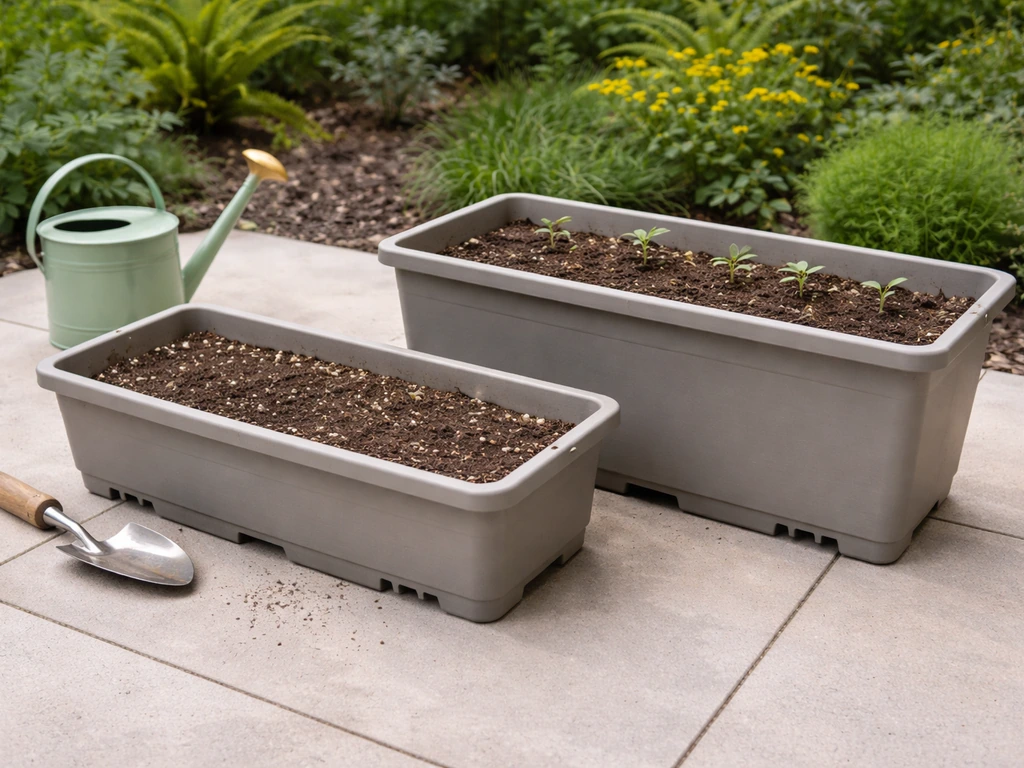
Containers work very well for both types. For A-choy, a pot that's at least 15 to 20 cm (6 to 8 inches) deep is enough. For celtuce, go deeper: 25 to 30 cm (10 to 12 inches) minimum, since the stem needs room to develop properly without being constrained. Use a lightweight potting mix with good drainage, not garden soil, which compacts in pots. Make sure your container has drainage holes. A container setup also gives you the flexibility to move plants indoors or into shade if a heat wave rolls in, which is genuinely useful for these crops.
Hydroponic growing
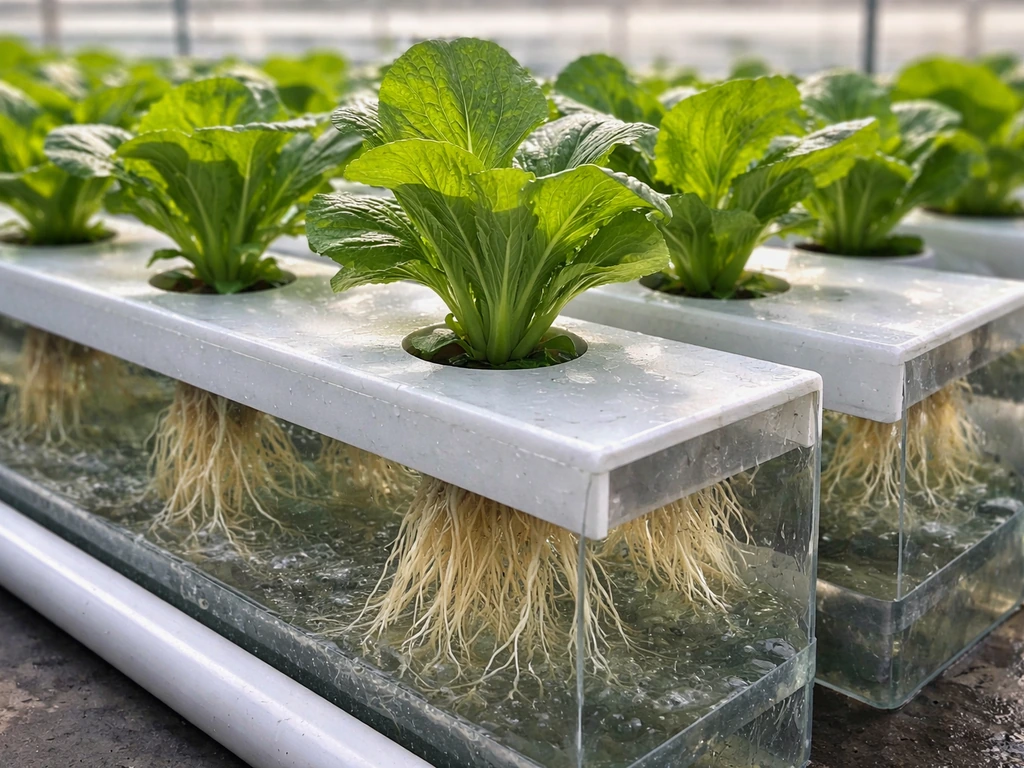
Chinese lettuce adapts well to hydroponics, particularly A-choy, which grows fast in a nutrient film technique (NFT) or deep water culture (DWC) setup. Use a standard lettuce nutrient solution (EC around 1.2 to 1.8 for leafy types, slightly higher at 1.6 to 2.0 for celtuce). Maintain solution temperature between 18°C and 22°C (65°F to 72°F) and pH between 6.0 and 6.5. Germinate seeds in rockwool cubes or rapid rooter plugs and transplant to net pots once the taproot is visible. The main advantage of hydro for these plants is speed and temperature control, both of which directly fight bolting.
Planting method: seed starting vs transplanting
Chinese lettuce varieties are almost always started from seed. Transplants are rarely sold at garden centers, so learning to direct sow or start indoors is the practical path forward.
Direct sowing (recommended for most situations)
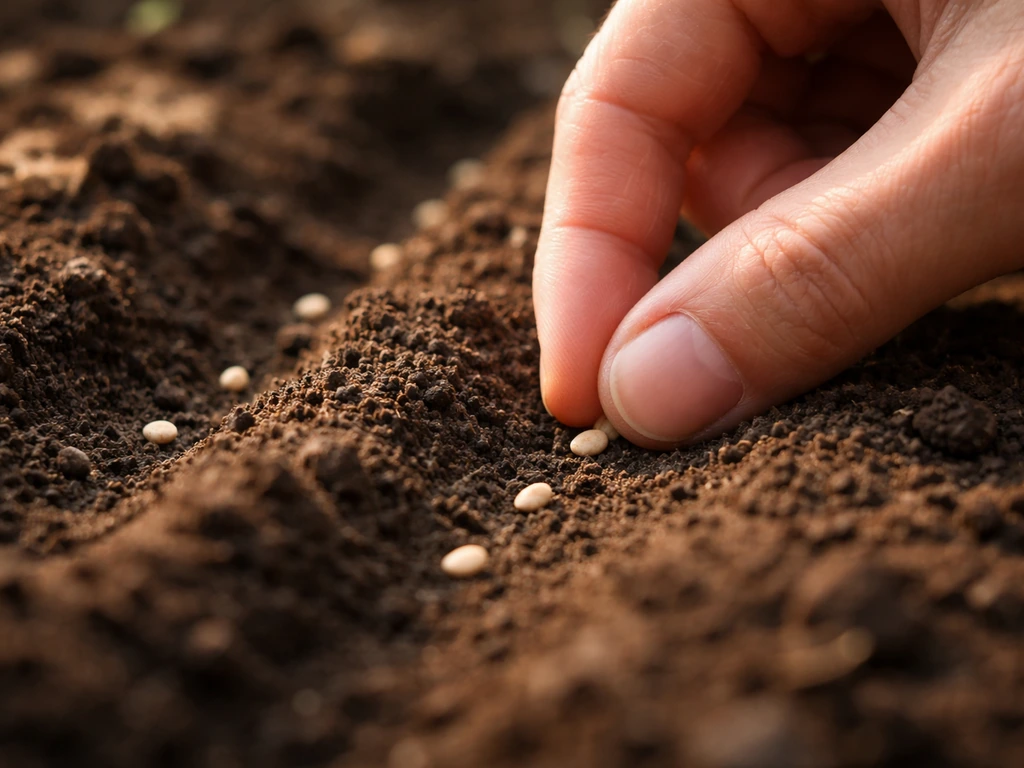
Both A-choy and celtuce respond well to direct sowing. Sow seeds at about 3 mm (1/8 inch) deep, pressing them lightly into moist soil without burying too deep. At soil temperatures around 15°C to 20°C (60°F to 68°F), germination typically takes 3 to 5 days. In colder conditions it can stretch to 10 to 14 days. Keep the surface consistently moist but not saturated during germination. Thin to final spacing once seedlings reach about 5 cm (2 inches) tall.
Indoor seed starting then transplanting
If you're trying to get a head start on spring, starting seeds indoors 3 to 4 weeks before transplant date works well. Use small cell trays or 5 cm (2-inch) pots with seed-starting mix. Harden off transplants over 5 to 7 days before moving them outside, gradually exposing them to outdoor conditions. Transplanting is particularly useful for celtuce, giving it a longer cool-season growing window.
What to expect at germination
- Optimal soil temp 15–20°C (60–68°F): sprouts in 3–5 days.
- Cool soil 7–14°C (45–57°F): expect 7–14 days, uneven germination.
- Soil above 25°C (77°F): germination rate drops significantly; try refrigerating seeds for 24 hours before sowing (cold stratification) to improve results.
- Keep soil surface moist but don't waterlog; covering with plastic wrap until sprouts appear helps retain moisture.
Spacing, watering, and fertilizing for fast growth
Spacing
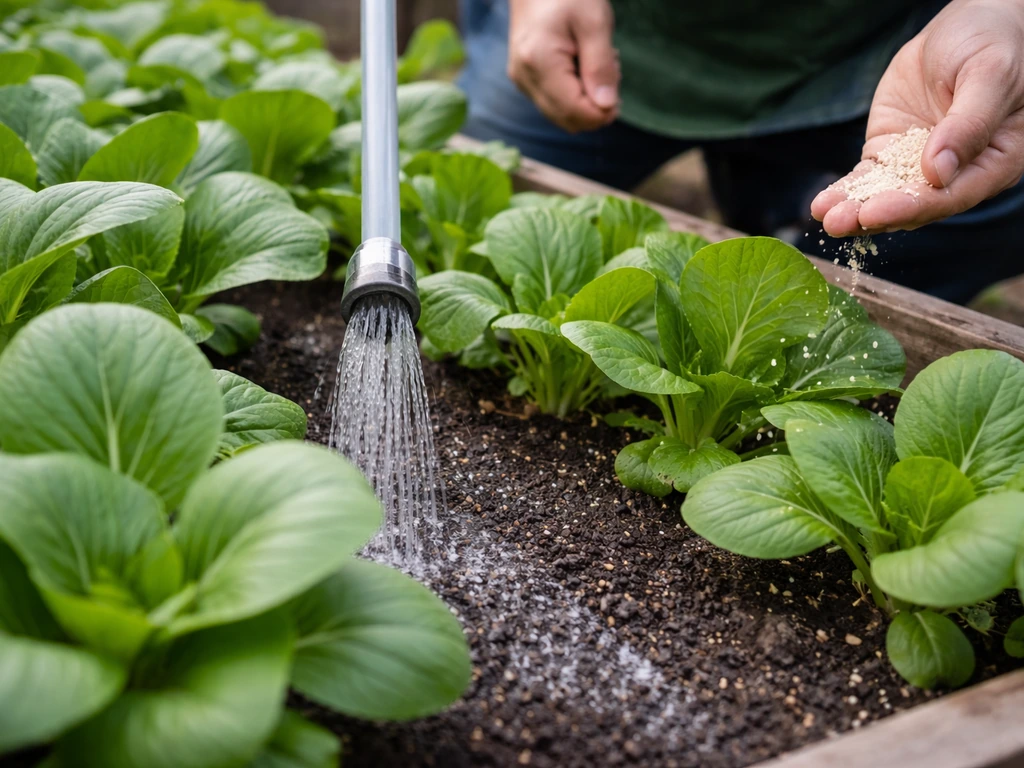
For A-choy doing cut-and-come-again harvesting, you can sow fairly densely (about 5 cm / 2 inches apart) and harvest outer leaves continuously. If you're growing to full size for a head-style harvest, thin to 20 to 25 cm (8 to 10 inches) apart. Celtuce needs more breathing room since it's developing a central stem: space plants 25 to 30 cm (10 to 12 inches) apart in beds, or one plant per 25 cm diameter container.
Watering
Consistent moisture is critical. Chinese lettuce plants are about 90 percent water, and uneven watering causes bitterness, tip burn, and bolting stress. Water when the top 1 to 2 cm of soil feels dry, which in warm weather may mean daily watering for containers. Avoid wetting leaves if possible (root watering or drip), especially in humid conditions, to reduce disease risk. In outdoor beds, a 2 to 3 cm layer of mulch keeps soil moisture even and roots cool, which is genuinely one of the easiest ways to delay bolting. If you want to grow organic lettuce, prioritize compost quality, avoid synthetic fertilizers and pesticides, and keep the soil and watering consistent.
Fertilizing
Chinese lettuce is a fast-growing leafy crop, so it wants nitrogen. For in-ground or raised bed growing, work a balanced vegetable fertilizer (or compost) into the soil before planting and side-dress with a diluted liquid nitrogen fertilizer (fish emulsion or balanced 10-10-10 at half strength) every 2 to 3 weeks. For containers, fertilize weekly with a balanced liquid feed since nutrients leach out faster. For hydroponics, your nutrient solution covers this if you're keeping EC in range. Avoid over-fertilizing with nitrogen late in the growth cycle, as it can push leafy growth at the expense of stem development in celtuce.
Pest and disease troubleshooting
Chinese lettuce faces the same pest pressures as standard lettuce, and a few that are more common in humid or warm conditions.
| Problem | Likely Cause | Fix |
|---|---|---|
| Holes in leaves, slime trails | Slugs or snails | Hand-pick at night; use diatomaceous earth around pots; avoid overhead watering in evening |
| Tiny clustered insects on undersides | Aphids | Strong water spray to dislodge; neem oil spray (1 tsp per liter); introduce ladybugs if outdoor |
| Yellowing lower leaves, wilting despite watering | Root rot from overwatering or poor drainage | Let soil dry slightly; improve drainage; check for root darkening |
| Brown leaf tips (tip burn) | Inconsistent watering or calcium deficiency | Water more consistently; add calcium-magnesium supplement |
| White powdery coating on leaves | Powdery mildew | Improve air circulation; remove affected leaves; apply diluted neem oil |
| Leaves tunneled with wiggly lines | Leafminers | Remove affected leaves; cover plants with row cover fabric as prevention |
| Stunted growth, distorted new leaves | Mosaic virus from aphids | Remove infected plants; control aphids aggressively to prevent spread |
The best pest prevention for Chinese lettuce is row cover fabric during the main growth period, especially outdoors. It keeps aphids and leafminers off the plants while still letting light and water through. For indoor and hydroponic growing, inspect plants weekly and catch problems early since pests spread faster in enclosed spaces.
Bolting control and quality fixes for bitter, leggy, or slow plants
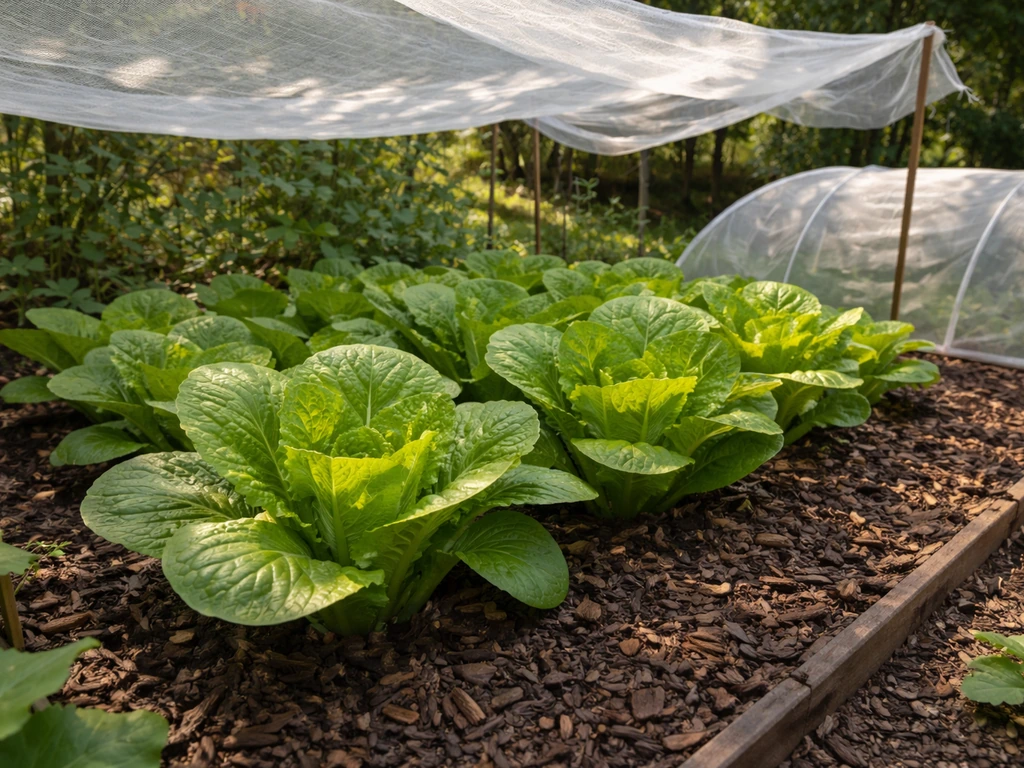
Dealing with bolting
Bolting (when the plant sends up a flower stalk) is triggered by temperatures above 24°C (75°F) combined with long days. Once a plant starts to bolt, you can't reverse it, but you can slow it down and still get a reasonable harvest. As soon as you see the central stalk start to elongate rapidly, harvest what you have immediately. For celtuce, the stem is often still usable at this point even if it's not fully mature. For A-choy, harvest the entire plant before the stalk gets woody.
Prevention is far more effective than reaction. Use afternoon shade, mulch to keep roots cool, consistent watering, and choose your planting window carefully. If you're growing indoors, keep lights on a timer so you control day length, and keep room temperatures as low as practical during the crop cycle.
Fixing bitter leaves
Bitterness in Chinese lettuce almost always comes from heat stress or water stress. If your leaves taste noticeably bitter before the plant is bolting, check two things: Are temperatures consistently above 22°C? Is the plant getting even, regular water? Correcting either issue in the early stages can bring the flavor back. Some bitterness in endive-type Chinese lettuce is natural and actually desirable in cooking, but for A-choy and celtuce, bitterness is a stress signal. Once a plant has fully bolted, the bitterness is permanent.
Fixing leggy seedlings
Leggy seedlings (tall, thin, flopping over) are almost always a light problem. Move them closer to the light source immediately. If you're using grow lights, drop them to 4 to 5 inches above the seedlings. Outdoors, make sure they're not shaded by taller plants or a fence during their main light hours. You can bury leggy seedlings a bit deeper at transplant time to stabilize them, but fixing the light is the real solution.
Fixing slow growth
If growth seems stuck, check soil temperature first. Cold soil (below 10°C / 50°F) dramatically slows everything. A cloche or plastic mulch can warm the soil 3 to 5 degrees, which makes a real difference in early spring. Also check nitrogen availability: pale yellowish-green leaves with slow growth usually mean the plant is hungry. A dose of diluted fish emulsion often kick-starts things within a week.
Harvesting and planning continuous success
When and how to harvest A-choy
A-choy is ready for cut-and-come-again harvesting once plants reach about 12 to 18 inches (30 to 45 cm). A-choy is often harvested when plants reach about 30, 45 cm and maturity typically takes roughly 30, 45 days from sowing about 30 to 45 cm. Snip outer leaves or cut the whole plant to about 5 cm above the soil and let it regrow. You'll typically get 2 to 3 cuts per plant before it bolts or quality declines. For a full-plant harvest, just cut at the base. From sowing, expect your first harvest at 30 to 45 days.
When and how to harvest celtuce
Celtuce stem is ready when it reaches roughly 15 to 20 cm (6 to 8 inches) in length and about 3 to 4 cm in diameter, which is roughly 55 to 70 days from sowing. You can also harvest and eat the leaves throughout the growing period. To harvest the stem, cut the whole plant at the base, remove the leaves (save them for salad or stir-fry), and peel the tough outer skin of the stem before eating. The inner flesh should be pale, crunchy, and mild. Don't wait too long: if the stem gets fibrous or hollow in the center, it's past peak.
Planning a continuous harvest
The simplest way to keep Chinese lettuce coming is succession planting: sow a new small batch every 2 to 3 weeks. Even 6 to 8 plants per succession is enough to provide regular harvests without overloading you at once. For outdoor spring growing, run successions until your average temperatures reliably hit 22°C to 24°C, then pause. Pick up again with a fall planting when temps drop back down. Indoors or in a temperature-controlled space, you can run year-round successions with no season break.
What to do differently if your first attempt fails
If your first batch bolted before harvest, your planting window was too late or temperatures climbed faster than expected. Shift your next sowing 2 to 3 weeks earlier or pivot to a fall planting. If leaves were bitter, check for heat and water consistency. If germination was poor, try sowing shallower (barely covered) with warmer soil. If plants were healthy but slow, try more nitrogen and check that soil temps are above 10°C. Most first-attempt problems with Chinese lettuce come down to timing and temperature, not technique, so don't be discouraged: adjust the window and try again.
This week, if it's currently summer and you're in a warm climate, your best move is to start A-choy seeds in a cool indoor space with grow lights and plan your outdoor planting for fall. If you're already in a cool season, sow directly outside now with a light cover of compost and keep the bed consistently moist. Either way, Chinese lettuce rewards a little timing awareness with fast, satisfying harvests that most gardeners don't attempt, which makes it genuinely worth adding to your rotation. If you want to learn how to grow great lakes lettuce specifically, focus on matching these same cool-season timing and temperature targets to your local season length grow Chinese lettuce.
FAQ
What’s the difference between A-choy and celtuce that actually affects growing?
A-choy is harvested by cutting leaves (or the whole plant) as soon as it reaches usable size, while celtuce is grown mainly for a thick central stem that needs more time and more spacing. If you plant for “leaf harvest,” celtuce will feel slow and too tight, and if you plant for “stem harvest,” A-choy won’t give you the thick stalk you expected.
Can I grow Chinese lettuce in summer if I use shade cloth or mulch?
Shade and mulch help by cooling roots and reducing leaf heating, but bolting is still triggered by sustained warm air. If your area routinely goes above about 24°C (75°F), plan on starting in the coolest part of the season and use indoor growing or an early fall shift, otherwise you may only get a short-quality window.
How do I prevent tip burn and bitterness from inconsistent watering?
Keep moisture even, especially in containers. Don’t water in bursts (dry out fully, then soak), instead water when the top 1 to 2 cm of soil dries. If you get bitterness plus dry leaf edges, check for root stress first (irregular watering and heat), not fertilizer.
What’s the best container size choice if I’m not sure I have A-choy or celtuce?
Use the larger size as a safe default. Celtuce needs at least about 25 to 30 cm (10 to 12 inches) deep, and A-choy can grow in less. If you start in a shallow pot, you might manage A-choy, but celtuce stems can end up constrained and miss peak thickness.
Should I soak seeds or pre-germinate Chinese lettuce?
It’s usually unnecessary. For most gardeners, direct sowing at about 3 mm depth into consistently moist (not saturated) soil is enough, and pre-soaking can backfire if seedlings emerge into colder conditions or dry out during early root establishment.
Why are my seedlings uneven, some not emerging, or they look patchy?
Patchy emergence often comes from seed depth and soil temperature swings. Sow shallow, keep the surface consistently moist during germination, and avoid letting the bed dry out between waterings. If your soil is below about 15°C (60°F), germination can slow to 10 to 14 days, which may look like “no germination.”
How close together should I sow if I plan cut-and-come-again harvest?
For A-choy cut-and-come-again, sow relatively densely and then thin as leaves grow. Aim for about 5 cm (2 inches) spacing in the plan for continuous outer-leaf picking. If you thin too aggressively early, you lose the harvest volume you’re trying to stagger.
Can I harvest celtuce stems if they are still small?
Yes, you can harvest at the “starter” stage if the stem already reaches the rough edible target (around 15 to 20 cm tall and 3 to 4 cm diameter). If you wait until much larger, the center can become fibrous or hollow, so it’s better to check stem thickness frequently rather than relying only on days.
What should I do with the leftover celtuce leaves?
You can eat them throughout the season, not just at stem harvest. Treat the leaves like mild lettuce greens, rinse well, and use them in salads or stir-fries. Saving and using the leaves helps reduce waste and makes celtuce feel more “worth it” even if the stem harvest is delayed by weather.
How do I stop legginess if it’s happening indoors?
Leggy growth is almost always light intensity or distance. Lowering grow lights and getting seedlings closer (about 4 to 5 inches) usually fixes it quickly. Also avoid long uncontrolled day length, since changing day length can push the crop toward stress that later shows as weak growth.
Do I need row cover indoors or in hydroponics?
Row cover is mainly for outdoor pest exclusion during active growth. In indoor or hydroponic setups, you typically don’t use row cover, you rely on weekly inspection and fast intervention because pests can spread quickly once introduced into enclosed spaces.
What EC or nutrient changes should I make if my A-choy tastes harsh or bitter?
First correct heat and watering consistency, because flavor issues usually originate from stress. If plants are otherwise healthy but slow or pale, adjust nutrients toward adequate nitrogen, but avoid increasing nitrogen late in the cycle. In hydro, stay within the EC window described for leafy lettuce and celtuce so you don’t compound stress with excess fertilizer.
What causes Chinese lettuce to “stagnate” even though it’s not dead?
Check soil temperature before anything else. Cold soil can slow growth dramatically. If soil is near or under about 10°C (50°F), warming with a cloche or plastic mulch often gives the quickest improvement, then reassess color (paleness can indicate low nitrogen).
Is it better to succession plant or wait for one big harvest?
Succession planting is usually the simplest way to avoid a total loss to bolting. Instead of committing to many plants at once, sow small batches every 2 to 3 weeks so at least part of the crop stays in the cool window. This also makes flavor more consistent because you harvest at the right stage repeatedly.