Great Lakes lettuce is a crisphead (iceberg-type) variety that forms large, firm heads with dark green outer leaves, a satisfying crunch, and a mildly sweet flavor. It matures in roughly 63–75 days depending on conditions, and it's one of the more forgiving iceberg types you can grow at home because it's genuinely slow to bolt and unusually tolerant of tip burn. If you want that classic crunchy lettuce from your own garden, container, or hydroponic setup, this is a great variety to start with.
How to Grow Great Lakes Lettuce: Full Beginner Guide
Marcus Holloway
1 Jul 2026
What Great Lakes lettuce actually is
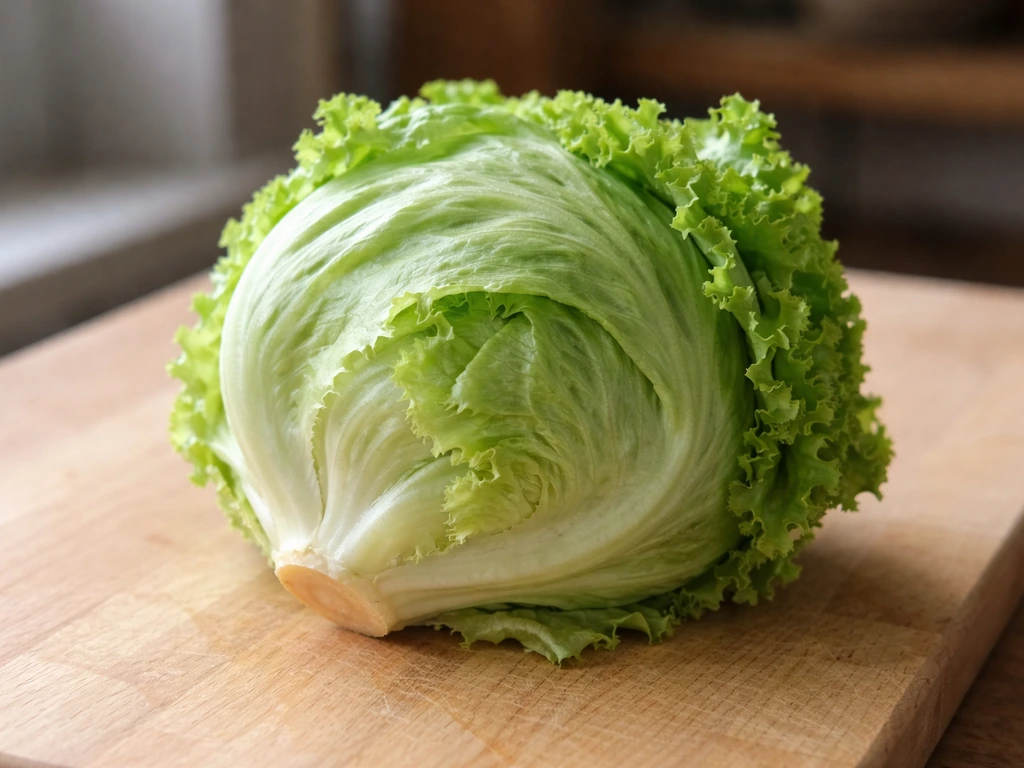
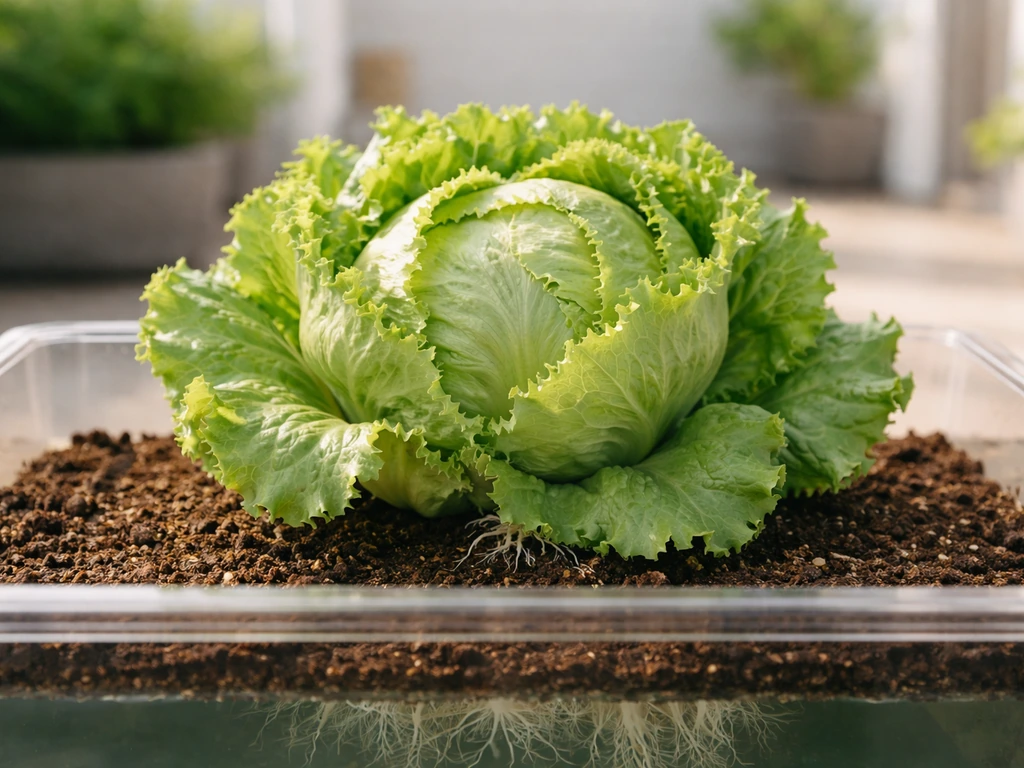
The variety most commonly sold is 'Great Lakes 118,' an open-pollinated crisphead type that has been around for decades and earned a reputation for reliability. It produces big, dense heads with tightly packed inner leaves that are pale and crisp, wrapped in darker green outer leaves. Unlike loose-leaf or butterhead types, this one forms a true solid head, so you're harvesting the whole plant at once rather than picking leaves over time.
What sets Great Lakes 118 apart from other crisphead varieties is its combination of traits: it's rated as heat tolerant compared to older iceberg types, slow to bolt, frost resistant, and highly tolerant to tip burn (the browning of leaf edges that ruins a lot of homegrown lettuce). Mississippi State University Extension specifically calls it out for those qualities, which makes it more practical for home gardeners who can't always hit the perfect growing window. It's not bulletproof, but it gives you more margin for error than many alternatives.
The flavor is mildly sweet and slightly buttery when grown well. Stress the plants through heat, underwatering, or letting them go too long before harvest, and they'll turn bitter, just like any lettuce. Treat them right and you get heads that genuinely rival what you'd buy at the store.
Picking the right setup for your situation
Great Lakes lettuce is flexible enough to work in several growing environments, but your setup affects everything from how you time planting to how you water. If you're still deciding, see the related guide on how to grow Chinese lettuce for more setup ideas you can adapt to your space options. Here's how to think through the options.
Outdoor garden beds
This is the most natural fit. Great Lakes 118 does well in in-ground beds or raised beds where roots can spread freely to support those large heads. You get the most flexibility for succession planting, and the natural temperature swings of spring and fall work in your favor. The main challenge is managing heat in summer, since even this heat-tolerant variety will bolt and turn bitter if temperatures stay consistently above 80°F.
Containers
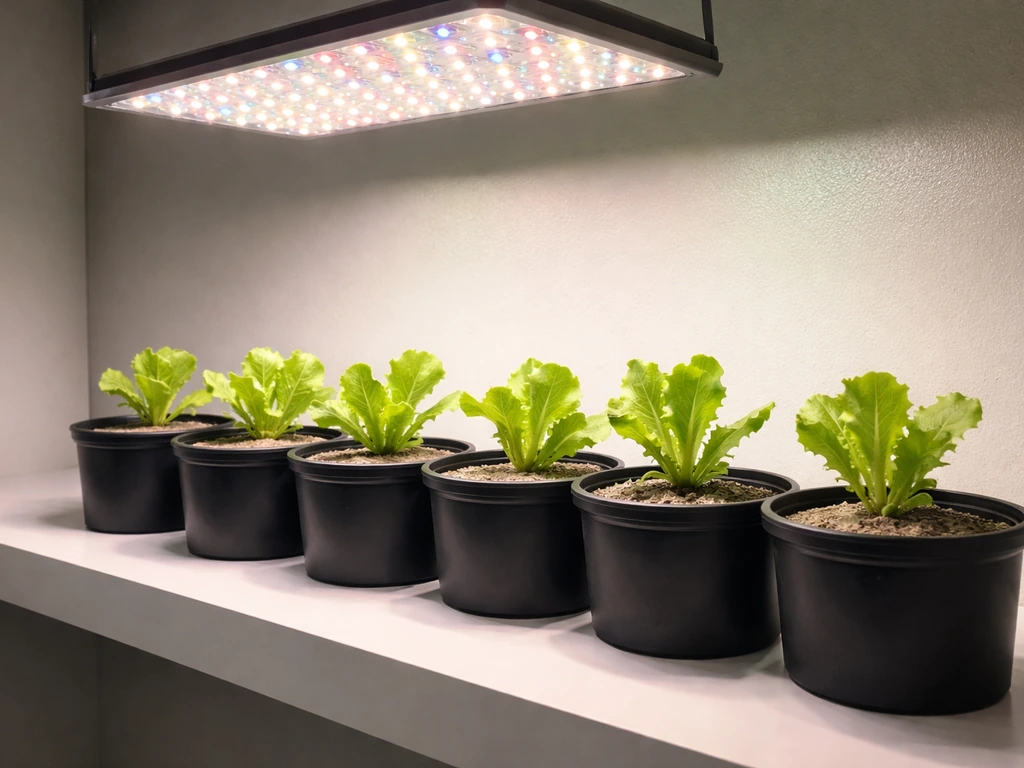
You can absolutely grow Great Lakes lettuce in containers, but you need a big pot. Because this is a large-heading crisphead type, small pots won't cut it. Aim for a container that's at least 12 inches deep and wide enough to give each plant its 10–12 inch spacing. A single large pot (14–16 inches across) can support one plant comfortably. The upside of containers is mobility, you can move them into shade during a heat spike or bring them inside before a hard frost.
Indoor growing
Growing Great Lakes indoors is doable but comes with trade-offs. You need strong, consistent light, at least 12–14 hours of full-spectrum LED grow light per day, because this is a large-heading variety that needs more energy to form a solid head than loose-leaf types do. Temperature control becomes your biggest asset indoors: you can keep things consistently in the 60–70°F range that lettuce loves, which means no bolting risk from outdoor heat. That said, indoor Great Lakes heads tend to be slightly smaller than outdoor-grown ones.
Hydroponics
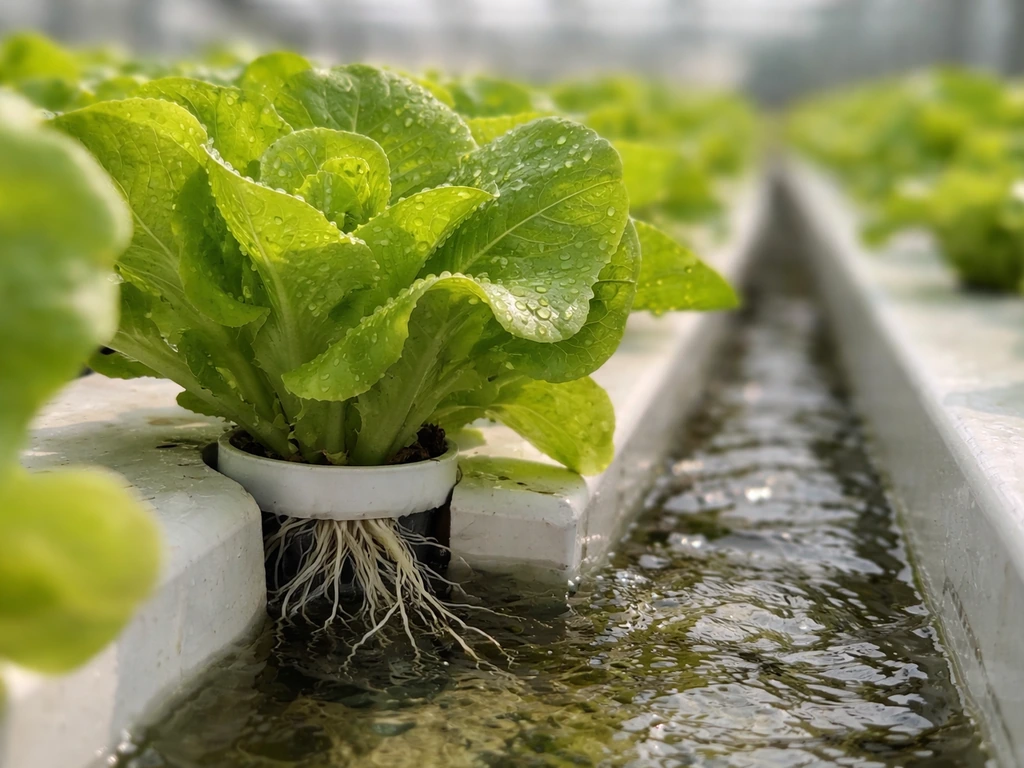
Hydroponic Great Lakes lettuce can produce impressive results. NFT (nutrient film technique) and DWC (deep water culture) systems both work well. Because you control the nutrient solution, temperature, and light, you can really dial in conditions for crispness. Heads tend to grow faster and more consistently in hydro than in soil. The main thing to know is that crisphead types like Great Lakes need slightly more space in your system than loose-leaf hydroponic lettuce, so account for that 10–12 inch footprint per plant when designing your setup.
Getting the conditions right
Light
Outdoors, Great Lakes lettuce wants full sun in spring and fall, meaning at least 6 hours of direct sun per day. In summer, some afternoon shade actually helps slow bolting. Indoors or in a hydroponic setup, aim for 12–16 hours of full-spectrum light. Insufficient light is one of the main reasons indoor crisphead lettuce produces loose, floppy heads instead of tight, dense ones.
Temperature
The ideal growing temperature range is 60–70°F. Great Lakes lettuce can handle light frost, which is part of why it's so good for spring and fall planting. It will struggle when temperatures consistently exceed 75–80°F. University of Maryland Extension and University of Minnesota Extension both confirm that high temperatures are the direct cause of bolting and bitter flavor in lettuce, so if you're watching the forecast and see a stretch of 85°F days coming, plan accordingly. Either harvest early, use shade cloth, or use floating row covers to buffer temperature swings.
Soil and growing media
For outdoor beds and containers, use a loose, well-draining soil or potting mix. Great Lakes lettuce has shallow roots, so compacted or waterlogged soil kills it fast. Target a soil pH of 6.0–7.0, with 6.5 being the sweet spot. If you're not sure where your soil stands, a basic pH test from any garden center takes five minutes and saves a lot of guessing. For hydroponics, keep your nutrient solution pH in that same 6.0–7.0 range.
Spacing
This is one area where people consistently underplant Great Lakes and then wonder why their heads are small or they get disease problems. Give each plant 10–12 inches of space in all directions. Rows should be about 12 inches apart. Crowding crisphead lettuce leads to poor air circulation, which invites disease, and it restricts the head from forming properly. Don't skimp on spacing even in a small container garden.
Planting from seed to transplant
Seeds vs. transplants
Both work fine. Starting from seed is cheaper and gives you more control over timing, but transplants save you 3–4 weeks. If you're buying transplants from a nursery, look for compact, dark green seedlings with no yellowing. Avoid anything that's already starting to stretch or looks leggy, that's a sign it's been sitting too long under poor light.
When to plant
For outdoor growing, aim for early spring (4–6 weeks before your last frost date) or late summer/early fall (8–10 weeks before your first fall frost). Since today is July 1, 2026, if you're in a region with hot summers, now is actually a good time to start seeds indoors to transplant out in late August or early September when temperatures cool. If you're in a cooler climate or growing indoors/hydroponically, you can start any time.
How to sow seeds
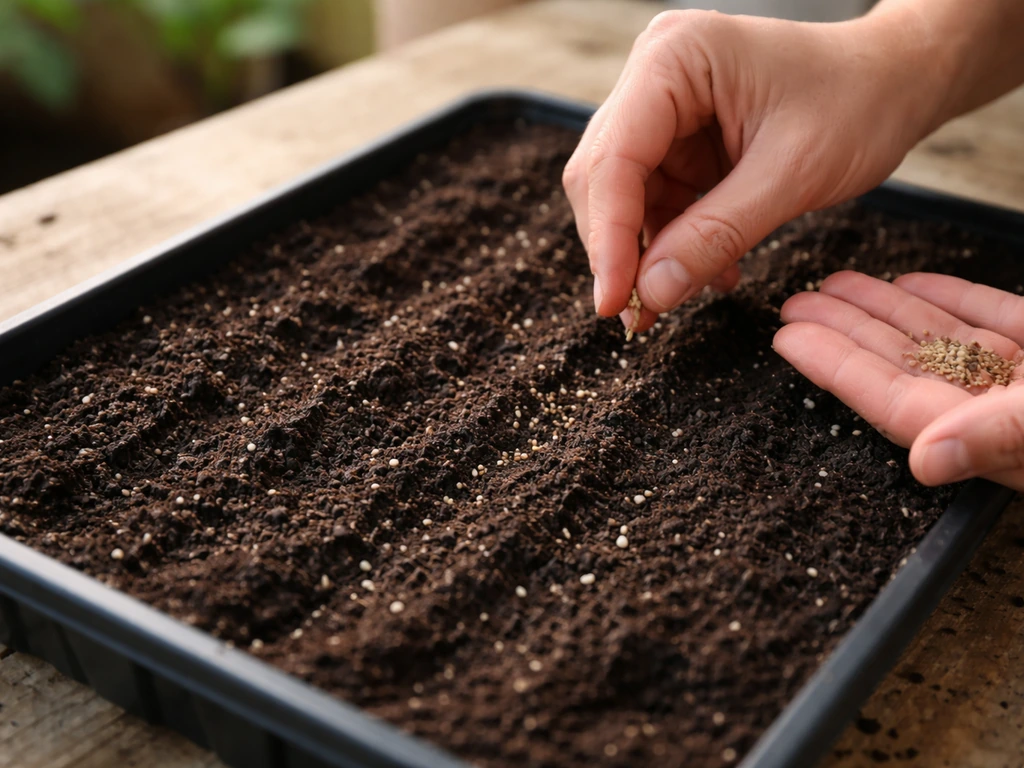
Sow seeds at a depth of about 1/8 to 1/4 inch. Lettuce seeds are tiny, so go shallow. The soil temperature for germination should be between 70–85°F, and you'll see sprouts in 7–10 days. If you also want to know how to grow sea lettuce, focus on similar basics like light, consistent moisture, and suitable conditions for your setup. If you're starting indoors under lights, keep the growing medium consistently moist but not soggy. One thing a lot of beginners get wrong: lettuce seeds need light to germinate. Don't bury them deeper than 1/4 inch, or germination rates drop significantly.
Thinning seedlings
Start seeds closer together (about 1 inch apart in rows) and thin to final spacing once seedlings are 2–3 inches tall. Thin to 10–12 inches apart. I know it feels wasteful to pull out healthy seedlings, but thinning is non-negotiable for crisphead types. Leave them crowded and you won't get proper heads. You can eat the thinnings as micro-greens, so nothing goes to waste.
Watering and fertilizing for crisp, non-bitter heads
How to water
Consistent moisture is the single biggest factor in getting crisp, non-bitter Great Lakes lettuce. If you follow organic practices like compost-rich soil and careful, consistent watering, you can grow organic lettuce with crisp, non-bitter heads. These plants have shallow roots and can't tolerate drought. Aim to keep the top 2 inches of soil consistently moist, never soggy. In containers, check daily in warm weather because pots dry out fast. In outdoor beds, 1–1.5 inches of water per week is a reasonable target, adjusting for rain. Inconsistent watering (wet then dry cycles) stresses the plant, which leads to bitterness. Water at the base of the plant rather than overhead when possible, especially later in the season when the head is forming.
Fertilizing without overdoing it
Great Lakes lettuce is a moderate feeder. Too little nitrogen and growth slows and leaves pale; too much nitrogen and you push rapid leafy growth without the firmness that makes crisphead types worth growing. Start with a balanced, slow-release granular fertilizer worked into the soil before planting. Then side-dress with a balanced or slightly nitrogen-forward liquid fertilizer (something like a 10-10-10 or 5-5-5) every 2–3 weeks during active growth. Back off on nitrogen as the head starts to form, typically in the last 2–3 weeks before harvest, to help the head firm up rather than keep producing leafy growth.
For hydroponics, use a lettuce-specific or general leafy greens nutrient solution and keep your EC (electrical conductivity) in the 0.8–1.2 range early on, stepping up to 1.2–1.6 as the plant matures. Avoid pushing EC too high, which can cause tip burn, the very thing you're trying to avoid.
Preventing bitterness
Bitterness in Great Lakes lettuce comes from three main sources: heat stress, water stress, and leaving the plant in the ground too long after the head forms. Keep temperatures below 75°F as much as possible, water consistently, and harvest promptly once the head is firm. If you're growing in summer and heat is unavoidable, shade cloth (30–40% shade) stretched over your bed makes a real difference.
Ongoing care: weeds, pests, and common problems
Weed control
Keep the area around your lettuce weeded, especially early on. Lettuce roots are shallow and don't compete well with weeds. A light mulch layer (1–2 inches of straw or shredded leaves) around plants reduces weed pressure and helps retain soil moisture at the same time. Don't pile mulch right up against the stem, that invites rot and pest problems. Downy mildew on leafy greens is promoted by moist weather and shows up as downy gray-purple growth with spores on the lower leaf surface, according to Illinois Extension.
Pests to watch for
- Slugs: These are the most common lettuce pest in moist conditions. You'll see irregular holes in leaves, especially overnight. Reduce moisture around the base of plants, remove debris where slugs hide, and use iron phosphate bait if populations are high.
- Cutworms: Young transplants cut off at the base are the telltale sign. Use cardboard or foil collars pushed into the soil around each seedling stem as a physical barrier when you plant.
- Aphids: Look for clusters of tiny green or black insects on the undersides of leaves. A strong spray of water knocks them off; insecticidal soap works for heavier infestations.
- Caterpillars/loopers: Cabbage loopers occasionally hit lettuce. Hand-pick if numbers are low; Bt (Bacillus thuringiensis) spray is effective for heavier pressure.
Disease basics
- Downy mildew: Look for pale yellow patches on upper leaf surfaces with a grayish-purple fuzzy coating underneath. It's favored by cool, wet conditions and poor air circulation. Improve spacing and airflow; avoid overhead watering late in the day.
- Powdery mildew: White powdery coating on leaf surfaces. More common in warmer, drier conditions with humidity fluctuations. Remove affected leaves early; improve airflow.
- Damping off (seedlings only): Seedlings collapse at the soil line. Caused by fungal pathogens, usually from overwatering or cold/soggy media. Use fresh, sterile seed-starting mix and avoid overwatering. Cold water around 50°F slows seedling growth and increases susceptibility, so use room-temperature water when starting seeds.
- Tip burn: Brown, papery edges on inner leaves. Usually caused by calcium deficiency at the leaf level, often triggered by inconsistent watering, high temperatures, or low airflow. For hydroponics, ensure adequate calcium in your nutrient solution and maintain good airflow. Great Lakes 118 is rated highly tolerant to tip burn, but it can still appear under stress.
Troubleshooting quick reference
| Problem | Likely cause | What to do |
|---|---|---|
| Bitter taste | Heat stress or overmaturity | Harvest promptly; add shade cloth in heat; water consistently |
| Loose, floppy head | Insufficient light or crowding | Increase light to 12+ hrs; thin to 10–12 inch spacing |
| Bolting (seedstalk forming) | High temperatures or long days | Use shade cloth; harvest immediately if bolting starts |
| Brown leaf edges (tip burn) | Inconsistent watering, heat, poor airflow | Even out watering; improve ventilation; reduce temperature |
| Seedlings collapsing | Damping off (overwatering/cold soil) | Use sterile mix; reduce watering; use room-temp water |
| Holes in leaves | Slugs or caterpillars | Check at night for slugs; use iron phosphate bait or Bt |
Harvesting, storing, and extending your season
When and how to harvest
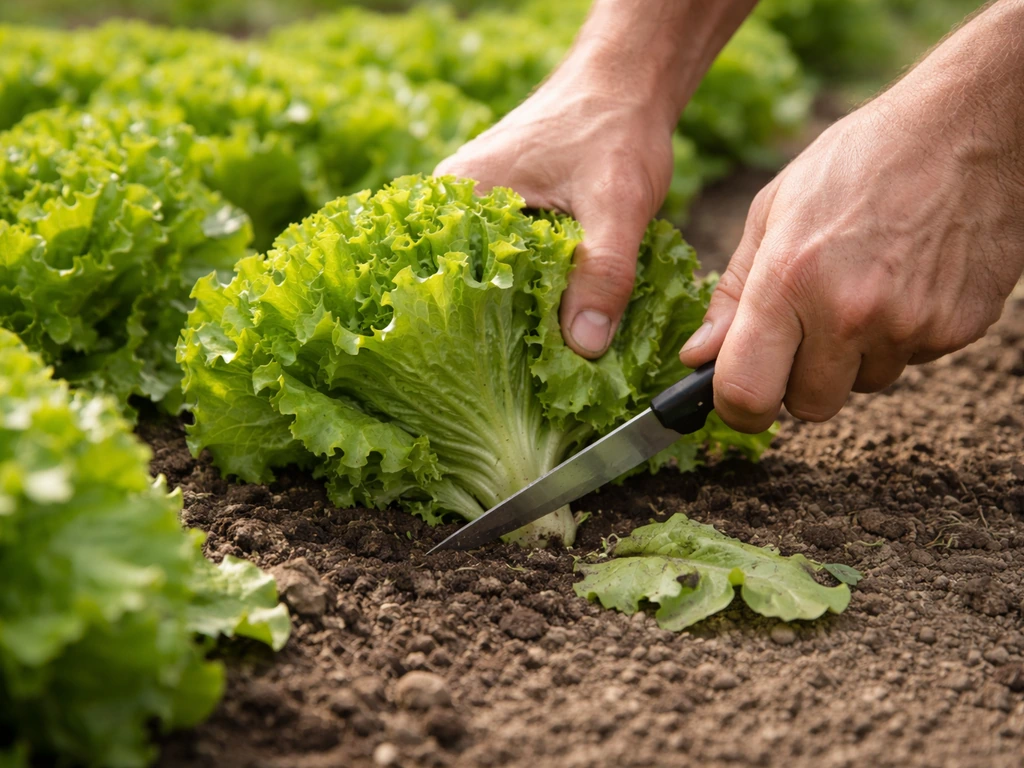
Great Lakes 118 is ready to harvest at around 63–75 days from transplant, or up to 75–90 days from direct sowing depending on conditions. The reliable cue is not the calendar, it's the head: squeeze it gently. When it feels firm and solid all the way through, it's ready. Don't wait for it to get as large as a grocery store iceberg, those are grown under commercial conditions. Harvest when the head is firm, even if it's a bit smaller than expected.
To harvest, cut the stem at soil level with a sharp, clean knife or scissors. Leave a few of the outer wrapper leaves on the head, they protect the inner leaves during handling and storage. Great Lakes 118 is a single-harvest variety, meaning once you cut the head, the plant is done. It won't regenerate a new head the way loose-leaf varieties can produce new leaves after cutting.
Storing for maximum crispness
The ideal storage temperature for crisphead lettuce is 32–36°F at high humidity (90–98%). In practical terms: wrap the head loosely in a damp paper towel, put it in a plastic bag or airtight container, and store it in the coldest part of your fridge (usually the back of the main shelf or the crisper drawer). Done this way, a freshly harvested Great Lakes head will keep well for 1–2 weeks. Don't wash the whole head until you're ready to use it; excess moisture in storage accelerates rot.
Succession planting to keep harvests coming
Because Great Lakes is a single-harvest variety, succession planting is how you avoid a feast-or-famine situation. Instead of planting all your seeds at once, stagger plantings every 2–3 weeks. For a fall garden, count back from your first expected frost date, giving yourself at least 75–90 days for seeds or 63–75 days for transplants, then work backward to figure out your last possible planting date. For spring gardens, start the same math from your last frost date. In mild climates, you can use floating row covers or cold frames to push the harvest window later into fall, University of Maryland Extension recommends exactly this approach for extending lettuce into cooler weather.
If you're growing indoors or hydroponically, succession planting is even easier because you're not dependent on seasons. Start a new batch of seeds every 3 weeks and you'll have continuous harvests. This is one real advantage that indoor and hydroponic growers have over outdoor gardeners, especially for a head type like Great Lakes that gives you one shot per plant.
A note on variety comparisons
If you're interested in other lettuce types beyond crisphead, growing artisan lettuce mixes or Chinese lettuce varieties offers a very different experience, mostly loose-leaf or semi-heading types that allow repeated leaf harvests from a single plant over a longer window. Great Lakes is the right choice when you want that classic, dense, crunchy iceberg-style head. For cut-and-come-again harvesting, you'd be better served by a different variety. Both approaches have a place in a well-planned home garden, and many gardeners grow both side by side to cover all their lettuce needs.
FAQ
Why did my Great Lakes heads stay loose or never fully “tighten” even though I harvested on time?
Most loose-head failures come from insufficient light or inconsistent moisture during head formation. Confirm your setup provides enough direct sun (or 12 to 16 hours of strong grow light indoors) and keep the top 2 inches evenly moist. Also double-check spacing, if plants are crowded they compete for light and airflow, which prevents full head development.
My plant bolted early. What’s the fastest fix for the next planting?
Bolting is almost always temperature driven, especially when outdoor highs stay above about 75 to 80°F for stretches. For the next batch, start earlier in spring, or start indoors now and transplant into late summer or early fall when night temperatures cool. In summer plantings, plan shade cloth (30 to 40%) before you see bolting rather than after.
How can I tell the difference between tip burn and other leaf browning problems?
Tip burn shows as browning on leaf edges or the tips, often linked to root-zone imbalance, inconsistent watering, or stress in hot weather. If browning spreads from soggy soil, appears with wilting, or comes with rot at the base, that suggests excess moisture or poor drainage instead. For troubleshooting, adjust watering consistency first, then check pot drainage and avoid letting pots sit in runoff.
Can I use a grow light schedule like “on all day” to speed up growth?
Longer light can help, but keeping lights too intense or too constant sometimes increases stress and can dry pots quickly, which makes tip burn more likely. Use a steady schedule (12 to 16 hours indoors) and monitor medium moisture daily. If heads are not firming, prioritize stability in temperature and moisture over adding extra hours.
Do I need to remove the outer leaves as the head forms?
In most home situations you should leave outer wrapper leaves in place, they protect inner leaves during handling and storage. Only remove leaves if they’re obviously damaged or diseased. Removing healthy outer leaves can expose the inner head and increase the chance of browning.
What’s the best way to water lettuce to avoid bitterness?
Water at the base to keep foliage drier, then focus on consistency rather than volume. For beds, aim for about 1 to 1.5 inches per week including rain, but adjust based on actual soil moisture. For containers, check daily in warm weather since pots can swing from moist to dry in a day, that wet then dry cycle drives bitterness.
Can I harvest a Great Lakes head partially, or will it regrow after cutting?
Great Lakes is a single-harvest crisphead. Once you cut the head at soil level, the plant will not produce a new head. If you want multiple harvests, you need a cut-and-come-again or loose-leaf type instead of relying on regrowth from crispheads.
Should I wash the whole head before storing in the fridge?
Avoid washing the entire head before storage. Excess surface moisture speeds up rot, so store dry or only lightly towel-dampened paper for humidity control. Wash right before eating, especially if the outer leaves are still protective and dry.
How do I prevent pests if lettuce is growing in hot weather or under shade cloth?
Shade cloth can reduce heat but also changes airflow and can make plants stay damp longer. Keep weeds down, use mulch away from the stem, and check underside of leaves regularly. If you spot repeated leaf damage, respond early with physical controls (like row covers or netting) rather than waiting until heads are close to harvest.
Can I transplant Great Lakes if seedlings get leggy?
Transplanting can work, but leggy seedlings usually indicate insufficient light or too much time in a warm, bright-weak environment. If they are only slightly stretched, you can transplant and improve light immediately, spacing correctly, and watering steadily. If they’re very weak or already heat-stressed, it’s often better to start a fresher batch to avoid poor head formation.
What should I do with leftover “thinnings” from early sowing?
You can eat thinned seedlings as micro-greens, they’re tender and usually flavorful. If you want greens instead of heads, consider switching your goal to continuous leaf harvest, because letting plants stay crowded will prevent proper crisphead development.
How should I adjust fertilizer if my leaves are pale or my heads are small?
Pale leaves and slow growth often mean too little nitrogen, but too much nitrogen can delay firmness and promote softer, less dense heads. Use a balanced slow-release at planting, then side-dress every 2 to 3 weeks during active growth, and reduce nitrogen in the last 2 to 3 weeks before harvest to encourage tightening.