Artisan lettuce is just premium lettuce grown for exceptional flavor, texture, and visual appeal rather than shelf life or shipping durability. That usually means butterheads, summer crisps, oakleafs, bibbs, and loose-leaf heirlooms with tender, sweet leaves and rich color. You can grow it in a garden bed, a container on a balcony, under grow lights indoors, or in a simple hydroponic setup, and the steps are surprisingly close across all four methods. The biggest difference between artisan-quality results and bland grocery-store leaves comes down to variety selection, keeping temperatures cool, consistent moisture, and harvesting at the right moment.
How to Grow Artisan Lettuce: A Step by Step Guide
Marcus Holloway
21 Jun 2026
What "artisan lettuce" actually means and which varieties to grow
To be straight with you: "artisan lettuce" is a marketing term more than a botanical category. Project Springtime’s lettuce page also provides cultivar examples grouped by type, including butterhead and oakleaf varieties, which can be useful when you are writing your own variety lists.
A Reddit commenter once put it perfectly by comparing it to labels like "farm fresh" or "natural. " It does not point to one specific species or classification. What it signals in practice is lettuce selected for superior flavor and texture, often presented as small heads or specialty loose-leaf types rather than the pale, oversized iceberg you find wrapped in plastic.
Commercial growers like Tanimura & Antle have built an entire product line around the concept of mini heads with outstanding taste, and that framing is useful for home gardeners too: aim for smaller, more flavorful varieties rather than high-yield giants.
For practical purposes, pick from these groups when you want artisan-quality results:
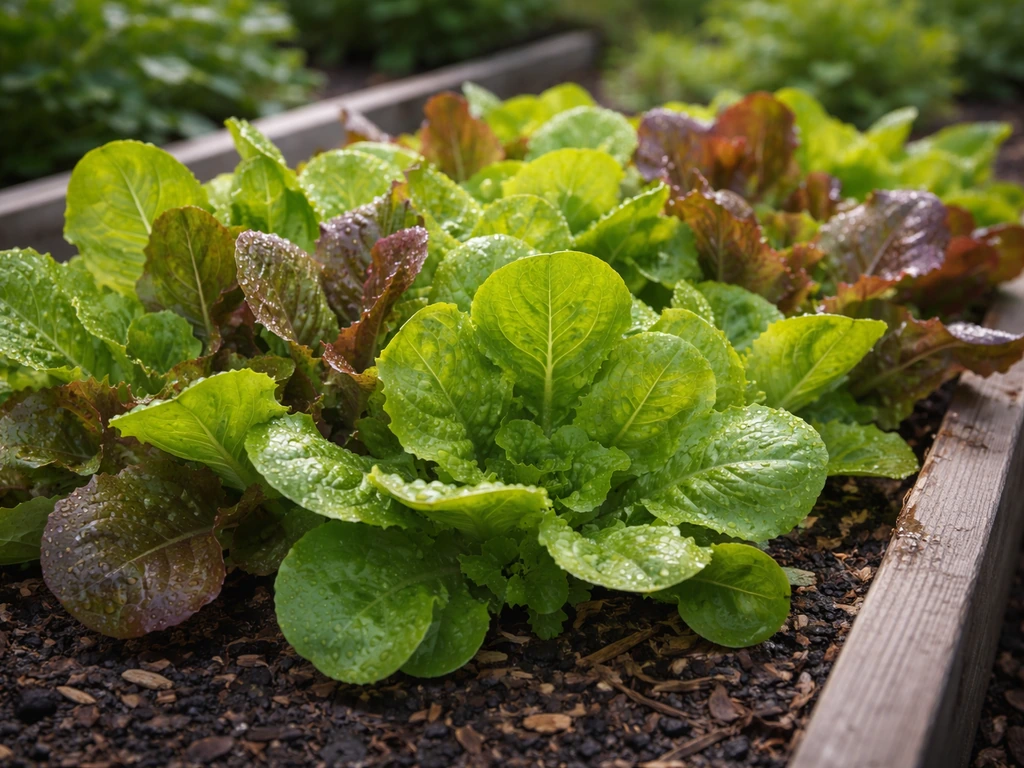
- Butterhead and bibb types: Buttercrunch is the classic home-garden choice. It is more heat-tolerant than most butterheads, forms a beautiful loose head with creamy inner leaves, and has a genuinely buttery flavor. Pirat is another excellent variety, widely praised in trials for taste and texture, and it carries resistance to downy mildew, white mold, tip burn, and bacterial head rot.
- Summer crisp (batavian): These form semi-firm heads that hold up better in warm weather than standard crispheads. They bridge the gap between romaine and iceberg in texture while tasting far better than either.
- Oakleaf types: Varieties like Rouxai offer deeply lobed, tender leaves in red and green. They are beautiful on the plate and handle succession harvesting well.
- Loose-leaf heirlooms: These are your fastest producers and easiest to harvest repeatedly. Look for varieties selected for "outstanding performance, flavor, and appearance" rather than just yield.
- Romaine: Smaller romaine varieties work well as artisan heads. They take a bit longer but reward you with crunch and sweetness if you keep them cool.
When you are choosing seeds, lean toward varieties described as trialed and selected for adaptability and flavor, not just productivity. Seed companies that do serious variety trials (testing for performance across different conditions) are your best source. Avoid generic unnamed mixes if flavor is your goal.
Picking your growing setup: beds, containers, indoor lights, and hydroponics
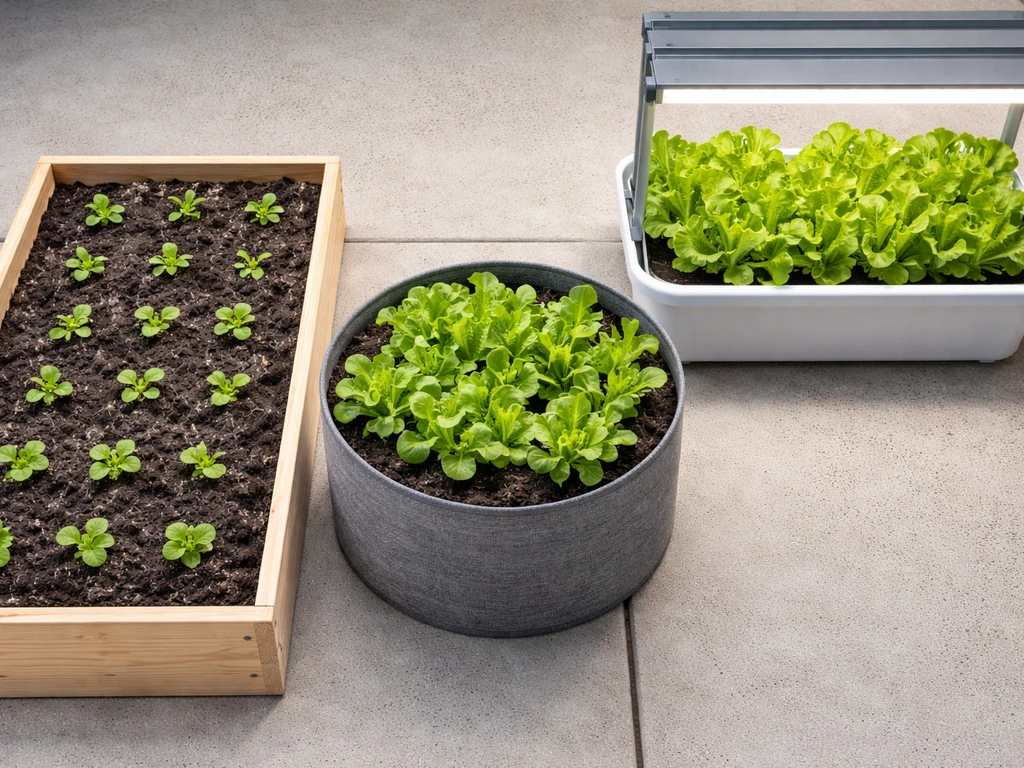
Lettuce is one of the most forgiving crops for setup variation, which is why it works so well across all four common home-growing methods. Here is how to think about each one honestly.
Outdoor garden beds
This is the most productive setup if you have the space and the right season. You get natural light, easier temperature management in spring and fall, and room for succession planting. For a Great Lakes-style approach, time sowing and protect plants from heat so they can mature in cooler spring and fall weather. The challenge is heat: lettuce bolts fast once daytime temperatures consistently exceed 75 to 80 degrees Fahrenheit. In most climates, that means treating lettuce as a spring and fall crop, or growing in a spot with afternoon shade during summer.
Containers and pots
Containers work extremely well for artisan lettuce because you can move them out of direct sun when the weather heats up. A pot that is at least 8 inches deep and 12 inches wide will support a small head or a cluster of loose-leaf plants. On a balcony or patio, a container garden of three or four pots with different varieties can give you continuous harvests throughout a season. The trade-off is that containers dry out faster than beds, so you will be watering more frequently.
Indoor growing under lights
Growing indoors under LED grow lights gives you year-round control and zero weather risk. Lettuce is one of the best candidates for indoor growing because it has a relatively low light requirement compared to fruiting crops. The catch is that indoor-grown lettuce without supplemental airflow can get leggy and soft, so a small fan pointed at the plants a few hours a day helps build sturdier, better-tasting leaves.
Hydroponics
Hydroponic lettuce often ends up tasting cleaner and more consistent than soil-grown lettuce because you control every variable. If you want to try something a bit different, you can also apply similar hydroponic principles to growing sea lettuce hydroponic lettuce. Deep water culture (DWC) and nutrient film technique (NFT) are the most popular home setups for lettuce. Many specialty varieties, including those marketed as artisan types, have been specifically trialed for hydroponic performance.
If you want year-round production and do not mind a modest initial investment, hydroponics is worth it. If you are growing organically and want to keep things simple, a soil-based container or bed will suit you better, similar to the approach used for organic lettuce growing in general.
Starting from seed or transplant: timing and scheduling
Lettuce seeds germinate best between 60 and 70 degrees Fahrenheit. Above 75 degrees, germination rates drop noticeably, and above 80 degrees many seeds will not sprout at all. This is one of the most common beginner failures: sowing in hot soil and wondering why nothing comes up. If you are starting in summer (like right now, in late June), germinate seeds indoors in a cool room, then transplant outside in the evening or on a cloudy day.
For outdoor growing in most of North America, the two prime windows are early spring (soil workable, around 4 to 6 weeks before last frost) and late summer to early fall (6 to 8 weeks before first fall frost). For indoor or hydroponic growing, timing is not weather-dependent, so you can start any time.
Direct sowing vs. transplanting
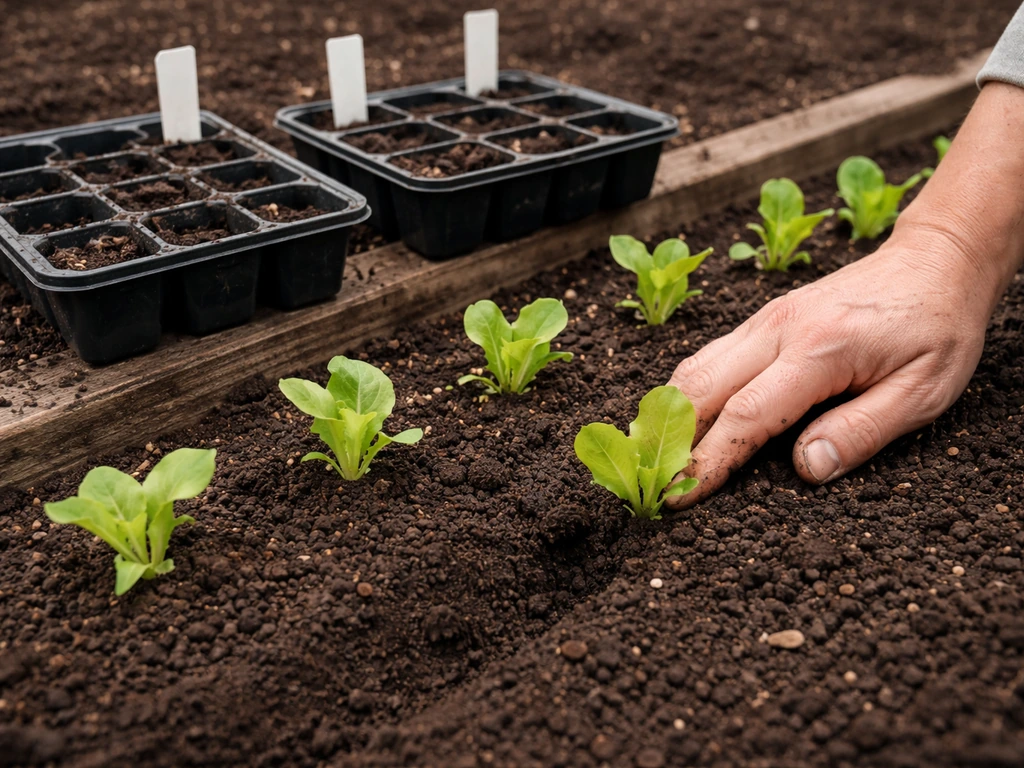
Direct sowing works well for loose-leaf types and any time soil conditions are ideal. Scatter seeds thinly, cover with about an eighth of an inch of soil or vermiculite, keep moist, and expect germination in 5 to 10 days under good conditions. Transplanting from starts gives you a 3 to 4 week head start and is the smarter move in summer when you want to get plants in the ground during cooler conditions without stressing seeds with outdoor heat.
Succession sowing for continuous harvest
Sow a new small batch every 2 to 3 weeks rather than planting everything at once. This staggers your harvest so you are not drowning in lettuce one week and harvesting nothing the next. Three to four sowings of a loose-leaf variety, offset by two weeks each, will keep a household supplied steadily through a season.
Light, temperature, water, and nutrients for sweet, tender leaves
Light
Lettuce needs about 6 hours of sunlight outdoors for strong growth, but it tolerates partial shade better than most vegetables. In hot weather, afternoon shade actually helps prevent bolting. Indoors, run LED grow lights 14 to 16 hours per day, positioned 6 to 12 inches above the canopy. If your indoor plants are reaching and leaning toward the light, they are not getting enough intensity. Hydroponic systems typically run on the same light schedule.
Temperature
The sweet spot for artisan lettuce flavor is 60 to 70 degrees Fahrenheit during the day and 50 to 60 degrees at night. In this range, leaves stay tender and sweet. Above 80 degrees, growth accelerates in the wrong direction: the plant shifts toward flowering (bolting), and leaves turn bitter. Below 45 degrees, growth slows significantly but does not usually kill the plant. Light frosts (down to around 28 to 29 degrees) can damage outer leaves but often leave the inner head intact.
Watering
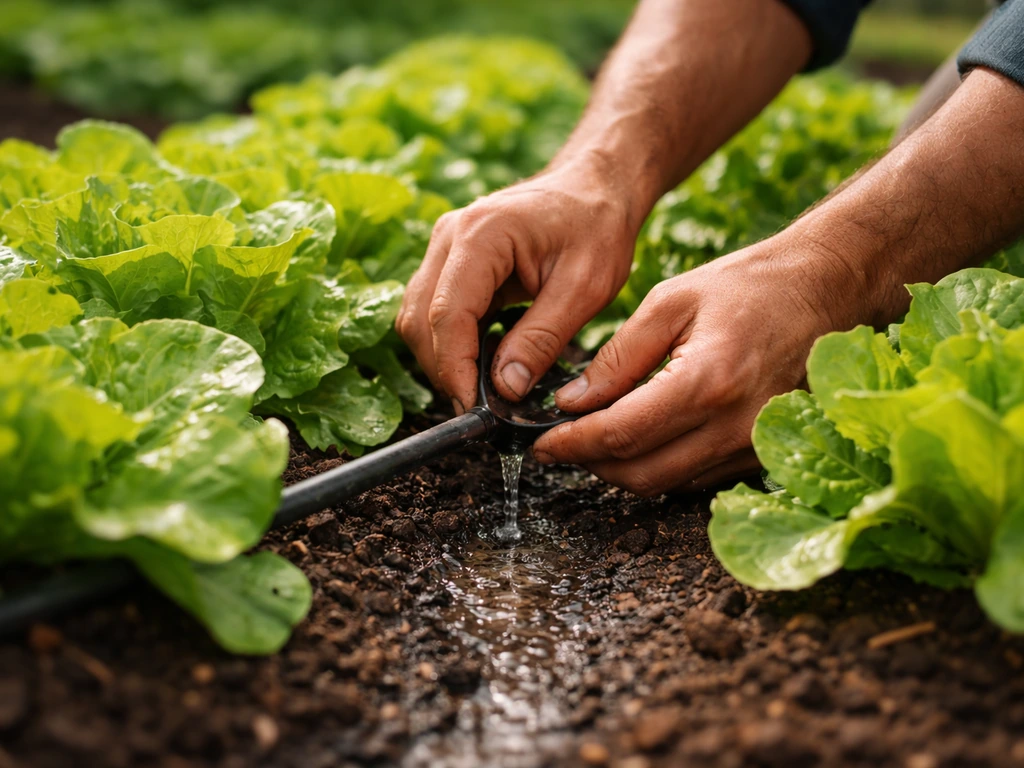
Consistent moisture is one of the most important factors for keeping leaves sweet and preventing tip burn. Lettuce is about 95 percent water, and any prolonged dry spell shows up immediately in texture and flavor. Water deeply enough to reach the full root zone (usually 6 to 8 inches), let the top inch of soil approach dryness, then water again. In containers, this might mean watering daily in warm weather. Uneven watering, including the pattern of soaking then letting things dry out completely, stresses the plant and promotes bolting.
Nutrients
Lettuce is a moderate feeder that responds strongly to nitrogen. Nitrogen drives leafy growth, which is exactly what you want. For soil growing, a balanced slow-release fertilizer worked into the bed at planting plus a side-dressing of compost or diluted liquid fertilizer mid-season is usually plenty. For containers, where nutrients leach out faster, a balanced liquid fertilizer every 2 weeks works well. For hydroponics, use a lettuce-specific nutrient solution and maintain an EC (electrical conductivity) of around 0.8 to 1.6 mS/cm. Avoid heavy feeding with high-phosphorus or high-potassium formulas at the expense of nitrogen during the vegetative stage.
Spacing, thinning, soil, and container choices
Spacing and thinning
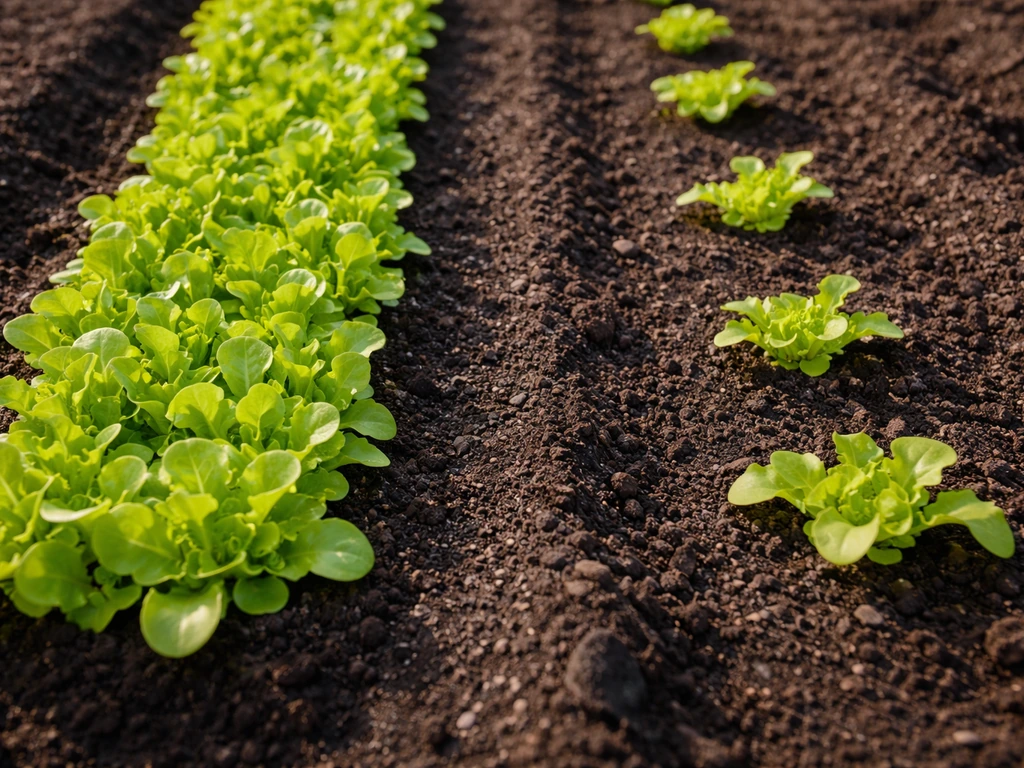
Overcrowding is one of the most common mistakes with lettuce, and it directly hurts quality. Crowded plants compete for light, airflow, and nutrients, which makes them more susceptible to disease and produces weaker leaves. For full heads (butterhead, romaine), space plants 10 to 12 inches apart. For loose-leaf types harvested as baby greens, you can go as tight as 4 inches. For mature loose-leaf harvesting, 6 to 8 inches is the working minimum.
When direct sowing, sow more thickly than you need and thin once seedlings are 2 to 3 inches tall. Do not just pull thinnings out: snip them at soil level to avoid disturbing roots of neighboring plants. Eat the thinnings as micro-greens, they are genuinely delicious.
Soil and amendments
Lettuce wants loose, well-draining, moisture-retentive soil with a pH between 6.0 and 7.0. In garden beds, amend with several inches of compost worked 8 to 10 inches deep before planting. If you are specifically growing Chinese lettuce, apply the same loose, well-draining, moisture-retentive soil approach and keep temperatures cool for the best leaf quality. Compacted or heavy clay soil will hold too much water and cause root problems. Sandy soil drains too fast and requires more frequent watering. For containers, a high-quality potting mix (not garden soil, which compacts in pots) with added perlite for drainage works well. A mix of roughly 70 percent quality potting mix and 30 percent perlite gives good moisture retention without waterlogging.
Container specifics
Minimum container depth for lettuce is 6 inches, though 8 to 10 inches is better for head types. Window boxes work well for loose-leaf varieties. Avoid dark-colored containers in sunny spots because they absorb heat and warm the root zone, which accelerates bolting. Light-colored or fabric pots are better choices for warm climates or summer growing.
How and when to harvest for maximum flavor and repeat production
Harvest timing is where a lot of home gardeners leave quality on the table. Lettuce flavor peaks before the plant sends up a flower stalk. Once you see the center of the plant rising and elongating, bitterness increases fast. Harvest in the morning when leaves are hydrated and temperatures are cool, and get them into the refrigerator quickly.
Cut-and-come-again harvesting
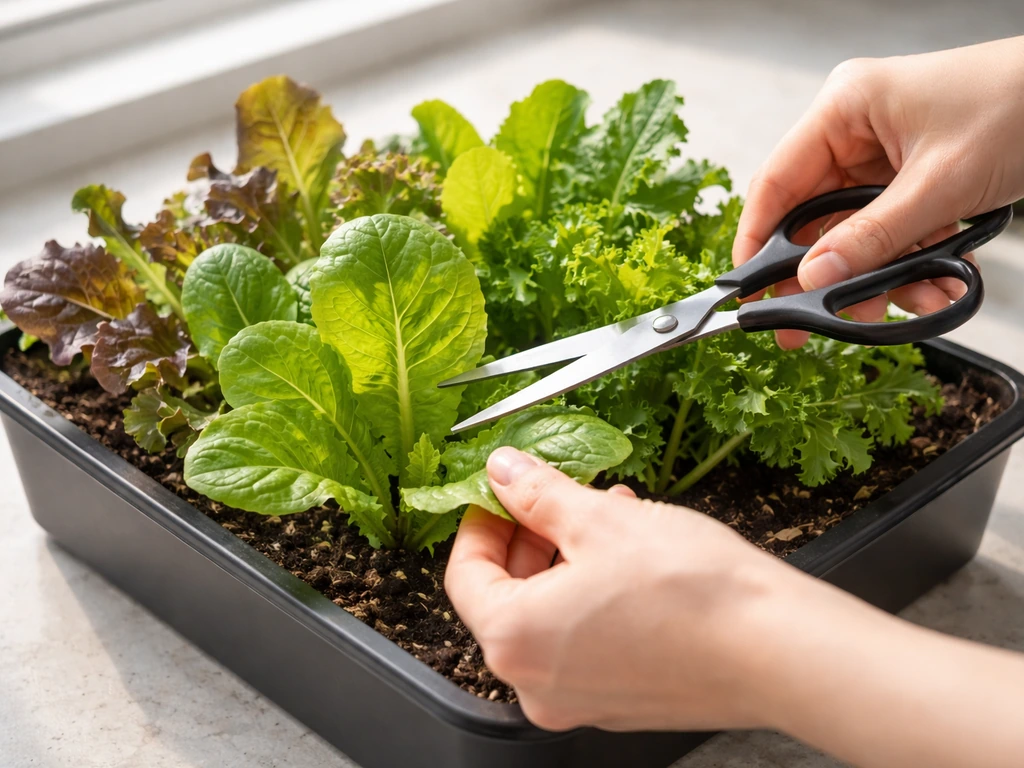
This is the method that stretches a single planting into multiple harvests. For loose-leaf and oakleaf types, use scissors or a sharp knife to cut the outer leaves at about an inch above the soil, leaving the central growing point intact. For example, NJ Skylands’ lettuce guide describes looseleaf harvests as successively picking individual leaves or outer leaves rather than waiting for whole-head harvest [cut the outer leaves at about an inch above the soil](https://www. njskylands.
com/farm-garden-lettuce). The plant will regrow and you can harvest again in 1 to 2 weeks. A single plant can give you 3 to 5 harvests this way before quality starts declining. Do not strip more than one-third of the leaves at once or you slow regrowth significantly.
Full-head harvesting
For butterheads, romaine, and summer crisp varieties, wait until the head feels firm and full. Cut the whole head at the base with a sharp knife. You can leave the root in the ground: some varieties will regrow a second, smaller head from the base, though it will be looser and less impressive than the first. This is worth letting happen before you pull the plant.
Storage after harvest
Rinse leaves, spin dry, and store wrapped loosely in a damp paper towel inside a sealed bag or container in the crisper drawer. Properly stored, fresh artisan lettuce will stay crisp for 5 to 7 days. The faster you cool it after harvest, the better it keeps.
Troubleshooting: bolting, bitterness, pests, diseases, and common failures
Bolting and bitterness
Bolting (the plant sending up a flower stalk) is triggered by heat and long days. If your lettuce bolts fast, you either planted too late in spring, the location gets too much afternoon sun, or temperatures are consistently above 80 degrees. Fix it by choosing bolt-resistant varieties, adding shade cloth (30 to 50 percent shade) during hot spells, and keeping up with watering. Bitterness that shows up before bolting usually points to water stress or nutrient deficiency, try watering more consistently and applying a diluted nitrogen fertilizer.
Poor germination
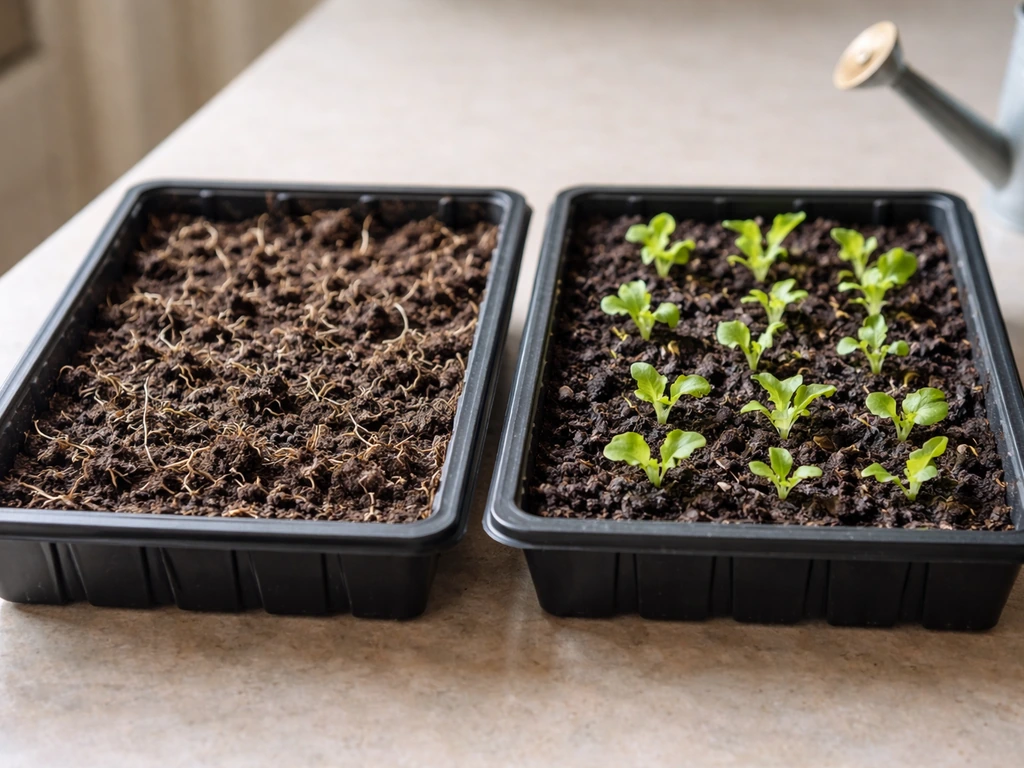
If seeds do not come up, the most common culprits are soil temperature too high (above 75 degrees), seeds planted too deep (more than a quarter inch), or soil that dried out during the germination window. Lettuce seeds need light to germinate, so shallow sowing or surface sowing with a light dusting of vermiculite is correct. In summer, germinate seeds indoors in a cool spot before moving transplants outside.
Leggy, floppy seedlings
Leggy seedlings almost always mean insufficient light. Indoors, move lights closer or run them longer. Outdoors, move the planting to a sunnier spot. Do not compensate by overwatering: wet soil with low light is a recipe for damping-off, a fungal condition that kills seedlings at the soil line.
Pests
Aphids and slugs are the two most common problems. Aphids cluster on the undersides of leaves and in the center of heads. A strong spray of water knocks most of them off, and insecticidal soap spray handles persistent infestations. Slugs feed at night and leave ragged holes in leaves, set out shallow traps with beer or use iron phosphate-based slug bait (safe around pets and edibles). In outdoor beds, row cover fabric is the most effective physical barrier against both pests.
Diseases
Downy mildew shows as yellow patches on upper leaves with grayish fuzz underneath. It thrives in cool, humid, densely planted conditions. Improve airflow by thinning plants to proper spacing and watering at the base rather than overhead. Tip burn (brown, papery leaf edges) is a calcium uptake issue usually caused by inconsistent watering or poor airflow around plants, not a soil deficiency. Keep moisture consistent and improve air circulation. Choosing varieties like Pirat that carry specific disease resistance saves a lot of headaches, especially in humid climates.
Nutrient and water stress
Pale, yellowish leaves usually signal nitrogen deficiency, especially in containers where nutrients leach out over time. Apply a balanced liquid fertilizer and consider topdressing with compost. Wilting that recovers overnight but gets worse by afternoon is classic water stress in containers: increase watering frequency rather than volume per session.
Your quick-start checklist for growing artisan lettuce
- Choose a variety: start with Buttercrunch or Pirat for heads, or a named oakleaf or loose-leaf variety you can harvest repeatedly.
- Pick your setup: outdoor bed, container (at least 8 inches deep), indoor grow lights, or a basic hydroponic system.
- Check your timing: if it is currently hot (above 75 degrees), germinate indoors and plan your main sowing for late summer or fall, or use shade cloth outdoors.
- Prepare your growing medium: amend beds with compost, use a quality potting mix with perlite for containers, or set up your hydroponic nutrient solution.
- Sow seeds shallow (one-eighth inch deep) or set transplants at proper spacing: 10 to 12 inches for heads, 6 to 8 inches for loose-leaf.
- Water consistently, aiming to keep the root zone moist but never waterlogged.
- Feed with a nitrogen-forward fertilizer every 2 weeks in containers, or work slow-release fertilizer into beds at planting.
- Run indoor lights 14 to 16 hours per day positioned 6 to 12 inches above plants.
- Harvest outer leaves early and often using cut-and-come-again technique for loose-leaf types, or wait for full heads on butterhead and romaine.
- Set up your next succession sowing 2 to 3 weeks after the first, so you never have a gap in fresh greens.
Growing artisan lettuce is one of the most rewarding things you can do as a home gardener because the gap between what you can grow and what you can buy is enormous. A butterhead picked at dawn and eaten an hour later is a completely different vegetable from anything in a grocery store bag. Get the variety right, keep it cool, water consistently, and harvest before it bolts, and you will have results that justify every bit of the "artisan" label.
FAQ
What if I live in a hot climate and lettuce keeps bolting before I can harvest full heads?
Choose a bolt-resistant variety label (or “heat-tolerant”) and plan on harvesting leaf shoots or baby greens first, then letting mature heads wait for cooler weather. If you do not have cooling options, prioritize loose-leaf types because you can keep cutting before the center elongates.
Can I still grow artisan lettuce in summer if I use shade cloth or a container?
Yes, but you should germinate in the temperature-safe window and then shift the plant to the coolest available conditions (morning sun, shade cloth in the afternoon, or an indoor spot). Hydroponics and containers help because you can move the plants during heat waves, rather than trying to “fix” bolting after it starts.
How do I harvest for multiple cuttings without damaging the plant or lowering quality?
Use the cut-and-come-again approach for tender regrowth, but harvest no more than about one-third of the canopy at a time. For the best quality, cut outer leaves in the morning, remove only the leaves you will use, then keep the plant evenly moist to support rapid regrowth.
What causes bitter lettuce before it bolts, and how can I fix it?
If your leaves taste bitter but the plant has not clearly bolted, check for water inconsistency first (especially in containers). Then confirm you are not overfeeding late with nitrogen or letting plants sit too dry between waterings, both can intensify bitterness.
How often should I water artisan lettuce in containers versus in-ground beds?
Lettuce prefers predictable moisture over frequent tiny sips. Aim to wet the root zone thoroughly, then wait until the top inch starts to dry before watering again. In pots, add mulch or use a lighter container color to reduce rapid swings in root temperature.
My indoor lettuce is growing tall and weak, what should I change first?
If you are getting leggy growth indoors, increase light intensity by moving the light closer and verify the timer length, but also add airflow with a small fan. Low light plus still air commonly produces weak, soft leaves even when you are watering correctly.
My lettuce looks pale, how do I tell if it is nitrogen deficiency or watering issues?
Water stress can mimic nutrient problems. First rule out inconsistent watering, then use a diluted nitrogen-leaning liquid feed (or lettuce-specific hydroponic solution) rather than adding strong, general-purpose fertilizer. If you have only mild pale color, correct moisture first, wait a few days, then adjust feeding.
What can I do to prevent downy mildew on lettuce?
Water at the base and keep leaves as dry as possible to reduce downy mildew pressure. Also avoid crowding, since dense planting traps humidity near foliage. If you see recurring yellow patches, switch to a variety noted for disease resistance and improve spacing before treating anything.
Will overcrowding ruin artisan lettuce quality, even if I plan to harvest baby greens?
Yes. Thin seedlings to the correct spacing, then start harvesting earlier as baby greens to reduce long periods of overcrowded growth. If you miss thinning, quality drops quickly because airflow and light are insufficient, which also increases disease risk.
What are the most common reasons lettuce seeds do not sprout, and how can I troubleshoot quickly?
If seeds fail to germinate, check soil temperature first and confirm shallow sowing (lettuce generally needs light at the surface). Also keep the germination bed consistently moist but not waterlogged, and avoid covering deeper than a light dusting.
How do I prevent tip burn without constantly changing fertilizer?
Tip burn is not typically fixed by adding calcium alone. The most reliable fix is consistent moisture and better airflow, since irregular watering reduces calcium transport to the leaf edges. In warm indoor setups, a fan and slightly wider spacing can reduce it.
What is the best way to harvest and store artisan lettuce so it stays crisp?
For the freshest “artisan” texture, harvest during cool temperatures (morning is ideal) and cool the leaves immediately after spinning dry. Store in the crisper with a slightly damp paper towel and keep the container mostly sealed, then use within a week for peak sweetness.
Any special tips for quality when growing artisan lettuce hydroponically?
In hydroponics, maintain stable water chemistry and avoid extreme swings in EC. Also keep the light schedule consistent and ensure adequate airflow, since lettuce grown indoors or under lights without ventilation can develop soft, less flavorful leaves.