Mizuna is one of the easiest leafy greens you can grow, and it's ready to cut in as little as 21 days for baby leaves or around 40 days for a full harvest. Sow seeds directly into the ground or a container, keep the soil consistently moist, harvest with scissors just above the base, and it'll regrow for multiple cuts. The main things that trip people up are planting it during hot weather (it bolts fast in heat), overwatering to the point of sogginess, and cutting too aggressively too early. Get those three things right and mizuna practically grows itself.
How to Grow Mizuna Lettuce: Step-by-Step for Beginners
Marcus Holloway
22 Jun 2026
What mizuna is and why it's worth growing
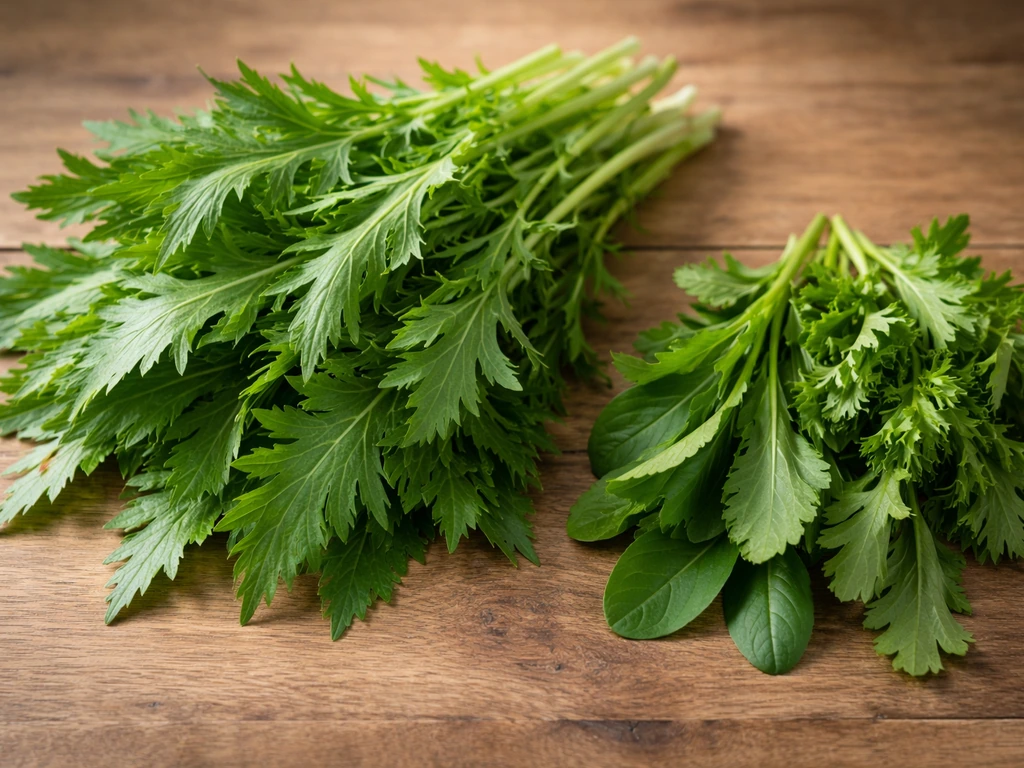
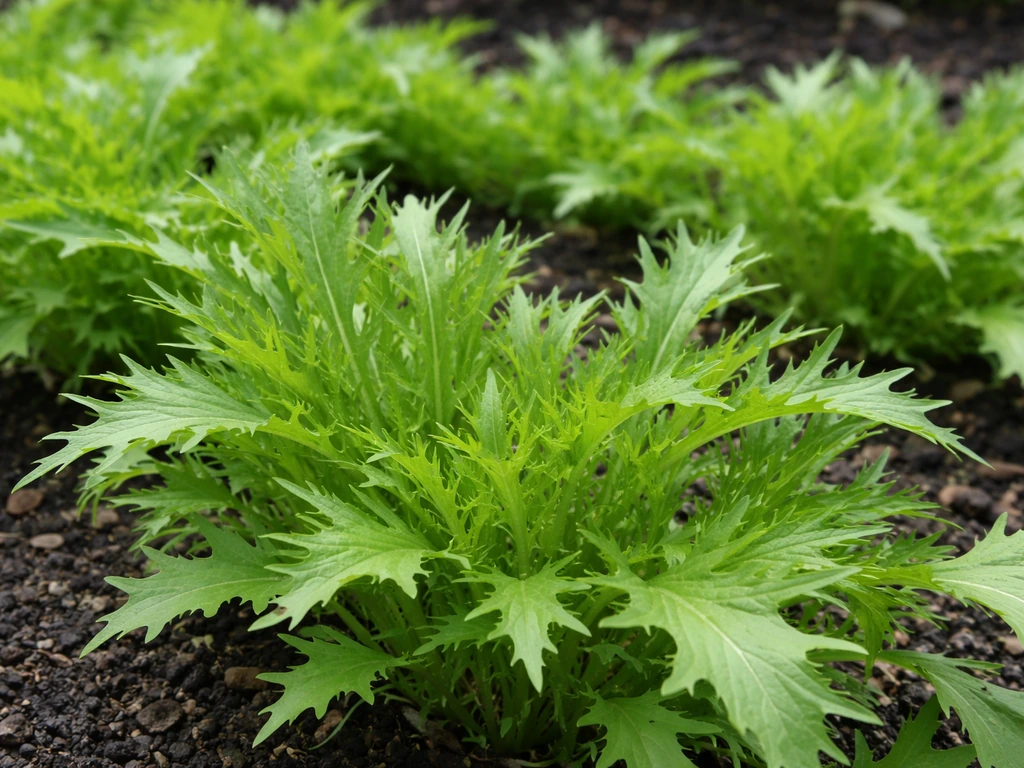
Mizuna is a leafy green in the Brassica rapa family, closely related to mustard greens and mibuna. It has feathery, deeply serrated leaves and a flavor that's mild and peppery without the sharpness of arugula or some other mustards. That mild piquancy makes it great raw in salads, wilted into stir-fries, or tossed into soups at the last minute.
What makes mizuna a genuinely great beginner plant is the cut-and-come-again growth habit. You don't harvest the whole plant at once. You cut what you need, leave an inch or two of stem at the base, and it regrows. Done right, a single planting can give you three to five harvests before the plant starts to decline or bolt. That kind of productivity from a small space, whether it's a raised bed, a window box, or a hydroponic tray, is hard to beat.
Best time to plant, ideal temps, and direct sow vs. starts
Mizuna is a cool-season crop that performs best when daytime temperatures stay between 50°F and 75°F (10°C to 24°C). It can handle a light frost, which makes it a solid choice for early spring and fall. In most climates, that means planting outdoors from late February through April, or again from late August through October. If you're in a mild winter region, you can grow it through the cooler months with no trouble.
The heat sensitivity is real. Hot, dry conditions cause poor leaf quality and rapid bolting, meaning the plant sends up a flower stalk instead of producing harvestable leaves. Interestingly, bolting isn't always about heat alone. Cold snaps early in a plant's life can prime it to bolt later, and long days in summer push it further along that path. For reliable production, keep mizuna in the cool shoulder seasons and use shade cloth or row cover if temps start climbing into the 80s°F.
For timing your method: direct sowing is almost always the right call with mizuna. It germinates quickly (usually within five to seven days in warm enough soil), doesn't like root disturbance from transplanting, and you'll actually save time compared to starting indoors. That said, starting a small tray of seedlings indoors under grow lights in late winter is a reasonable way to get a jump on spring if your outdoor soil is still too cold or wet to work.
Soil, containers, spacing, and how deep to sow
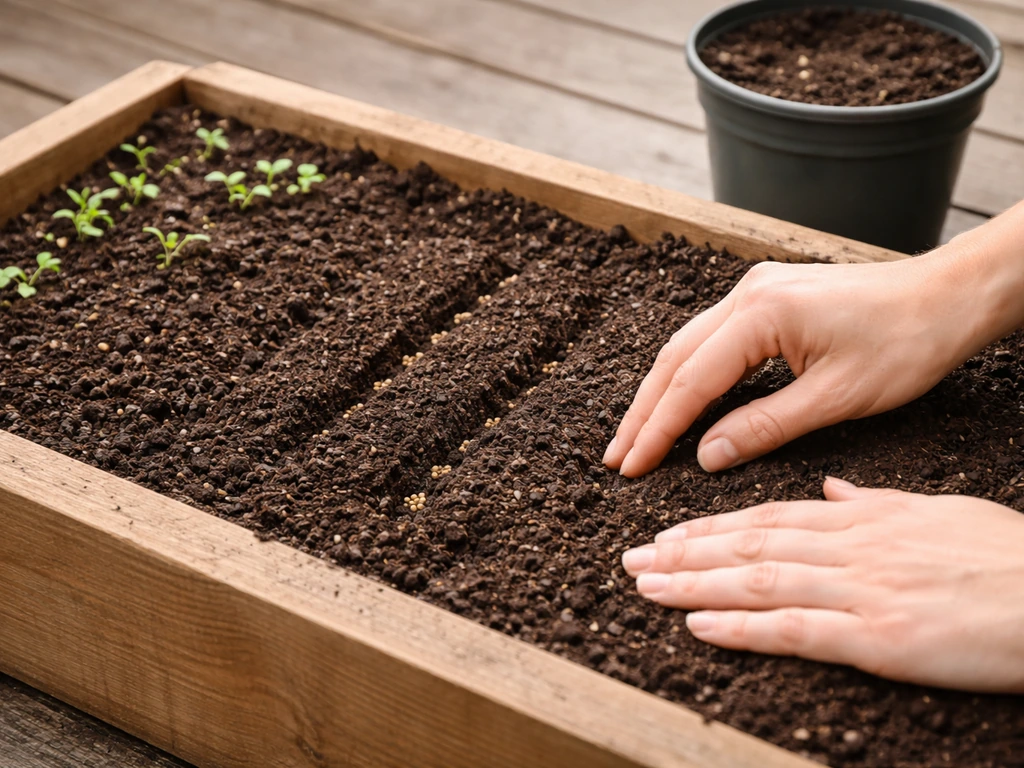
Mizuna isn't fussy about soil, but it does its best in loose, well-draining mix that holds moisture without staying soggy. Aim for a slightly acidic to neutral pH in the 6.0 to 7.0 range. In raised beds or garden soil, mix in compost before planting to improve both drainage and fertility. In containers, a quality potting mix works well on its own.
For containers, go with something at least 6 to 8 inches deep. Mizuna has a relatively shallow root system, so it doesn't need a lot of depth, but it does need room to spread sideways if you're growing multiple plants. A 12-inch pot can comfortably hold three to four plants. Window boxes, fabric grow bags, and even repurposed wooden crates all work.
Sow seeds about a quarter inch deep. You don't need to be precise, but burying them too deep slows germination. Space seeds or seedlings about 6 inches apart if you're growing to full size for the cut-and-come-again method, or sow densely at about 1 inch apart if you want baby leaf harvests where you cut the whole surface and let it regrow. Thin to final spacing once seedlings hit about 2 inches tall, using scissors rather than pulling to avoid disturbing nearby roots.
Light, watering, feeding, and managing heat and day length
Light needs
Outdoors, mizuna grows well in full sun during cool weather and benefits from partial shade (three to four hours of shade midday) as temperatures rise. If you're growing in a spot that gets afternoon shade naturally, that's ideal for extending the season into warmer months. Indoors under grow lights, aim for 12 to 14 hours of light per day using a full-spectrum LED placed about 6 to 12 inches above the canopy. If leaves stretch toward the light and look leggy, move the fixture closer.
Watering
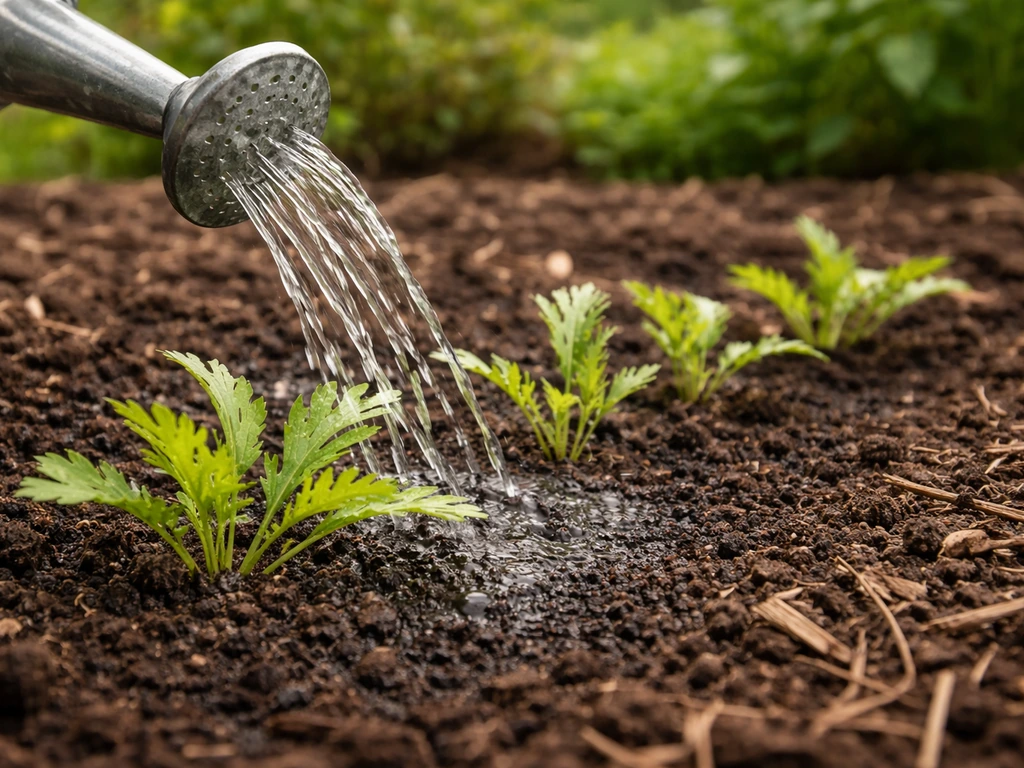
Mizuna wants consistently moist soil, not wet, not dry. In most outdoor settings, that means watering every two to three days depending on weather, or more frequently in containers since they dry out faster. Check by sticking a finger about an inch into the soil. If it feels dry at that depth, water thoroughly until it drains from the bottom of the container. Mulching around outdoor plants with straw or shredded leaves helps retain moisture and keeps soil temperatures stable.
Fertilizing
Mizuna is a leafy green, so it benefits from nitrogen to fuel that lush growth. If you amended your soil with compost before planting, you may not need supplemental feeding for the first harvest cycle. After your first cut, a light feed with a balanced liquid fertilizer (something like a 10-10-10 diluted to half strength) every two to three weeks helps sustain regrowth. Don't overdo nitrogen or you'll get fast, floppy growth that's more prone to pests. In hydroponic setups, maintain an EC of around 1.2 to 2.0 and a pH between 5.5 and 6.5.
Managing bolting and heat
Once you see a central flower stalk forming, the plant is shifting its energy to reproduction and leaf quality drops fast. To delay bolting: plant in cool seasons, provide afternoon shade as it gets warmer, keep soil moisture consistent, and harvest frequently. Frequent cutting redirects the plant's energy back to leaf production. If bolting has already started, you can pinch off the flower stalk to buy another week or two, but honestly at that point it's better to pull the plant, compost it, and sow a fresh batch.
Pests, diseases, and what actually goes wrong
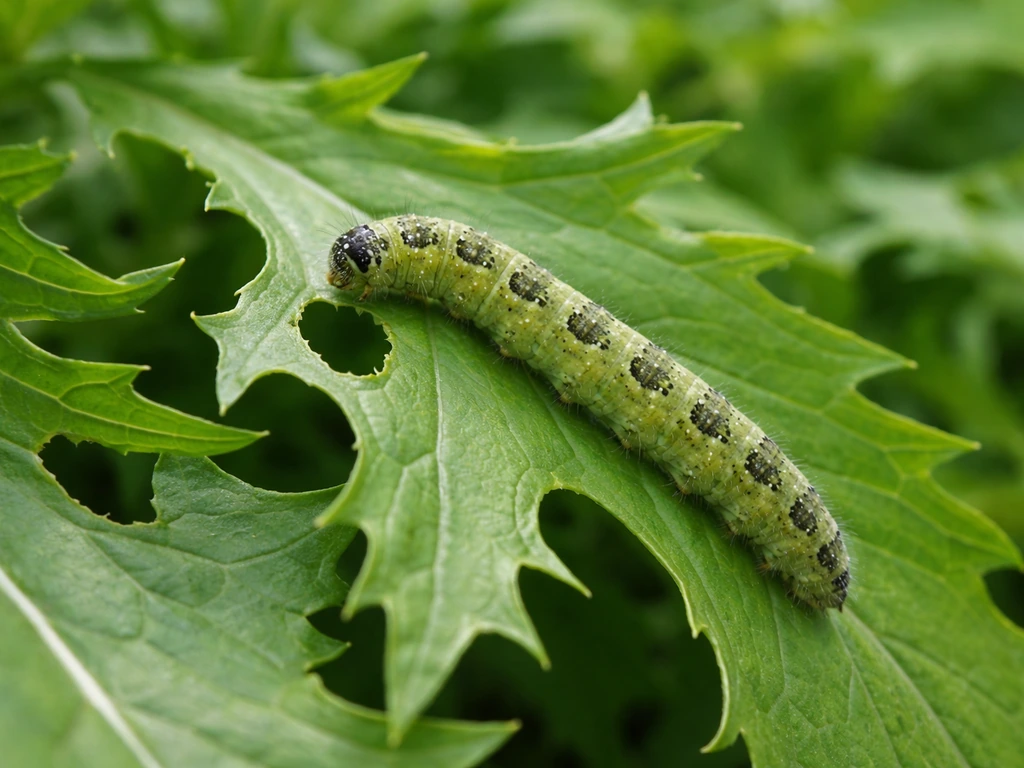
Mizuna is in the cabbage family, which means it shares pests with broccoli, kale, and other brassicas. The most common problems are aphids, slugs, cabbage white butterfly caterpillars, and flea beetles. Here's how to handle each:
- Aphids: Look for clusters of tiny green or black insects on the undersides of leaves. Knock them off with a strong spray of water, or apply insecticidal soap. Check every few days since they reproduce fast.
- Slugs: Most active at night and in wet conditions. Set out beer traps, use copper tape around container rims, or apply diatomaceous earth around the base of plants. Hand-pick at night with a flashlight if infestations are heavy.
- Cabbage white caterpillars: Pale green caterpillars that chew irregular holes in leaves. Cover plants with fine insect mesh or row cover as the main prevention. Remove caterpillars by hand when spotted.
- Flea beetles: Tiny black beetles that create small round holes across leaves. Row cover before they appear is the best defense. In established infestations, pyrethrin-based sprays are effective.
- Downy mildew: A fungal issue that shows up as yellow patches on top of leaves with grayish fuzz beneath. It usually means air circulation is poor or plants are overcrowded. Thin spacing, water at the base rather than overhead, and remove affected leaves immediately.
Row cover (floating fabric) is the single most effective pest prevention tool for mizuna, especially early in the season when flea beetles and cabbage whites are most active. Lay it over plants right after sowing and only lift it to water or harvest.
How and when to harvest, and how to keep it going
For baby leaves, you can start cutting when the plants reach about 3 to 4 inches tall, which typically happens around 21 days after sowing. For a fuller harvest with the feathery, mature leaf shape mizuna is known for, wait until plants are 6 to 8 inches tall, which is closer to 40 days. Either way, the method is the same: use clean scissors or garden shears, cut across the plant leaving at least 1 to 2 inches of stem and a few small leaves at the base. RHS notes that mizuna is commonly harvested as a cut-and-come-again leafy green, and that you can harvest repeatedly by cutting the plant and letting it regrow blank" rel="noopener noreferrer">cutting across the plant leaving 1 to 2 inches of stem so it can regrow. The plant will regenerate from that base. If you want to try a similar crop, here are practical tips for how to grow manoa lettuce in containers or in the ground.
You can also harvest by picking individual outer leaves rather than cutting the whole plant. This is useful if you only need a small amount at a time and want to keep the plant actively growing. Both approaches work, and a lot of gardeners switch between them depending on what they need in the kitchen that day.
Regrowth typically takes seven to fourteen days per cycle in cool weather. Expect three to five cuts from a single plant before quality declines. When leaves start coming back small, tough, or more bitter than usual, that's your signal that the plant is winding down. Pull it and replant.
Storing your harvest
Mizuna wilts quickly after cutting, so if you're not eating it right away, wrap it loosely in a slightly damp paper towel, place it in a plastic bag or container, and refrigerate. It holds well for three to five days this way. Don't wash it until you're ready to use it since moisture shortens storage life. For longer storage, some people freeze mizuna after blanching, but it loses its texture and is really only useful cooked at that point.
Growing mizuna indoors, in containers, or hydroponically
Indoors under grow lights
Mizuna is genuinely well-suited to indoor growing because it's compact, doesn't need deep soil, and grows fast. Use a full-spectrum LED grow light on a 12 to 14 hour timer. Keep the light close enough to prevent stretching but far enough to avoid heat stress on the leaves (check the manufacturer's recommended distance for your specific fixture). Temperature control is easier indoors, which means you avoid the main bolting triggers. One watch-out: indoor air tends to be dry, so soil in containers dries out faster than you'd expect. Check moisture daily.
Hydroponic and water-based setups
Mizuna grows exceptionally well in hydroponic systems including nutrient film technique (NFT), deep water culture (DWC), and kratky-style passive hydroponics. Start seeds in rockwool cubes or foam plugs, transplant once roots are visible (usually five to seven days), and maintain nutrient solution at an EC of 1.2 to 2.0 with a pH between 5.5 and 6.5. Growth rates in hydroponics are noticeably faster than soil, and you can often get your first baby leaf cut in as few as 14 to 18 days. Keep water temperature cool (around 65°F to 70°F) to mimic the cool conditions mizuna prefers. If you want a deeper, step-by-step guide, see how to grow mache lettuce for timing, sowing, and harvest tips that transfer well to mizuna too.
Container adjustments and common troubleshooting fixes
| Problem | Likely Cause | Fix |
|---|---|---|
| Seeds not germinating | Soil too cold (below 45°F) or too dry | Move containers to a warmer spot or use a seedling heat mat; keep soil consistently moist |
| Leggy, stretched seedlings | Not enough light | Move closer to the light source or increase grow light hours to 14 per day |
| Leaves taste bitter or tough | Heat stress or the plant is bolting | Add shade cloth, harvest more frequently, or start a new batch in cooler weather |
| Plant bolting (flower stalk) | Heat, long days, or cold snap earlier in growth | Pinch the stalk to delay; plan next planting for a cooler window |
| Yellow leaves | Overwatering, nutrient deficiency, or root issues | Check drainage, let soil dry slightly between waterings, and feed with balanced liquid fertilizer |
| Holes in leaves | Flea beetles or caterpillars | Apply row cover or insect mesh immediately; hand-pick caterpillars; use insecticidal soap for flea beetles |
| Slow regrowth after cutting | Cut too low, or plant is old and declining | Always leave 1 to 2 inches of stem; if the plant is 4 or more cuts in, start fresh |
One thing worth noting if you're exploring other greens for similar setups: mache and manoa lettuce share a lot of the same cool-weather preferences and container-friendly characteristics as mizuna, and they're worth growing alongside it for variety. If you’re also wondering how do you grow lettuce in a garden, many of the same cool-season timing and container tips will help you succeed mache and manoa lettuce. Mizuna does have a distinct edge in regrowth speed and heat tolerance by comparison, but rotating between varieties keeps your harvest diversified and your growing space productive year-round.
The real takeaway is that mizuna rewards consistency more than perfection. Keep the soil moist, plant it in cool weather, give it decent light, and cut it regularly. Lettuce likes similar cool-season growing conditions, so you can use the same idea to plan your dates, temps, and light for the best results in Hawaii. Do those four things and you'll have fresh, peppery greens ready to harvest again and again without a lot of fuss.
FAQ
Why does my mizuna taste more bitter or get tough after a few harvests?
That usually signals the plant is nearing the end of its productive window or getting stressed by heat or uneven moisture. To salvage quality, keep soil consistently moist, harvest more often (don’t let leaves get oversized), and switch to the next sowing before the current batch starts bolting or forming a stalk.
How can I prevent bolting when the weather suddenly warms up?
Use the fastest fixes first: move containers into afternoon shade, add shade cloth to bring midday temperatures down, and start a quick succession planting so you always have younger plants. If a flower stalk starts, pinch it off early, but plan to replant soon since quality declines rapidly.
Is it better to cut-and-come-again mizuna or harvest whole plants?
For most beginner goals, cut-and-come-again is better because it typically gives multiple harvests from one sowing. Whole-plant harvest can work if you want a one-time big batch, but you lose the regrowth cycle, so you may need to sow more often to maintain steady supply.
What’s the difference between harvesting baby leaves and harvesting full-size leaves?
Baby leaf harvests are usually taken by cutting or harvesting the outer surface earlier (around the 21-day window), which encourages fresh tender growth. Full-size harvest waits longer (about 6 to 8 inches tall), which gives more mature leaf texture and flavor, but you should expect fewer regrowth cycles.
Can I grow mizuna in a window without grow lights?
Sometimes, but it depends on your latitude and season. If plants stretch, look leggy, or remain small despite regular watering, it’s a sign they are not getting enough light. For predictable results, use a timer and a full-spectrum LED indoors.
How deep should I sow mizuna seeds, and what if they won’t germinate?
Sow about a quarter inch deep. If you’re not getting sprouts, common causes are soil that stays too cold for several days, overly soggy ground that reduces oxygen, or seeds buried too deep. Keep the top layer lightly moist and warm, and consider starting a small alternate bed or tray while you troubleshoot.
Should I thin mizuna seedlings, and do I have to pull them?
Yes, thinning helps prevent overcrowding, which can lead to small, weaker leaves and more pest problems. Instead of pulling, snip unwanted seedlings with scissors at soil level to avoid disturbing nearby roots.
What’s the safest way to deal with slugs on mizuna?
Row cover prevents some pests, but slugs often need additional barriers. Use a physical method like copper tape or a slug barrier around containers or bed edges, remove hiding spots, and check in the evening after dew. If you use traps, place them where slugs travel, not in open areas where beneficial insects can wander.
Do I need to fertilize before the first harvest?
If you mixed compost into the soil, you may not need extra feeding until after the first cut. After harvesting, use a light, diluted balanced fertilizer every couple of weeks to support regrowth, but avoid heavy nitrogen because it can make leaves flop and attract more pests.
How long does mizuna keep after cutting, and should I wash it first?
For best storage, refrigerate it after it’s dry, wrap it loosely with a slightly damp paper towel, and keep it cold. Don’t wash until right before use, since extra moisture shortens shelf life and increases spoilage risk.
Can mizuna be grown hydroponically in a simple setup like kratky?
Yes. Start seeds in plugs, transplant when roots show, and keep the nutrient solution parameters in the target range (EC about 1.2 to 2.0, pH about 5.5 to 6.5). Also keep water or solution cool, because mizuna’s growth and bolting resistance improve when temperatures stay in its cool-season comfort zone.
Is mizuna compatible to grow alongside other brassicas in the same bed?
Generally yes, as long as you plan for the shared pest pressure (aphids, flea beetles, and cabbage white caterpillars). The key decision is spacing and covering, if needed, so plants don’t create dense pockets where insects can shelter.