You can absolutely grow lettuce in Hawaii, but you have to work with the climate instead of against it. That means choosing heat-tolerant, slow-bolting varieties, timing your plantings around Hawaii's cooler months (October through March is your sweet spot), and using shade cloth or sheltered spots to keep temperatures from spiking above 80°F. The University of Guam Extension and Outreach (Western Pacific Tropical Research Center / Cooperative Extension & Outreach) notes that in tropical conditions lettuce can bolt early and turn bitter when exposed to high temperatures, and it recommends choosing “heat-resistant” and “slow-bolting” varieties Growing Lettuce on Guam. Get those three things right and you'll be cutting fresh lettuce all season long.
How to Grow Lettuce in Hawaii: Planting to Harvest Tips
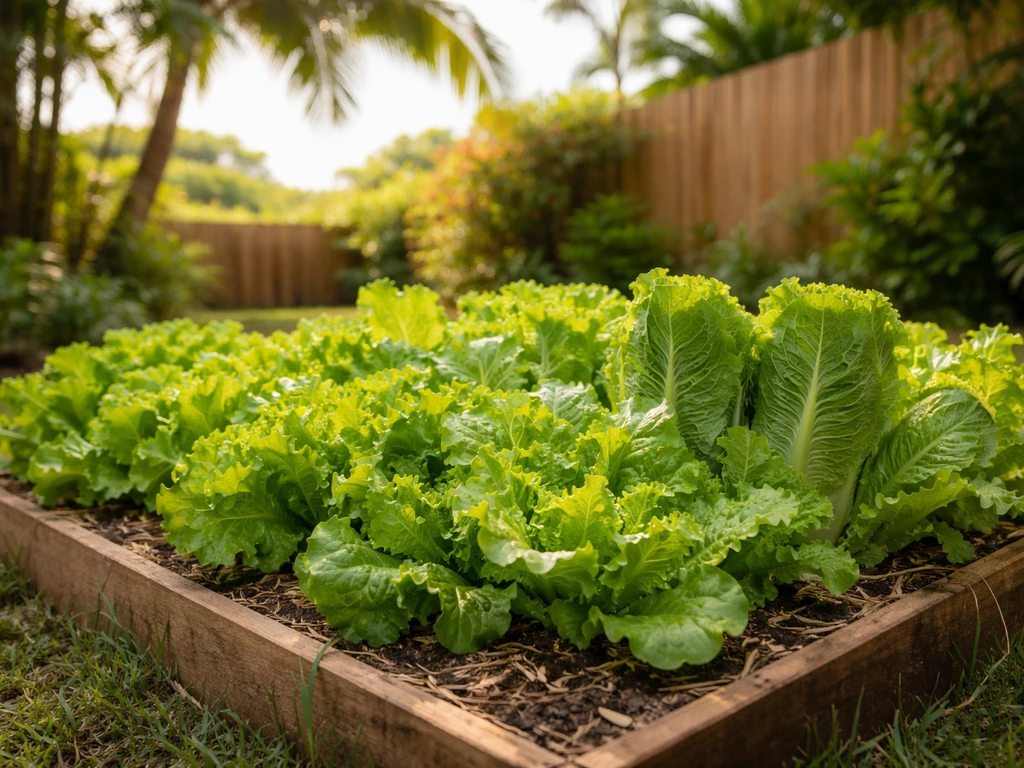
Best lettuce varieties for Hawaii's warm, humid climate
Most lettuce is bred for temperate climates, so drop a standard iceberg or butterhead into a Hawaiian summer and it'll bolt and turn bitter within weeks. The varieties that actually perform here are the ones explicitly selected for heat tolerance and slow bolting. The UMass CAFE fact sheet notes that varieties selected for transplants in mid-summer and that are very slow to bolt include Ermosa (Boston), Slobolt (green leaf), New Red Fire (red leaf), and Green Forest (Romaine). I'd start with these:
- Manoa: A romaine-type lettuce developed specifically for Hawaii by the University of Hawaii. It handles humidity well, stays relatively slow to bolt, and is probably the single best variety for beginners here. It deserves its own deep dive if you want to grow it well.
- New Red Fire: A red leaf variety rated as very slow to bolt and proven in warm-climate trials. Excellent for containers.
- Slobolt: A green leaf variety with the name that tells you exactly what you're getting. Very slow to bolt, easy to grow, good for cut-and-come-again harvests.
- Green Forest: A romaine type that performs well in summer conditions and holds up in humidity.
- Tropicana: Specifically listed in tropical lettuce trials as successful for warm, humid conditions similar to Hawaii.
- StarFighter and New Red Fire: Both appeared in Western Pacific tropical region trials as reliable performers.
- Ermosa: A Boston-type butterhead rated very slow to bolt, worth trying in Hawaii's cooler upland elevations.
- Linoy (romaine): Noted in Hawaii romaine variety trials as suited to hot climates, with a roughly 60 to 75 day harvest window.
Loose-leaf and romaine types generally outperform heading types like iceberg in Hawaii. Heads need consistent cool temperatures to form properly, and that's hard to guarantee here. Stick to leaf lettuce and loose romaine types and you'll waste far fewer planting cycles. If you're curious about mizuna or mache, those are worth exploring too since they handle warmth a bit better than traditional lettuces.
Site and container setup: outdoor beds, patios, raised beds, and pots
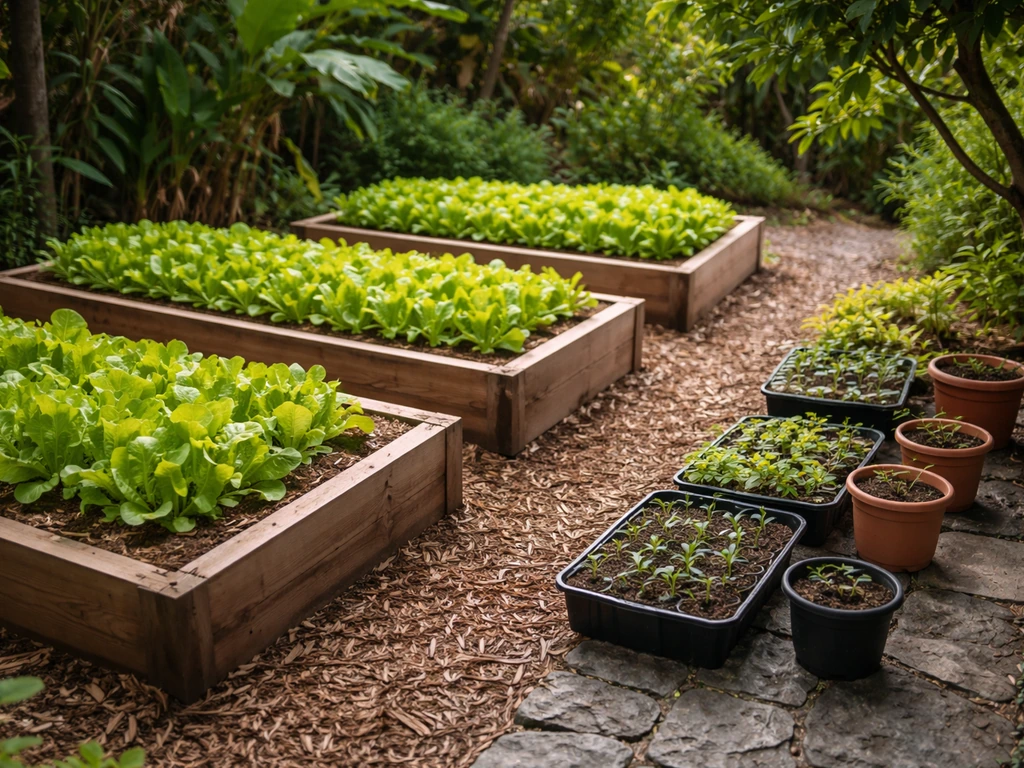
One of the advantages of lettuce is that it grows well in almost any setup, and in Hawaii that flexibility matters because you'll want to move plants or adjust their position with the seasons. If you also want step-by-step guidance for how do you grow lettuce in a garden from seed to harvest, follow the garden growing method next grow lettuce in almost any setup. Here's how each option stacks up:
| Setup | Best For | Key Consideration in Hawaii |
|---|---|---|
| In-ground garden bed | Large plantings, established gardens | Ensure good drainage; heavy rains can waterlog clay soils |
| Raised bed | Most home gardeners, best overall control | Fill with custom mix, elevates drainage, easier to net or shade |
| Containers and pots | Lanais, patios, small spaces, apartment dwellers | Dry out faster but easier to move into shade; minimum 8–10 inch depth |
| Hydroponic systems | Year-round growing, especially indoors | Eliminates soil drainage issues, great for apartments; nutrient management is key |
For most people, a raised bed or large containers on a covered lanai is the ideal Hawaii setup. A covered lanai gives you natural rain protection (which matters a lot for disease prevention) and lets you control how much water hits the leaves. If you're using containers, go bigger rather than smaller: a pot that's at least 10 inches deep and 12 inches wide gives roots room to develop properly. Shallow containers dry out too fast in Hawaii's heat, and roots that only get wet in the top few inches end up stunted.
For raised beds outdoors, line up rows running east to west if possible so taller plants or a shade structure on the south side can cast afternoon shade across the bed. That one design decision can make a real difference in how long your lettuce holds before bolting.
Light, temperature, and timing: how to keep lettuce cool in Hawaii
Lettuce quality drops noticeably when temperatures stay above 80°F, and bolting (the plant shooting up a flower stalk and turning bitter) accelerates sharply in heat. Hawaii's lowland areas regularly exceed 80°F during the day, especially April through September. That doesn't make lettuce impossible, but it does mean you need a plan.
Timing your plantings
October through March is Hawaii's cooler, drier season in most areas, and it's your primary lettuce window. Nighttime temperatures drop, days are shorter, and you get better head formation and much slower bolting. That said, Hawaii's higher elevations (think upcountry Maui or Volcano on the Big Island) can support lettuce almost year-round because temperatures stay cooler. If you're at sea level in Honolulu or Kona, plan for two main plantings: one in October and a succession run in January.
Using shade cloth and microclimates
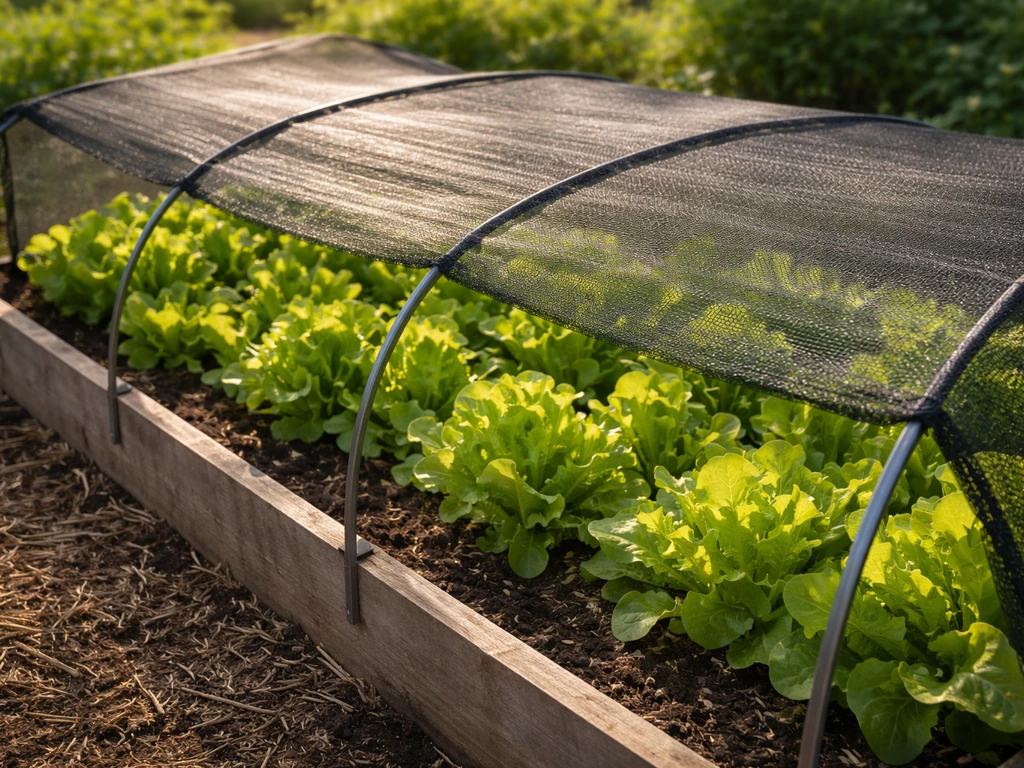
A 30 to 50 percent shade cloth stretched over your bed or container setup is one of the single best investments you can make for Hawaii lettuce growing. It cuts the intensity of afternoon sun, drops leaf temperature several degrees, and buys you extra weeks before bolting kicks in. Set it up on a simple PVC frame or hang it from the roof of your lanai. You're not trying to block all light, just the harsh afternoon sun from about noon to 4 p.m.
Natural microclimates work too. A spot on the east side of your house gets morning sun and afternoon shade, which is nearly ideal. Under a mature tree that lets dappled light through is another option, though watch out for competition from roots. Avoid south- and west-facing spots with no overhead protection during summer months.
Soil, potting mix, and fertilizing
Lettuce has a shallow root system and is sensitive to both compacted soil and poor drainage. For in-ground beds in Hawaii, amend your native soil (which is often dense volcanic or clay-heavy) with compost and a coarse perlite or pumice to open it up. A good starting mix for raised beds is roughly 60 percent quality compost, 20 percent garden soil or topsoil, and 20 percent perlite or coarse sand for drainage.
For containers, use a quality commercial potting mix rather than garden soil, which compacts too easily in pots. Add about 20 percent perlite to the mix to keep it from staying soggy after Hawaii's occasional downpours. Skip the heavy, moisture-retaining mixes marketed for tropical plants; lettuce roots don't want to sit wet.
For fertilizing, lettuce is a light feeder but it does need consistent nitrogen to stay leafy and green. Apply a balanced, water-soluble fertilizer or a diluted liquid nitrogen source every three to four weeks. Go light rather than heavy: too much nitrogen at once can push leafy growth that's more vulnerable to heat and pests. If leaves are pale yellow-green, that's usually a nitrogen deficiency signal, and it's easy to fix with a half-strength liquid feed.
Watering schedule, moisture management, and drainage
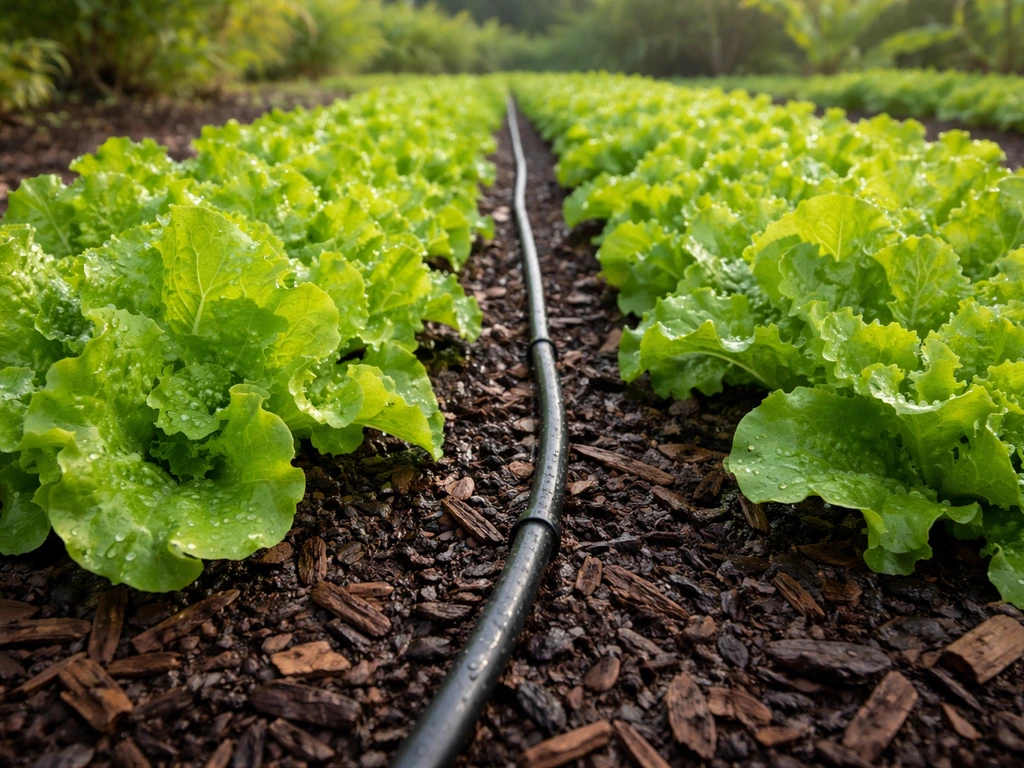
Getting water right in Hawaii is trickier than it sounds because you're balancing two competing risks: drought stress from heat on one side, and fungal disease from too much leaf wetness on the other. The goal is consistently moist soil with dry leaves.
Drip irrigation or a gentle soaker hose is the best option for Hawaii lettuce because it delivers water directly to the soil without wetting the foliage. Overhead sprinklers create a film of water on leaves that stays put in Hawaii's humidity, and that's exactly the environment that downy mildew and gray mold need to infect your plants. If you're hand-watering, water at the base of the plant in the morning so any accidental splash on leaves dries before evening.
Water deeply enough that moisture reaches 4 to 6 inches down into the soil. If you only wet the top inch or two, roots stay shallow and the plant is far more vulnerable to heat stress and drought. Stick your finger into the soil after watering: it should feel moist at least several inches down. For containers, water until it drains freely from the bottom, then let the top inch dry out before watering again. In Hawaii's heat, that might mean watering containers every one to two days during summer.
In raised beds during the rainy season, make sure you have actual drainage holes or gaps. Standing water for even a few hours can cause root rot in lettuce, which kills plants faster than any pest.
Planting methods, spacing, thinning, and succession planting
Seeds vs. starts
Both work in Hawaii, and the choice comes down to your timeline and patience level. Starting from seed is cheaper and gives you access to more variety options. Direct-sow seeds about a quarter-inch deep and keep the soil consistently moist until germination, which usually takes 7 to 14 days. Starts (transplants) from a local nursery get you to harvest faster and are the better option if you're in the middle of a warm spell and want to get plants in the ground quickly. Local nurseries near you will sometimes carry Manoa and other Hawaii-adapted varieties as starts, which is a real advantage.
Spacing and thinning
For loose-leaf and cut-and-come-again varieties, you can sow fairly densely and harvest outer leaves as plants grow. Final spacing for full-size leaf lettuce plants should be about 6 to 8 inches apart. For romaine types that you want to grow to a head, aim for 8 to 10 inches between plants. After seeds germinate, wait until plants reach three to four leaves before starting to thin, and complete thinning within three to eight weeks of that stage. Crowded lettuce in Hawaii's humidity is a recipe for disease because air can't circulate between plants.
Succession planting for continuous harvest
This is the move that keeps lettuce on your table all season instead of giving you one glut and then nothing. Every three to four weeks, start a new small planting alongside your existing one. By the time you're harvesting from the first batch, the second is maturing, and the third is just getting started. During Hawaii's cooler season, you can keep this cycle running from October through March without much trouble. During warmer months, shorten the succession interval to two to three weeks and plant in your most protected, shaded spot.
Pest, disease, and heat-bolt troubleshooting
Heat stress and bolting
If your lettuce suddenly sends up a tall center stalk and the leaves taste bitter, it's bolting. Once a plant bolts, it's done for eating purposes. Harvest whatever leaves you can right away and pull the plant. Going forward: move to a shadier spot, increase shade cloth coverage, switch to a slower-bolting variety like Slobolt or Manoa, and time new plantings for the cooler season. Bolting is a sign the plant experienced sustained heat stress, not a watering problem.
Downy mildew and gray mold
Downy mildew shows up as yellow patches on the upper leaf surface with a white-to-gray fuzzy growth underneath. Gray mold (Botrytis) causes soft, brownish decay, usually starting at the base of the plant or on damaged leaves. Both thrive in exactly the conditions Hawaii can create: humid air, wet leaves, and poor air circulation. Prevention is your best tool. Switch to drip irrigation, space plants generously, remove any dead or dying leaves immediately, and avoid working in the garden when plants are wet. If you catch either disease early, remove affected leaves and improve air circulation. Severe cases usually mean pulling the plant to protect neighbors.
Slugs, snails, aphids, and whiteflies
Hawaii's slugs and snails are relentless, especially after rain. You'll see irregular holes in leaves and slime trails. Reduce hiding spots by keeping the area around your beds clear of debris and avoid heavy mulch right up against the base of plants. Iron phosphate-based slug baits are effective and safe for gardens with kids and pets. For aphids and whiteflies (both common on lettuce in Hawaii), a strong spray of water dislodges aphids well. If populations build up, insecticidal soap applied directly to the underside of leaves works without leaving harmful residue. Row cover fabric over young seedlings is one of the best preventive barriers against flying pests and caterpillars, and it doubles as mild shade protection.
Yellowing leaves and other quick fixes
Pale or yellow leaves usually mean nitrogen deficiency: apply a diluted liquid fertilizer and you should see improvement within a week. Brown, crispy leaf edges are often heat or drought stress: water more deeply and add shade. Slimy, collapsing leaves at the base point to overwatering or gray mold: improve drainage and reduce watering frequency. Holes with no slime trail are likely caterpillars or grasshoppers, which you can hand-pick in the evening when they're active.
Harvesting, storage, and keeping production going
When and how to harvest
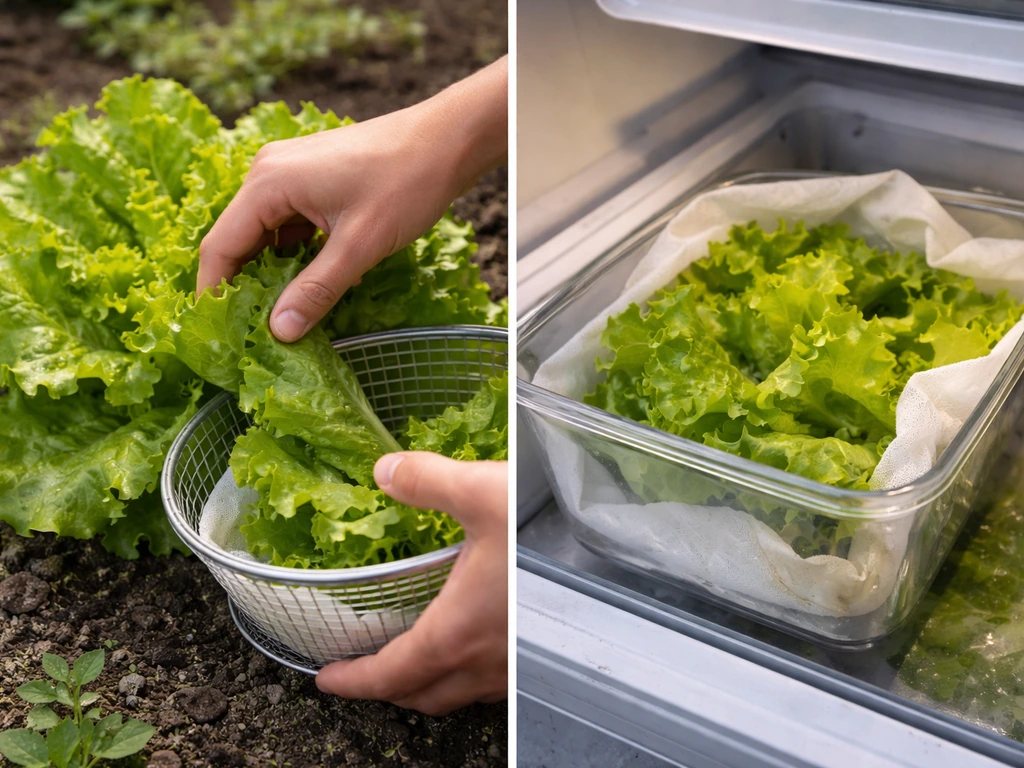
For loose-leaf varieties, you can start harvesting outer leaves once plants are 4 to 6 inches tall, usually around 30 to 45 days after transplanting or 45 to 60 days from seed. Always take the outermost leaves first and leave the center growing point intact. This is the cut-and-come-again method, and it can keep a single plant producing for weeks. For romaine types like Manoa and Linoy, wait until the plant reaches 6 to 8 inches and has formed a decent shape, typically 60 to 75 days from seed, then cut the whole head just above the soil line.
Harvest in the early morning when leaves are crisp and cool, not in the afternoon heat when they'll be wilted and more prone to damage. In Hawaii's warmth, morning harvest can be the difference between crisp leaves and limp, disappointing ones.
Storing lettuce after harvest
Freshly harvested lettuce stores best at around 32°F (0°C) with high humidity, close to 95 percent relative humidity. That's basically the coldest part of your refrigerator, wrapped loosely in a damp paper towel inside a perforated bag or container. Stored this way, lettuce can hold for up to two weeks, though honestly it tastes best in the first three to five days. Don't wash lettuce before storing: wet leaves deteriorate faster. Wash right before eating.
Keeping production going after harvest
After harvesting a cut-and-come-again plant, give it a diluted liquid nitrogen feed to push new growth. It'll bounce back and be ready to harvest again in about two weeks. After three to four cutting cycles, most plants start to flag and eventually bolt regardless, so have your next succession planting already a few weeks ahead. Pull harvested-out plants promptly, refresh the soil with compost, and replant. That ongoing cycle of plant, harvest, refresh, replant is what keeps fresh lettuce available without huge gaps.
If you're also curious about growing other leafy greens that tolerate Hawaii's conditions, mache and mizuna are both worth exploring as companions to your lettuce rotation. If you want to get even more specific, the same heat-timing and shade strategies also work when learning how to grow mizuna lettuce in Hawaii curious about growing other leafy greens. They fill some of the same salad role and handle heat a touch better in summer gaps.
FAQ
Where can I grow lettuce in Hawaii if my yard or balcony gets sun all afternoon?
If your spot can exceed 80°F, aim for “leaf lettuce and loose romaine” plus heavy afternoon shading. Even with shade cloth, add a windbreak if your area is breezy, because hot, drying airflow makes heat stress look like drought.
How do I know if my soil or containers drain well enough for lettuce in Hawaii’s rainy season?
Yes, but don’t use lettuce as your only “rain gauge.” After a heavy rain, check drainage by looking for water standing under pots for more than a couple hours, and in beds look for slow-drying footprints. If it stays wet, lift pots, improve drainage, or switch that area for the next planting window.
What’s the best way to tell whether I’m watering too much or too little for lettuce in Hawaii?
Use the “several inches” rule. Water deeply until moisture reaches 4 to 6 inches down, then wait until the top inch of a container dries. If you water daily but the soil is still wet below, you are increasing disease risk, especially for downy mildew and gray mold.
When should I harvest lettuce in Hawaii to avoid bitterness and bolting?
Start harvesting earlier than you think for best flavor in Hawaii heat. For loose-leaf, cut outer leaves when plants reach about 4 to 6 inches tall, then leave the center point untouched. Waiting for “bigger leaves” often leads to bitterness once bolting begins.
How much fertilizer should I use after repeated cuttings, especially during warmer months?
For cut-and-come-again, fertilize lightly after each harvest to keep growth steady, but avoid raising dose because heat makes lettuce more vulnerable. If leaves yellow to pale yellow-green, switch to a half-strength liquid nitrogen feed, then reassess after about a week.
What should I do if my lettuce starts sending up a stalk in Hawaii?
If your plants are bolting, it’s usually not a watering problem, but you still should correct microclimate. Move to an east-facing, shaded-by-afternoon location, increase shade cloth coverage, and immediately start a small succession planting in your most protected spot so you have something to harvest before the first batch is finished.
How do I handle downy mildew or gray mold once I notice symptoms?
If downy mildew starts, remove affected leaves promptly, but also stop working the bed while leaves are wet. Improve airflow by widening spacing next round, and switch to drip irrigation. Severe clusters may require pulling plants to protect neighbors and reduce spore pressure.
What are practical slug prevention steps for lettuce seedlings in Hawaii?
You can prevent many slug issues by timing bait application right after dusk and keeping bait away from the center crown. Avoid piling mulch against the stem, and consider a physical barrier for seedling trays if slugs are especially heavy after rain.
Can I use row cover in Hawaii for both pests and heat protection, and when should I remove it?
Row cover is most effective on young plants because it blocks flying pests and caterpillars. Once plants are larger, make sure the cover doesn’t trap excessive heat, and vent it during peak afternoon sun if your area is hot.
Should I start lettuce from seed or buy nursery starts in Hawaii?
In general, seed is cheaper but starts may save time during short warm spells. Choose starts when you need predictable harvest timing for October or January, and choose seed when you can manage succession planting every 2 to 4 weeks without gaps.
What’s the most common mistake that causes lettuce diseases in Hawaii?
Before you sow, do a quick “space check” for air movement. If plants will end up crowded, you’ll get more disease in Hawaii humidity, even when you do everything else right. Thin aggressively to reach the listed spacing targets once seedlings have 3 to 4 leaves.
How should I store lettuce I harvest in the morning so it stays crisp for days?
Let lettuce chill first for best texture, then store. If you must wash, wash right before eating and dry thoroughly. For storage, wrap loosely with a damp paper towel inside a perforated bag or container near the coldest refrigerator zone, aiming for high humidity.