
Mache lettuce (also called corn salad, lamb's lettuce, or rapunzel) takes about 45 to 60 days from seed to harvest, grows best when temperatures stay between 40°F and 65°F, and is one of the easiest cool-season greens you can grow once you understand its one hard rule: keep it cool or it bolts fast. Sow it directly in the ground or a container, thin to about 4 inches apart, water consistently but lightly, and you'll be cutting small, nutty rosettes in under two months.
How to Grow Mache Lettuce: Step-by-Step Guide
Marcus Holloway
15 Jun 2026
What mache actually is and why it's worth growing
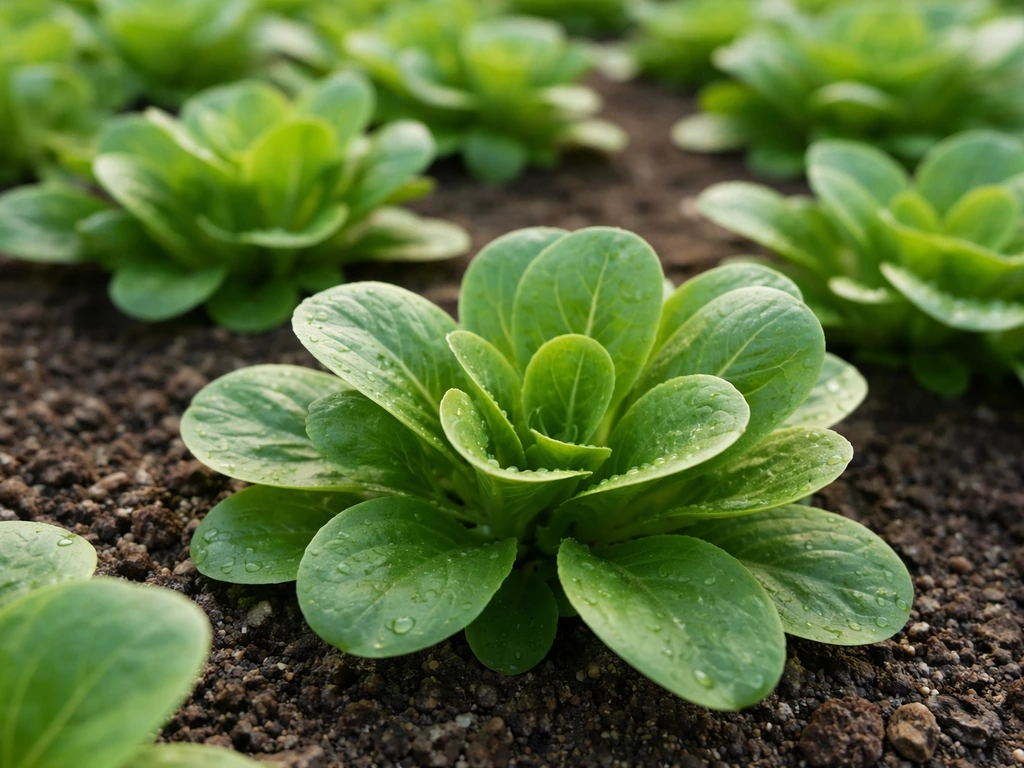
Mache (Valerianella locusta) is a cool-season leafy green that forms small rosettes about 2 to 4 inches across. It's not a true lettuce at all, it's in a completely different plant family, which is why it behaves so differently from romaine or butterhead. The flavor is mild and slightly nutty, which makes it a great salad base on its own or mixed with sharper greens like mizuna.
What makes mache worth the space is that it thrives in conditions most lettuces hate: near-freezing temperatures, short days, and even light frost. In fact, a light frost actually sweetens the leaves. It's a prime candidate for fall and winter growing, bridging the gap when most other greens have shut down. If you're already growing lettuce outdoors in spring and fall, mache slots right into that same seasonal window.
The trade-off is patience. Mache is slow. It forms tight little rosettes rather than big heads, so don't expect the kind of rapid growth you'd get from loose-leaf lettuce. Expect 45 to 60 days for a harvestable crop, sometimes longer in cold weather, and plan accordingly.
Picking the right variety, sourcing seeds, and nailing your timing
There are two main types of mache you'll encounter: large-seeded (or broad-leaved) varieties and small-seeded varieties. Large-seeded types like 'Vit' and 'Coquille de Louviers' are more heat-tolerant and faster to germinate, making them a better bet for beginners or for spring sowing when temps can swing. Small-seeded types tend to have a more delicate texture and are often preferred for fall and winter harvests. Either works well; I'd suggest starting with 'Vit' if you're new to mache since it's forgiving.
Source seeds from a reputable supplier. Baker Creek, Johnny's Selected Seeds, and High Mowing Organic Seeds all carry good mache selections. Avoid discount seed packets that have been sitting around, because mache germination rates drop noticeably with old seed.
When to plant: spring vs. fall
Mache has two ideal planting windows, and which one you pick depends on where you live and how much patience you have. The most popular window is late summer to early fall, about 6 to 8 weeks before your first expected frost. The plants establish while it's still mild, then slow down through winter but keep growing, and you harvest through fall and into winter. In mild climates, this can mean greens all the way through February.
The spring window works too, but it's trickier. Sow as soon as the ground is workable, ideally when soil temps are between 40°F and 55°F. The problem is that spring warmth arrives fast in many regions, and once soil temperatures push past 68°F, mache seed goes dormant and won't germinate. If you’re wondering how to grow lettuce in Hawaii, use the same cool-season approach and focus on keeping plants from overheating soil temperatures push past 68°F. If you miss that window, the plants that do come up will bolt before you get a real harvest. Spring growing is more reliable in cool, northern climates or at higher elevations.
| Season | Best Sow Time | Harvest Window | Risk Level |
|---|---|---|---|
| Fall (recommended) | 6–8 weeks before first frost | Fall through winter/early spring | Low |
| Spring | As soon as ground is workable, soil 40–55°F | Late spring before heat arrives | Medium to high |
| Winter (mild climates) | October to November | December through March | Low with protection |
Setting up your growing space: beds, containers, indoor, and hydroponics
In-ground garden beds

Mache is perfectly happy in a standard garden bed. If you’re wondering how do you grow lettuce in a garden, start by sowing in well-draining soil and keeping the plants cool Mache is perfectly happy in a standard garden bed.. It prefers well-draining soil with a pH between 6.0 and 7.0. Work in some compost before sowing to improve moisture retention, but don't go heavy on nitrogen-rich amendments at planting, since that can push leafy growth that's more prone to disease. A raised bed is ideal because it warms up faster in spring and drains better in wet fall conditions.
Containers and apartment growing
Mache does very well in containers, which is great news if you have a balcony or patio. Because the rosettes are small (2 to 4 inches across), you can pack a reasonable harvest into a window box or a pot that's at least 6 inches deep. Use a quality potting mix, not garden soil, which compacts in containers. The key with pots is consistent moisture. Containers dry out faster than beds, and mache is sensitive to drought stress, especially as a seedling.
Indoor growing
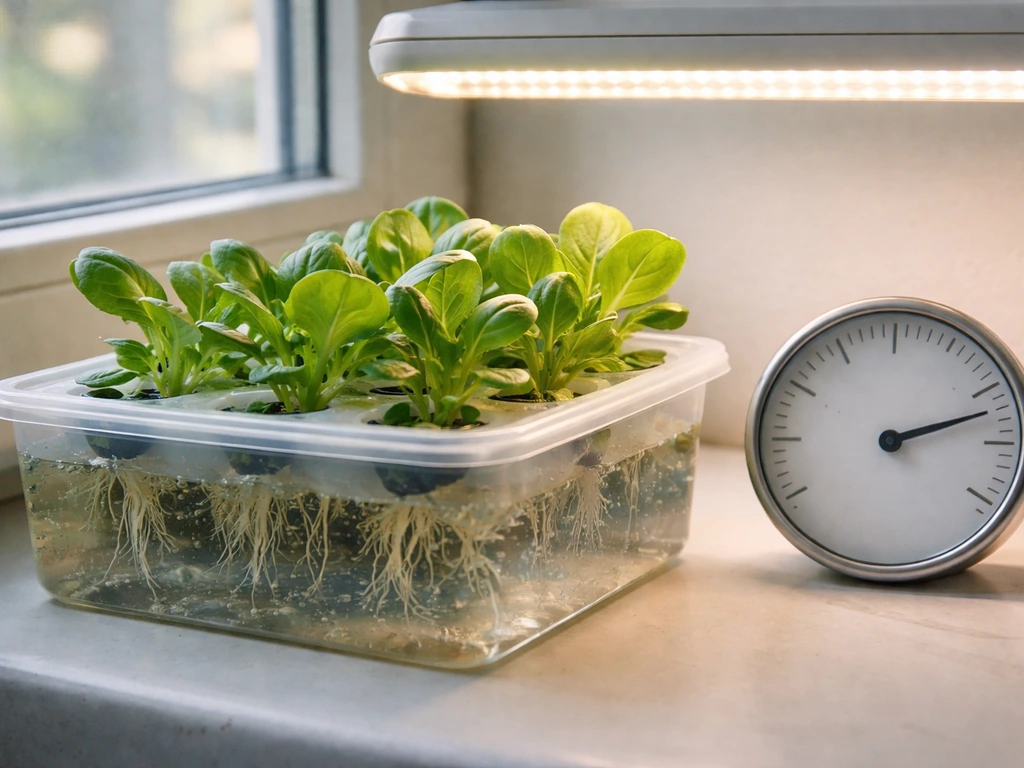
Growing mache indoors is very doable but requires attention to temperature and light. Keep the room on the cooler side if possible, somewhere between 50°F and 65°F is ideal. A cold spare room, an unheated garage with a grow light, or a basement setup works better than a warm kitchen windowsill. Under grow lights, give mache 12 to 14 hours of light per day. A full-spectrum LED positioned 4 to 6 inches above the seedlings does the job without overheating the plants.
Hydroponic setups
Mache adapts reasonably well to hydroponics, particularly kratky (passive hydro) or NFT systems. Keep the nutrient solution pH between 6.0 and 7.0 to match its soil preferences. The same temperature rules apply: if your grow room is warm, mache will underperform or bolt. Use a half-strength lettuce nutrient formula to start, since mache is not a heavy feeder. It's slower to establish than typical hydroponic lettuce varieties, so don't expect the same rapid turnover you'd get with butterhead.
How to plant mache: direct sowing, spacing, and succession schedules
Mache is almost always direct sown. It doesn't transplant well because it has a delicate taproot that resents disturbance. Don't start it in trays expecting to move it later. Sow where it will grow.
- Prepare the soil or container mix: loosen it to about 4 inches deep and smooth the surface.
- Sow seeds about 1/4 inch deep. No deeper. Mache seeds are tiny and need to be close to the surface to germinate reliably.
- Space seeds or small pinches roughly 2 inches apart in rows 6 inches apart. You'll thin later, so don't obsess over spacing at sowing.
- Water gently with a fine mist or spray so you don't displace the shallow seeds.
- Expect germination in 7 to 14 days at cool soil temps (40–55°F). At warmer temps, germination slows down or stops.
- Once seedlings are about an inch tall, thin to 4 inches apart. Closer than that and you'll get weak, leggy plants competing for light.
- For a continuous harvest, sow a new batch every 2 to 3 weeks through the fall season.
Succession sowing is genuinely worth doing with mache. Because each rosette is small and the plant matures slowly, a single sowing gives you a limited, compressed harvest window. Stagger your sowings every two to three weeks and you'll have a steady supply from early fall all the way through late winter in most climates.
Light, temperature, water, and fertilizer
Light
Mache tolerates partial shade better than almost any other salad green. In fall and winter, full sun is fine and actually helpful. In spring, if temperatures are creeping up, afternoon shade extends your harvest window by slowing bolting. Indoors, 12 to 14 hours of full-spectrum light keeps plants compact and healthy.
Temperature
This is the variable that matters most. Mache grows best between 45°F and 65°F. It handles frost and can survive temperatures as low as 15°F to 20°F with some protection (a cold frame or row cover). What it cannot handle is sustained heat. Once daytime temperatures consistently hit the low 70s°F, plants shift into survival mode and bolt. The seed itself goes dormant when soil temps exceed 68°F, which is why late spring sowing often fails.
Watering
Water consistently but avoid waterlogging. Mache likes evenly moist soil, not wet soil. USU Extension recommends aiming for a soil pH of 6.0 to 7.0 for the best lamb’s lettuce growth Mache likes evenly moist soil, not wet soil.. In outdoor beds during fall, natural rainfall often covers most of your watering needs. Check the top inch of soil: if it's dry, water. If it's still moist, leave it. In containers, check daily during establishment and every other day once plants are established. Overwatering in cold conditions is the most common mistake because cool temps slow evaporation and it's easy to assume the plant needs more water than it does.
Fertilizing
Mache is a light feeder. If you've worked compost into the bed before sowing, you probably don't need to fertilize at all. In containers or hydro, use a balanced, diluted liquid fertilizer (something like a 5-5-5 or a half-strength lettuce formula) every two to three weeks. Heavy nitrogen feeding pushes soft, watery leaf growth that's more vulnerable to rot and disease in cool, wet fall conditions. Less is more here.
Solving the problems you'll actually run into
Slow or failed germination
If your seeds aren't sprouting after two weeks, the most likely culprits are soil temperature and seed age. Check your soil temp with a cheap thermometer: if it's above 68°F, seeds may have gone dormant. Wait for cooler conditions or move containers to a cooler spot. If soil temp is fine but germination is still failing, your seeds may be old or were stored poorly. Mache seed viability drops off significantly after two years. Buy fresh seed each season if you can.
Bolting before harvest
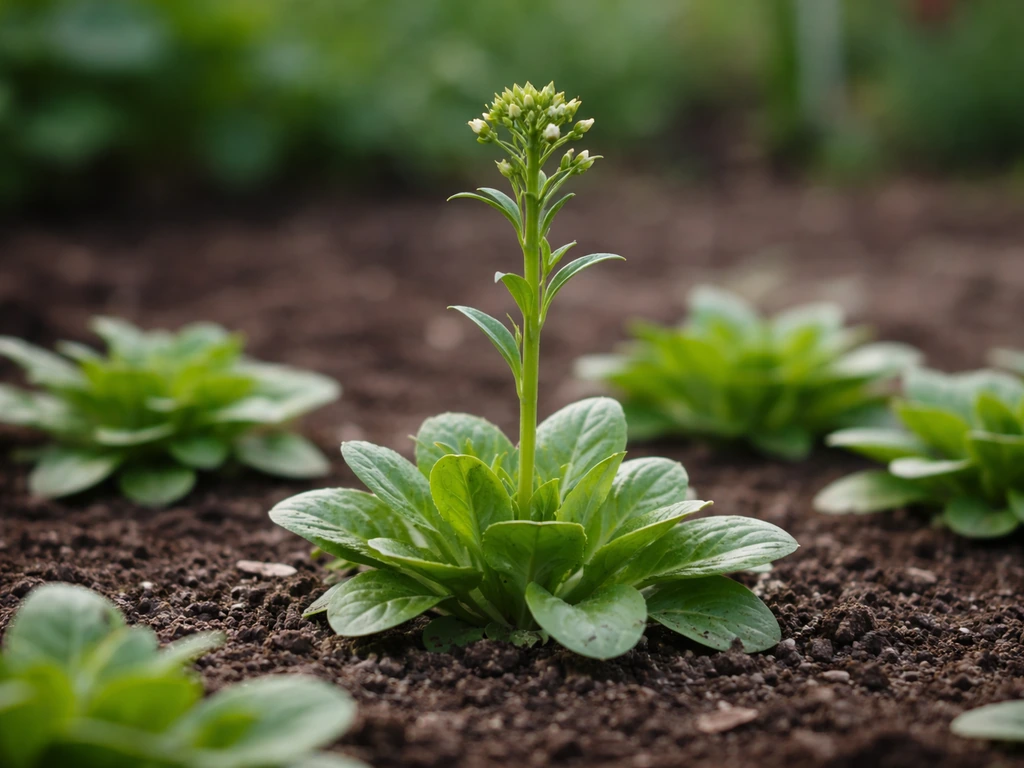
If plants are sending up flower stalks before you've gotten a harvest, heat is almost certainly the cause. Once bolting starts, there's no reversing it, but you can still harvest the leaves immediately even if they're slightly more bitter than usual. Going forward, plant earlier in fall or use shade cloth in spring to buy extra time. In containers, move the pot to a shaded, cool spot as temperatures rise.
Bitter leaves
Mache is naturally mild and nutty, so if your leaves taste bitter, something is stressing the plant. Heat and water stress are the two main causes. Harvest in the morning when leaves are coolest and most hydrated. Make sure plants aren't drying out between waterings. A light frost actually reduces bitterness, so late-fall harvests often taste the best.
Overcrowding and thin, weak growth
If plants look tall, spindly, or pale, they're either overcrowded or underlighted. Thin aggressively to 4 inches between plants. Indoors, move lights closer or add more hours. Outdoor plants in deep shade sometimes struggle too; try a spot with more direct fall light.
Pests and disease
Mache is relatively pest-resistant, but a few issues pop up. Slugs love the tender rosettes, especially in cool, moist fall conditions. Use iron phosphate slug bait around the bed, or set out beer traps. Aphids can appear on stressed plants; a strong spray of water usually handles light infestations. In overly wet or poorly drained conditions, damping off (a fungal rot at the base of seedlings) can wipe out young plants quickly. Improve drainage and avoid overwatering to prevent it. Downy mildew can show up in humid conditions: space plants properly and avoid overhead watering late in the day.
Harvesting mache and keeping it fresh
When and how to harvest
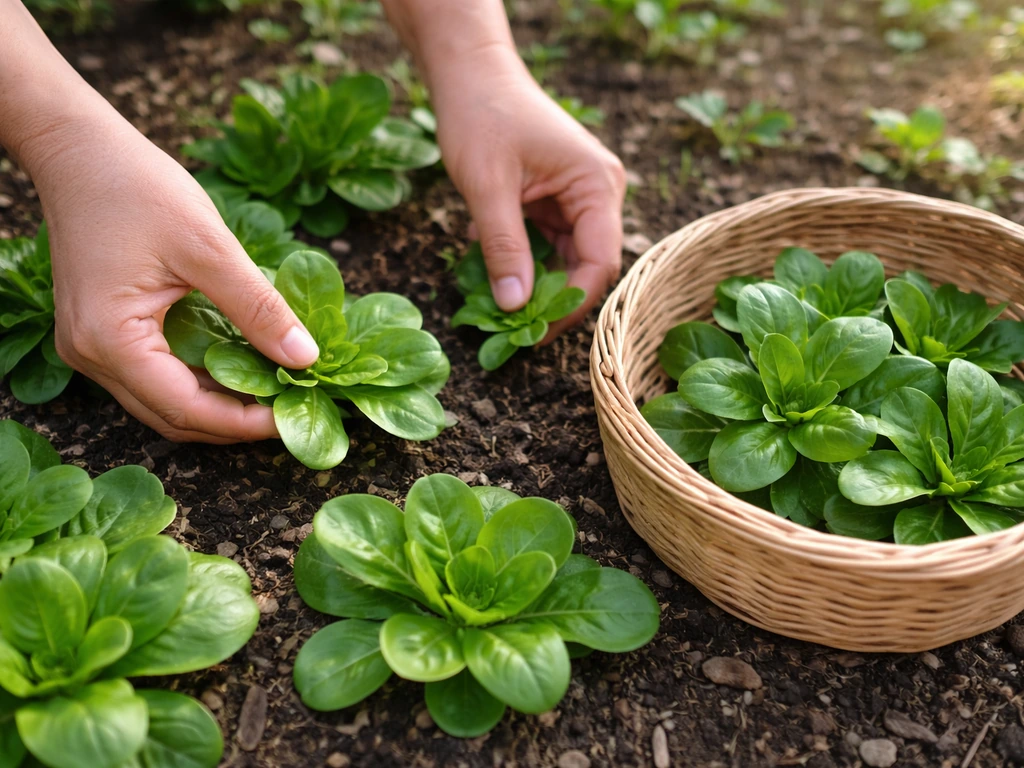
Mache is ready to harvest when rosettes are about 2 to 4 inches across, usually 45 to 60 days after sowing. You have two harvest options. The first is cutting individual outer leaves as needed, which works but mache's leaves are small and this gets fiddly. The better approach for most home growers is to cut or pull the whole rosette at once. If cutting, use scissors and cut about half an inch above the soil. Some regrowth is possible, but it's modest, so don't count on a big second flush. If you want a continuous harvest, that's what succession sowing is for.
Harvest in the morning when the leaves are crisp and haven't been sitting in warm sun. Handle the rosettes gently since mache bruises and wilts faster than sturdier lettuces.
Storage after harvest
Mache has a shorter shelf life than most lettuces. Unwashed, loosely wrapped in a damp paper towel and stored in an airtight container or zip bag in the fridge, it keeps for about 3 to 5 days. Don't wash it until you're ready to use it, since moisture accelerates wilting and decay. If your leaves arrive limp, soak them in ice water for 5 minutes and they'll perk right back up before serving.
A simple harvest schedule to aim for
- Sow first batch in late August to early September (northern climates) or September to October (southern/mild climates).
- Sow second batch 2 to 3 weeks after the first.
- Begin harvesting first batch at 45 to 60 days, roughly mid-October to November.
- Continue harvesting successive batches through winter.
- If using a cold frame or row cover, extend harvest into January or February.
Mache is one of those crops that rewards a little planning upfront and then mostly takes care of itself. It's slow, it's cool-weather only, and it won't give you giant heads like a garden lettuce or the quick spicy punch of mizuna, but that mild nutty flavor is genuinely unique and it fills a season where almost nothing else is producing. If you are comparing plants, mizuna has a different growth habit and can be easier to fit into quick harvest schedules. Get your timing right, keep it cool, and you'll have one of the most satisfying cold-weather greens in your garden.
FAQ
Can I freeze mache leaves, or will they get mushy?
You can freeze mache, but texture softens after thawing. For best results, wash and dry thoroughly, then freeze loosely in a single layer and transfer to a bag once solid. Use frozen mache in soups, stews, or sautés rather than as fresh salad.
What’s the best way to thin mache if I want full, even rosettes?
Thin early when seedlings are small, then fine-tune to about 4 inches apart. If you wait too long, the remaining plants compete for light and you get tall, pale rosettes that bolt sooner in warming weather.
How do I prevent bolting if late spring keeps warming up fast?
Use the earliest possible spring sowing only if you can keep soil cool, and switch to shade during the warmest part of the day once temps climb. Also consider covering with row cover to buffer temperature spikes, but vent it on milder days to avoid excess humidity.
Is it okay to harvest mache multiple times from the same rosette?
You can remove outer leaves for short periods, but mache rosettes are small and regrowth is limited. For more predictable repeat harvests, plan succession sowings every 2 to 3 weeks rather than relying on a large second flush from one rosette.
Why are my mache seeds sprouting but the seedlings keep collapsing?
The most common cause is damping off from excess moisture and poor airflow around young seedlings. Let the top layer of soil dry slightly between waterings, improve drainage, and avoid watering late in the day. If in containers, make sure there are plenty of drainage holes.
Should I mulch mache in fall or winter?
Light mulch can help keep temperatures steady and reduce moisture swings, especially in containers. Use a thin layer (like shredded leaves) and keep it pulled slightly away from the crown so seedlings are not smothered. Avoid heavy mulch that stays soggy, since cool wet conditions increase rot risk.
How deep should I sow mache seeds?
Sow shallow. A light covering of soil is enough, since seeds need darkness but not a thick layer. Too deep planting often leads to uneven or delayed germination, particularly in warm or drying soil.
Can I grow mache in a window box or small pot, or do I need a deeper container?
A deeper pot is strongly preferable. Aim for at least 6 inches of depth because mache has a delicate taproot and shallow containers dry out too quickly. If you only have shallow planters, you’ll need very frequent moisture checks and you may see earlier bolting or poor rosette size.
Why does mache taste bitter even when the plants look healthy?
Bitterness often comes from heat stress or inconsistent watering, even if rosettes still form. Harvesting in the morning helps, and a light frost can sweeten flavor. If bitterness persists, adjust by shading in the afternoons during warming spells and keep watering more even.
Can I use the same fertilizer schedule as other leafy greens?
Usually no. Mache is a light feeder, so over-fertilizing, especially nitrogen-heavy feeding, can produce soft foliage that rots more easily in cool wet weather. In pots or hydro, stick to half-strength and space feedings 2 to 3 weeks apart, then watch for pale, overly lush growth as a warning sign.
What should I do if my mache rosettes are tiny or uneven?
Most often it’s spacing, slow temperatures, or inconsistent moisture. Thin to the target distance, ensure plants are getting adequate light for your season, and check that containers are not drying out between waterings. If your soil is very compacted, loosen it or switch to a better-draining potting mix.
How can I extend the harvest beyond winter in colder climates?
Use protection like a cold frame or row cover once nighttime lows drop. Cover during cold snaps to prevent damage, but remove or vent on milder days to reduce humidity-related issues. With protection and succession sowing, you can keep harvesting later than you would outdoors without cover.